Skip to content

Recipes with plain wheat flour

7 recipes that use plain wheat flour, with photos, step-by-step instructions and cook times. The quickest, Kita (quick Ethiopian flatbread), takes 25 minutes. It is most often cooked with coriander, spring onion and achira or banana leaves.

Got a few things in the fridge? Search by everything you have

Boza

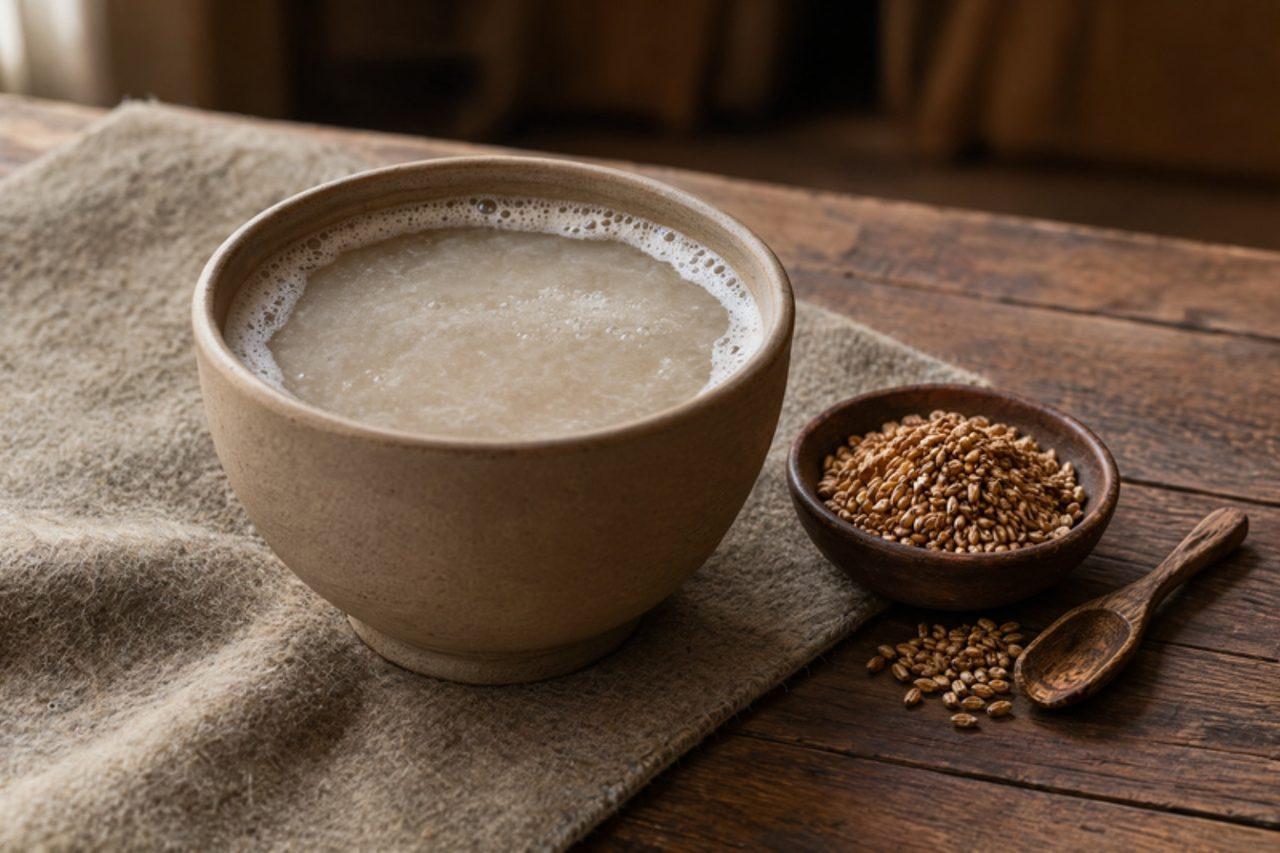
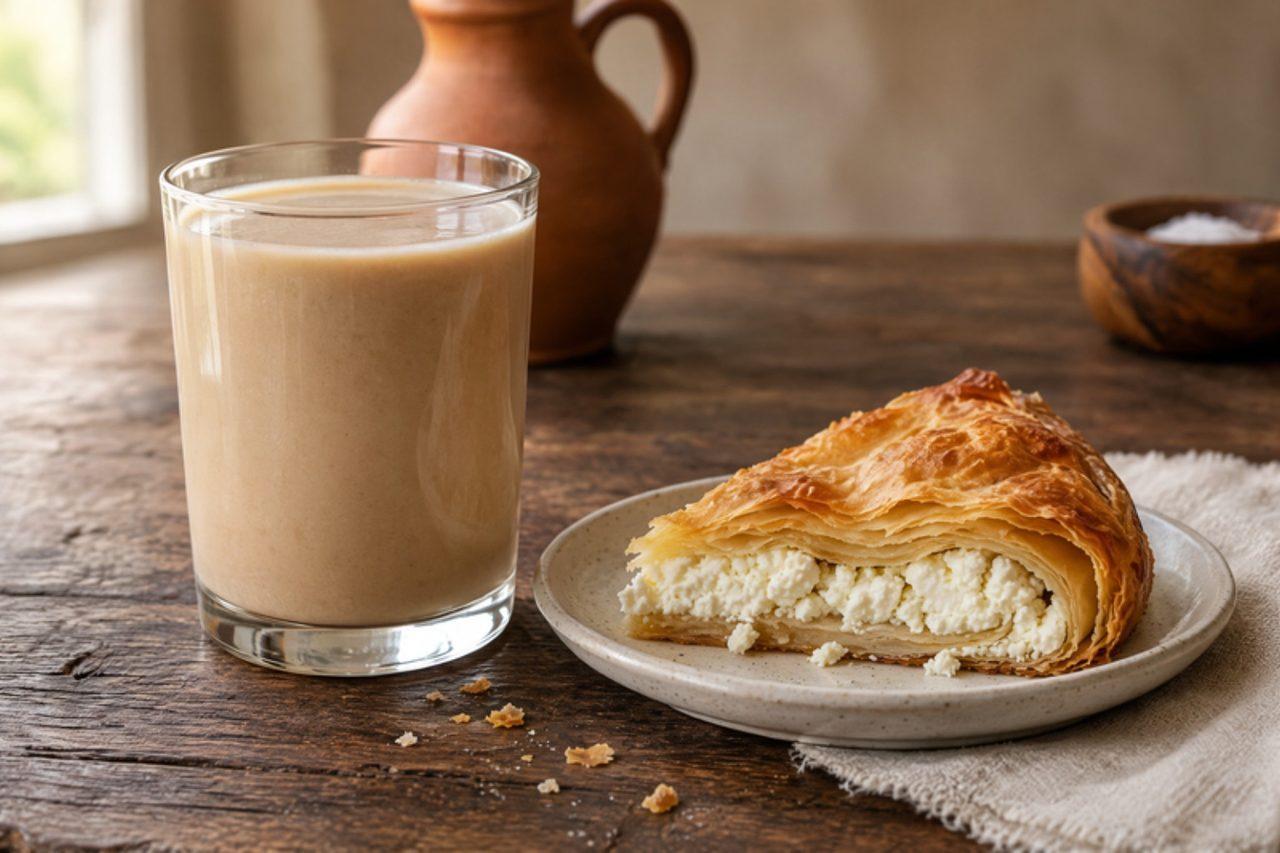
In Bulgaria boza is a breakfast habit: a plastic bottle of it from the corner pastry shop and a slice of hot, flaky banitsa, bought on the way to work or school, especially from autumn through to spring. Towns such as Radomir, Plovdiv and Sofia argue over whose is best. It is the colour of milky coffee, thick enough to coat the glass, sweet up front with a sour, bready finish and a faint prickle. Like every fermented grain drink it makes a trace of alcohol, well under 1% when drunk young. The base is millet flour, toasted for flavour, cooked into a thin porridge, then fermented for about a day before being strained and sweetened. The common mistake is adding the yeast while the porridge is still hot, which kills it and leaves you with sweet gruel; wait until it feels only just warm on your wrist. It is ready when the surface is covered in small bubbles, it smells like fresh bread with a sour edge and tastes pleasantly tangy. Chef's tip: keep back a glass of each batch in the fridge and use it instead of yeast next time; boza made from an old starter is rounder and more sour.

by KrazyBadal 0 views

Khuri

Khuri is a Sikkimese tea-time and breakfast dish from the buckwheat-growing villages of the north, where the thin grey-brown crêpes are filled with fresh cheese sharpened with chilli and spring onion, then rolled and eaten warm. It is often served with a fiery tomato achar. The batter needs to be thin enough to swirl, and the common mistake is flipping too early, before the edges lift by themselves, which tears the crêpe. Wheat flour in the batter helps it hold together, so these are not gluten free. Chef's tip: rest the batter for 20 minutes so the buckwheat hydrates and the crêpes come out supple rather than brittle.

by KrazyBadal 0 views

Chutagi

In Leh and the villages along the Indus, chutagi is the one-pot supper of the long winter: little hand-pinched bow-ties of wheat dough dropped into a broth of turnip, carrot, onion and greens. Families sit around the stove pinching the dough together while the pot comes to the boil, and the soup is eaten piping hot, often with a spoon of chilli paste on the side. The broth is light but the pasta makes it filling. The usual mistake is rolling the dough too thick, which leaves the centres of the bows doughy; roll it about as thin as a coin. Chef's tip: let the shaped bows dry on a floured tray for ten minutes before they go in, so they hold their pinched centre instead of opening up in the pot.

by KrazyBadal 0 views

Maksym (Kyrgyz grain drink)

On summer days in Bishkek and Osh, blue and yellow street barrels sell maksym by the glass, next to chalap and kymyz. It is a sour grain drink of Kyrgyz herders: barley (or millet or corn) is toasted, ground and cooked with fried wheat flour into a thin gruel, then left overnight with a little of yesterday's batch until it turns pleasantly sour and slightly sparkling. It is drunk cold with plov, samsa or simply to cool down in July heat. It tastes nutty, like toast and rye bread, with a yogurt-like tang and a gentle salty edge; the texture is thicker than kvass, about like thin buttermilk. Like all ferments it develops a trace of alcohol, well under 1% when drunk young. The classic mistake is adding the starter while the gruel is still hot, which kills it; wait until it feels just warm, about 30 °C. It is ready when small bubbles rise, it smells pleasantly sour and a foamy cap forms. Keep it in the fridge in a loosely capped jug for 3–4 days; it gets sourer and more alcoholic as it sits. Discard if you see coloured mould, slime or smell anything rotten. Contains gluten. Chef's tip: toast the barley until it smells like coffee for the deepest flavour.

by KrazyBadal 0 views

Pixian doubanjiang

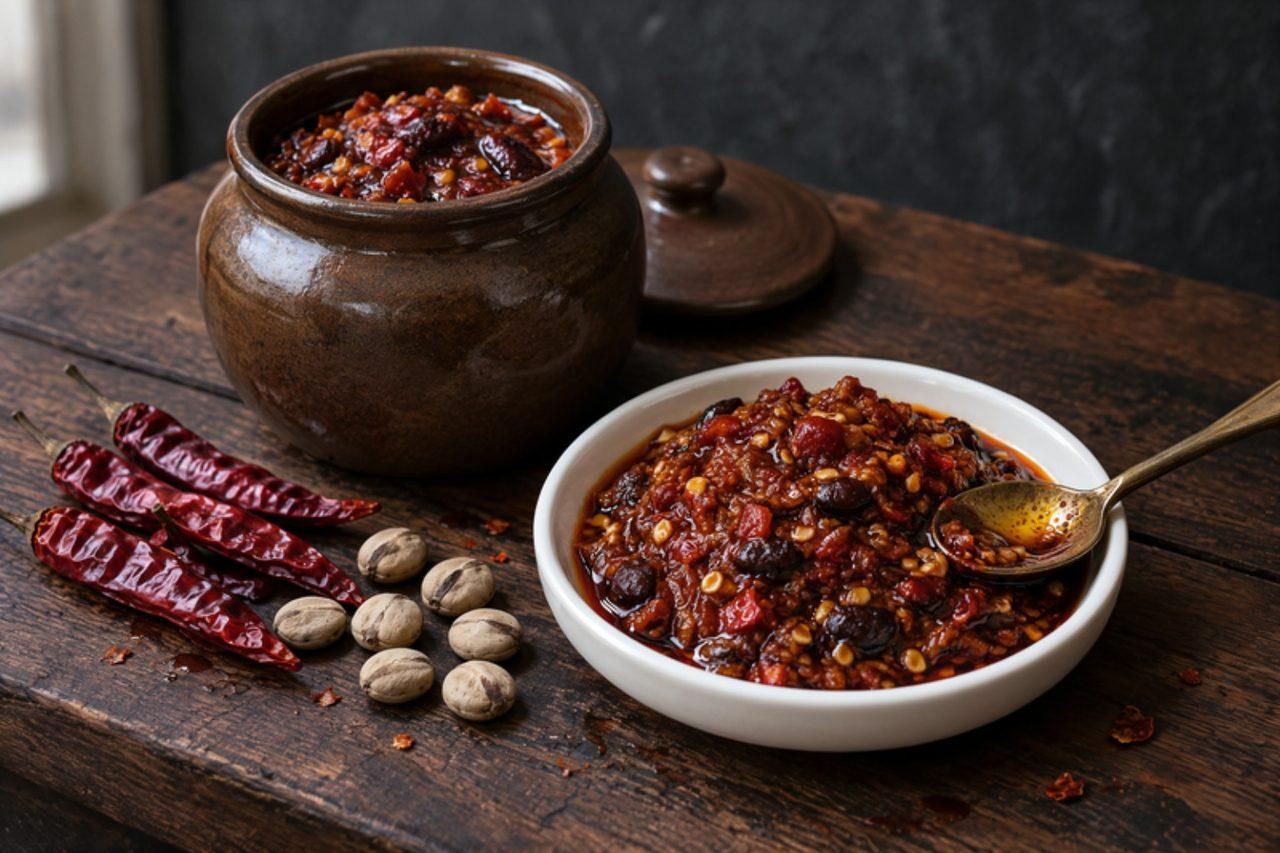
Pixian, now part of greater Chengdu, has made doubanjiang since the 1600s: broad beans are moulded into a koji, chillies are chopped and salted in high summer, and the two are combined in huge open clay vats left in the courtyards to sun by day and breathe by night, stirred every morning for a year or more. The paste darkens from bright red to a glossy red-brown and becomes salty, savoury, deeply fruity and only moderately hot. Fried in oil until the oil turns red, it is the foundation of mapo tofu, twice-cooked pork and boiled fish in chilli oil. This home version takes about three months. Use koji spores for a clean bean ferment, and do not cut the salt: homemade bean pastes are low-acid, and the high salt (about 15%) is what makes them safe. Common mistake: sealing the jar airtight in the warm months; it needs air and daily stirring, so cover it with a cloth or loose lid. Normal: darkening colour, a winey-savoury smell, a little liquid. Discard if fuzzy mould spreads or grows coloured (green, black, pink) patches, or it smells putrid. It is ready when the paste is red-brown and tastes rounded, not raw. Chef's tip: fry it slowly in oil until it smells toasty.

by KrazyBadal 0 views

Kita (quick Ethiopian flatbread)

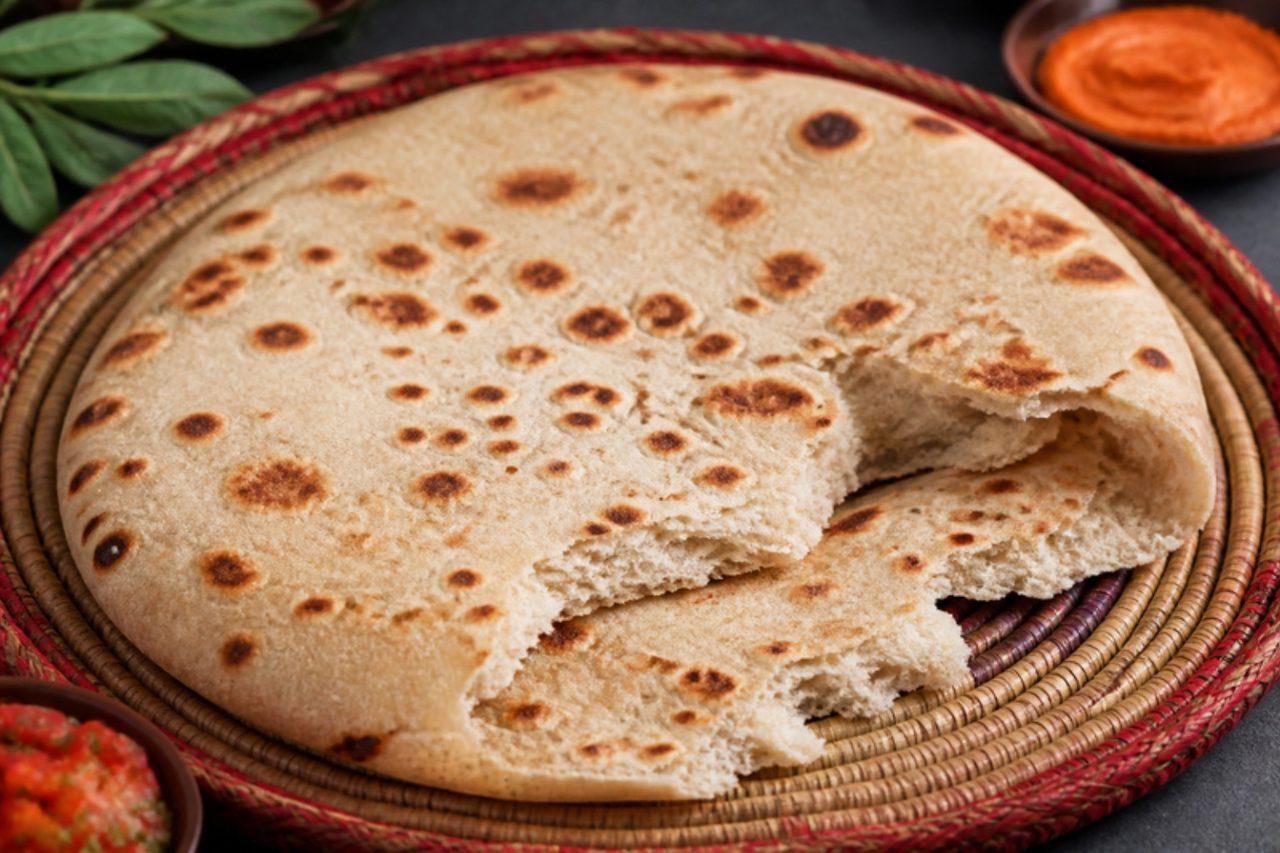
When there is no fermented injera batter ready, households across Ethiopia make kita: a plain unleavened flatbread of flour, water and salt, spread thin and cooked on the mitad or a heavy pan in minutes. It is soft and slightly chewy with toasty brown spots, and is eaten hot with tea, with shiro or buticha on fasting days, or torn up for kita firfir. Children often eat it warm with a sprinkle of berbere and oil. A wheat dough is easiest at home; mixing in a portion of teff flour adds an earthy flavour. Too thick a layer is the common mistake, as the middle stays raw; spread it thin and cook it covered. Chef's tip: wet your fingertips or the back of a spoon to press the batter-like dough out evenly in the hot pan.

by KrazyBadal 0 views

Quimbolitos

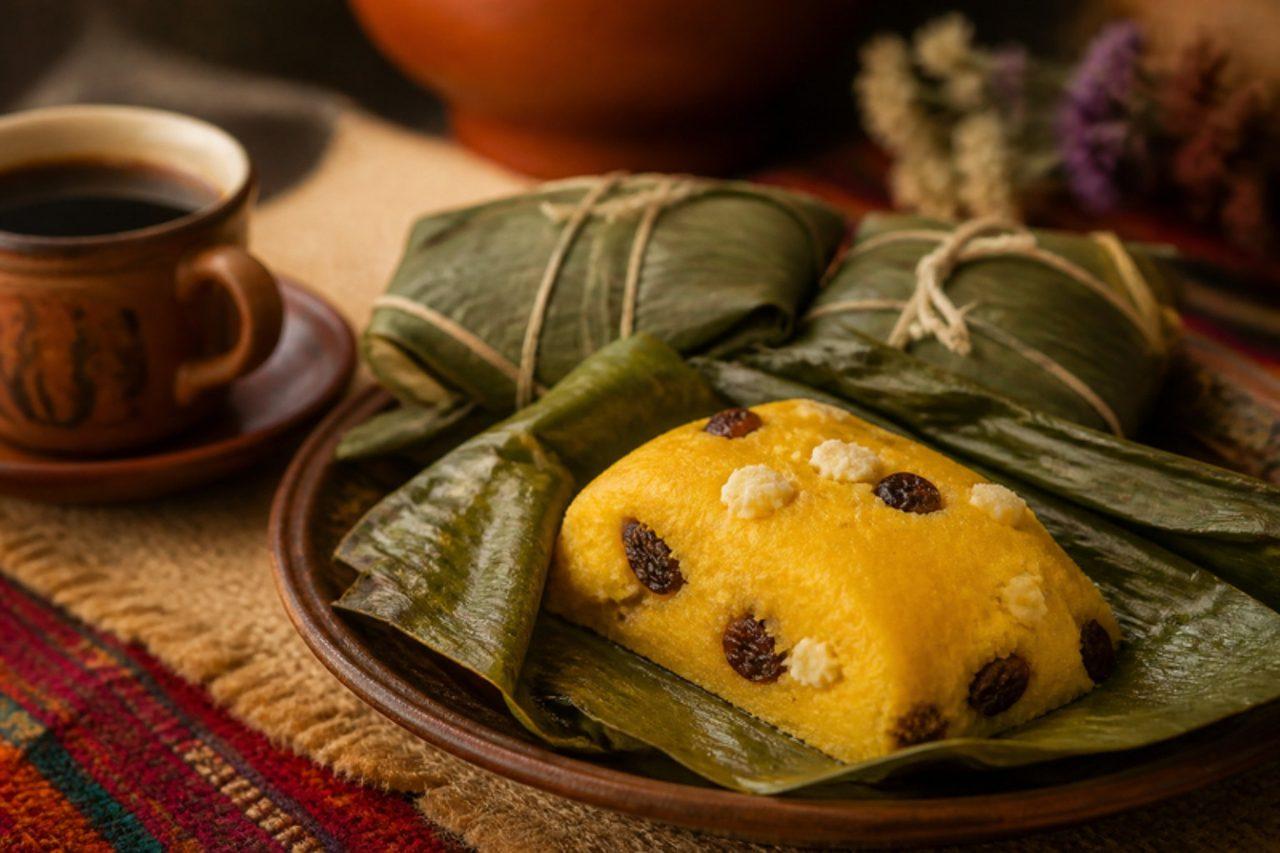
Southern Nariño shares the quimbolito with neighbouring Ecuador. In Pasto these small sweet cakes are steamed in achira leaves and eaten at the mid-afternoon onces with a cup of hot chocolate or coffee. The batter is a rich mix of butter, sugar, eggs, wheat and corn flours and fresh cheese, dotted with raisins; steaming makes it light and moist, closer to a sponge pudding than a cake, and the leaf adds a mild green scent. Some cooks add a splash of anise liqueur; this version uses vanilla and keeps it alcohol-free. Fresh cheese is often set with animal rennet, so pick a vegetarian (microbial-rennet) one if needed. Achira leaves are rare outside the Andes: banana-leaf pieces or squares of baking paper work. Overfilling is what usually goes wrong, as the batter rises and bursts the parcel, so fill each leaf only halfway. Chef's tip: keep the water at a steady simmer, never a rolling boil, so the cakes rise evenly and stay dry.

by KrazyBadal 0 views

Goes well with plain wheat flour