Skip to content

Recipes with piloncillo

8 recipes that use piloncillo, with photos, step-by-step instructions and cook times. The quickest, Café de olla, takes 15 minutes. It is most often cooked with cinnamon stick, baking powder and clove.

Got a few things in the fridge? Search by everything you have

Tejuino

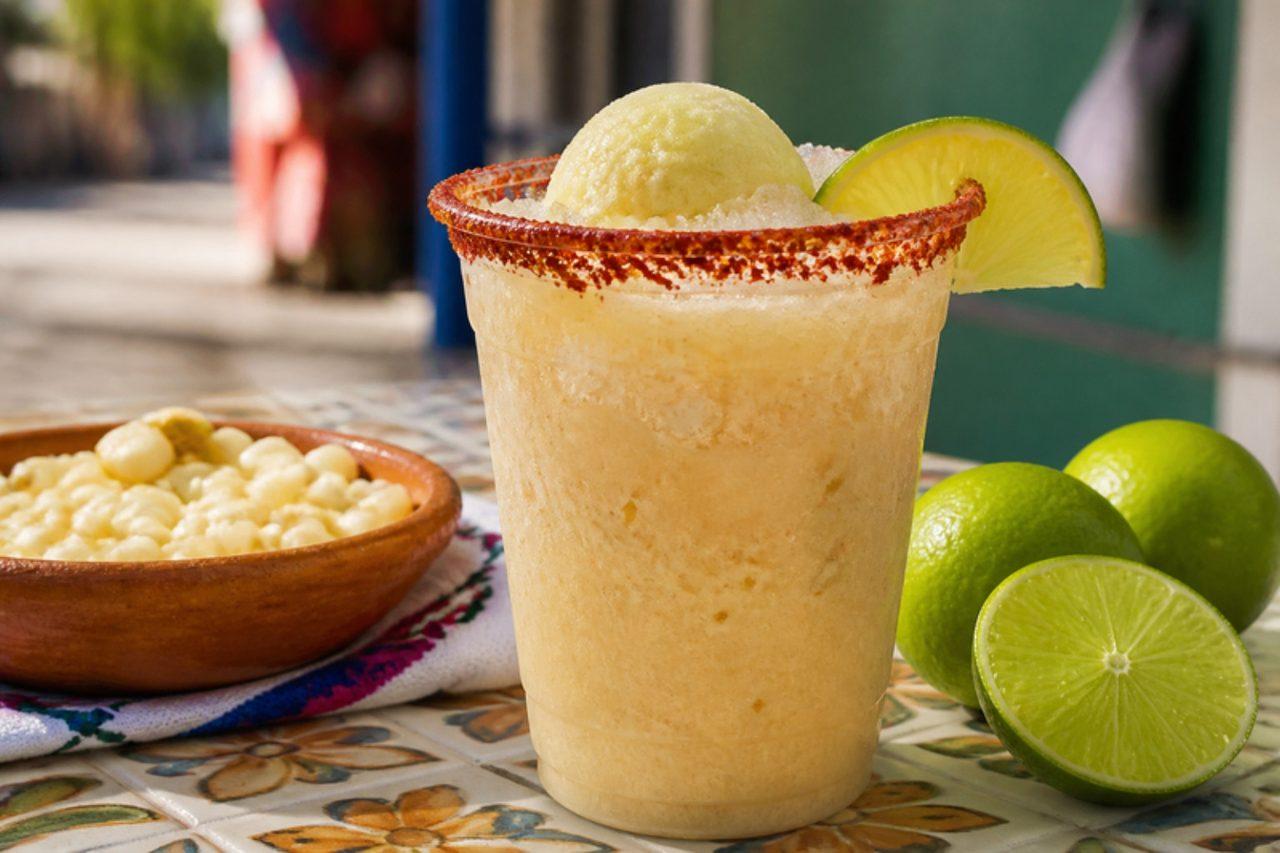
On hot afternoons in Guadalajara, vendors ladle tejuino from big clay pots into plastic bags or glasses with ice, a squeeze of lime, a pinch of salt and often a scoop of lime sorbet. It is made from corn masa cooked with piloncillo and left for two or three days to ferment a little, which gives it a tangy, slightly sour taste. The fermentation is light and the drink is sold as non-alcoholic, but a trace of alcohol can form, so keep the fermentation to 2 days and serve it well chilled. Skip the fermenting stage entirely for children: drink it fresh as a sweet atole-style cooler. Chef's tip: taste it each day; take it to the fridge as soon as it tastes pleasantly sour, like a mild yoghurt.

by KrazyBadal 1 views

Alegrías

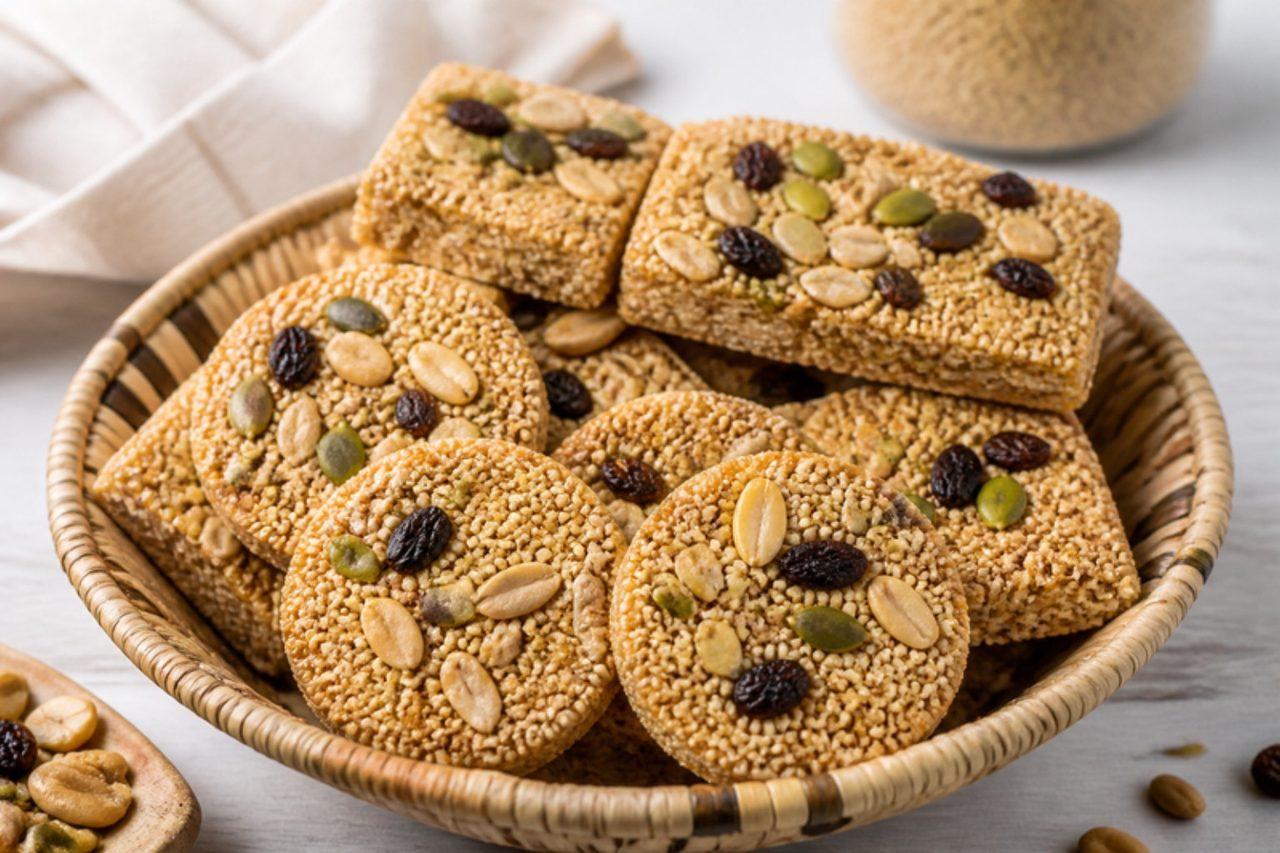
Amaranth has been grown on the chinampa gardens of Xochimilco and Tulyehualco, in the south of Mexico City, since Aztec times, and each February Tulyehualco holds a fair in its honour. Its tiny seeds are popped on a hot comal and bound with honey or piloncillo syrup into alegrías ('joys'), crunchy, light bars sold at bus stops, school gates and church doors and studded with pumpkin seeds, peanuts or raisins. They are naturally gluten free and full of protein for a sweet. Chef's tip: use bought puffed amaranth; popping it yourself works but takes patience and a lidded pan, as the seeds jump everywhere.

by KrazyBadal 0 views

Café de olla

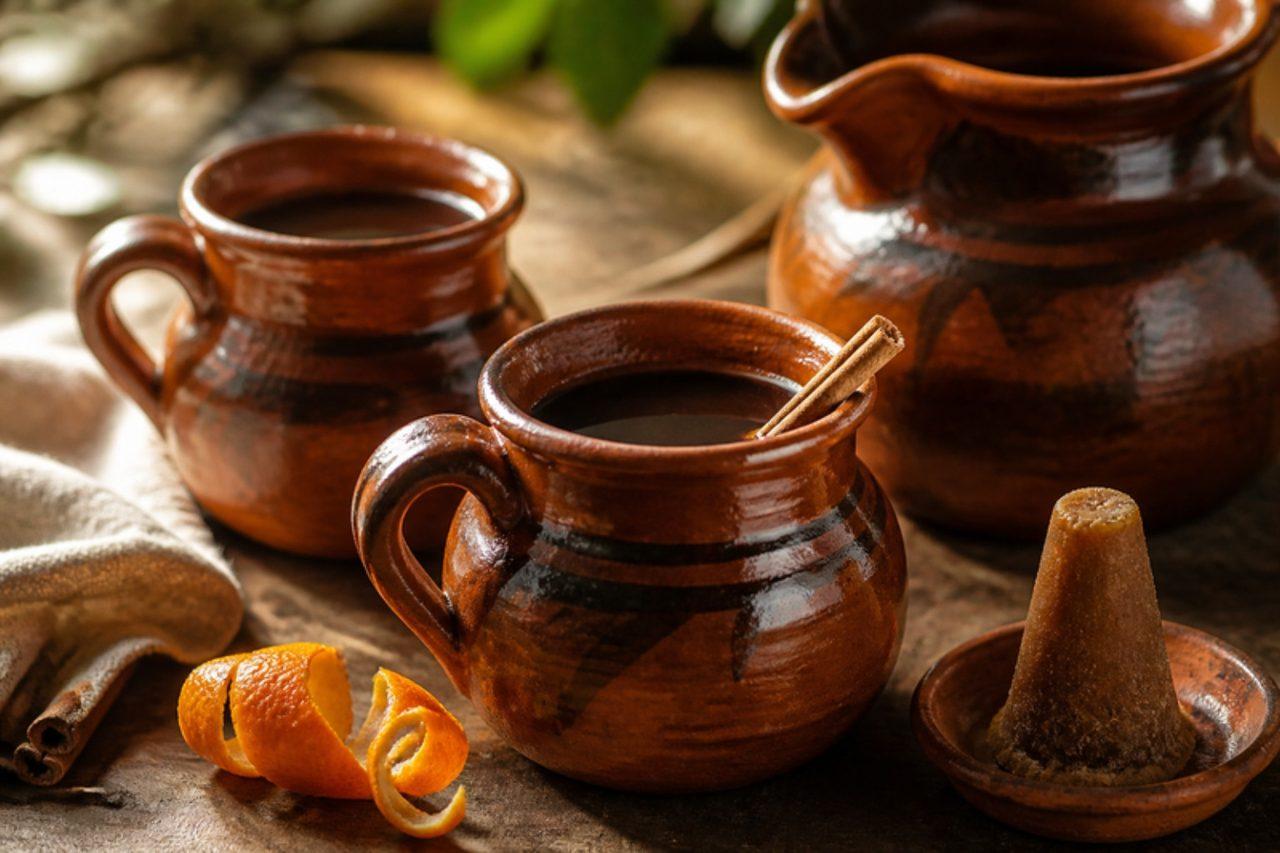
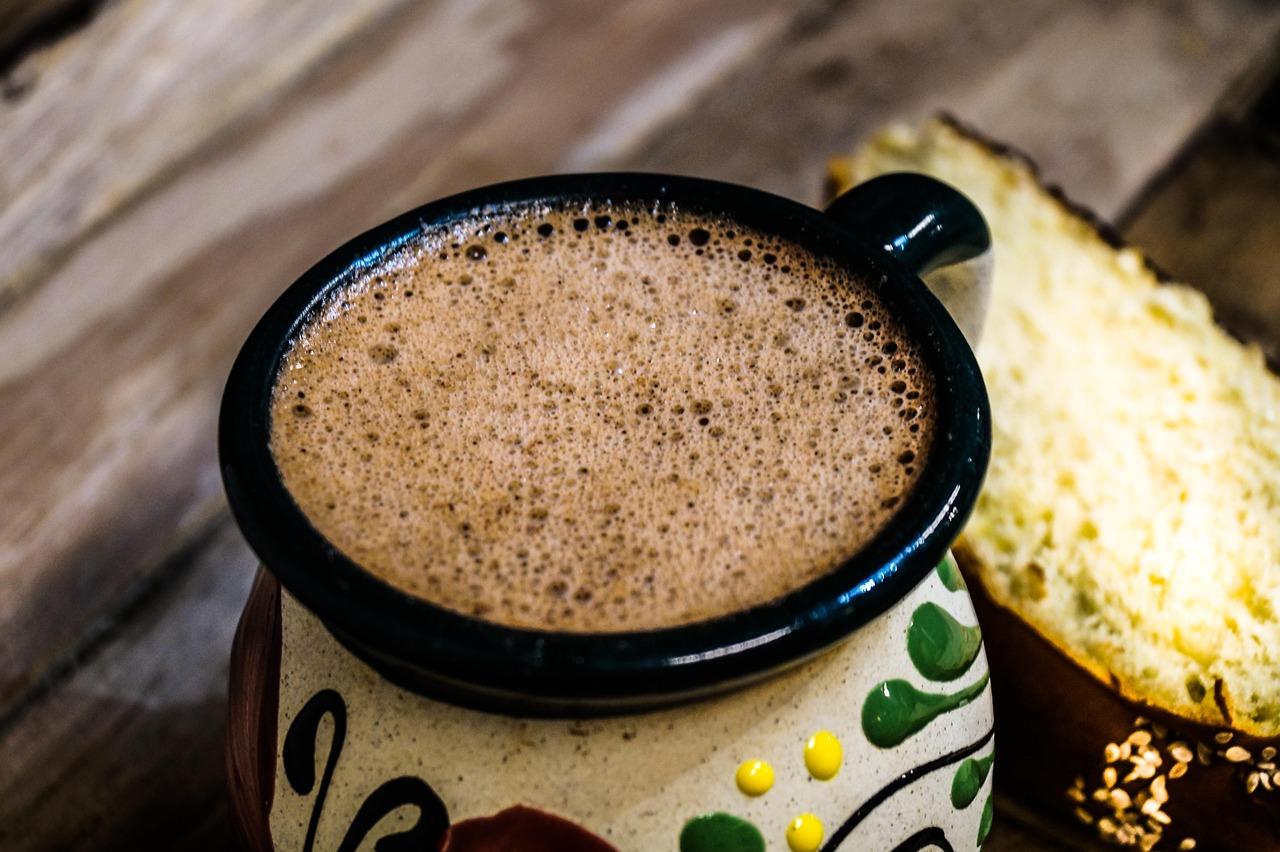
In ranch kitchens and roadside fondas across central Mexico, coffee is not dripped but boiled in a tall clay pot (olla de barro) with a cone of piloncillo and a stick of soft Mexican cinnamon, then strained into clay mugs. It is sweet, spiced and earthy, and is served with pan dulce at breakfast, on cold evenings, and to visitors on Day of the Dead. A saucepan works fine if you have no olla. Chef's tip: turn the heat off before adding the coffee and let it steep rather than boil, or it turns bitter.

by KrazyBadal 0 views

Coyotas

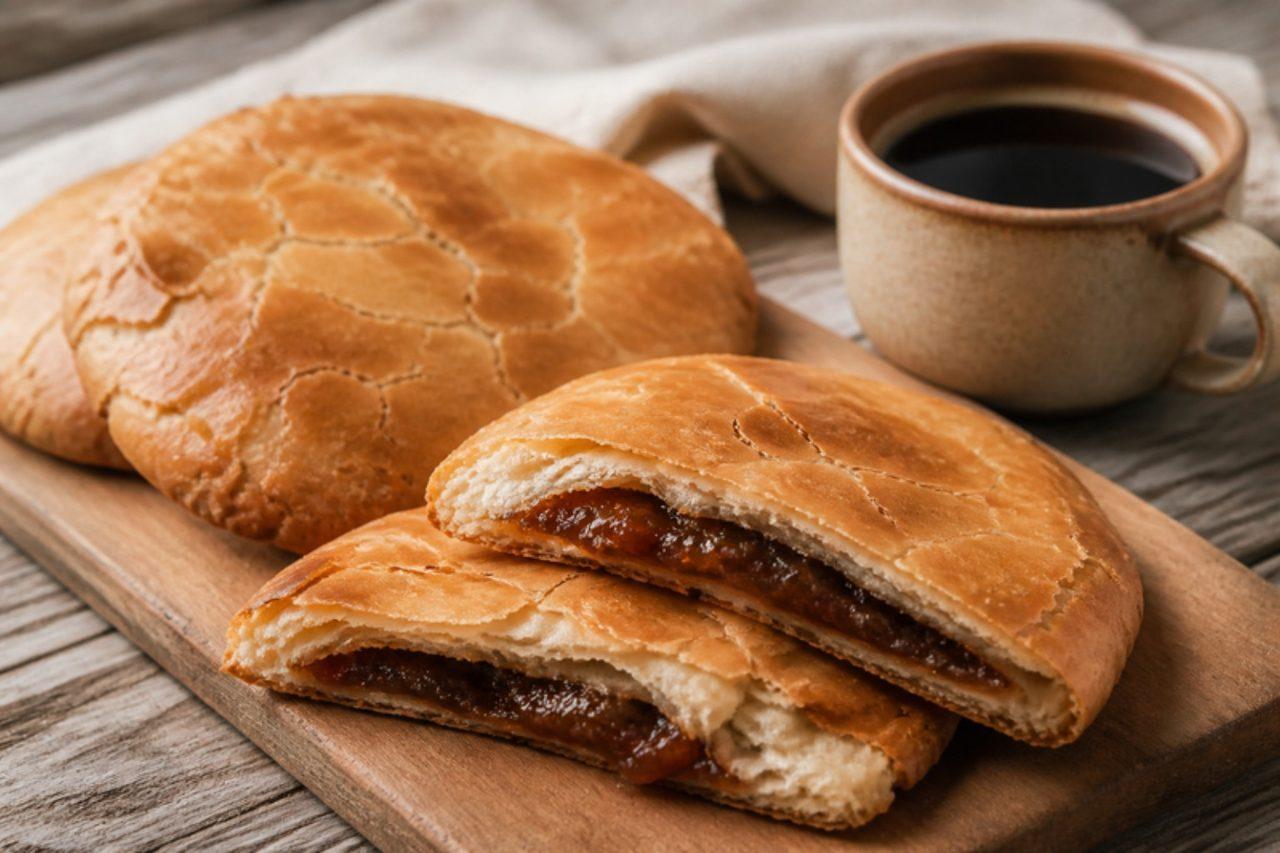
Coyotas were first baked in the Villa de Seris neighbourhood of Hermosillo, and today Sonorans buy them by the dozen in paper bags to eat with morning coffee or take as a gift when they travel. They are flat, round, pale pastries with a crisp, crumbly crust and a thin layer of molten piloncillo inside, like a giant cookie with a toffee middle. Some bakers add guava or cajeta, but brown sugar loaf is the classic. Chef's tip: pinch the edges firmly and prick the tops; otherwise the hot sugar bubbles out and burns on the tray.

by KrazyBadal 0 views

Empanadas de calabaza

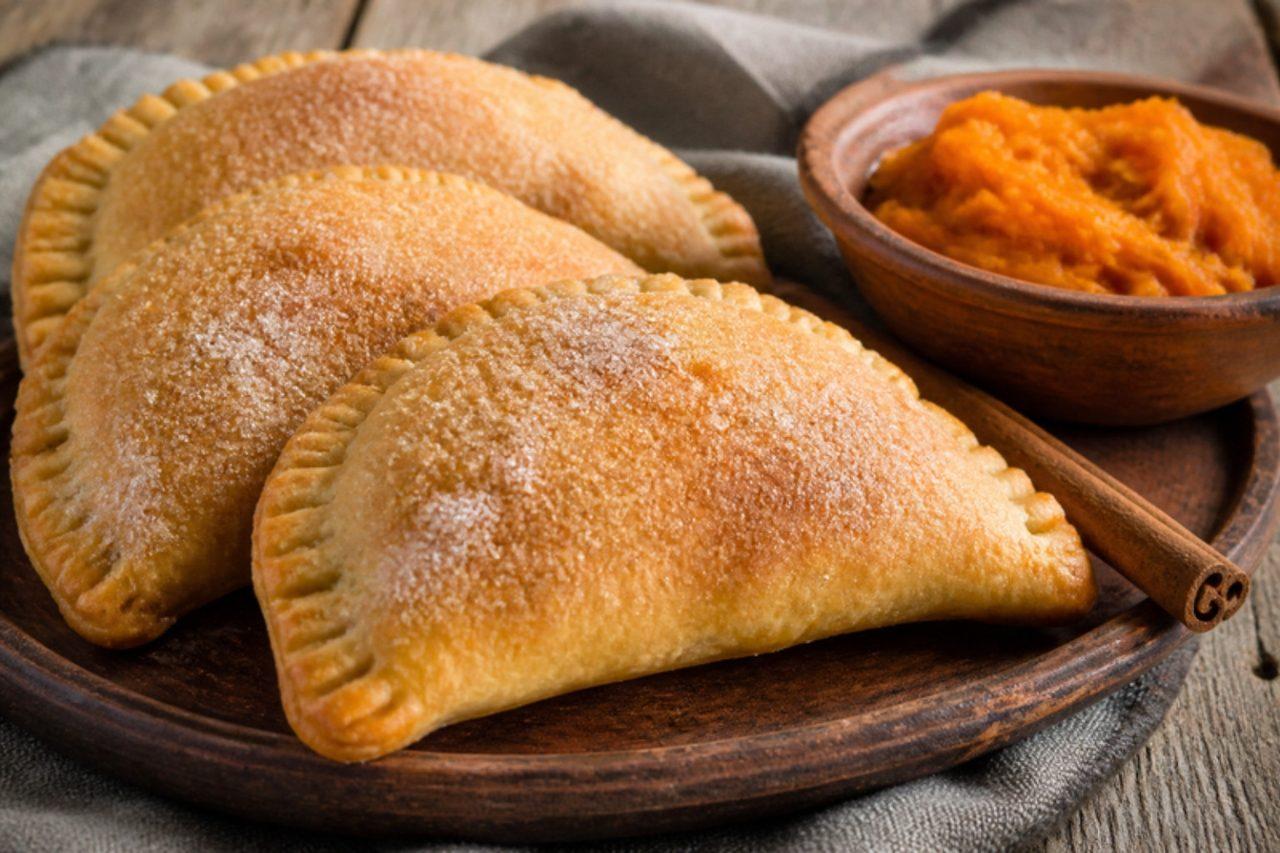
When the cold fronts reach Monterrey in November, panaderías start stacking trays of empanadas de calabaza next to the conchas, and families bake them at home for Day of the Dead and Christmas. A tender, lightly sweet pastry is folded around a thick purée of pumpkin cooked with piloncillo, cinnamon and anise, so each half-moon tastes like a spiced pumpkin pie you can hold. They are eaten with café de olla or a glass of milk. Chef's tip: cook the filling until a spoon leaves a trail across the pan; watery pumpkin turns the pastry soggy.

by KrazyBadal 0 views

Charamuscas

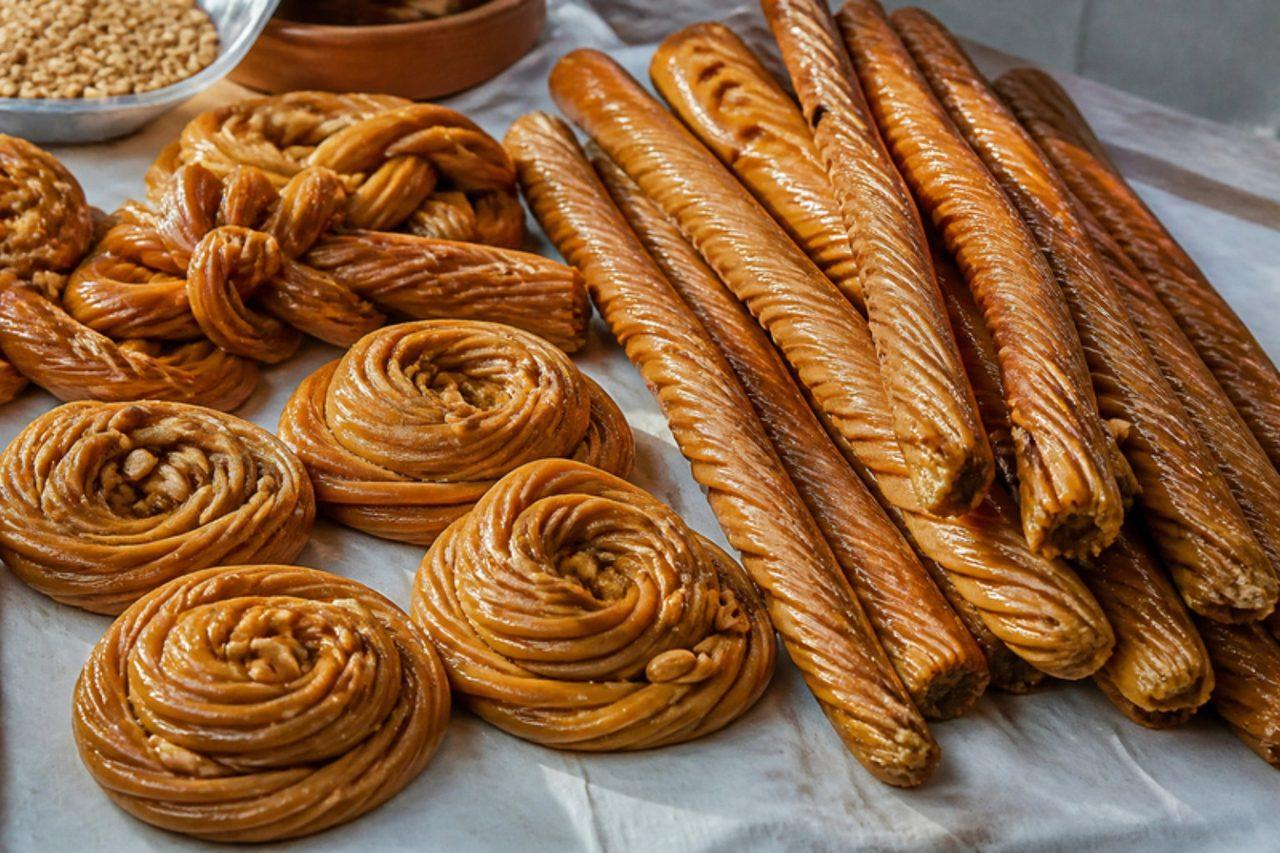
Around Day of the Dead in Guanajuato city, sweet sellers display charamuscas pulled and shaped into skulls, mummies (a nod to the town's famous museum) and simple twists, glossy amber and wrapped in cellophane. The everyday ones are rope-like spirals of pulled piloncillo, chewy then brittle, with a deep molasses taste. Pulling the hot sugar is a two-person job and great fun with older children; younger ones should watch. Chef's tip: wear clean rubber kitchen gloves rubbed with oil; you can handle the sugar sooner and much more comfortably.

by KrazyBadal 0 views

Muéganos de Huamantla

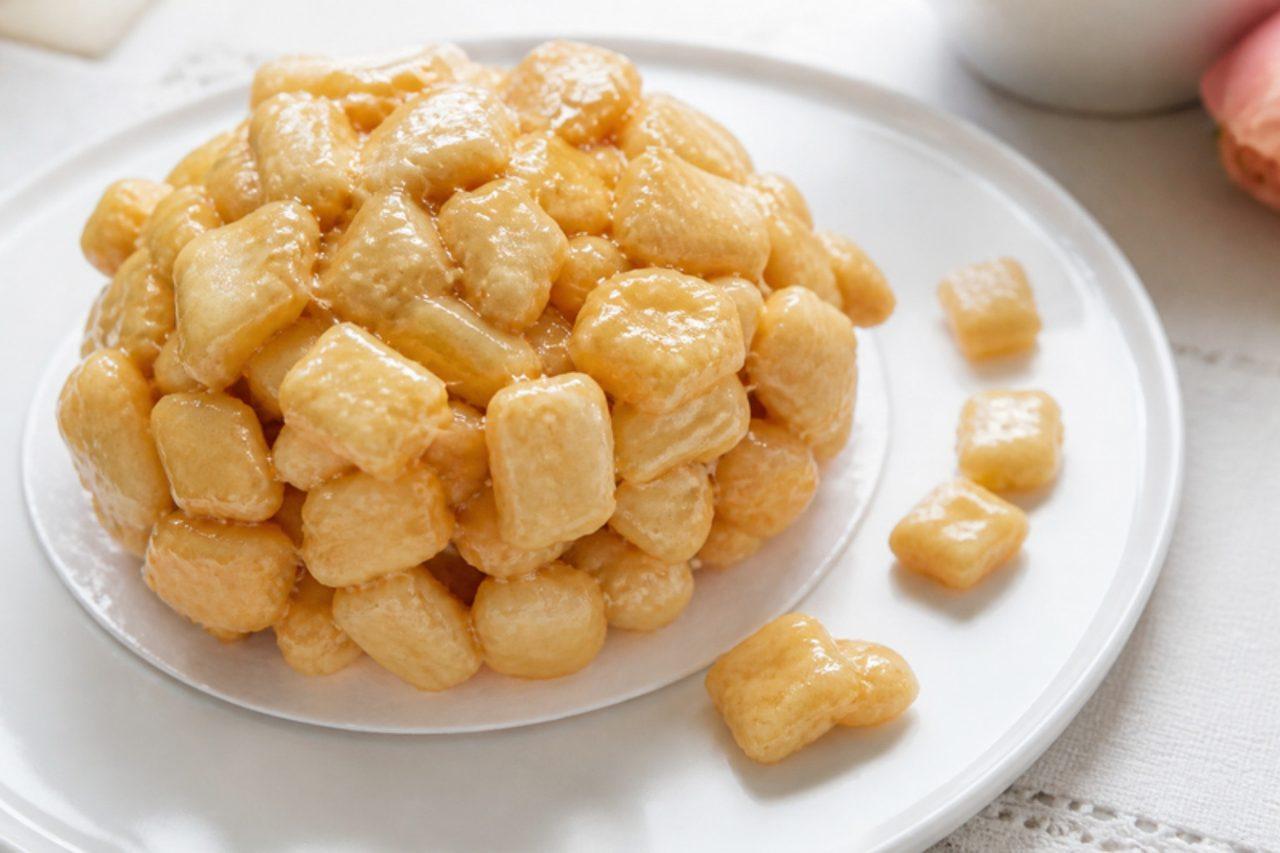
Huamantla, in Tlaxcala, is known for its August fair, when the streets are carpeted with coloured sawdust and flowers, and for muéganos: little cubes of fried dough glued together with dark piloncillo syrup into a sticky cluster, often pressed onto a round wafer. Visitors buy them in stacks from sweet shops around the main square. The dough is crisp and light, the syrup spiced with cinnamon and clove. Chef's tip: cut the dough into small, even cubes so they all fry golden at the same time.

by KrazyBadal 0 views

Champurrado

Champurrado is a chocolate atole, the thick, hot corn drink Mexicans have drunk since before the Spanish arrived. Masa harina is whisked into water and milk with Mexican chocolate (stone-ground with sugar and cinnamon) and piloncillo, a dark unrefined cane sugar, and cooked until velvety and spoon-coating. It is drunk on cold mornings with tamales or conchas, and above all during Día de Muertos and Christmas posadas. Chef's tip: always dissolve the masa harina in cold liquid before it meets the hot pot, and whisk constantly once it's in; dumped into hot milk it seizes into lumps.

by KrazyBadal 0 views

Goes well with piloncillo