Skip to content

Recipes with nigella

3 recipes that use nigella, with photos, step-by-step instructions and cook times. The quickest, Arikanchan, takes 70 minutes. It is most often cooked with instant dried yeast, ajwain and besan.

Got a few things in the fridge? Search by everything you have

Arikanchan

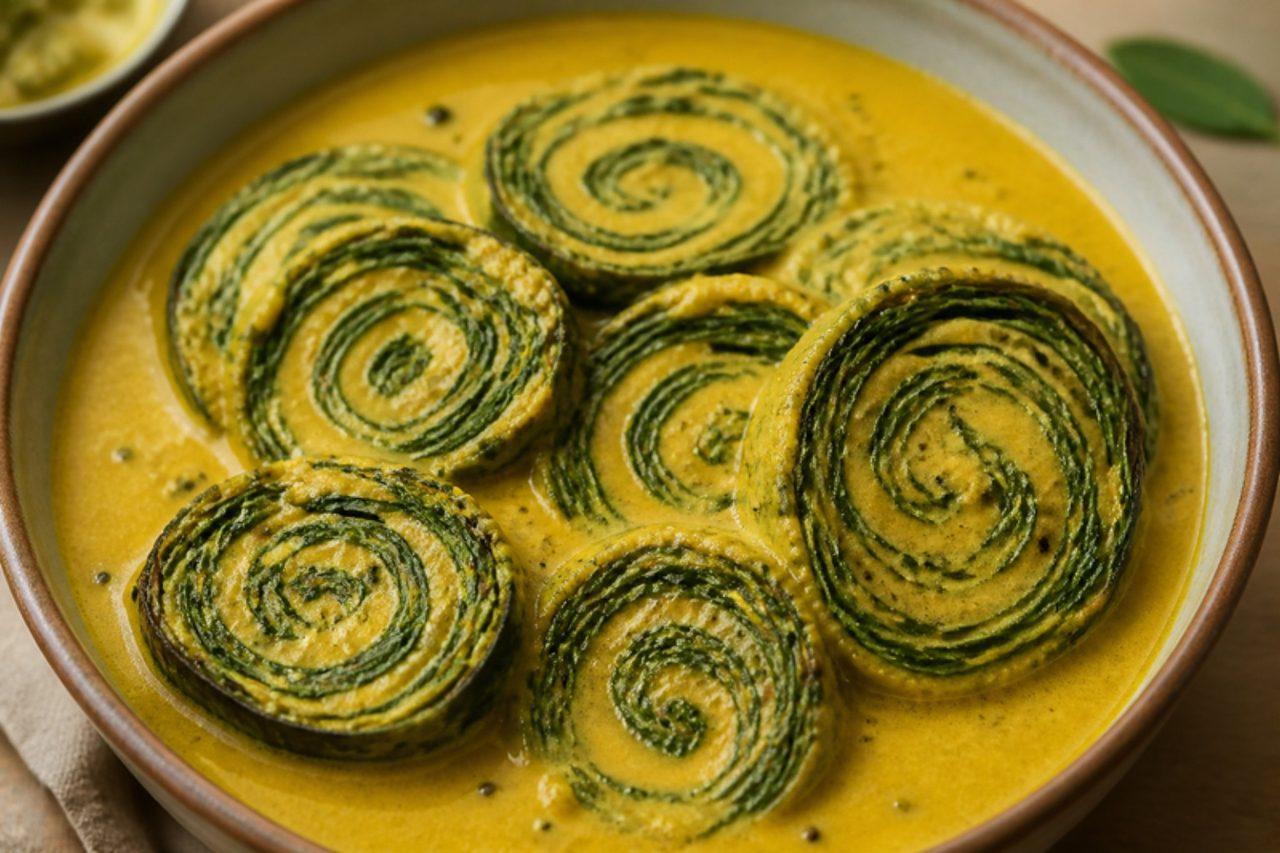
Arikanchan is a monsoon speciality of Maithil kitchens in Janakpur and the eastern Terai, cooked when the taro plants in the courtyard put out huge, tender leaves. A spiced chickpea-flour paste is spread over the leaves, which are rolled up tight like a Swiss roll and steamed, then the rolls are sliced into spirals, fried and simmered in a punchy gravy of ground mustard seed, garlic, chilli and tomato cooked in mustard oil. The result is soft and layered, with a gentle sourness and the nose-tingling heat of fresh mustard, eaten with rice and a dal. The biggest risk is undercooking the taro leaves, which can leave an itchy, scratchy feeling in the throat. Chef's tip: use only young leaves, strip the thick ribs, and always include the tamarind in the paste, because the sourness neutralises the irritant in the leaves.

by KrazyBadal 0 views

Bint al sahn

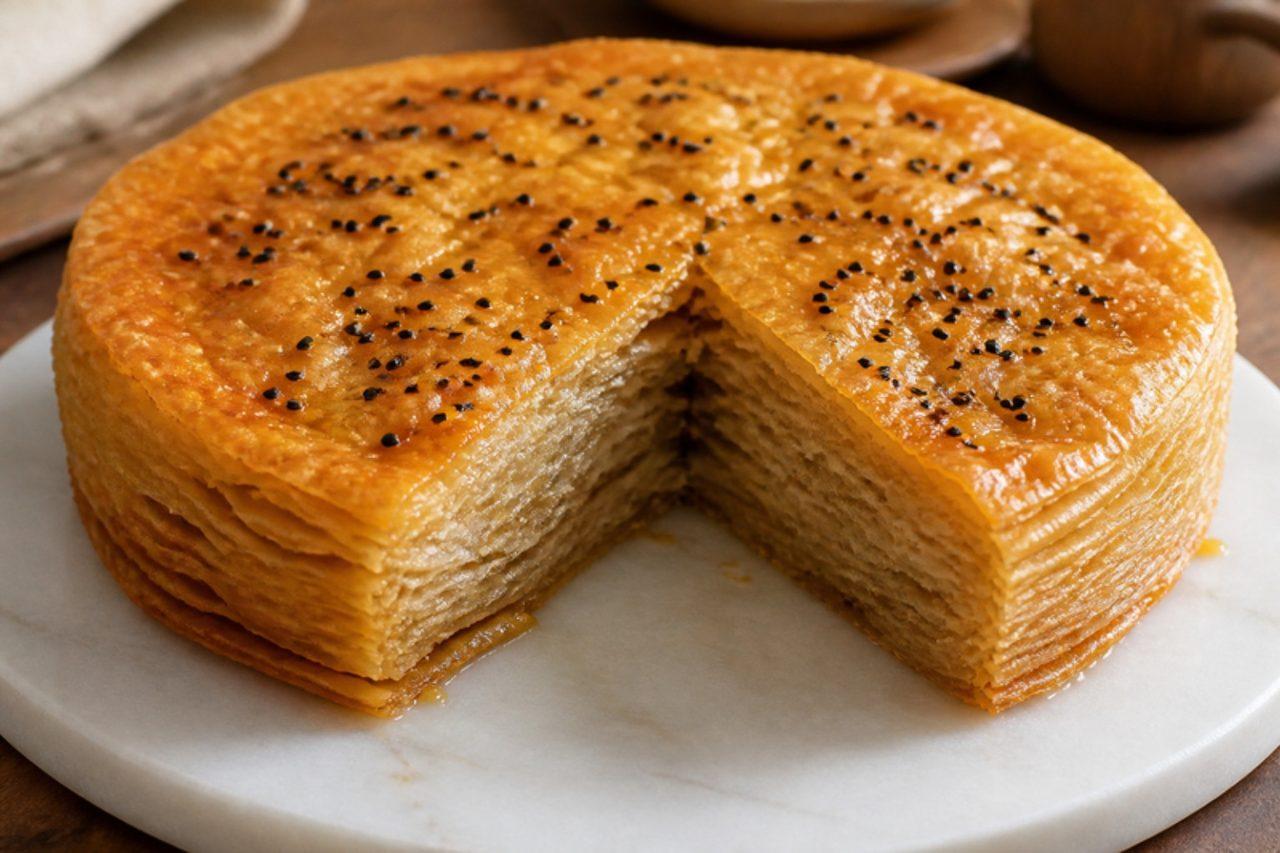
Bint al sahn, 'daughter of the plate', is the grand bread of Sana'a, set in the centre of the table for guests, weddings and Eid and pulled apart with the fingers while it is still warm. Many paper-thin sheets of egg-rich dough are stacked with melted ghee, baked until the top is deep gold and the inside is flaky and soft, then soaked with warm honey and sprinkled with nigella seeds. It is eaten with Yemeni coffee or tea, often as the sweet that opens a big meal. The mistake that ruins it is skimping on the ghee between the layers; without it the sheets fuse into a dense loaf. Chef's tip: roll the first sheets slightly bigger than the rest, so the bottom layers wrap up around the sides and hold the stack together.

by KrazyBadal 0 views

Khubz ahmar

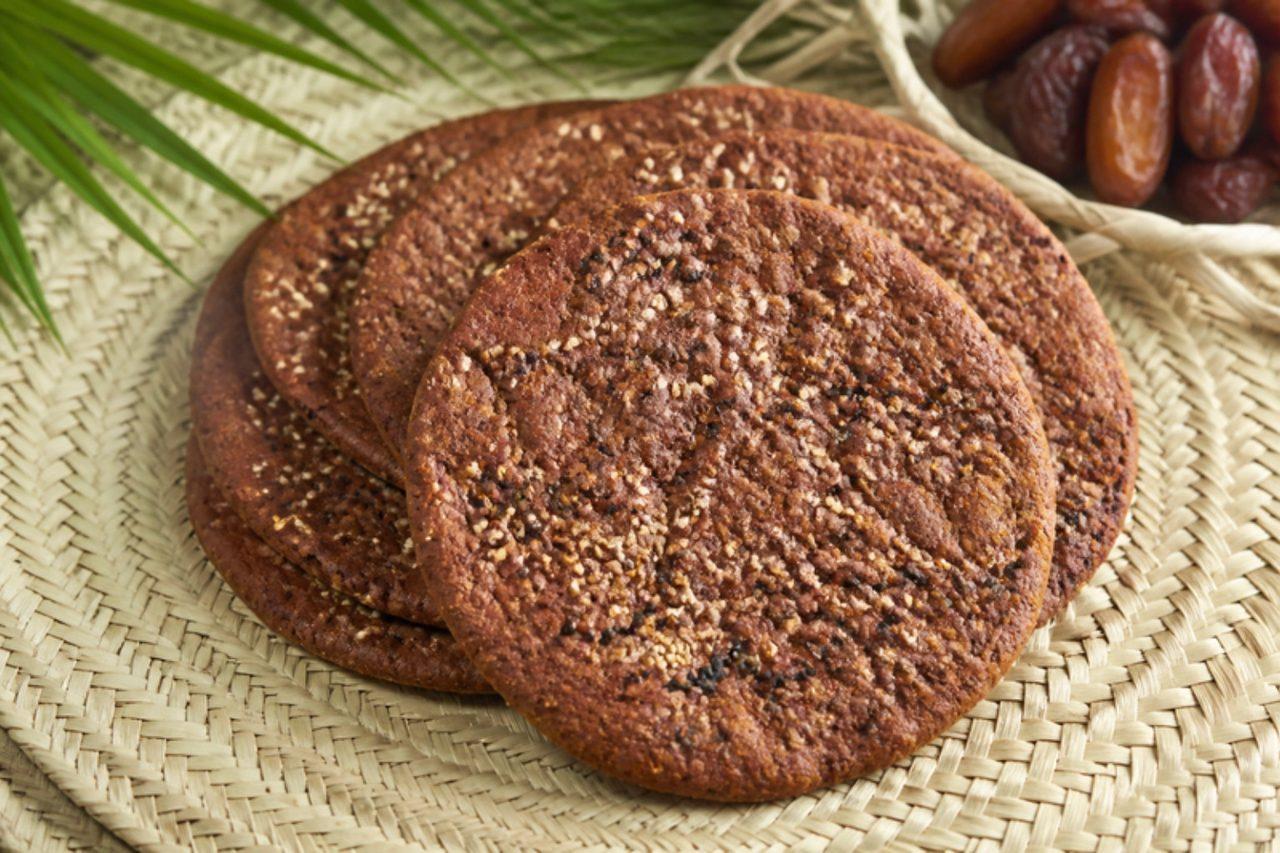
In the palm groves of Al-Ahsa in Saudi Arabia's Eastern Province, bakers slap rounds of khubz ahmar onto the walls of tannour ovens, and its colour, a deep reddish brown, comes from date syrup kneaded straight into the dough. Locals eat it for breakfast and with tea, often spread with cream cheese or dipped in more syrup. Fenugreek and black seed give it a warm, almost maple-like perfume, and the crumb is dense and soft with a chewy crust. A common mistake is adding too much flour because the dough feels sticky; the syrup makes it tacky, and extra flour turns the bread heavy. Oil your hands instead. Chef's tip: bake on a very hot stone and pull the breads once the edges darken; the sugars burn quickly after that.

by KrazyBadal 0 views

Goes well with nigella