Skip to content

Recipes with date syrup

8 recipes that use date syrup, with photos, step-by-step instructions and cook times. The quickest, Sir torshi, takes 30 minutes. It is most often cooked with instant dried yeast, plain flour and sugar.

Got a few things in the fridge? Search by everything you have

Kahi

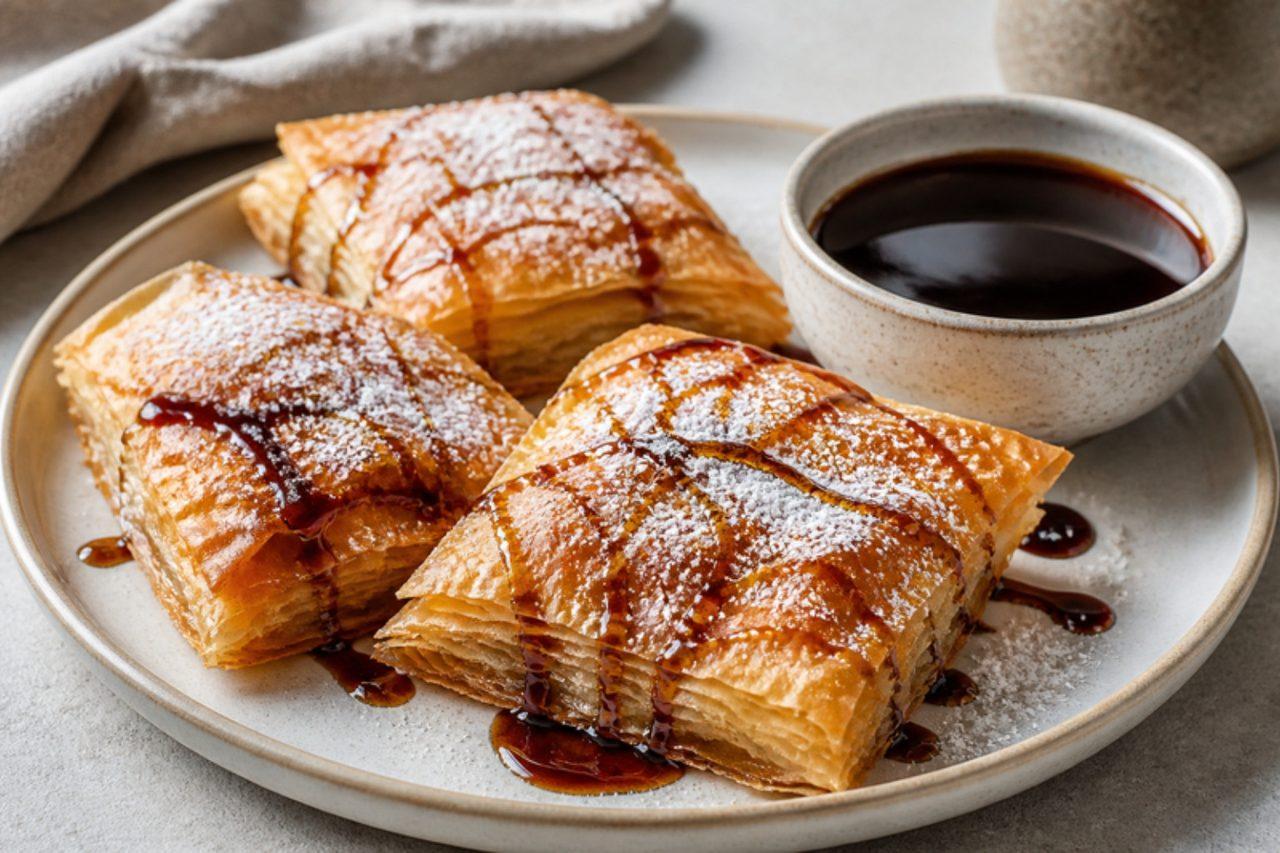
Kahi is what Baghdadi families in Ramat Gan and Or Yehuda make on Shavuot and festival mornings: squares of dough folded with butter into many layers, baked until flaky, then doused with silan (date syrup) or sugar and eaten with tea or a little yogurt. Outside it shatters; inside the layers stay soft and buttery. The common mistake is letting the butter melt into the dough while folding, which leaves you with a flat, bready square. Chef's tip: chill the folded dough for 20 minutes between rolls if your kitchen is warm, and bake in a really hot oven so the layers puff.

by KrazyBadal 0 views

Chebab

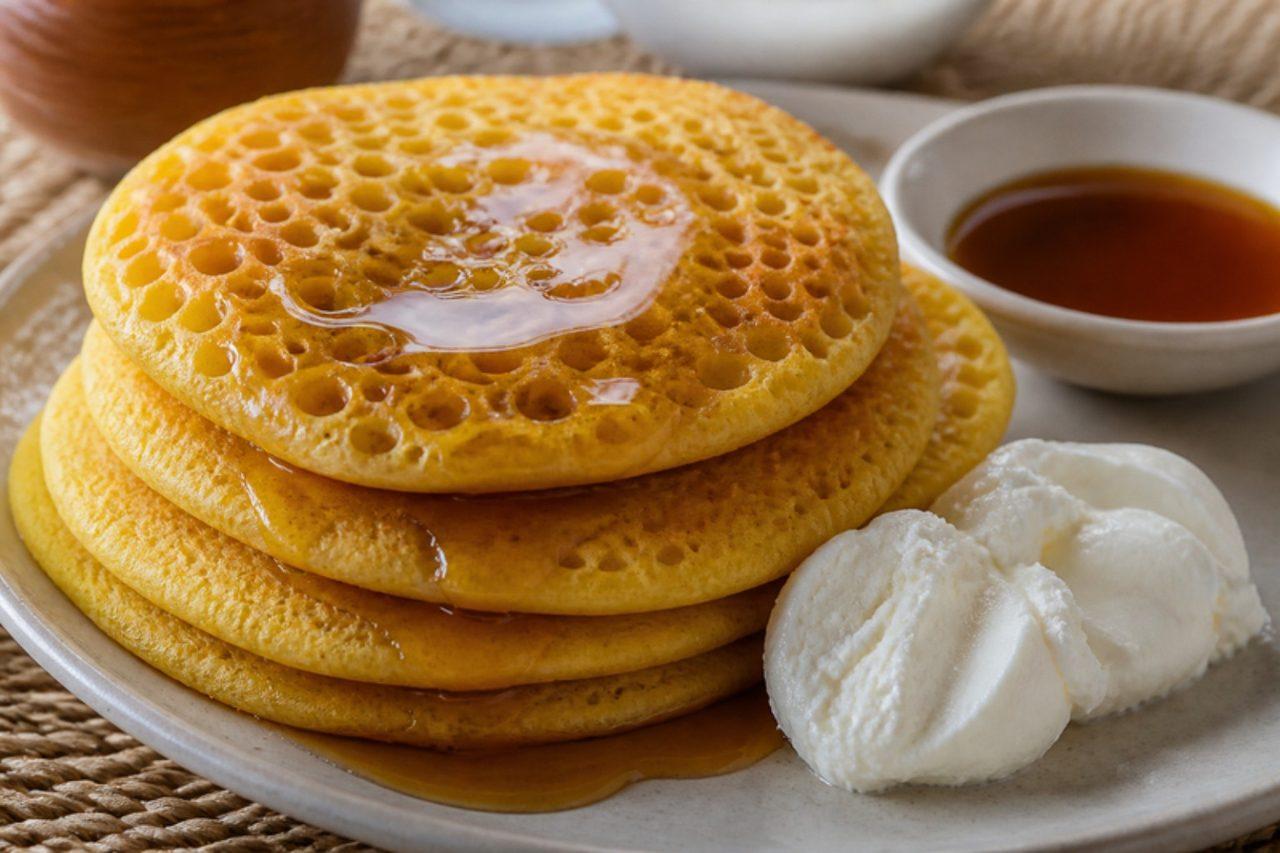
Chebab are the thick, spongy pancakes that Emirati families make for breakfast in Dubai, Ras Al Khaimah and Al Ain, especially on Fridays and through Ramadan for suhoor. The batter is yeasted, so the pancakes rise in the pan and come out holey and soft like a crumpet, tinted yellow with saffron and scented with cardamom. They are served stacked with date syrup poured over and a spoonful of fresh chami or cream cheese on the side. Flipping too early is the classic error: wait until the top is covered in bubbles and looks dry at the edges, or the pancake tears. Chef's tip: leave the batter to rise until it is properly bubbly; a lazy batter gives flat, heavy chebab.

by KrazyBadal 0 views

Khubz rakhal

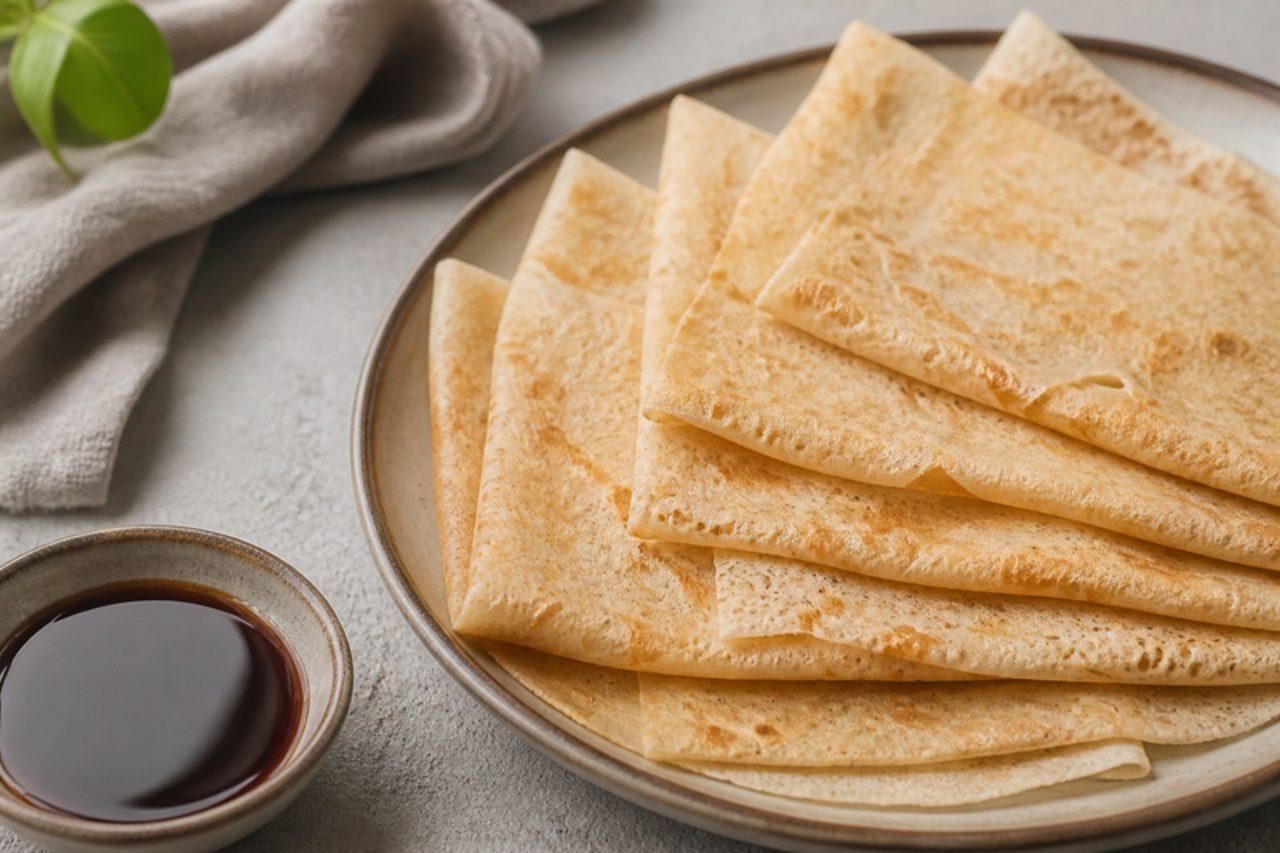
Khubz rakhal, sometimes called khubz Omani, is the huge, crackly-thin bread Omani women make in village kitchens from Nizwa to Sur by smearing a very wet dough across a hot domed griddle with the palm of the hand. It comes off in a lacy, papery sheet that is crisp at the edges and soft where it was thickest, and it is eaten for breakfast with honey, ghee or a sweet tea, or folded around Omani curries. At home a large non-stick pan and the back of a spoon do the job. Spreading the batter onto a pan that isn't hot enough is the usual mistake; it then soaks up the heat slowly and sticks. Chef's tip: wipe the pan with a damp cloth between breads to cool the surface for a second, which helps the next sheet spread thinly without tearing.

by KrazyBadal 0 views

Masabeeb

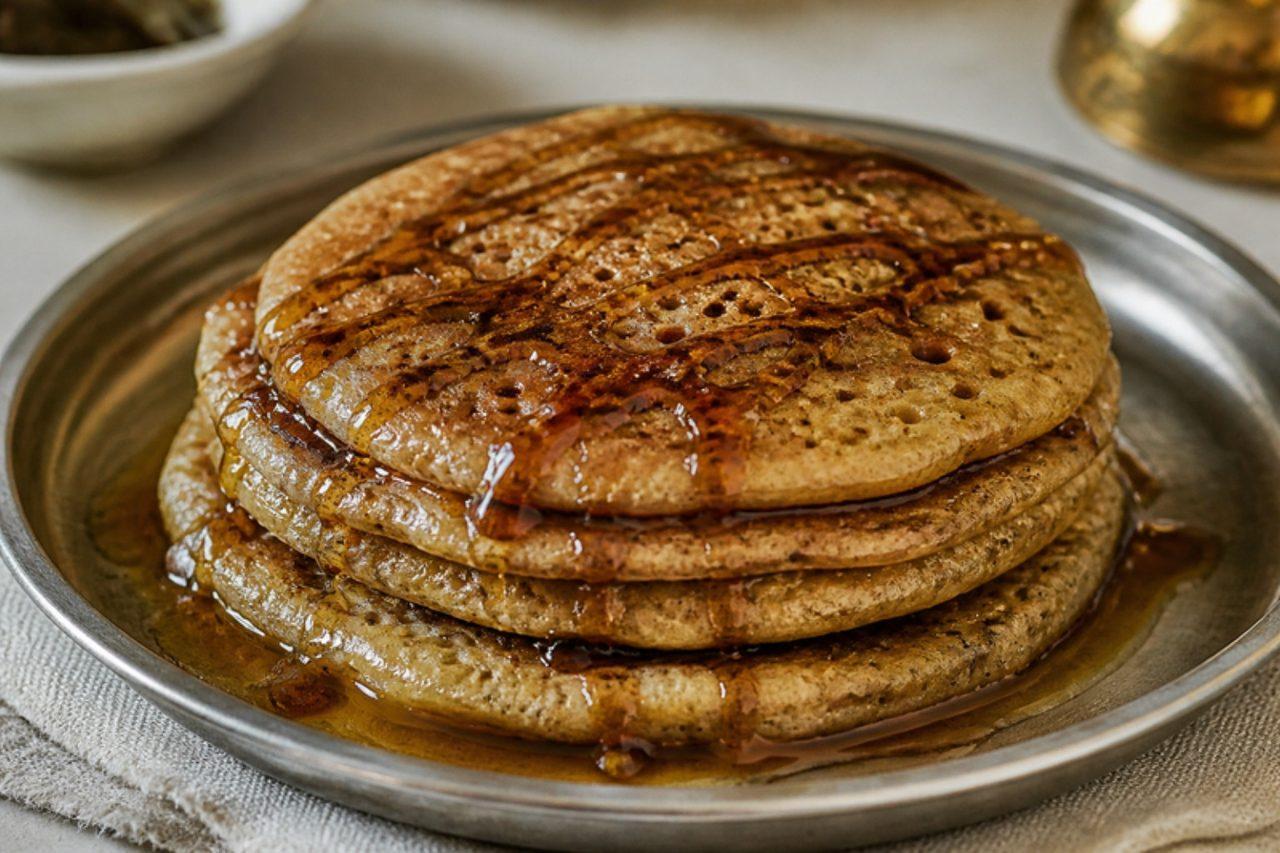
On winter mornings in Najdi villages around Riyadh, grandmothers ladle a yeasted wholemeal batter onto a hot iron plate and turn out masabeeb, thick, spongy pancakes full of holes. They are stacked on a tray, drowned in melted ghee and date syrup and torn apart by hand with cardamom coffee or tea. The flavour is nutty and only lightly sweet, and the crumb drinks up the topping like a sponge. A common mistake is flipping too soon: let the top set and go matt and full of open bubbles first, or the middle stays raw and gluey. Serve warm, straight from the pan. Chef's tip: keep the heat medium-low and cover the pan for the first minute so the thick centre steams through before the base darkens.

by KrazyBadal 0 views

Khubz ahmar

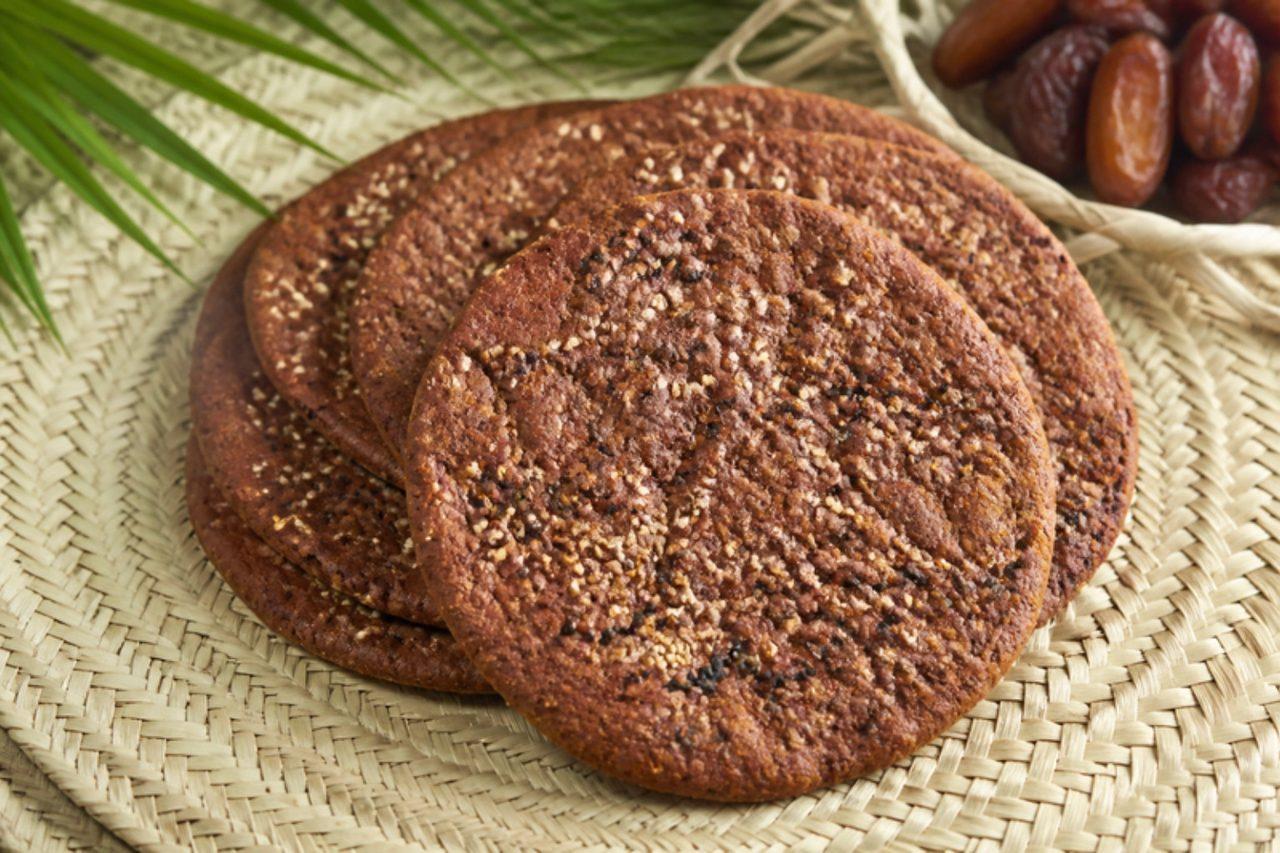
In the palm groves of Al-Ahsa in Saudi Arabia's Eastern Province, bakers slap rounds of khubz ahmar onto the walls of tannour ovens, and its colour, a deep reddish brown, comes from date syrup kneaded straight into the dough. Locals eat it for breakfast and with tea, often spread with cream cheese or dipped in more syrup. Fenugreek and black seed give it a warm, almost maple-like perfume, and the crumb is dense and soft with a chewy crust. A common mistake is adding too much flour because the dough feels sticky; the syrup makes it tacky, and extra flour turns the bread heavy. Oil your hands instead. Chef's tip: bake on a very hot stone and pull the breads once the edges darken; the sugars burn quickly after that.

by KrazyBadal 0 views

Areeka

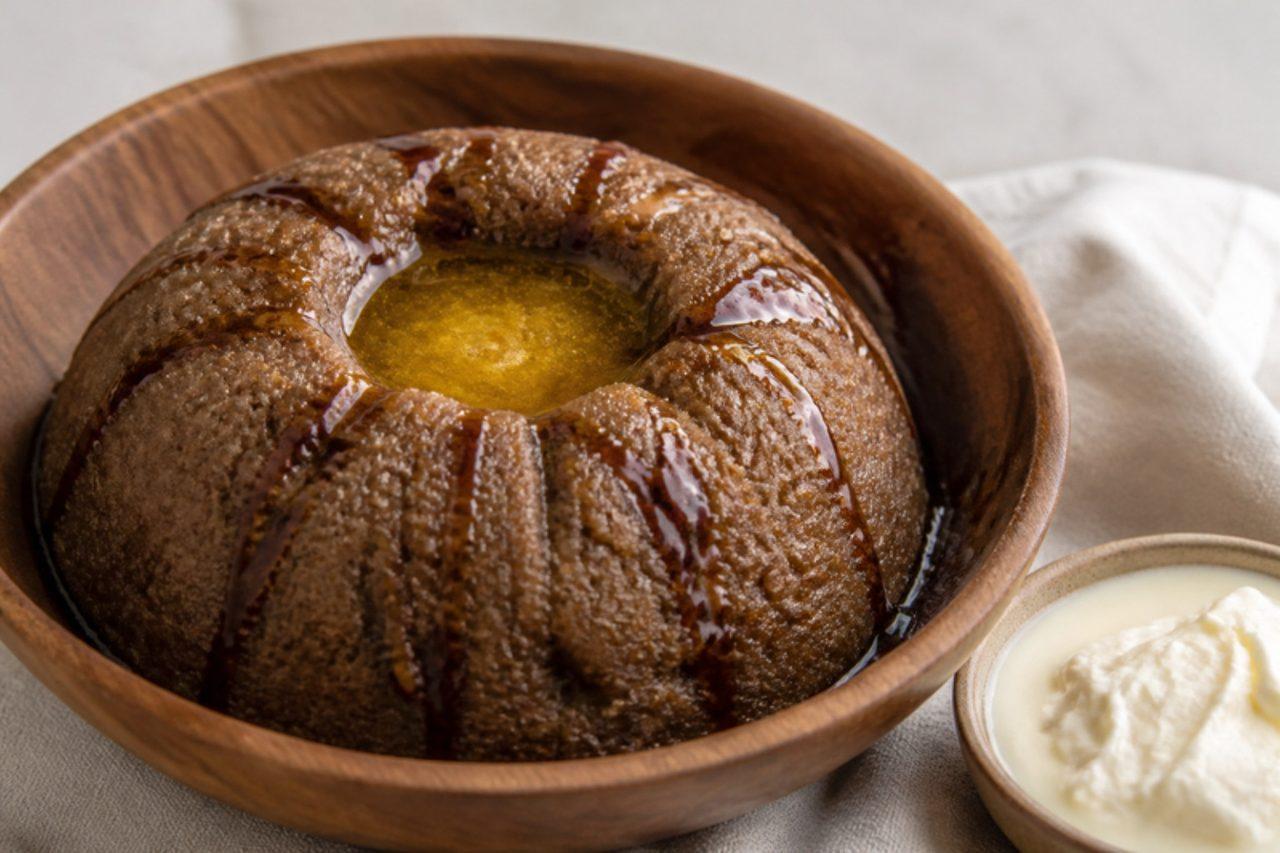
In the green mountains of Asir in south-west Saudi Arabia, areeka is the breakfast for guests, weddings and cold mornings in Abha: thick wholemeal breads are torn while still hot and kneaded with ghee into a smooth, soft dome, then hollowed out and filled with a pool of warm ghee, mountain honey and date syrup. Everyone eats from the same plate, pinching off pieces and dragging them through the sweet centre. It is rich, warm and comforting, with a nutty wheat flavour. The usual mistake is letting the bread cool before kneading; it must be worked hot or it will not bind. Serve with cardamom coffee or milky tea, and a spoonful of cream if you like. Chef's tip: wear clean rubber gloves so you can knead the bread while it is properly hot.

by KrazyBadal 0 views

Sir torshi

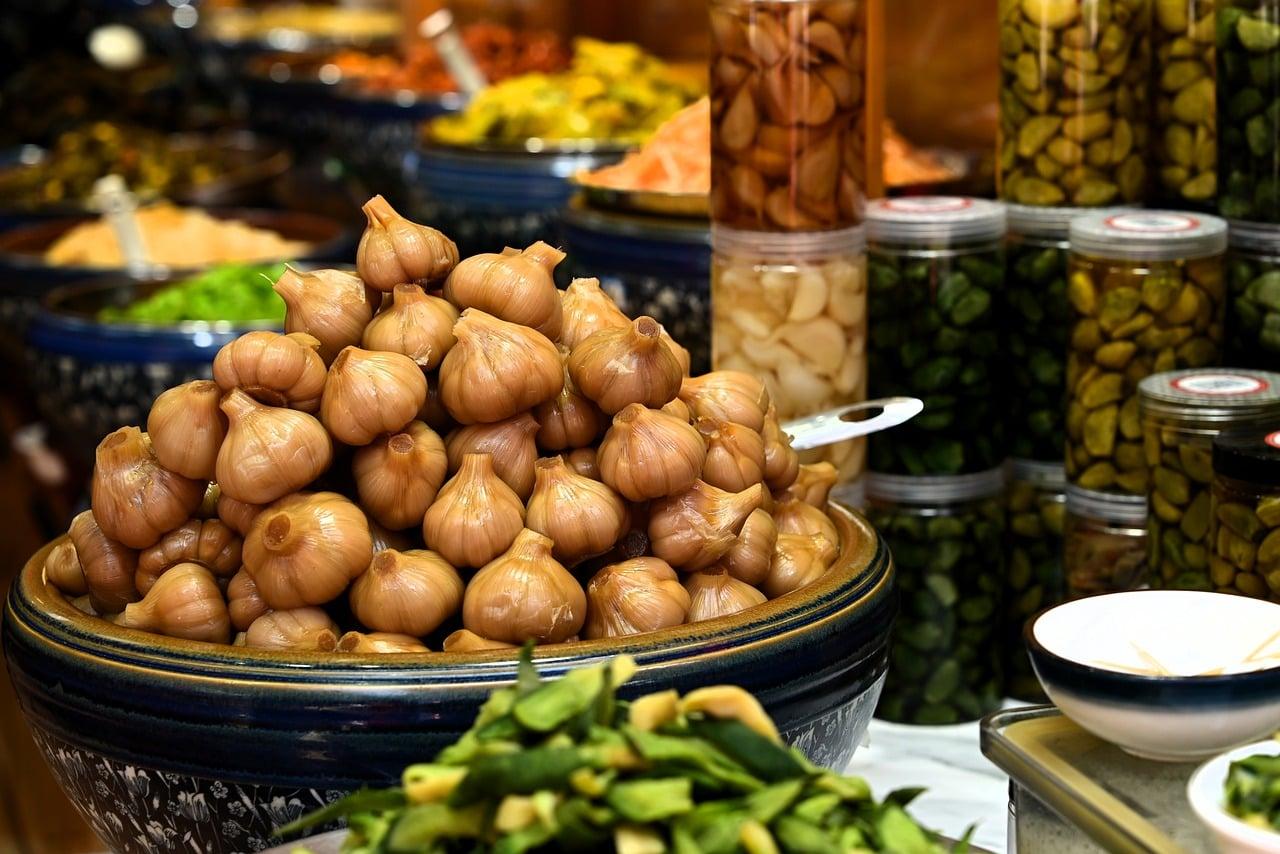
Along the Caspian coast in Gilan and Mazandaran, almost every larder has a jar of sir torshi tucked at the back, and the older it is the prouder the cook. Whole heads of garlic sit in vinegar for months, sometimes seven years, until the cloves turn amber, then nearly black, and lose all their harshness; they become soft, sweet-sour and almost jammy. A clove or two goes on the side of a plate of rice and khoresh, mirza ghasemi or a bowl of ash. Chef's tip: use firm, dry, mature garlic with tight skins; fresh green garlic goes slimy instead of mellow.

by KrazyBadal 0 views

Luqaimat

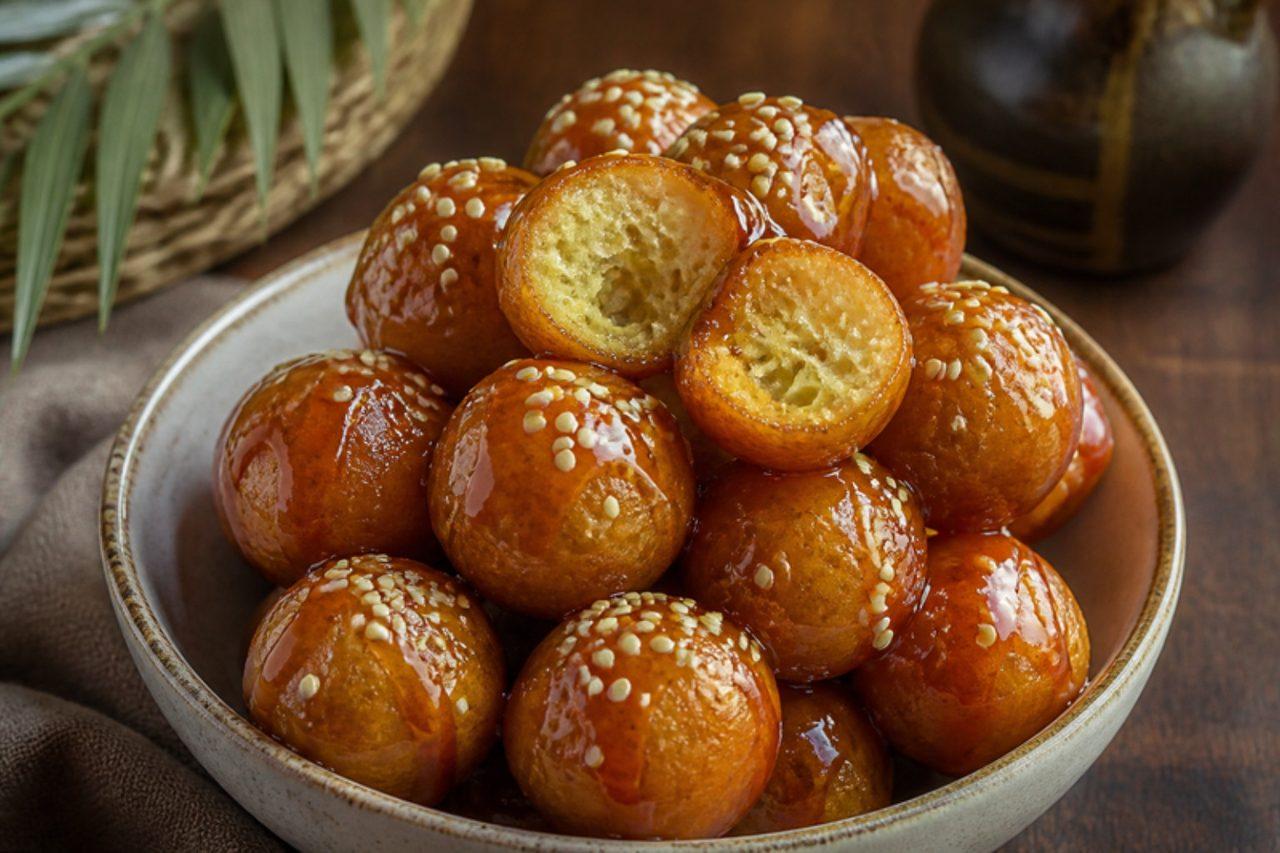
When the sun goes down during Ramadan in Dubai, Sharjah or Muscat, plates of luqaimat appear on iftar tables and in mosque courtyards. The little balls of yeasted batter, scented with saffron and cardamom, are fried until crisp and golden outside and soft as a cloud inside, then drizzled with dibs (date syrup) and scattered with sesame. Unlike syrup-soaked fritters, they are glazed only lightly, so they stay crunchy. Chef's tip: a teaspoon of oil on your thumb and a wet spoon stop the sticky batter clinging, so the balls drop round into the oil.

by KrazyBadal 0 views

Goes well with date syrup