Skip to content

Recipes with matcha powder

8 recipes that use matcha powder, with photos, step-by-step instructions and cook times. The quickest, Matcha latte, takes 7 minutes. It is most often cooked with caster sugar, potato starch and beetroot juice.

Got a few things in the fridge? Search by everything you have

Matcha mochiGreen tea rice cakes

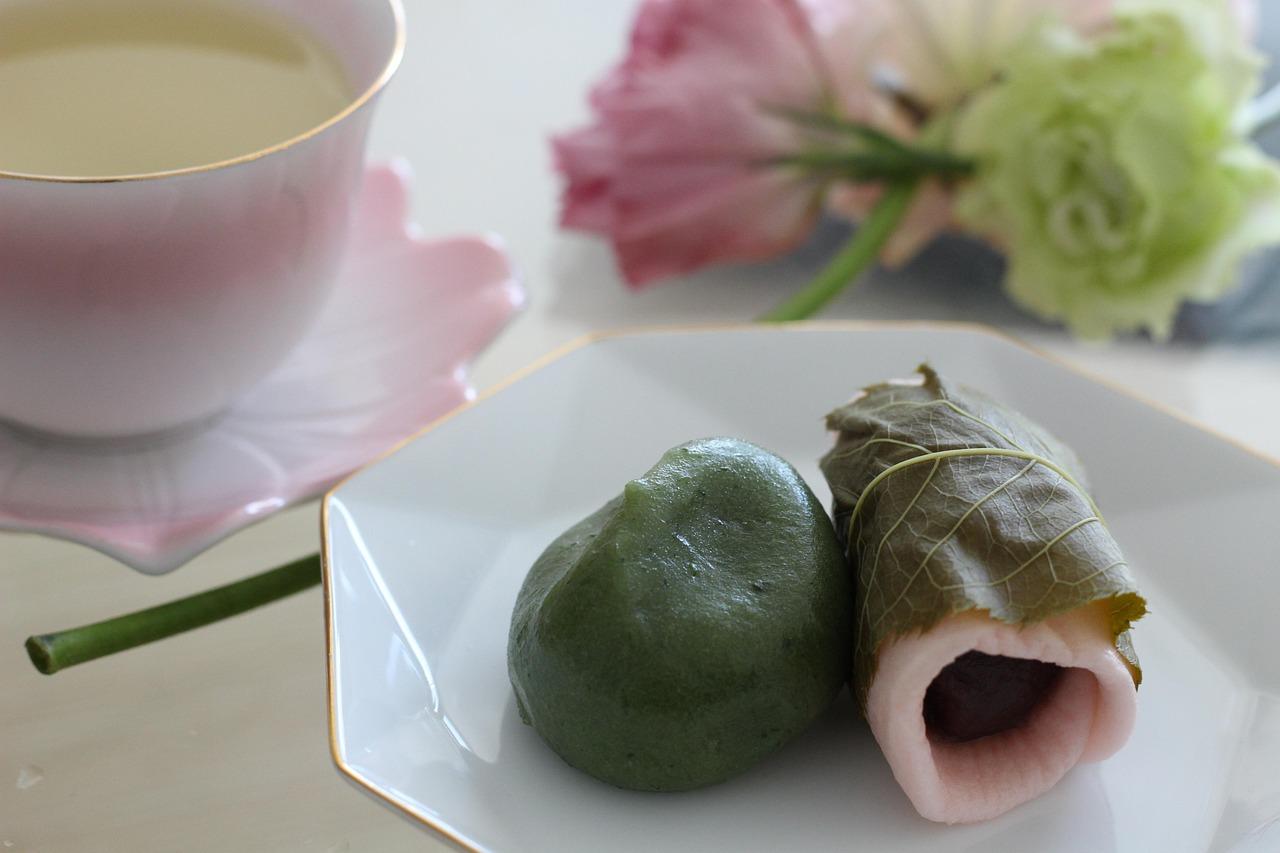
Mochi (もち) are soft, chewy rice cakes made from glutinous rice flour, and Kyoto's confectioners have long flavoured them with matcha from nearby Uji. This quick home version cooks the dough in the microwave rather than pounding steamed rice. Each little green ball is wrapped around a centre of sweet red bean paste and dusted with cornflour. They are best eaten the day they are made, while still soft. Chef's tip: work while the dough is still warm, and keep your hands and the tray well dusted with starch. Warm mochi stretches easily around the filling; once it cools it tears and won't seal.

by KrazyBadal 1 views

Rakugan (pressed dry sweets for tea)

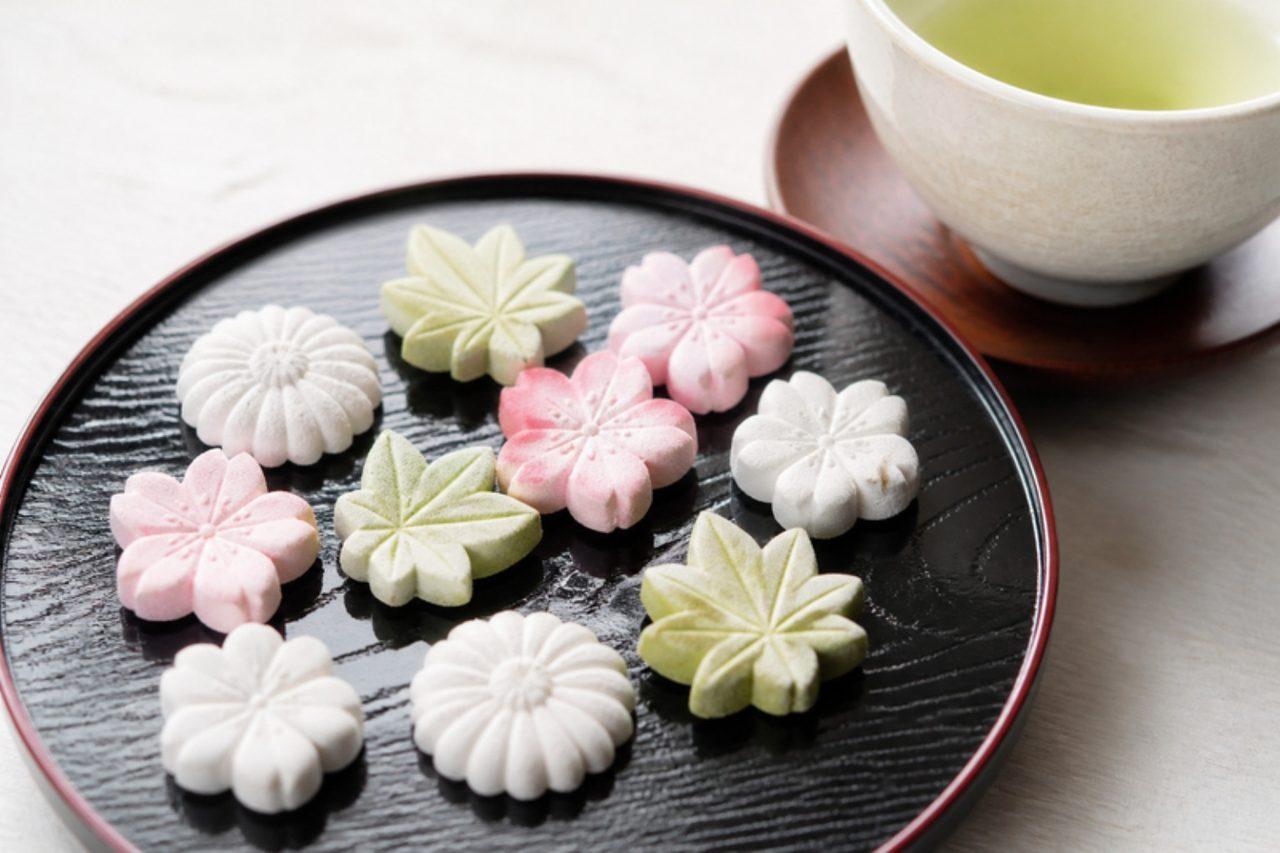
Rakugan are higashi, the dry sweets served before thin matcha at a tea ceremony, and the castle towns of Kanazawa and Matsue, both with a long tea tradition, are famous for them. Fine sugar and roasted rice flour are pressed into carved wooden moulds to make cherry blossoms in spring, maple leaves in autumn and plum flowers in winter; they also appear on Obon altars as offerings. They feel firm in the hand but dissolve on the tongue into a delicate, clean sweetness, which balances the bitterness of the tea. Serve two or three per person with matcha or sencha. They are naturally egg-free: a few drops of water make the fine sugar just damp enough to stick, the roasted rice flour holds the shape, and drying sets it hard. Chef's tip: add water a few drops at a time and stop when the sugar feels like damp sand; the common mistake is too much water, which glues the mixture into the mould.

by KrazyBadal 0 views

Hanami dango (three-colour dumplings)

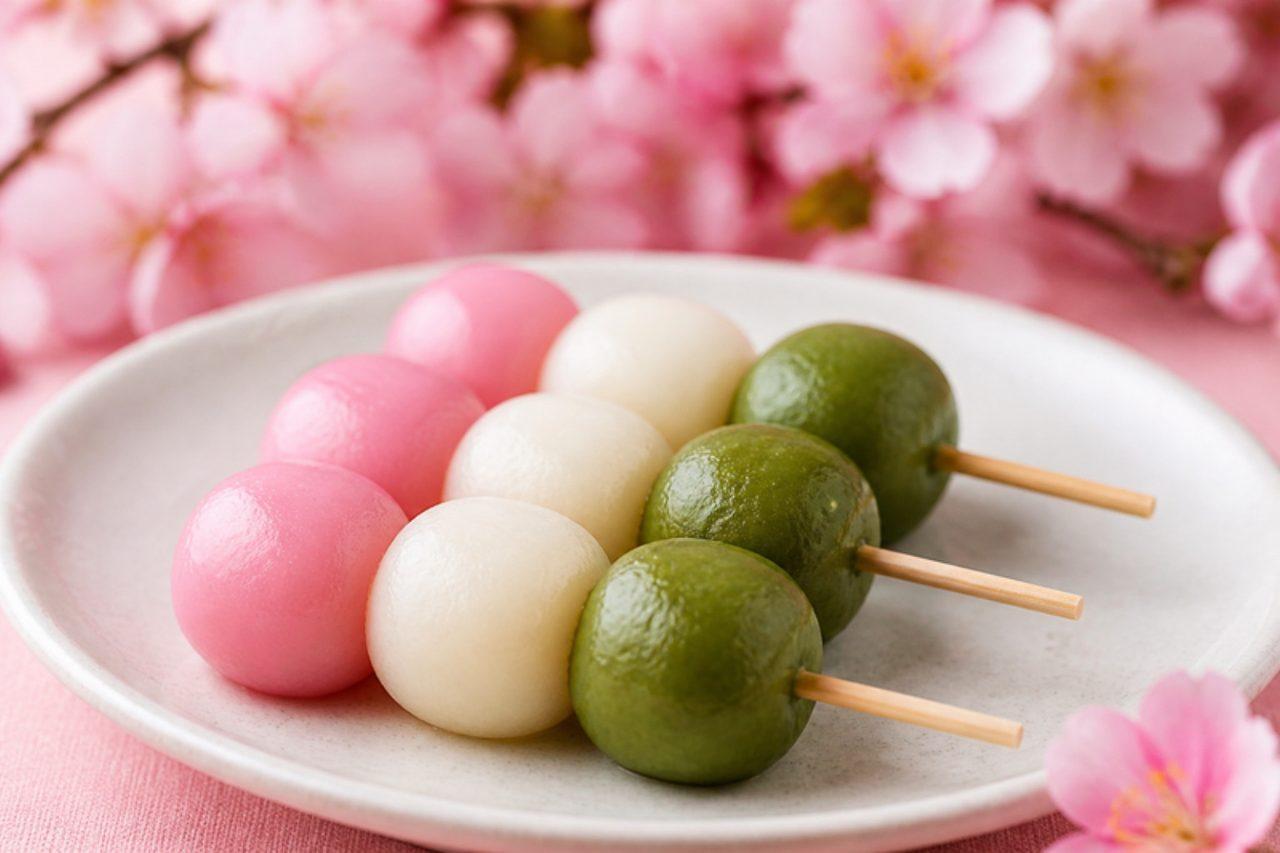
When the cherry trees bloom in late March and April, families and colleagues spread blankets under the branches for hanami, and these skewers of pink, white and green dumplings are the sweet that goes with them. The colours tell the story of the season: pink buds on top, white for the fading snow, and green for the summer leaves still to come. They are lightly sweet and pleasantly chewy, with a faint grassiness from the matcha, and need no sauce; just bring a flask of green tea. Mochi is very sticky: cut the dumplings into small pieces for young children and older people, and make sure they chew well and eat sitting down. Chef's tip: add the water a spoonful at a time and stop when the dough feels like a soft earlobe, since rice flours vary a lot in how much they drink.

by KrazyBadal 0 views

Hishi mochi (diamond rice cakes)

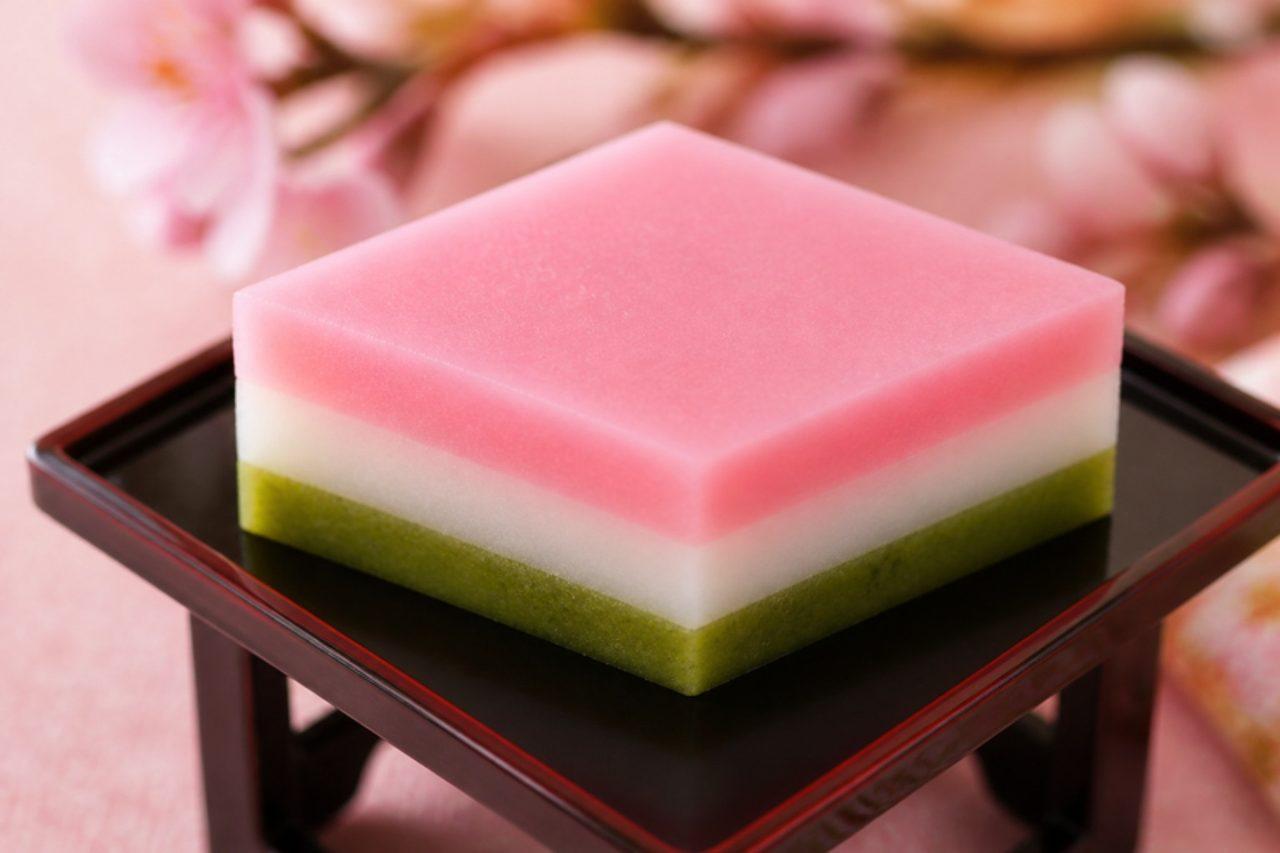
Hishi mochi sit on the tiered doll display for Hinamatsuri, Girls' Day on 3 March, and their colours are a little poem about early spring: green for new grass pushing through, white for the last snow, pink for peach blossom (some families also read them as health, purity and protection from evil). The diamond shape is said to echo the water chestnut and a wish for growth and many children. This home version is made from glutinous rice flour set in a square tin, so the cake is soft, bouncy and only gently sweet, with a grassy hint from matcha. Serve small pieces with green tea, or beside chirashizushi and clam soup at the festival table. Mochi is very sticky: cut it small for young children and older people, and see that they chew well and eat sitting down. Chef's tip: press each layer on while the one below is still warm and tacky, so the three bond into one cake.

by KrazyBadal 0 views

Uiro (ういろう, steamed rice-flour cake)

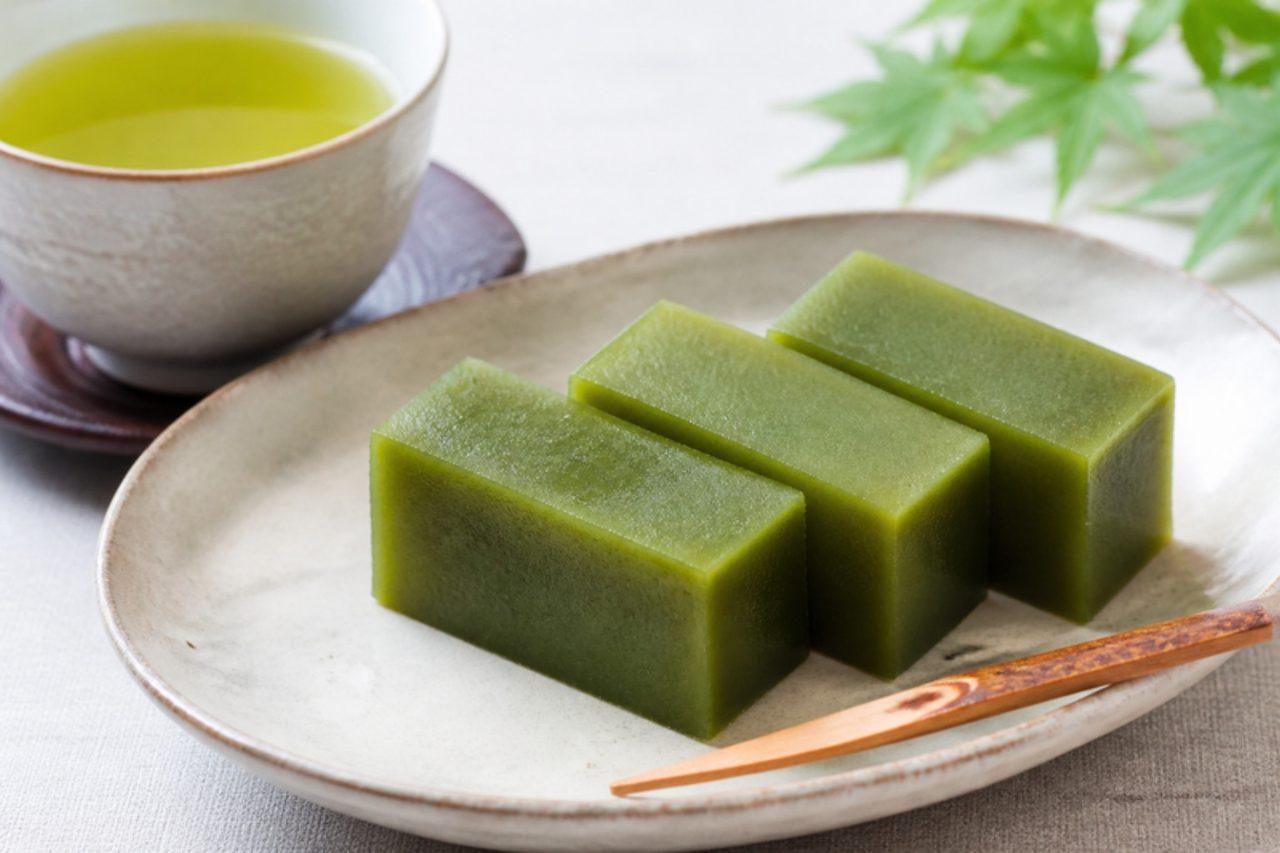
Uiro is the classic sweet of Nagoya, sold in long blocks at the station as a souvenir, and Yamaguchi has its own lighter version made with bracken starch. It is eaten through the year with tea, and in June a triangular version topped with azuki, minazuki, is eaten in Kyoto to mark the halfway point of the year. A simple batter of non-glutinous rice flour, sugar and water is steamed into a firm, smooth, slightly springy cake with a gentle sweetness. This one is flavoured with matcha; stir in a little sweet bean paste or sakura instead for variety. Uiro is naturally egg-free: steaming cooks the rice starch, which sets the cake into a dense, clean-cutting slab with no binder needed. Chef's tip: the common mistake is cutting it hot; let it cool completely, then slice with a wet knife or a piece of cling film, or it smears.

by KrazyBadal 0 views

Shou tao bao (longevity peach buns)

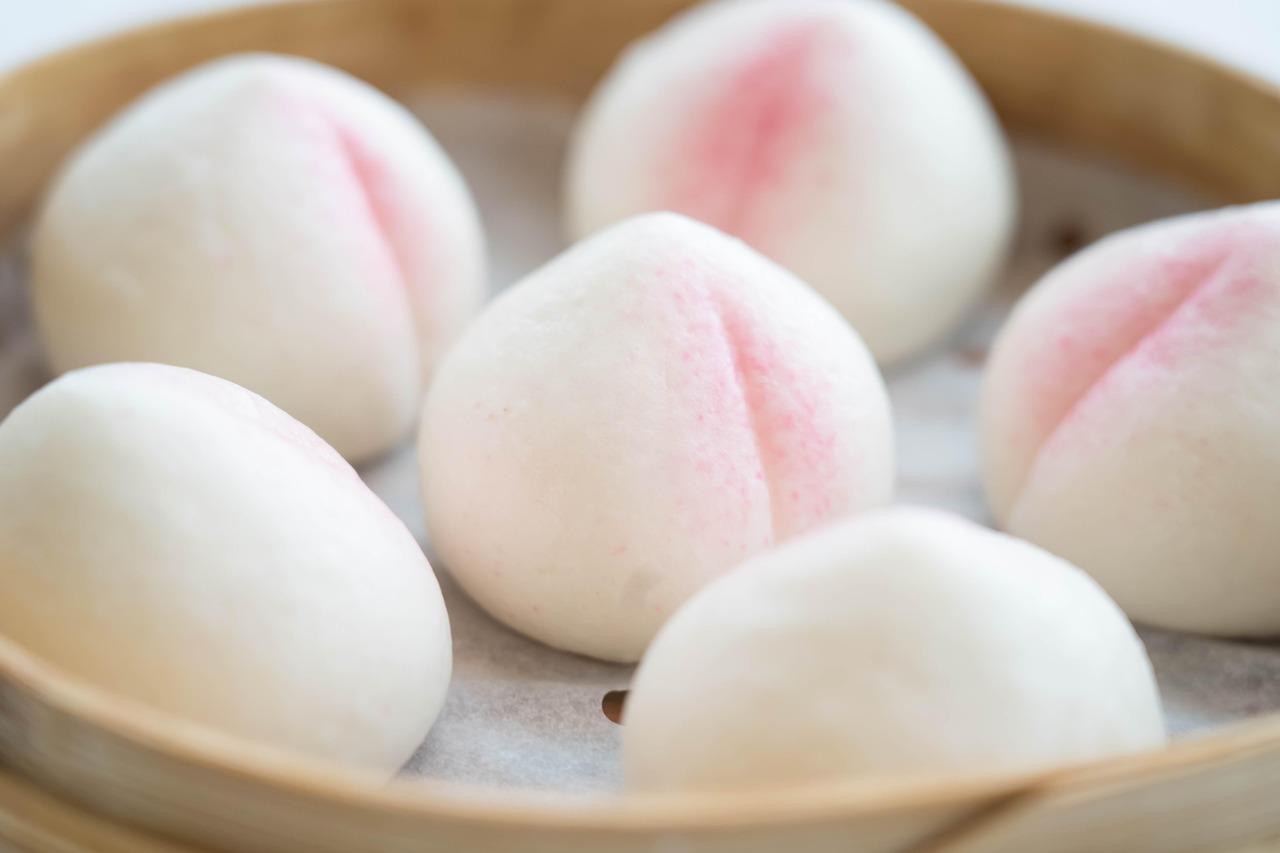
In Chinese tradition the peach is the fruit of long life, so birthday tables, from a grandparent's 80th to a child's party, carry a plate of shou tao bao: fluffy white steamed buns pinched into a peach shape, blushed pink at the tip and filled with sweet lotus seed paste. Children love helping to shape the creases and add the pastry leaves. This version is made without milk. It contains gluten. Chef's tip: steam over a gentle, not roaring, boil and wait 5 minutes before lifting the lid, so the buns stay smooth and don't wrinkle.

by KrazyBadal 0 views

Hina arare (Girls' Day rice puffs)

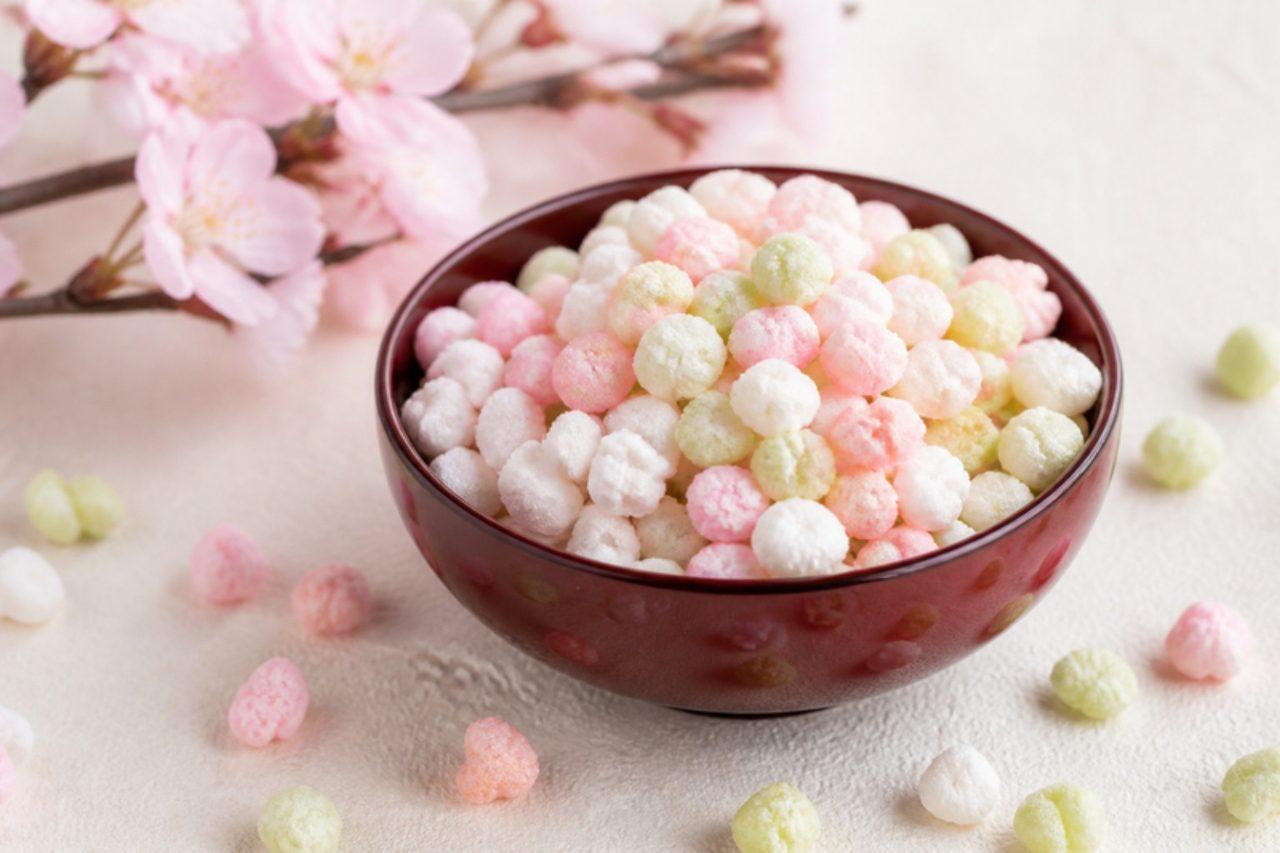
On 3 March, Japanese families with daughters set out tiered dolls for Hinamatsuri and fill little bowls with hina arare, crunchy pastel rice puffs whose pink, green and white stand for spring blossom, new leaves and snow. In the Kanto region they are sweet; around Kyoto and Osaka they are bigger and soy-glazed, so this version makes both. Puffing cooked rice at home is easy and children love watching it bloom in the oil. It contains soya and gluten (from the soy sauce) and is otherwise free of the common allergens. Chef's tip: dry the cooked rice until every grain is hard and glassy; damp rice spits and never puffs.

by KrazyBadal 0 views

Matcha latte

Matcha (抹茶) is finely ground green tea from Uji, near Kyoto, the heart of Japanese tea-growing for centuries. A matcha latte (抹茶ラテ) is the café version: the powder is whisked to a smooth, frothy shot, then topped up with steamed milk and lightly sweetened. It tastes grassy, creamy and gently bitter. Use any milk you like; oat milk froths especially well. Chef's tip: keep the water at about 80°C. Boiling water scorches matcha and makes it bitter; let the kettle stand for 2–3 minutes after boiling before you pour.

by KrazyBadal 0 views

Goes well with matcha powder