Skip to content

Recipes with lamb neck

18 recipes that use lamb neck, with photos, step-by-step instructions and cook times. The quickest, Sudanese shorba (lamb and peanut Ramadan soup), takes 90 minutes. It is most often cooked with onion, carrot and garlic.

Got a few things in the fridge? Search by everything you have

Kurban chorba

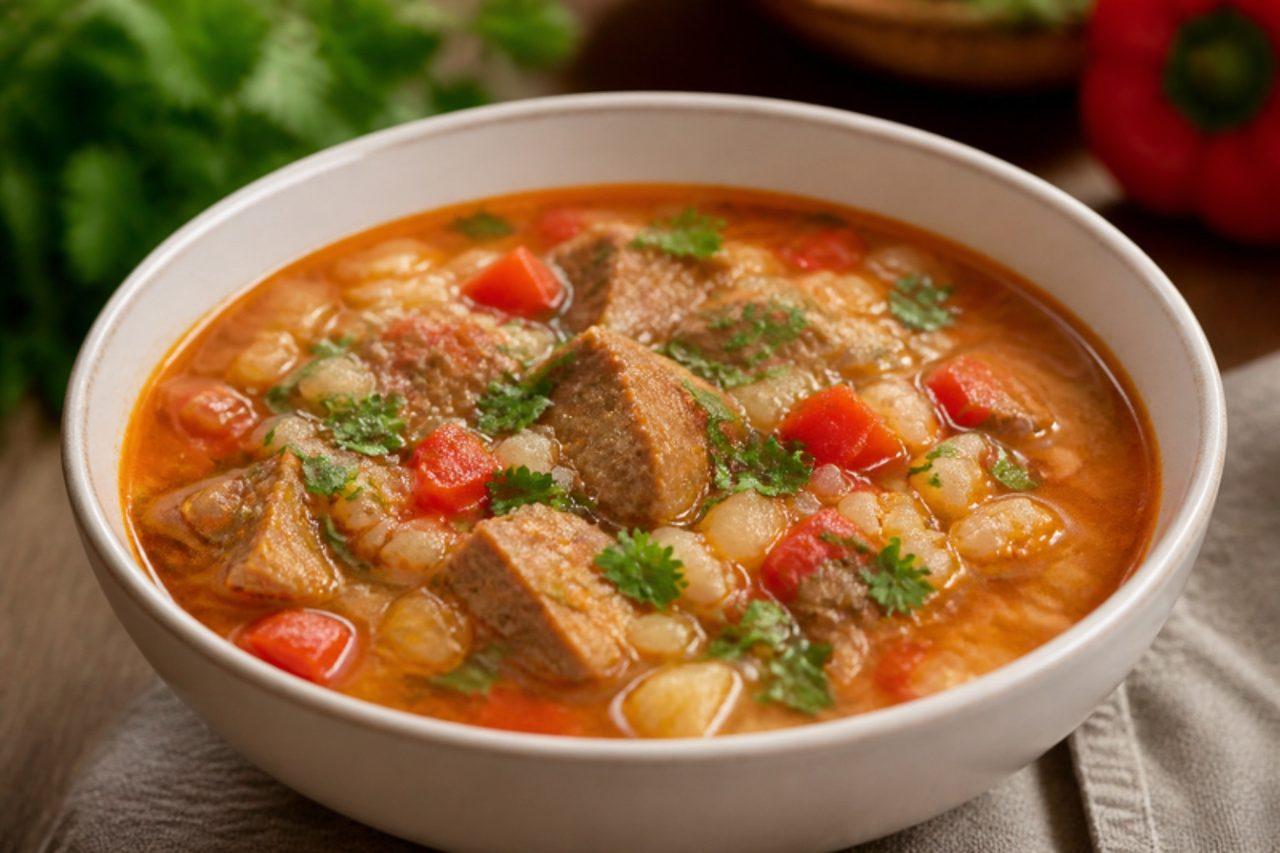
On saints' days such as St George's in May or St Dimitar's in October, Bulgarian villages set big cauldrons over fires in the churchyard or square, and the kurban, the shared offering, is ladled out as a rich lamb soup to everyone who comes, neighbours and strangers alike. Lamb on the bone simmers gently with onion until tender, then the meat is pulled into pieces and returned to the broth with rice, carrot, red pepper, tomato, paprika, dried mint and plenty of parsley. It tastes deep, meaty and herby, sharpened with a squeeze of lemon, and bread on the side is traditional. The usual slip is skipping the skimming at the start; grey foam left in the pot muddies the broth. Chef's tip: rub the mint and savory between your palms over the pot in the last five minutes, so the herbs stay bright.

by KrazyBadal 0 views

Sobat

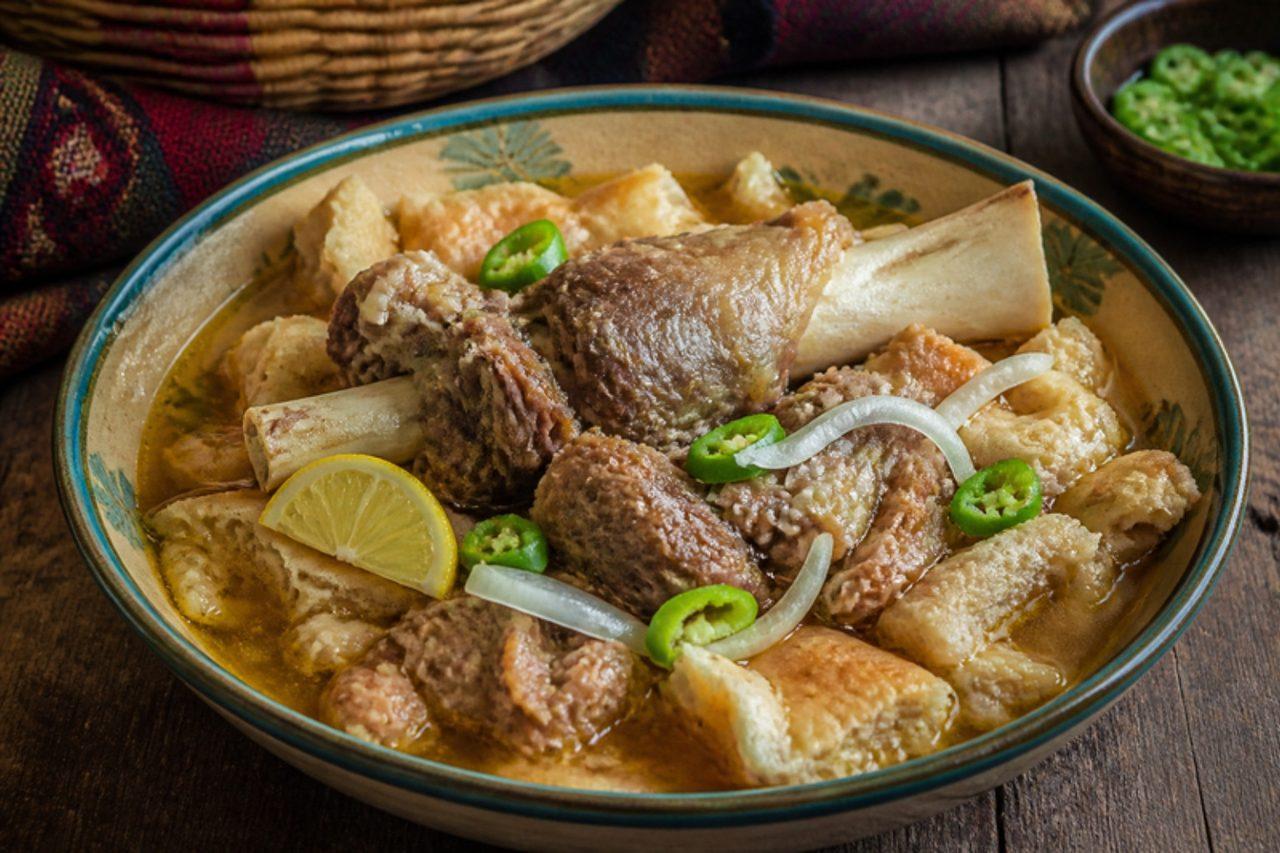
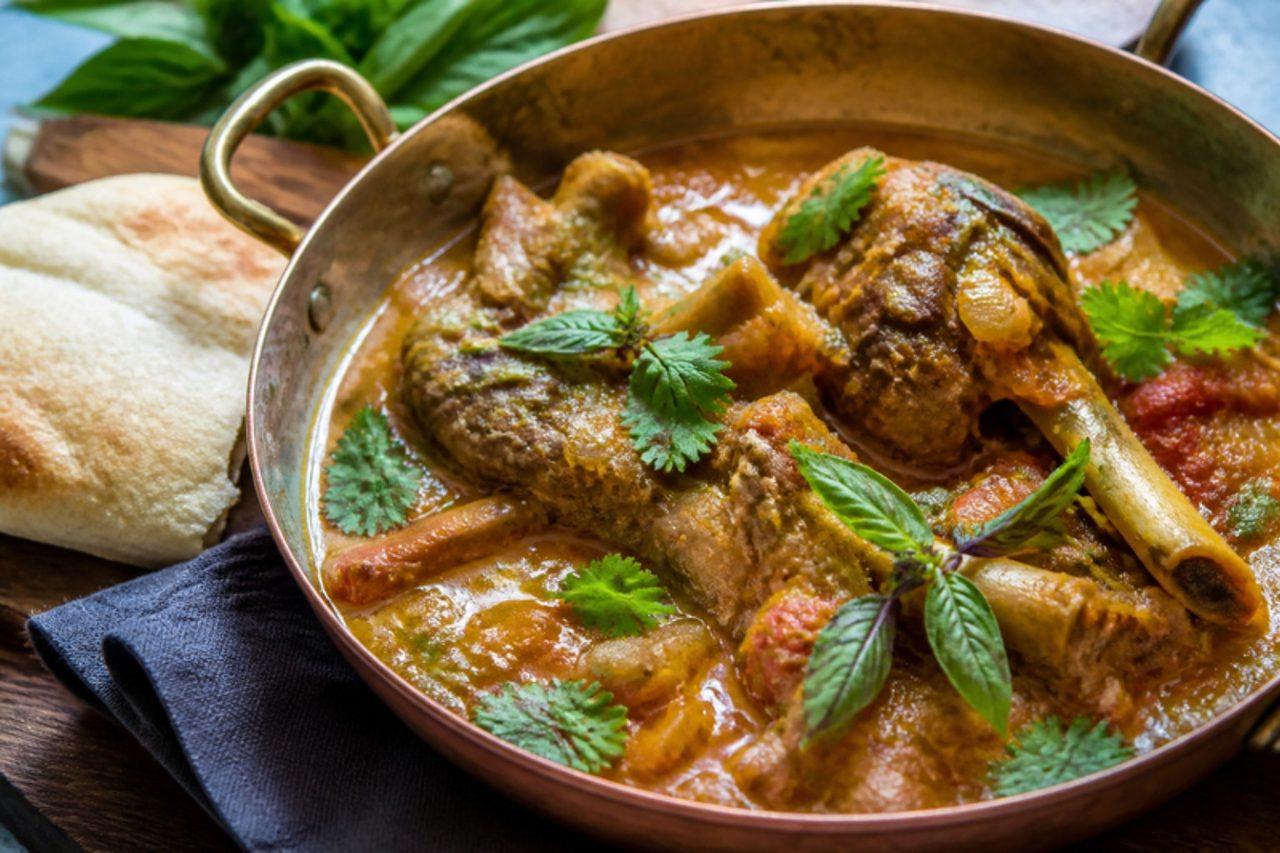
Sobat is guest food in the Pashtun south around Kandahar, made when a sheep has been slaughtered or a large family comes together: lamb on the bone is simmered for hours into a fragrant, golden broth, then poured over pieces of dry naan torn into a wide bowl, with the meat heaped on top. The bread swells and turns soft and juicy while the edges keep some chew, and everyone eats from the same bowl by hand, with raw onion, green chilli and a squeeze of lemon. It is plain, deeply savoury and comforting in the cold Kandahari winter. Fresh, soft bread dissolves into porridge, so use naan that is a day or two old. Chef's tip: skim the broth carefully in the first 10 minutes of simmering, which keeps it clear and clean-tasting.

125 minAfghanSoups
by KrazyBadal 0 views

Chainaki

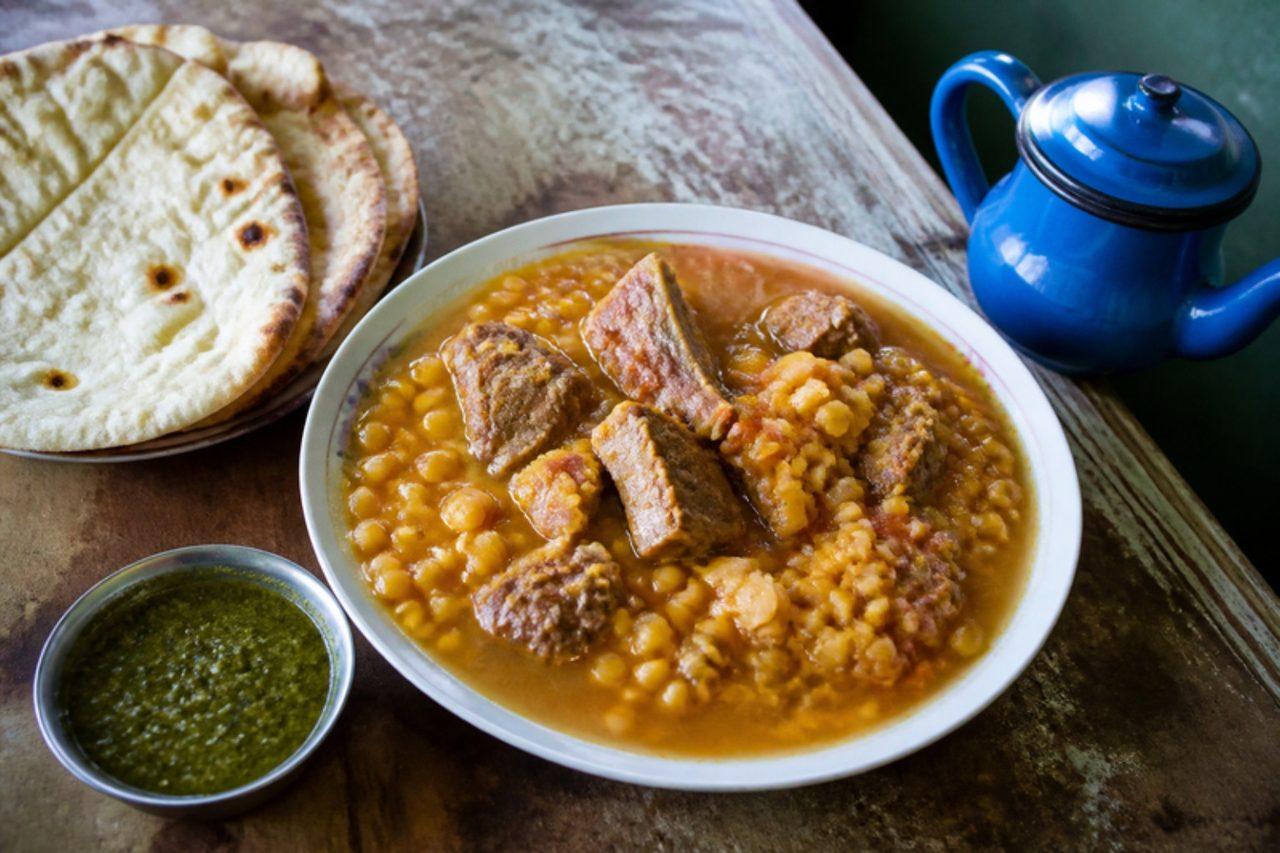
In the teahouses of northern and central Afghanistan, from Mazar to the Salang road, every traveller who orders chainaki gets his own small metal teapot packed with lamb, onion, split peas and water, set in the embers beside the samovar from morning until lunch. When it is ready, the broth is poured off over torn naan in a bowl and the soft meat eaten after, with raw onion and green chilli. The taste is simple and pure: clean lamb, sweet onion, a little turmeric and pepper. Rushing it on a high flame toughens the meat and boils the broth cloudy, so the heat should be so low that the liquid only trembles. Chef's tip: a small heavy lidded casserole in a low oven gives exactly the same result as the teapot, with no risk of it boiling dry.

165 minAfghanMeatGluten free
by KrazyBadal 0 views

Hulbat marak

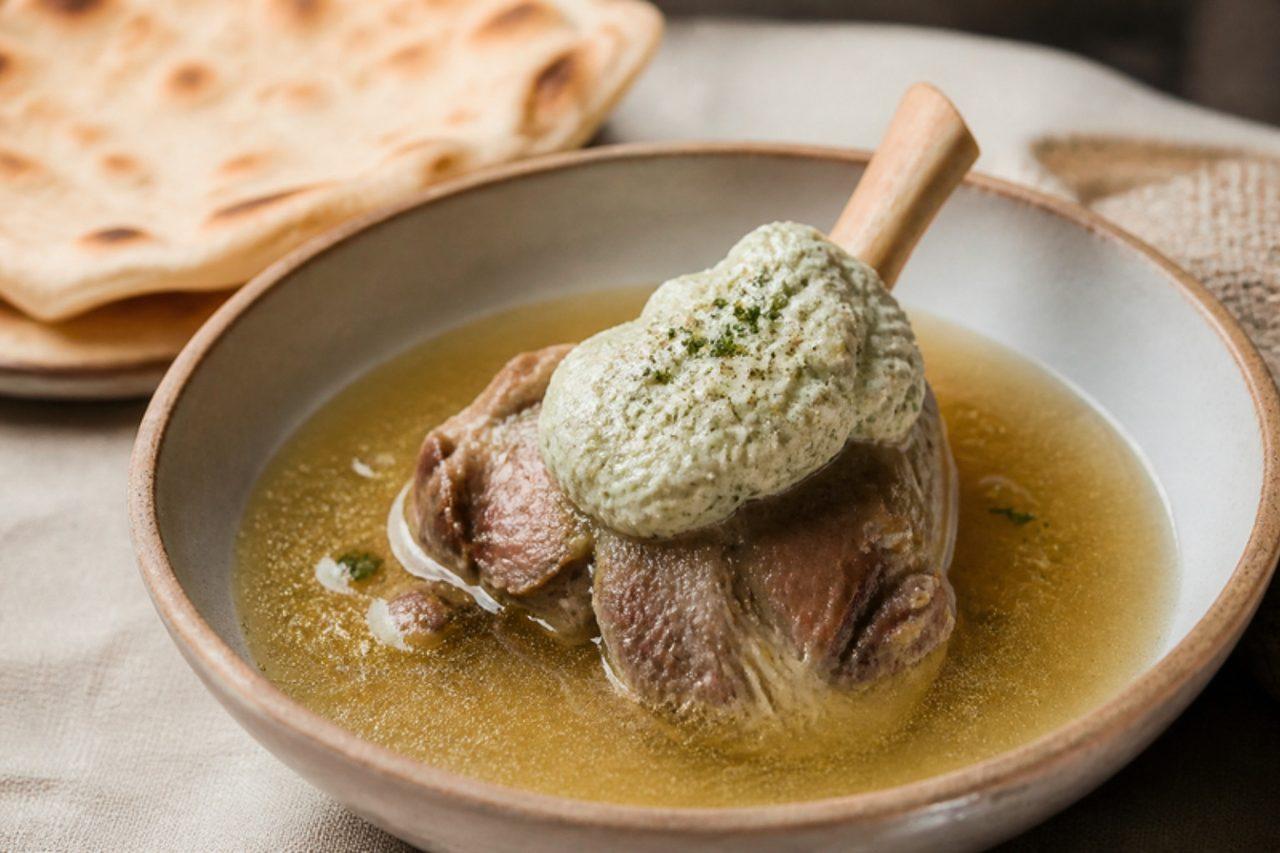
Inside the old walled city of Harar, cooking carries the flavours of centuries of trade with Arabia, and hulbat marak shows it clearly. A light, golden lamb broth, scented with cumin, turmeric and cardamom, is ladled into bowls and topped with a spoonful of hulbat: fenugreek soaked, then whipped with lemon and green chilli into a pale, frothy cream. Torn flatbread goes in to soak up the broth, and the slightly bitter, tangy foam slowly melts into the soup as you eat. It is warming, delicate and not spicy at all. Chef's tip: soak the fenugreek for at least 2 hours and pour off the water; that is what keeps the topping mellow rather than harshly bitter.

by KrazyBadal 0 views

Sudanese shorba (lamb and peanut Ramadan soup)

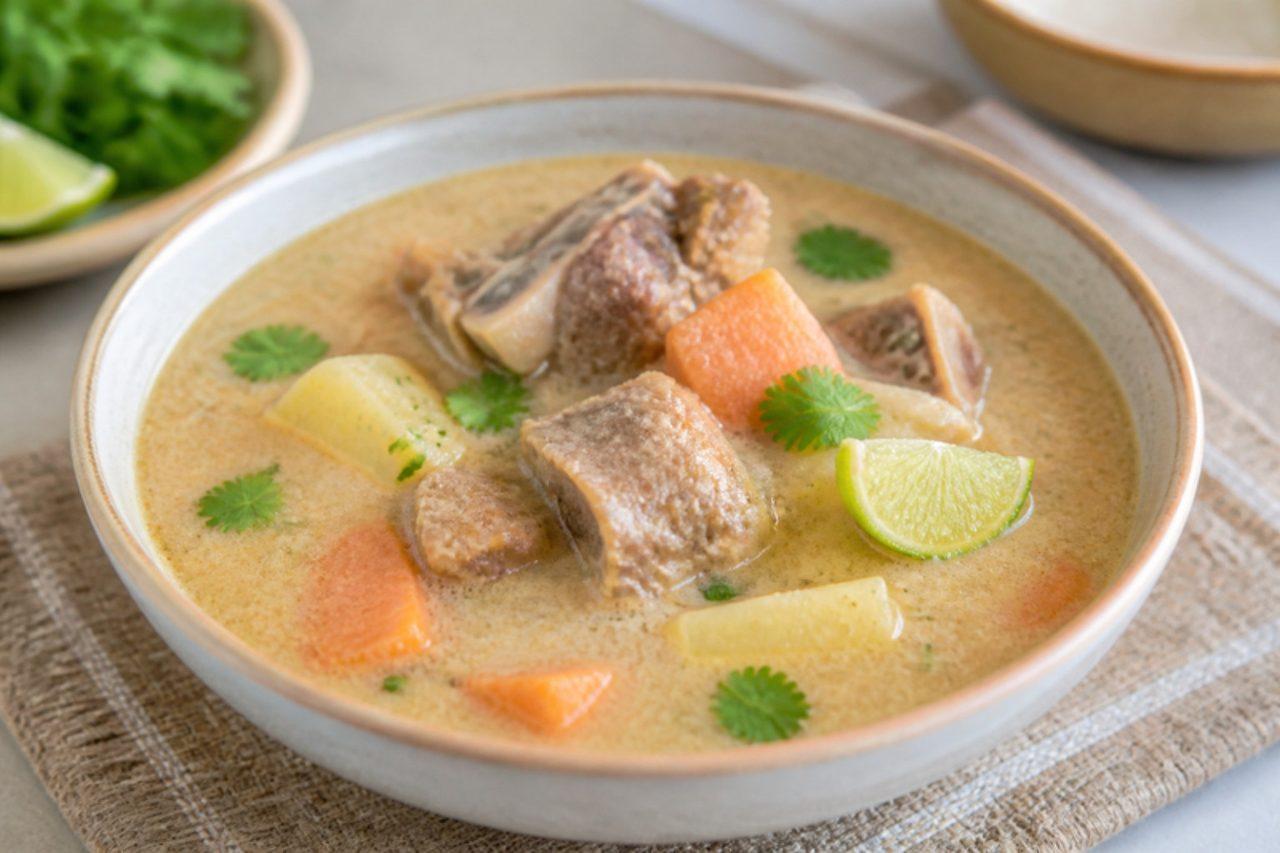
Every evening during Ramadan, Khartoum tables are set with dates, juices and a big pot of shorba, a lamb broth full of carrots, potato and onion made creamy with peanut butter and sharpened with lime. It is the first thing many families eat after the dates, warm and gentle on an empty stomach, and it is made in quantity to share with neighbours. The soup is savoury, nutty and lightly spiced, thick enough to coat a spoon. Adding peanut butter straight into the pot is a mistake, as it clumps; whisk it smooth with hot broth first. Chef's tip: skim the broth carefully in the first 10 minutes for a clean taste, and finish with lime just before serving.

by KrazyBadal 0 views

Ugra osh

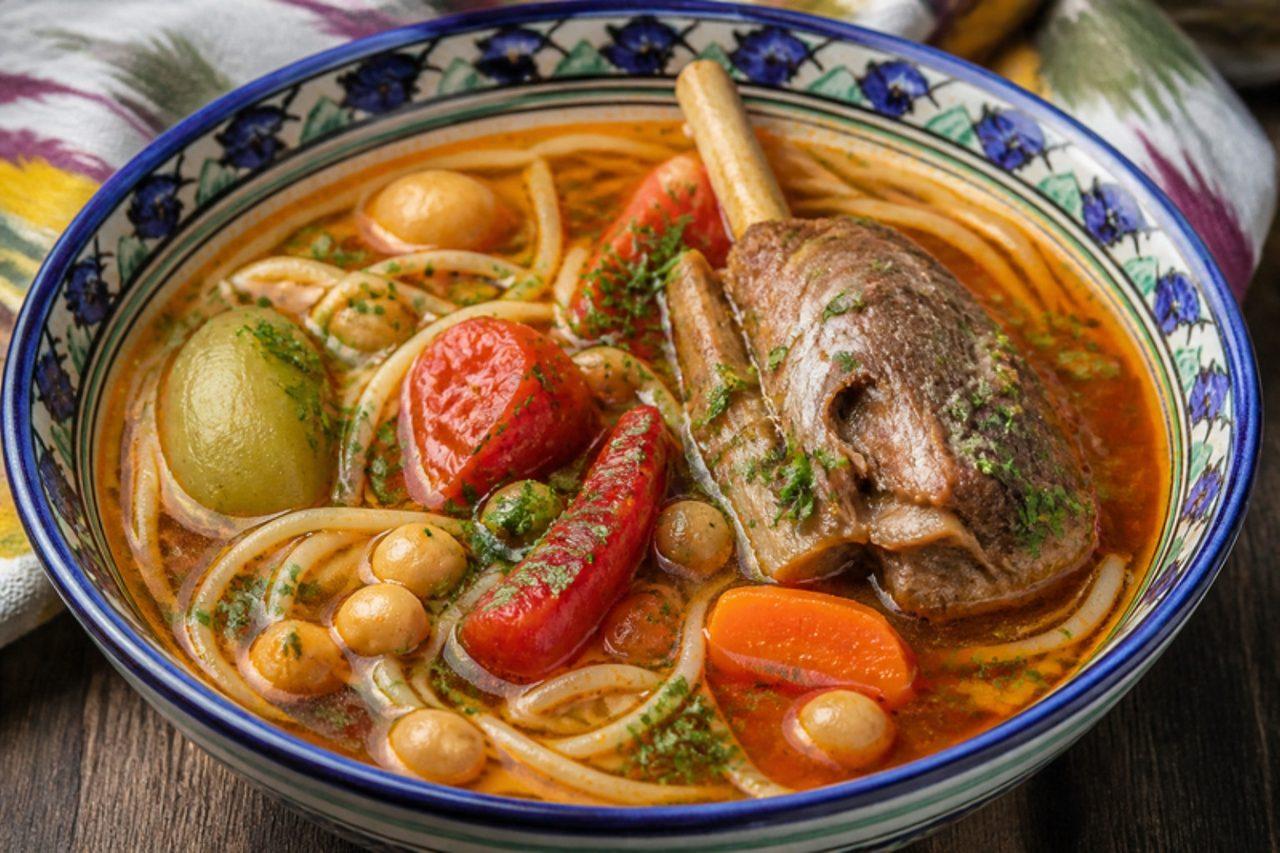
Ugra osh is the noodle soup of Bukhara and Samarkand, where 'ugra' means very thin hand-cut noodles: they are cooked in a clear lamb broth with chickpeas, carrot, radish, tomato and pepper, and the bowl is finished with chopped dill and a spoon of katyk. On meatless days the same soup is made with chickpeas and vegetables alone. A common mistake is cooking the noodles in the soup pot for too long, which clouds the broth. Chef's tip: cook the noodles separately for 2 minutes and add them to each bowl, so the broth stays clear and the noodles don't swell.

130 minUzbekSoups
by KrazyBadal 0 views

Bozartma

Bozartma comes from Ganja, Azerbaijan's second city at the foot of the Lesser Caucasus, where lamb on the bone is browned and then stewed with a mountain of onions and tomatoes until the sauce turns thick and red-gold with saffron. The name hints at the browning (boz, 'grey-brown'), and Ganja cooks say the onions must melt completely. It is eaten with bread and greens, and a chicken version is common too. A common mistake is adding water; the onions and tomatoes give all the liquid needed. Chef's tip: cook it uncovered for the last 15 minutes, until the fat rises to the top; that is how Ganja cooks know bozartma is ready.

by KrazyBadal 0 views

Mrouzia

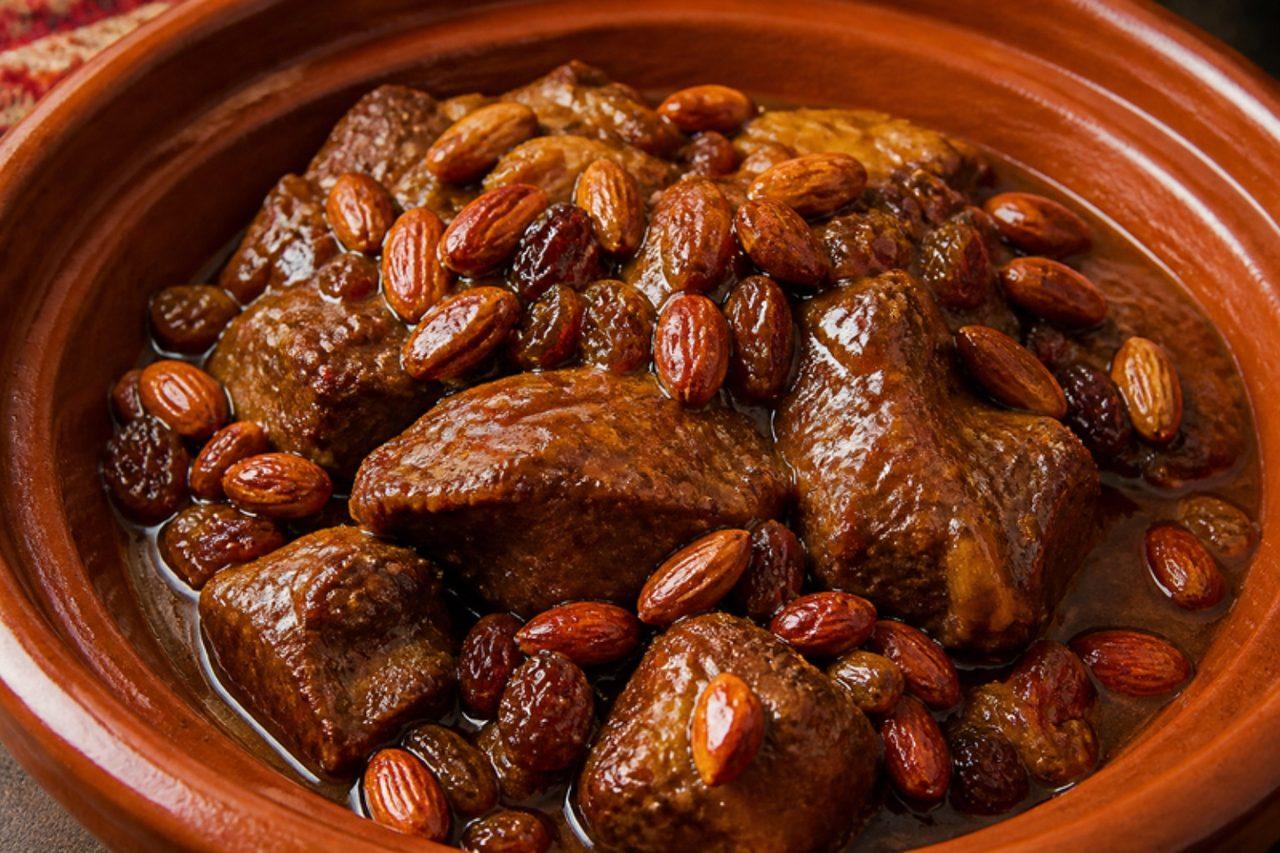
Families make a big pot of mrouzia in the days after Eid al-Adha, partly as a treat and partly as a way to keep meat: cooked down with honey, smen and spices until almost confit-like, it keeps for days, and in the past for weeks. The lamb is very tender and dark, coated in a thick, sweet-spiced sauce heavy with ras el hanout, cinnamon and saffron, with plump raisins and fried almonds on top. Serve small portions with bread and a sharp salad to balance the richness. The usual mistake is adding the honey too early, so it catches and turns bitter before the lamb is tender. Chef's tip: add the honey only once the meat is tender; added early, it scorches on the base during the long cook.

150 minMoroccanMeatGluten free
by KrazyBadal 0 views

Calapurca

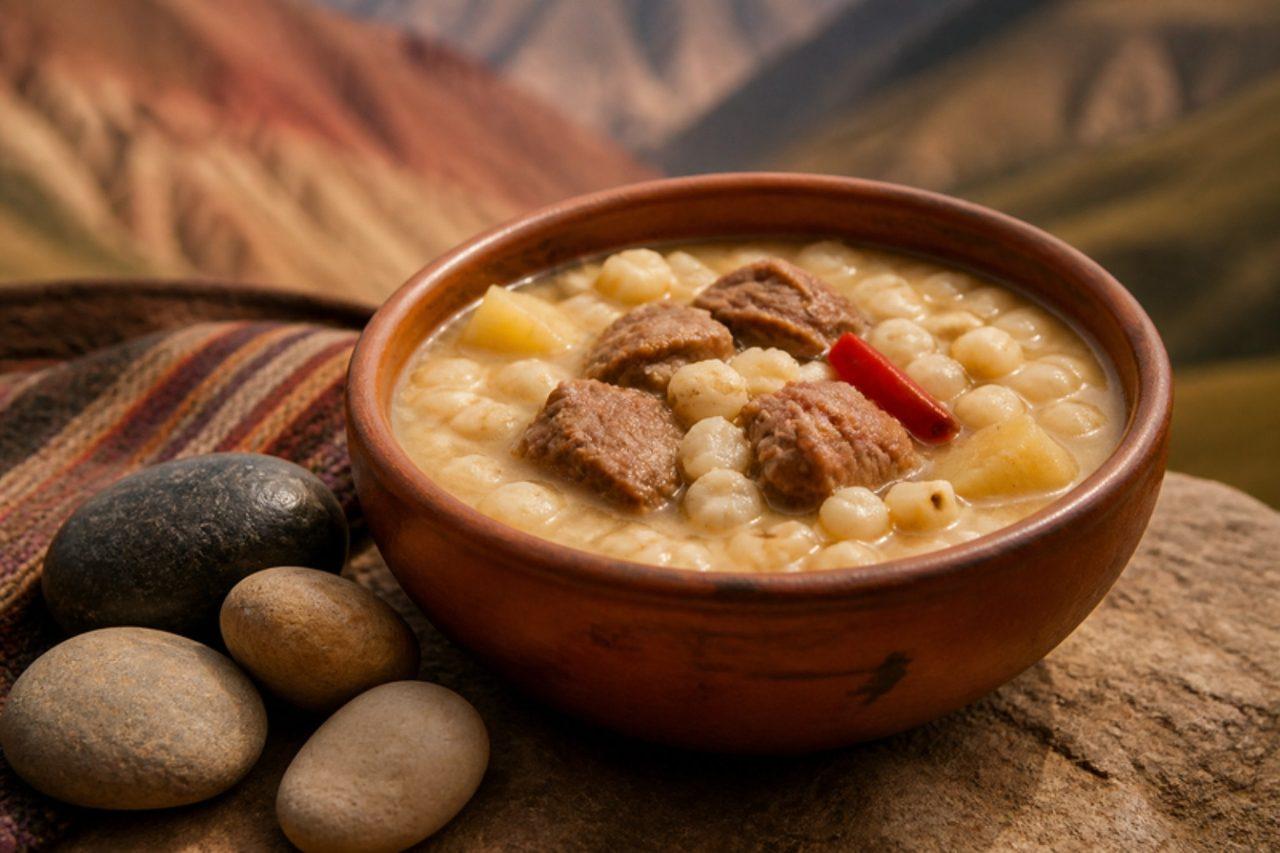
Nobody hurries calapurca. In the villages of the Quebrada de Humahuaca, especially around Carnival and the August Pachamama rites, cooks heat stones in the fire until they glow and then drop them into a clay pot of soup made from dried maize, beef and lamb (or llama), potatoes and chilli, so it boils up in a hiss of steam and takes on a faintly smoky taste. Bowls are passed around the gathering with a sprinkle of fresh herbs. The stones are a ritual best left to people who know which ones are safe, because wet or river stones can crack or burst when heated, so this home version simply simmers on the stove. Look for dried white hominy (mote, or pozole corn) in Latin American shops; it needs soaking overnight. The usual problem is undercooked corn: it needs a good 2 hours before the meat goes in. Chef's tip: for a hint of the smoky flavour, char the onion and a dried chilli in a dry pan before adding them.

by KrazyBadal 0 views

Keşkek

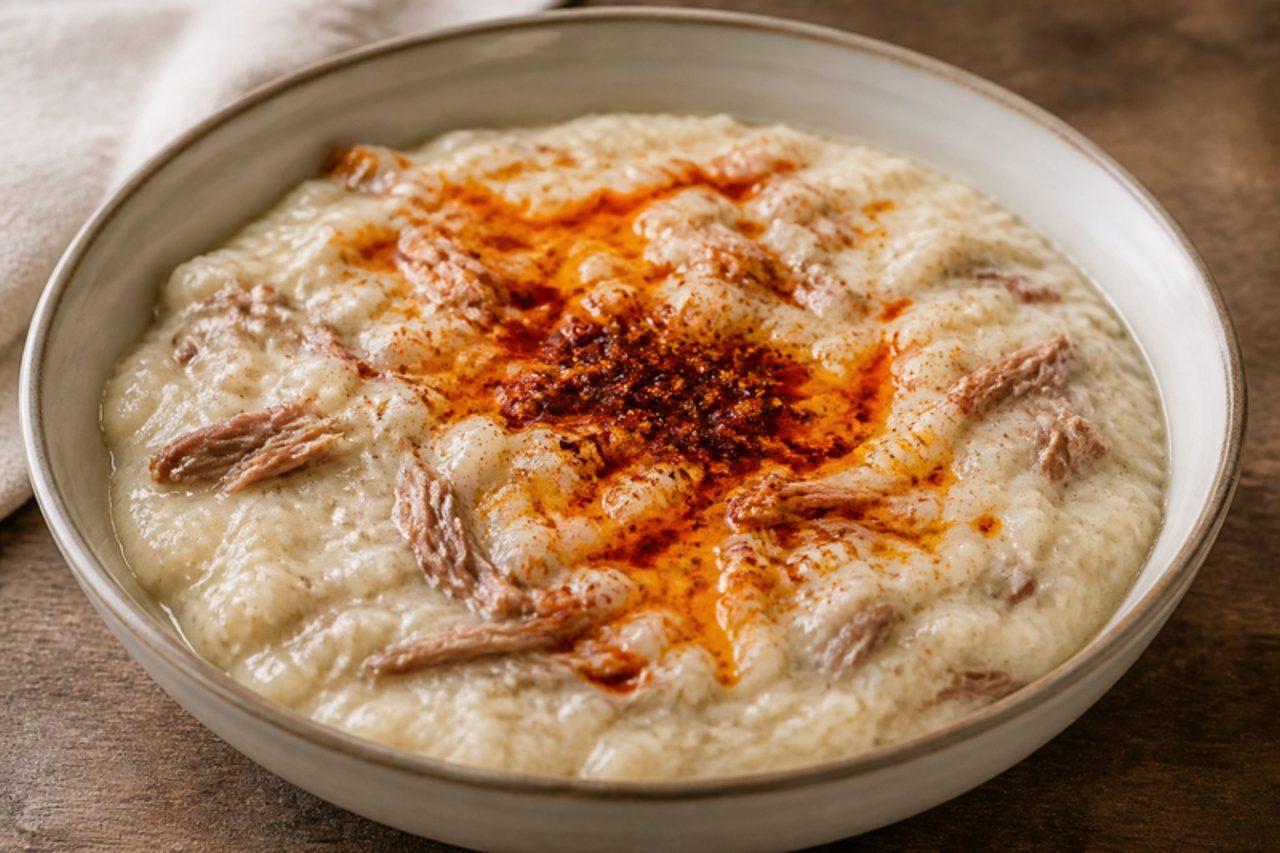
Keşkek is cooked in huge cauldrons for weddings, circumcision feasts and religious holidays across Central Anatolia, from Çorum to Sivas, while villagers take turns beating it with long wooden paddles. Whole wheat and lamb on the bone simmer together for hours until the meat falls apart, then everything is beaten into a thick, stretchy porridge and topped with sizzling butter and chilli. Its tradition is listed by UNESCO as intangible heritage. Common mistake: skimping on the beating; vigorous mashing is what turns it from grainy stew into a smooth, elastic keşkek. Chef's tip: a potato masher followed by a wooden spoon does the job at home; beat in hot broth a ladle at a time if it gets stiff.

200 minTurkishMeat
by KrazyBadal 0 views

Liverpool scouse

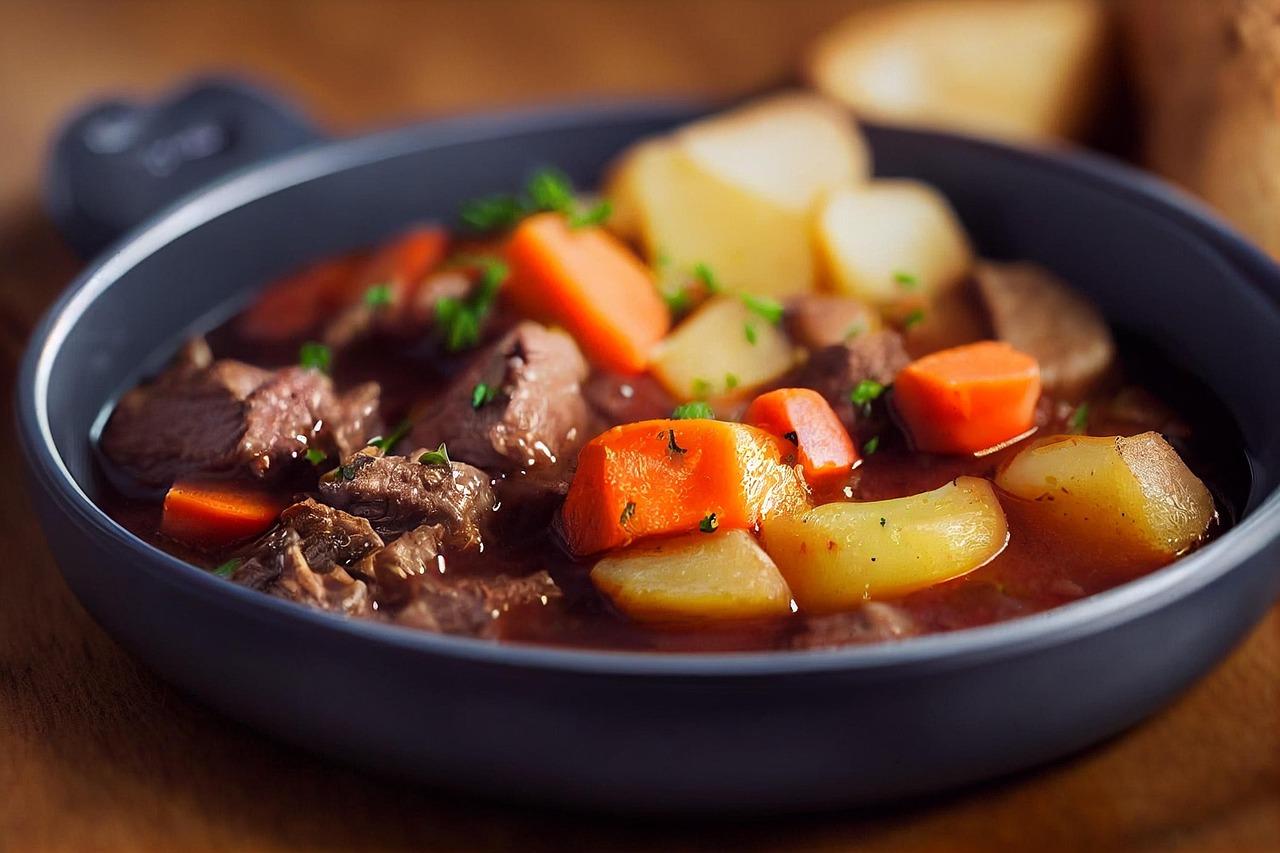
Scouse is so central to Liverpool that its people are named after it; the thick stew of meat, potatoes and onions was carried from the Baltic by sailors and cooked for dockers' families, and city restaurants still celebrate Global Scouse Day each February. Some of the potatoes cook down into the gravy, making it thick and hearty. Serve it with pickled red cabbage or beetroot and crusty bread. Chef's tip: cut half the potatoes small so they collapse and thicken the stew, and leave the rest in chunks.

170 minBritishMeat
by KrazyBadal 0 views

Welsh cawl

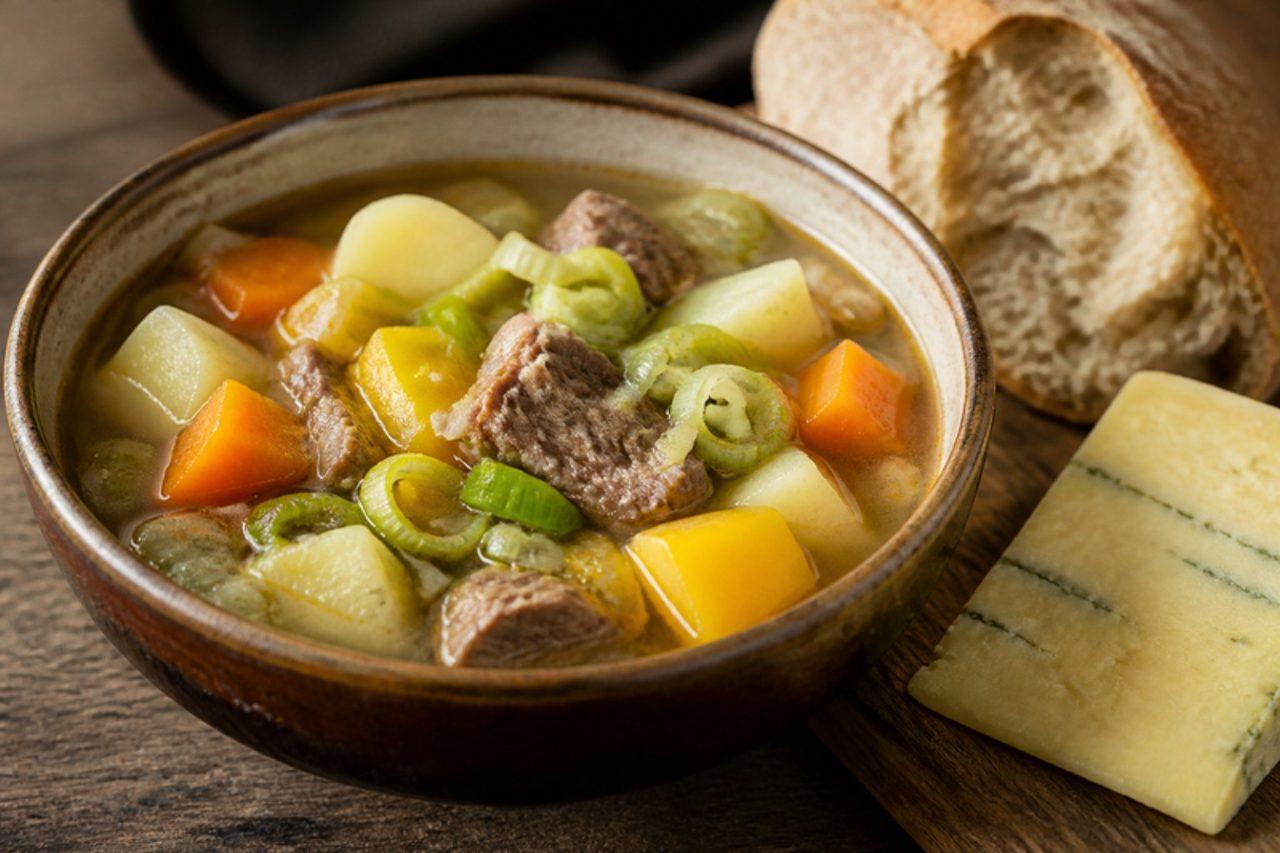
Cawl is the national dish of Wales, a slow broth of lamb on the bone, swede, carrots, potatoes and leeks that farmhouses kept simmering through the winter, and which is eaten with bread and a hunk of Caerphilly on St David's Day. Many families serve the broth first and the meat and vegetables after, and say cawl tastes best on the second day. Chef's tip: chill it overnight and lift off the fat that sets on top for a cleaner broth.

170 minBritishSoupsGluten free
by KrazyBadal 0 views

Chairo puneño

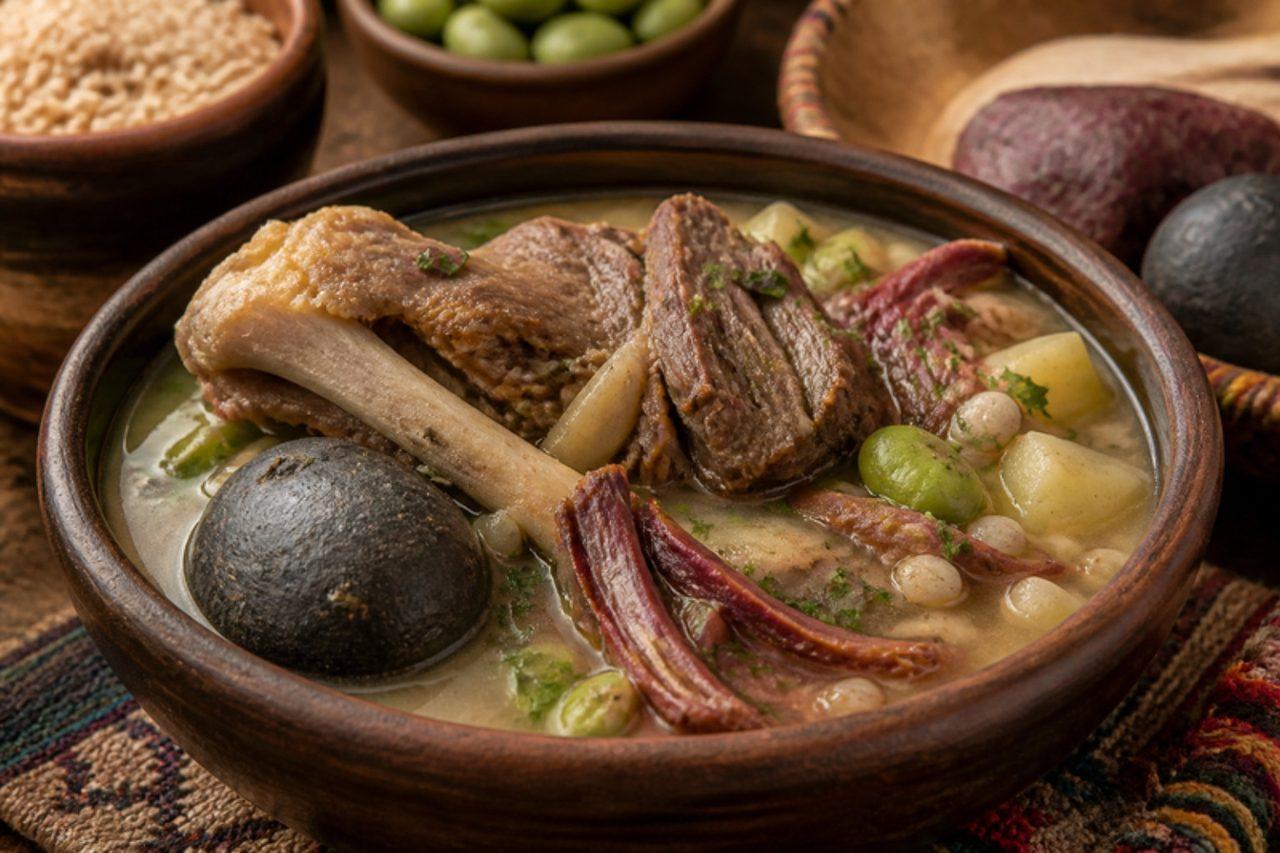
High on the Altiplano, where nights freeze even in summer, chairo is the soup that gets Puno's market workers and farmers through the day. It is thick and brothy at once: lamb on the bone and a little charqui (dried meat) simmered with crushed chuño, peeled wheat, broad beans, potatoes and squash, scented with cumin, oregano and huacatay or mint. Expect a deep, meaty, slightly smoky bowl with lots of chew. Soak the chuño and the wheat overnight. A common error is adding the potatoes with the meat, so they dissolve before the lamb is tender; they go in for the last 25 minutes. Chef's tip: crush the soaked chuño into small pieces by hand; they thicken the broth as it cooks.

by KrazyBadal 0 views

Lamb potjiekos

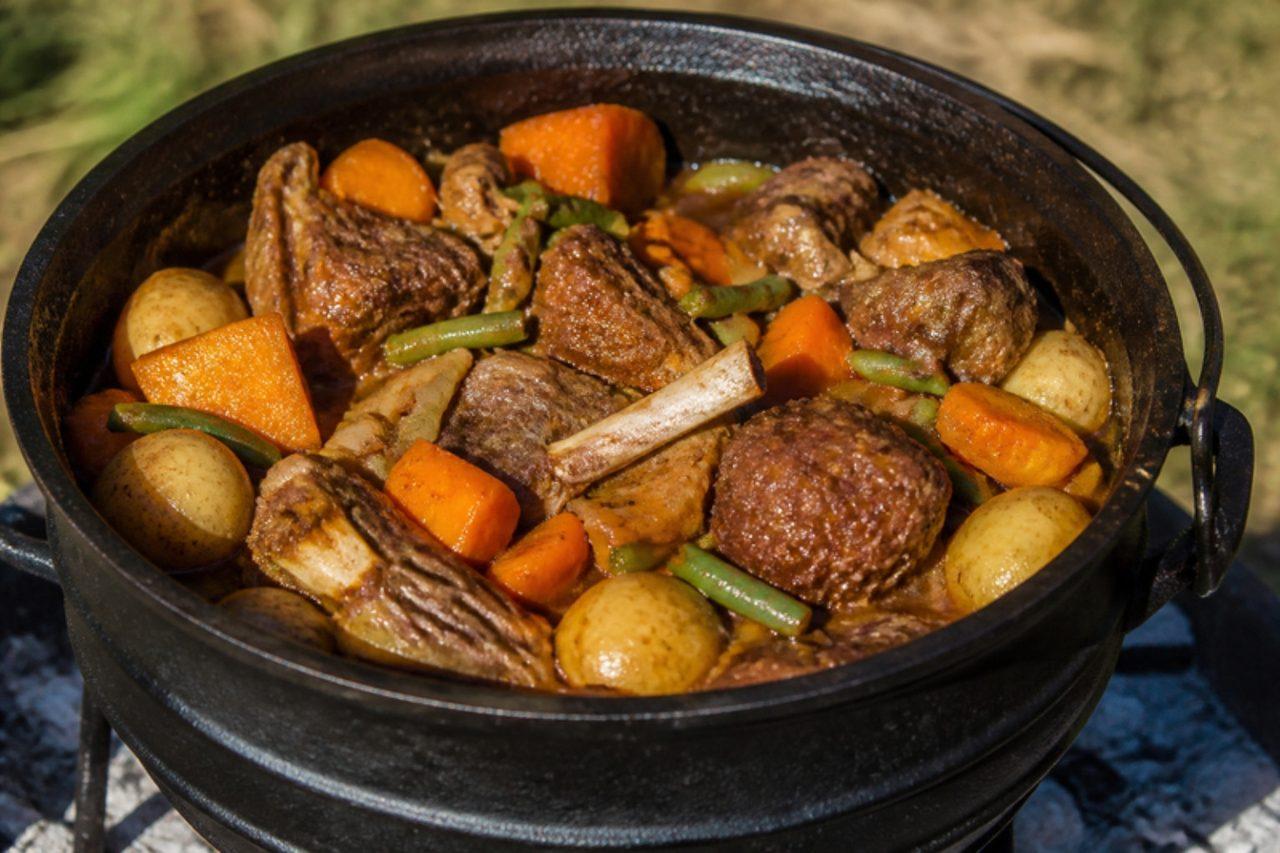
Potjiekos is the long, sociable cook of South African weekends: a cast-iron three-legged pot (potjie) sits over a small fire for hours while friends talk around it, and the rule is that once the layers are in, nobody stirs. The lamb is browned at the bottom, then potatoes, carrots, butternut, green beans and mushrooms are stacked on top so the hardest vegetables are nearest the heat. A heavy casserole on the hob or in the oven works just as well. Some cooks add a glass of red wine or beer; this version uses stock only, and you may swap 150 ml of it for wine if you like. The mistake is stirring the pot, which turns the neat layers into mush. Chef's tip: add only a little liquid; the vegetables give off their own juice as they steam.

by KrazyBadal 0 views

Khorkhog-style lamb

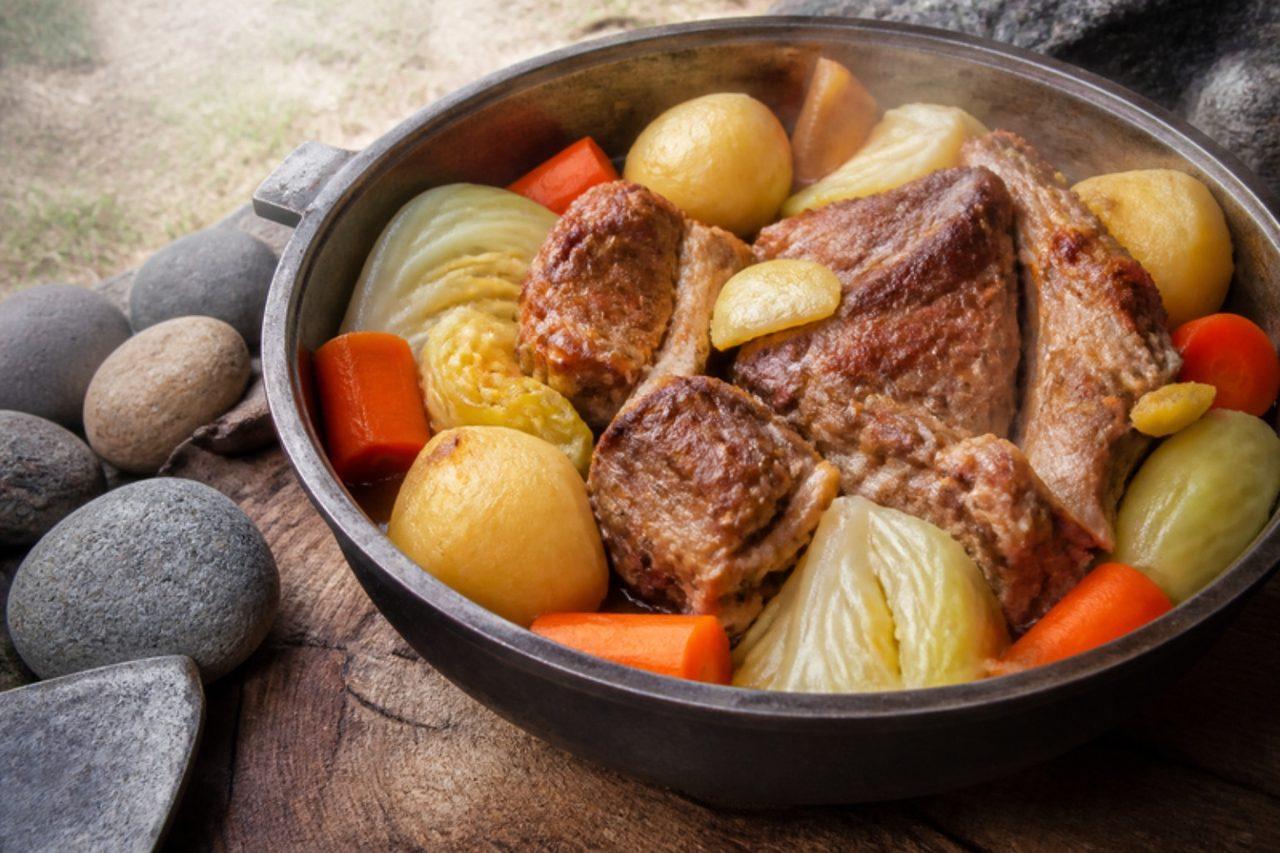
Khorkhog is the feast of the Mongolian countryside, cooked when a herding family welcomes guests: a sheep is cut into pieces and sealed into a milk churn with hot river stones, onion, carrot and potato, and the churn is set over the fire until the meat is tender and smoky. Guests pass the hot, greasy stones from hand to hand for good health. This home version cooks the lamb in a heavy sealed casserole in the oven, which gives the same tender meat and rich juices; please don't heat stones in a kitchen pot, which is dangerous. The mistake is adding water: the lamb steams in its own juice with only a little liquid. Chef's tip: use lamb on the bone, such as neck or shoulder, for the deepest flavour.

by KrazyBadal 0 views

Kyrgyz shorpo

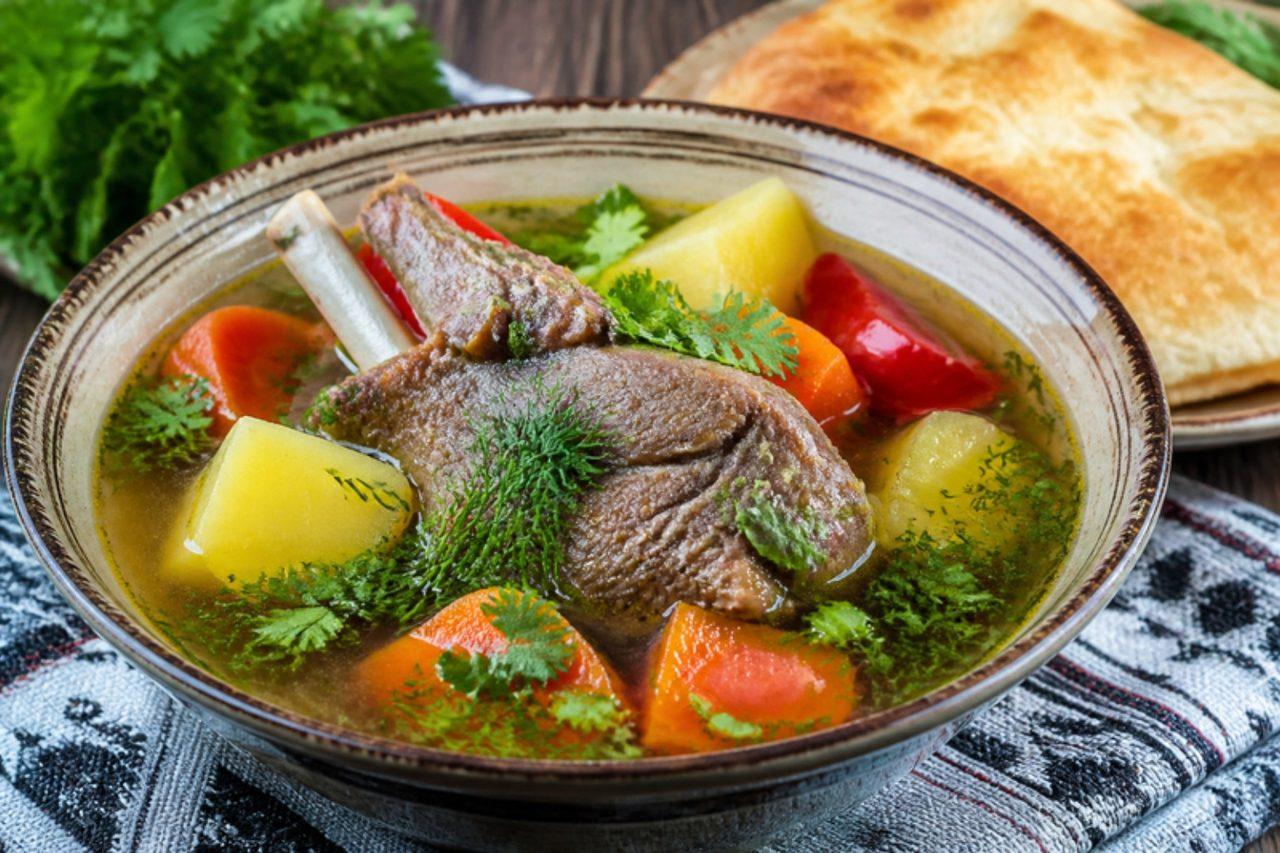
Shorpo is the soup that keeps Kyrgyz herders warm in the summer pastures around Issyk-Kul and in yurts high in the Tian Shan: big pieces of lamb on the bone simmered slowly with whole potatoes, carrots and onion until the broth is clear and golden. The meat and vegetables are often served on a plate and the broth in bowls, with fresh herbs and bread torn into it. It is simple, so the quality of the lamb matters. Letting it boil hard is the usual mistake; a rolling boil makes the broth cloudy and the meat stringy. Chef's tip: start the lamb in cold water and skim patiently for the first 15 minutes.

145 minKazakhSoupsGluten free
by KrazyBadal 0 views

Shaki piti

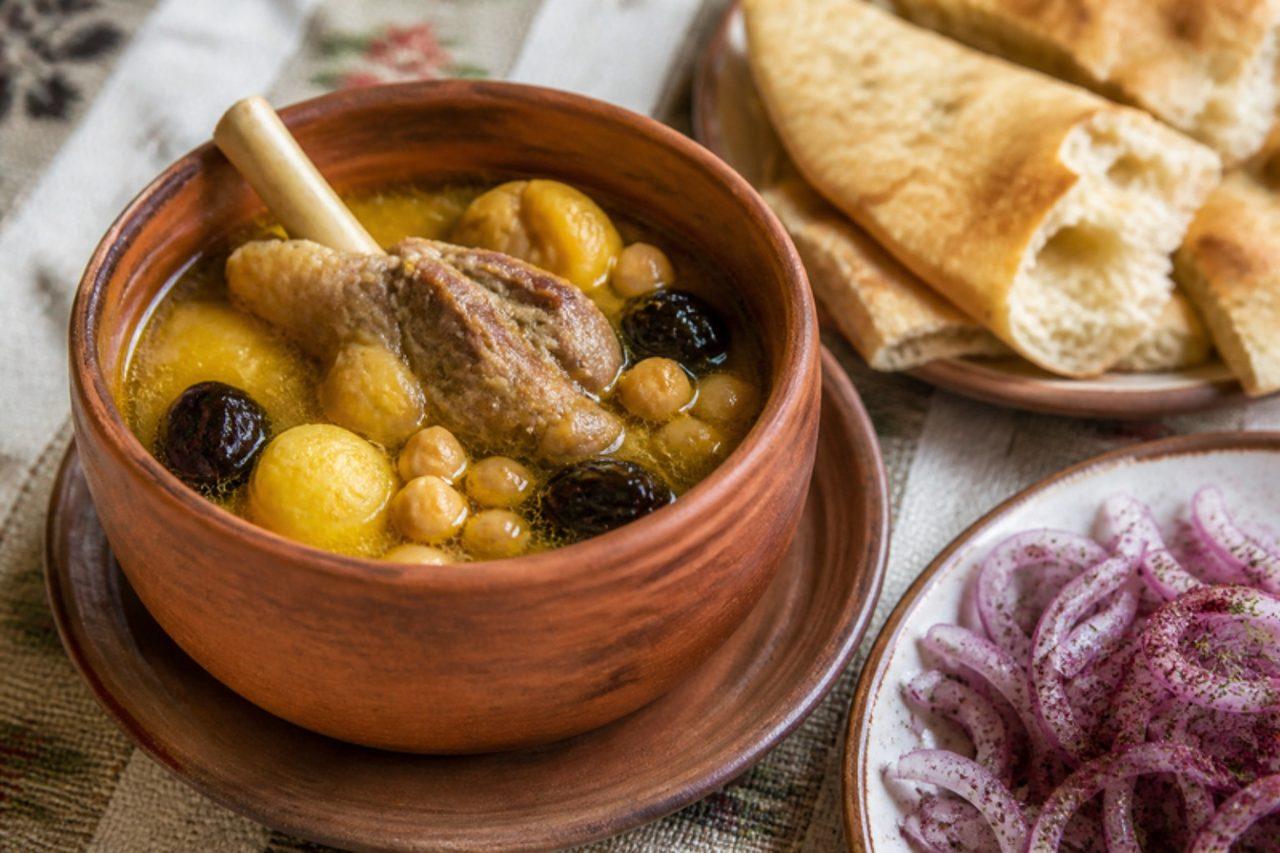
Piti belongs to Shaki, the old silk-road town in the green foothills of northern Azerbaijan, where it is still cooked in individual clay pots and served in restaurants near the caravanserai. Each pot holds lamb on the bone, chickpeas, a chestnut or two, a little tail fat and saffron water. It is eaten in two stages: first you pour the broth over torn bread with sumac, then you mash the meat and chickpeas and eat that as a second course. Rushing it at a high heat is the error to avoid; the broth turns cloudy and the lamb tightens. Chef's tip: if you have no clay pots, a heavy casserole works, and you can ladle it into bowls to serve.

by KrazyBadal 0 views

Shorwa

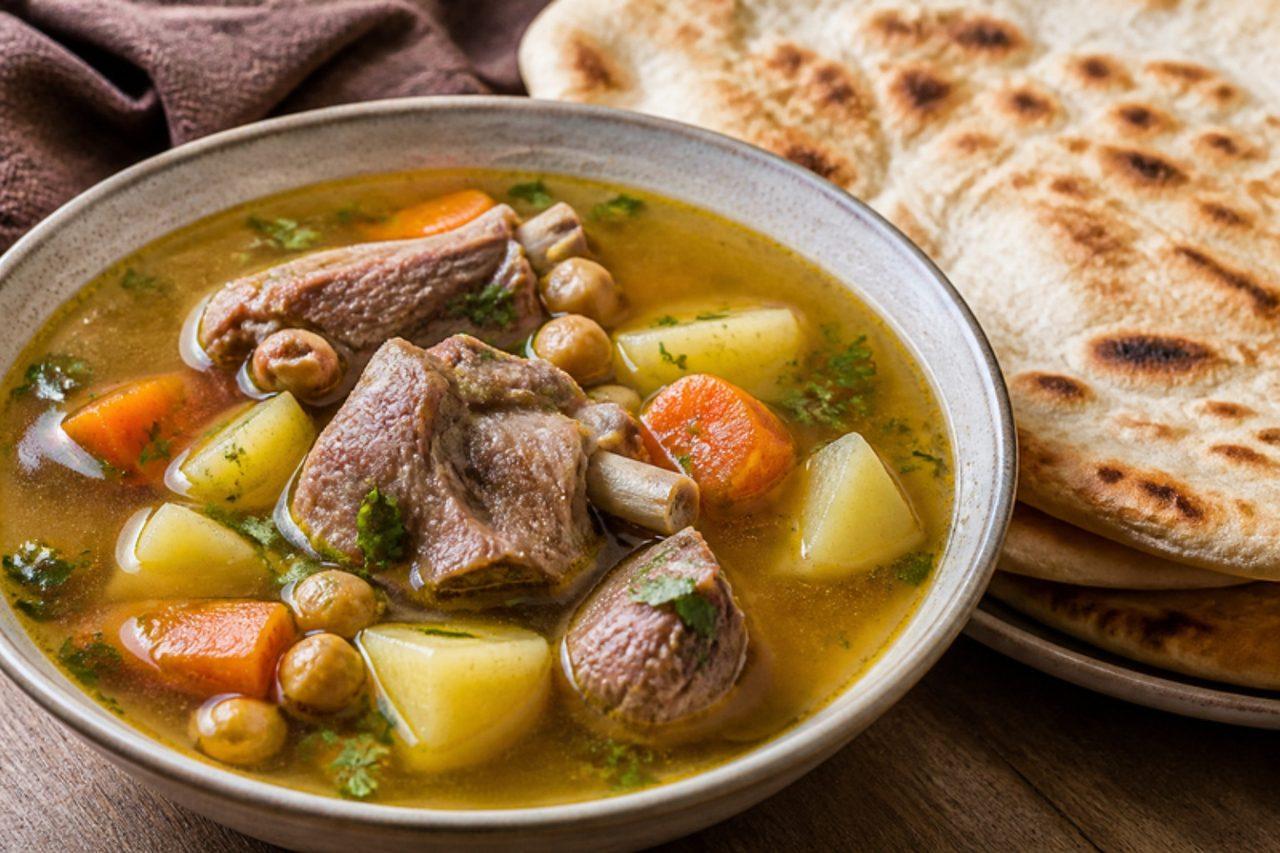
Shorwa is the everyday soup of Afghan homes from Kabul to Herat, simmered on winter evenings and during Ramadan, when a bowl of it breaks the fast. Lamb on the bone cooks slowly with onion, tomato, chickpeas and a little turmeric and coriander until the broth turns golden, then potatoes and carrots go in for the last half hour. The family tears naan into their bowls and eats it with fresh mint, onion and green chilli on the side. It is a gentle, clear soup rather than a thick stew. The common mistake is boiling it hard, which makes the broth cloudy and the lamb tough; keep it at a lazy simmer. Chef's tip: skim the broth carefully in the first 10 minutes, as soon as the grey foam rises, for a clean golden shorwa.

130 minAfghanSoupsGluten free
by KrazyBadal 0 views

Goes well with lamb neck