Skip to content

Recipes with korerima

4 recipes that use korerima, with photos, step-by-step instructions and cook times. The quickest, Mekelesha, takes 10 minutes. It is most often cooked with niter kibbeh, ayib and banana leaves.

Got a few things in the fridge? Search by everything you have

Atmit (warm barley gruel with spiced butter and honey)

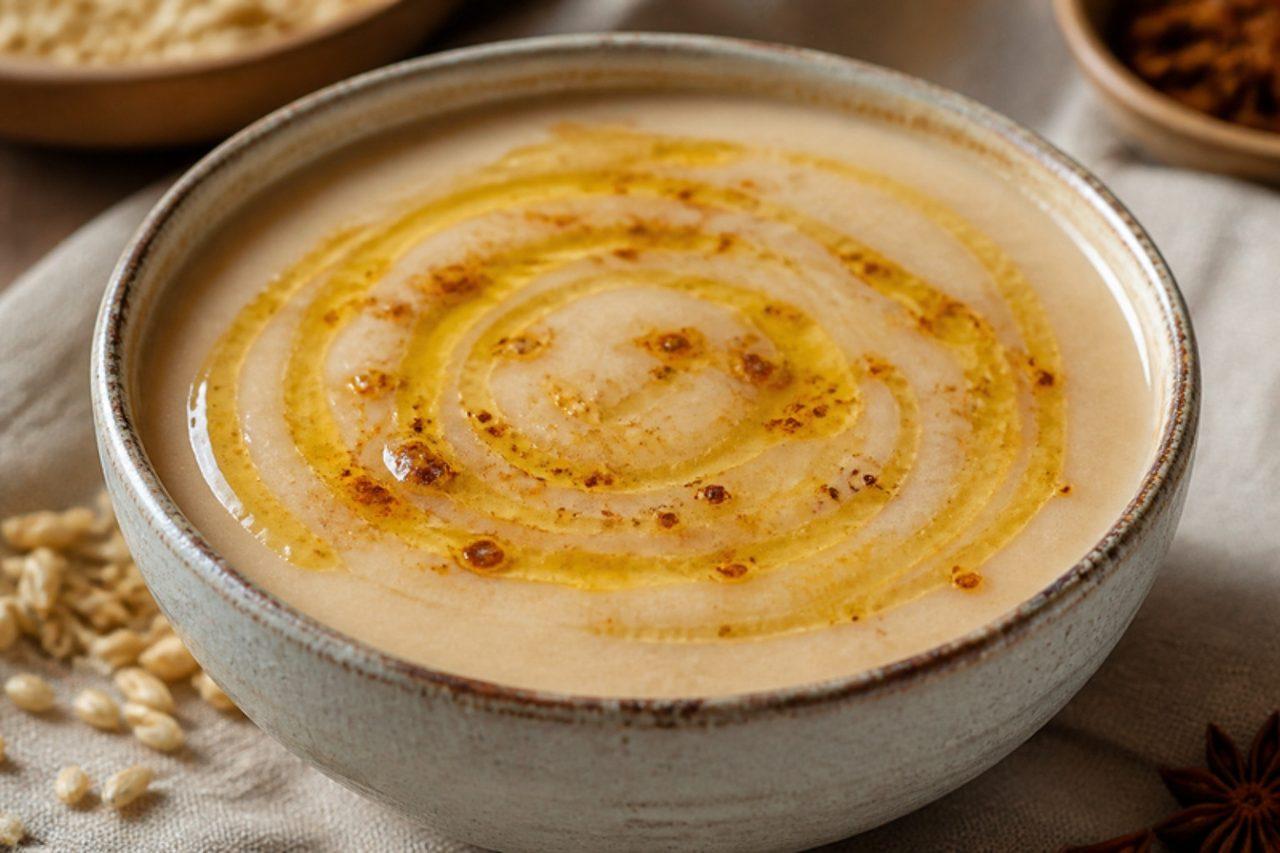
When a baby is born in an Amhara household, visiting women bring or cook atmit for the new mother, and the same soft, sippable gruel is made for anyone recovering from illness. Roasted barley flour (or oat flour) is whisked into water and simmered until it thickens to the texture of a thin custard, then enriched with a spoon of niter kibbeh, honey and a pinch of korerima. It tastes nutty, sweet and buttery, and is drunk warm from a cup rather than eaten with a spoon. Some homes add a little milk for extra richness. A common mistake is tipping the flour straight into hot water, which makes lumps; slake it in cold water first. Chef's tip: keep it thinner than you think; atmit thickens as it cools, and it should still pour easily from the cup.

by KrazyBadal 0 views

Mekelesha

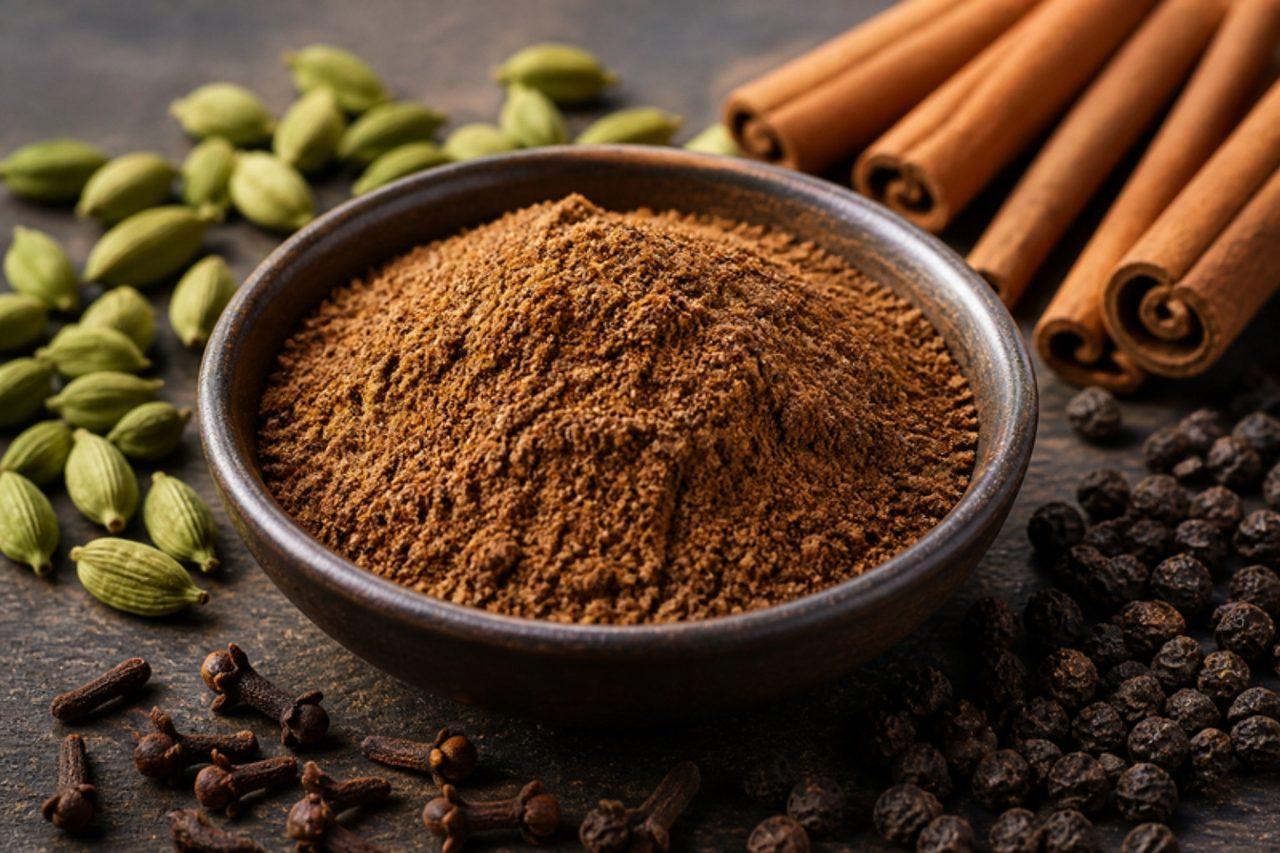
Berbere builds the heat and colour of a wat; mekelesha is what Ethiopian cooks add in the last few minutes to make it smell wonderful. It contains no chilli at all, only warm, aromatic spices: korerima (Ethiopian cardamom), cinnamon, cloves, black pepper and a little cumin and nutmeg, toasted and ground fine. A pinch goes into doro wat, key wat or misir wat just before serving, a little like garam masala in an Indian curry, and market spice sellers in Addis Ababa sell it in small twists of paper beside the berbere sacks. Korerima has a smoky, camphor-like note; if you cannot find it, mix green and black cardamom. The common mistake is adding it at the start of cooking, where long simmering dulls its perfume; stir it in at the end. Chef's tip: grind small batches and keep them in a dark jar, as the aroma fades after about two months.

by KrazyBadal 0 views

Gomen kitfo (Gurage minced collards with spiced butter)

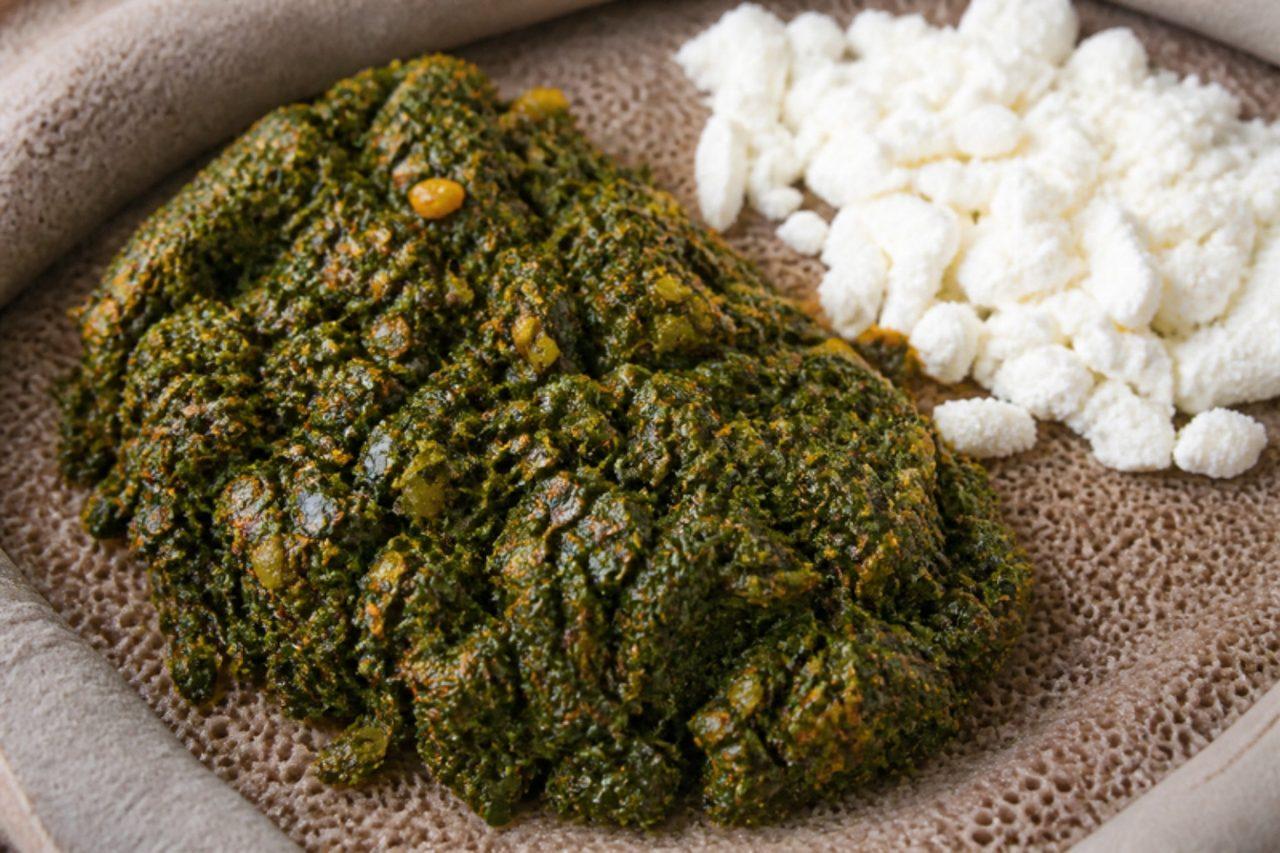
Meskel in the Gurage highlands is the year's great feast, and next to the beef kitfo on the table there is always gomen kitfo, the meat-free 'kitfo' of greens. Collards are boiled until tender, squeezed hard and chopped so finely they become almost a paste, then worked with warm niter kibbeh, mitmita and a little korerima. The result is dark green, silky and rich, with a sharp chilli kick and a deep, slightly bitter leafy flavour. It is eaten with kocho and a heap of fresh ayib, and is also made on its own on non-fasting days. The usual mistake is leaving water in the greens, which makes it soggy and dilutes the butter; wring them out in a clean cloth. Chef's tip: chop with a heavy knife, rocking it again and again, rather than blending; a blender turns it into a purée and loses the fine, almost-minced texture.

by KrazyBadal 0 views

Defo dabo (Ethiopian festive pot bread)

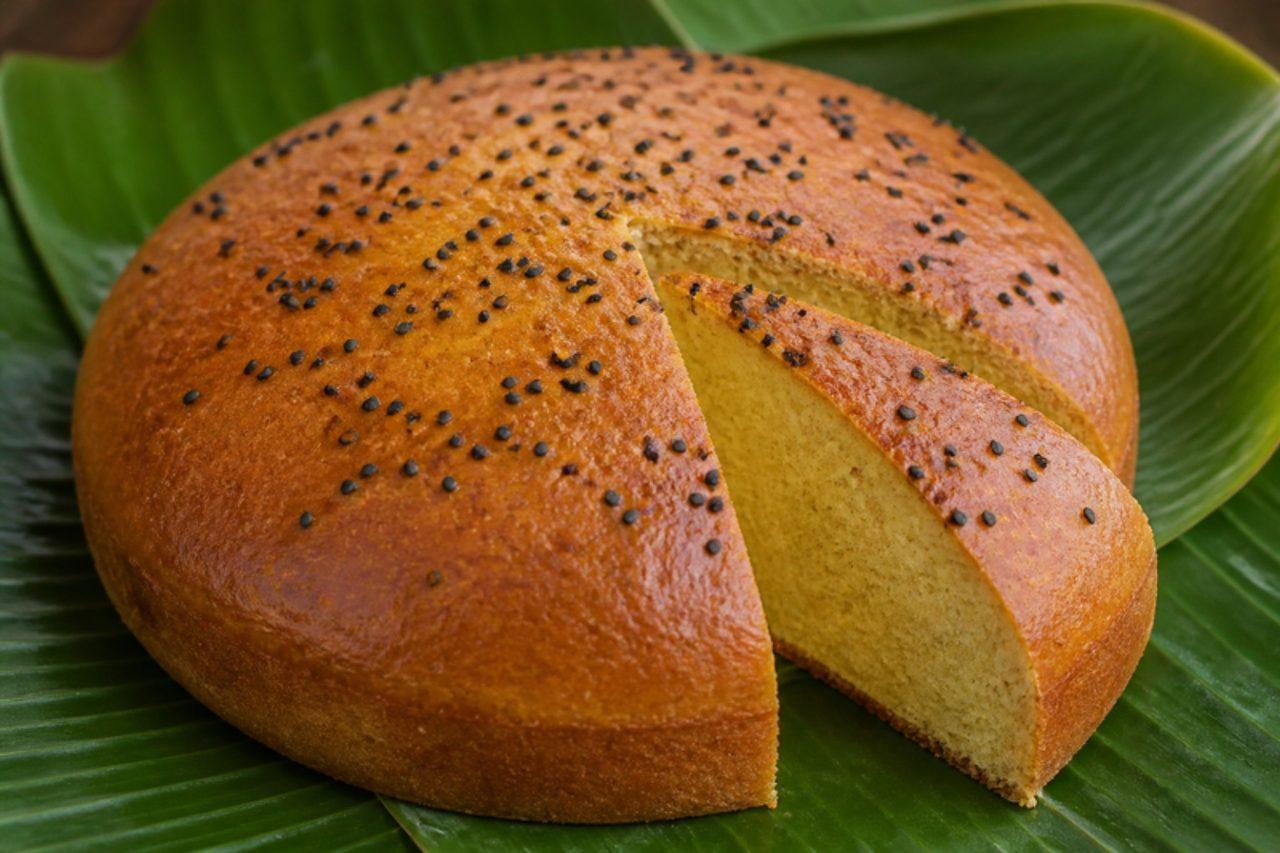
For Genna (Christmas), Fasika (Easter), weddings and christenings, cooks in Gondar and Gojjam bake defo dabo: a huge, tall round loaf whose dough is wrapped in enset or banana leaves and baked slowly in a heavy covered pot, traditionally with coals above and below. The leaves leave a faint green aroma and a pale, soft crust, and the crumb is fine and close, scented with black cumin, korerima and a little niter kibbeh. On feast days the loaf is blessed and cut before it is shared out. At home a cast-iron casserole in the oven does the job; allow about 2 hours of rising on top of the times given. Do not cut it hot: the crumb is still setting and turns gummy. Chef's tip: bake until the inside reads 94 °C on a probe thermometer; this dense loaf can look brown long before the centre is cooked.

by KrazyBadal 0 views

Goes well with korerima