Skip to content

Recipes with japanese short-grain rice

7 recipes that use japanese short-grain rice, with photos, step-by-step instructions and cook times. The quickest, Hitsumabushi (Nagoya grilled eel rice), takes 40 minutes. It is most often cooked with soy sauce, kombu and mirin.

Run out of japanese short-grain rice? Any long-grain rice, same amount.

Got a few things in the fridge? Search by everything you have

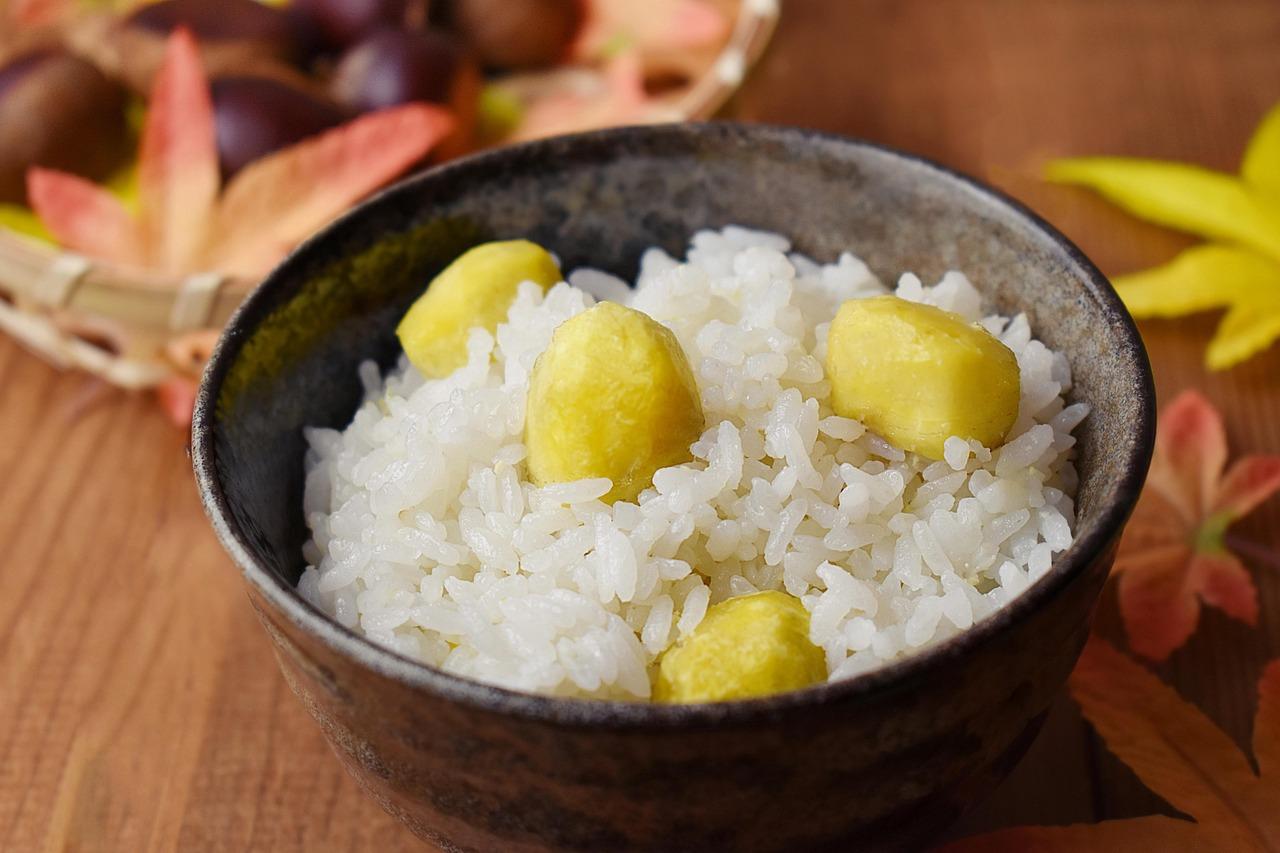
Takikomi gohan

Takikomi gohan (炊き込みご飯) is mixed rice cooked in one pot with seasonal vegetables and a savoury broth, made in homes across Japan, especially in autumn when mushrooms and chestnuts are in season. Every grain soaks up the soy, mirin and mushroom flavour, and the bottom forms a prized toasty crust (okoge). This vegetarian version uses a kombu and shiitake dashi. Serve it with miso soup and pickles, or pack it into onigiri the next day. Chef's tip: never stir once the vegetables are on top, and don't lift the lid while it cooks. The heavy vegetables would sink and the rice cook unevenly; leaving it alone also gives you the toasty okoge crust at the bottom.

by KrazyBadal 0 views
Ikameshi

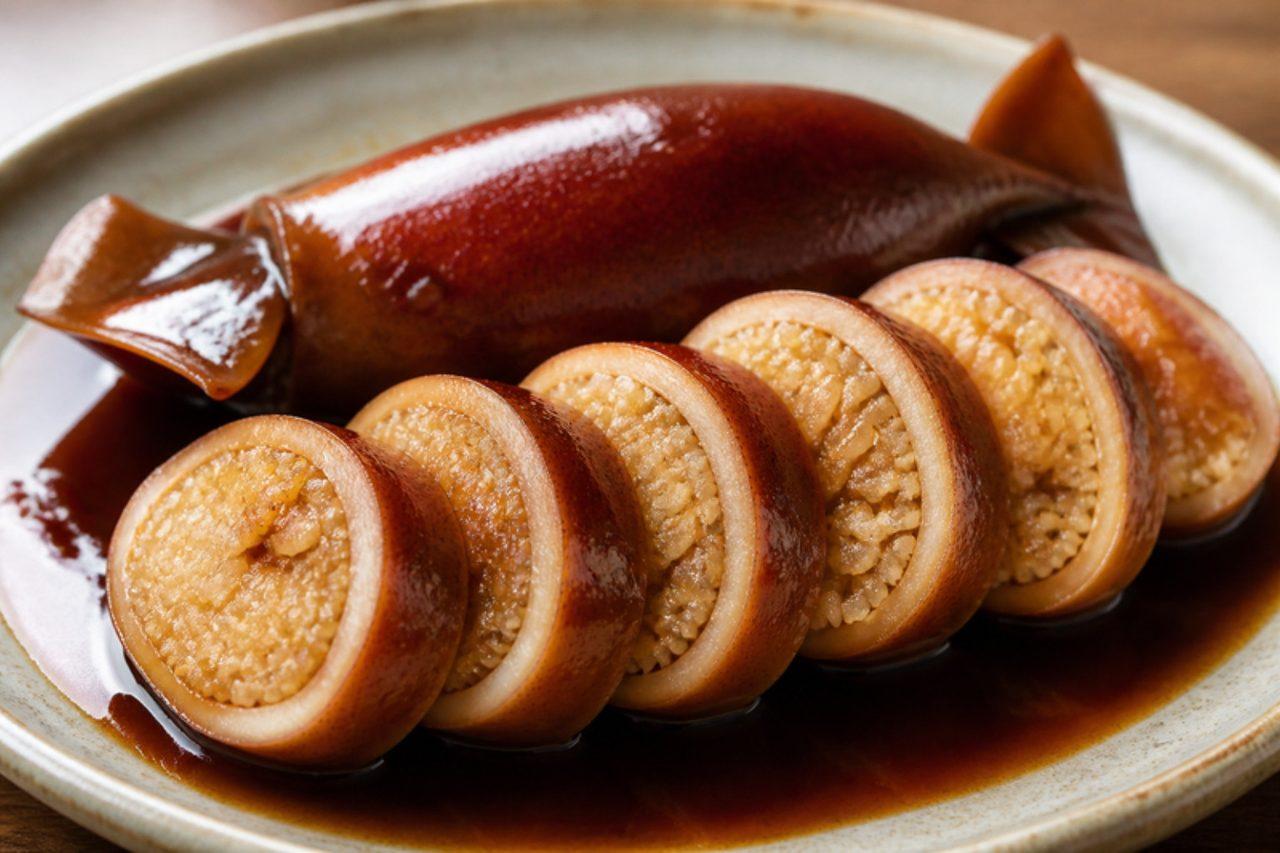
At Mori, a small fishing town on the railway north of Hakodate, ikameshi has been sold as a station lunchbox since the war years, when rice was scarce and squid was plentiful. It is still one of Japan's best-known station bentos and a star of the regional food fairs that department stores hold all over the country. Small squid are stuffed with soaked glutinous rice, pinned shut and simmered in a sweet soy sauce until the rice swells into a sticky, savoury filling. Slice them into rounds to serve warm or at room temperature. Chef's tip: use small squid with bodies about 15 cm long, as larger ones need longer cooking and turn rubbery before they soften again.

60 minFish
by KrazyBadal 0 views

Gyutan (Sendai grilled beef tongue)

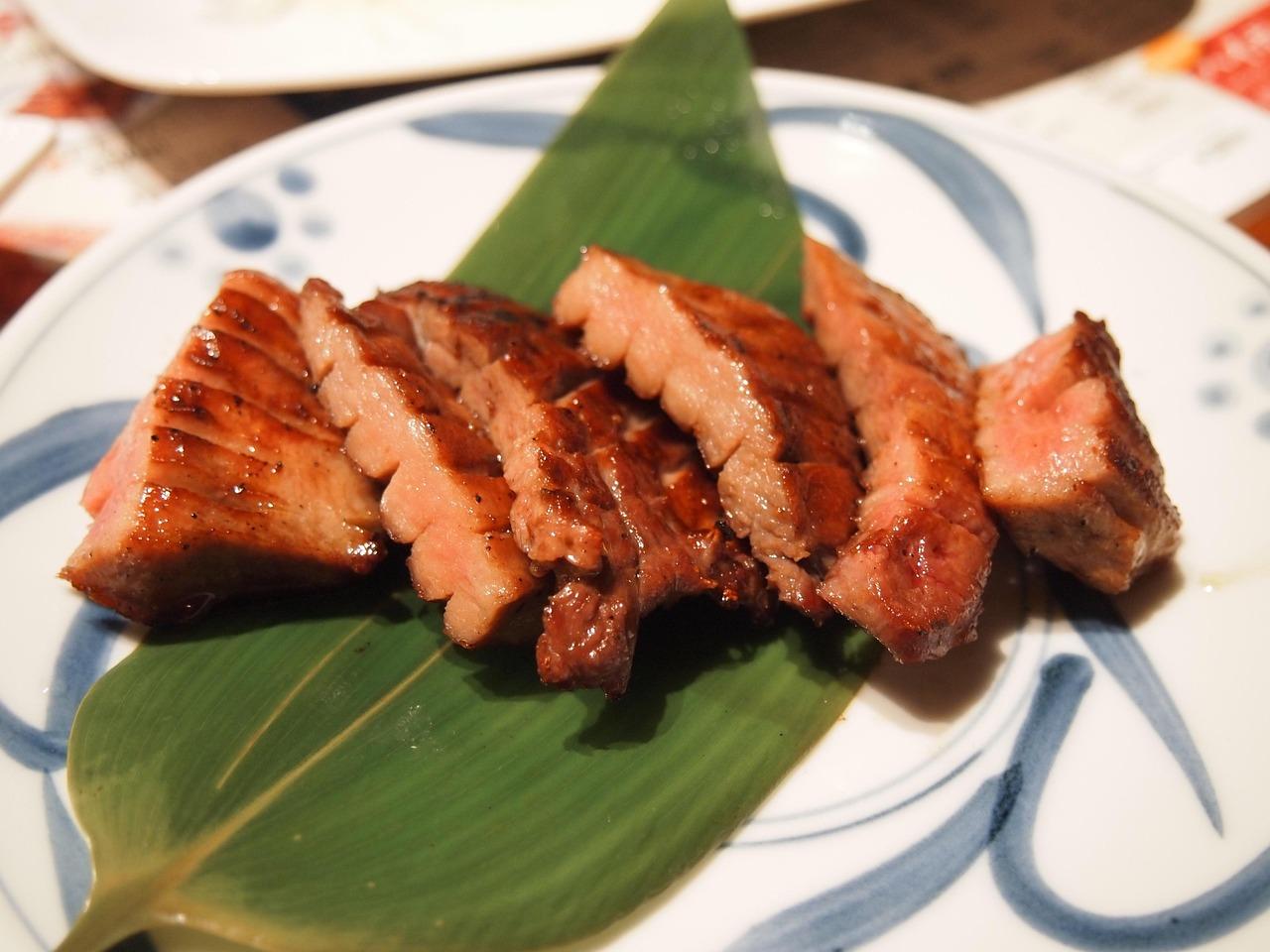
Sendai, the biggest city in Miyagi prefecture, turned beef tongue into its signature dish in the years after the Second World War. Specialist gyutan restaurants line the streets around Sendai Station, and the classic set is always the same: grilled tongue, a bowl of rice cooked with barley, a clear oxtail soup and a few pickles with a green chilli miso. This home version uses tongue sliced by a butcher, a short salt cure and a very hot pan, with a quick clear beef soup in place of the long-simmered oxtail. The meat should be chewy in a pleasant, bouncy way, with a smoky crust. Chef's tip: ask the butcher to peel the tongue and cut it into 1 cm slices; thick slices with shallow cuts on both sides stay juicy, while thin ones dry out in seconds.

60 minMeat
by KrazyBadal 0 views

Hitsumabushi (Nagoya grilled eel rice)

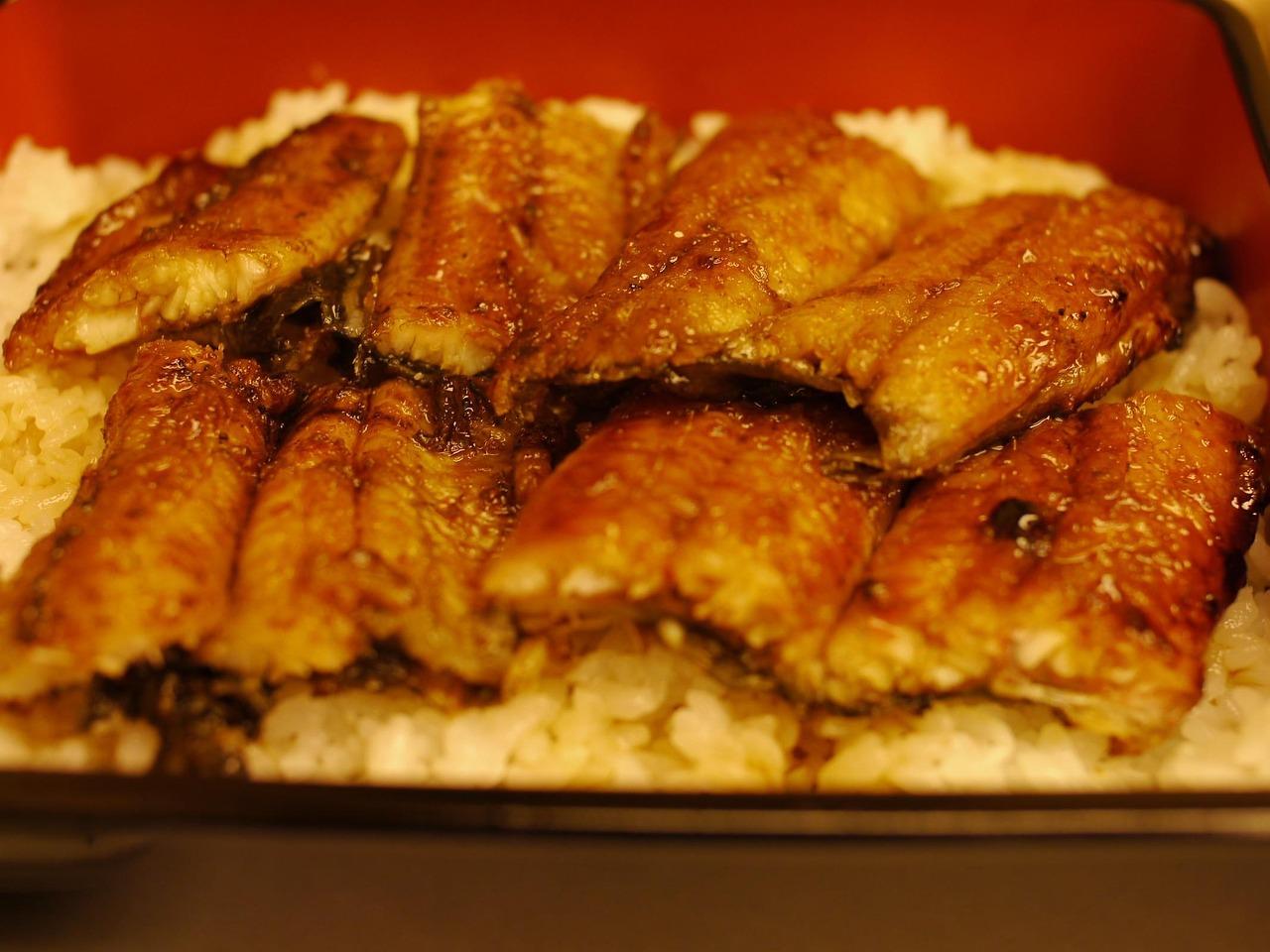
Order hitsumabushi in a Nagoya eel restaurant and it arrives in a round wooden tub, often with a small card explaining how to eat it. You divide the rice into quarters: eat the first plain, the second with spring onion, wasabi and nori, the third drowned in hot dashi or green tea, and the last whichever way you liked best. Nagoya cooks grill the eel until the skin is crisp, then chop it into strips. At home, ready-grilled eel fillets (unagi kabayaki, sold frozen in Japanese shops) work very well once reheated properly. Chef's tip: spoon a little of the sweet sauce through the rice before the eel goes on, so every mouthful is seasoned, not just the top layer.

40 minFish
by KrazyBadal 0 views

Okayama barazushi

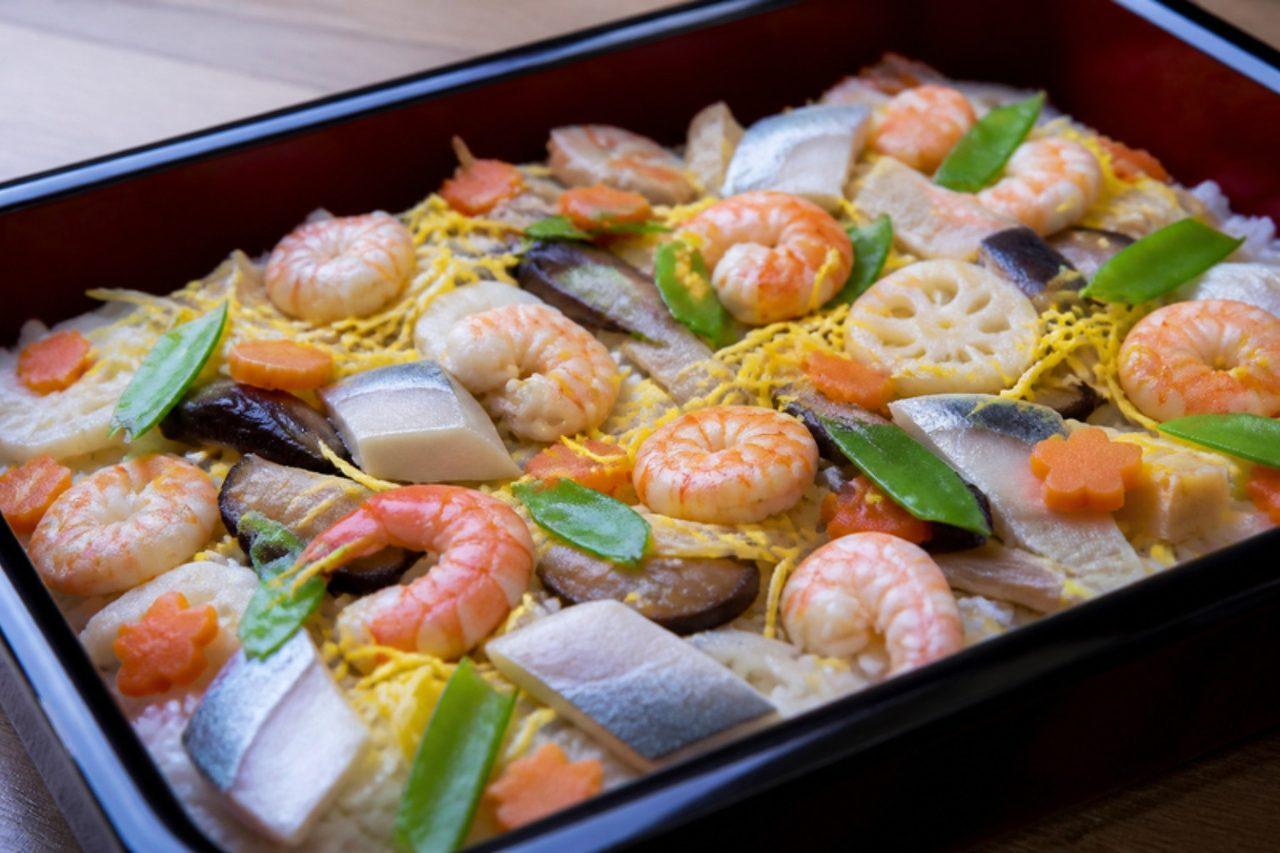
Okayama families make a big shallow platter of barazushi for the autumn shrine festivals, Girls' Day in March and other celebrations, and it is sold in station lunch boxes all year. A local story says it began when a lord ordered people to eat only one side dish, so cooks hid everything in the rice instead. The seasoned rice is mixed with simmered vegetables and topped with seafood from the Seto Inland Sea. This version uses cooked prawns, gently simmered squid and egg threads, plus ready-made vinegared mackerel, which is cured but not cooked. Use very fresh, sushi-grade fish from a trusted fishmonger; not for pregnant women, young children or anyone with a weakened immune system. Leave the mackerel out, or add extra prawns, to make it fully cooked. Chef's tip: fold the vinegar into the rice while it is hot and fan it as you go; the rice soaks up the seasoning and turns glossy instead of wet.

by KrazyBadal 0 views

Tai-meshi (sea bream rice)

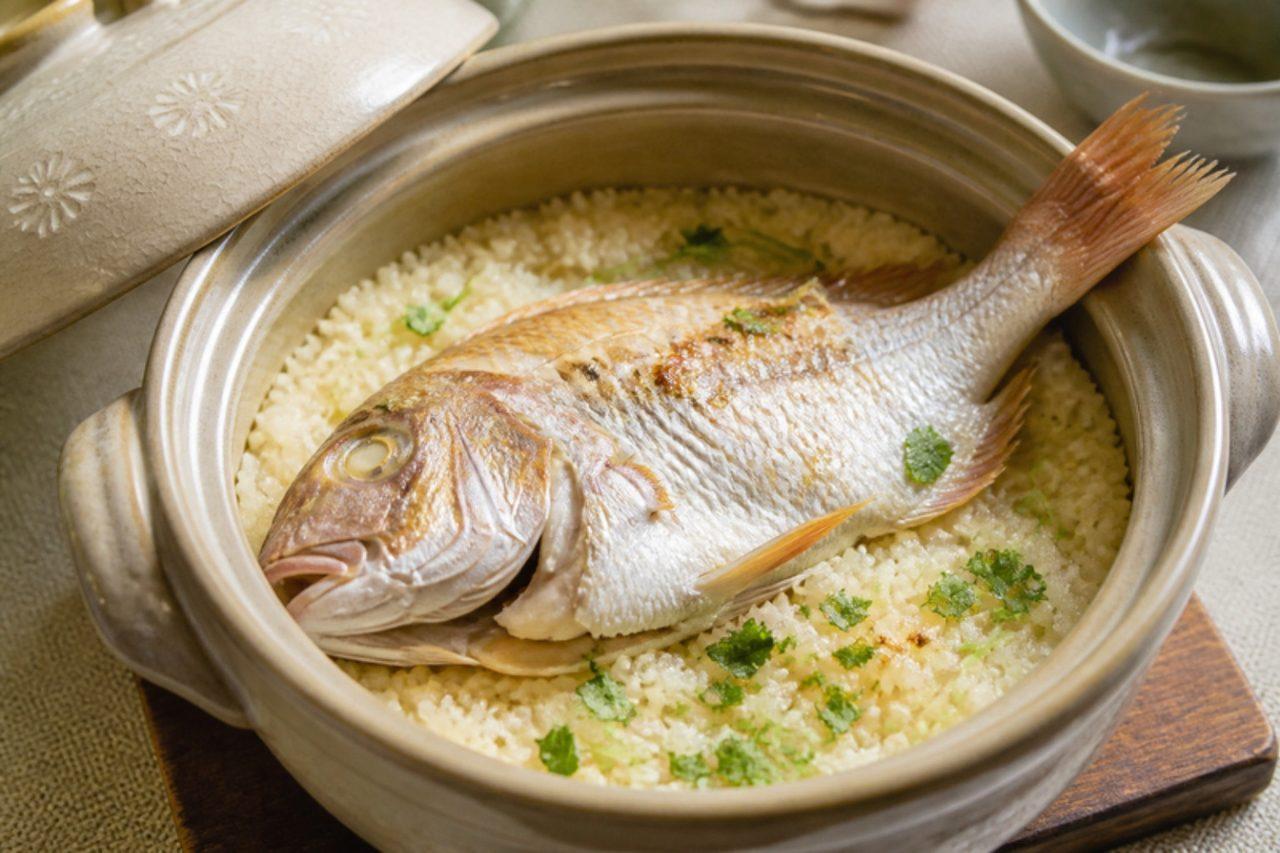
Ehime prefecture on Shikoku farms more red sea bream than anywhere else in Japan, and tai-meshi is its signature rice. Around Matsuyama and the old fishing town of Hojo, a whole grilled fish is laid on seasoned rice and cooked in the same pot, then the flesh is flaked through the grains at the table. Down the coast in Uwajima the same name means raw bream on hot rice, but this is the cooked kind. Sea bream is a fish for celebrations in Japan, so the dish turns up at weddings and New Year as well as in station lunch boxes. Chef's tip: grill the fish briefly before it goes in the pot; the browned skin adds a toasty flavour to the rice and keeps the fish from smelling of the sea.

60 minFish
by KrazyBadal 0 views

Jushi (Okinawan mixed rice)

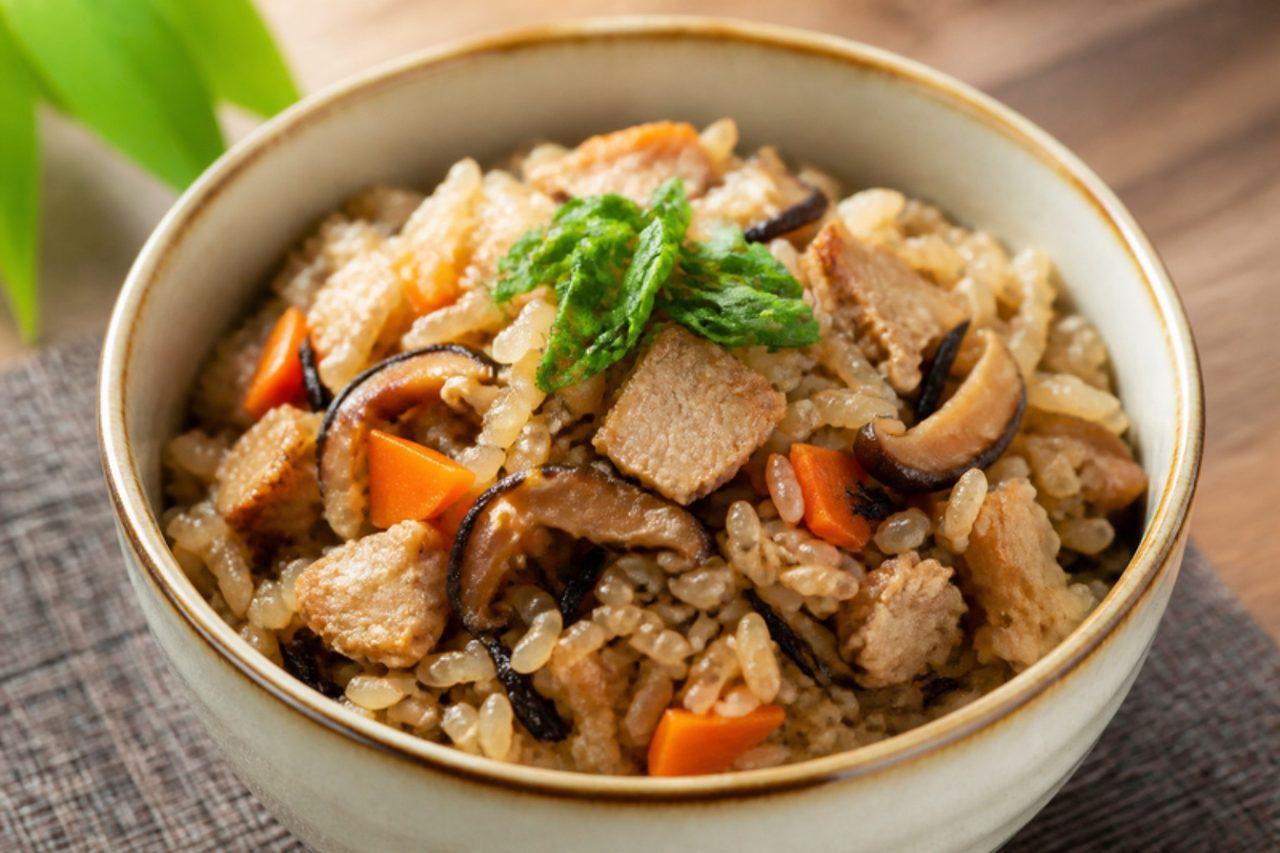
Jushi is Okinawa's seasoned rice, cooked with pork, vegetables and bonito stock. The firm kind, kufa-jushi, is what you find in rice balls at Okinawan supermarkets and alongside soba at lunch counters; a soupy, porridge-like version is cooked as well. On the winter solstice many families make a special jushi with taro root. Pork fat is part of its flavour, so the rice is cooked with a little lard and the belly pork itself. Chef's tip: measure the liquid carefully; the soy and stock replace part of the water, and firm, separate grains are what you want.

by KrazyBadal 0 views

Goes well with japanese short-grain rice