Skip to content

Recipes with dried soba noodles

4 recipes that use dried soba noodles, with photos, step-by-step instructions and cook times. The quickest, Kake soba, takes 13 minutes. It is most often cooked with spring onion, mirin and shichimi togarashi.

Got a few things in the fridge? Search by everything you have

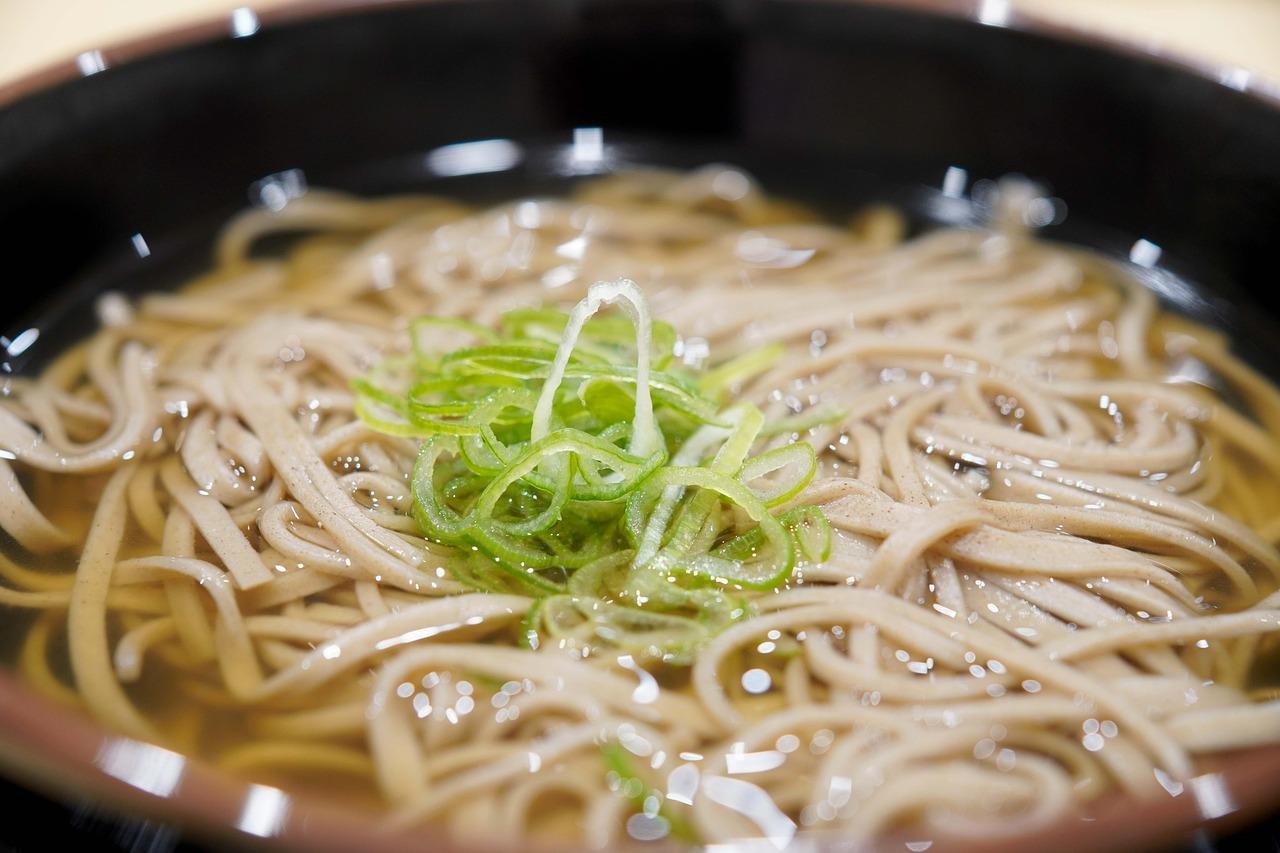
Kake sobaBuckwheat noodles in hot broth

Kake soba is the bare, honest bowl served at the stand-up noodle counters inside Tokyo railway stations, slurped in a few minutes by commuters on the way home and made at home on cold nights when nobody wants to cook. Grey-brown buckwheat noodles sit in a dark, savoury broth of bonito dashi, soy sauce and mirin, with a heap of sliced spring onion on top. The broth uses mirin, a sweet rice wine; it simmers briefly so most of the alcohol cooks off, and for an alcohol-free bowl use 2 tsp sugar instead. The usual mistake is skipping the cold rinse: unrinsed soba is coated in starch, turns gummy and clouds the broth. Chef's tip: pour a ladle of the hot noodle water into each bowl while the soba cooks, then tip it out, so the warm bowls keep the broth steaming to the last mouthful.

by KrazyBadal 0 views

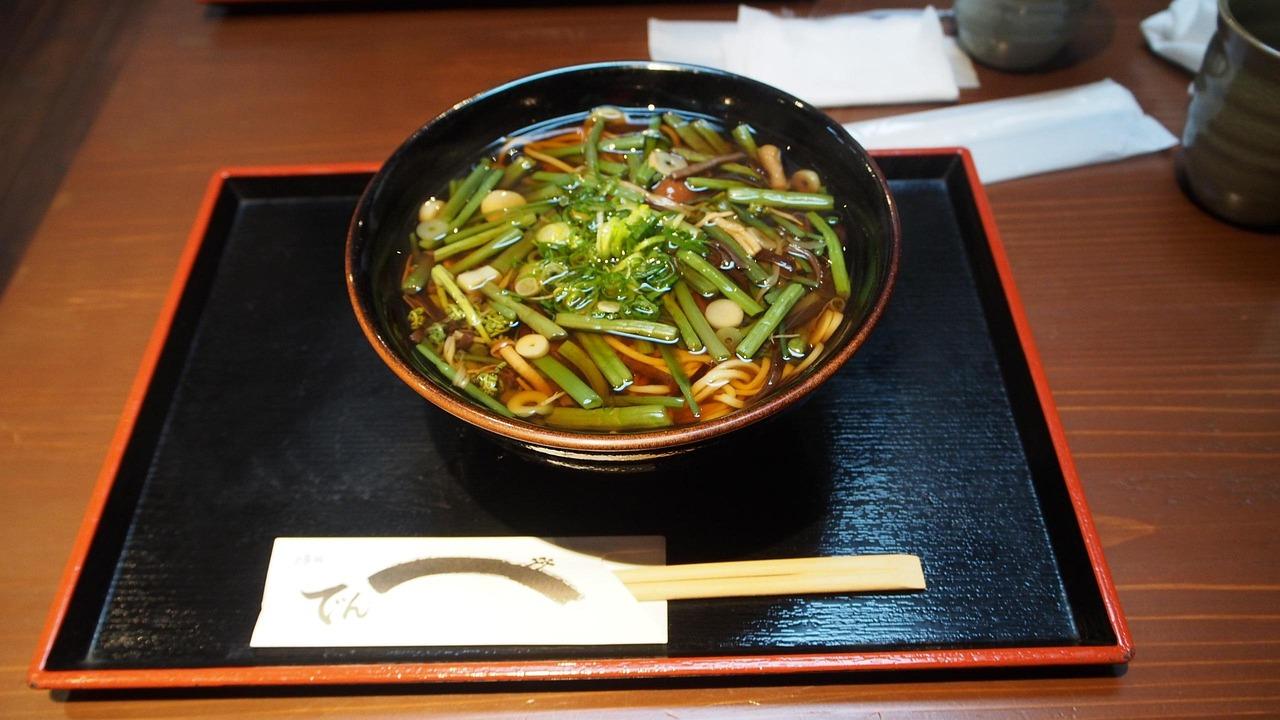
Sansai sobaBuckwheat noodles with mountain vegetables

In the mountains of Yamagata, Akita and Nagano, spring brings sansai, the wild shoots foraged from the hillsides: bracken, royal fern, nameko and more. Station-side soba shops serve them on hot buckwheat noodles all year, using salted or boiled sansai packed for winter. This version uses a kombu and shiitake broth instead of the usual bonito dashi, and sugar in place of mirin, so it is vegan and alcohol-free. A bowl gives about 14 g of protein from the buckwheat noodles, mushrooms and soy, so it is not high-protein. Most soba contains wheat; 100% buckwheat noodles are needed for a gluten-free bowl, along with tamari. The common mistake is putting boiled noodles straight into the broth: their starch clouds and thickens it. Chef's tip: rinse the cooked soba under cold water, rubbing it gently, then dunk it in hot water to rewarm before it goes in the bowl.

by KrazyBadal 0 views

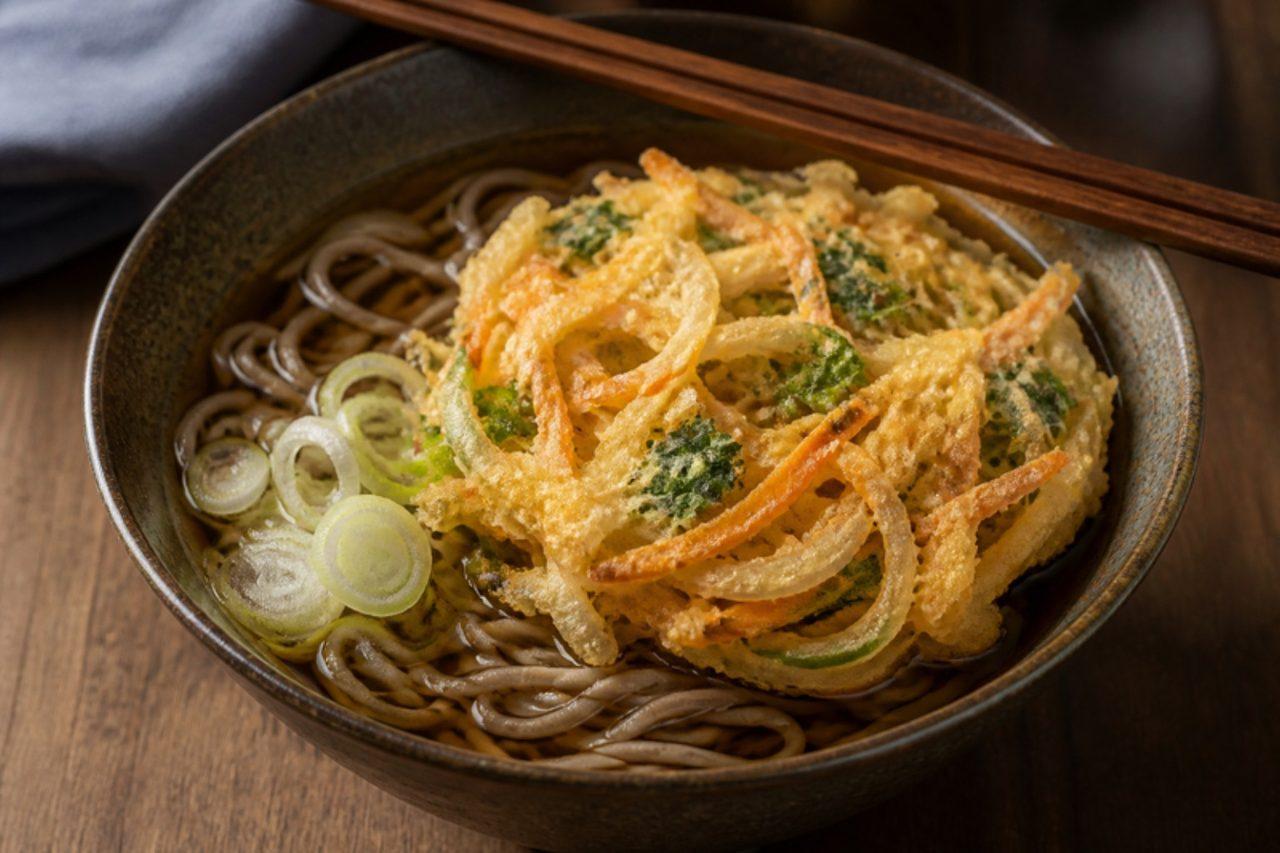
Kakiage sobaBuckwheat noodles with vegetable tempura

In Tokyo, hot soba with a fritter on top is the city's fast food. Standing soba counters near train stations, called tachigui soba, have served it to commuters since the Edo period, when soba and tempura stalls stood side by side. The fritter here is kakiage: a loose nest of onion, carrot and greens held together with just enough batter to fry into a lacy disc. It softens a little in the broth and flavours it with toasty oil, which is why many Tokyoites eat half of it crisp and let the rest soak. Our broth uses kombu and shiitake instead of bonito. Chef's tip: slide the kakiage into the oil off a flat spatula or ladle, and don't touch it for the first minute. It needs that time to set, or it falls apart.

by KrazyBadal 0 views

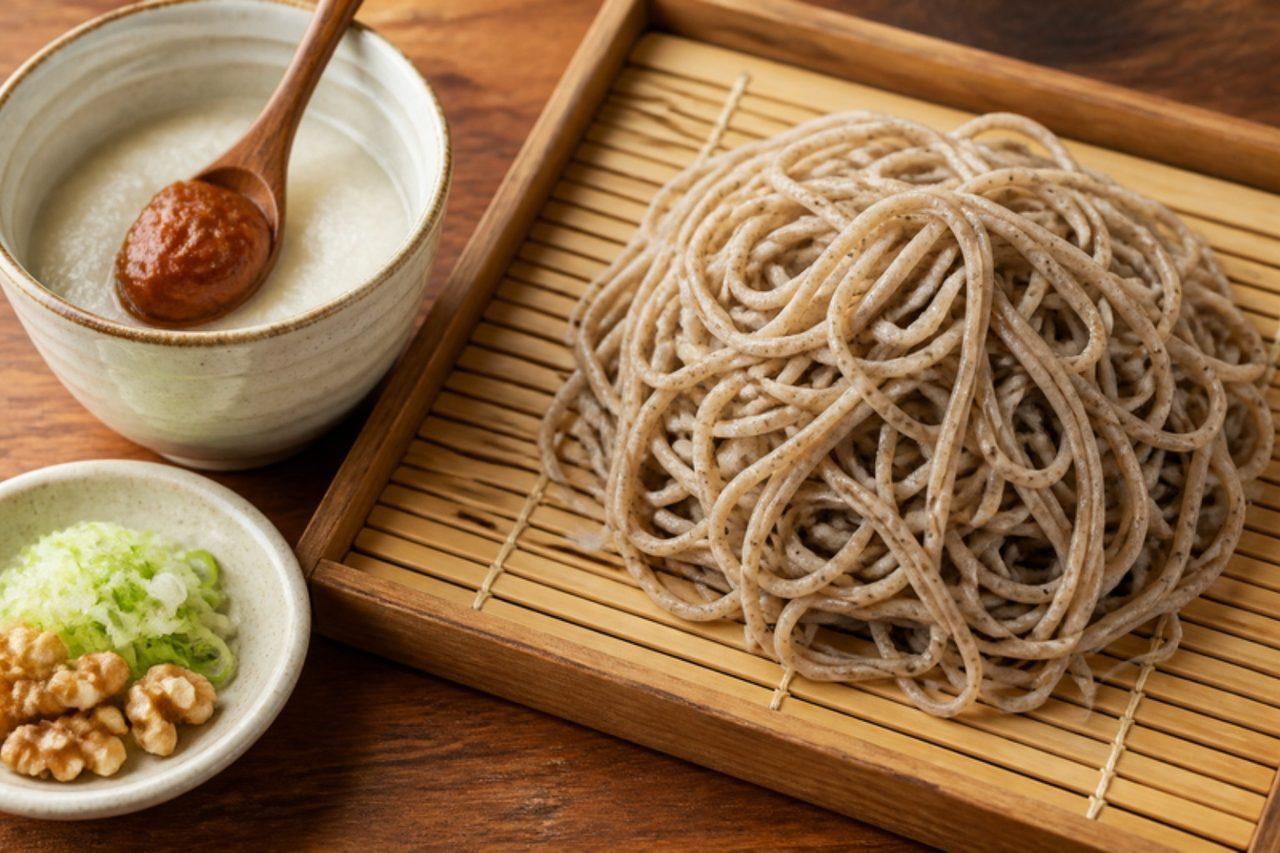
Shinshu soba with spicy daikon dip

Nagano, the old province of Shinshu, grows buckwheat on cool mountain plateaux, and its soba is famous across Japan. In the castle town of Takato, and in the Aizu villages that took the custom with them, the noodles are not dipped in sweet soy sauce at all. Instead each diner gets a cup of juice squeezed from grated, eye-wateringly hot daikon, stirred with toasted miso. The result is sharp, clean and peppery, and it wakes up the earthy buckwheat. It's a summer lunch, eaten cold with a sprinkle of spring onion. Chef's tip: grate the daikon only just before serving. Its heat fades within 20 minutes, and the dish depends on that fresh bite.

by KrazyBadal 0 views

Goes well with dried soba noodles