
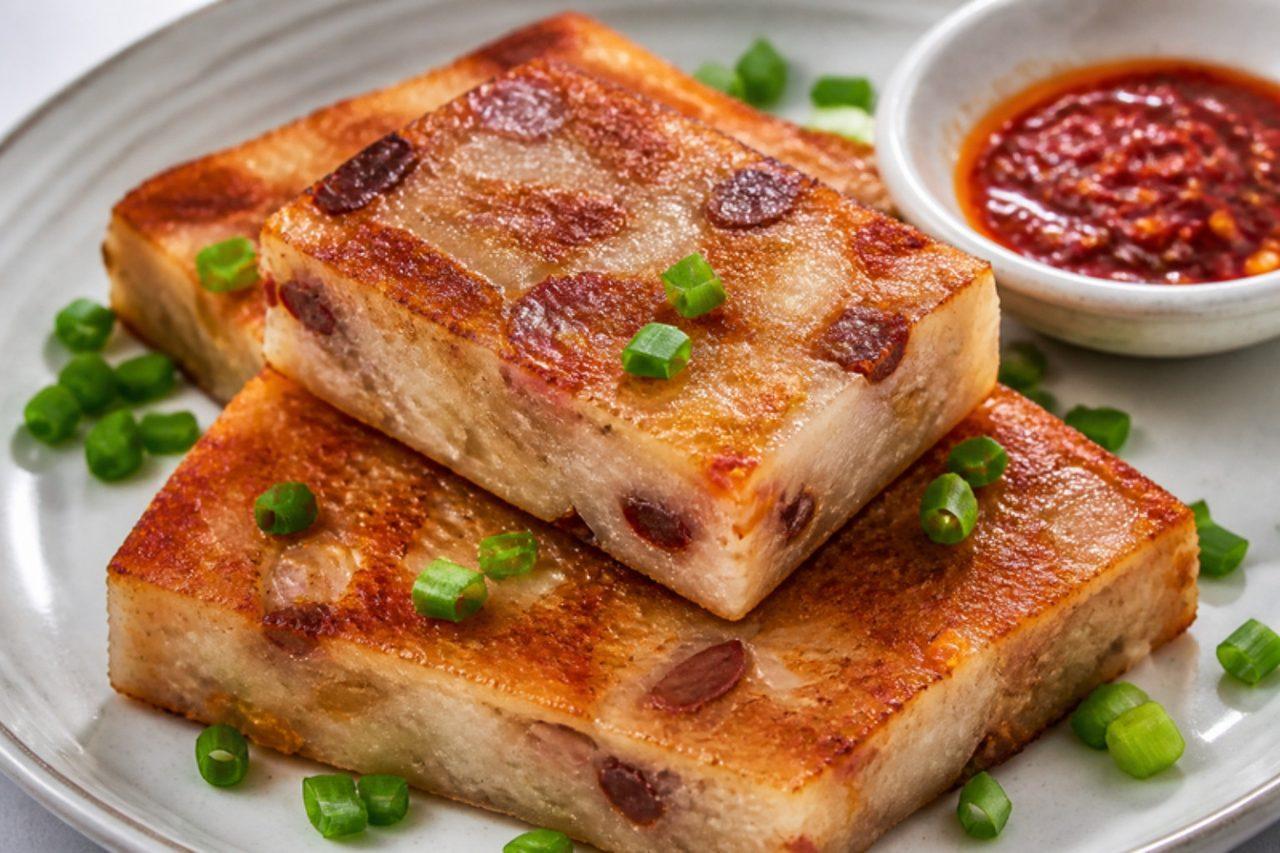
AI-generated image
Wu tau go (taro cake)
Steamed rice-flour cake packed with taro, Chinese sausage and dried shrimp, sliced and pan-fried

Wu tau go is one of the 'gou' cakes that Hong Kong and Guangdong families steam before Lunar New Year, because gou sounds like 'tall' and promises a year that rises higher. This one is studded with chunks of taro, diced Chinese sausage (lap cheong, a sweet cured pork sausage usually made with rose wine or Shaoxing wine) and dried shrimp, set with rice flour and fragrant with five-spice. For an alcohol-free cake, choose a lap cheong labelled alcohol-free, or use the smoked tofu from the vegetarian variation. Cold, it slices cleanly; pan-fried, it gets a crisp golden crust over a soft, starchy, savoury middle with nubbly bits of taro. Serve slices hot with chilli sauce or oyster sauce, alongside turnip cake at New Year dim sum. Chef's tip: cook the batter on the hob until it is as thick as mashed potato before steaming; a runny batter lets the taro sink and leaves a pasty layer at the bottom.
- Total time
- 120 min
- Difficulty
- medium
- Serves
- 8
Ingredients
For the cake
- 1 ⅓ lb taropeeled (wear gloves) and cut into 1 cm cubes
- 2 Chinese sausage (lap cheong)about 100 g, diced small
- 1 oz dried shrimpsoaked in warm water 15 minutes, drained and chopped; keep 100 ml of the soaking water
- 4 dried shiitake mushroomssoaked, stems removed, diced
- 3 shallotsfinely chopped
- 2 tbsp neutral oil
- 9 oz rice flournot glutinous rice flour
- 2 ¾ cups cold waterincluding the shrimp soaking water
- 1 ½ tsp salt
- 2 tsp sugar
- ½ tsp five-spice powder
- ½ tsp ground white pepper
To serve
- 2 tbsp neutral oilfor pan-frying
- 2 spring onions (optional)finely sliced
- 1 tbsp toasted sesame seeds (optional)
- 4 tbsp chilli sauce (optional)
Shop this recipe on Amazon
Spices & pantry
Fresh ingredients (2)
Links open Amazon in a new tab. As an Amazon Associate, WhatToEat.Today earns from qualifying purchases.
Method
0/10 doneStep 2: Heat 2 tbsp neutral oil in a wok over a medium heat and fry 2 Chinese sausage (lap cheong) for 3 minutes, until it turns glossy and the fat runs. Add 3 shallots, 1 oz dried shrimp and 4 dried shiitake mushrooms and fry for 2–3 minutes until fragrant and the shallots are soft.
6 minStep 3: Add 1 ⅓ lb taro to the wok, turn the heat up to medium-high and fry for 5 minutes, until the edges look slightly translucent. Season with 1 ½ tsp salt, 2 tsp sugar, ½ tsp five-spice powder and ½ tsp ground white pepper and take the wok off the heat.
6 minStep 4: In a large bowl, whisk 9 oz rice flour and 1 oz wheat starch or cornflour with 2 ¾ cups cold water until completely smooth and thin, like single cream.
3 minStep 5: Return the wok to a low heat, pour in the batter and stir constantly for 5–7 minutes, scraping the bottom, until it thickens into a heavy paste that holds its shape. Common mistake: stopping while it is still runny; the taro then sinks to the bottom during steaming.
7 minStep 6: Scrape the mixture into the tin, press it level with a wet spatula and cover loosely with foil or a plate.
3 minStep 7: Steam over a high heat for 50–60 minutes, topping up with boiling water as needed, until a chopstick pushed into the centre comes out without wet batter and the top looks glossy and set.
55 minStep 8: Leave to cool, then chill for at least 4 hours or overnight, until firm enough to slice cleanly. It keeps in the fridge for 4 days.
Step 9: Cut into slices 1 cm thick. Heat 2 tbsp neutral oil in a non-stick pan over a medium heat and fry the slices for 3–4 minutes a side, without moving them, until golden and crisp and hot right through.
8 minStep 10: Scatter with 2 spring onions and 1 tbsp toasted sesame seeds and serve hot with 4 tbsp chilli sauce. Vegetarian variation: leave out the sausage and dried shrimp, fry 100 g diced smoked tofu and 50 g chopped preserved radish (choy po) with the shallots, and add 1 tbsp light soy sauce for depth.
2 min
Nutrition per serving
- Calories
- 310 kcal
- Protein
- 8 g
- Carbs
- 45 g
- Fat
- 11 g
- Fibre
- 3 g
Nutrition values are estimates.
KrazyBadal
Good to know
- How long does wu tau go (taro cake) take?
- About 120 minutes in total: 35 minutes to prepare and 85 minutes to cook.
- How many people does it serve?
- 8 as written. Change the servings above the ingredients and every amount scales to match.
- Can I make it ahead?
- Yes. It keeps well, so you can cook it earlier in the day or the day before and reheat it.
- What can I use instead of dried shiitake mushrooms?
- Aubergine, diced, same weight.
- What can I use instead of shallots?
- Half an onion per 2 shallots.
Reviews
No reviews yet. Be the first to cook it.
Rate this recipe
Sign in to rate and review this recipe.
You might also like
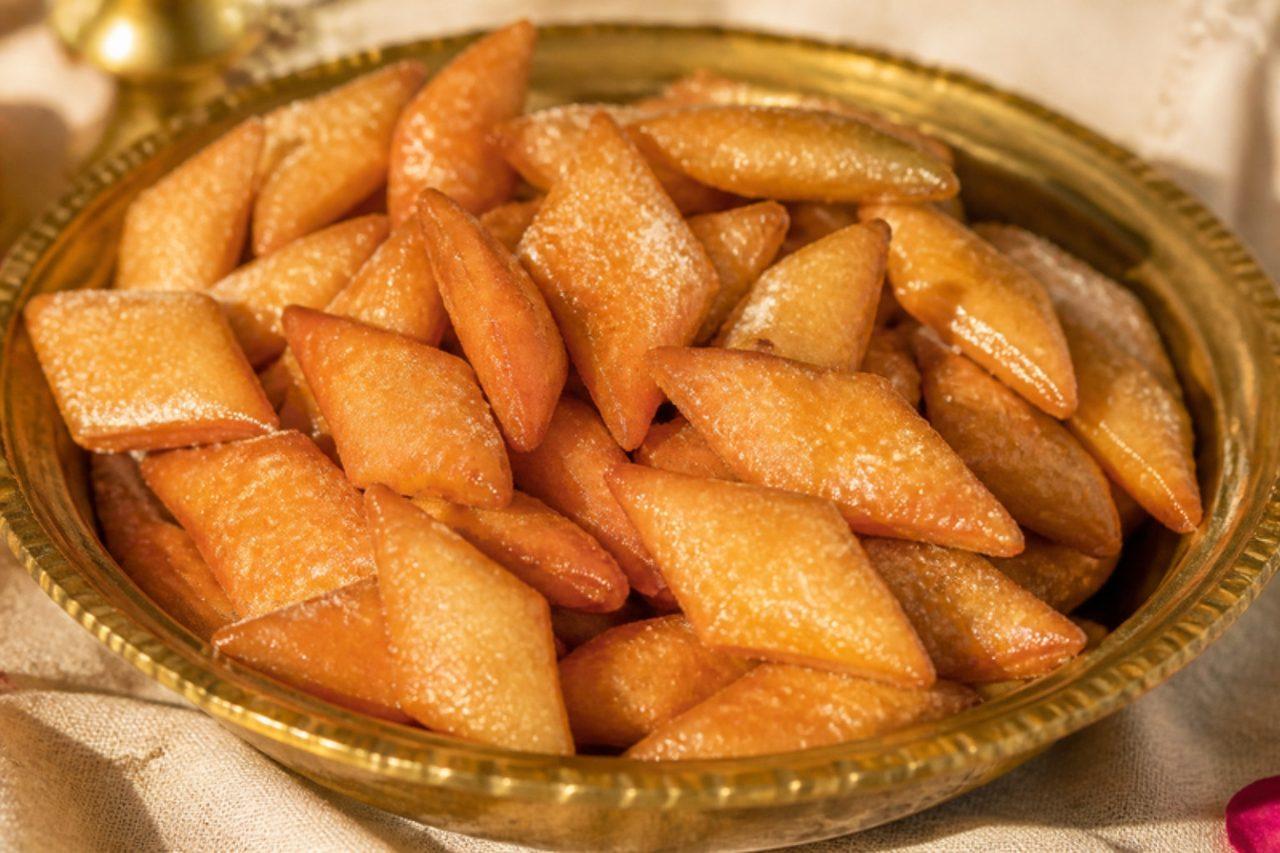
SakarpadaSweet fried dough diamonds
Sakarpada (shakarpara) are little sweet diamonds of a rich dough made with ghee, milk and sugar, fried until golden and crunchy. They are a Diwali favourite with tea, and the cubes go into bhusu too. They keep for weeks in an air-tight tin.
 Indian
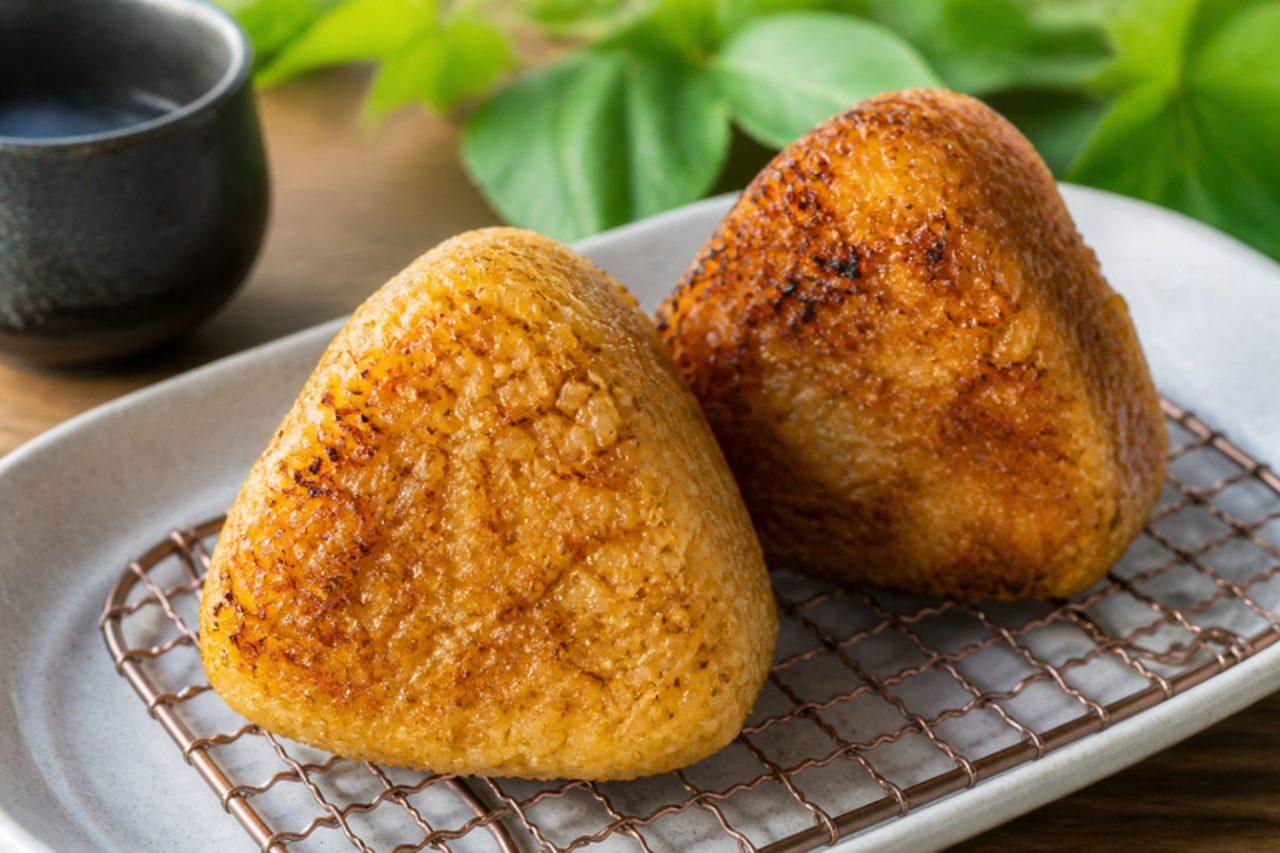
Yaki onigiriGrilled rice balls
Yaki onigiri (焼きおにぎり) are rice balls grilled until they form a crisp, toasty crust, then brushed with soy sauce glaze. They are eaten all over Japan, at izakaya, at barbecues and from the freezer section, as a snack or with miso soup. The inside stays soft and steamy while the outside crackles. Best eaten hot, straight from the pan. Chef's tip: let the shaped rice balls dry for 10 minutes before they go in the pan. A drier surface forms a better crust and won't stick, and the glaze goes on only at the end so it doesn't burn.
 Japanese

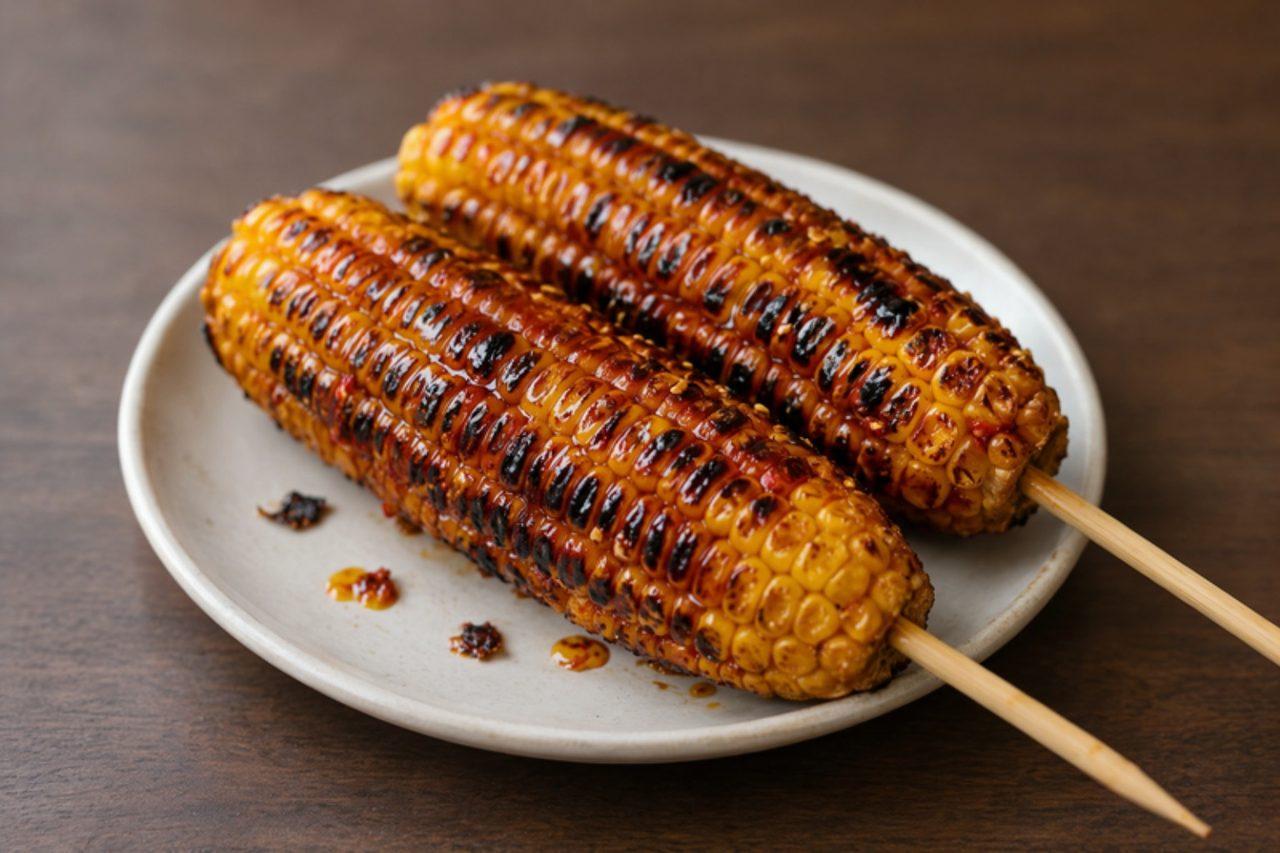
Taiwanese grilled corn
At Raohe and Shilin night markets the grilled-corn stalls are easy to find: look for the queue and the smoky, sweet smell. Cobs are par-cooked, then turned slowly over charcoal while the cook brushes them with a dark glaze of sacha sauce, thick soy paste, garlic and chilli, layer after layer, until the kernels are sticky, slightly charred and deeply savoury. It is eaten hot from a paper sleeve while walking the market. Sacha (shacha) sauce, a Taiwanese barbecue paste, usually contains dried fish and shrimp; vegetarian sacha is sold in Asian shops. Contains soy, wheat and fish. Chef's tip: brush thin coats and turn often; one thick coat burns before the corn chars.
 Taiwanese
Perfect for:Lunar New Year