
AI-generated image
Ribbon pakoda
Crisp rice flour ribbons
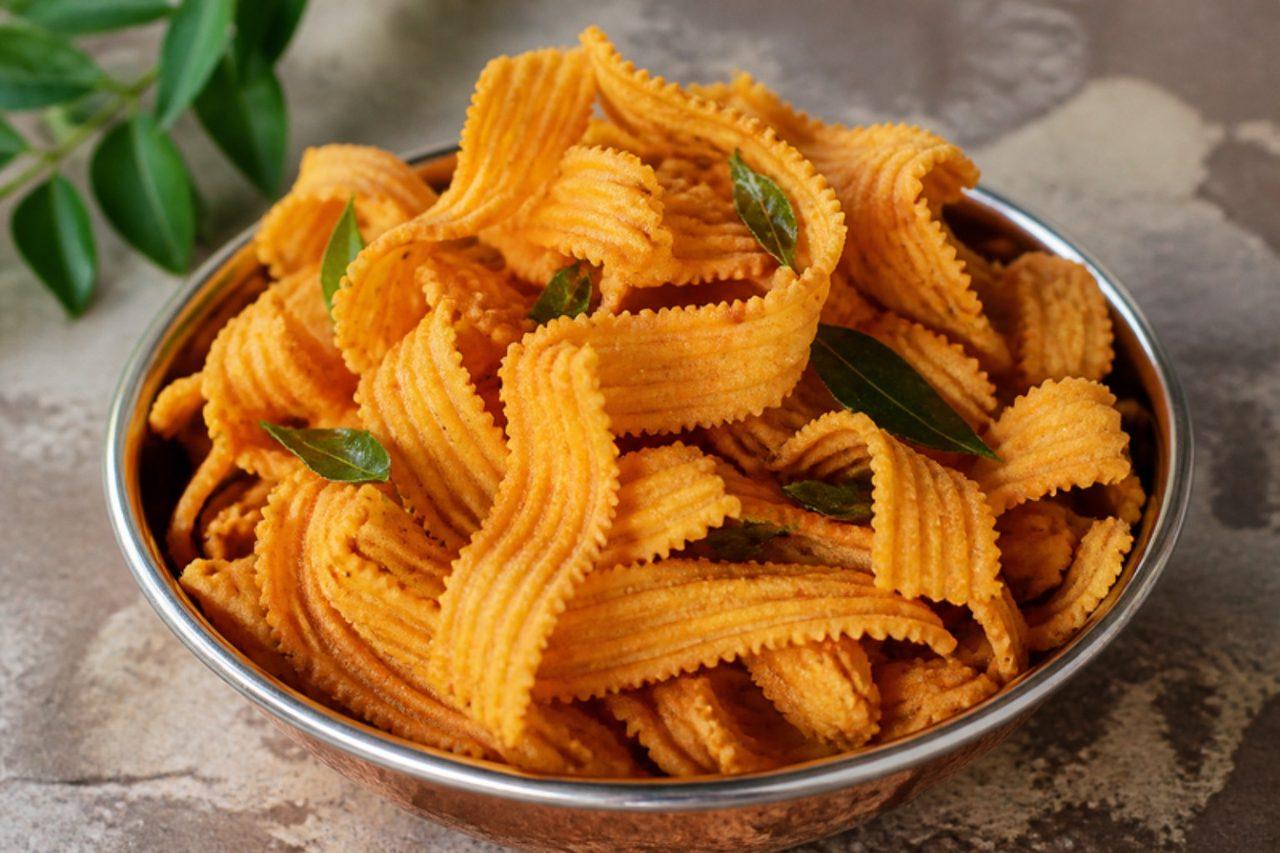
ரிப்பன் பக்கோடா: flat, ridged ribbons of rice flour and besan dough pressed straight into hot oil, crisp, peppery with chilli and sesame


Tamil households fire up the murukku press in the week before Deepavali, and ribbon pakoda is usually the first thing through it because it is the most forgiving. The dough of rice flour and gram flour is spiced with red chilli, sesame and asafoetida and squeezed through a flat slit plate straight into the oil, where the ribbons fry into crunchy, ridged strips that break into bite-sized pieces. It is lighter and crisper than thenkuzhal, savoury with a little heat, and fills the tins for guests and neighbours. Children eat it by the handful with evening coffee. Use gluten-free asafoetida, as many brands are cut with wheat, and check your press is free of wheat dough. Chef's tip: listen to the oil; when the loud sizzle around the ribbons dies to a whisper, the moisture is gone and they are done.
- Total time
- 45 min
- Difficulty
- medium
- Serves
- 10
Ingredients
For the dough
- 7 oz rice flour
- 3 ½ oz gram flour (besan)
- 1 ½ tsp red chilli powder
- 1 tsp white sesame seeds
- ¼ tsp gluten-free asafoetida
- 1 tsp salt
- 3 tbsp groundnut or sunflower oilhot
- ¾ cup waterabout
For frying
Shop this recipe on Amazon
Spices & pantry
Links open Amazon in a new tab. As an Amazon Associate, WhatToEat.Today earns from qualifying purchases.
Method
0/6 doneStep 1: Sift 7 oz rice flour and 3 ½ oz gram flour (besan) into a bowl and mix in 1 ½ tsp red chilli powder, 1 tsp white sesame seeds, ¼ tsp gluten-free asafoetida and 1 tsp salt.
Step 2: Pour over the hot 3 tbsp groundnut or sunflower oil and mix with a spoon, then rub it in with your fingers.
Step 3: Add ¾ cup water little by little and knead into a soft, smooth dough, softer than chapati dough. Common mistake: a stiff dough; the ribbons tear with jagged edges as they come out of the press. Keep it covered.
5 minStep 4: Heat 3 cups groundnut or sunflower oil, for deep-frying in a kadhai over a medium heat to about 350°F. Fit the ribbon plate (two flat slits) into the press and fill it with dough.
Step 5: Press the dough straight into the hot oil in a circular motion, making 2–3 layers of ribbon. Fry for 3–4 minutes, turning once, until golden and the sizzling has almost stopped.
25 minStep 6: Lift out with a slotted spoon, drain on kitchen paper and break into pieces once cool. Store airtight for up to 3 weeks.
Nutrition per serving
- Calories
- 200 kcal
- Protein
- 4 g
- Carbs
- 25 g
- Fat
- 10 g
- Fibre
- 1 g
Nutrition values are estimates.
KrazyBadal
Good to know
- How long does ribbon pakoda take?
- About 45 minutes in total: 15 minutes to prepare and 30 minutes to cook.
- How many people does it serve?
- 10 as written. Change the servings above the ingredients and every amount scales to match.
- Is it vegan?
- Yes. It has no meat, fish, dairy or eggs.
- Is it gluten free?
- Yes, as written. Check the labels on stock, sauces and spice mixes, which sometimes contain gluten.
- Can I make it ahead?
- Yes. It keeps well, so you can cook it earlier in the day or the day before and reheat it.
- What can I use instead of red chilli powder?
- Cayenne, half the amount (hotter).
- What can I use instead of white sesame seeds?
- Poppy seeds or finely chopped pumpkin seeds, same amount.
Reviews
No reviews yet. Be the first to cook it.
Rate this recipe
Sign in to rate and review this recipe.
You might also like
Sabudana khichdiSago with peanuts and potato
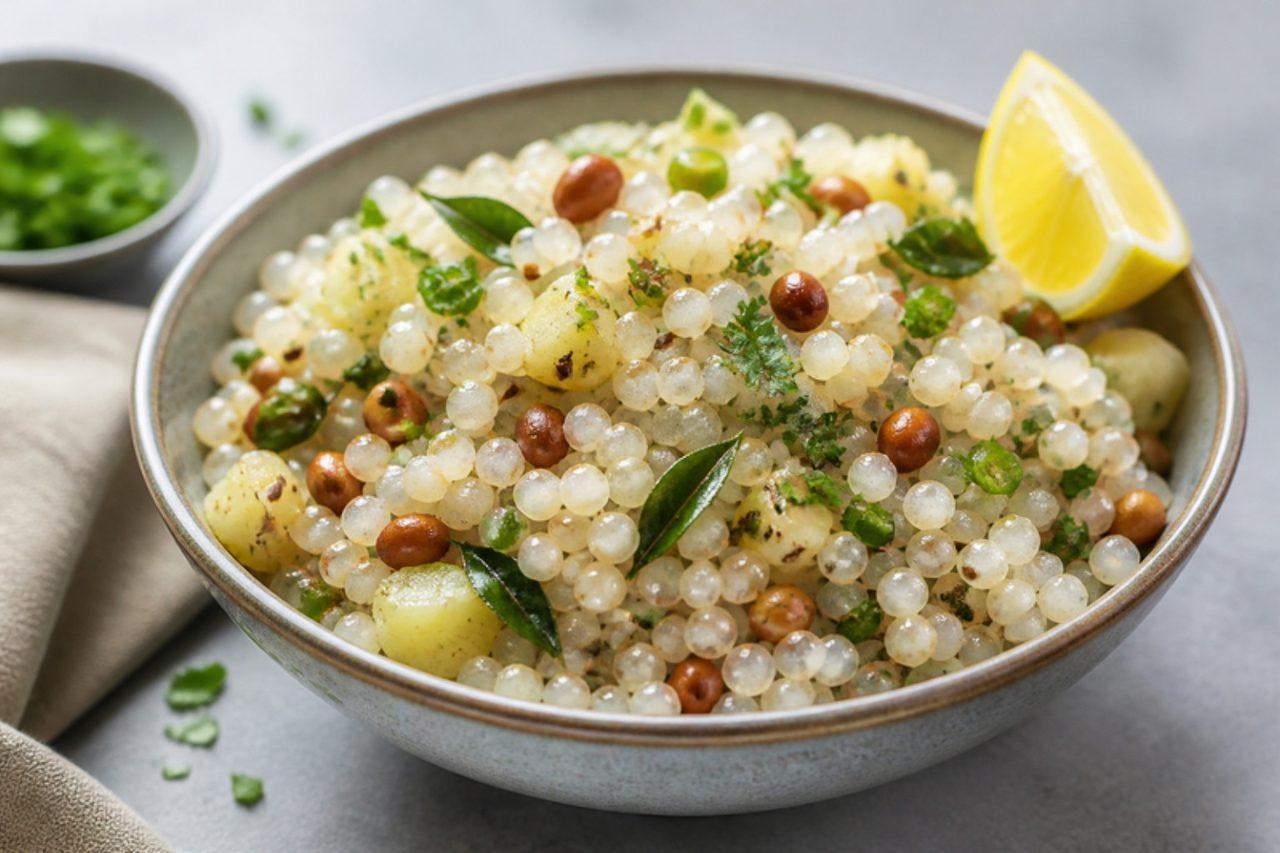
Sabudana khichdi is the dish that sees Maharashtra through every vrat (fast), from Navratri to Ekadashi, but it's so good that people eat it any day of the week. Soaked sago pearls are tossed in a pan with crushed roasted peanuts, cubes of potato, cumin and green chilli until each pearl turns glassy and separate, then finished with lemon and coriander. It's soft, chewy, nutty and gently hot. Fasting rules vary from family to family, so check yours; this version uses rock salt and no asafoetida, onion or garlic. Traditionally it's cooked in ghee; use ghee instead of oil if you aren't keeping it vegan. Chef's tip: soak the sago in just enough water to cover by the height of the pearls themselves, no more; too much water is the reason khichdi turns into one sticky lump.


Taiwanese grilled corn
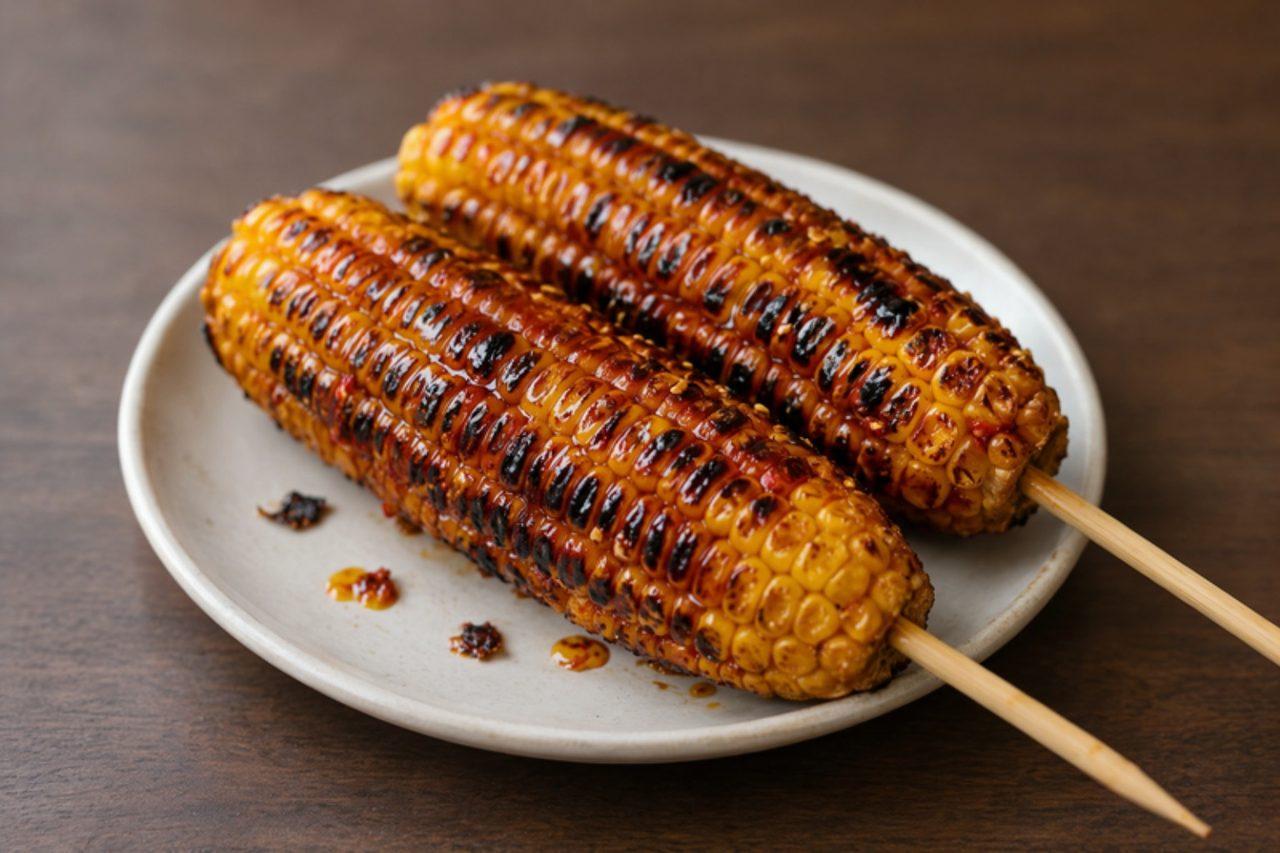
At Raohe and Shilin night markets the grilled-corn stalls are easy to find: look for the queue and the smoky, sweet smell. Cobs are par-cooked, then turned slowly over charcoal while the cook brushes them with a dark glaze of sacha sauce, thick soy paste, garlic and chilli, layer after layer, until the kernels are sticky, slightly charred and deeply savoury. It is eaten hot from a paper sleeve while walking the market. Sacha (shacha) sauce, a Taiwanese barbecue paste, usually contains dried fish and shrimp; vegetarian sacha is sold in Asian shops. Contains soy, wheat and fish. Chef's tip: brush thin coats and turn often; one thick coat burns before the corn chars.
 Taiwanese
Bagara bainganBaby aubergines in peanut sesame sauce
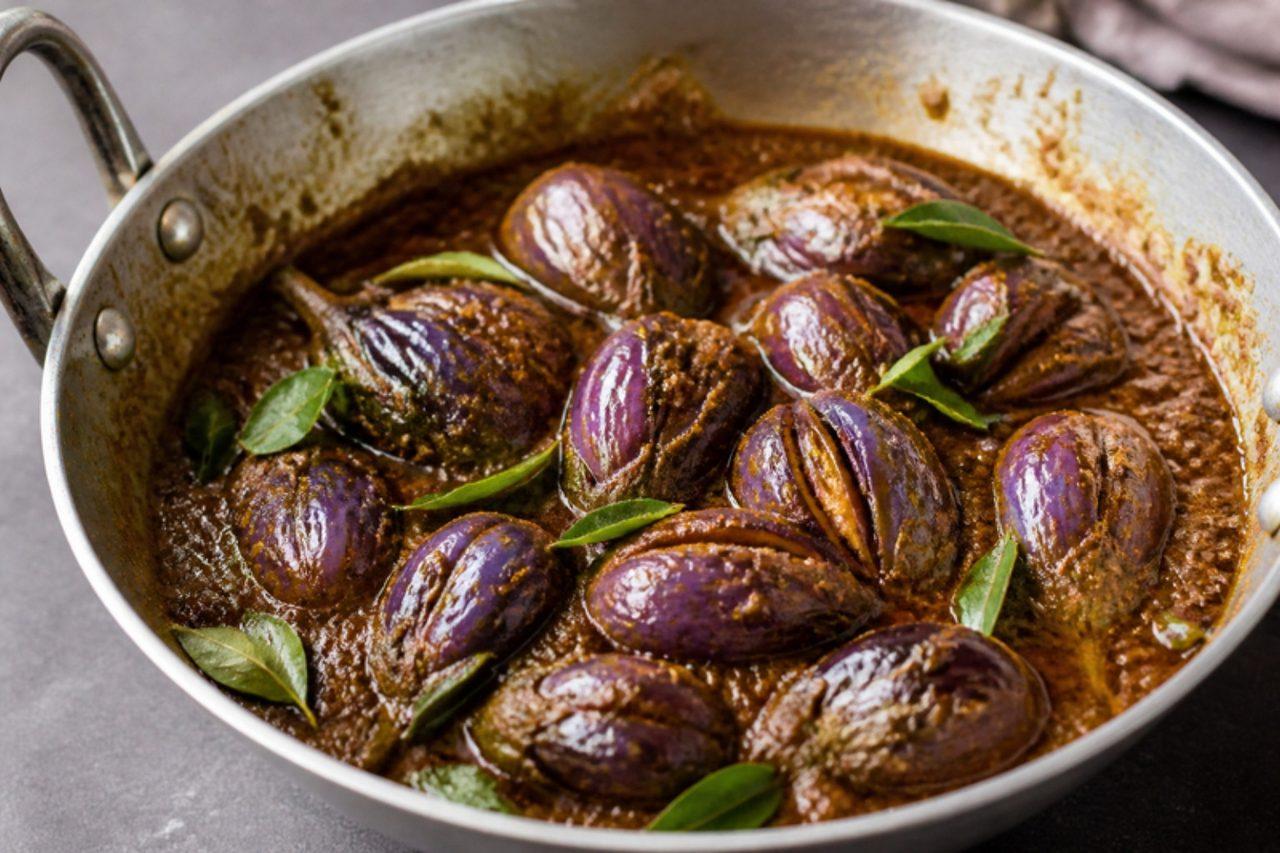
Bagara baingan is a Hyderabadi wedding dish of small aubergines cooked whole in a dark, tangy gravy of roasted peanuts, sesame, dried coconut and tamarind. Unlike a Gujarati stuffed brinjal, the aubergines here are only quartered at the base and fried until silky, then left to soak up a thin-but-rich sauce that is finished with a tempering, the 'baghar' that gives the dish its name. It's sour, nutty and gently spiced, and is served with biryani, bagara rice or plain rice. Chef's tip: choose small, glossy purple aubergines that feel heavy for their size; soft, light ones are full of seeds and turn mushy before the gravy has a chance to cling.