
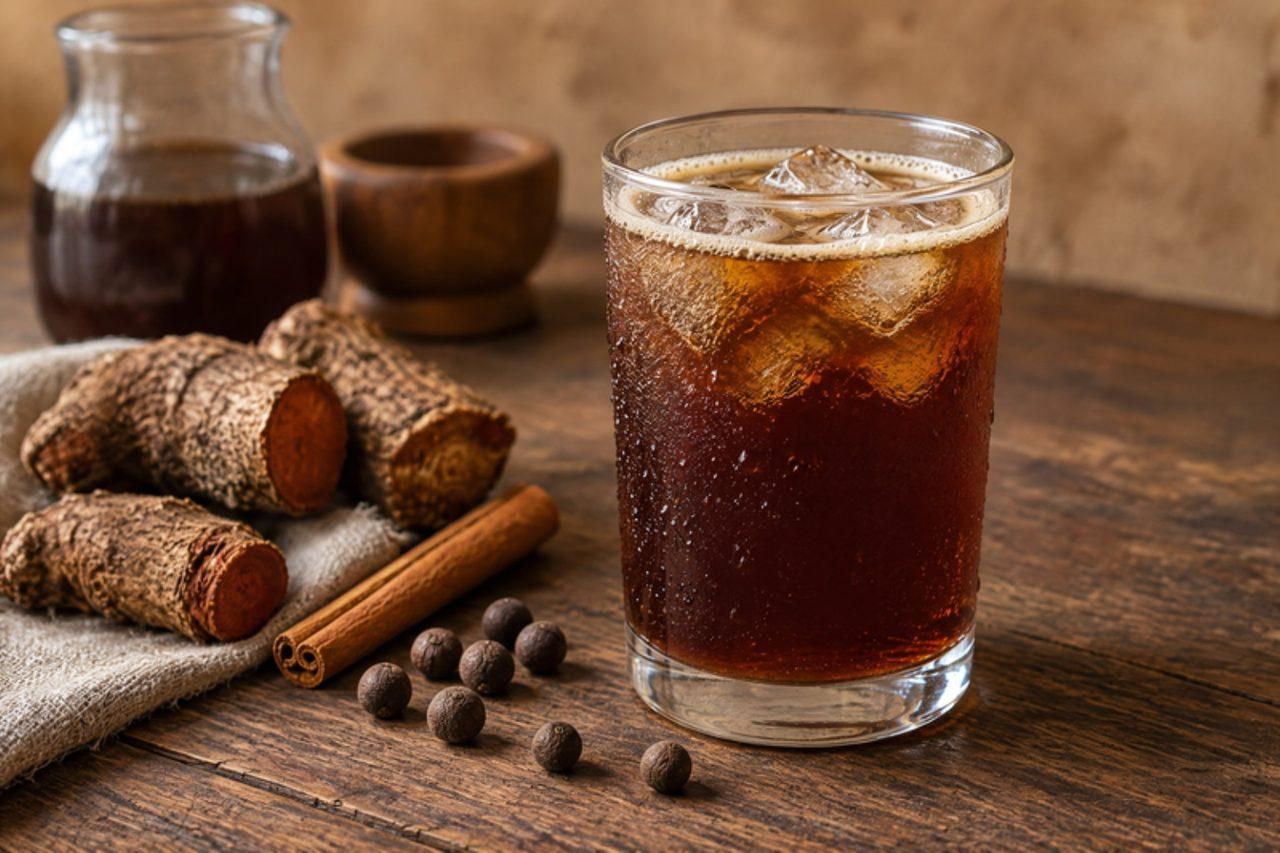
AI-generated image
Prú oriental
Prú oriental: a home-brewed root drink from eastern Cuba, spiced, lightly fermented and served fizzy and cold


In Santiago de Cuba, Guantánamo and Baracoa, prú is sold from plastic bottles at the kitchen door and poured at every birthday, often next to a slab of cake. The recipe came from Haitian and French-Caribbean coffee planters who settled in the east, and families still keep a "madre", a starter jar from the last batch. Roots of raíz de China and bejuco ubí are boiled with pine, cinnamon and allspice, sweetened and left to ferment for a few days. It tastes like a wild, earthy root beer: woody, spiced, a little bitter, with a soft prickle. Fermentation makes a trace of alcohol, well under 1% if drunk young. Outside Cuba use dried sarsaparilla root, a close relative of China root. The common mistake is sealing bottles too early and leaving them warm, which builds dangerous pressure; use a plastic test bottle and chill once it is firm. It is ready when tiny bubbles rise and it smells sweet-sour, not yeasty. Throw it out if it grows fuzzy mould, turns slimy or smells rotten. Pregnant people should skip the pine needles, and anyone on medication should check with a doctor about herbal roots. Chef's tip: keep 250 ml back as the madre for your next batch.
- Total time
- 70 min
- Difficulty
- medium
- Serves
- 12
Ingredients
For the root brew
- 1 ⅜ oz dried raíz de China or sarsaparilla rootchopped; sold as Smilax root in herbal shops
- ⅔ oz dried bejuco ubíoptional abroad; use 20 g more sarsaparilla instead
- ½ oz fresh pine needlesfrom untreated pine; never yew. Leave out for pregnancy
- 1 tsp whole allspice berries
- ½ tsp aniseed
- 14 ½ cups water
For fermenting
- 14 oz brown sugar
- ¼ tsp dried yeastor 250 ml prú from a previous batch
Shop this recipe on Amazon
What you'll need
Spices & pantry
Fresh ingredients (1)
Links open Amazon in a new tab. As an Amazon Associate, WhatToEat.Today earns from qualifying purchases.
Method
0/7 doneStep 1: Rinse 1 ⅜ oz dried raíz de China or sarsaparilla root, ⅔ oz dried bejuco ubí and ½ oz fresh pine needles in a sieve and put them in a large stainless-steel pot with 2 cinnamon sticks, 1 tsp whole allspice berries, ½ tsp aniseed and 14 ½ cups water.
5 minStep 2: Bring to the boil over high heat, then cover and simmer gently over low heat for 40 minutes, until the liquid is deep reddish-brown and smells woody and spiced. Top up with water if it drops below 3 litres.
45 minStep 3: Take off the heat, stir in 14 oz brown sugar until dissolved, then leave until just lukewarm, about 95°F; it should feel neither warm nor cold on your wrist.
5 minStep 4: Strain through a fine sieve or cloth into a large clean jar or food-grade bucket (washed in hot soapy water and rinsed with boiling water). Sprinkle in ¼ tsp dried yeast and stir.
5 minStep 5: Cover with a clean cloth tied with string and leave in a warm spot (24–82°F) for 2–3 days, stirring once a day with a clean spoon. It is ready when tiny bubbles keep rising, a thin foam sits on top and it smells pleasantly sweet-sour.
5 minStep 6: Strain again and funnel into clean plastic bottles with screw caps, leaving 5 cm of space. Leave at room temperature for 12–24 hours, squeezing a test bottle twice a day and loosening the caps briefly to release gas.
5 minStep 7: As soon as the test bottle feels firm, move all the bottles to the fridge. Drink cold within 5 days; it gets sourer and slightly more alcoholic the longer it sits. Open slowly over the sink, and discard any batch with fuzzy mould, a slimy texture or a rotten smell.
2 min
Nutrition per serving
- Calories
- 130 kcal
- Protein
- 0 g
- Carbs
- 33 g
- Fat
- 0 g
- Fibre
- 0 g
Nutrition values are estimates.
KrazyBadal
Good to know
- How long does prú oriental take?
- About 70 minutes in total: 20 minutes to prepare and 50 minutes to cook.
- How many people does it serve?
- 12 as written. Change the servings above the ingredients and every amount scales to match.
- Is it vegan?
- Yes. It has no meat, fish, dairy or eggs.
- Is it gluten free?
- Yes, as written. Check the labels on stock, sauces and spice mixes, which sometimes contain gluten.
- Can I make it ahead?
- Yes. It keeps well, so you can cook it earlier in the day or the day before and reheat it.
- What can I use instead of cinnamon sticks?
- ½ tsp ground cinnamon per stick.
- What can I use instead of aniseed?
- Fennel seeds, same amount (milder).
Reviews
No reviews yet. Be the first to cook it.
Rate this recipe
Sign in to rate and review this recipe.
You might also like
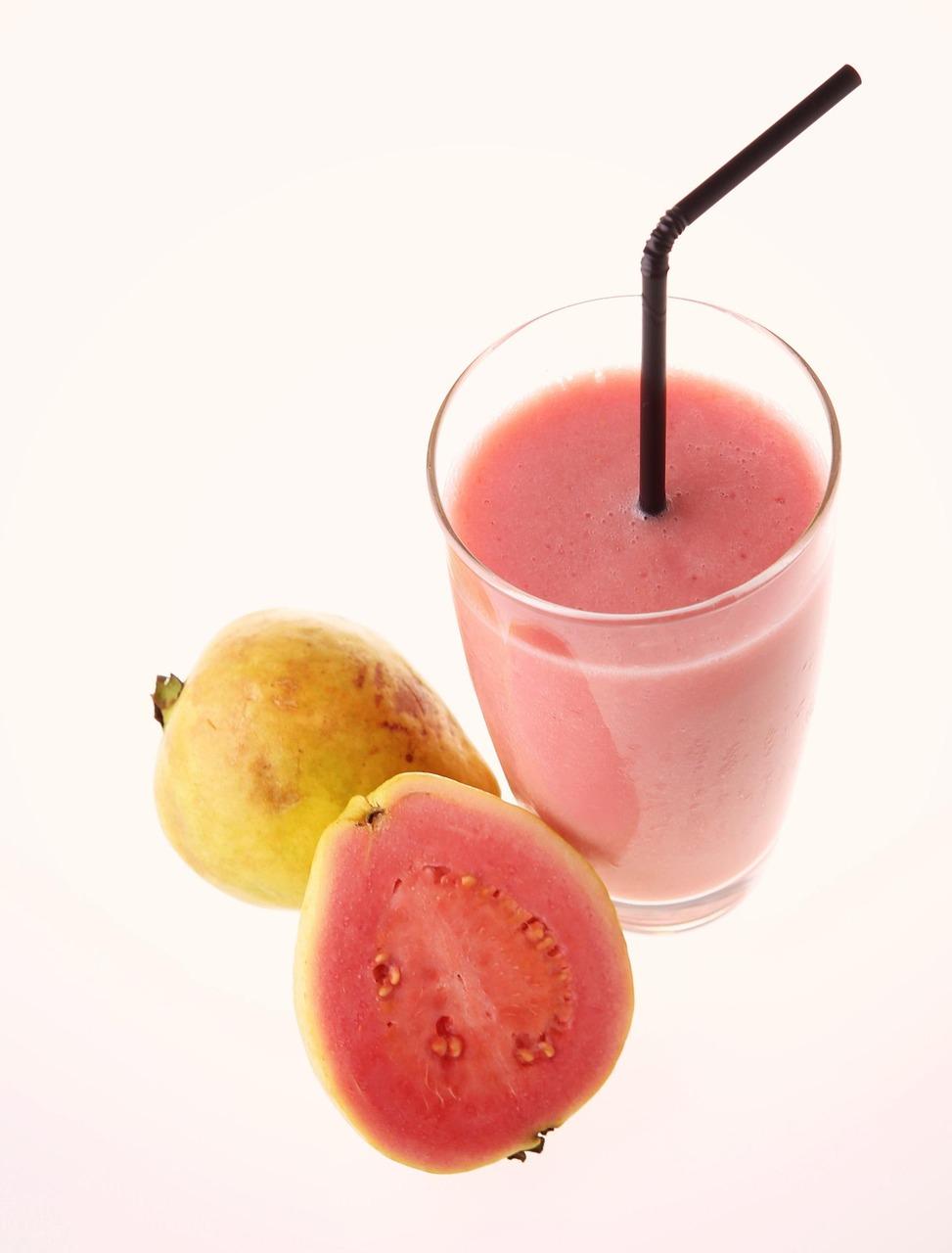
Guava delight
A thick, fragrant blend of ripe guava, mango and banana, boosted with a spoonful of guava powder from the health shop. The book calls it a modern-day vitality drink, drawing on guava's long use in traditional Indian medicine. Serve it well chilled; sieve it if you don't like the little guava seeds.


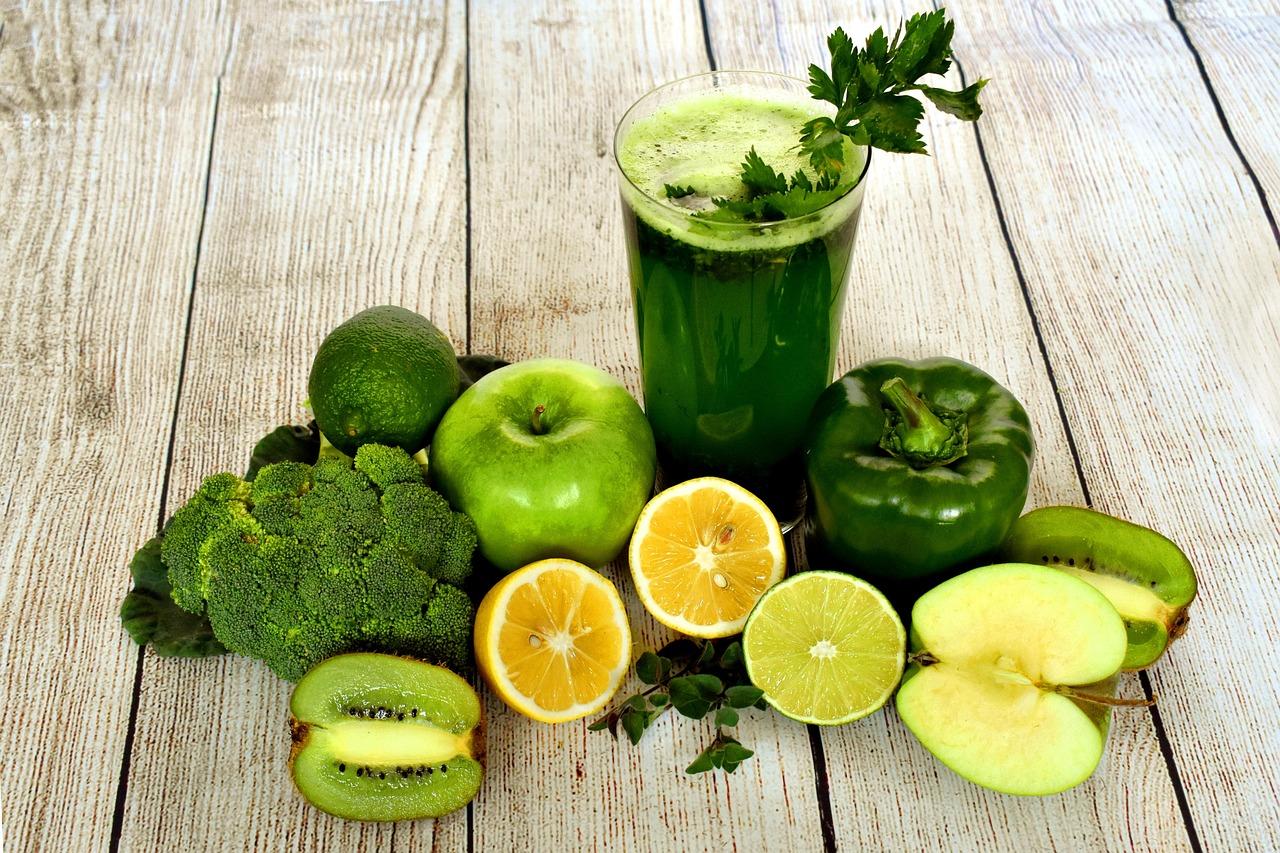
Power pack
A sweet, energising juice of apples, pears and kiwi fruit with a stick of celery, all used unpeeled for extra goodness. It's naturally sweet, so it needs no sugar. Serve well chilled.
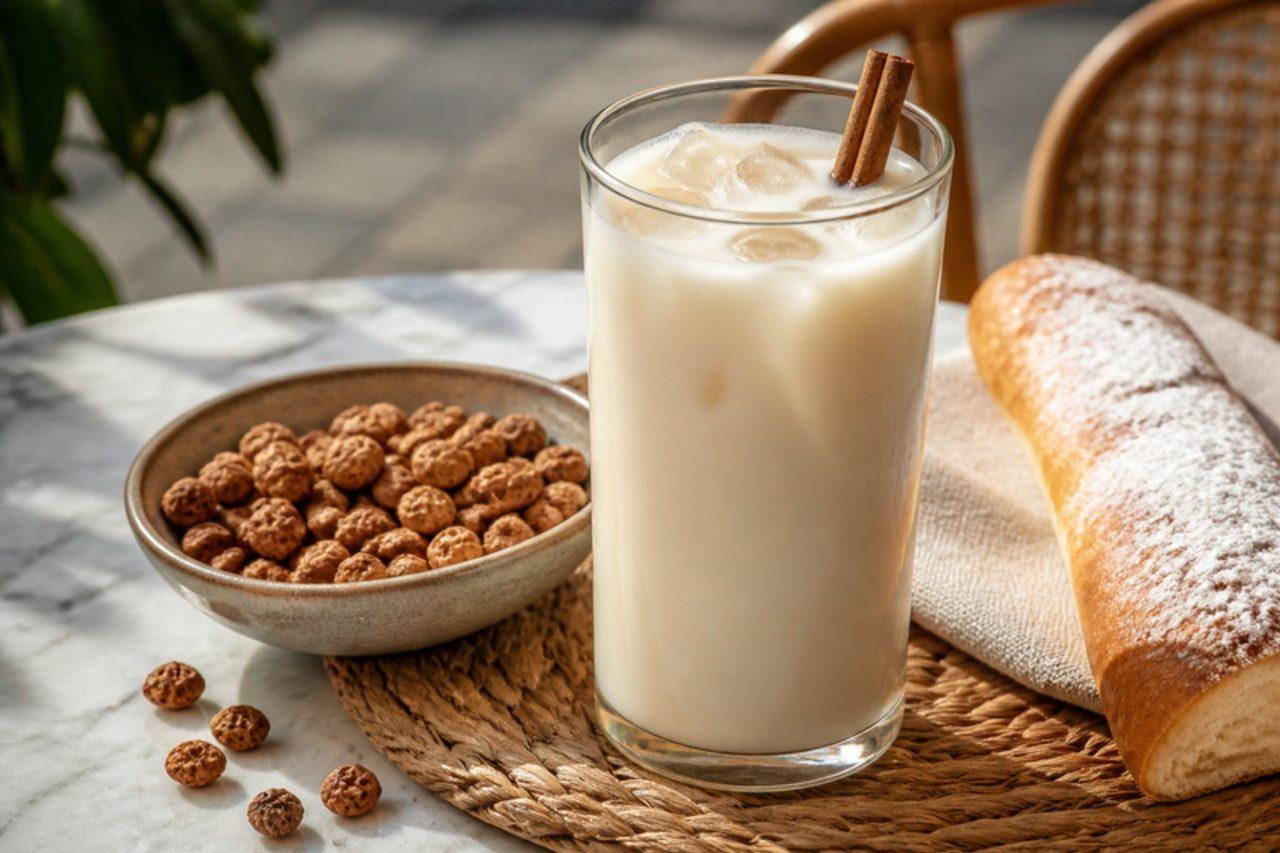
Horchata de chufa
Horchata de chufa is the drink of Valencia's summer, sold ice-cold in the city's horchaterías with long, soft fartons pastries for dipping. It is made from chufas, or tiger nuts: small wrinkled tubers grown around the village of Alboraya just north of Valencia, which have their own protected designation of origin. Soaked, ground with water, strained and sweetened, they give a creamy, nutty, naturally dairy-free milk with a hint of cinnamon. Valencians drink it very cold, or half-frozen as 'granizada'. Chef's tip: soak the tiger nuts for a full 24 hours and change the water once; they must be plump and soft enough to blend into a fine pulp, or the horchata will be thin and taste of raw starch.
 Spanish