
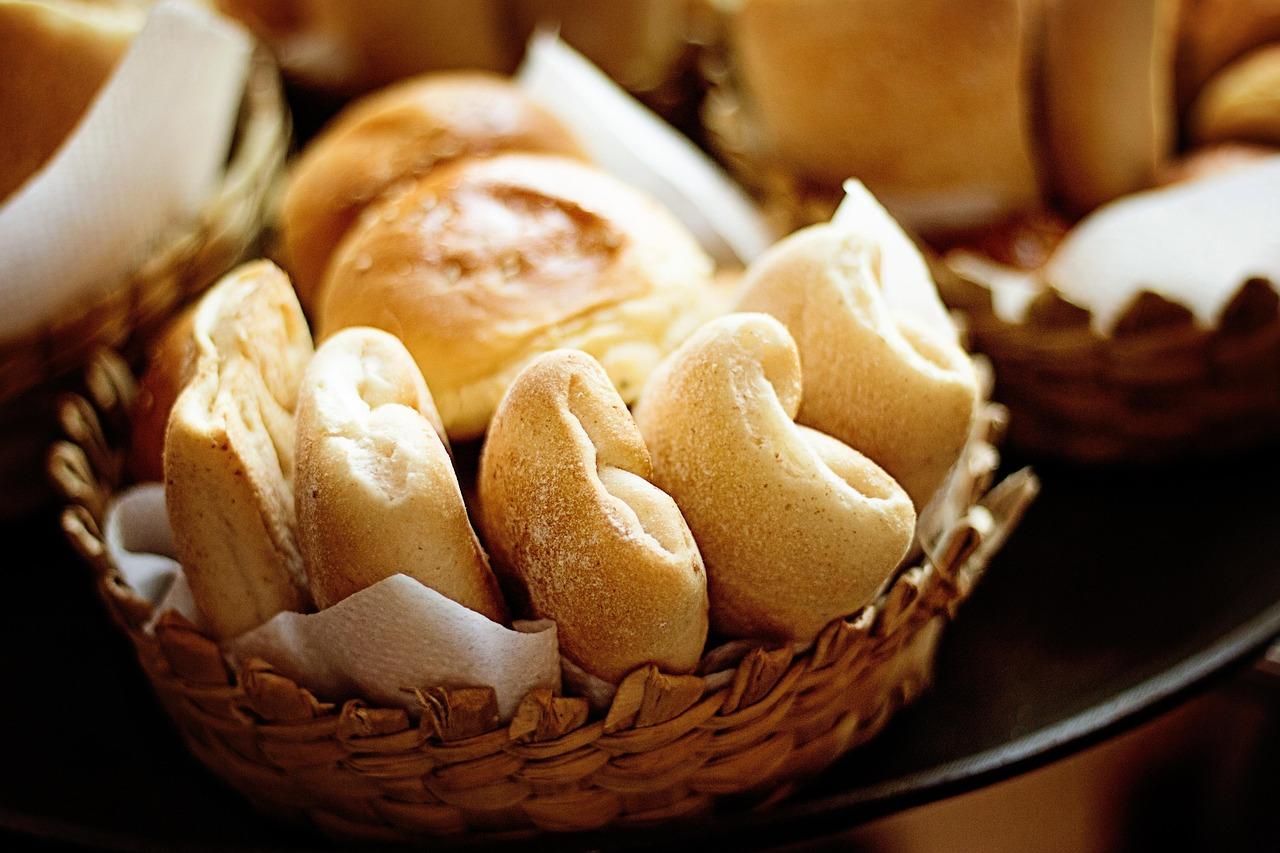
Pão francês
Crusty bread rolls
Pão francês: Brazil's everyday crackly-crusted bakery roll, bought warm every morning


Every neighbourhood padaria in Brazil pulls trays of these small, golden rolls from the oven at dawn and again in the late afternoon, and people buy them by the half-dozen for breakfast with butter and milky coffee or for a pão na chapa on the griddle. The name means French bread, but the roll is Brazil's own: a thin, crackling crust with a raised lip along the cut, called the pestana, around a very light, fluffy crumb. Chef's tip: a tray of boiling water in the oven gives the steam that makes the crust thin and shiny.
- Total time
- 50 min
- Difficulty
- medium
- Serves
- 10
Ingredients
For the dough
- 1 ⅛ lb strong white bread flour
- ¼ oz instant dried yeast
- ⅓ oz sugar
- ⅓ oz salt
- 1 tbsp vegetable oil
- 1 ¼ cups cold water
For baking
- 2 cups boiling water, for steam
Shop this recipe on Amazon
What you'll need
Links open Amazon in a new tab. As an Amazon Associate, WhatToEat.Today earns from qualifying purchases.
Method
0/7 doneStep 1: Mix the 1 ⅛ lb strong white bread flour, ¼ oz instant dried yeast, ⅓ oz sugar and ⅓ oz salt in a large bowl. Add the 1 ¼ cups cold water and 1 tbsp vegetable oil and stir to a shaggy dough.
3 minStep 2: Knead on the worktop for 10–12 minutes until smooth and elastic; a small piece should stretch thin enough to see light through without tearing.
12 minStep 3: Cover and leave to rise in a warm place for about 1 hour until doubled.
60 minStep 4: Divide into 10 pieces of about 80 g. Flatten each into an oval, roll it up tightly from the long side and roll under your palms into a 12 cm torpedo with tapered ends. Place seam down on a lined tray.
15 minStep 5: Cover loosely and prove for 45–60 minutes until puffy; a fingertip pressed in should leave a dent that springs back slowly. Meanwhile heat the oven to 450°F with an empty roasting tin on the bottom shelf.
50 minStep 6: With a sharp blade held almost flat, make one long shallow cut along each roll. Put the rolls in the oven and pour the 2 cups boiling water, for steam into the hot tin. Leaving out the steam is the common mistake that gives a thick, dull crust with no lip.
2 minStep 7: Bake for 18–20 minutes until deep golden and the rolls sound hollow when tapped underneath. Cool on a rack for 10 minutes; the crust crackles as it cools.
20 min
Nutrition per serving
- Calories
- 180 kcal
- Protein
- 6 g
- Carbs
- 36 g
- Fat
- 2 g
- Fibre
- 1 g
Nutrition values are estimates.
KrazyBadal
Good to know
- How long does pão francês take?
- About 50 minutes in total: 30 minutes to prepare and 20 minutes to cook.
- How many people does it serve?
- 10 as written. Change the servings above the ingredients and every amount scales to match.
- Is it vegan?
- Yes. It has no meat, fish, dairy or eggs.
- What can I use instead of strong white bread flour?
- Plain flour, same amount (the dough will be softer and rise a little less).
- What can I use instead of sugar?
- Caster sugar, same amount.
Reviews
No reviews yet. Be the first to cook it.
Rate this recipe
Sign in to rate and review this recipe.
You might also like
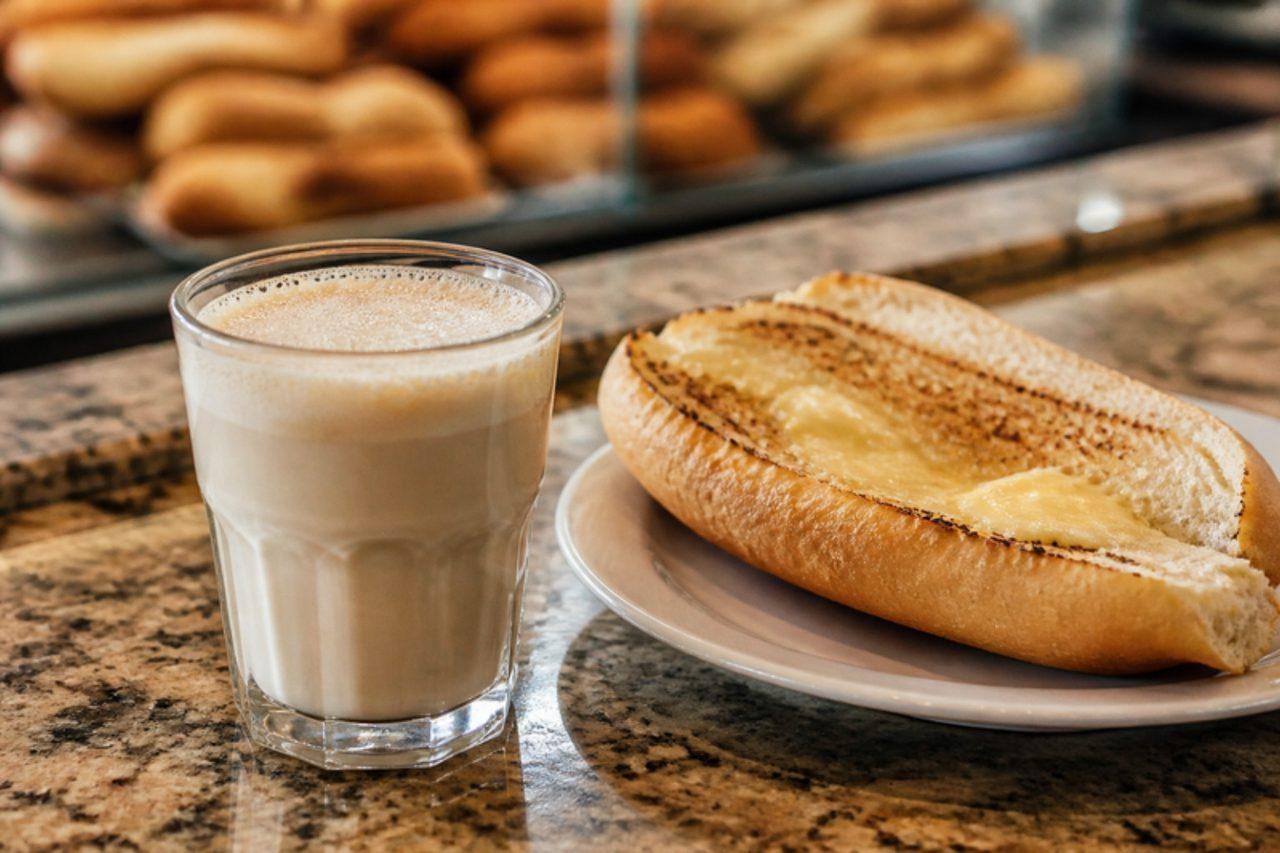
PingadoHot milk with coffee
Order 'um pingado' at the balcão of any São Paulo padaria at 7 in the morning and the attendant pours hot milk into a ridged glass tumbler (the copo americano) and 'drips' in a splash of strong coffee, hence the name. It is milkier and gentler than a média (half coffee, half milk), creamy and lightly sweet, usually drunk standing up with a pão na chapa, a toasted buttered roll. At home you need strong filter coffee and milk heated until steaming. Scalding the milk is the frequent mistake, as boiled milk tastes flat and forms a skin. Chef's tip: froth the hot milk for a few seconds with a whisk or by pouring it back and forth between two jugs before adding the coffee, as padaria machines do.

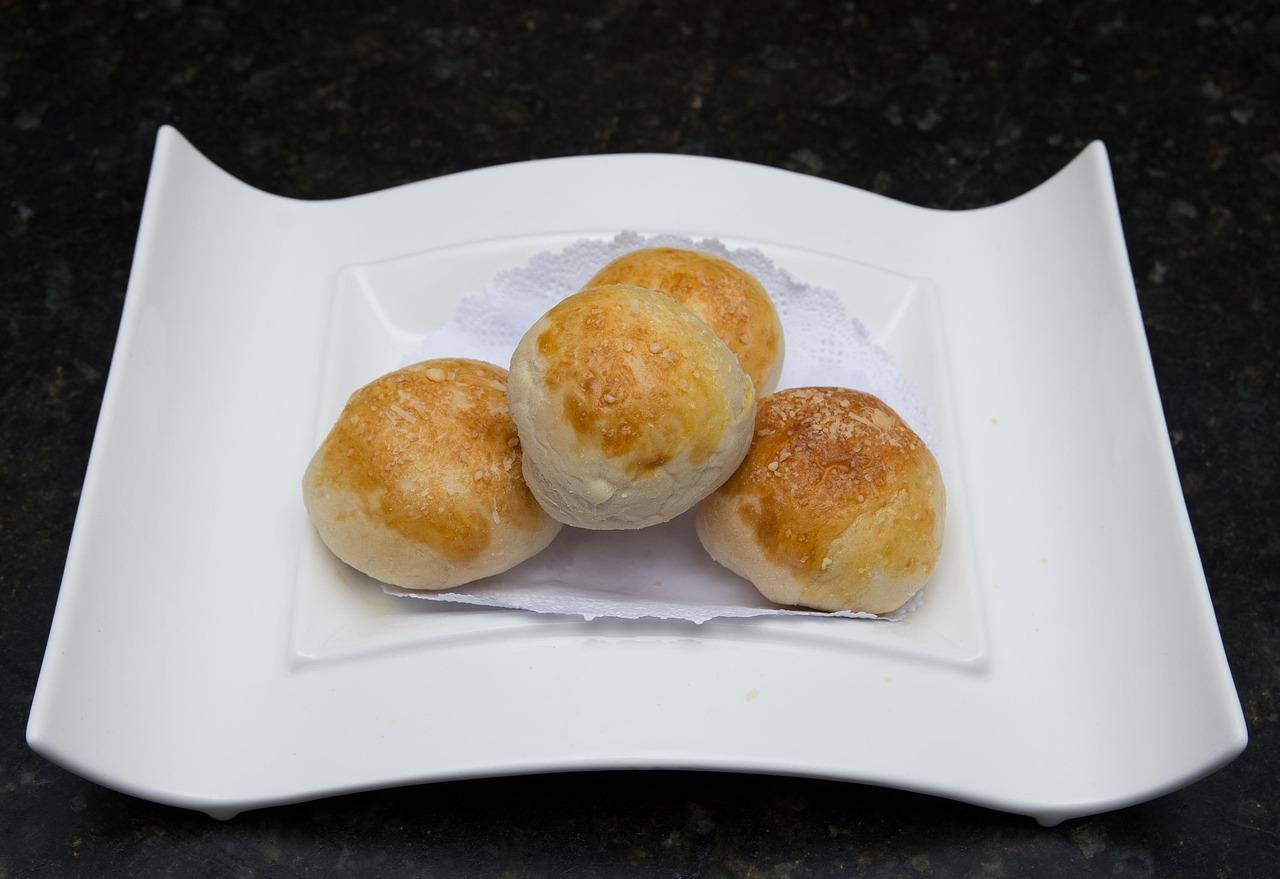
ChipaCheese bread rings
In Paraguay you hear 'chipa, chipa!' called by vendors with big baskets on buses and street corners, and every family bakes it for Holy Week, when chipa is the food of Good Friday. Cassava starch, a little cornmeal, butter, eggs and a lot of hard cheese are kneaded into a dough scented with aniseed, shaped into rings or small rolls and baked in a hot oven, traditionally a domed clay tatakua. It's chewy, crisp outside and best warm with cocido (toasted yerba tea). Chef's tip: the dough should feel soft and slightly greasy; add milk a spoon at a time, as too much makes the chipa spread flat.
 Paraguayan
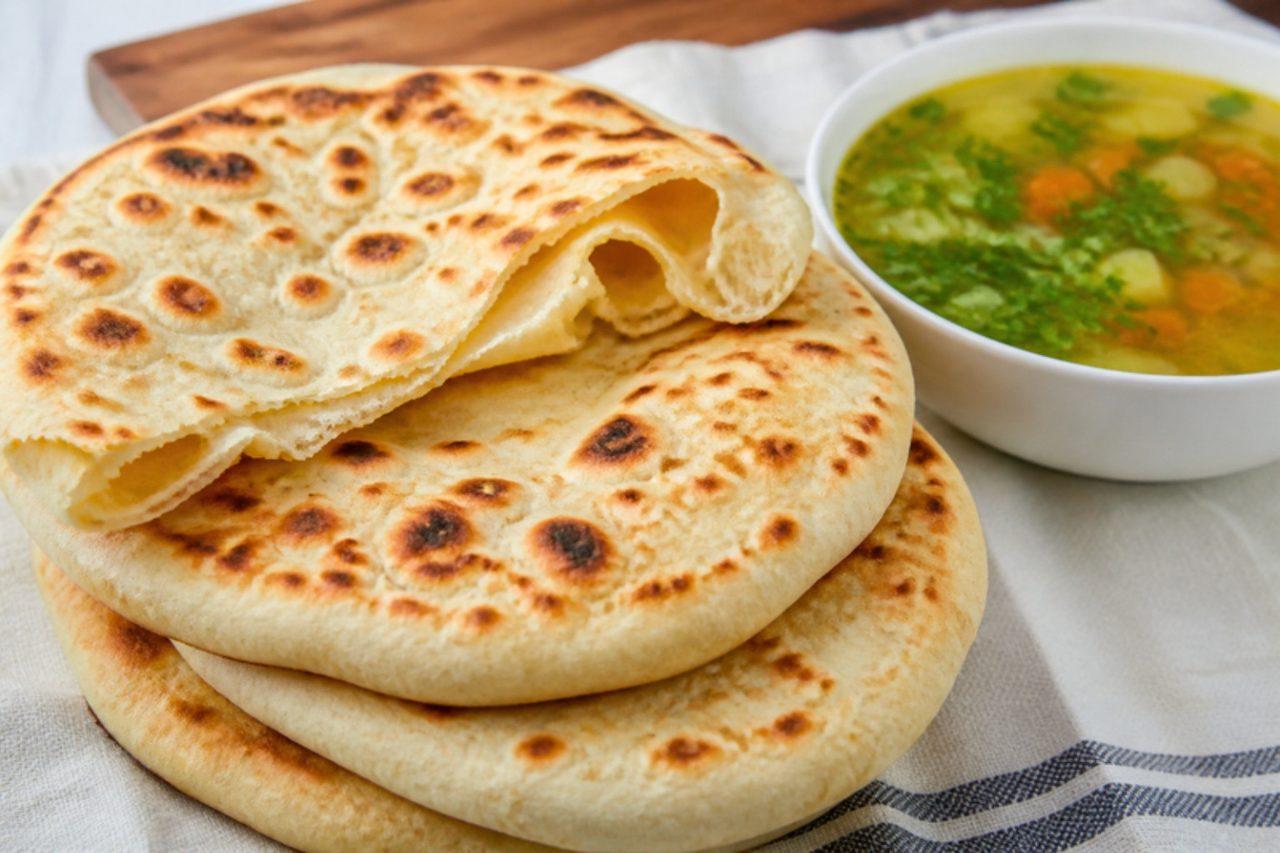
SalufPuffy flatbread
Saluf is the everyday bread of Yemenite Israelis, slapped onto a hot pan or taboon in Rosh HaAyin and Sha'arayim in Rehovot and eaten with marak temani, hilbe and zhug. It is soft and blistered, thicker than pita and with no pocket, made to tear and dunk. Home cooks often roll it too thin, which gives a cracker; it should be about 1 cm thick so it stays pillowy. Chef's tip: cook it under a lid on a very hot dry pan for the first minute, which traps steam and puffs it the way a taboon does.
 Israeli
