
AI-generated image
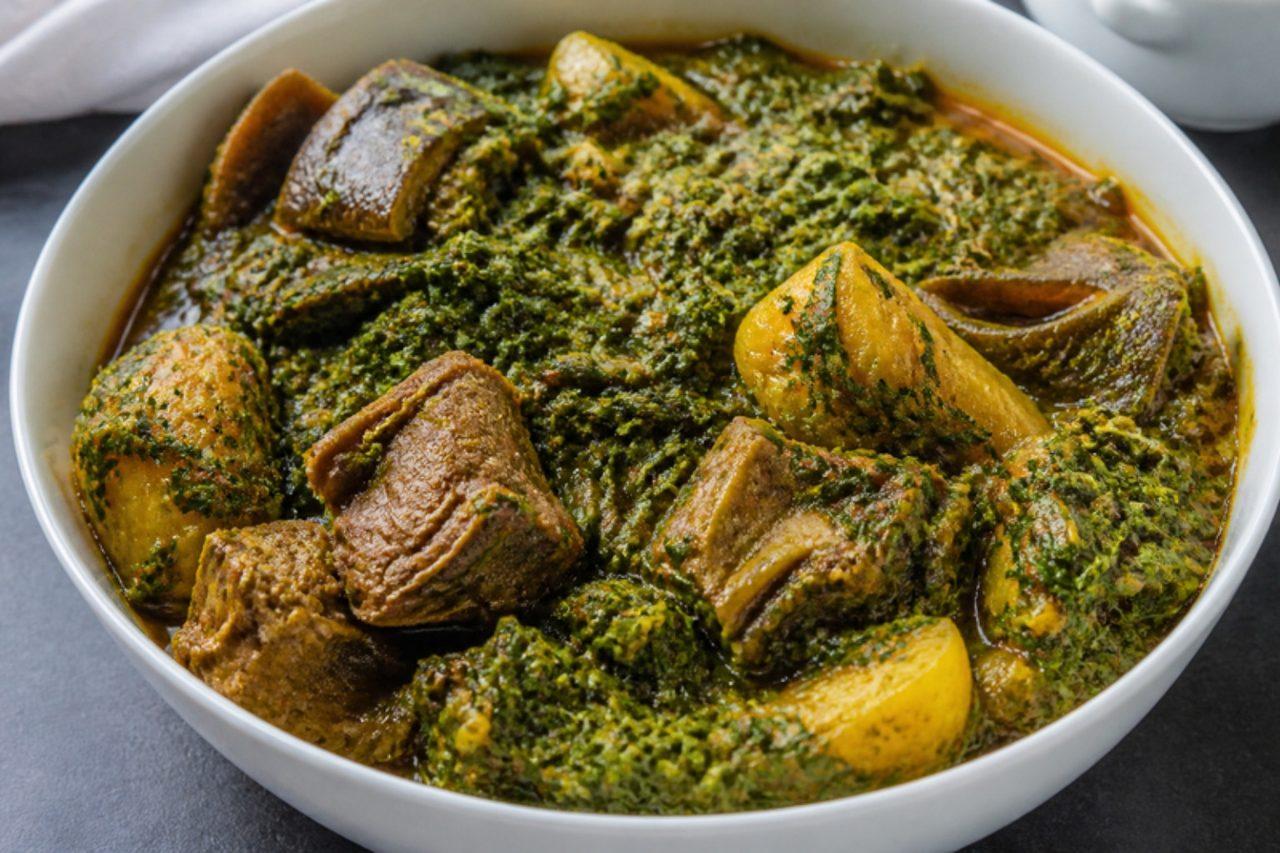
Ofe Owerri (festive ugu and okazi soup)
Ofe Owerri: Imo State's lavish soup of ugu and okazi leaves, cocoyam, goat meat and stockfish


Owerri people speak of their soup with pride, and it is famous for how much goes into the pot: goat meat, tripe, stockfish and dried fish, simmered in palm oil and thickened with cocoyam, then finished with two leaves, chewy okazi and soft, sweet ugu. It is festive food for weddings, Christmas and big family gatherings across Imo State, and it is served with pounded yam or fufu. Adding the ugu too early is a common mistake that leaves the leaves dark and mushy; it goes in last, after the okazi has had time to soften. Stockfish needs an overnight soak first unless bought pre-soaked. Chef's tip: soak dried okazi in warm water for 10 minutes before cooking so it softens evenly.
- Total time
- 140 min
- Difficulty
- hard
- Serves
- 8
Ingredients
For the stock
- 1 ⅓ lb goat meatcut into 4 cm pieces on the bone
- 7 oz cleaned beef tripe (shaki)cut into strips
- 7 oz cow skin (ponmo) (optional)cut into pieces
- 7 oz stockfishsoaked overnight, in pieces; or pre-soaked
- 1 onionsliced
- 2 stock cubescrumbled; check they are gluten free
- 1 tsp salt
For the soup
- 14 oz cocoyam (ede) or tarounpeeled
- ¾ cup red palm oil
- 3 tbsp ground crayfish
- 1 tbsp ogiri (fermented seeds) (optional)sub: 1 tbsp iru
- 2 smoked dried fishabout 250 g, deboned, in chunks
- 1 ¾ oz okazi (ukazi) leavesfinely shredded or ground; fresh or dried from African grocers
- 10 ½ oz ugu (fluted pumpkin) leavessliced; sub: spinach
Shop this recipe on Amazon
What you'll need
Spices & pantry
Fresh ingredients (2)
Links open Amazon in a new tab. As an Amazon Associate, WhatToEat.Today earns from qualifying purchases.
Method
0/6 doneStep 1: Put 1 ⅓ lb goat meat, 7 oz cleaned beef tripe (shaki), 7 oz cow skin (ponmo) and 7 oz stockfish in a large pot with 1 onion, 2 stock cubes, 1 tsp salt and 1.5 litres water. Simmer for 70–80 minutes, topping up with water, until the goat is very tender and pulls from the bone.
80 minStep 2: Meanwhile boil 14 oz cocoyam (ede) or taro in its skin for 25–30 minutes, until fork-tender. Peel while warm and pound or blend with 4 tbsp water into a smooth paste.
30 minStep 3: Add ¾ cup red palm oil, 3 tbsp ground crayfish, 1 tbsp ground scotch bonnet or dried chilli and 1 tbsp ogiri (fermented seeds) to the meat pot and simmer for 10 minutes, until the broth turns rich orange.
10 minStep 4: Drop in the cocoyam paste in small lumps, a little at a time, and simmer for 8 minutes, stirring, until dissolved and the soup is thick enough to coat a spoon heavily.
8 minStep 5: Add 2 smoked dried fish and 1 ¾ oz okazi (ukazi) leaves and simmer for 8 minutes, until the okazi has softened.
8 minStep 6: Stir in 10 ½ oz ugu (fluted pumpkin) leaves and cook for 2–3 minutes, until just wilted and still bright green. Taste for salt and serve hot with pounded yam or fufu.
3 min
Nutrition per serving
- Calories
- 560 kcal
- Protein
- 50 g
- Carbs
- 20 g
- Fat
- 30 g
- Fibre
- 5 g
Nutrition values are estimates.
KrazyBadal
Good to know
- How long does ofe Owerri (festive ugu and okazi soup) take?
- About 140 minutes in total: 40 minutes to prepare and 100 minutes to cook.
- How many people does it serve?
- 8 as written. Change the servings above the ingredients and every amount scales to match.
- Is it gluten free?
- Yes, as written. Check the labels on stock, sauces and spice mixes, which sometimes contain gluten.
- What can I use instead of onion?
- 2 shallots per onion.
Reviews
No reviews yet. Be the first to cook it.
Rate this recipe
Sign in to rate and review this recipe.
You might also like
Pork souvlaki
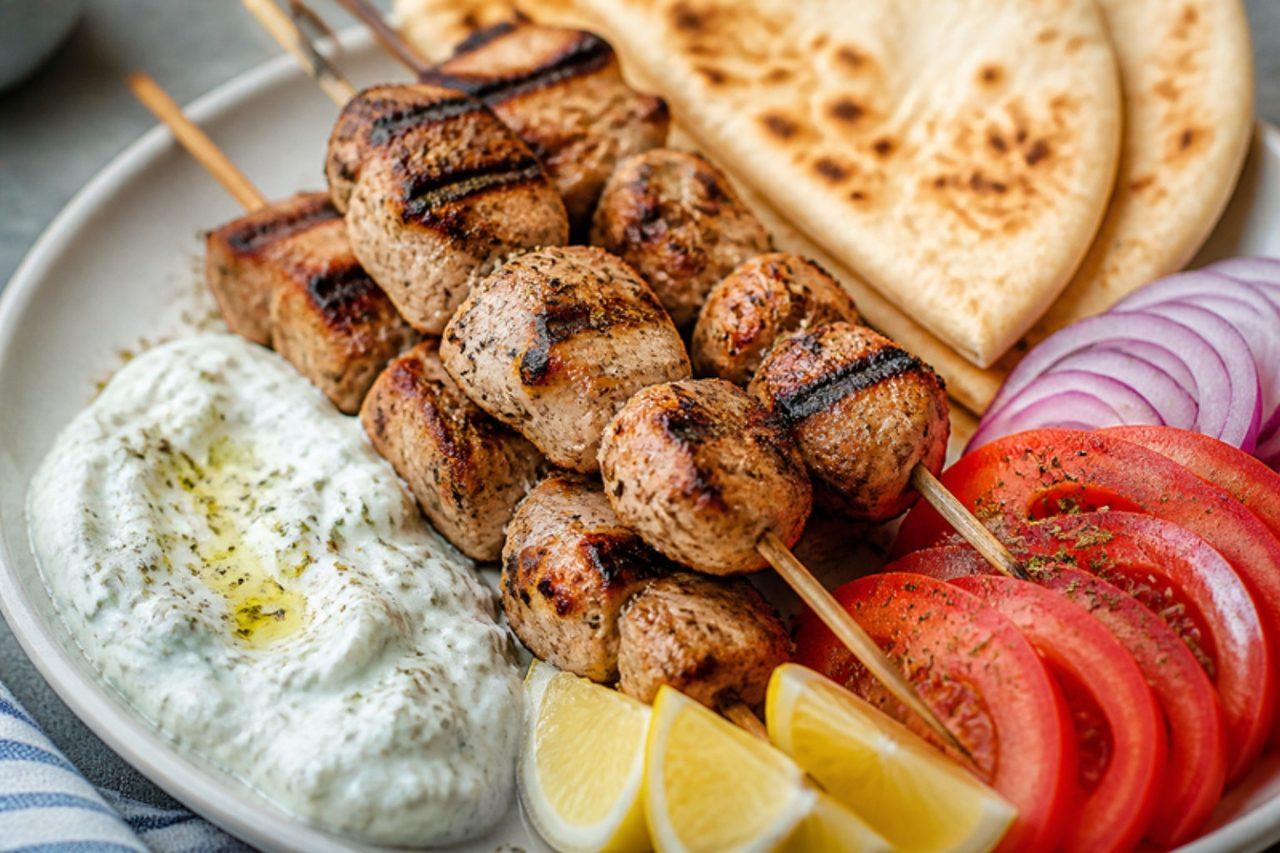
This is a pork recipe. Walk through any Greek town after dark, from Athens to Thessaloniki, and the smell of souvlaki stands drifts down the street; cubes of pork shoulder grilled on thin skewers are the country's favourite cheap supper, eaten standing up or at a plastic-table taverna. At home you marinate the meat in lemon, olive oil, garlic and dried oregano, grill it hard and fast, and pile it on warm pitta with tzatziki, tomato and red onion. Chef's tip: cut the pork into even 2.5 cm cubes and leave a little fat on; lean loin dries out, shoulder stays juicy over high heat.
 Greek
Tteokgalbi
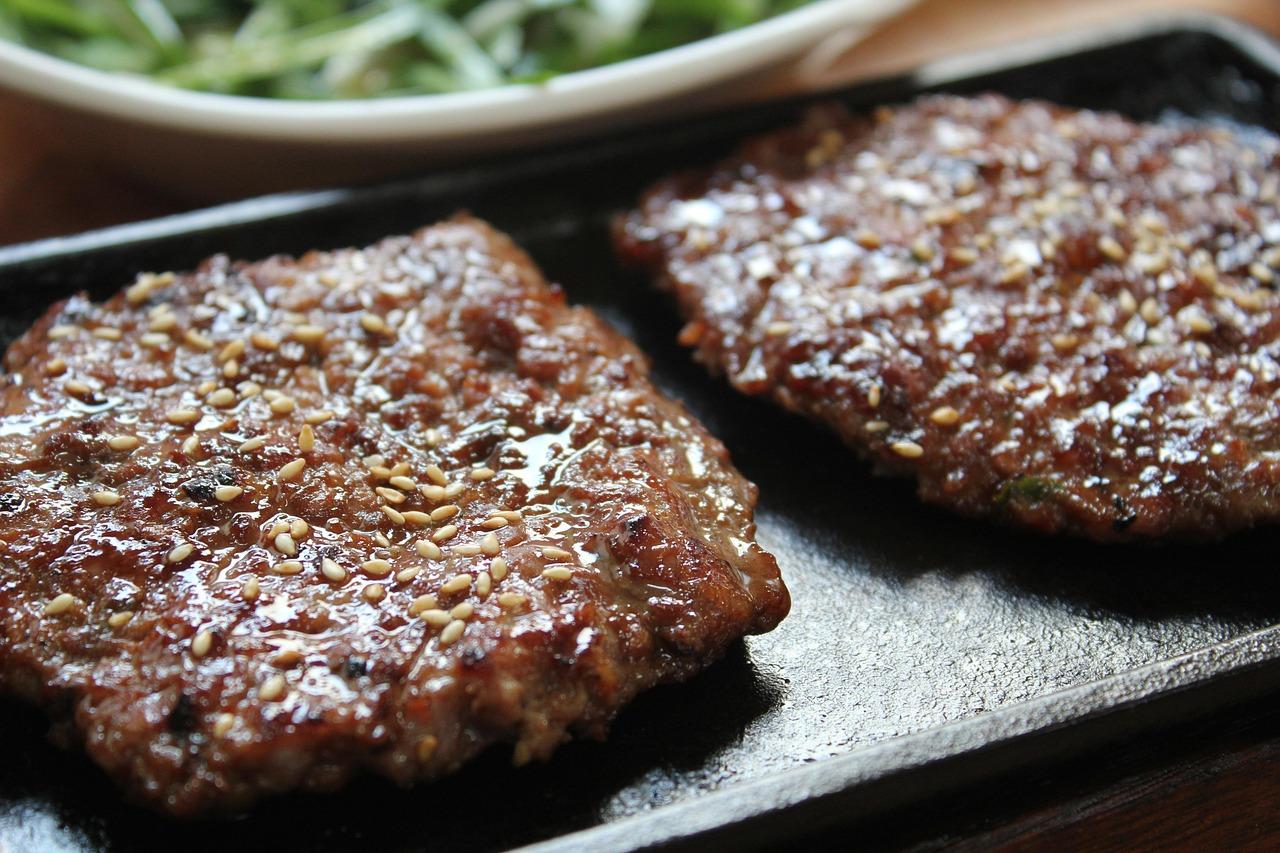
Tteokgalbi is rib meat chopped finely, pressed back into neat slabs and grilled, so it's soft enough to eat without struggling with a bone. Two places in South Jeolla claim it: Damyang, the bamboo county, where all-beef patties come with rice steamed in bamboo tubes, and Gwangju's Songjeong district, whose restaurant street near the railway station mixes beef with pork. This home version uses minced beef and pork, seasoned with soy, garlic and pear, then brushed with a soy and honey glaze as it cooks. Serve with rice, lettuce and a few banchan; leftovers are good cold in a lunchbox. Chef's tip: slap the mince against the bowl for a few minutes; it turns sticky and the patties hold together on the grill without any breadcrumbs.
 Korean
Char siu
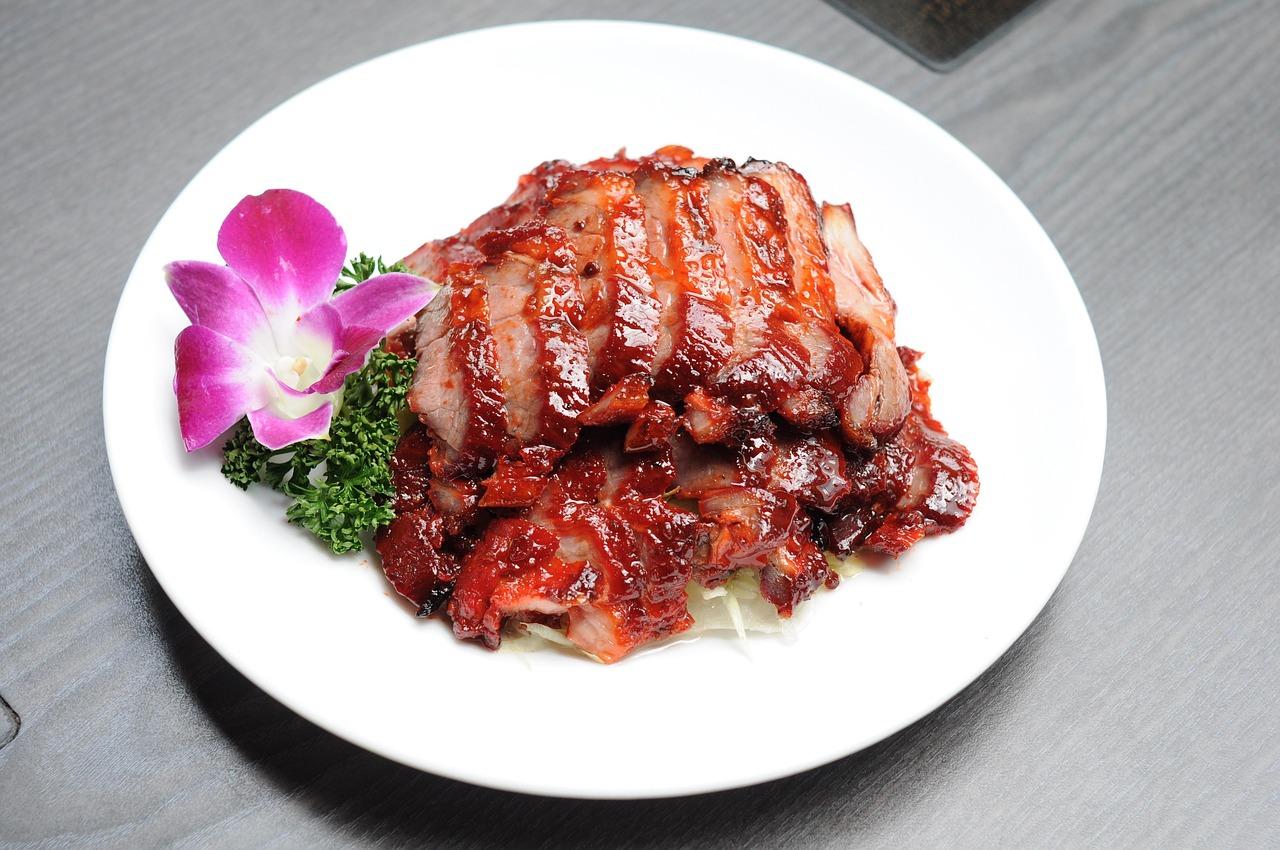
Hanging in long glossy strips in the windows of Guangzhou's siu mei shops, char siu is the roast pork Cantonese families pick up on the way home to put on rice, noodles or into steamed buns. The outside is lacquered, sweet and a little charred at the edges; the inside stays juicy, savoury and faintly scented with five-spice. Shoulder (pork butt) is the cut to use, because its marbling keeps the strips moist through a hot oven. Marinate it overnight in the fridge, roast it the next day and eat it warm with steamed rice and blanched greens, or cold in fried rice and noodle soups. Chef's tip: save the honey for the last ten minutes; brushed on at the start it burns black long before the pork is cooked.
 Chinese