Skip to content

Recipes with crayfish

16 recipes that use crayfish, with photos, step-by-step instructions and cook times. The quickest, Fisherman soup, takes 50 minutes. It is most often cooked with onion, stock cube and red palm oil.

Got a few things in the fridge? Search by everything you have

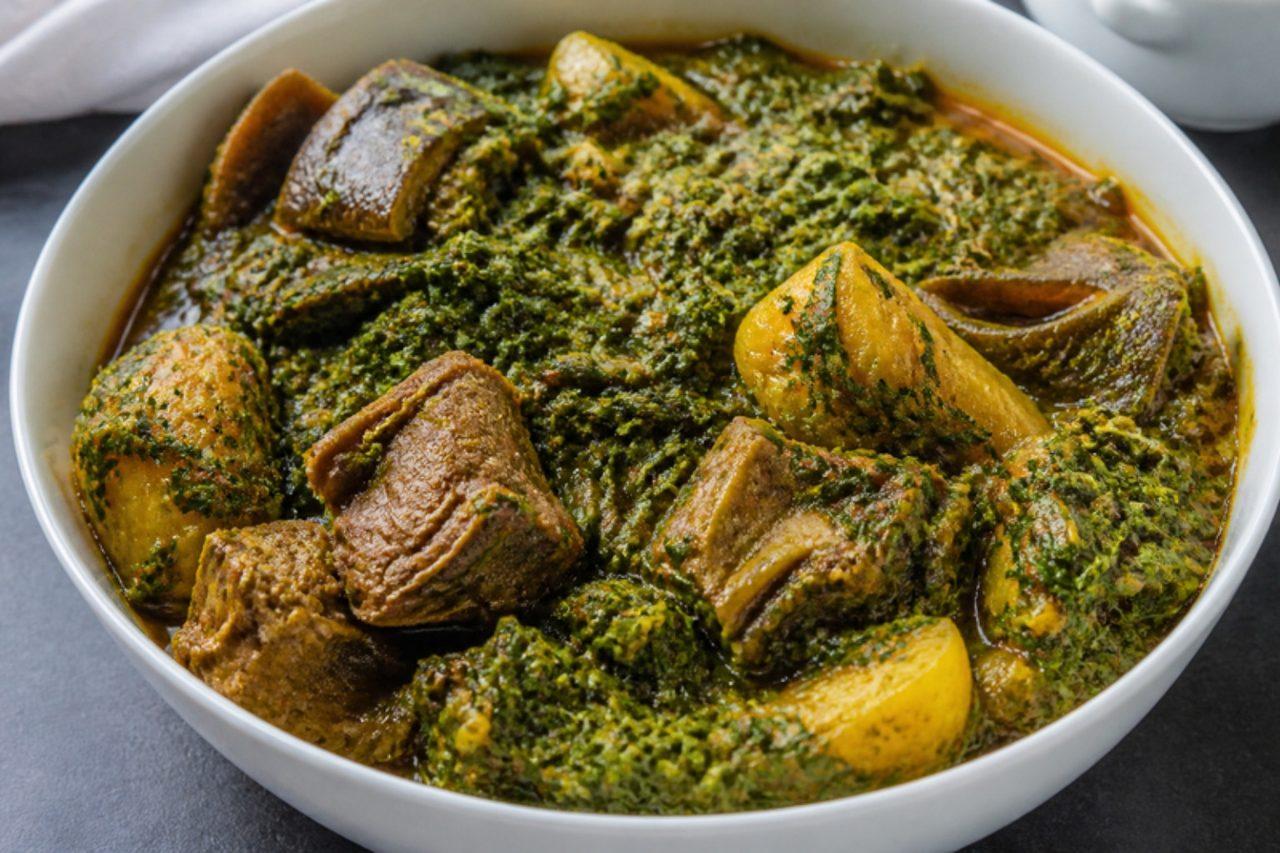
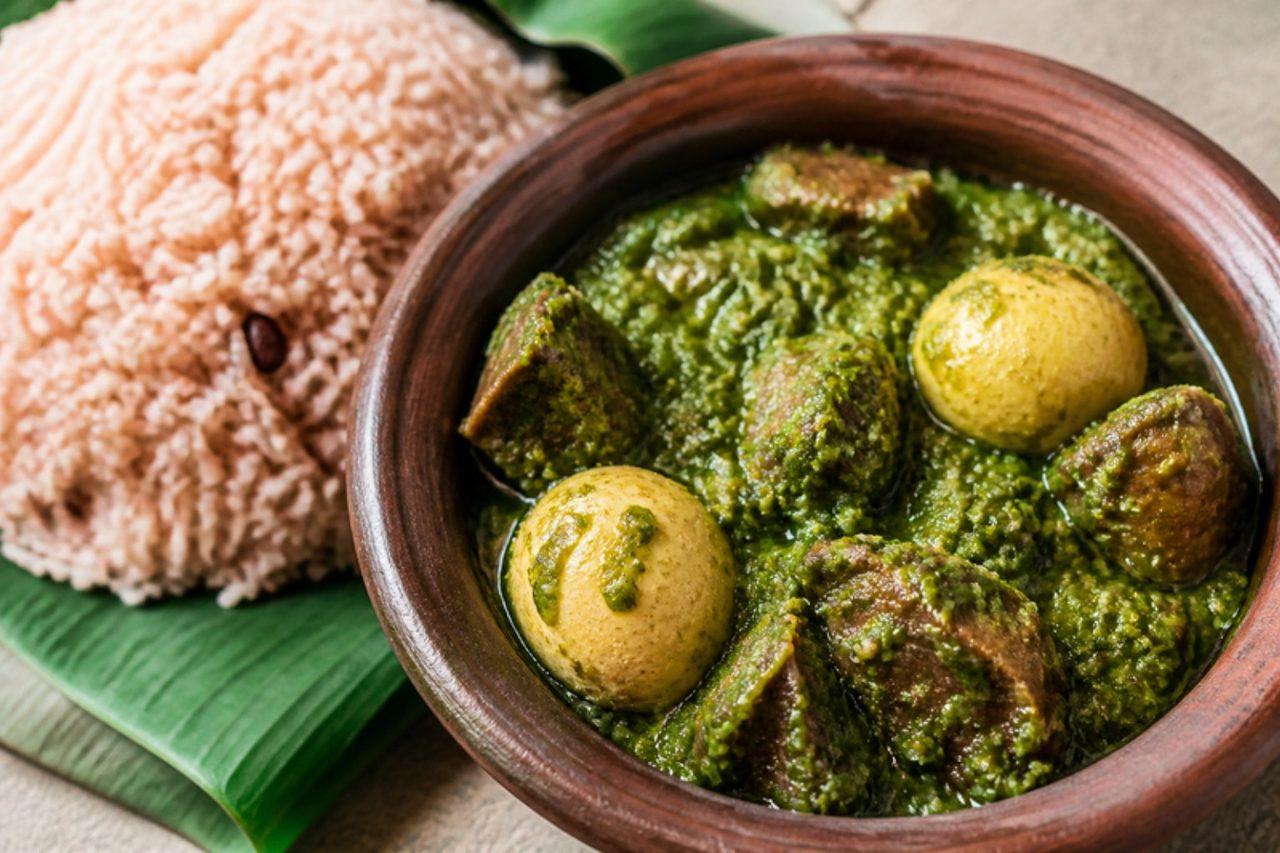
Ayamase (ofada green pepper stew)

Ofada rice, the short, fragrant local rice from Ogun State, is almost always served in Lagos with ayamase, a stew so green and so hot it is sometimes called designer stew. Green bell peppers and green scotch bonnets are blended coarse, dried out in the pot, then fried in palm oil that has been bleached clear, with plenty of iru for a deep, funky savouriness. Assorted meat (beef, tripe and cow skin) and boiled eggs are folded in. Watery pepper is the mistake that makes it taste sour and raw, so boil the blended pepper dry before it meets the oil. Chef's tip: bleaching palm oil makes heavy smoke; open the windows, keep the lid nearby and never leave the pot.

120 minNigerianMeatGluten freeSpicy
by KrazyBadal 0 views

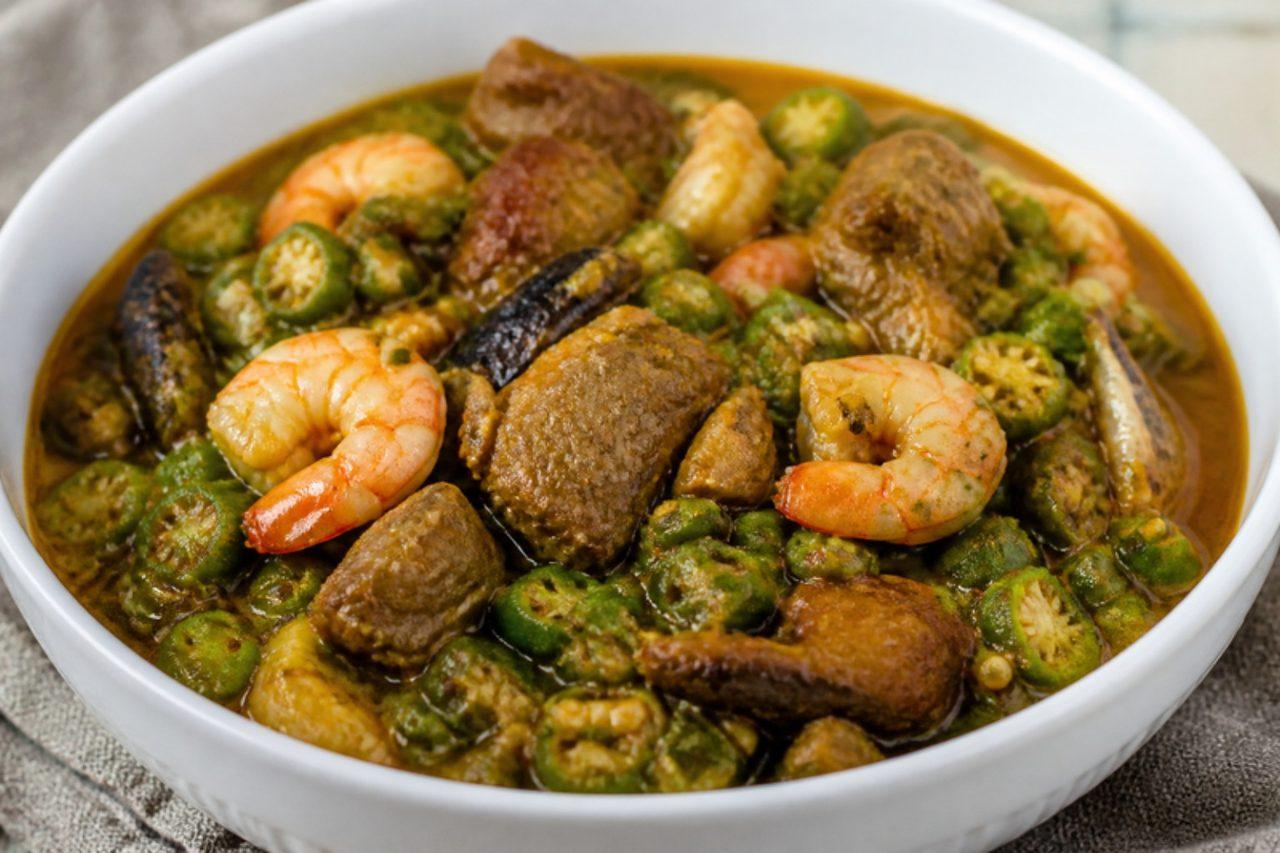
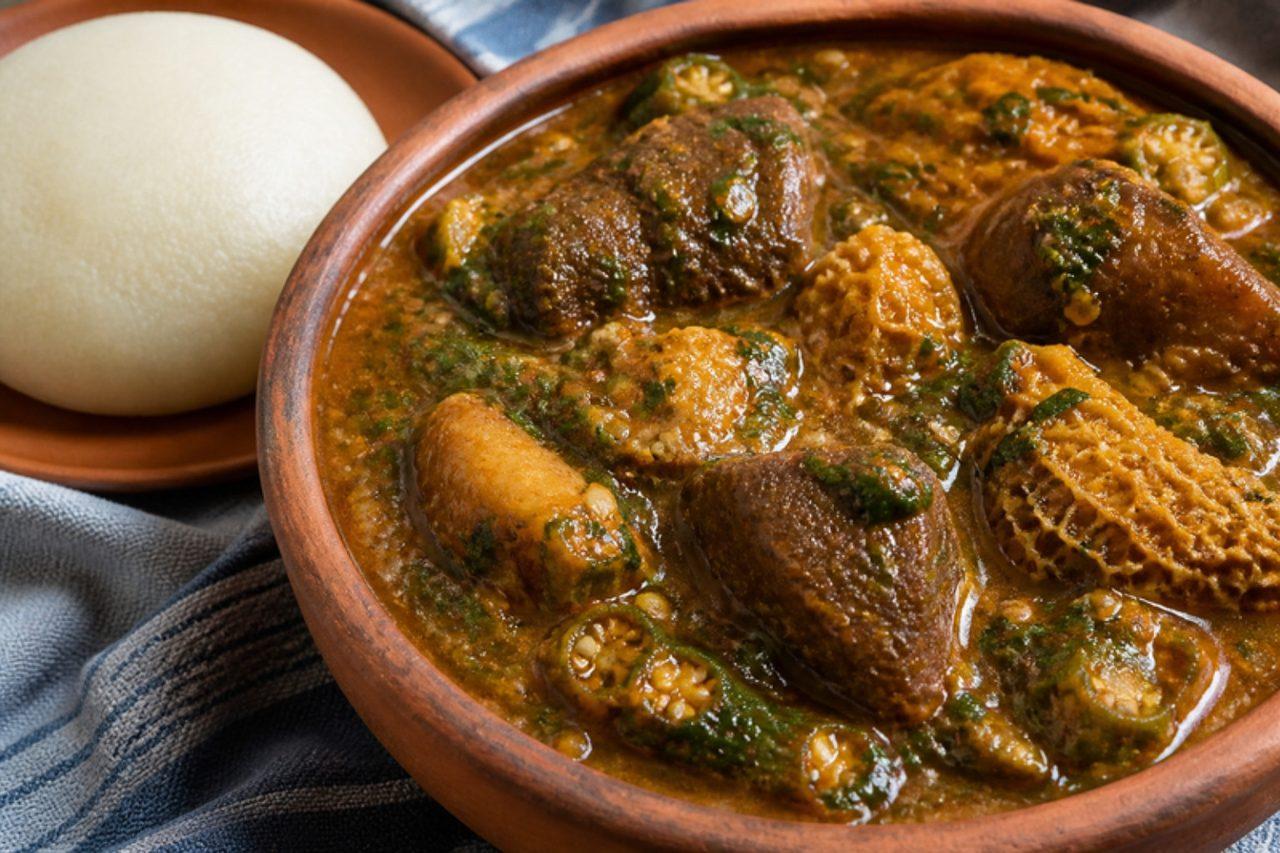
Ila asepo (Yoruba okra soup)

Ibadan and Abeokuta buka ladle ila asepo over amala at lunchtime: a bright, chunky okra soup cooked in a palm-oil pepper base, rather than the plain boiled okra of other regions. Iru and crayfish give depth, assorted meat and smoked fish give body, and prawns go in at the end, so every spoonful is drawy, savoury and loaded. It is just as good with eba or pounded yam. Cooking the okra too long is the usual mistake; it loses its stretch and its green colour, so add it last and give it only 4–5 minutes. Chef's tip: chop the okra by hand into small dice instead of blending it, and the soup keeps its pleasant crunch.

by KrazyBadal 0 views

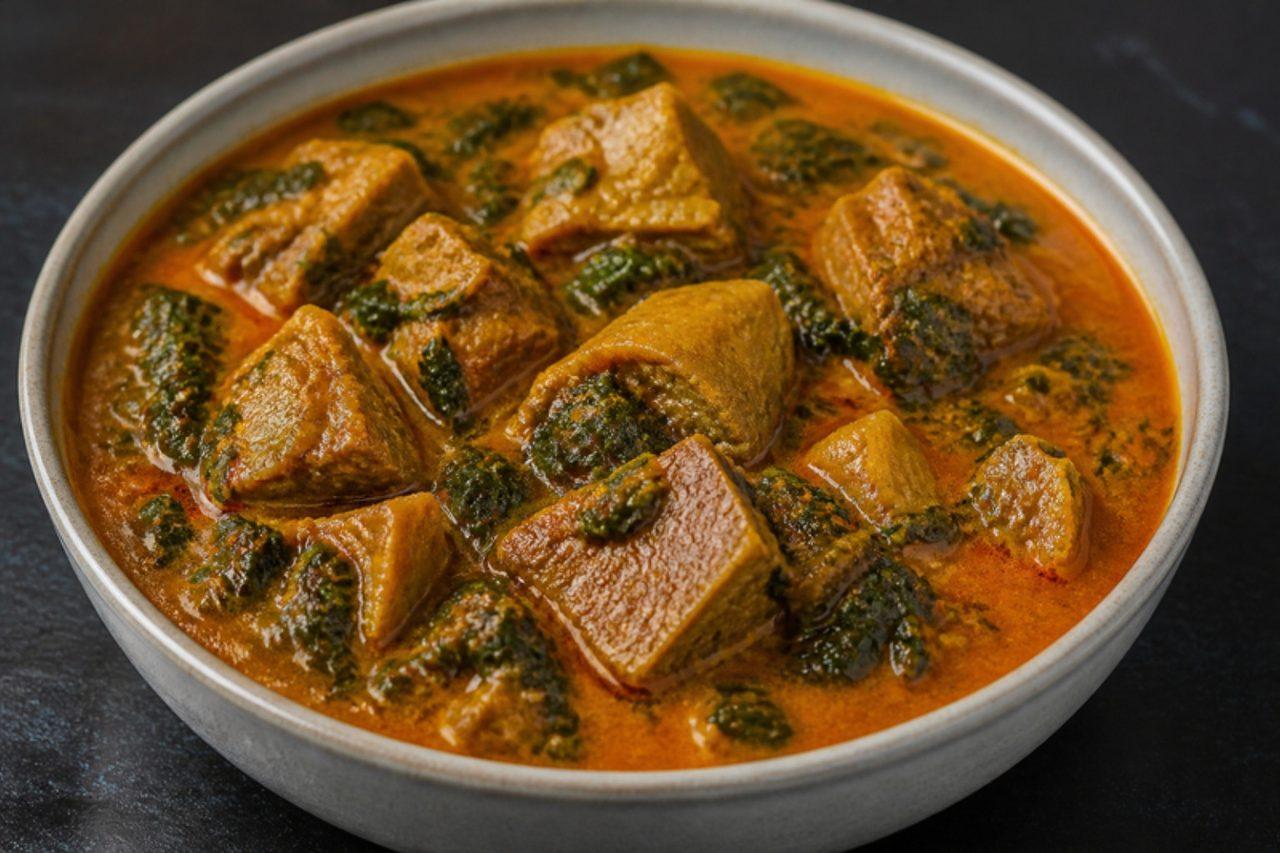
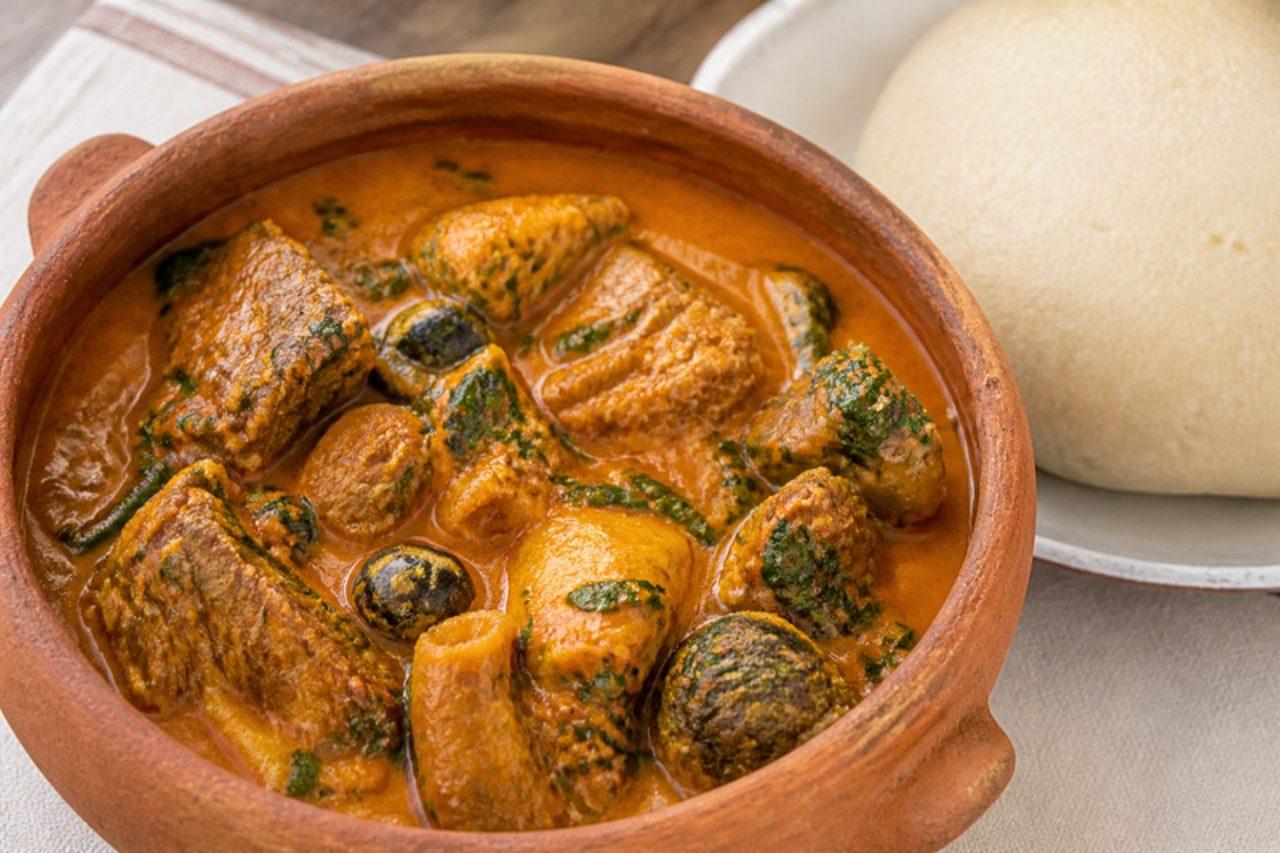
Ofe oha (oha leaf soup)

Tender oha leaves, with their mild, slightly sweet taste, are prized in Enugu and Anambra, and ofe oha is the soup many Igbo families bring out for Christmas, weddings and Sunday visits. Boiled cocoyam is pounded and melted into a palm-oil broth rich with beef, stockfish, dried fish and crayfish, giving a thick, velvety soup with the oha folded in at the very end, to eat with pounded yam, fufu or eba. Adding all the cocoyam at once is a frequent mistake that turns the soup gluey; add it in stages and stop at the thickness you want. Stockfish needs an overnight soak first unless you buy it pre-soaked. Chef's tip: tear oha leaves by hand rather than cutting them, as cooks traditionally do, and add them in the last 2 minutes.

120 minNigerianMeatGluten free
by KrazyBadal 0 views

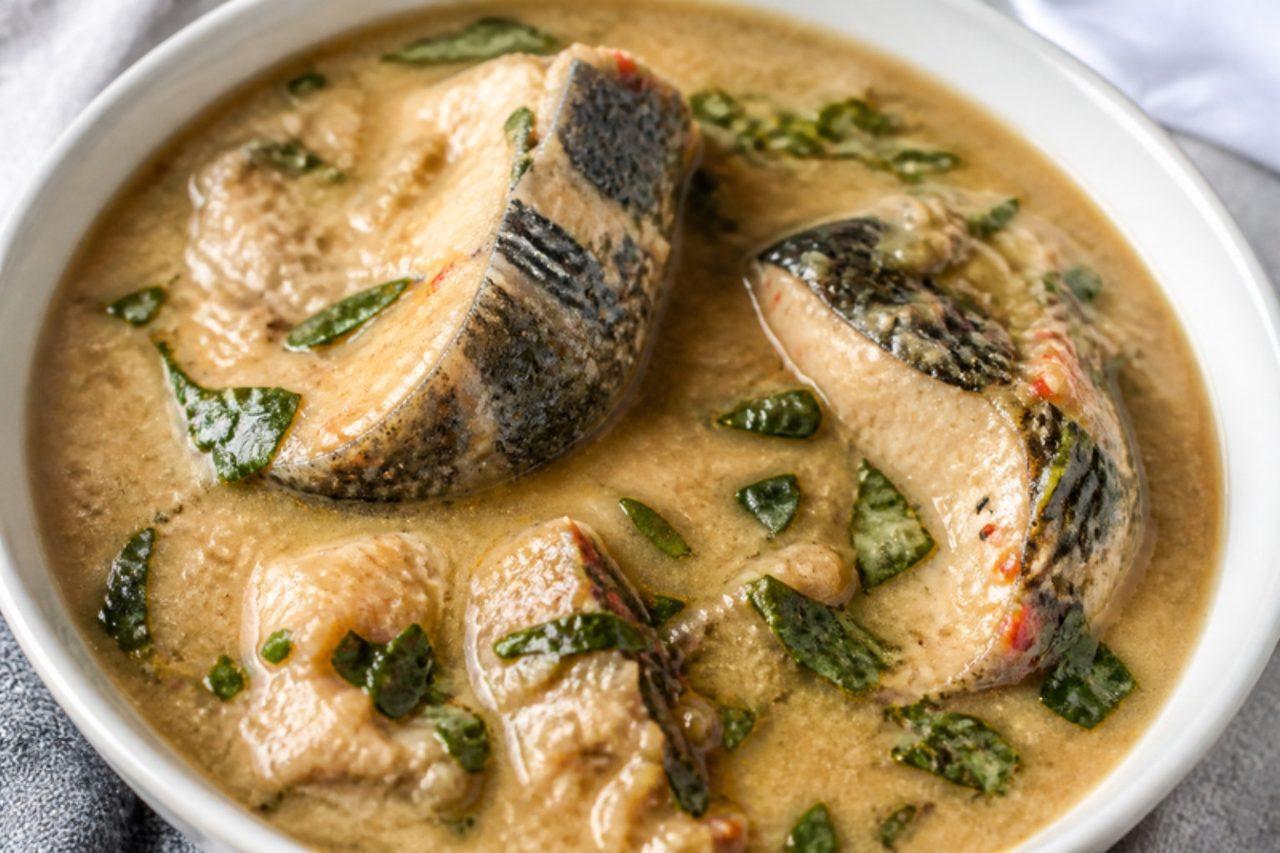
Ofe nsala (catfish white soup)

No palm oil goes into ofe nsala, which is why Igbo cooks in Anambra, Enugu and Imo call it white soup: a light, peppery broth of fresh catfish thickened with pounded yam and perfumed with uziza seeds. It is warming and clean-tasting, often cooked for new mothers and for anyone feeling under the weather, and served with pounded yam. Stirring hard after the fish goes in is the usual mistake, as catfish breaks up easily, so swirl the pot instead. Chef's tip: scrub the catfish with hot water and a little salt before cooking to remove the slime, which keeps the broth clear.

by KrazyBadal 0 views

Ofe Owerri (festive ugu and okazi soup)

Owerri people speak of their soup with pride, and it is famous for how much goes into the pot: goat meat, tripe, stockfish and dried fish, simmered in palm oil and thickened with cocoyam, then finished with two leaves, chewy okazi and soft, sweet ugu. It is festive food for weddings, Christmas and big family gatherings across Imo State, and it is served with pounded yam or fufu. Adding the ugu too early is a common mistake that leaves the leaves dark and mushy; it goes in last, after the okazi has had time to soften. Stockfish needs an overnight soak first unless bought pre-soaked. Chef's tip: soak dried okazi in warm water for 10 minutes before cooking so it softens evenly.

140 minNigerianMeatGluten free
by KrazyBadal 0 views

Nkwobi (cow foot in spicy palm-oil sauce)

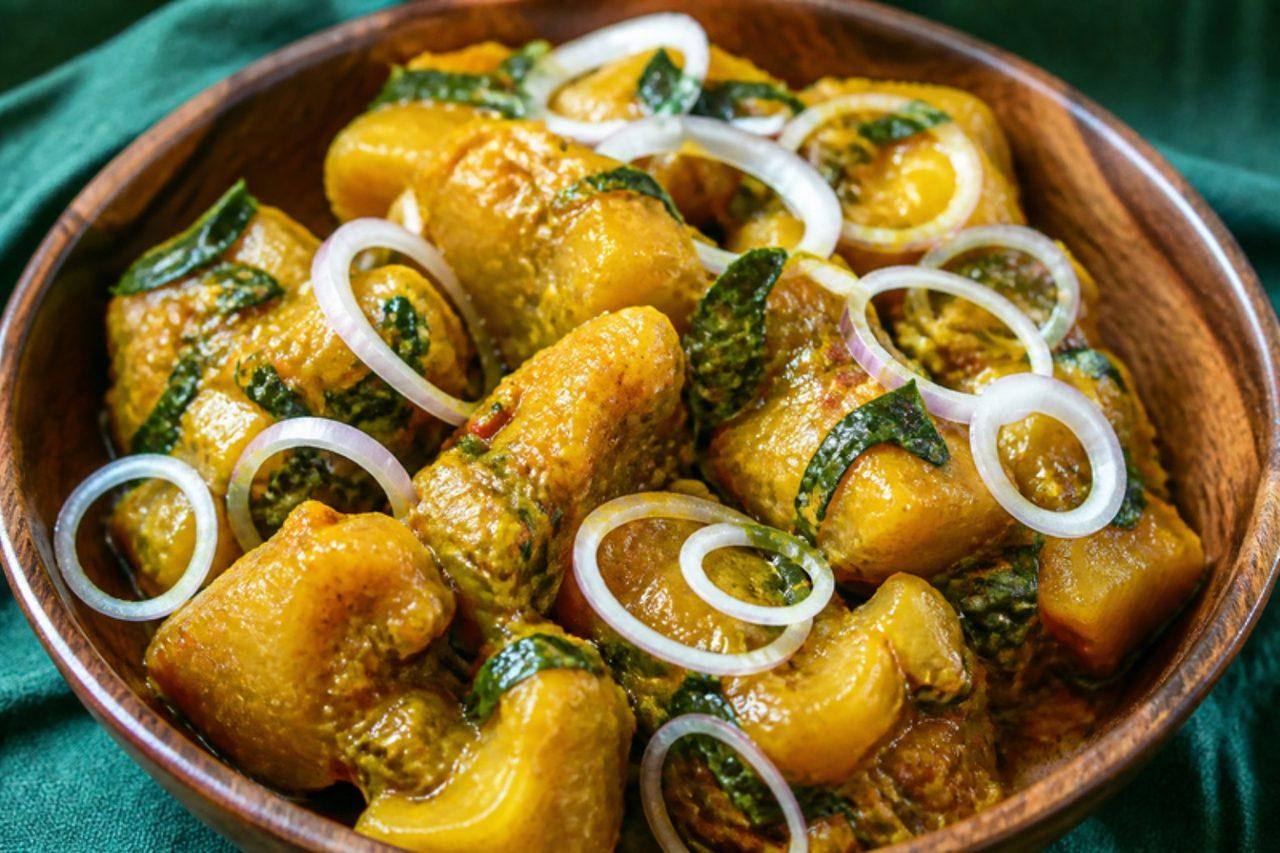
Pieces of cow foot, cooked for hours until gelatinous and sticky, are what make nkwobi so popular in bars and small restaurants across Anambra, Enugu and Lagos. The meat is tossed in the same kind of thick, peppery palm-oil and potash sauce used for isi ewu, spiked with ehuru and crayfish, then finished with sliced onion and bitter utazi leaves. It is eaten as an evening dish in its wooden bowl, slowly, with plenty of conversation. Undercooking the cow foot is the mistake to avoid; it should be soft enough to pull from the bone with a fork, so give it the full time or use a pressure cooker. Chef's tip: add the potash liquid to the oil slowly and stop when the sauce is thick, as too much potash makes it taste soapy.

170 minNigerianMeatGluten freeSpicy
by KrazyBadal 0 views

Banga soup with fresh catfish

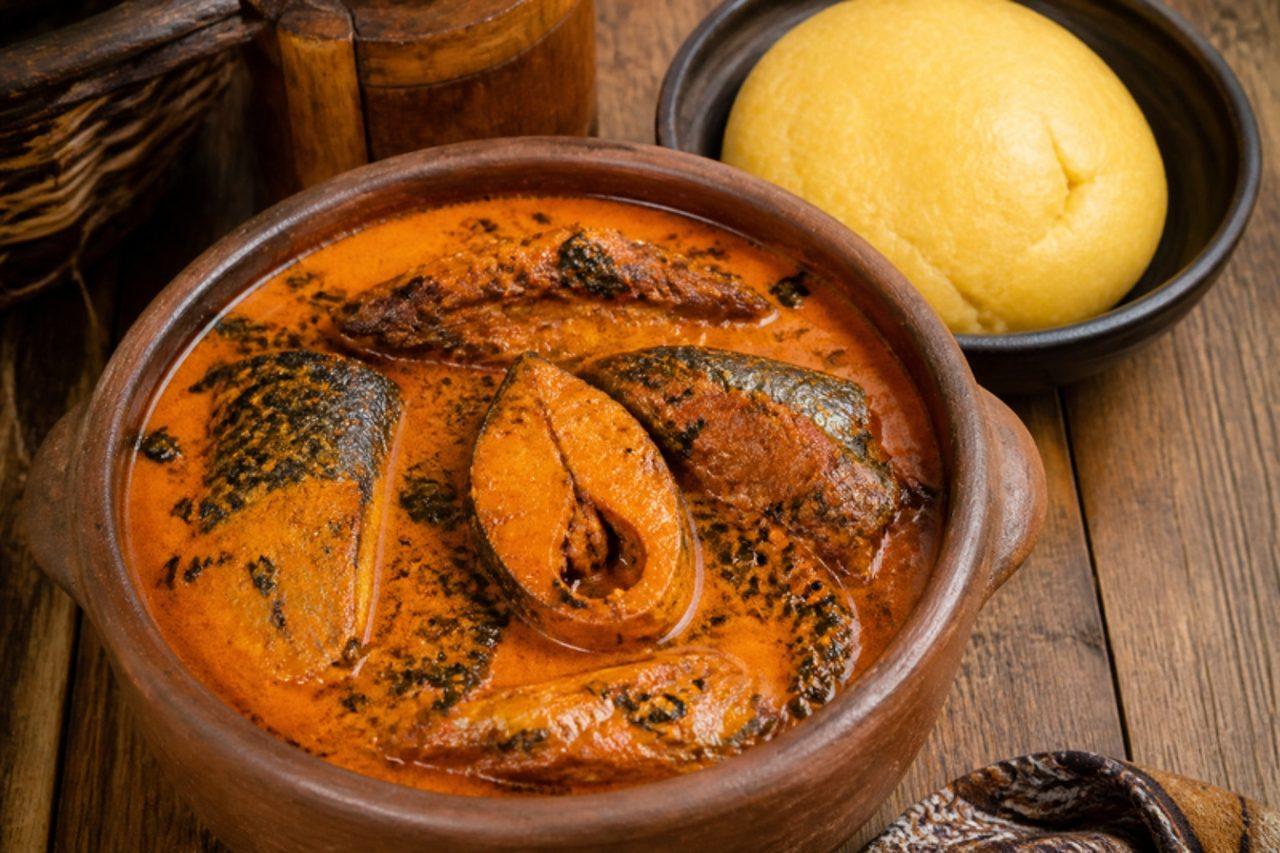
Across Warri, Sapele and the Urhobo and Itsekiri towns of Delta State, a pot of banga is what Sunday lunch smells like: fresh palm fruit boiled and pounded into a rich orange cream, then simmered with the region's own banga spice and the dried, slightly minty beletete leaf. Fresh catfish is the favourite fish, cooked gently so the steaks stay whole in a soup that is thick enough to coat a spoon but never pasty. It is eaten with Delta starch, eba or plain boiled rice, and leftovers often become 'banga rice' the next day. Tinned palm-fruit concentrate saves hours and gives a very good result. Chef's tip: once the fish goes in, shake the pot by its handles instead of stirring, so the soft catfish does not break into shreds.

by KrazyBadal 0 views

Owo soup with fish

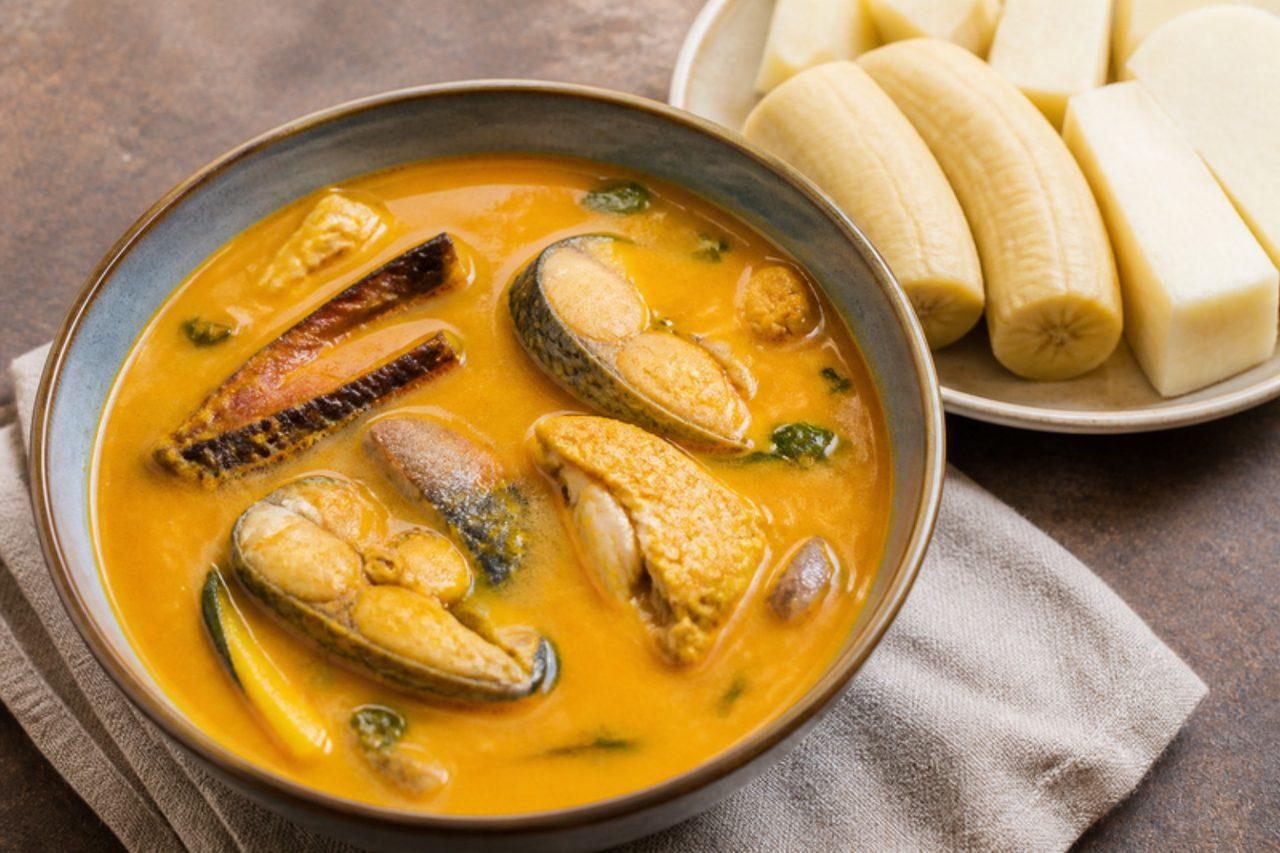
Owo looks almost like custard: palm oil is whisked with a little potash water until it turns from red to a creamy yellow, then thickened with cassava starch and seasoned with crayfish and pepper. Urhobo and Isoko homes in Delta State serve it with boiled unripe plantain or yam, which you dip and scoop rather than swallow, and it is a favourite on market days because it is quick once the fish is ready. Fresh or smoked fish both work; many cooks use both. Too much potash makes the soup soapy and bitter, so add the strained potash water little by little and stop as soon as the colour changes. The usual mistake is pouring in the potash too fast, which splits the palm oil instead of turning it smooth and yellow. Chef's tip: mix the starch with cold water first, then pour it into the pot in a thin stream while stirring, or it will set in lumps.

by KrazyBadal 0 views

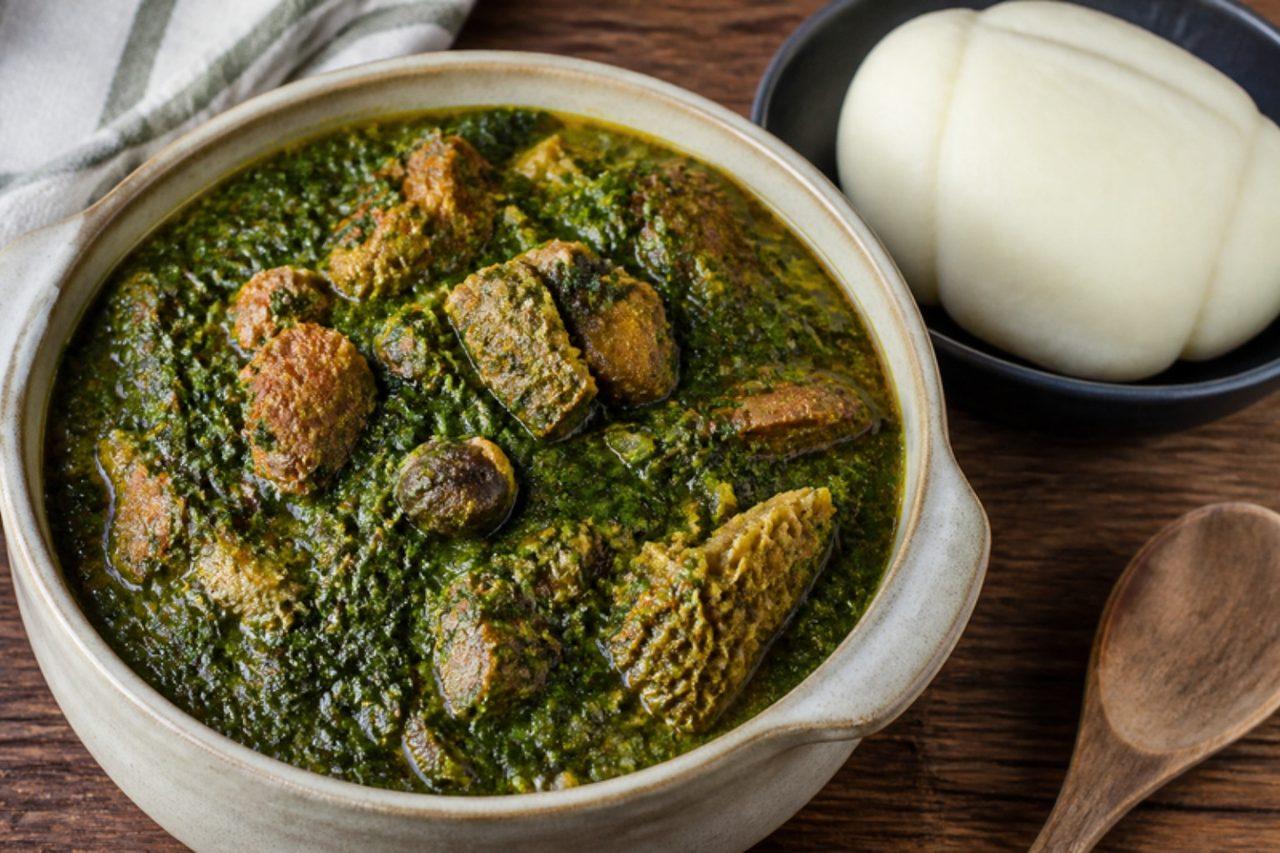
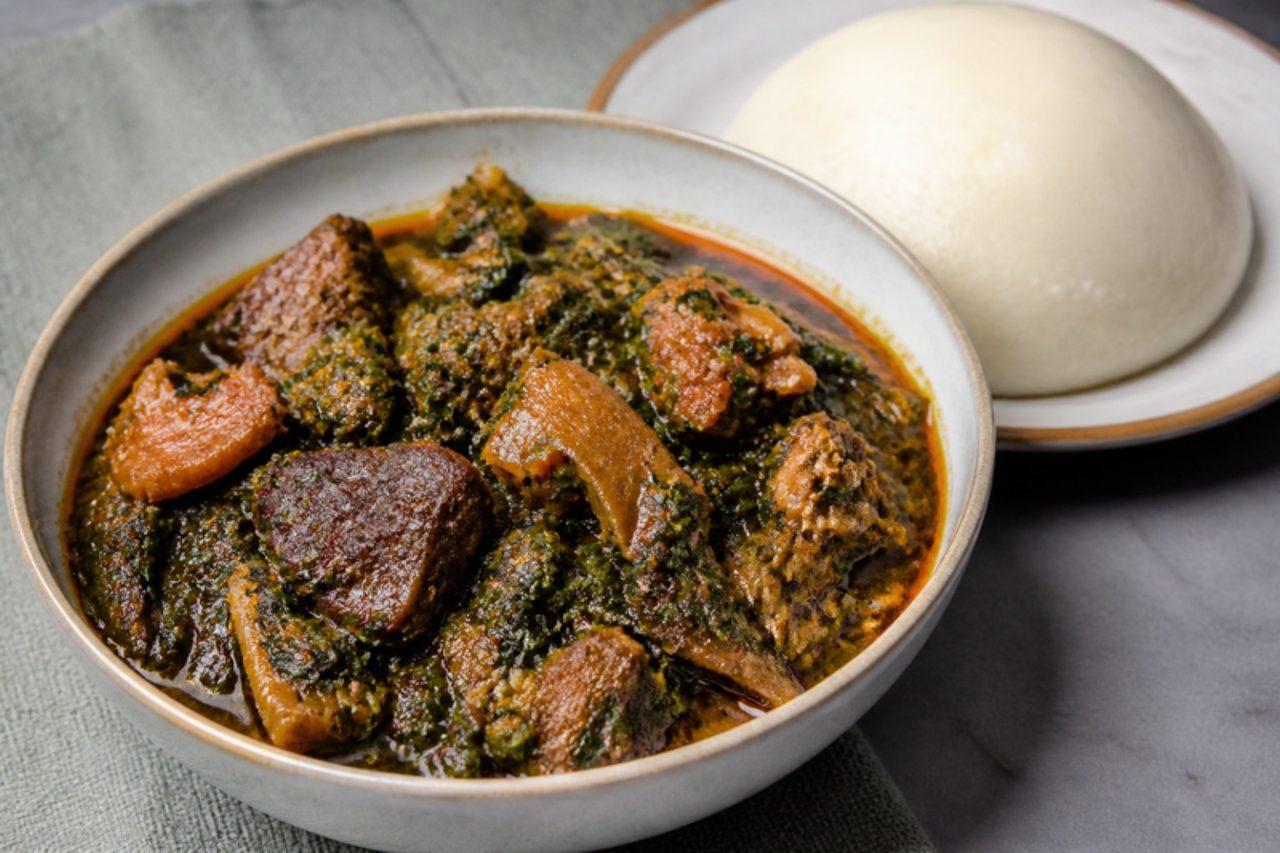
Afang soup

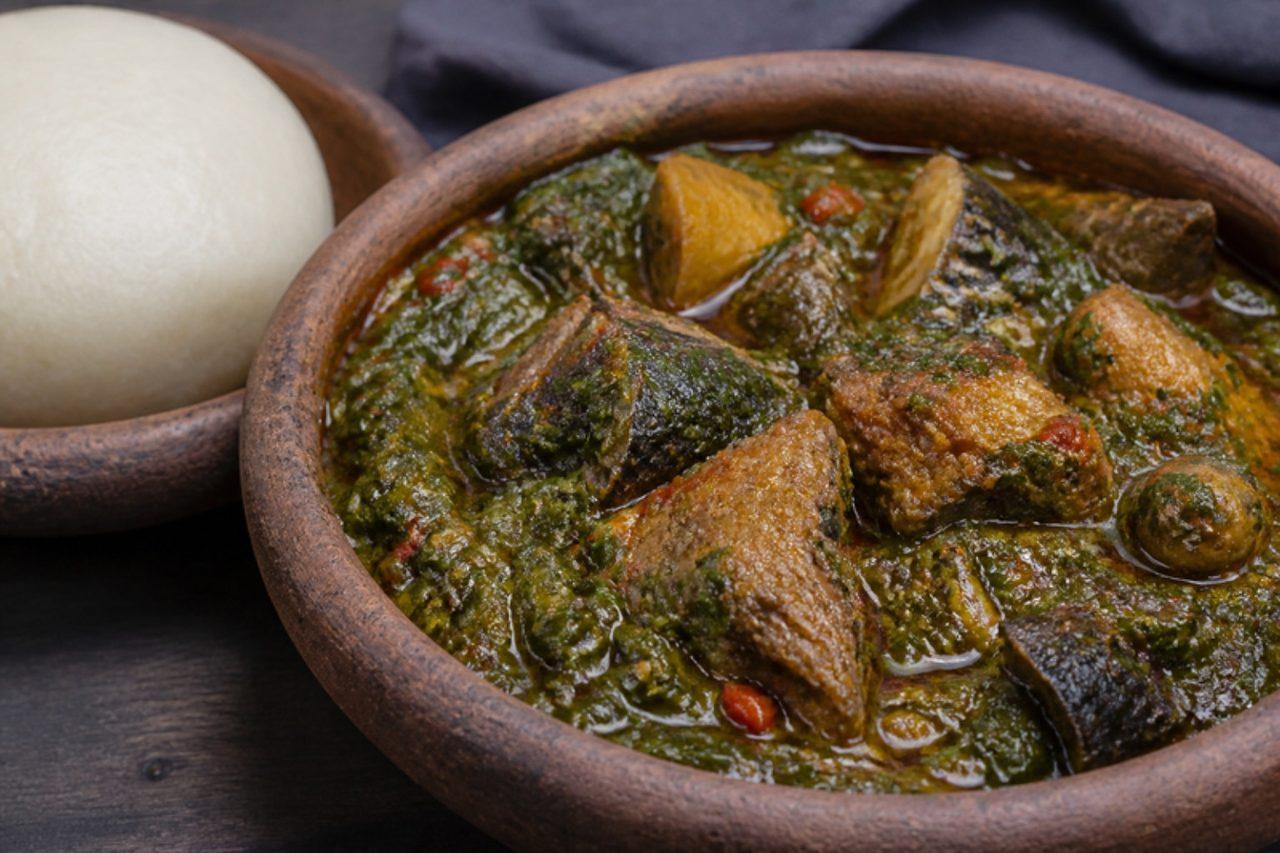
Ask anyone from Calabar or Uyo what to serve a guest and afang will come up first. Finely shredded afang leaves, chewy and a little nutty, are cooked down with a mountain of waterleaf, palm oil, beef, cow skin, stockfish and periwinkles, and the waterleaf gives off all the liquid the soup needs. It is thick, dark green and deeply savoury, and it goes with pounded yam, fufu or eba. Outside Nigeria, frozen ground afang (also sold as okazi) and spinach stand in well. Periwinkles must be bought cleaned from a reputable seller; discard any with cracked shells or an off smell. Chef's tip: never add water to afang; if it looks dry, cover the pot for a minute and the waterleaf will release more.

by KrazyBadal 0 views

Edikang ikong

Edikang ikong is the soup of celebrations in Calabar: weddings, Christmas and the visits of in-laws, when the pot is crowded with assorted meat, stockfish, dried fish and periwinkles. The base is two leaves, ugu (fluted pumpkin) for body and colour, and waterleaf for moisture, cooked so briefly that the soup stays bright green and fresh-tasting under the palm oil. Serve it with pounded yam, fufu or garri. If you cannot find ugu, use spinach mixed with a little kale. Buy periwinkles cleaned from a trusted seller and throw out any with broken shells. Chef's tip: add the ugu last, off a high heat, and stop after three or four minutes; the usual mistake is stewing it until it goes black and slimy.

by KrazyBadal 0 views

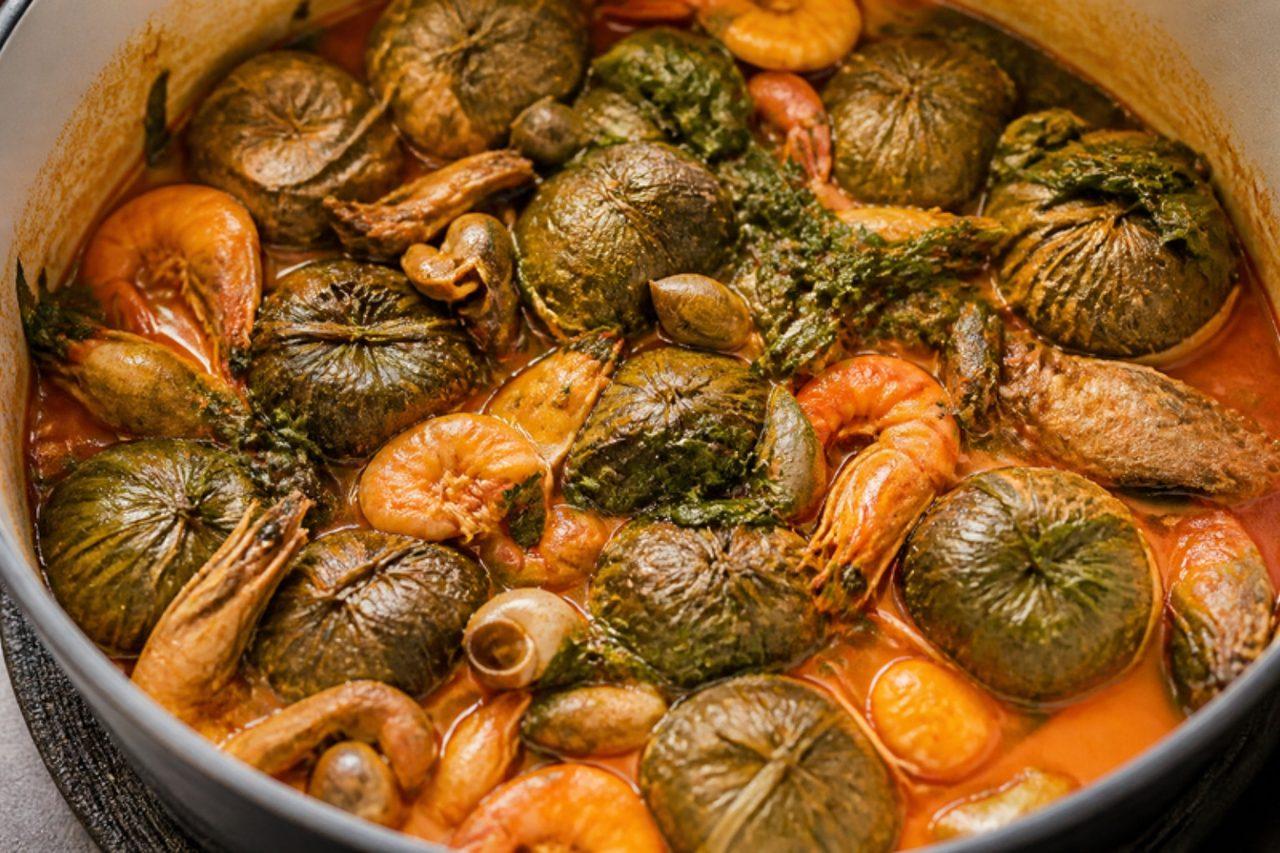
Ekpang nkukwo

Patience is the main ingredient of ekpang nkukwo, a festive dish of the Efik and Ibibio of Calabar and Akwa Ibom. Grated cocoyam and unripe plantain are rolled into little leaf parcels, stacked in a pot and cooked slowly in a broth of palm oil, periwinkles, prawns, smoked fish and pepper until the parcels set into soft, sliceable rolls in a thick, orange sauce. It is a meal in itself, often made for Christmas and family gatherings. Cocoyam leaves are traditional; large spinach or chard leaves work if you blanch them first. Raw cocoyam can itch the skin, so wear gloves to grate it, and cook the dish fully. Chef's tip: do not stir until the parcels have cooked for at least 25 minutes, or they will unroll and dissolve into the broth.

120 minNigerianFishGluten free
by KrazyBadal 0 views

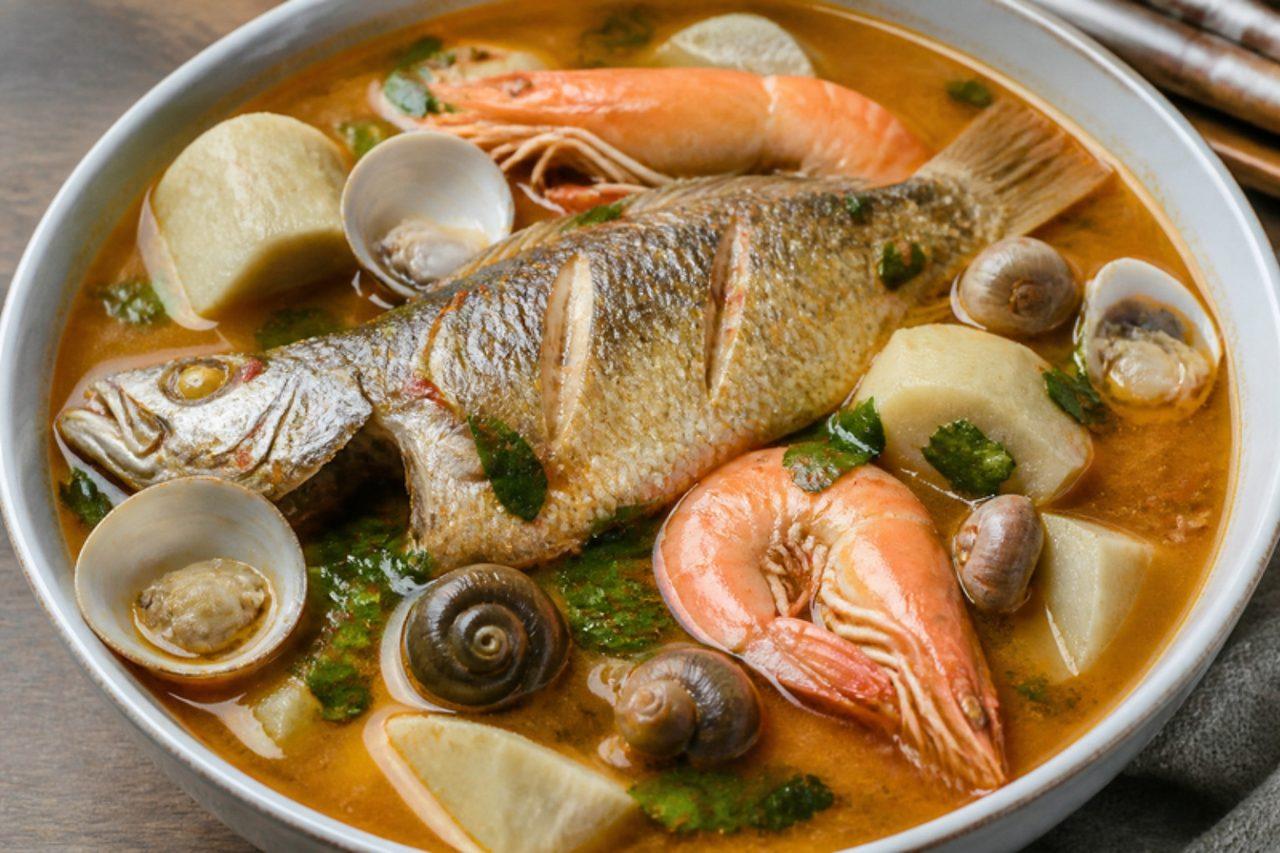
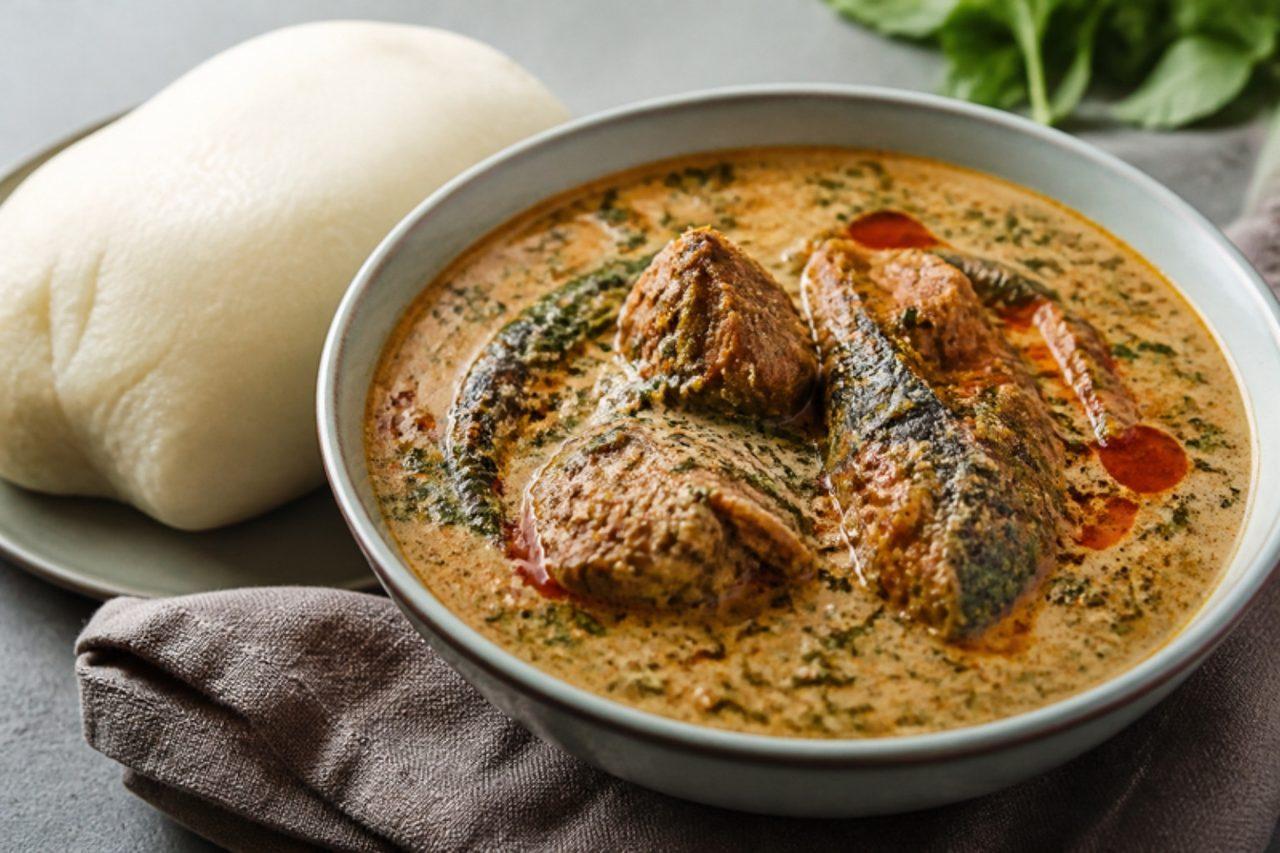
Fisherman soup

Fishing families in the creeks of Rivers and Bayelsa made this soup from whatever came in on the boat, and it is still the pride of Port Harcourt and Yenagoa kitchens. Unlike heavier Nigerian soups it is light and brothy, just thickened with a little cocoyam paste, so the sweetness of fresh fish, prawns and periwinkles comes through the scotch bonnet heat and the scent leaf. Eat it with boiled yam, plantain or a light swallow such as eba or starch. Buy shellfish from a reputable fishmonger, discard any periwinkles with broken shells, and if you add clams, throw away any that stay open when tapped before cooking or stay shut after. Chef's tip: add the seafood in order of cooking time, fish first and prawns last, so nothing turns rubbery.

by KrazyBadal 0 views

Atama soup

From Abak and the Ibibio heartland of Akwa Ibom comes this palm-nut soup with a perfume all its own: atama leaves, which smell somewhere between mint, anise and fresh hay. The palm cream is cooked with assorted meat, stockfish, dried fish and periwinkles until the oil glistens on top, then the atama goes in near the end. It is weekend and visitors' food, eaten with pounded yam, fufu or eba. Dried atama is sold in African shops; dried tarragon is the closest substitute. Periwinkles should be bought cleaned, and any with cracked shells thrown away. Avoid adding the atama leaves too early: long boiling dulls their perfume. Chef's tip: go easy on the atama, as too much turns the soup bitter, so start with the amount below and taste before adding more.

by KrazyBadal 0 views

Ocho beniseed soup

Beniseed, the local name for sesame, grows widely in Benue, and the Idoma turn it into ocho: a creamy, nutty soup thickened with the ground seeds, cooked with beef, dried fish and green leaves. It has a gentle, toasty flavour and a slightly grainy, pleasant texture, and it is eaten with pounded yam, often at family gatherings and festive meals. Cooks vary the leaves; spinach or ugu are easy to find. Some families add palm oil and some leave it pale; this version uses a little. Chef's tip: toast the beniseed in a dry pan only until it smells nutty and turns light gold; the common mistake is letting it go brown, which makes the whole pot bitter.

by KrazyBadal 0 views

Ogbono soup

Ogbono is cooked all over Nigeria, from Enugu and Onitsha to Lagos canteens, and its stretchy, 'drawy' texture is the whole point: the ground seeds of the wild bush mango thicken the soup into silky strands that slide down with eba, fufu or pounded yam. The flavour is earthy and nutty, rounded out with palm oil, crayfish, stockfish and assorted meat, and finished with a handful of ugu or bitter leaf. It is a quick soup once the meat is cooked and a weekday favourite. Ground ogbono is sold in African shops; buy it fresh, as stale ogbono tastes musty. Chef's tip: dissolve the ogbono in warm palm oil off the heat before adding the stock, so it melts into the soup without lumps.

by KrazyBadal 0 views

Ofe okazi

Okazi soup belongs to the Igbo southeast, from Owerri and Aba to Nsukka, and it is weekend food, cooked when the whole family is home. Shredded okazi leaves (the same plant called afang in Calabar) give a pleasant chew and a faintly nutty, bitter edge; the soup is thickened with pounded cocoyam and enriched with palm oil, crayfish, stockfish and beef. Many cooks add waterleaf or ugu for softness. Eat it with garri, fufu or pounded yam. Dried okazi is easy to find in African shops but needs soaking. Chef's tip: soak dried okazi in warm water for 15 minutes before adding it; leaving it dry is the usual mistake and gives a woody, gritty soup.

by KrazyBadal 0 views

Goes well with crayfish