
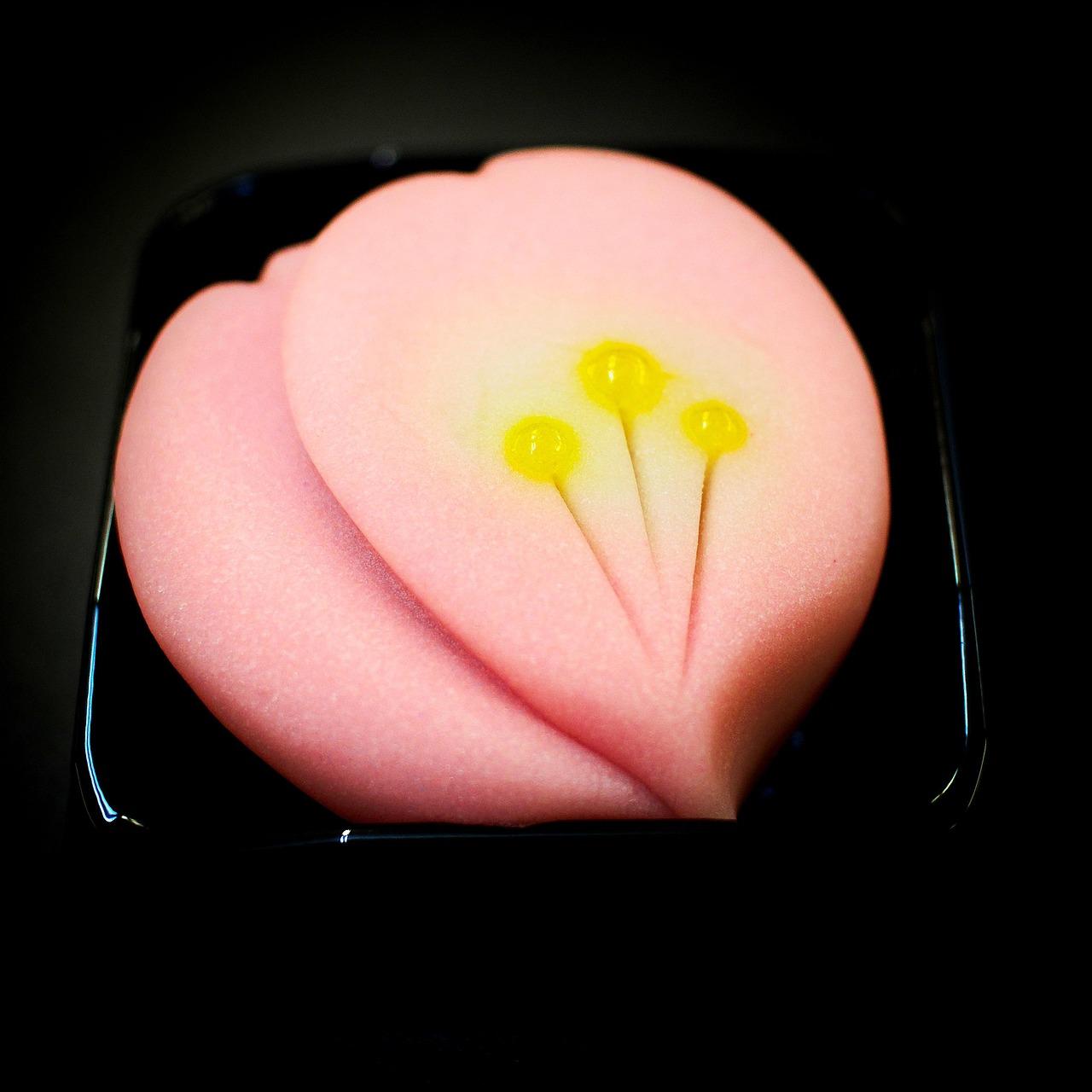
Nerikiri (hand-shaped bean paste flowers)
Seasonal flower sweets of white bean paste and rice-flour gyuhi around a red bean centre


Nerikiri are the jewel-like sweets of the tea ceremony in Kyoto and Tokyo, shaped by hand into the flower, leaf or fruit of the season: cherry blossom in April, hydrangea in June, chrysanthemum in autumn. Each is served alone on a small plate before thick matcha, cut with a pick. The dough is white bean paste kneaded with gyuhi, a soft paste of glutinous rice flour and sugar, and it feels like fine modelling clay, smooth and gently sweet, wrapped around a centre of red bean paste. They are naturally egg-free: the gyuhi gives the bean paste stretch and holds the carved shapes, so no other binder is needed. This simple five-petal flower is a good first shape. Chef's tip: dry the white bean paste well before adding the gyuhi; the common mistake is a soft, wet dough that slumps and loses its petals within minutes.
- Total time
- 90 min
- Difficulty
- hard
- Serves
- 8
Ingredients
For the gyuhi
- 1 ½ tbsp water
- ⅔ oz granulated sugar
For the dough and filling
- 1 pinch yellow food colouring or a pinch of kinako (optional)
Shop this recipe on Amazon
What you'll need
Spices & pantry
Links open Amazon in a new tab. As an Amazon Associate, WhatToEat.Today earns from qualifying purchases.
Method
0/10 doneStep 1: Mix ⅓ oz glutinous rice flour (shiratamako) with 1 ½ tbsp water in a small heatproof bowl until smooth, then stir in ⅔ oz granulated sugar.
Step 2: Microwave for 30 seconds, stir, then 20 seconds more, until thick, glossy and translucent. (Or stir in a small pan over a low heat for 3–4 minutes.)
2 minStep 3: Spread 10 ½ oz smooth white bean paste (shiro-an) in a heatproof dish and microwave in 1-minute bursts, stirring between each, for 4–6 minutes, until it no longer sticks to a clean finger. Or stir it in a non-stick pan over a low heat.
6 minStep 4: Add the hot gyuhi to the bean paste and knead with a spatula until completely smooth.
Step 5: Tear the dough into small pieces on a clean tea towel to cool for 5 minutes, then gather and knead it with your hands until it feels like soft clay. Repeat once more.
10 minStep 6: Roll 5 ½ oz smooth red bean paste (koshi-an) into 8 balls of 20 g. Take 30 g of the dough and tint it with 1 pinch pink food colouring or beetroot powder; leave the rest white.
Step 7: Divide the white dough into 8 and press a small piece of pink into each, then flatten each into a 7 cm disc with the pink in the centre.
Step 8: Wrap each disc around a red bean ball, pink side out, and roll gently into a smooth, slightly flattened round.
Step 9: Press the blunt edge of a knife or a triangular stick into the sides at five evenly spaced points to make petals, then press a small dimple in the centre.
Step 10: Finish each flower with a few crumbs of white dough pushed through a fine sieve, tinted with 1 pinch yellow food colouring or a pinch of kinako, for stamens. Rest 30 minutes before serving; they keep 2 days, covered, at cool room temperature.
30 min
Nutrition per serving
- Calories
- 150 kcal
- Protein
- 3 g
- Carbs
- 33 g
- Fat
- 0 g
- Fibre
- 3 g
Nutrition values are estimates.
KrazyBadal
Good to know
- How long does nerikiri (hand-shaped bean paste flowers) take?
- About 90 minutes in total: 75 minutes to prepare and 15 minutes to cook.
- How many people does it serve?
- 8 as written. Change the servings above the ingredients and every amount scales to match.
- Is it vegan?
- Yes. It has no meat, fish, dairy or eggs.
- Is it gluten free?
- Yes, as written. Check the labels on stock, sauces and spice mixes, which sometimes contain gluten.
- Can I make it ahead?
- Yes. It keeps well, so you can cook it earlier in the day or the day before and reheat it.
- What can I use instead of granulated sugar?
- Caster sugar, same amount.
Reviews
No reviews yet. Be the first to cook it.
Rate this recipe
Sign in to rate and review this recipe.
You might also like
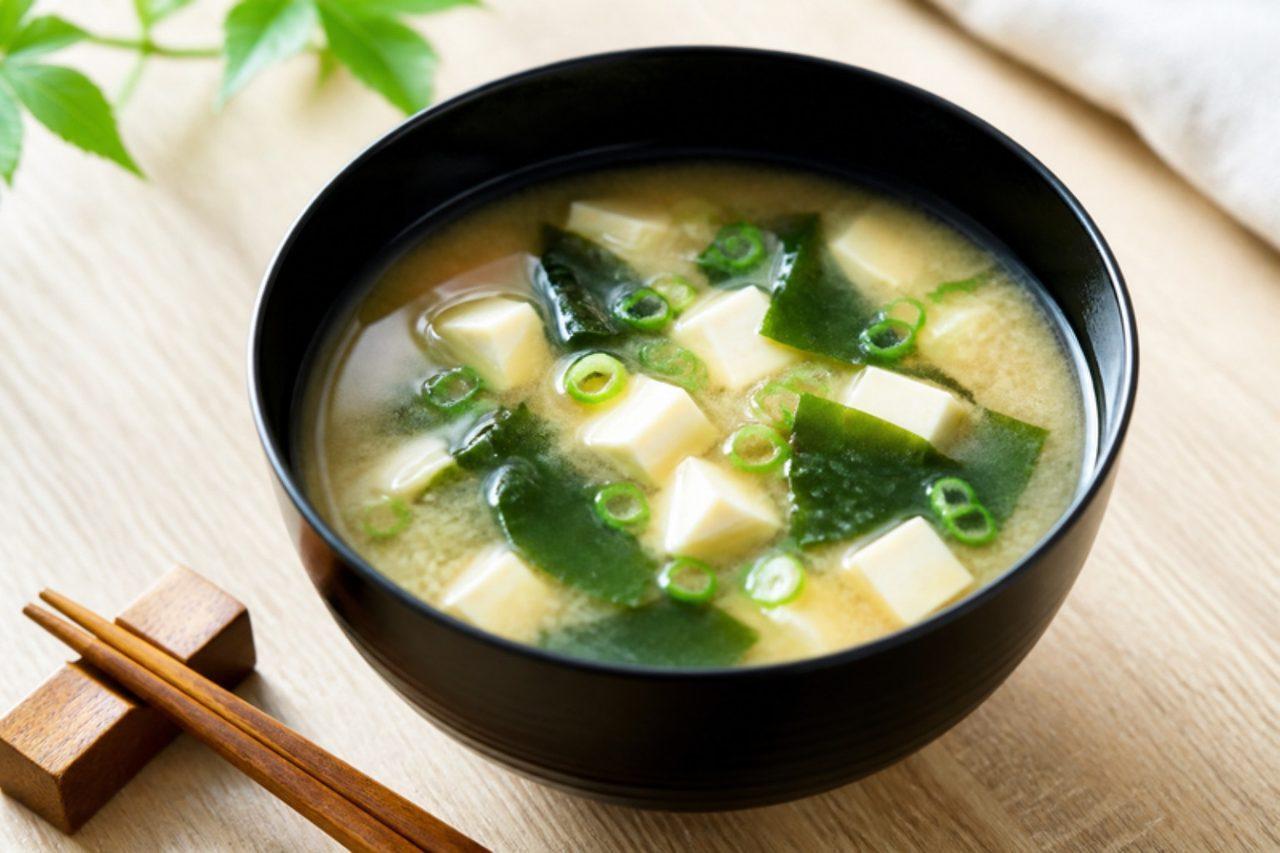
Miso soup
Miso soup (味噌汁) is drunk every day in homes all over Japan, at breakfast as well as dinner, beside a bowl of rice. The base is dashi; this vegan version uses kombu and dried shiitake instead of bonito, which gives it a deep, rounded flavour. Silken tofu and wakame seaweed are the classic fillings. It takes ten minutes; just remember not to boil the miso. Chef's tip: add the miso at the very end and never let it boil. Boiling kills the miso's fresh, fermented aroma; Japanese cooks say the soup should only 'smile', with the surface barely trembling.

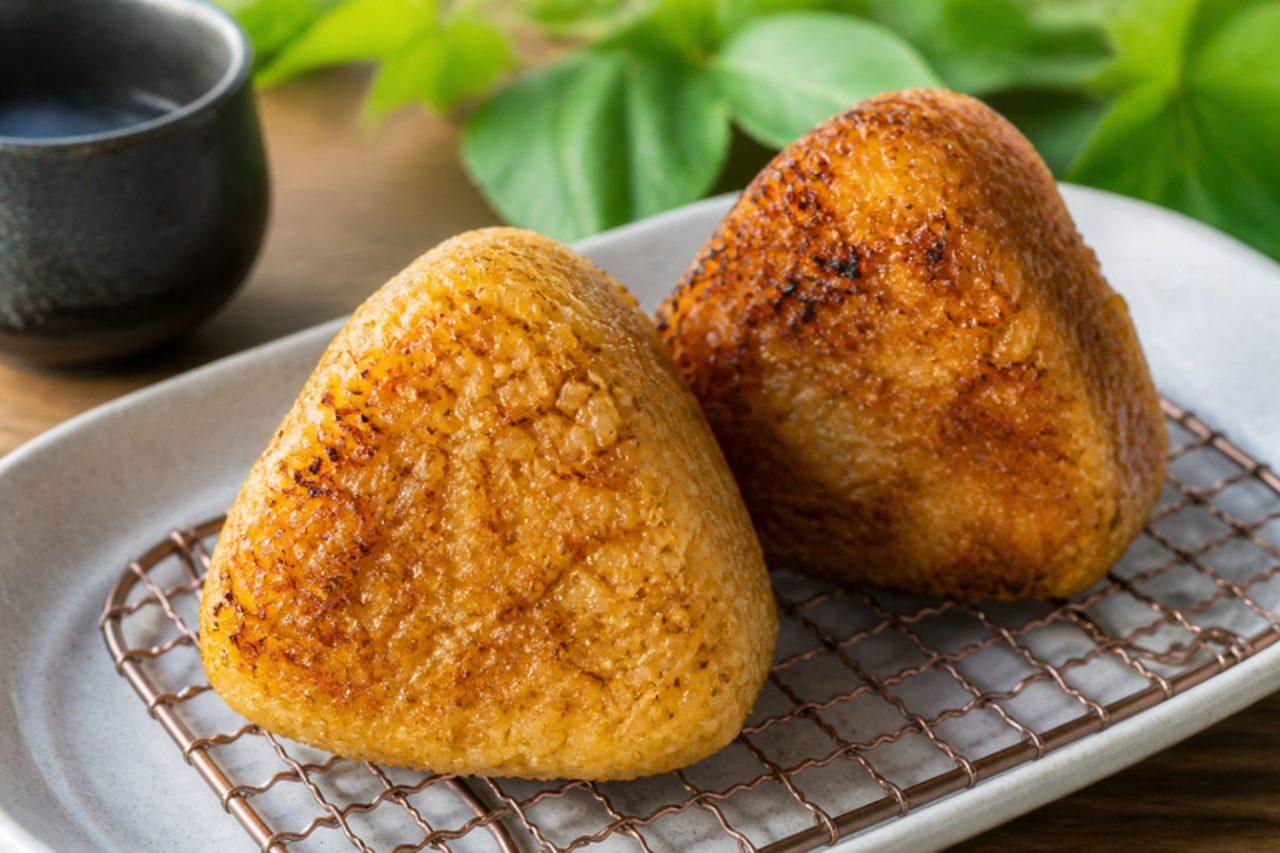
Yaki onigiriGrilled rice balls
Yaki onigiri (焼きおにぎり) are rice balls grilled until they form a crisp, toasty crust, then brushed with soy sauce glaze. They are eaten all over Japan, at izakaya, at barbecues and from the freezer section, as a snack or with miso soup. The inside stays soft and steamy while the outside crackles. Best eaten hot, straight from the pan. Chef's tip: let the shaped rice balls dry for 10 minutes before they go in the pan. A drier surface forms a better crust and won't stick, and the glaze goes on only at the end so it doesn't burn.
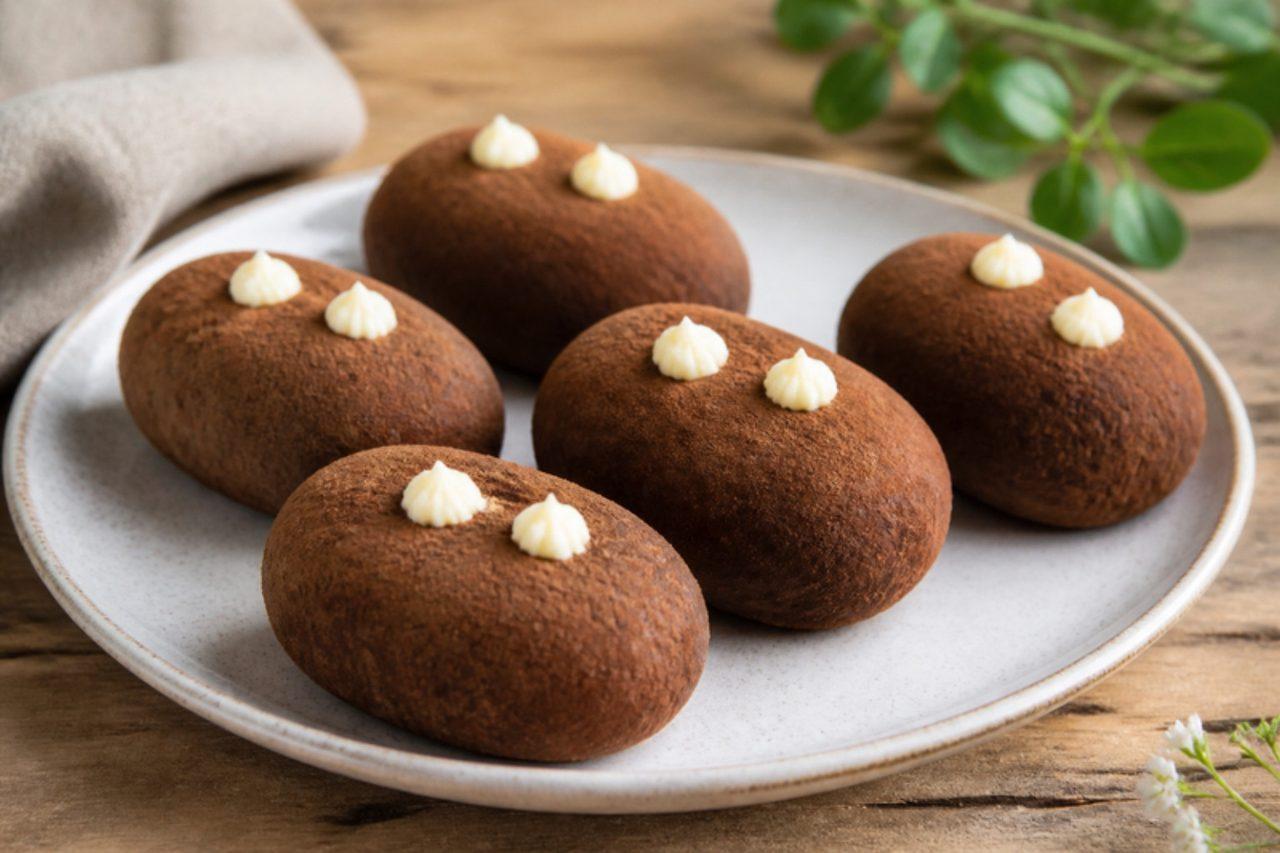
Kartoshka cakeCocoa and cake crumb truffles
Soviet cafés and school canteens sold these knobbly brown 'potatoes' for a few kopecks, and they began as a thrifty way to use up sponge and biscuit trimmings at the bakery. Crumbs are bound with butter and sweetened condensed milk, flavoured with cocoa and vanilla, shaped into little potatoes, rolled in cocoa and finished with two dabs of pale butter cream for the sprouts. They are fudgy and dense like a brownie truffle, need no oven, and children love making them. Traditional bakers added a spoonful of rum, an optional extra for adult batches only; this version is alcohol-free with vanilla. The usual slip is coarse crumbs, which make the potatoes crack, so blitz them as fine as sand. Chef's tip: chill the shaped potatoes for at least 20 minutes so they hold their shape and slice cleanly.
 Russian