
AI-generated image
Moode
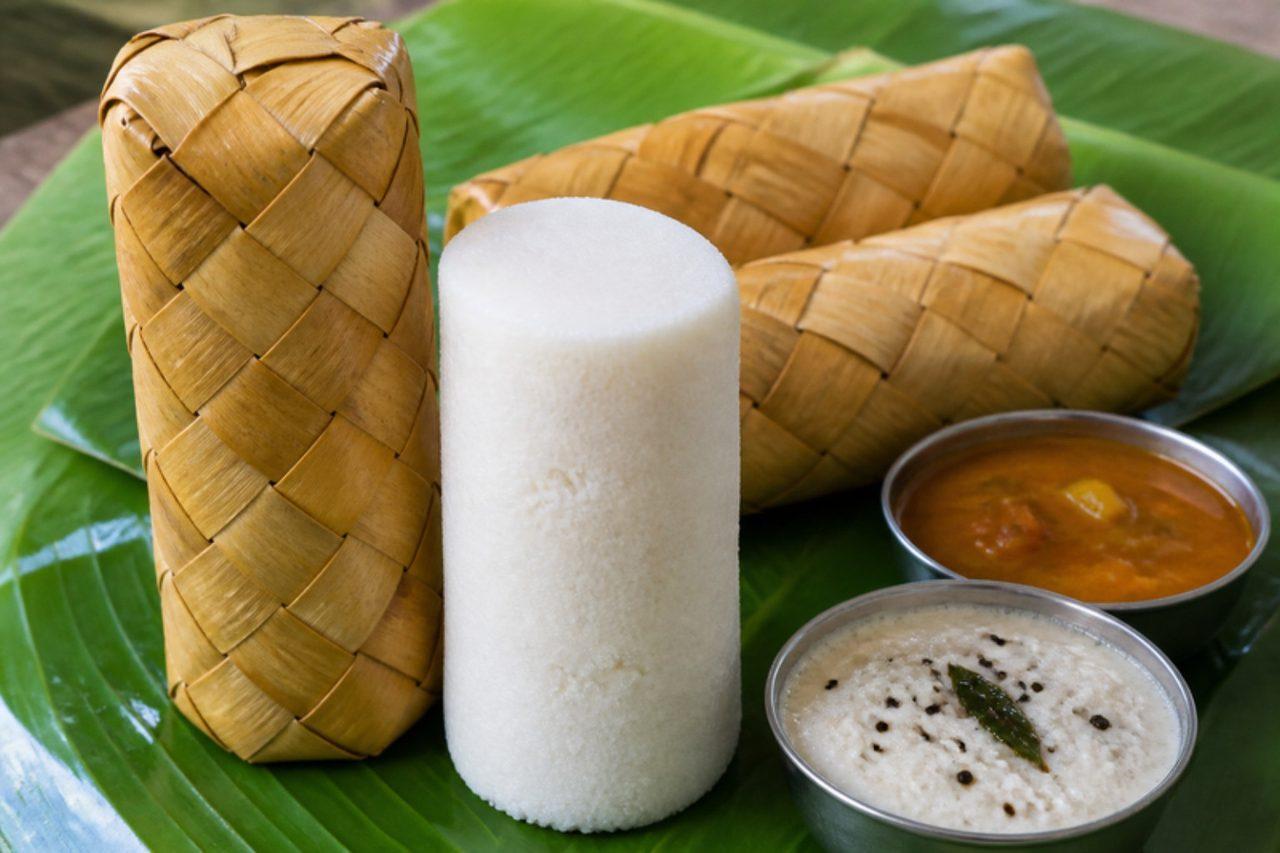
Steamed idli in leaf cylinders
ಮೂಡೆ: tall Udupi idli cylinders steamed in woven screwpine leaves (plus 5 hours soaking and 10 hours fermenting)


Moode is the festive idli of Mangaluru and Udupi, made for Krishna Janmashtami, Ganesh Chaturthi and big family breakfasts. The batter goes into tall cylinders woven from kedige (screwpine) leaves, which perfume the soft, spongy rice cake with a floral scent you can't get any other way; markets on the coast sell the woven moulds ready to fill. Slice it into thick rounds and serve with coconut chutney, sambar or a spicy chana gassi. The common mistake is filling the leaf moulds to the brim: the batter rises as it steams and spills out, leaving a dense cake. Fill them only two-thirds full. Chef's tip: if you can't find screwpine leaves, roll banana leaves into tight cones and tie them with string; the shape and steaming are the same, only the scent is milder.
- Total time
- 60 min
- Difficulty
- medium
- Serves
- 6
Ingredients
For the batter
- 10 ½ oz idli rice (parboiled rice)
- 3 ½ oz whole skinned urad dal
- ½ tsp fenugreek seeds
- 1 ½ cups cold waterfor grinding, as needed
- 1 ½ tsp salt
For steaming
- 6 woven screwpine (kedige) leaf cylindersor banana leaves rolled into cones and tied
- 4 ¼ cups waterfor the steamer
Shop this recipe on Amazon
Links open Amazon in a new tab. As an Amazon Associate, WhatToEat.Today earns from qualifying purchases.
Method
0/8 doneStep 1: Rinse 10 ½ oz idli rice (parboiled rice) three times and soak in plenty of water. In a separate bowl rinse 3 ½ oz whole skinned urad dal with ½ tsp fenugreek seeds and soak them too. Leave both for 5 hours.
5 minStep 2: Drain the urad and fenugreek and grind with a little of the ½ cup cold water to a light, fluffy, very smooth batter. A spoonful dropped into a cup of water should float.
10 minStep 3: Drain the rice and grind it with the rest of the 1 cup cold water to a fine semolina-like texture, slightly coarser than the urad. Mix both batters in a large bowl with your hand for a minute; the warmth of your hand helps the ferment start.
10 minStep 4: Cover loosely and leave to ferment for 8-10 hours at 26-86°F, or up to 14 hours in a cold kitchen (an oven with only the light on works). It is ready when it has risen by about half, looks bubbly and smells pleasantly sour, not sharp or alcoholic. Stir in 1 ½ tsp salt.
2 minStep 5: Rinse the 6 woven screwpine (kedige) leaf cylinders and stand them upright in the steamer basket, wedging them close together so they don't tip over. Bring the 4 ¼ cups water to a boil in the steamer base.
5 minStep 6: Ladle the batter into each mould until two-thirds full. Don't fill higher: the batter rises as it cooks.
3 minStep 7: Cover and steam over medium-high heat for 25-30 minutes. A skewer pushed through the leaf into the centre should come out clean, and the top should feel springy.
30 minStep 8: Rest for 5 minutes, then peel away the leaf and cut the moode into thick rounds. Serve warm.
5 min
Nutrition per serving
- Calories
- 230 kcal
- Protein
- 7 g
- Carbs
- 47 g
- Fat
- 1 g
- Fibre
- 3 g
Nutrition values are estimates.
KrazyBadal
Good to know
- How long does moode take?
- About 60 minutes in total: 25 minutes to prepare and 35 minutes to cook.
- How many people does it serve?
- 6 as written. Change the servings above the ingredients and every amount scales to match.
- Is it vegan?
- Yes. It has no meat, fish, dairy or eggs.
- Is it gluten free?
- Yes, as written. Check the labels on stock, sauces and spice mixes, which sometimes contain gluten.
- What can I use instead of idli rice (parboiled rice)?
- Any long-grain rice, same amount.
- What can I use instead of fenugreek seeds?
- Leave them out, or add a little extra mustard seed (you lose the slightly bitter, maple-like note).
Reviews
No reviews yet. Be the first to cook it.
Rate this recipe
Sign in to rate and review this recipe.
You might also like
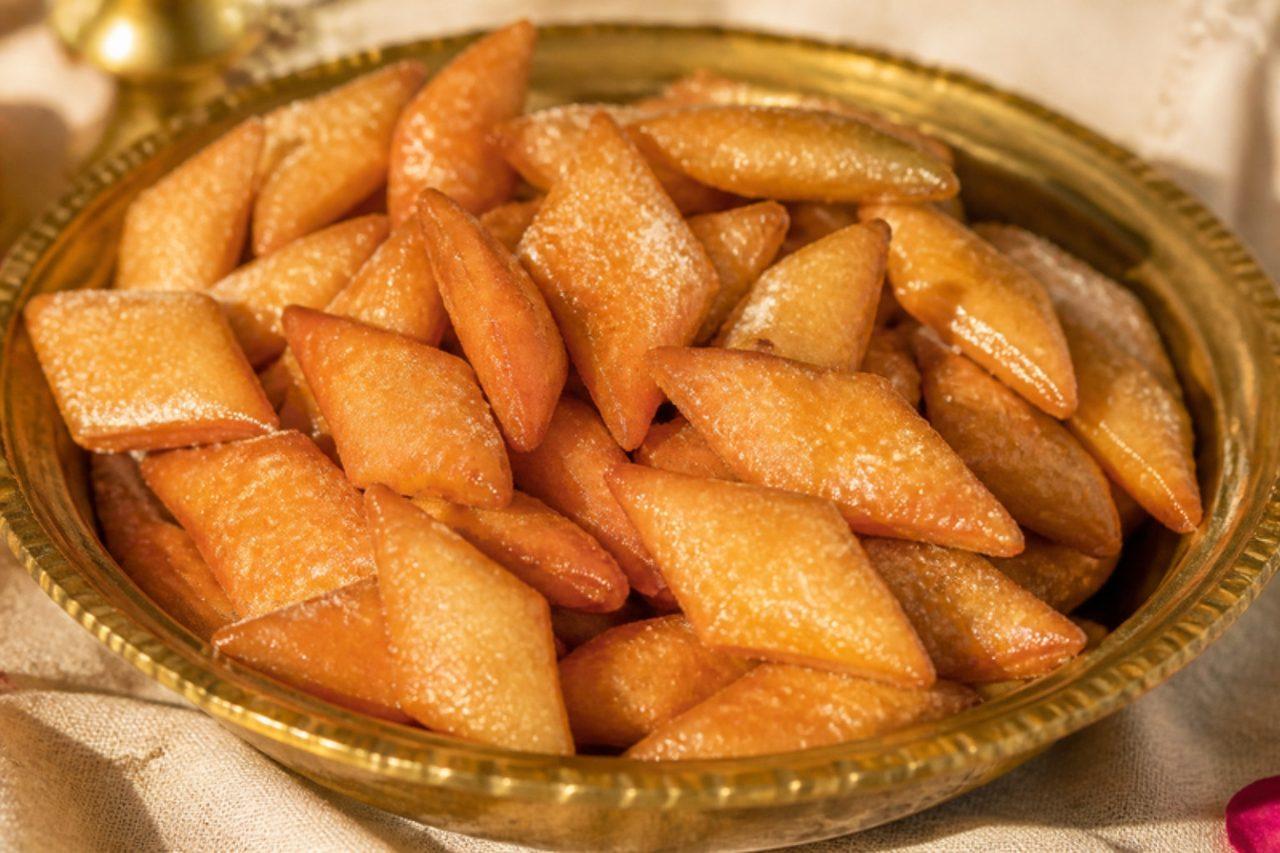
SakarpadaSweet fried dough diamonds
Sakarpada (shakarpara) are little sweet diamonds of a rich dough made with ghee, milk and sugar, fried until golden and crunchy. They are a Diwali favourite with tea, and the cubes go into bhusu too. They keep for weeks in an air-tight tin.
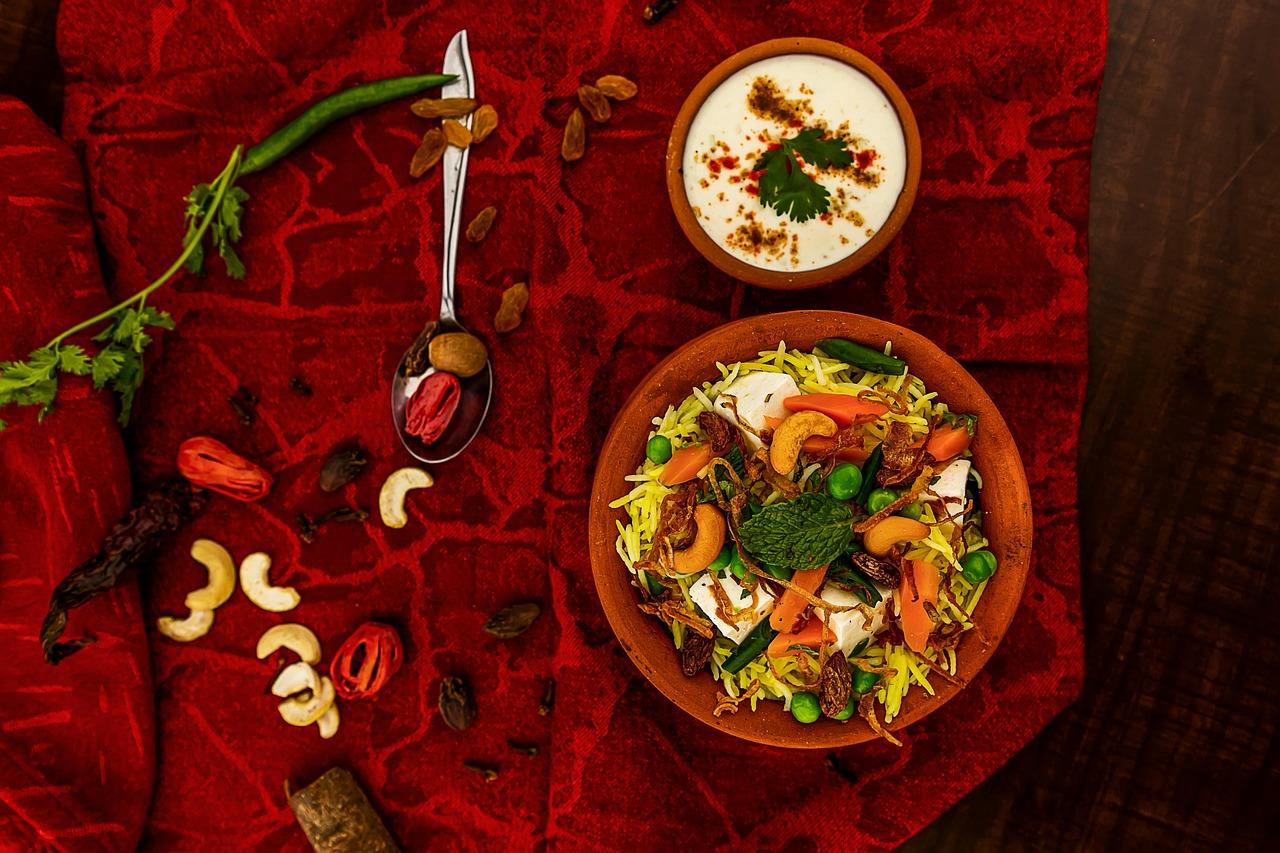
Paneer biryaniRice and moong dal in coconut milk
A mild, creamy biryani: rice and husked green gram roasted in ghee, then cooked in coconut milk with peas, carrots, potatoes, peanuts and cashews, and finished with soft fried paneer and a fresh coriander yogurt. Serve hot, garnished with more fried cashews and paneer.

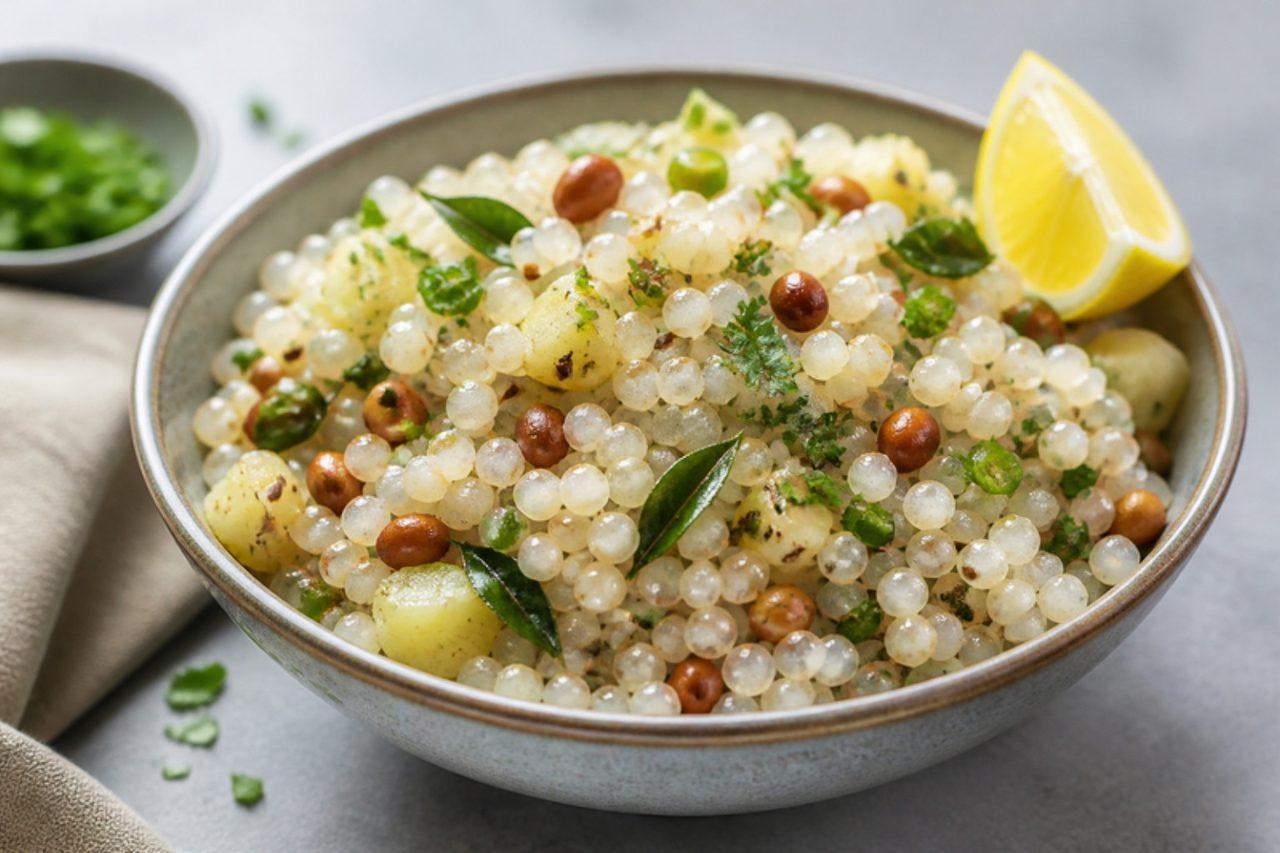
Sabudana khichdiSago with peanuts and potato
Sabudana khichdi is the dish that sees Maharashtra through every vrat (fast), from Navratri to Ekadashi, but it's so good that people eat it any day of the week. Soaked sago pearls are tossed in a pan with crushed roasted peanuts, cubes of potato, cumin and green chilli until each pearl turns glassy and separate, then finished with lemon and coriander. It's soft, chewy, nutty and gently hot. Fasting rules vary from family to family, so check yours; this version uses rock salt and no asafoetida, onion or garlic. Traditionally it's cooked in ghee; use ghee instead of oil if you aren't keeping it vegan. Chef's tip: soak the sago in just enough water to cover by the height of the pearls themselves, no more; too much water is the reason khichdi turns into one sticky lump.
