Skip to content

Recipes with whole skinned urad dal

14 recipes that use whole skinned urad dal, with photos, step-by-step instructions and cook times. The quickest, Sunnundalu, takes 30 minutes. It is most often cooked with raw rice, green cardamom and sunflower or groundnut oil.

Got a few things in the fridge? Search by everything you have

Kanchipuram idliSpiced temple idli

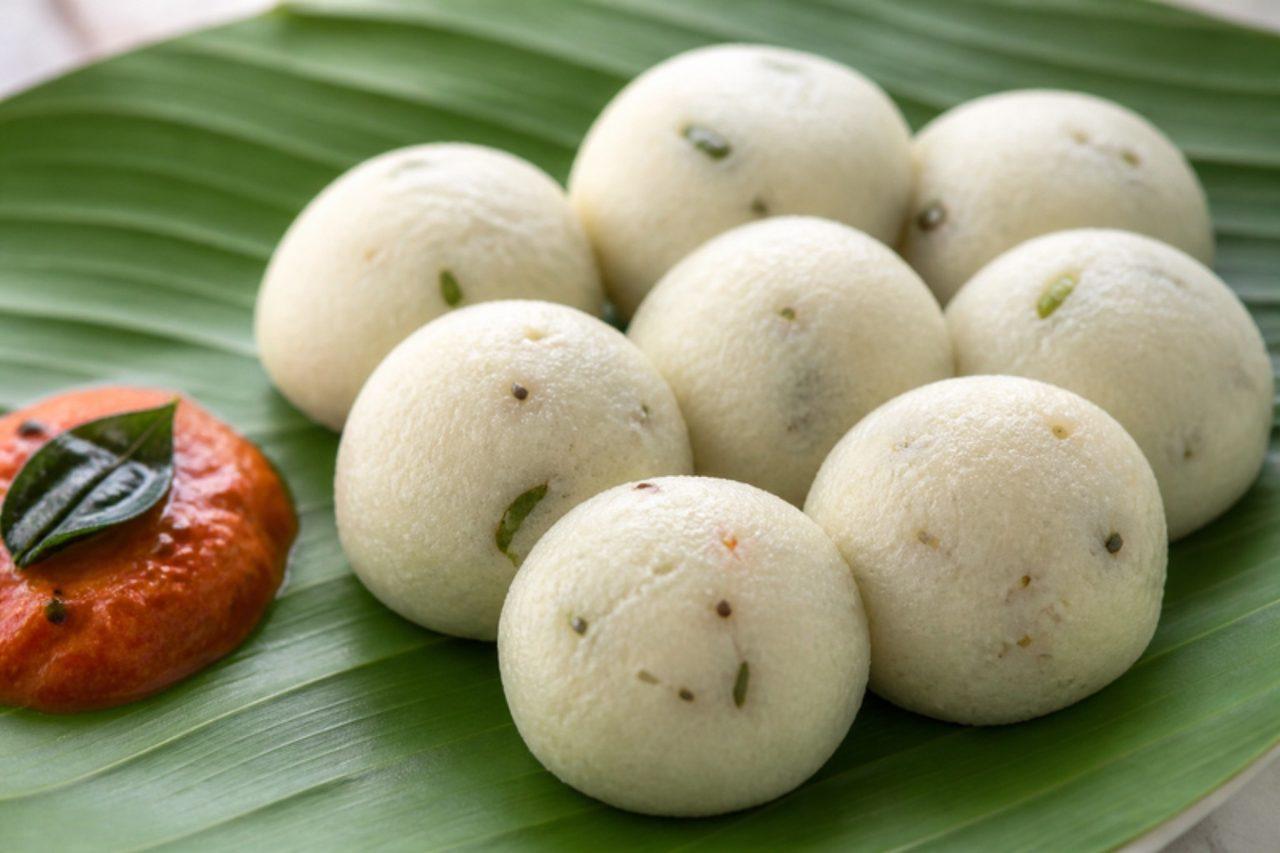
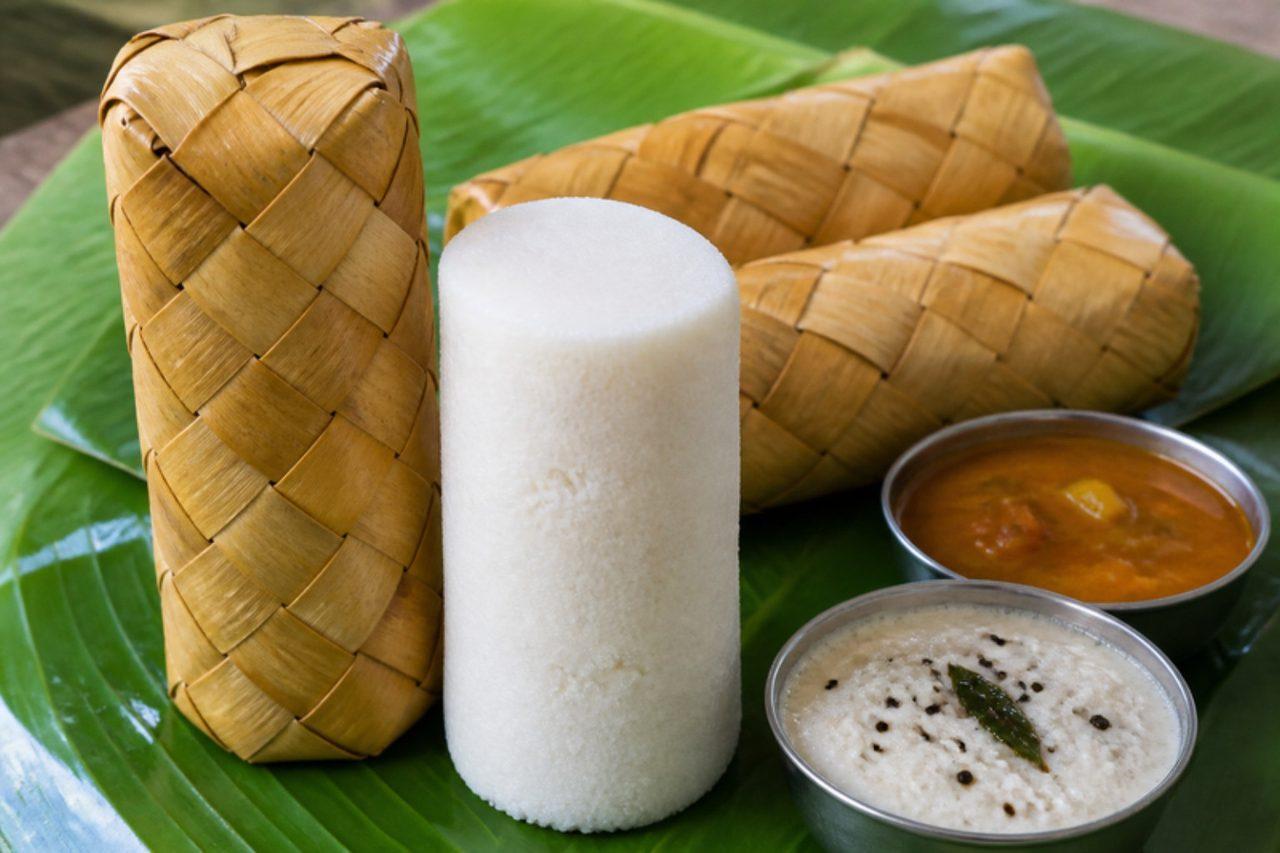
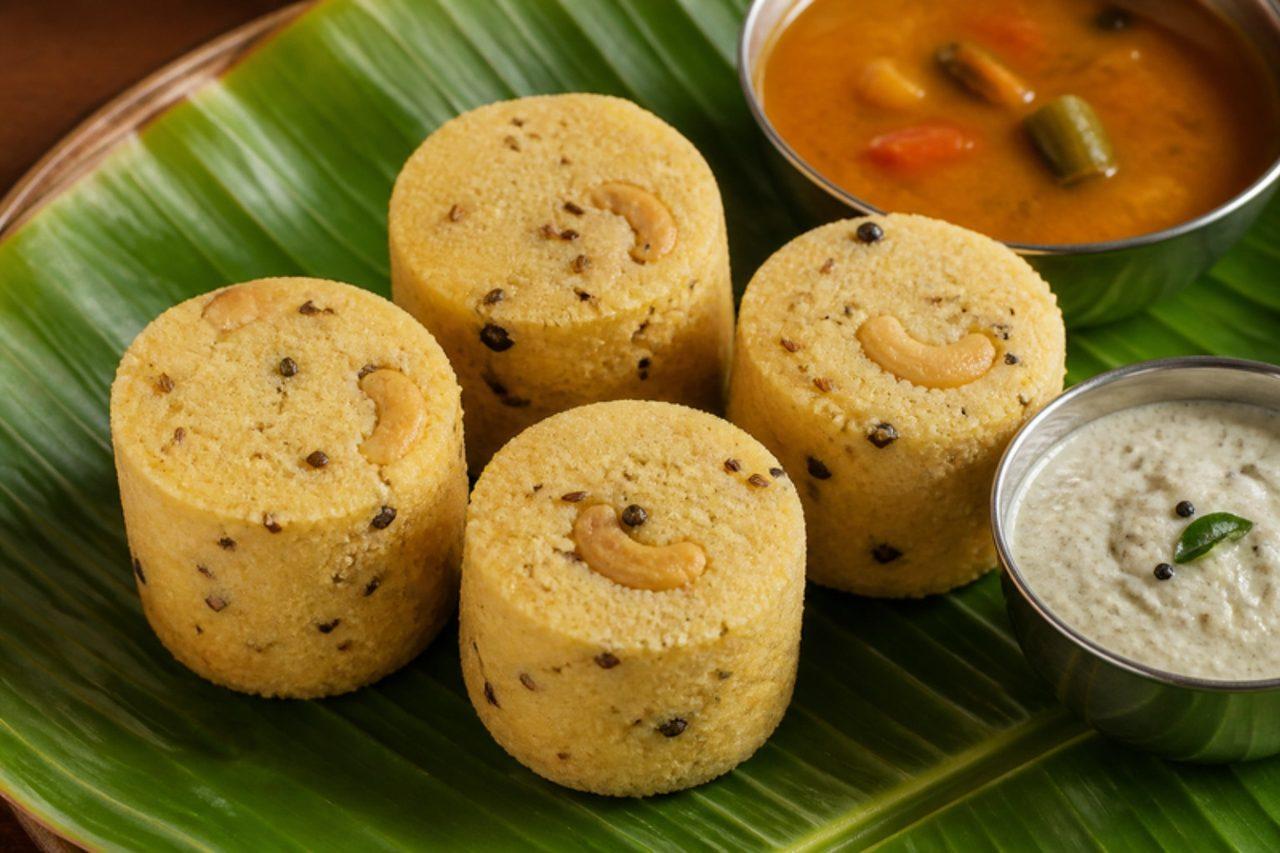
Kanchipuram idli is the temple prasadam of the Varadharaja Perumal temple, where it was traditionally steamed in tall bamboo baskets lined with mandarai leaves. It is coarser and richer than everyday idli, with cracked pepper, cumin, dry ginger and cashews fried in ghee folded through, and it's eaten for breakfast or festival tiffin with coconut chutney and sambar. The mistake is grinding the rice as fine as for plain idli; it should feel like fine semolina so the idli has a crumbly, open bite. Chef's tip: steam in tumblers or small bowls lined with banana leaf for the tall shape and a gentle leaf aroma.

by KrazyBadal 0 views

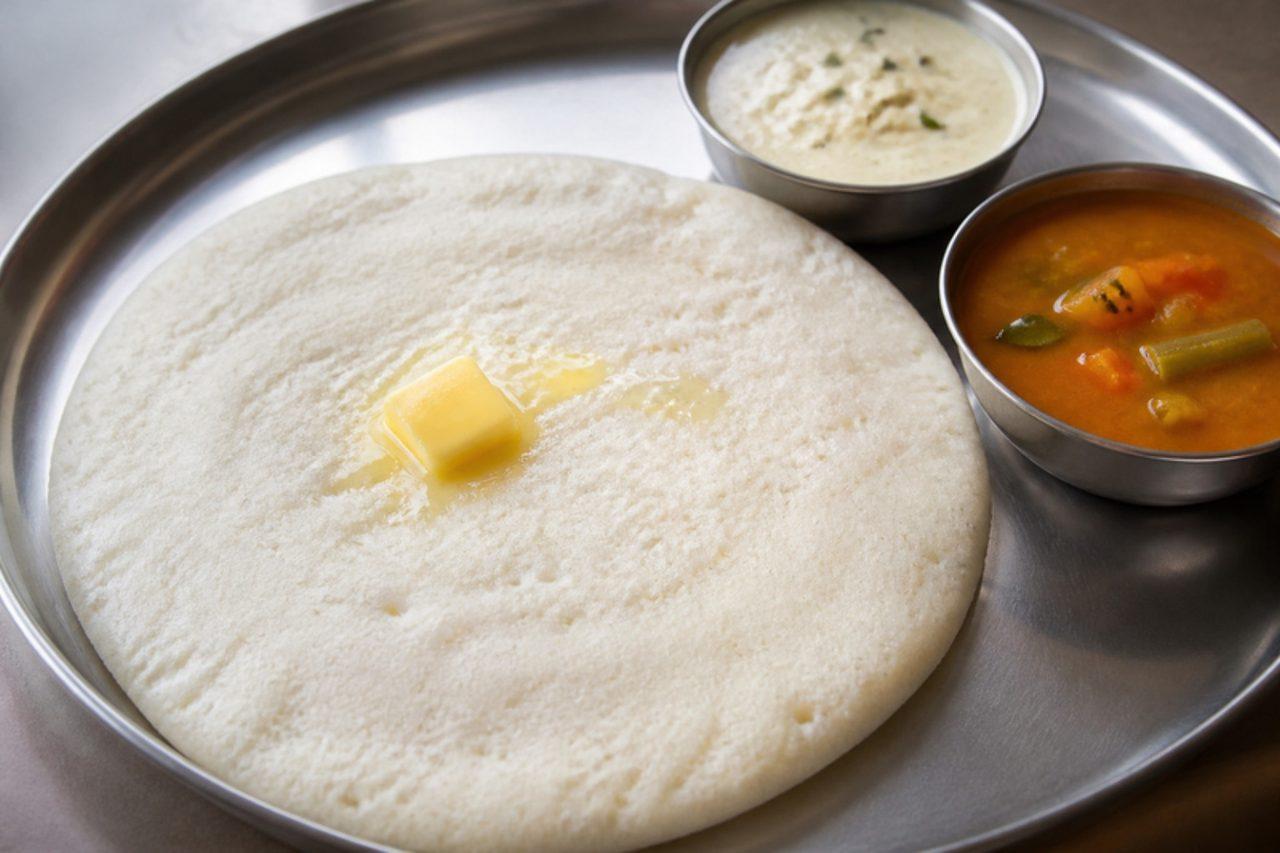
Thatte idliLarge flat plate idli

Thatte idli comes from Bidadi, on the old highway from Bengaluru to Mysuru, where roadside hotels steam plate-sized idlis on round thatte trays from dawn for travellers' breakfast. Poha in the batter makes them soft and spongy, and they are served with a knob of butter melting on top, coconut chutney and a thin sambar or podi. A common mistake is a stiff batter: thatte idlis need a looser, pourable batter than ordinary idli or they turn dense in the wide plate. Chef's tip: grind the urad dal with ice-cold water until it is light and almost doubled; that air carries the whole idli.

by KrazyBadal 0 views

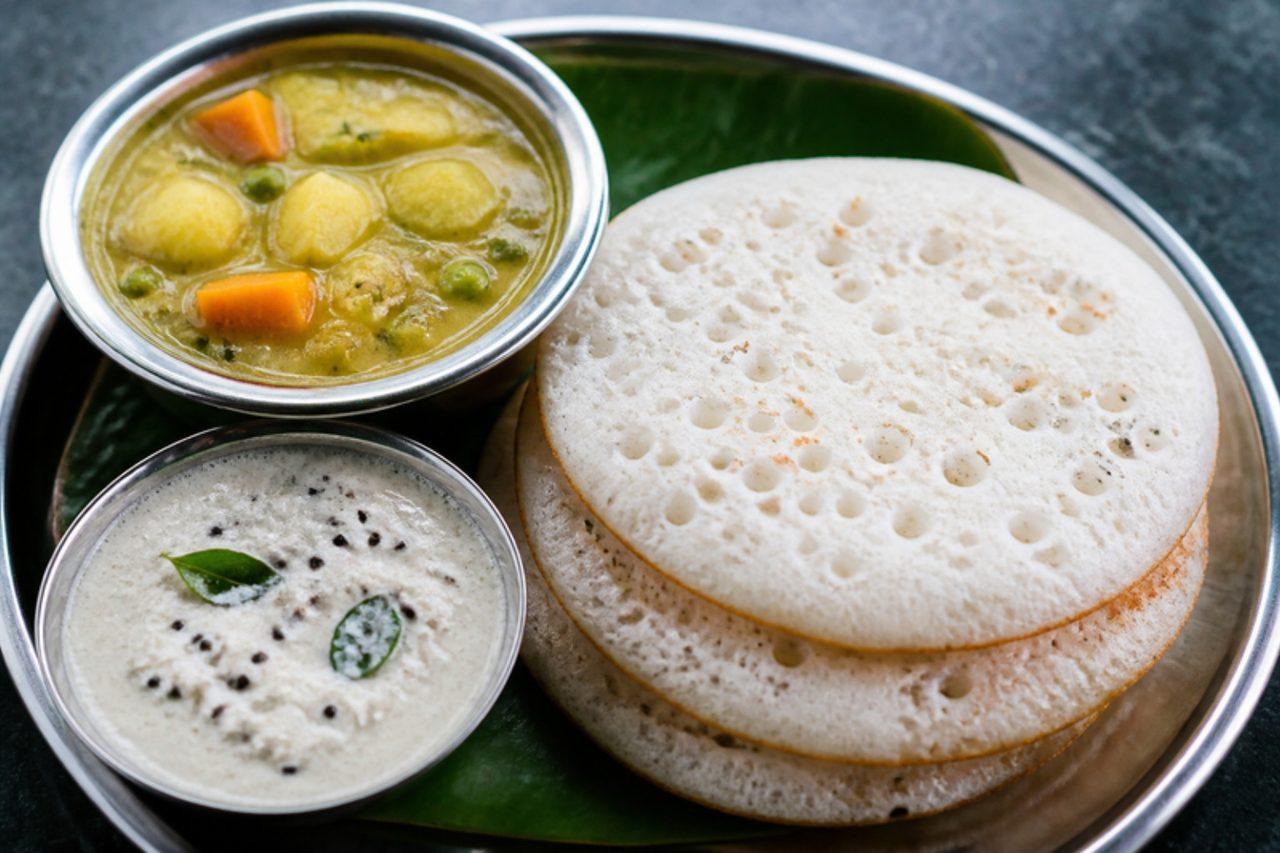
Set dosaThick spongy dosas

Set dosa is a Bengaluru darshini breakfast, ordered as a 'set' of three small, thick, pancake-soft dosas served with vegetable sagu and coconut chutney, often before the office rush or at a lazy Sunday table. Poha and a high share of rice make the batter rise into a holey, spongy dosa that's cooked on one side only. A common mistake is spreading it thin like a crisp dosa; pour it and just nudge it into a thick round so it stays soft. Chef's tip: cover the dosa for a minute while it cooks so the steam sets the top and the holes stay open.

by KrazyBadal 0 views

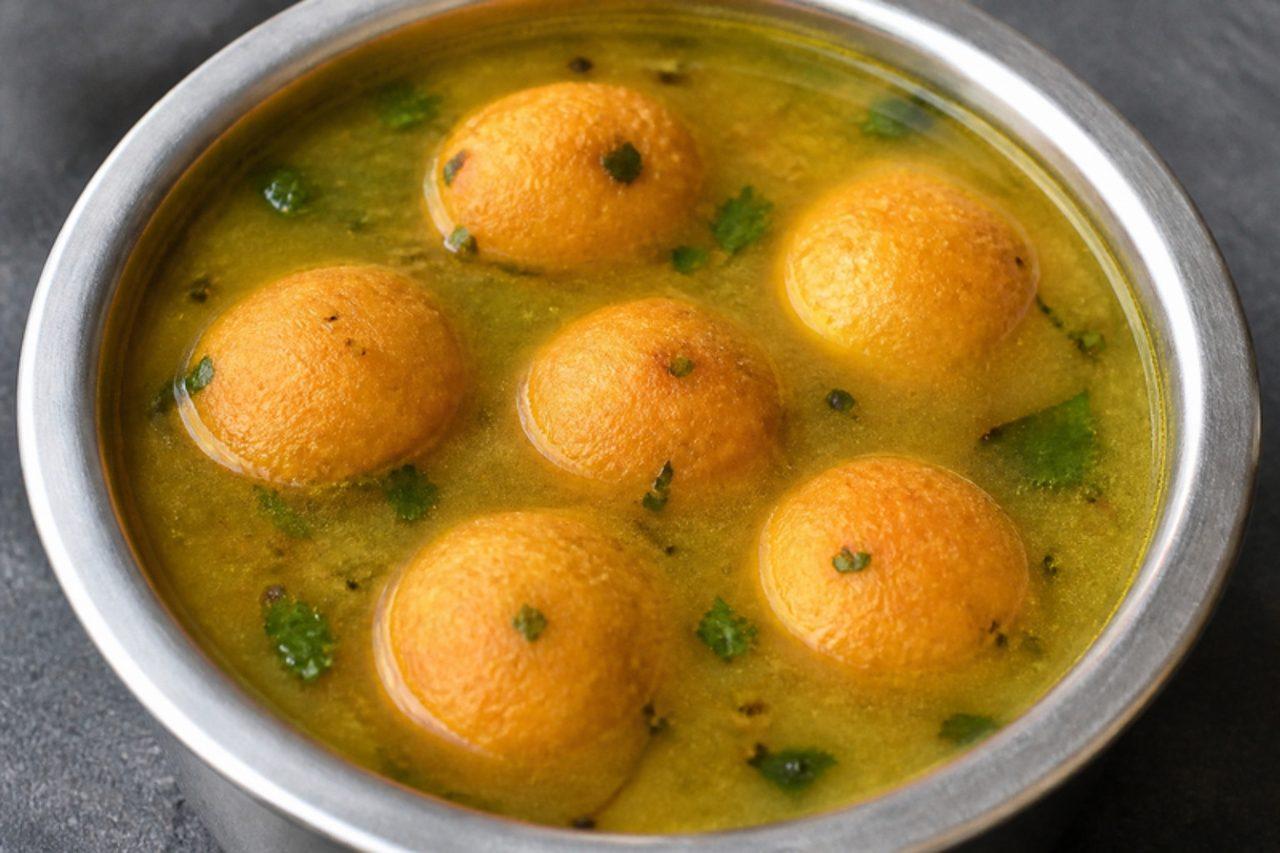
Bonda soupUrad dal fritters in moong soup

Bonda soup is a Bengaluru original, served in the old vegetarian hotels of Basavanagudi and Malleshwaram as a mid-morning or rainy-evening snack. Fluffy urad dal bondas are fried and dropped into a bowl of thin, tempered moong dal soup with pepper and lemon, so they soak up some of it and stay crisp in places. It's comforting, peppery and filling. A common mistake is a runny batter; it should hold a peak, or the bondas soak oil and fall apart in the soup. Chef's tip: pour the soup only when serving, not before, so the bondas still crunch at the first spoonful.

by KrazyBadal 0 views

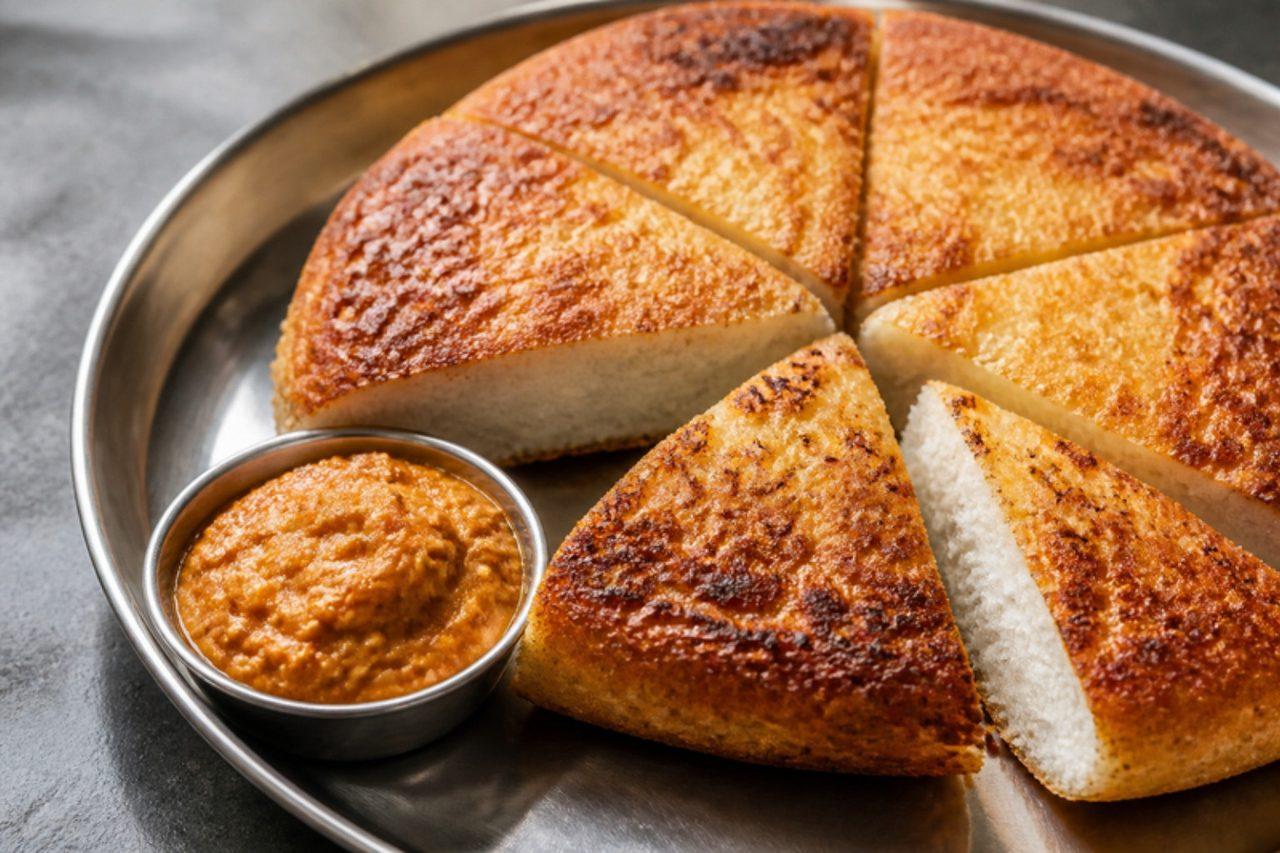
Dibba rottiUrad dal and rice semolina cake

Dibba rotti, also called minapa rotti, is the thick breakfast cake of the Godavari and Krishna districts, cooked low and slow in a heavy iron pan until the top and bottom are crackling brown and the middle is soft like an idli. It is made from the same urad dal and idli rava that go into idli, but the batter is used fresh and very thick, so there is no fermenting to wait for. Families serve it hot in wedges with allam pachadi (ginger chutney), coconut chutney or a spoon of podi and sesame oil. A common mistake is cooking on high heat: the crust burns before the inside sets, so keep the flame at its lowest and give it time. Chef's tip: the batter must be stiff enough to hold a spoon upright; a runny batter gives a flat, gummy rotti.

by KrazyBadal 0 views

BooreluChana dal and jaggery dumplings

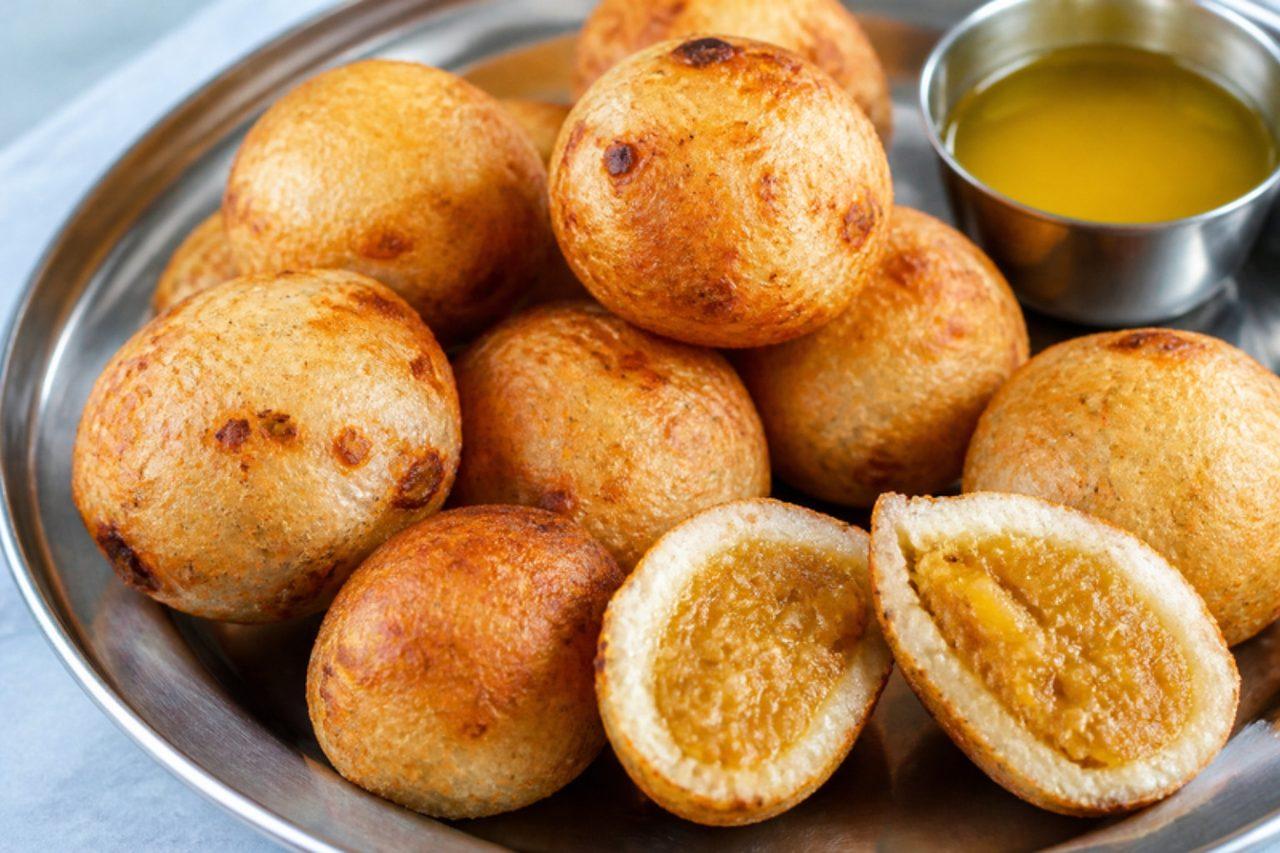
Boorelu, also called poornalu, are the sweet that Telugu homes fry for Sankranti, Varalakshmi Vratam and weddings, and that a bride's family traditionally sends to her in-laws by the basketful. A soft ball of cooked chana dal, jaggery, coconut and cardamom is dipped in a thick batter of urad dal and rice and fried until the shell is crisp and blistered while the filling stays fudgy. They are eaten warm, split open with a spoon of ghee for those who take dairy. The usual mistake is a filling that is too wet: it bursts through the batter in the oil and splatters, so cook the dal and jaggery until it holds a firm ball. Chef's tip: grind the batter thick like idli batter and add salt; the slight saltiness of the shell is what makes the sweet filling sing.

by KrazyBadal 0 views

SunnundaluRoasted urad dal laddus

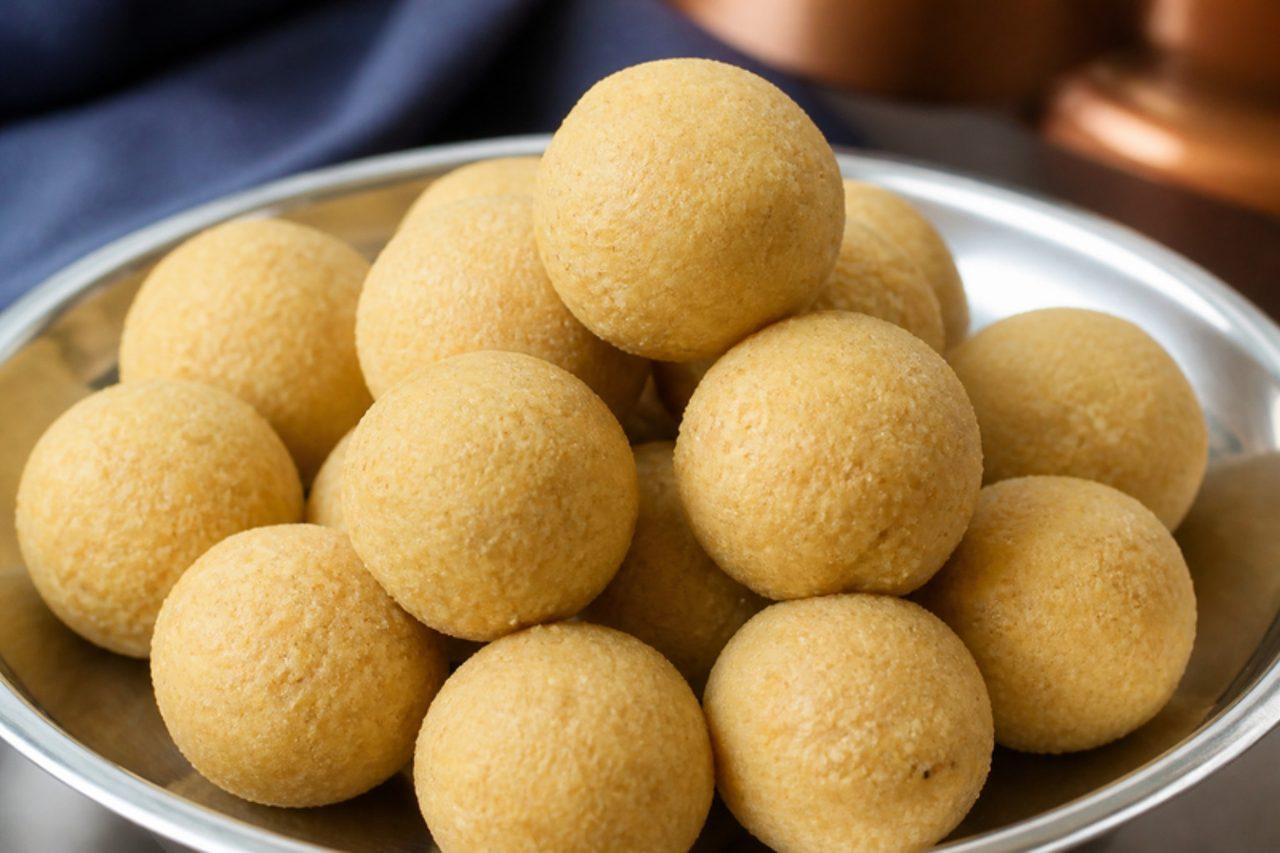
Sunnundalu are the protein-rich laddus of Andhra Pradesh, made in every Telugu home for Sankranti and Diwali and given to new mothers and growing children for strength. Whole skinned urad dal is dry-roasted until it smells nutty, ground fine with jaggery, and bound with warm ghee into balls that are sandy at first bite and then melt. They are a tea-time sweet that keeps for weeks. The common mistake is under-roasting the dal; raw urad tastes beany and sticks to the teeth, so roast until golden right through. Chef's tip: shape the laddus while the ghee is still warm, pressing firmly; once the mix cools it will not hold together.

by KrazyBadal 0 views

KandarappamPuffed rice, urad and jaggery cakes

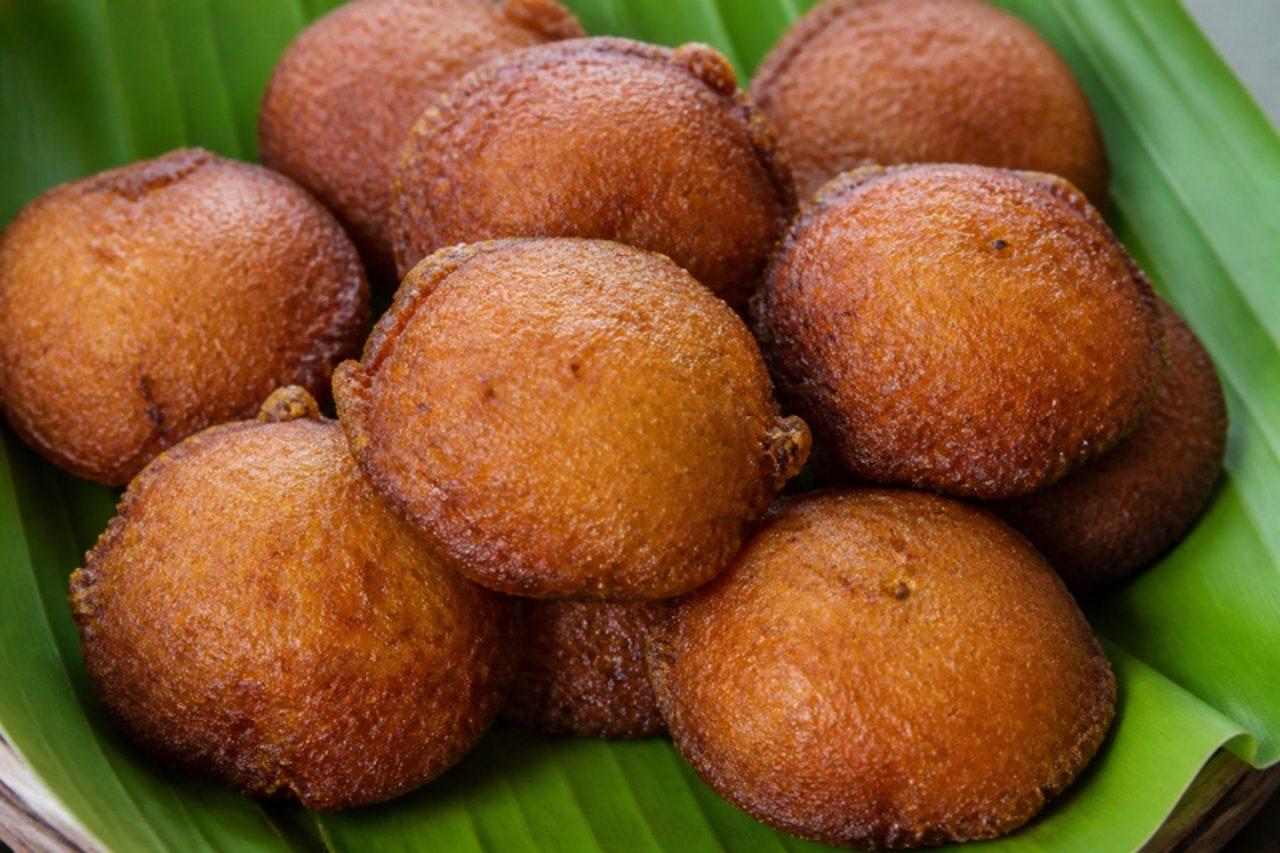
Kandarappam is one of the grand sweets of the Chettiar houses of Karaikudi and Kanadukathan, fried by the dozen for weddings and for Deepavali and kept in big brass tins. A ground batter of raw rice, urad dal and chana dal is sweetened with jaggery and cardamom and ladled into hot oil, where each cake puffs up, turns dark golden and gets a crisp, lacy edge around a spongy middle. They are eaten at room temperature with coffee, often the day after frying, when the flavour has settled. A common mistake is grinding the batter too thin; it spreads into flat discs that soak up oil, so keep it like a thick pancake batter. Chef's tip: fry one test cake first, and if it doesn't puff, add another spoon of rice flour to the batter.

by KrazyBadal 0 views

Vellai paniyaramWhite rice and urad puffs

Vellai paniyaram, 'white paniyaram', is the tiffin of Chettinad that surprises outsiders: a rice and urad batter thinned with a little milk-free water is spooned into hot oil and pulled out while it is still pale and pillowy, crisp only at the very edge. In Karaikudi homes it comes to the table at evening tiffin with spicy kara chutney, a tomato kosamalli or kathirikai gothsu. The key mistake is overheating the oil: the paniyaram browns and loses its signature white colour, so keep the heat at medium and fry quickly. Chef's tip: a teaspoon of sugar in the batter helps the puffs rise without colouring, and spooning oil over the top makes them balloon.

by KrazyBadal 0 views

Paal paniyaramFried dumplings in sweet coconut milk

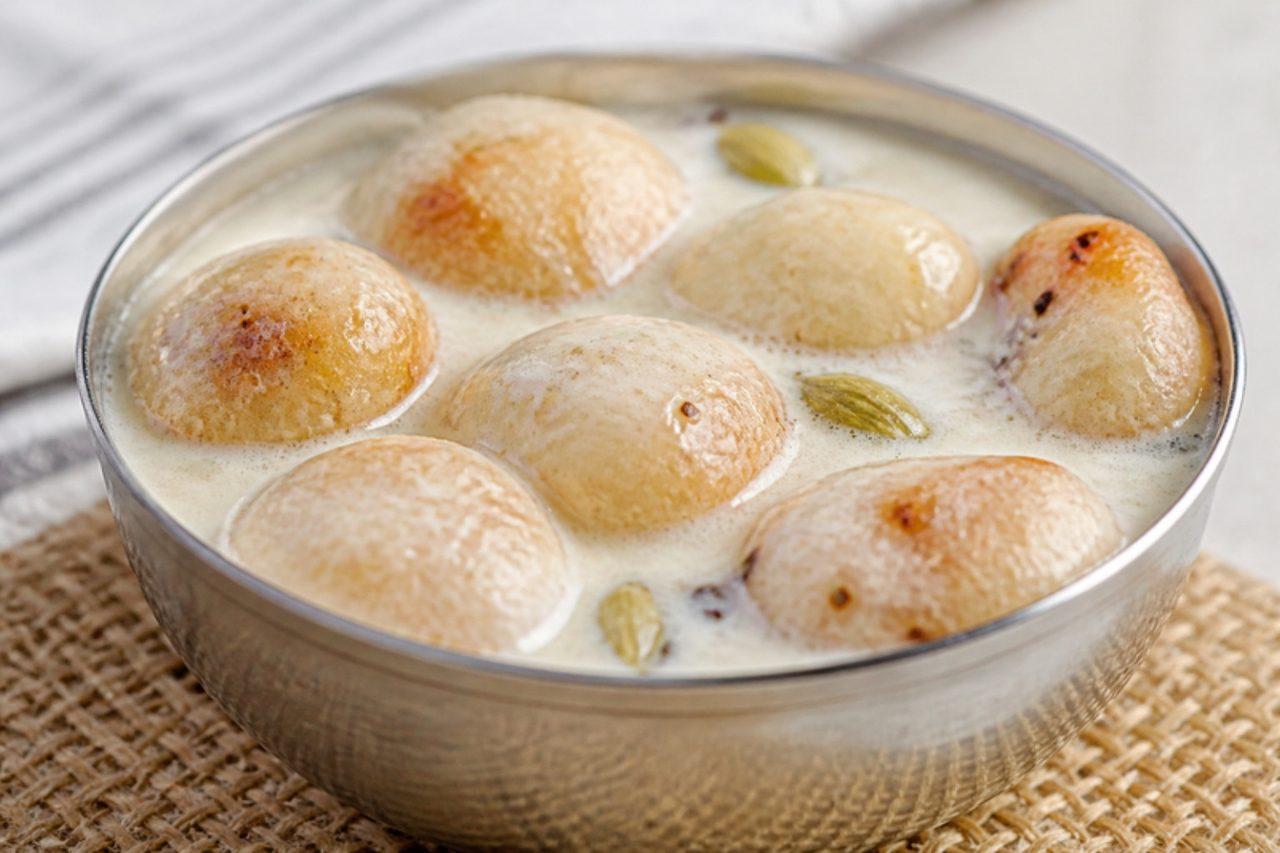
Paal paniyaram is the Chettinad wedding dessert served on the banana leaf at the end of a Karaikudi feast: small marble-sized dumplings of rice and urad are fried pale, dipped briefly in hot water to soften them, then left to soak in sweetened, cardamom-scented coconut milk. They are soft, spongy and cool, eaten with a spoon, chilled or at room temperature. A common mistake is frying until brown and crusty: the dumplings then refuse to soak up the milk. Fry them only until set and barely coloured. Chef's tip: the quick dip in hot water after frying washes off surface oil and opens them up to drink the coconut milk.

by KrazyBadal 0 views

KummayamRoasted urad and moong halwa

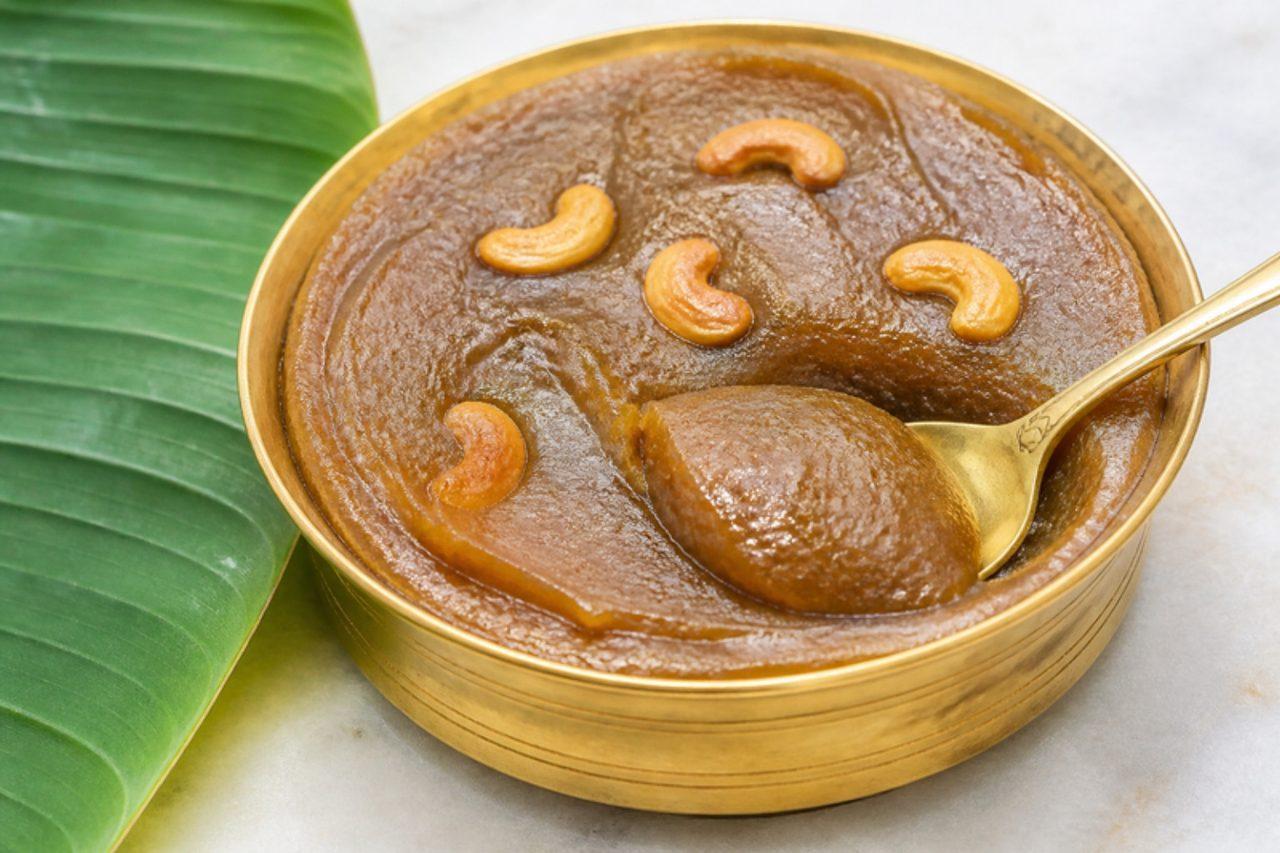
Kummayam, also called aadi kummayam, is the sweet Chettinad homes make in the Tamil month of Aadi (July to August), when it is offered at the temple and shared with family. Urad dal, moong dal and rice are dry-roasted and ground into a flour, then cooked in thin jaggery syrup with ghee until it becomes a soft, glossy, dark halwa that pulls away from the pan. It tastes of roasted lentils and molasses and is eaten warm. The most common mistake is adding the flour to hot syrup in one go, which makes stubborn lumps; whisk it into cool syrup first, then cook. Chef's tip: add the ghee a spoonful at a time towards the end and stop when the halwa turns glossy and comes together in one mass.

by KrazyBadal 0 views

Kalkandu vadaiSweet urad dal rock sugar vadai

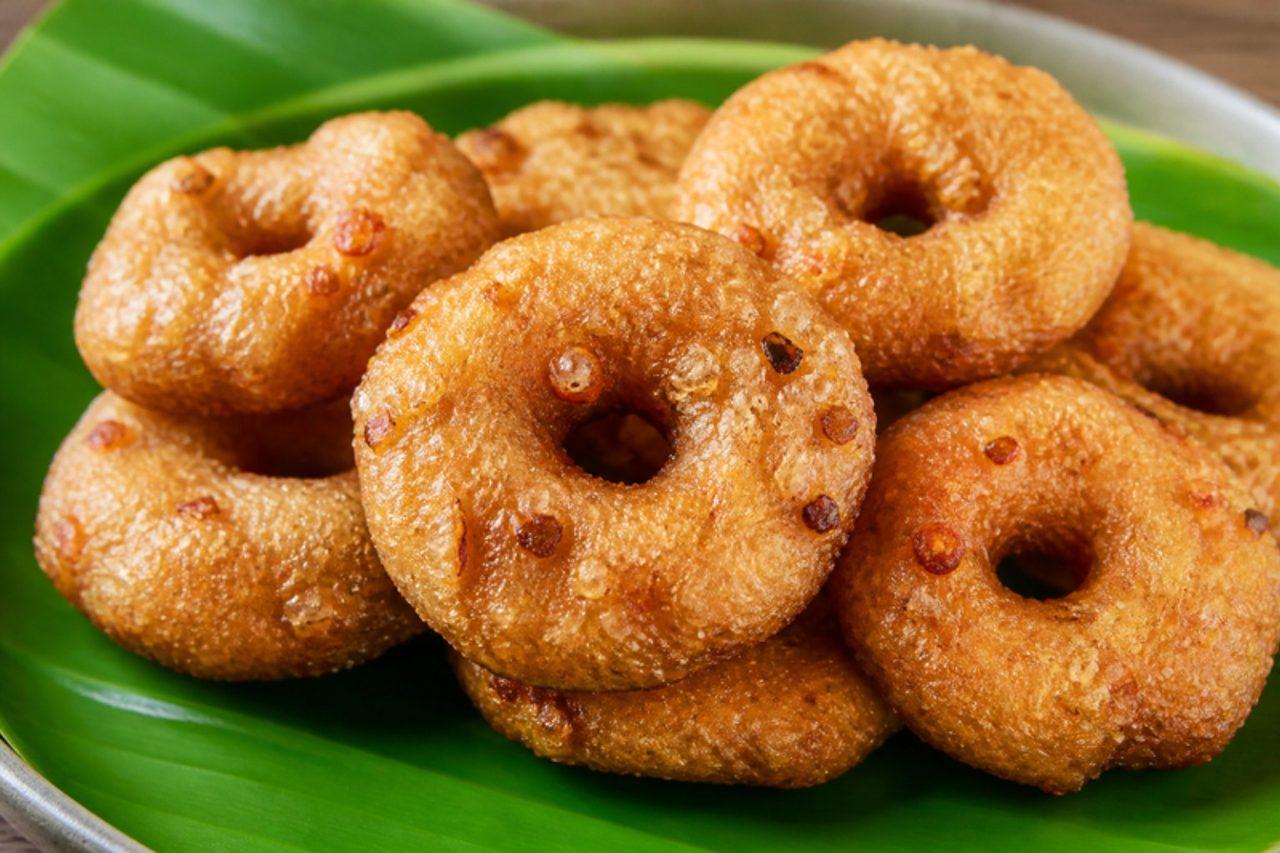
Kalkandu vadai is the sweet cousin of medu vadai, made in Chettinad homes for festivals and for the trays that go to a bride's house. Soaked urad dal and a little rice are ground fluffy and mixed with crushed kalkandu (rock sugar) and coconut, then fried into small golden rounds that are crisp outside, soft inside, with pockets of melted crystal sugar. They are eaten warm with coffee. A common mistake is grinding the rock sugar in with the batter, which turns the batter runny; crush it coarsely and fold it in just before frying. Chef's tip: fry these on slightly lower heat than savoury vadai, because sugar browns fast and burns before the centre cooks.

by KrazyBadal 0 views

ThenkuzhalRice and urad flour spirals

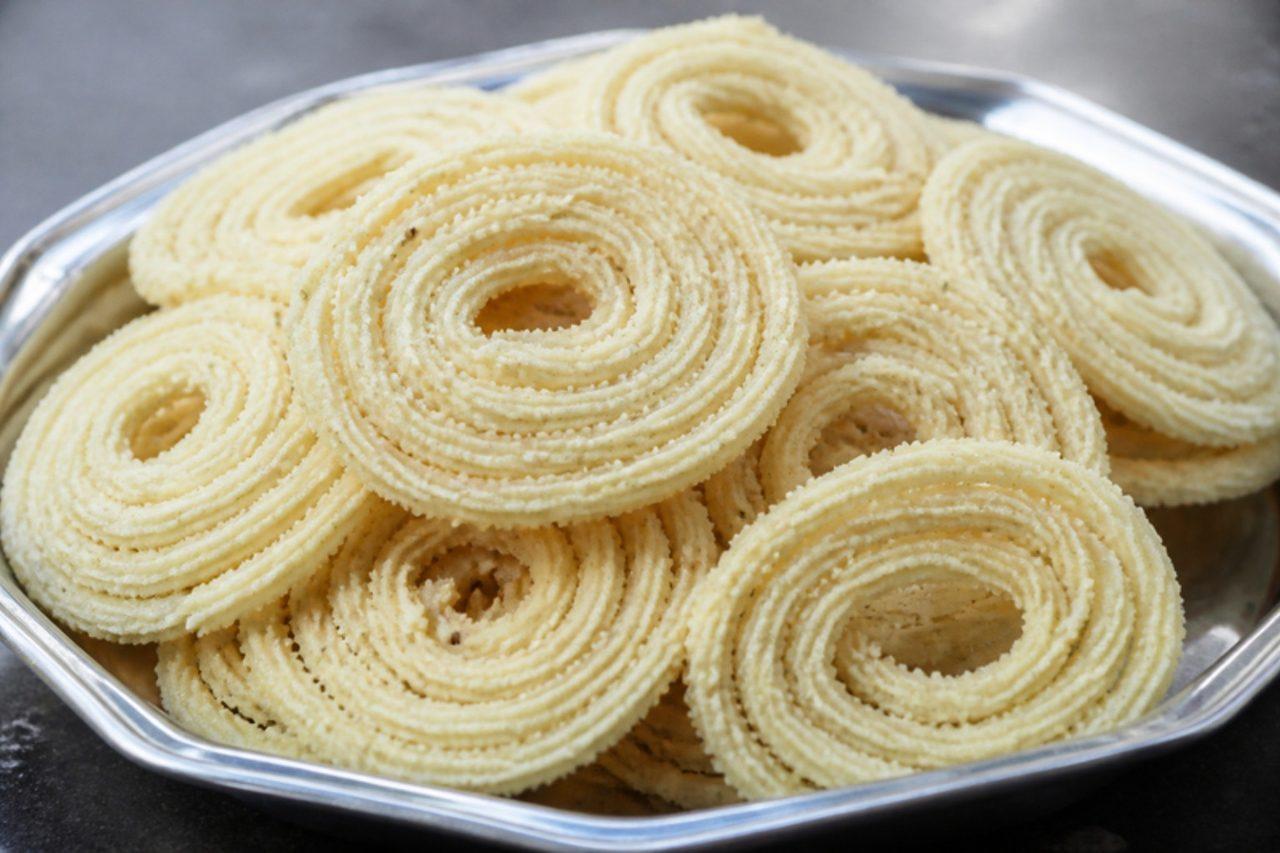
Thenkuzhal is the plain, pale murukku of Tamil Nadu, especially in Chettinad and Thanjavur kitchens, pressed through a single-hole plate into neat spirals for Deepavali and Krishna Jayanthi. Unlike butter murukku, it relies on roasted urad flour and a spoon of hot oil for its crunch, with cumin and a little sesame for flavour, and it should be cream-coloured, smooth and light. It is eaten with coffee and kept in tins for weeks. The common mistake is a dough that is too stiff, which breaks while pressing and gives a rough, cracked surface; it should be soft enough to pipe smoothly. Chef's tip: press the spirals onto the back of an oiled slotted spoon or a square of parchment and slide them into the oil, so they keep their shape.

by KrazyBadal 0 views

MoodeSteamed idli in leaf cylinders

Moode is the festive idli of Mangaluru and Udupi, made for Krishna Janmashtami, Ganesh Chaturthi and big family breakfasts. The batter goes into tall cylinders woven from kedige (screwpine) leaves, which perfume the soft, spongy rice cake with a floral scent you can't get any other way; markets on the coast sell the woven moulds ready to fill. Slice it into thick rounds and serve with coconut chutney, sambar or a spicy chana gassi. The common mistake is filling the leaf moulds to the brim: the batter rises as it steams and spills out, leaving a dense cake. Fill them only two-thirds full. Chef's tip: if you can't find screwpine leaves, roll banana leaves into tight cones and tie them with string; the shape and steaming are the same, only the scent is milder.

by KrazyBadal 0 views

Goes well with whole skinned urad dal