
AI-generated image
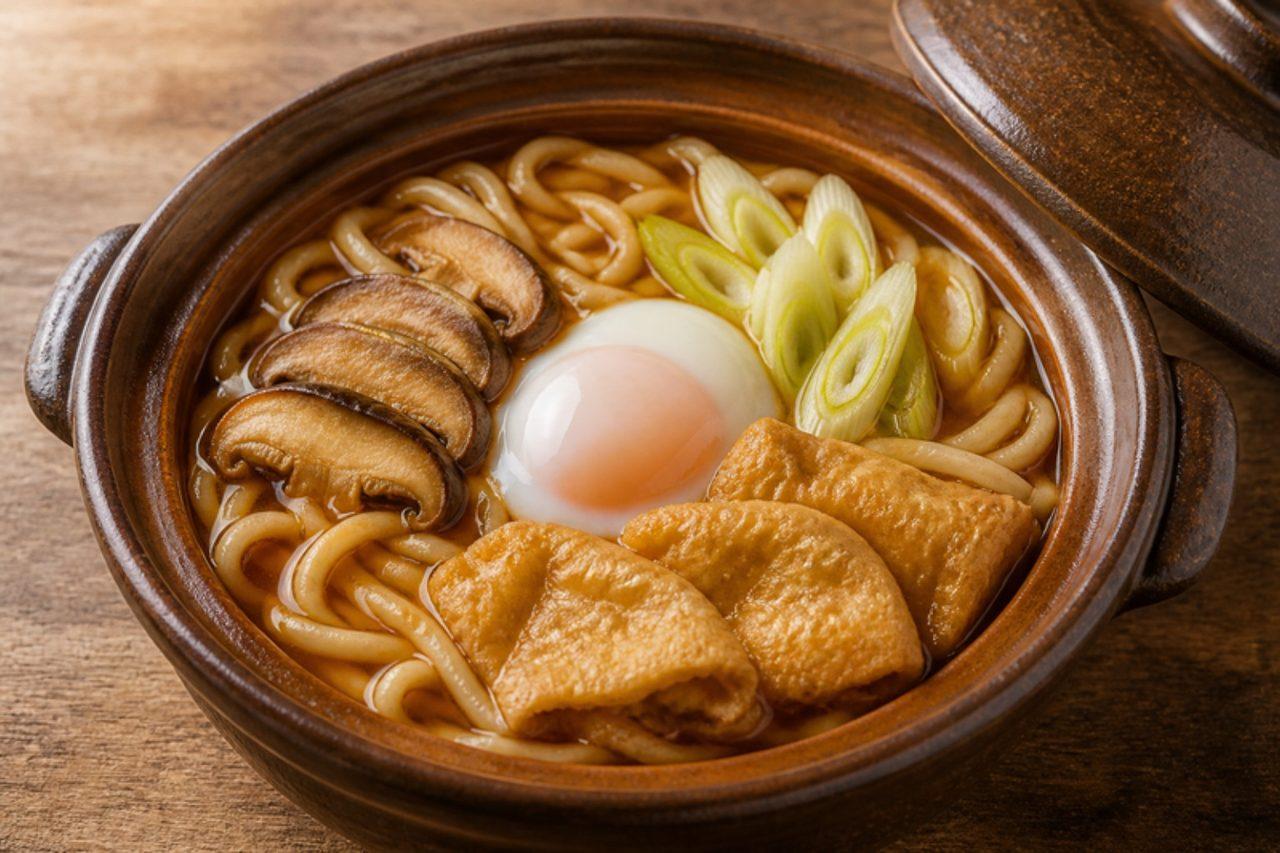
Miso nikomi udon
味噌煮込みうどん (miso nikomi udon): firm udon simmered in a clay pot of dark Nagoya red miso broth
In Nagoya, udon is cooked in its broth rather than boiled separately, in a small clay pot called a donabe that comes to the table still bubbling. The broth is made with Aichi's famous dark soybean miso, hatcho miso, which is aged for years and tastes deep, slightly bitter and chocolatey. Nagoya's noodles are deliberately firm, almost chewy at the centre, and locals use the pot's lid as a plate to cool each mouthful. It is a cold-weather lunch, and the egg poached on top is part of the ritual. Our version uses kombu-shiitake dashi and fried tofu instead of chicken. Chef's tip: dissolve the miso in a ladle of broth before adding it. Hatcho miso is dense and stays in lumps if it goes straight in.
- Total time
- 30 min
- Difficulty
- easy
- Serves
- 2
Ingredients
Method
0/6 doneStep 1: Warm 3 cups kombu-shiitake dashi in a donabe or a medium saucepan over medium heat. Put 3 tbsp hatcho or other dark red miso and 1 tbsp white miso in a ladle, dip it into the broth and stir with chopsticks until dissolved, then stir in 1 tbsp mirin and 1 tsp sugar.
3 minStep 2: Add 4 fresh shiitake mushrooms, 1 aburaage (fried tofu pouch) and the white parts of 1 Japanese leek (negi) or a small leek and simmer for 5 minutes until the mushrooms are soft.
5 minStep 3: Add 2 frozen or fresh udon noodles straight from frozen and simmer for 5–6 minutes, gently loosening the noodles, until hot through and the broth has thickened slightly from their starch.
6 minStep 4: Common mistake: letting the broth boil hard. Miso turns grainy and loses its aroma. Keep it at a lively simmer, with small bubbles at the edge only.
Step 5: Make two hollows in the noodles and crack 2 eggs into them. Scatter over the green parts of 1 Japanese leek (negi) or a small leek, cover and cook over low heat for 3 minutes, until the whites are set and the yolks still runny.
3 minStep 6: Bring the pot to the table and serve with 1 pinch shichimi togarashi (seven-spice chilli). Use the pot lid or a small plate to cool each bite of noodles.
Nutrition per serving
- Calories
- 540 kcal
- Protein
- 25 g
- Carbs
- 80 g
- Fat
- 13 g
- Fibre
- 6 g
Nutrition values are estimates.
KrazyBadal
Good to know
- How long does miso nikomi udon take?
- About 30 minutes in total: 10 minutes to prepare and 20 minutes to cook.
- How many people does it serve?
- 2 as written. Change the servings above the ingredients and every amount scales to match.
- Is it vegetarian?
- Yes. It has no meat or fish.
- What can I use instead of mirin?
- Rice vinegar with ½ tsp sugar per tbsp.
- What can I use instead of sugar?
- Caster sugar, same amount.
Reviews
No reviews yet. Be the first to cook it.
Rate this recipe
Sign in to rate and review this recipe.
You might also like
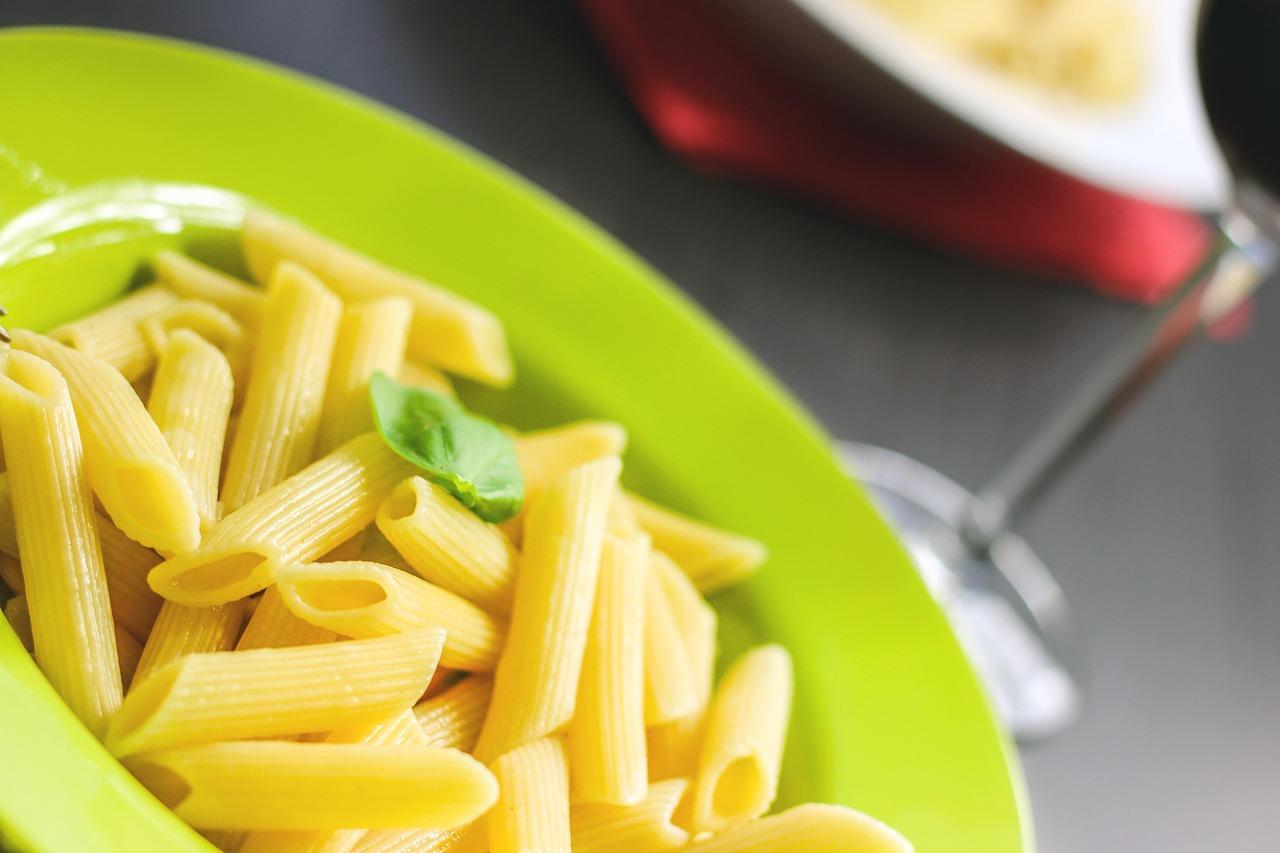
Boiled pasta
The basic method for any dried pasta, from penne to spaghetti. A large pan of salted boiling water keeps the pasta from sticking, and you cook it only until just done, with a little bite left. Use it in salads, bakes or with any sauce.


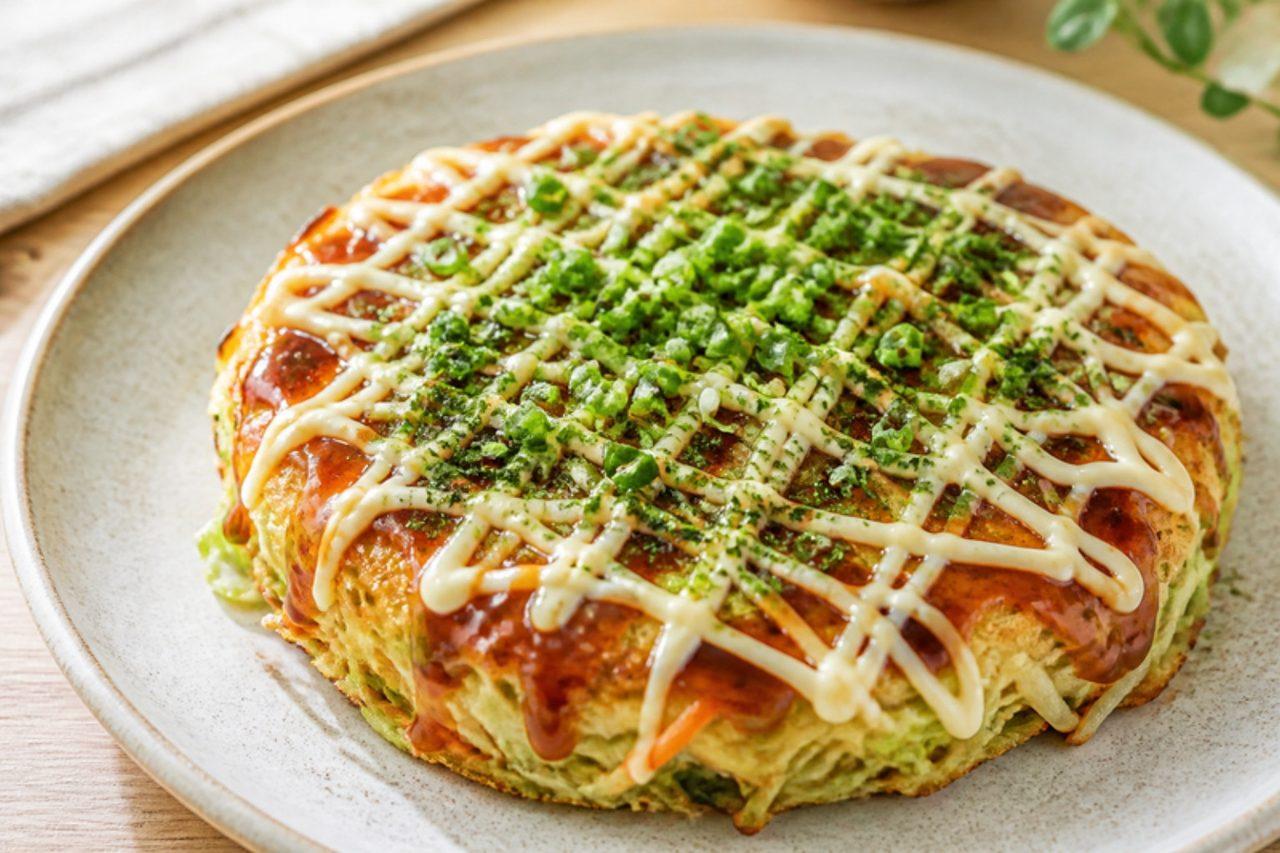
Okonomiyaki
Okonomiyaki (お好み焼き, 'grilled as you like it') is the pride of Osaka, where it's cooked on hot iron griddles in lively restaurants. Finely shredded cabbage is folded into a light batter with egg and spring onion, then fried into a thick, soft pancake with a crisp outside. It's painted with a fruity brown sauce and zigzagged with mayonnaise. Bonito flakes are usual on top; this vegetarian version uses seaweed flakes and pickled ginger instead. Chef's tip: don't press the pancake down with your spatula while it cooks. Osaka cooks leave it alone so the cabbage steams inside and stays light and fluffy; pressing squeezes out the air.
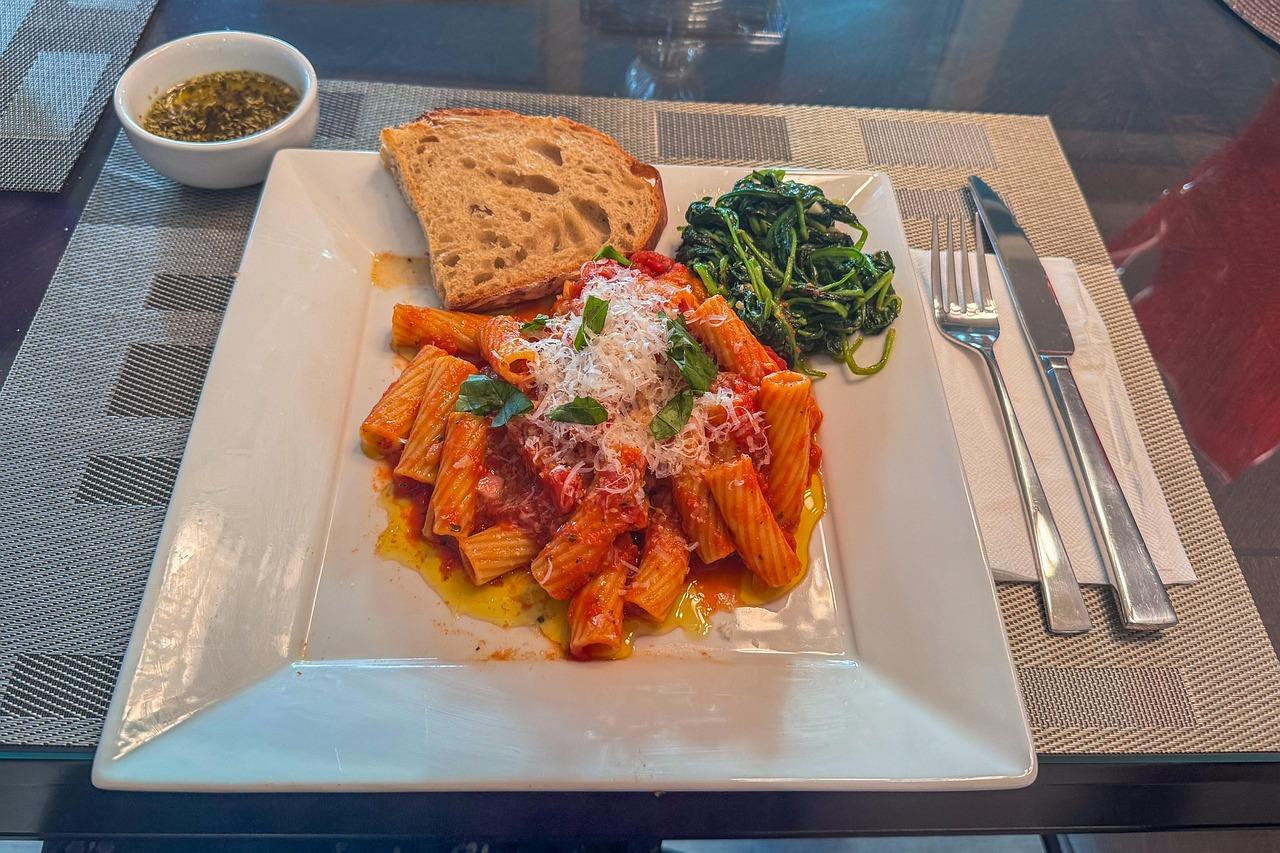
Pasta and eggplant
Rigatoni tossed in a thick tomato sauce with soft aubergine, celery and garlic, with an optional splash of brandy for depth, and topped with grated cheddar.