
AI-generated image
Mag ni dal ni khichdi for babies
Moong dal khichdi for babies
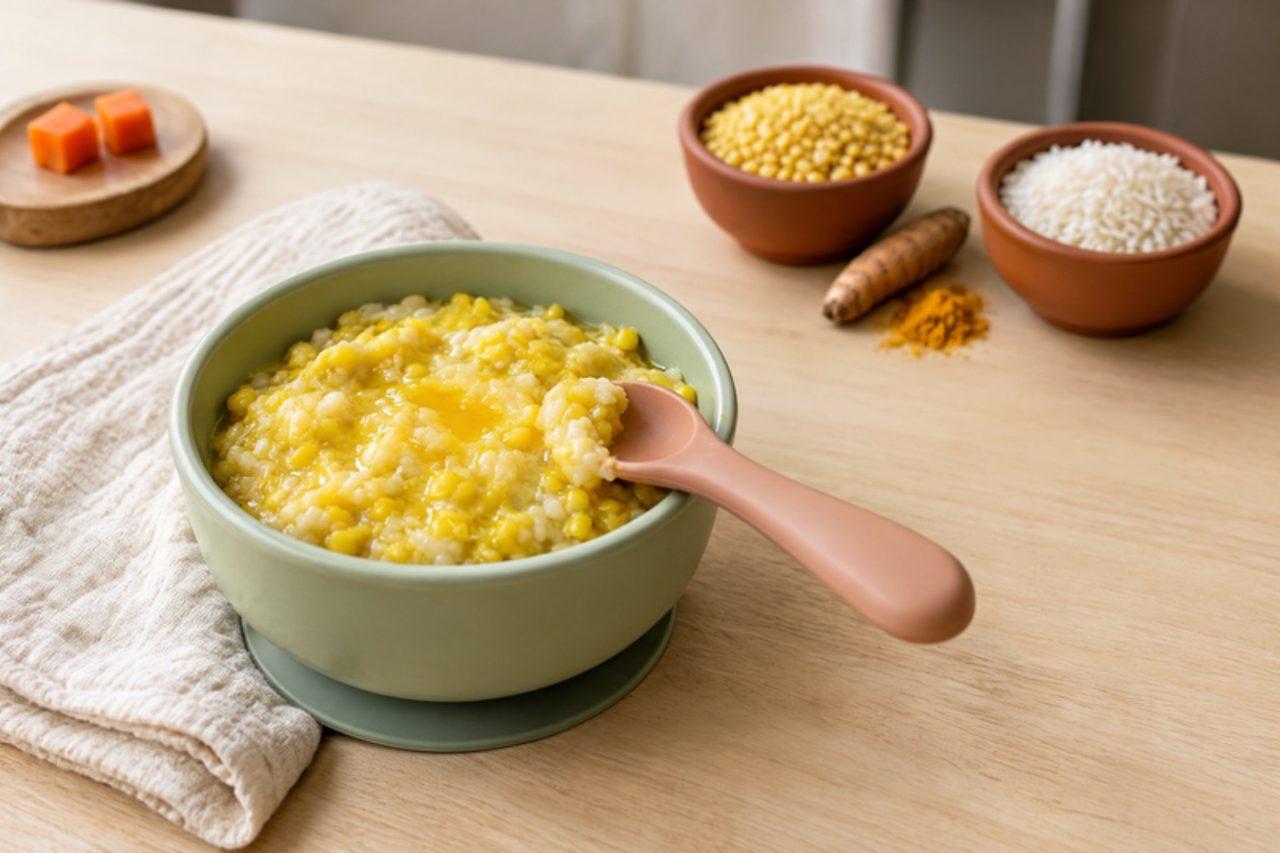
9m+ · Gujarat's soft split moong and rice khichdi with a pinch of turmeric and a drop of ghee, mashed to soft lumps


In Gujarati homes from Ahmedabad to Surat, the first real family meal a baby shares is a pot of mag ni dal ni khichdi, the same yellow moong and rice that grown-ups eat with kadhi on a quiet weeknight, just cooked softer and left unseasoned. From around nine months it is mashed to soft lumps instead of blended, so babies learn to move food around their mouths and chew with their gums. It tastes mild, creamy and faintly earthy from the turmeric. It contains milk (ghee); swap in a neutral oil to make it dairy free. It has no gluten, egg, nuts, soya or sesame. Chef's tip: soak the washed dal and rice for 20 minutes before cooking; they collapse into a creamier khichdi in less time.
- Total time
- 50 min
- Difficulty
- easy
- Serves
- 3
Baby & toddler safety
- Age: from 9 months+.
- Allergens: contains milk. Offer one new allergen at a time, in the morning, so you can watch for a reaction.
- Texture and choking: purée or mash smoothly for 6–9 months, then soft, finger-sized pieces that squash between your fingers. Cut round foods such as grapes and cherry tomatoes into quarters lengthways, never give whole nuts, and always stay with your child while they eat.
- Under 1: no honey, no added salt or stock cubes, and no added sugar.
Every child is different. If you are unsure, especially about allergies, check with your health visitor or paediatrician.
Ingredients
- 1 ⅜ oz split yellow moong dal
- 1 oz short-grain ricesuch as sona masoori
- 2 cups water
- ⅛ tsp ground turmerica small pinch
- 1 tsp gheeor a neutral oil for a dairy-free version
Shop this recipe on Amazon
What you'll need
Spices & pantry
Links open Amazon in a new tab. As an Amazon Associate, WhatToEat.Today earns from qualifying purchases.
Method
0/5 doneStep 1: Rinse 1 ⅜ oz split yellow moong dal and 1 oz short-grain rice together in a bowl, swirling and changing the water four or five times until it runs nearly clear. Cover with fresh water, soak for 20 minutes, then drain.
20 minStep 2: Tip the dal and rice into a small pressure cooker with 2 cups water and ⅛ tsp ground turmeric. Cook over a medium heat for 4 whistles (about 15 minutes), then turn off the heat and let the pressure drop on its own. In a heavy pan, simmer covered on the lowest heat for 35–40 minutes, stirring now and then.
15 minStep 3: Open the lid and check: the dal should have dissolved and every rice grain should squash easily between finger and thumb. Common mistake: stopping when it looks like the grainy family khichdi; if any grain still has a firm white centre, add a splash of water and cook for 5 minutes more.
5 minStep 4: Stir in 1 tsp ghee and mash with the back of a spoon to soft lumps, adding hot water a spoonful at a time until it is thick but drops easily off the spoon.
2 minStep 5: Serve just warm. Cool the rest quickly, cover and keep in the fridge for up to 2 days, or freeze in small pots for up to 1 month. Reheat only once, until piping hot all the way through, then let it cool before serving.
Nutrition per serving
- Calories
- 100 kcal
- Protein
- 4 g
- Carbs
- 16 g
- Fat
- 2 g
- Fibre
- 2 g
Nutrition values are estimates.
KrazyBadal
Good to know
- How long does mag ni dal ni khichdi for babies take?
- About 50 minutes in total: 25 minutes to prepare and 25 minutes to cook.
- How many people does it serve?
- 3 as written. Change the servings above the ingredients and every amount scales to match.
- Is it vegetarian?
- Yes. It has no meat or fish.
- Is it gluten free?
- Yes, as written. Check the labels on stock, sauces and spice mixes, which sometimes contain gluten.
- What can I use instead of short-grain rice?
- Any long-grain rice, same amount.
- What can I use instead of ground turmeric?
- Leave it out (it mostly adds colour).
Reviews
No reviews yet. Be the first to cook it.
Rate this recipe
Sign in to rate and review this recipe.
You might also like
SakarpadaSweet fried dough diamonds
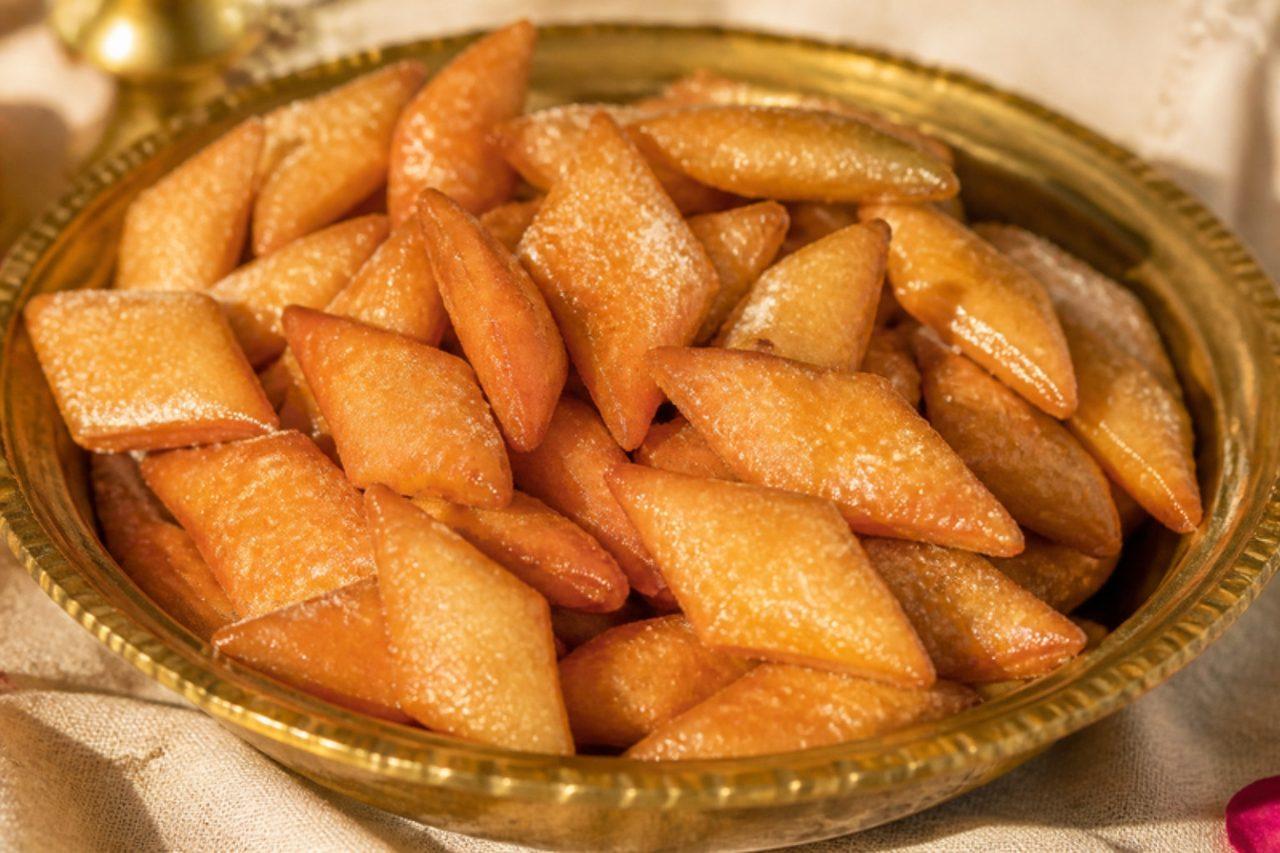
Sakarpada (shakarpara) are little sweet diamonds of a rich dough made with ghee, milk and sugar, fried until golden and crunchy. They are a Diwali favourite with tea, and the cubes go into bhusu too. They keep for weeks in an air-tight tin.
Paneer biryaniRice and moong dal in coconut milk
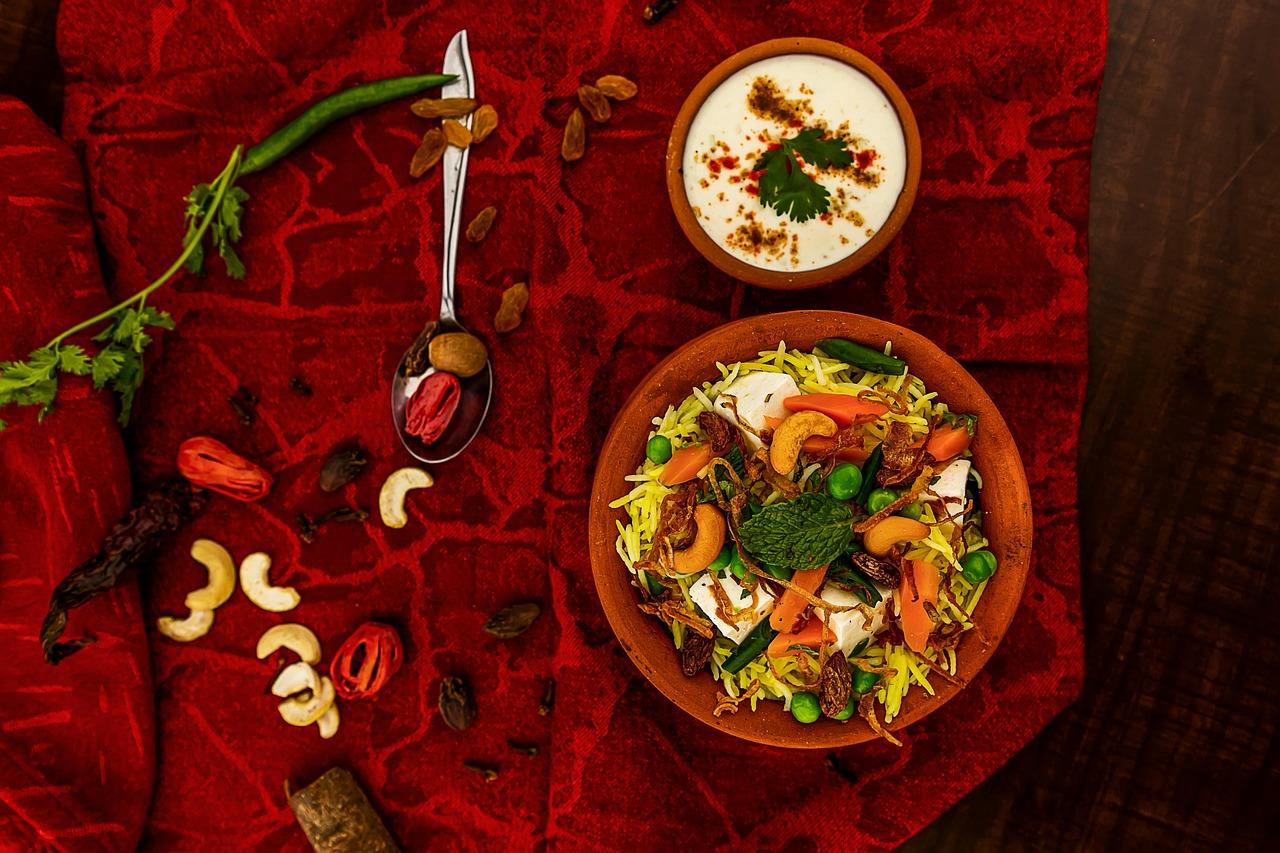
A mild, creamy biryani: rice and husked green gram roasted in ghee, then cooked in coconut milk with peas, carrots, potatoes, peanuts and cashews, and finished with soft fried paneer and a fresh coriander yogurt. Serve hot, garnished with more fried cashews and paneer.

Sabudana khichdiSago with peanuts and potato
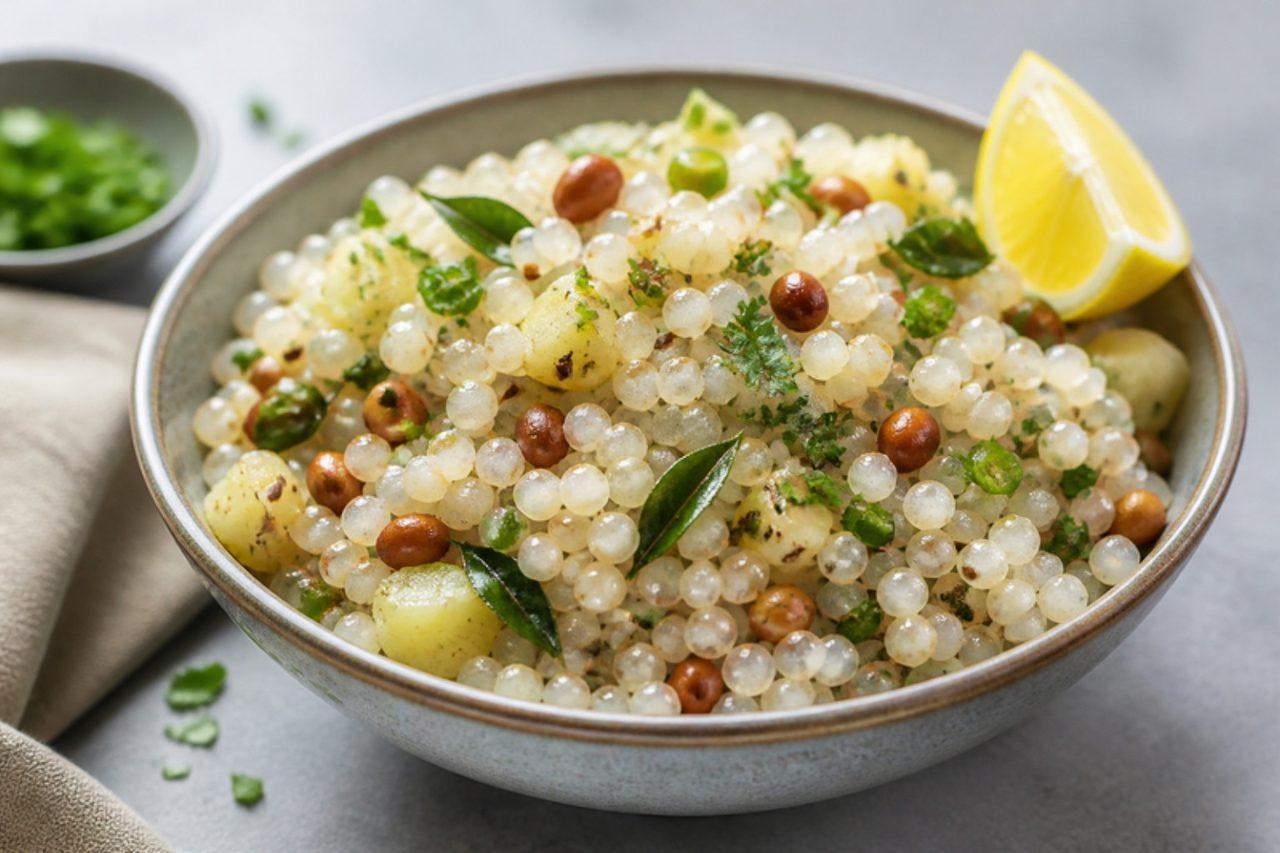
Sabudana khichdi is the dish that sees Maharashtra through every vrat (fast), from Navratri to Ekadashi, but it's so good that people eat it any day of the week. Soaked sago pearls are tossed in a pan with crushed roasted peanuts, cubes of potato, cumin and green chilli until each pearl turns glassy and separate, then finished with lemon and coriander. It's soft, chewy, nutty and gently hot. Fasting rules vary from family to family, so check yours; this version uses rock salt and no asafoetida, onion or garlic. Traditionally it's cooked in ghee; use ghee instead of oil if you aren't keeping it vegan. Chef's tip: soak the sago in just enough water to cover by the height of the pearls themselves, no more; too much water is the reason khichdi turns into one sticky lump.
