Skip to content

Recipes with short-grain rice

22 recipes that use short-grain rice, with photos, step-by-step instructions and cook times. The quickest, Ven pongal, takes 30 minutes. It is most often cooked with onion, sugar and egg.

Run out of short-grain rice? Any long-grain rice, same amount.

Got a few things in the fridge? Search by everything you have

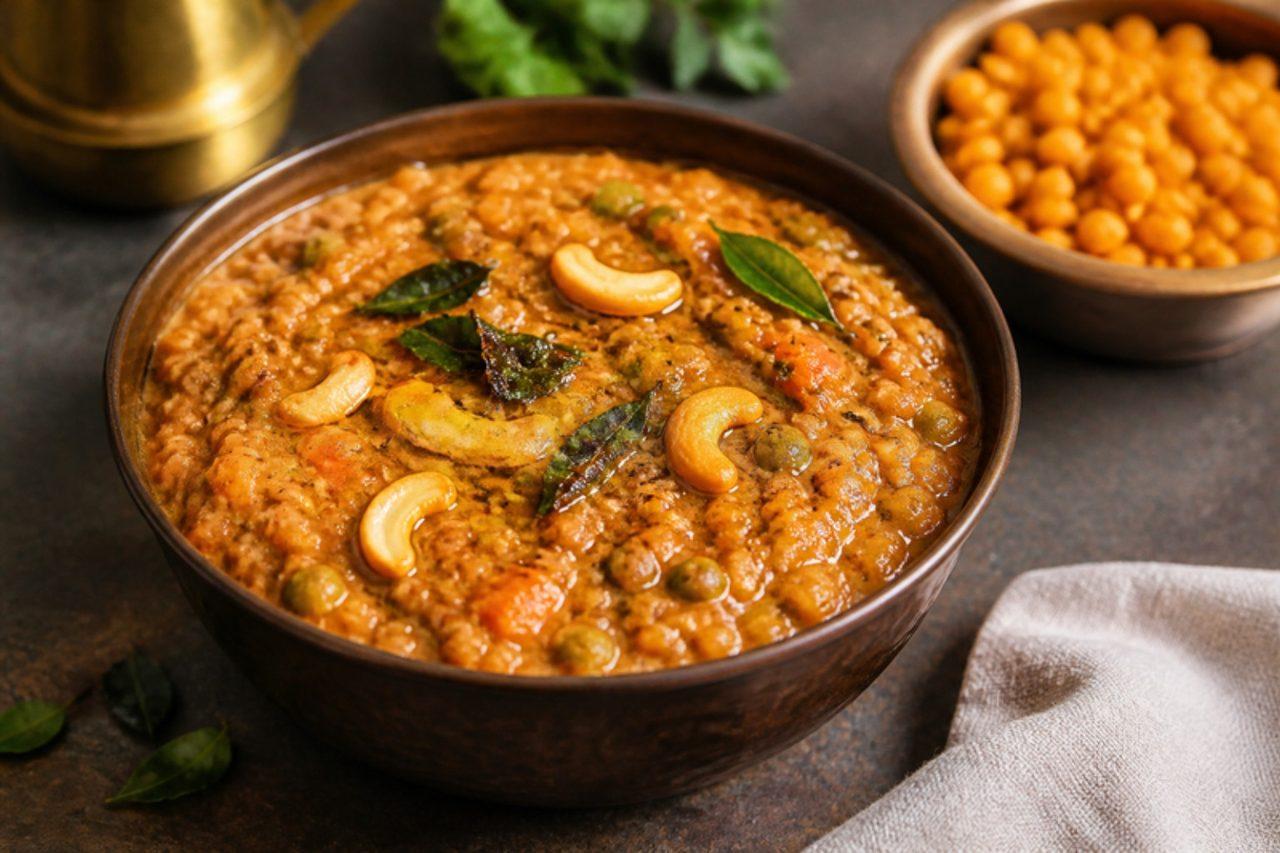
Bisi bele bath

Bisi bele bath means 'hot lentil rice' in Kannada, and it's Karnataka's great comfort dish, served in temples, weddings and Bengaluru tiffin rooms. Rice and toor dal are cooked soft with vegetables, then simmered with tamarind, jaggery and a freshly roasted spice powder of lentils, coriander seed, chilli, cinnamon and coconut until it's thick, glossy and spoonable. A generous ghee tempering with cashews and curry leaves goes over the top. Eat it piping hot with crisp potato chips or boondi raita. Chef's tip: make it looser than you think; it thickens fast as it stands, and the right texture is soft and flowing, like a thick porridge.

by KrazyBadal 0 views
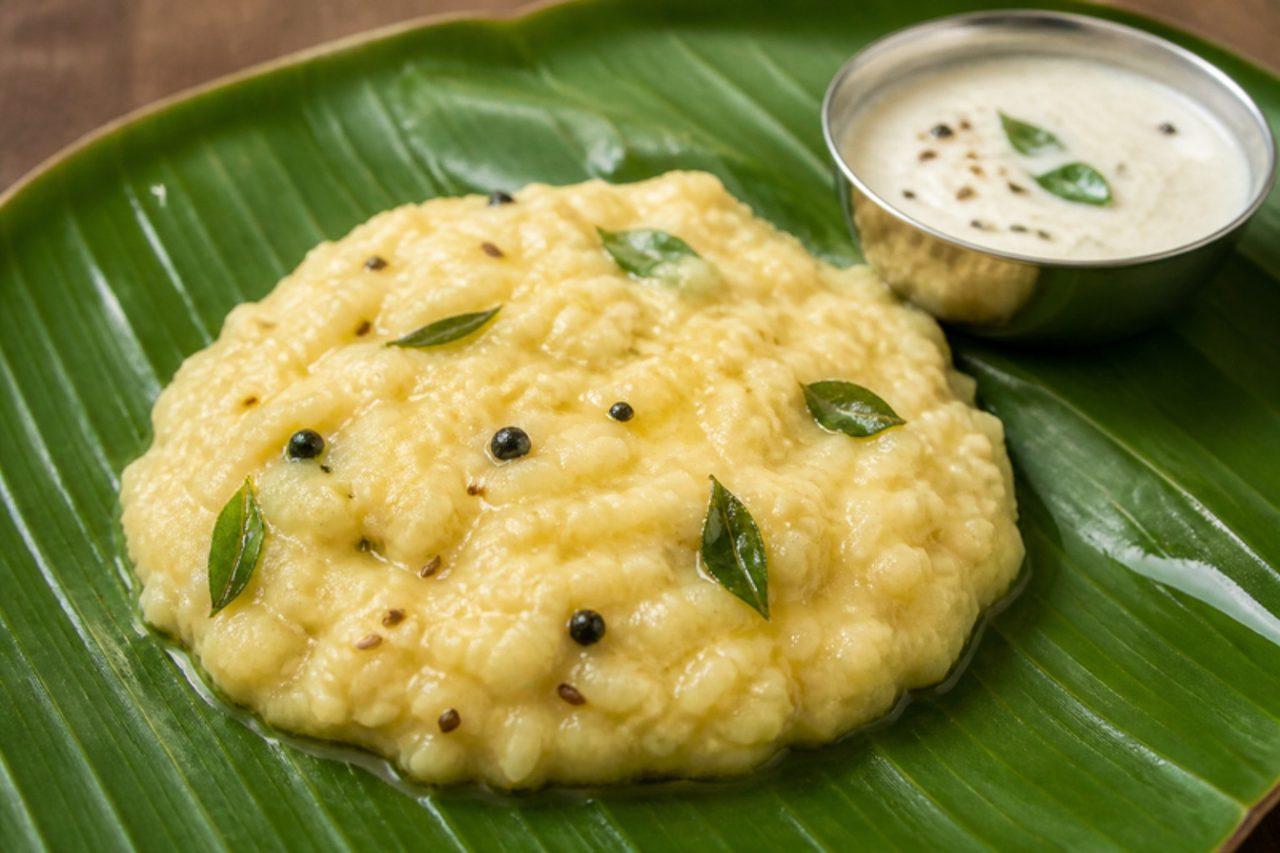
Ven pongal

Ven pongal, 'white pongal', is the gentle, savoury breakfast of Tamil Nadu, served in homes, temples and Chennai's tiffin halls. Rice and roasted yellow moong dal are cooked together until soft and creamy, then finished with a ghee tempering of whole black pepper, cumin, ginger, cashews and curry leaves. It's mild and comforting, with little bursts of heat from the peppercorns. Serve it with coconut chutney and sambar, or with medu vada on a Sunday. Chef's tip: dry-roast the moong dal for a few minutes before cooking until it smells nutty; it takes the pongal from plain to deeply savoury.

by KrazyBadal 0 views
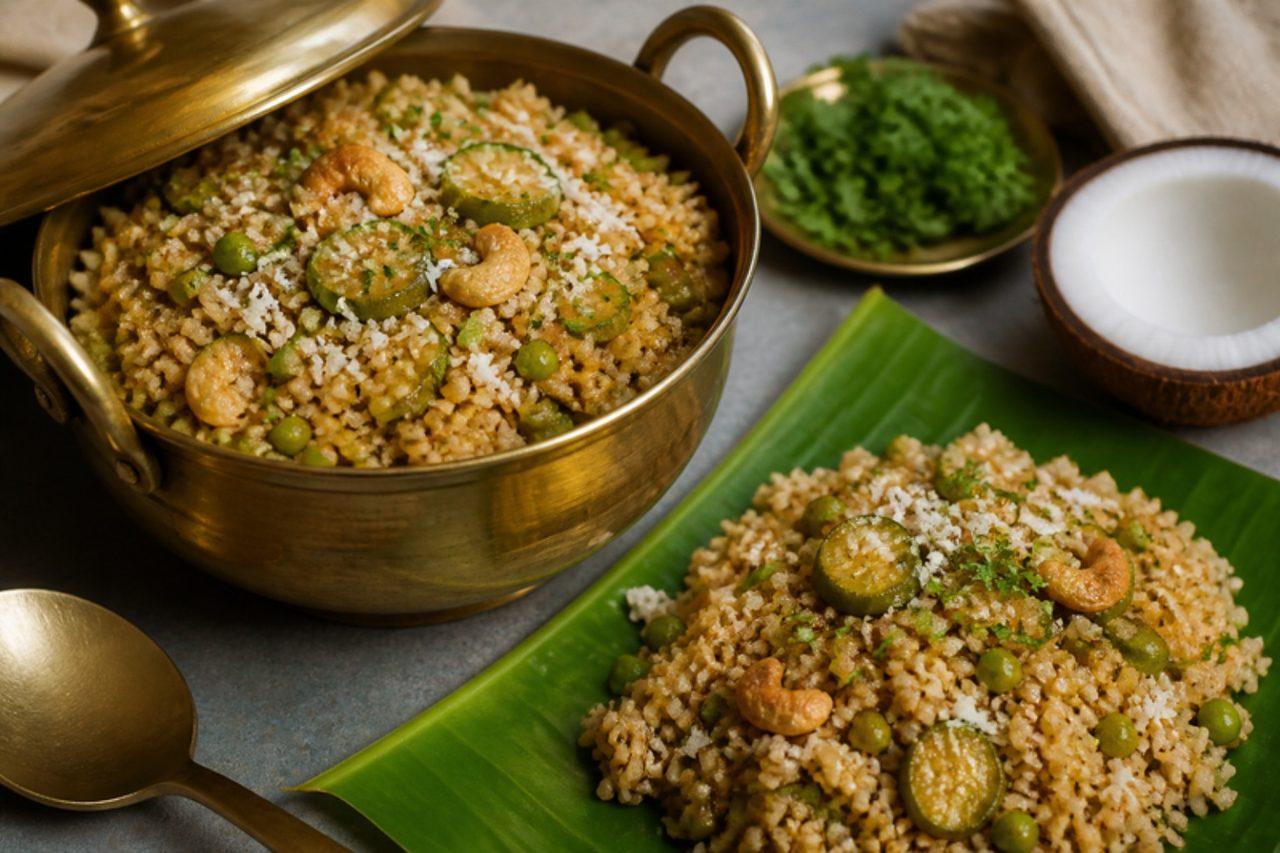
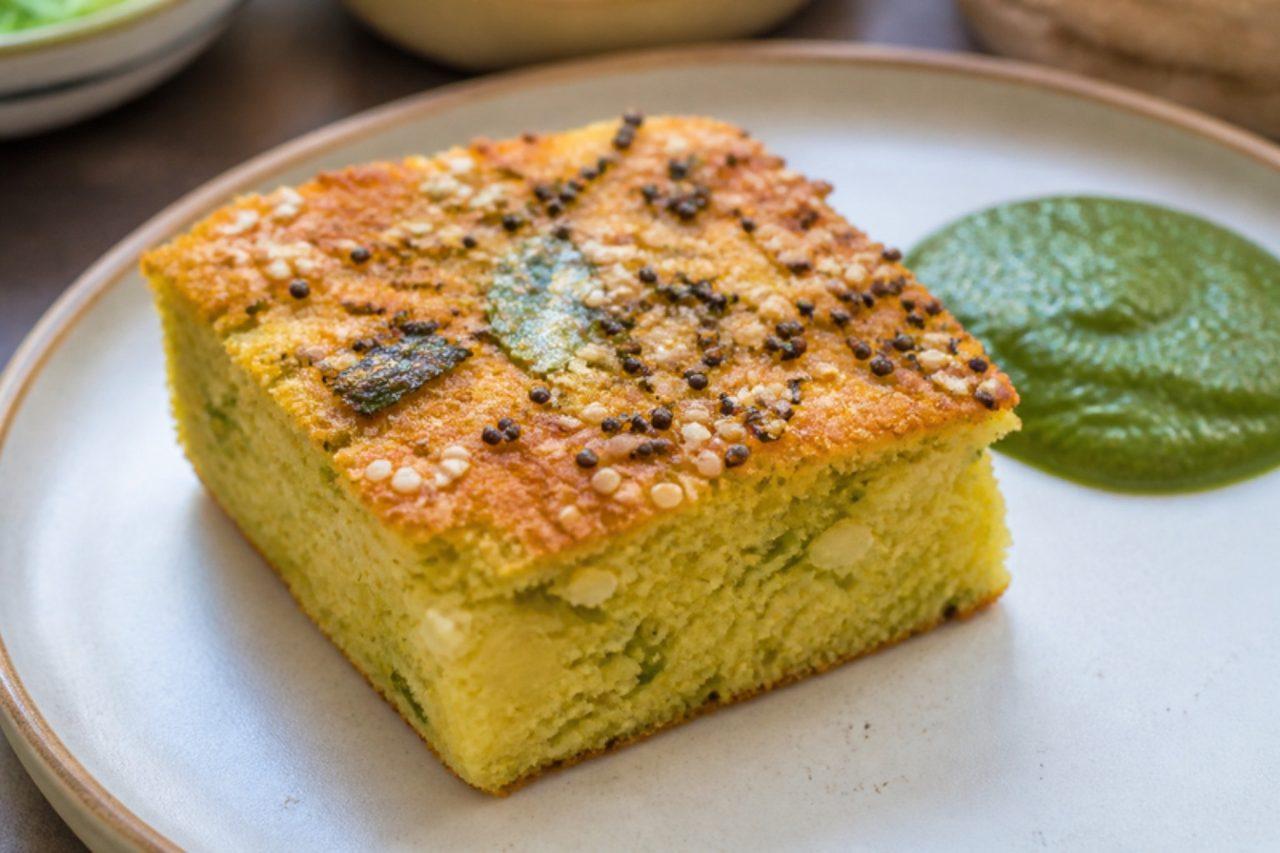
Handvo

Handvo is a savoury cake from Gujarat, made from a fermented batter of rice and lentils mixed with grated bottle gourd, yogurt and spices. It's baked or cooked slowly in a heavy pan until it has a deep-brown, crackly crust of mustard seeds and sesame and a soft, moist, slightly tangy inside. Gujarati families make it for Sunday tea or a light supper, with green chutney and a cup of masala chai. Slices are also good packed for a journey. Chef's tip: don't rush the crust; cook on a low heat with a lid and let the base go deep golden before you flip, because the crunchy, almost toasted sesame crust is the best part.

by KrazyBadal 0 views
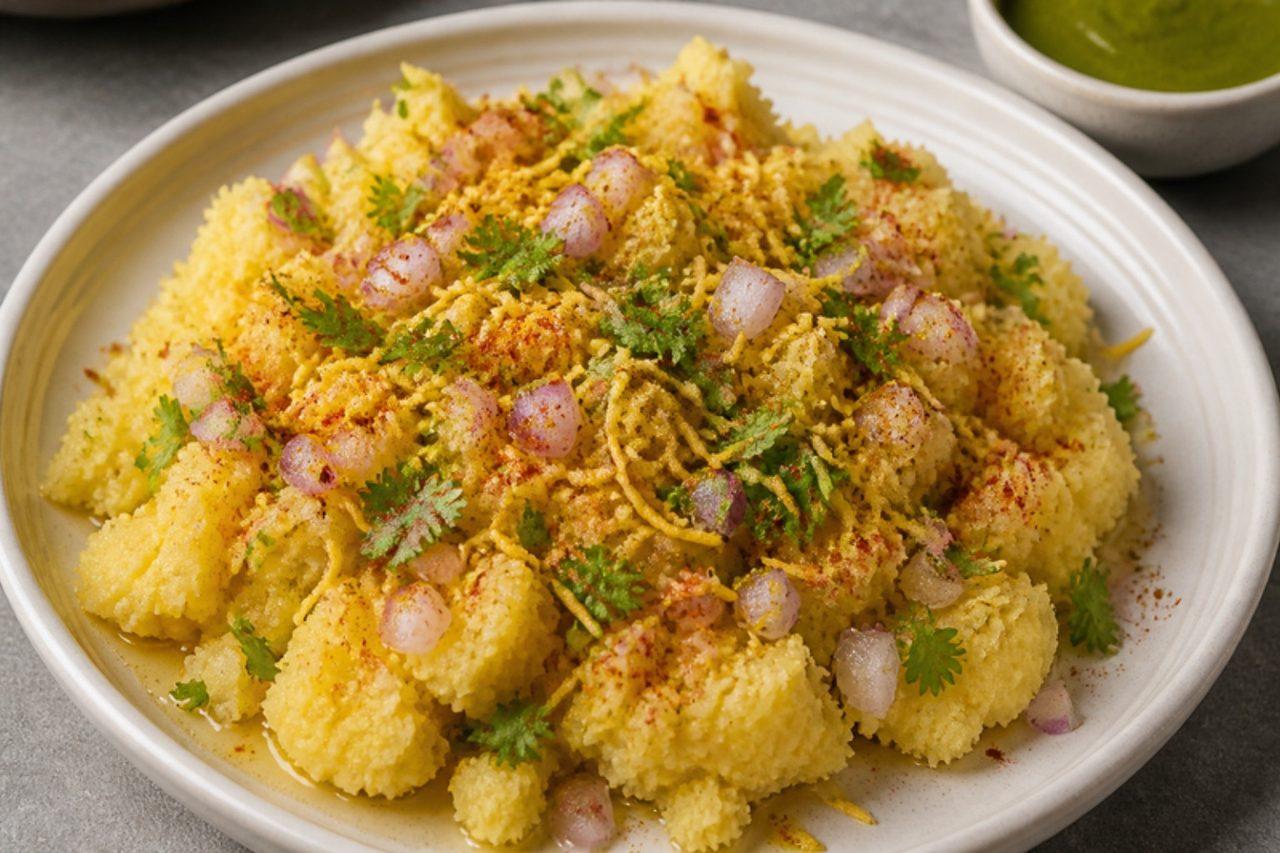
Surti locho

Locho is a breakfast street snack from Surat in Gujarat. The story goes that a batch of khaman went wrong and came out soft and mushy, and people liked it so much it became a dish of its own; 'locho' means a muddle. A fermented batter of chana dal is steamed until just set and scooped out in soft, spoonable heaps, then drizzled with oil and showered with a spicy locho masala, raw onion, coriander and sev. It's eaten hot with green chutney and a sweet-sour tamarind sauce. Chef's tip: steam it in a shallow layer and take it off as soon as a knife comes out sticky but not wet; locho should be just set and wobbly, and over-steamed it turns into a dull khaman.

by KrazyBadal 0 views
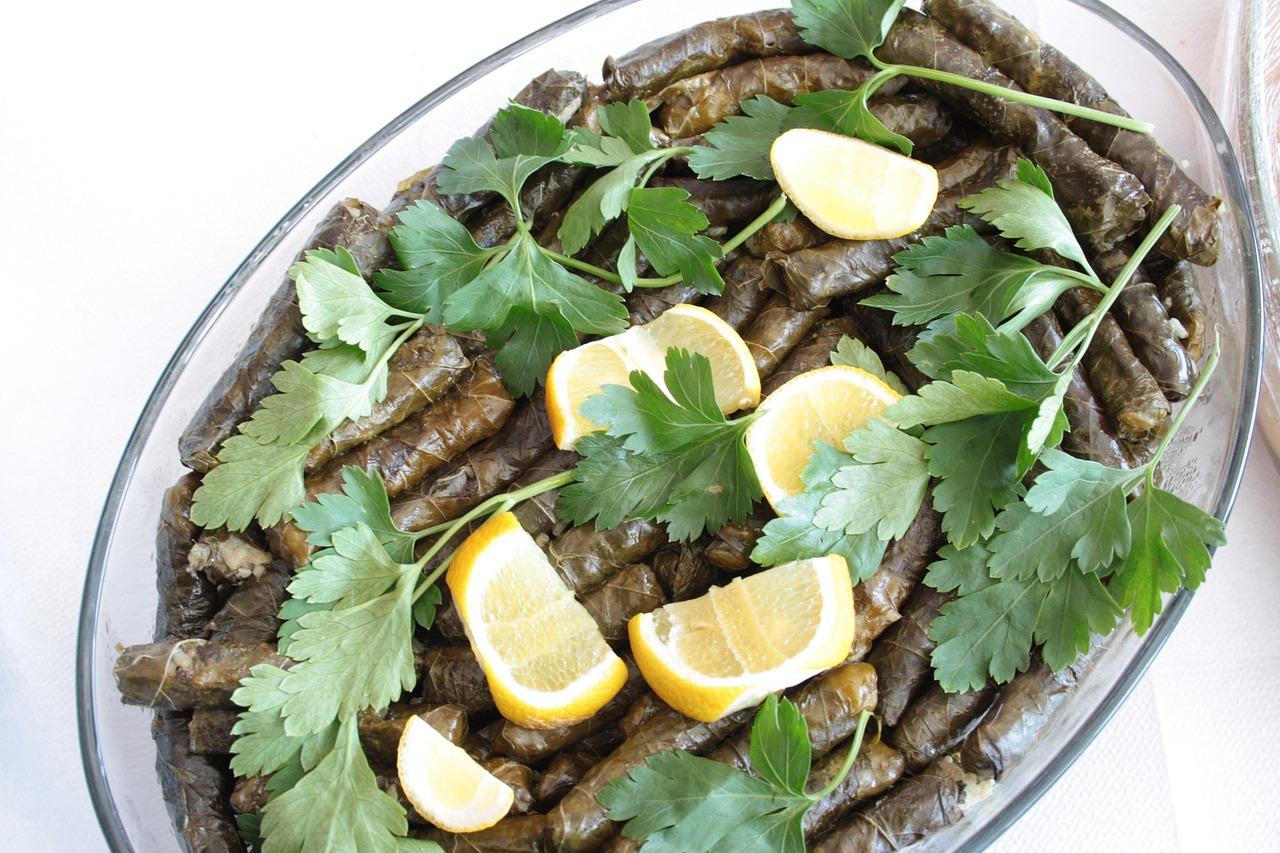
Yaprak sarma

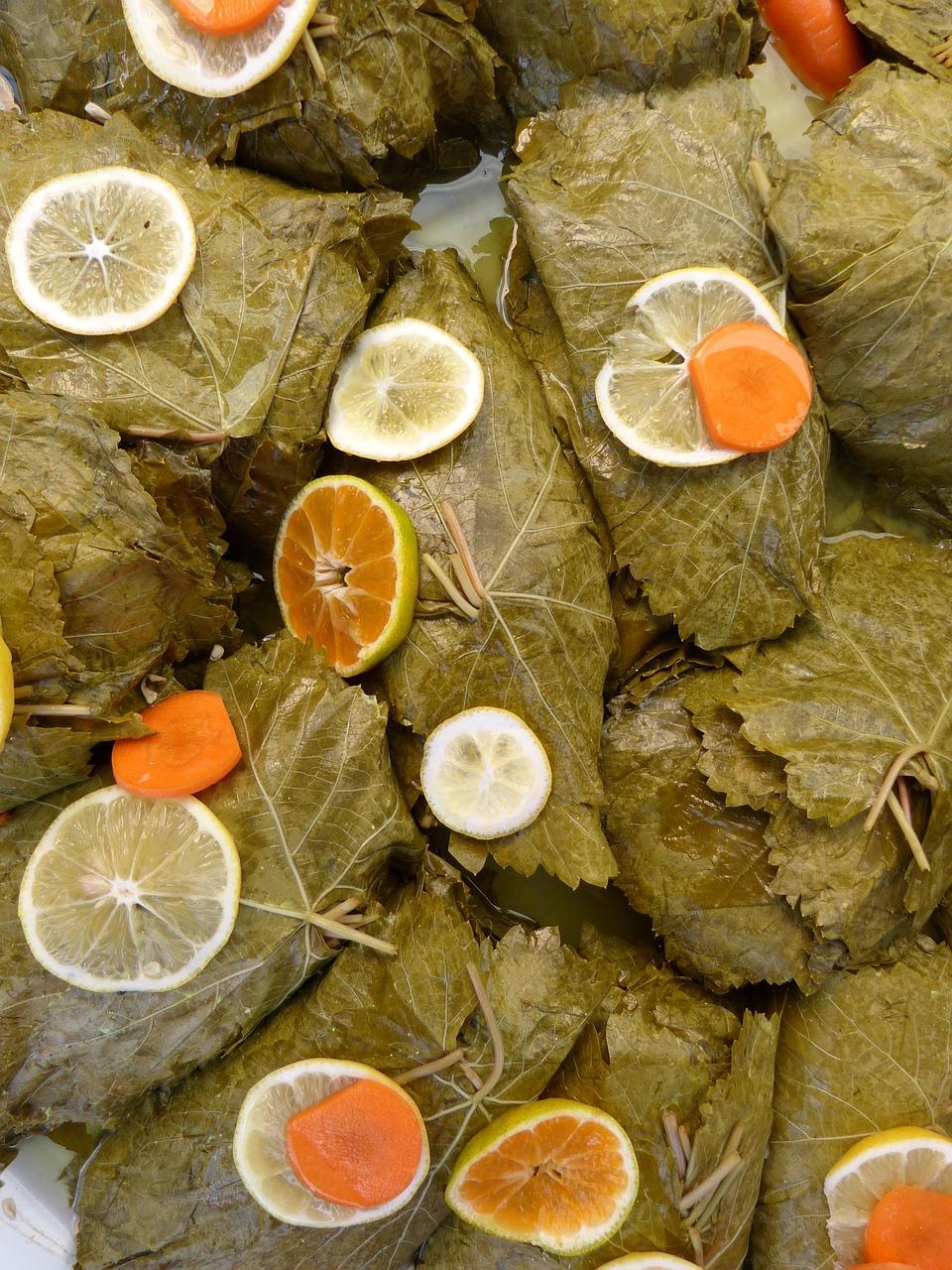
Rolling yaprak sarma is a social job in Aegean kitchens around Ayvalık and Manisa, where vineyards supply the leaves: a tray of grape leaves, a bowl of spiced rice and two or three people talking while they roll. This meat-free version is the olive-oil kind, filled with rice, onion, pine nuts, currants, mint and a pinch of cinnamon and allspice, and served cold as a meze or at tea-time gatherings. Good sarma are thin as a finger and hold together when bitten. A common mistake is overfilling: the rice swells as it cooks and splits the leaves. Chef's tip: use only a teaspoon of filling per leaf and roll firmly but not tight, leaving room for the rice to grow.

by KrazyBadal 0 views
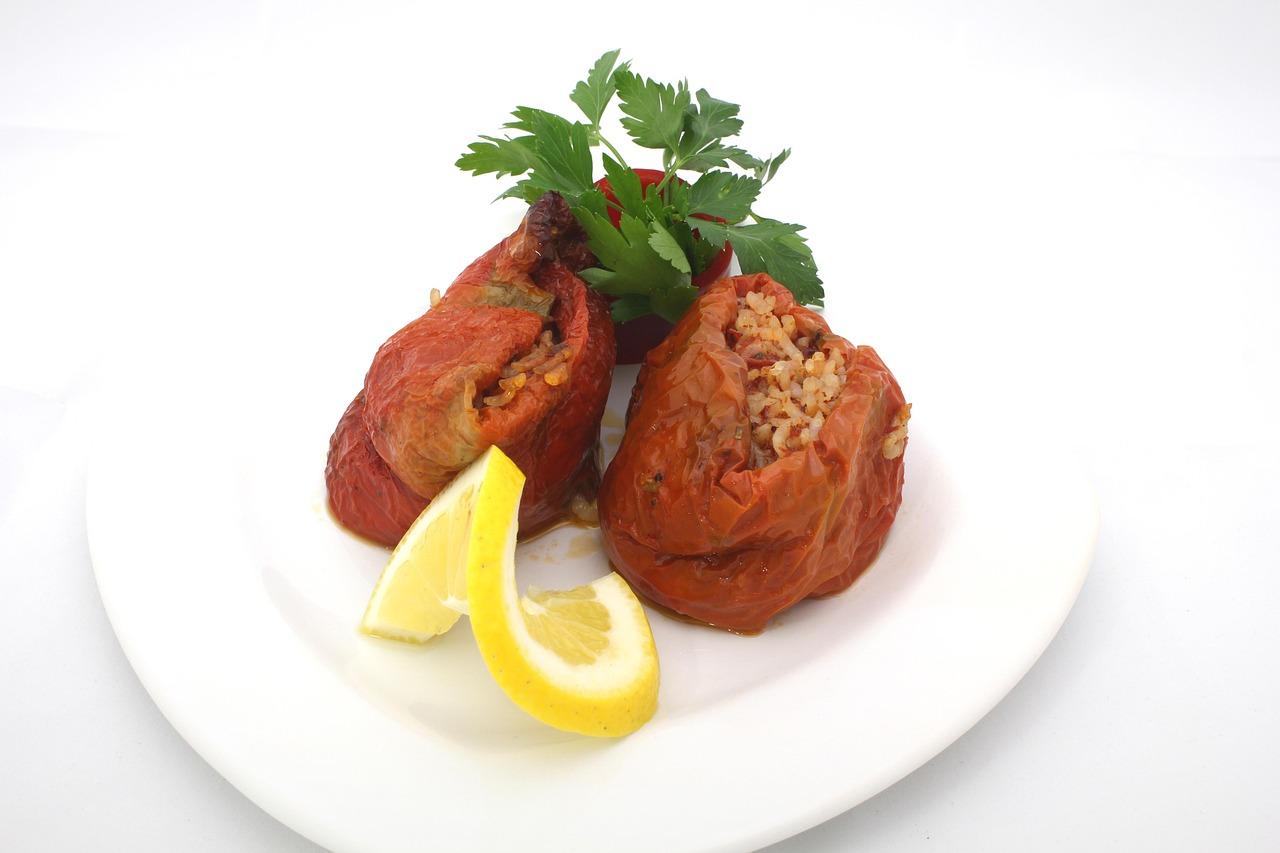
Biber dolması

Biber dolması turns up in every corner of Turkey, from Istanbul meyhanes to village kitchens in central Anatolia, and the olive-oil version without meat is the one eaten cold at summer lunches or packed for picnics. Thin-walled green dolma peppers are filled with rice cooked with onion, tomato, pine nuts, currants and warm spices, capped with a slice of tomato and simmered until the peppers slump and wrinkle. A frequent mistake is packing the filling to the top: leave a finger of space so the rice can swell. Chef's tip: let the peppers cool completely in their pot; the filling firms up and the flavours of mint and allspice come through much more clearly than when hot.

75 minVegetarianVeganGluten free
by KrazyBadal 0 views
Zeytinyağlı pırasa

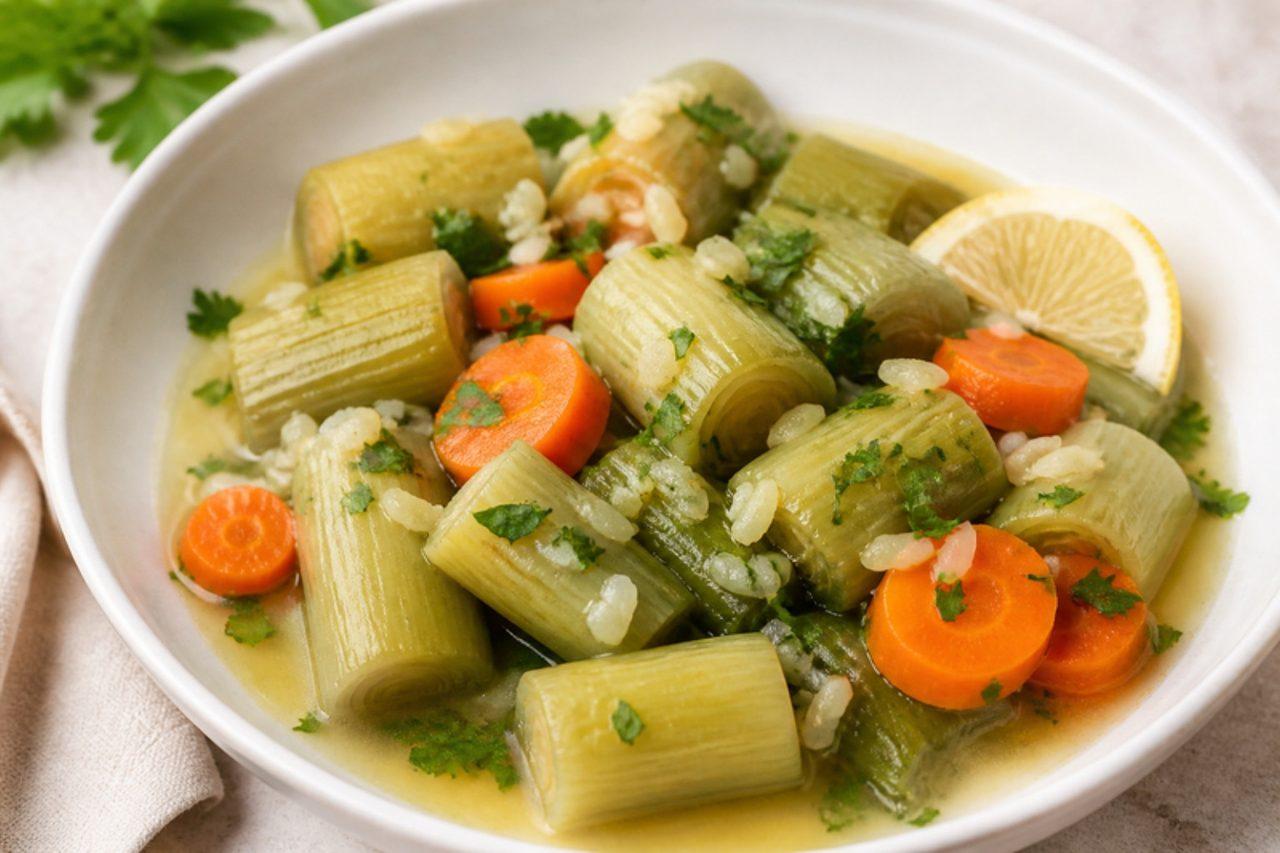
Winter in Istanbul brings fat leeks to every neighbourhood market, and zeytinyağlı pırasa is how many households use them: chunks of leek and carrot stewed gently in olive oil with a handful of rice to thicken the juices, finished with lemon. It is served at room temperature on the side of a winter table, or as a light lunch with bread and white cheese, and grandmothers often say it is better the second day. The usual mistake is skipping a proper wash: grit hides between the layers and ruins the whole pot. Chef's tip: cut the leeks on a slant into thick pieces and keep them whole rather than separating the rings, so they hold their shape through the slow braise.

40 minSidesVeganGluten free
by KrazyBadal 0 views
Ezogelin çorbası

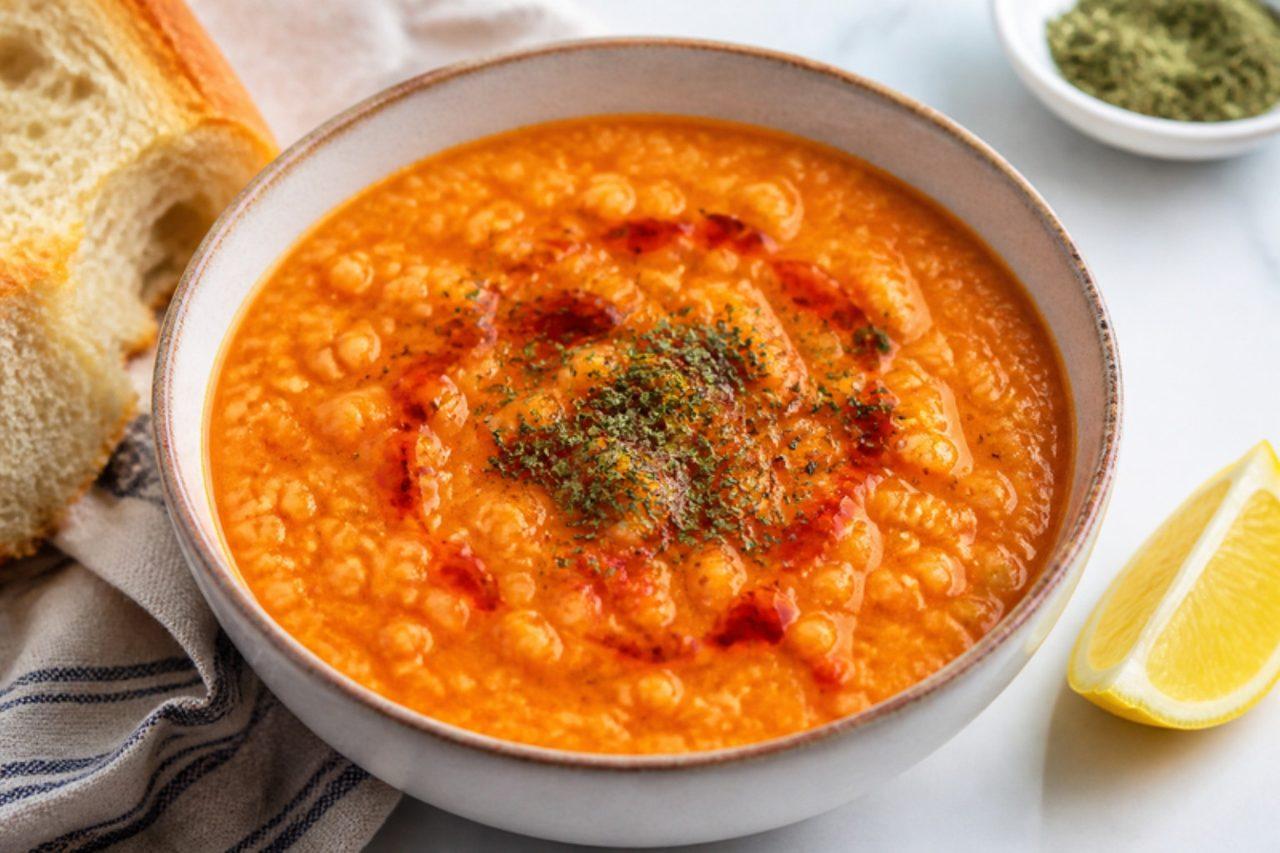
Gaziantep gave Turkey this hearty soup, named after Ezo, a bride from a village near the city whose sad story is still told in folk songs. Unlike the smooth mercimek soup, ezogelin keeps some texture: red lentils, bulgur and a little rice simmer together with tomato and red pepper paste until thick and soft, and plenty of dried mint goes in at the end. In southeast Turkey it is a winter staple, eaten in the morning and as a light supper with bread and a squeeze of lemon. It thickens as it stands, so add a splash of water when you reheat it. Chef's tip: rub the dried mint between your palms over the pot to release its oils just before you serve.

40 minSoupsVegan
by KrazyBadal 0 views
Warak enab

Warak enab bi zeit, vine leaves cooked in oil, is what Lebanese aunts make in big batches in early summer when the young grape leaves are tender, and it fills the cold mezze table at every wedding and family lunch. The meatless version, eaten on Lenten fast days, is packed with short-grain rice, tomato, parsley, mint and spring onion, seasoned with dried mint and seven spices, and simmered slowly in lemon juice until the leaves are silky and the filling sharp and fresh. It is served cold with a wedge of lemon and a spoonful of yogurt for those who are not keeping it vegan. Rolling too tightly is the mistake most people make: the rice swells and splits the leaves, so roll them snug but not stretched. Chef's tip: line the pan with sliced potato and tomato; they stop the rolls catching and are a cook's treat to eat straight from the pot.

by KrazyBadal 0 views
Fırın sütlaç

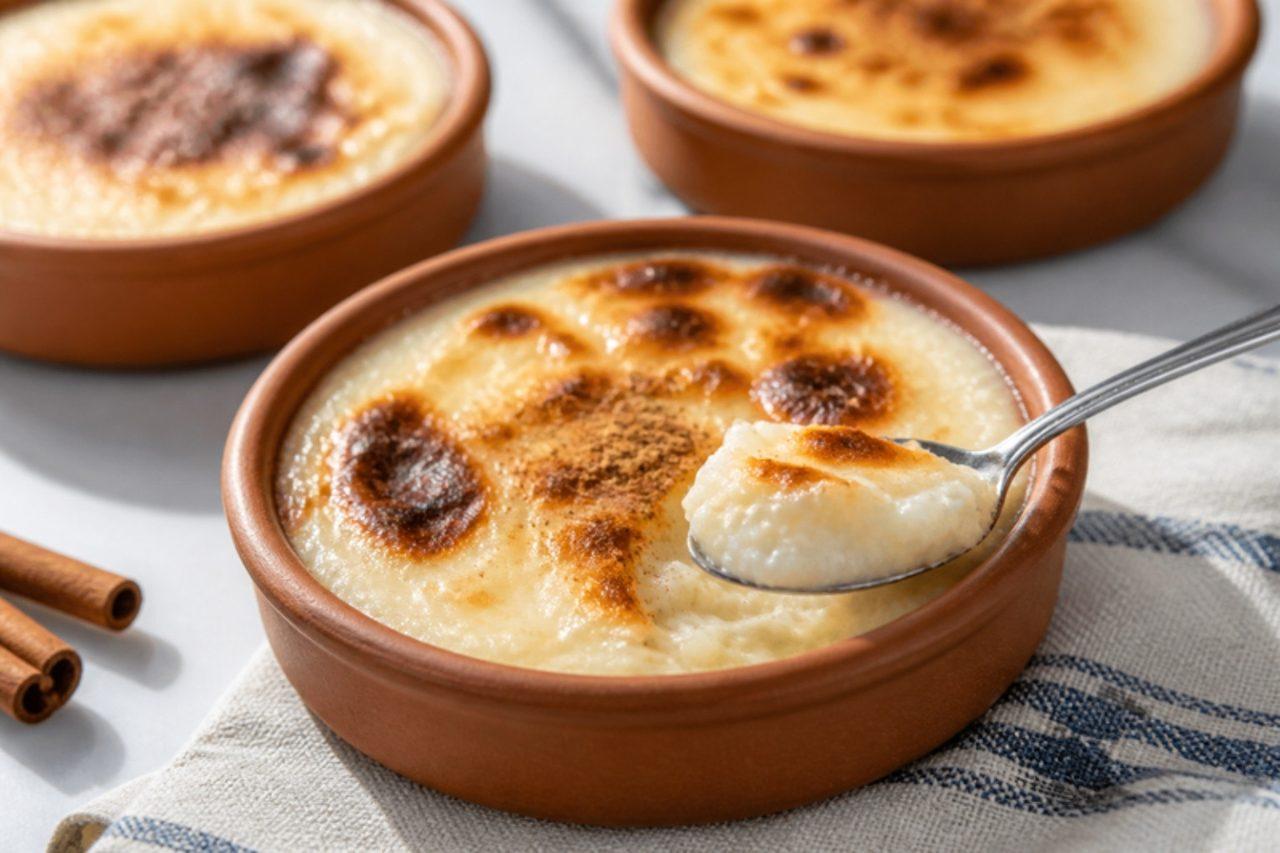
In Turkish pudding shops (muhallebici) from Istanbul to Ankara, fırın sütlaç is served chilled in little clay bowls, its surface blistered dark brown under the grill while the rice pudding beneath stays creamy and cool. It is a dessert families make on Sunday or for guests, since it has to set in the fridge for a few hours, and it travels well to neighbours during Ramadan evenings. The flavour is clean milk and vanilla, thickened with rice flour rather than eggs, so it is light compared with Western rice puddings. Eat it cold, plain or dusted with cinnamon or ground hazelnuts. Chef's tip: stand the filled bowls in a tray of cold water before they go under the grill; the water keeps the pudding from boiling up while the top browns.

60 minDessertsGluten free
by KrazyBadal 0 views

Hortopita

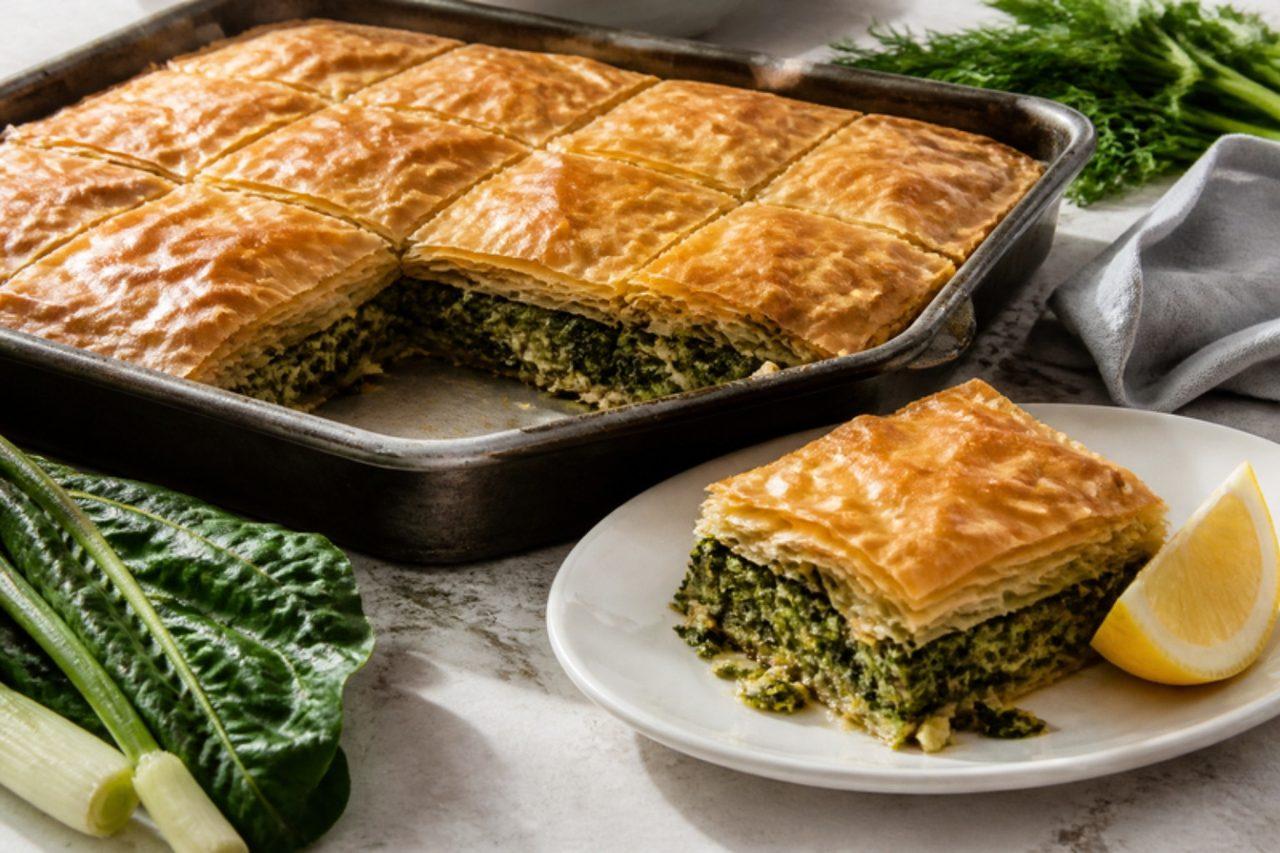
In the villages of Crete and the mountains of Epirus, hortopita is what cooks make from whatever greens are growing on the hillsides: wild fennel, sorrel, poppy leaves, nettles and chard. Many families bake it during Lent, when cheese and eggs are put aside, so the filling relies on olive oil, leeks and a big handful of herbs for flavour. It is earthy, a little bitter and very fresh. This version uses easy-to-buy chard, spinach, fennel fronds and leeks, with a spoonful of rice to soak up the juices. Serve warm or cold with olives and a glass of something cold. Most shop fillo is made without butter or egg, but check the label to keep it vegan. Chef's tip: salt the chopped greens and leave them for 20 minutes before squeezing; skipping this is the most common mistake, and it makes hortopita watery.

80 minBakingVegan
by KrazyBadal 0 views

Arroz doce

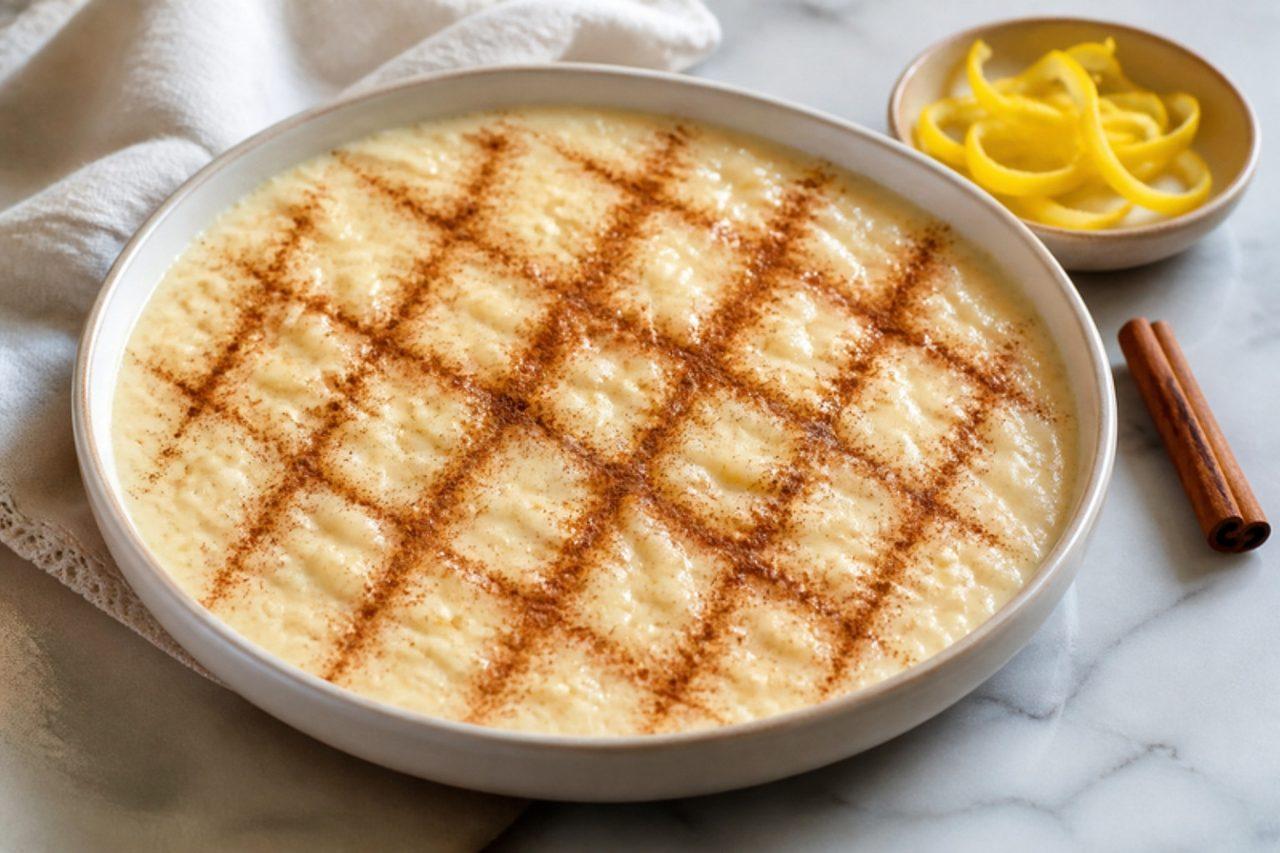
Arroz doce is set out on every Portuguese table at Christmas, at weddings and at the summer romarias (village saints' festivals) of the Minho, poured into wide, shallow platters and dusted with cinnamon in lattices, initials or little hearts. Short-grain carolino rice is first boiled in water with lemon peel and cinnamon, then simmered slowly in milk and sugar, and finally thickened off the heat with egg yolks, which turns it pale gold and custardy; that last step is what sets it apart from Spanish or Mexican rice puddings. It is eaten cold or at room temperature, by the spoonful straight from the platter. Chef's tip: cook the rice in water first until it has swollen, and only then add the milk; starting in milk scorches easily and leaves the grains firm in the middle.

50 minDessertsGluten free
by KrazyBadal 0 views

Mahshi

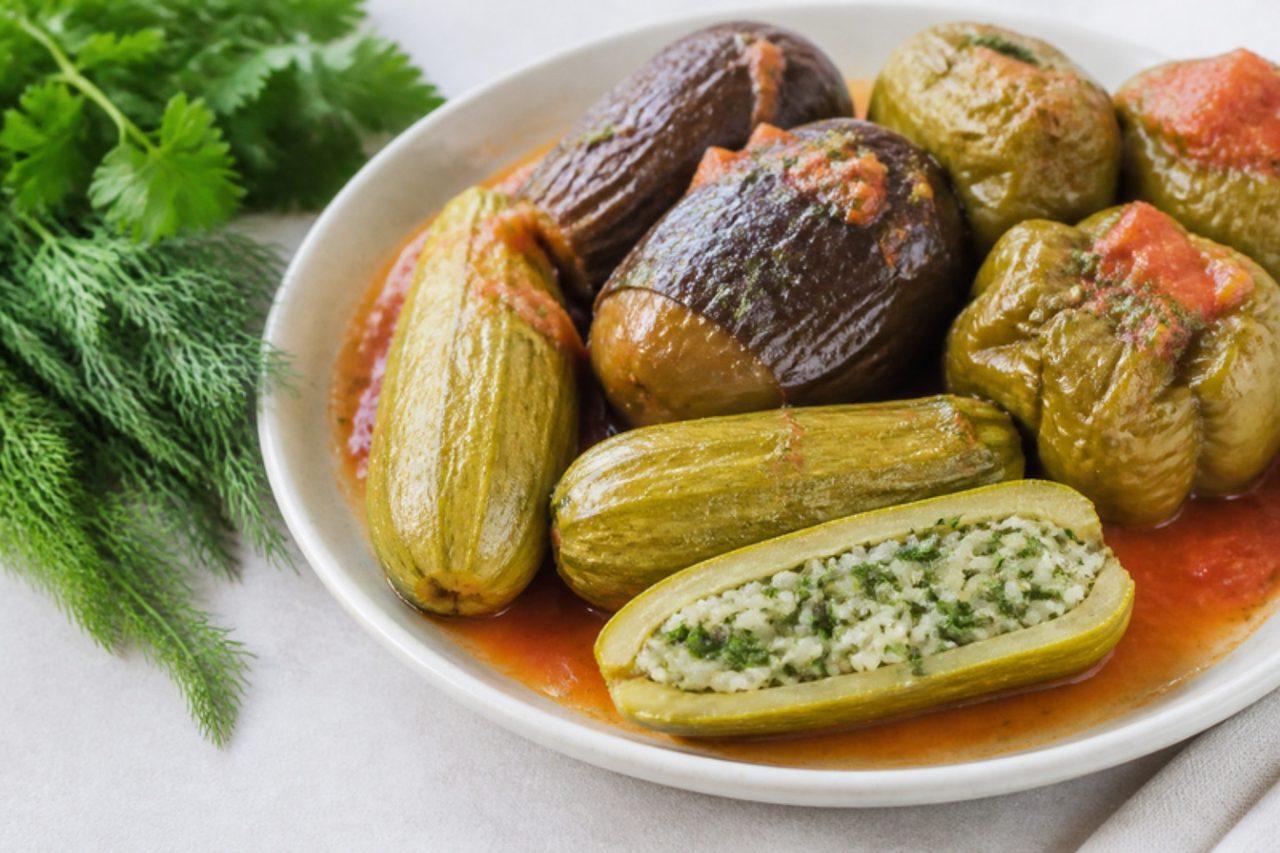
Mahshi is the pride of the Egyptian home kitchen: a big pot of courgettes, small aubergines, peppers and tomatoes, hollowed out and stuffed with short-grain rice, tomato, onion and a fistful of dill, parsley and coriander, then packed tightly and simmered in tomato broth. It turns up for Friday family lunches and on feast days, and making it is often a shared afternoon job around the kitchen table. Some families add minced meat to the stuffing; this version is the everyday vegetable-and-rice one. Chef's tip: fill each vegetable only three-quarters full; the rice swells as it cooks, and overstuffed vegetables burst and leave hard, undercooked rice in the middle.

120 minVegetarianVeganGluten free
by KrazyBadal 0 views

Roz bel laban

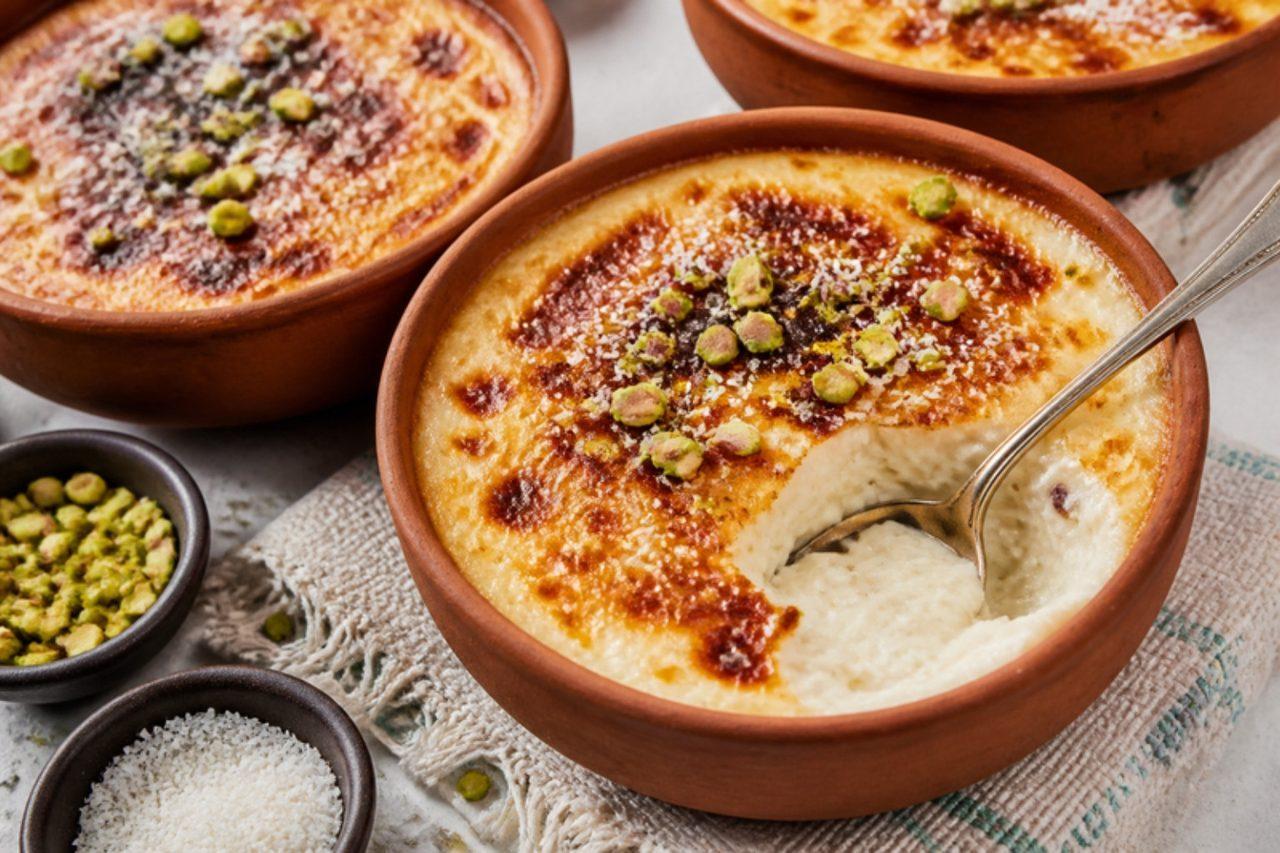
Roz bel laban (rice with milk) is the pudding of Egyptian homes and dessert shops alike, sold in clay pots and little foil cups across Cairo and eaten all year, especially in the evenings of Ramadan. It is made with short Egyptian rice cooked slowly in milk, thickened with a little cornflour so it sets creamy and spoonable, and scented with vanilla or orange blossom water. This is the roz bel laban fel forn version, finished in a very hot oven so the top blisters with brown spots, the way the Cairo dessert shops sell it. Serve it cold, scattered with pistachios or coconut. Chef's tip: stir the cornflour into cold milk before adding it; dropped straight into the hot pot it turns into lumps you can't whisk out.

45 minDessertsGluten free
by KrazyBadal 0 views

Masale bhaat

At a traditional Maharashtrian wedding lunch in Pune, the masale bhaat arrives in a steel bucket, deep brown-gold with goda masala, studded with tondli, peas and cashews and topped with fresh coconut and coriander. Unlike a pulao it is not delicate: it's spiced, a touch sweet from jaggery, and made with short-grain ambemohor or indrayani rice that turns soft and fragrant. A squeeze of lemon, a spoon of ghee and a bowl of kadhi or mattha (spiced buttermilk) on the side make it a meal. Chef's tip: slice the ivy gourd lengthways into quarters, not rounds, so it holds its shape and stays crunchy through the steaming.

by KrazyBadal 0 views

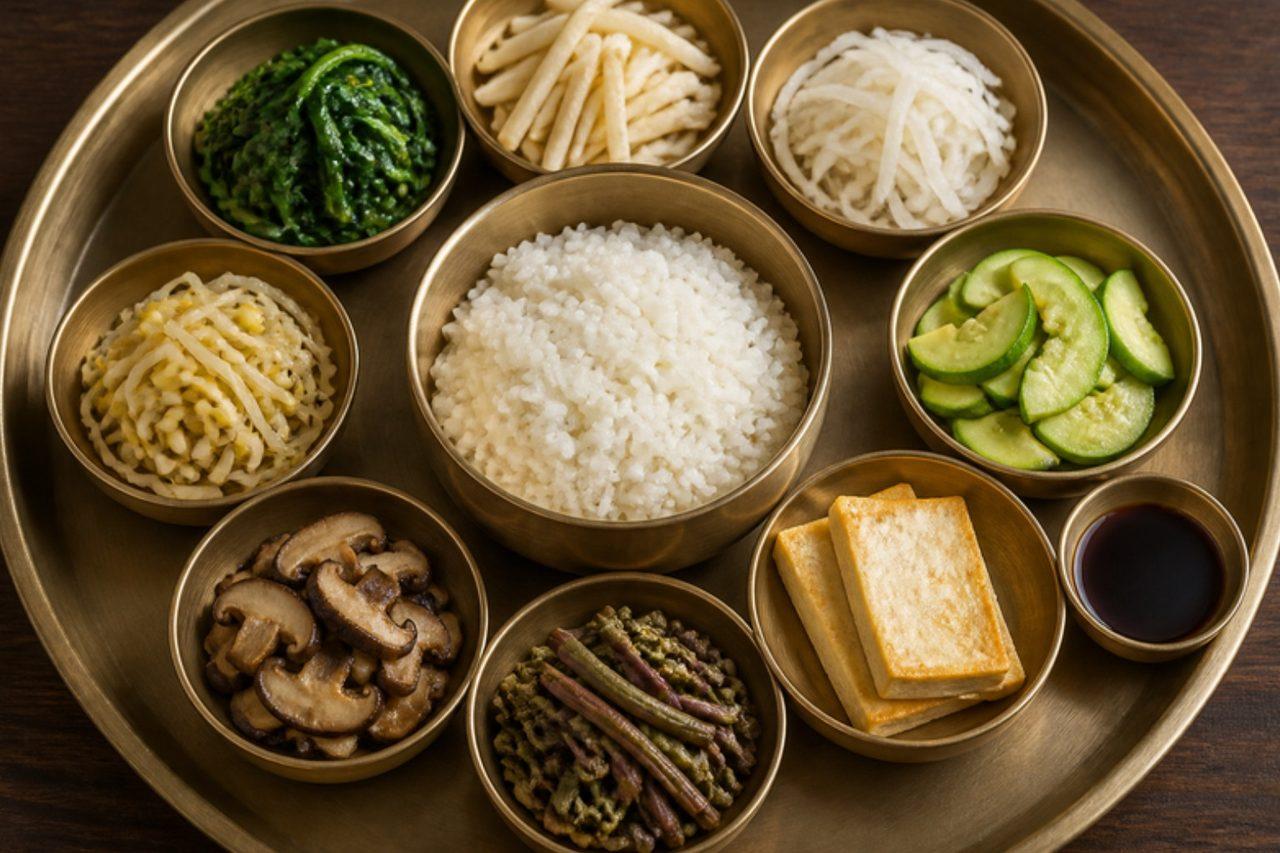
Heotjesatbap

In Andong, the old Confucian town of North Gyeongsang, the scholars of the yangban class were said to want the food from jesa, the rite offered to ancestors, without waiting for a rite to come round, so they cooked the same dishes and called them heotjesatbap (헛제삿밥), 'fake rite rice'. Restaurants by Andong's dam still serve it: a bowl of rice to be mixed with brown, white and green namul and seasoned with soy sauce, never chilli, because ritual food avoids red pepper and garlic. The full table includes grilled fish and beef skewers; this vegetarian version keeps the vegetables and tofu jeon that make up most of it. Chef's tip: cook each namul separately with only salt, soy or sesame, so each keeps its own taste and colour when you mix the bowl.

by KrazyBadal 0 views

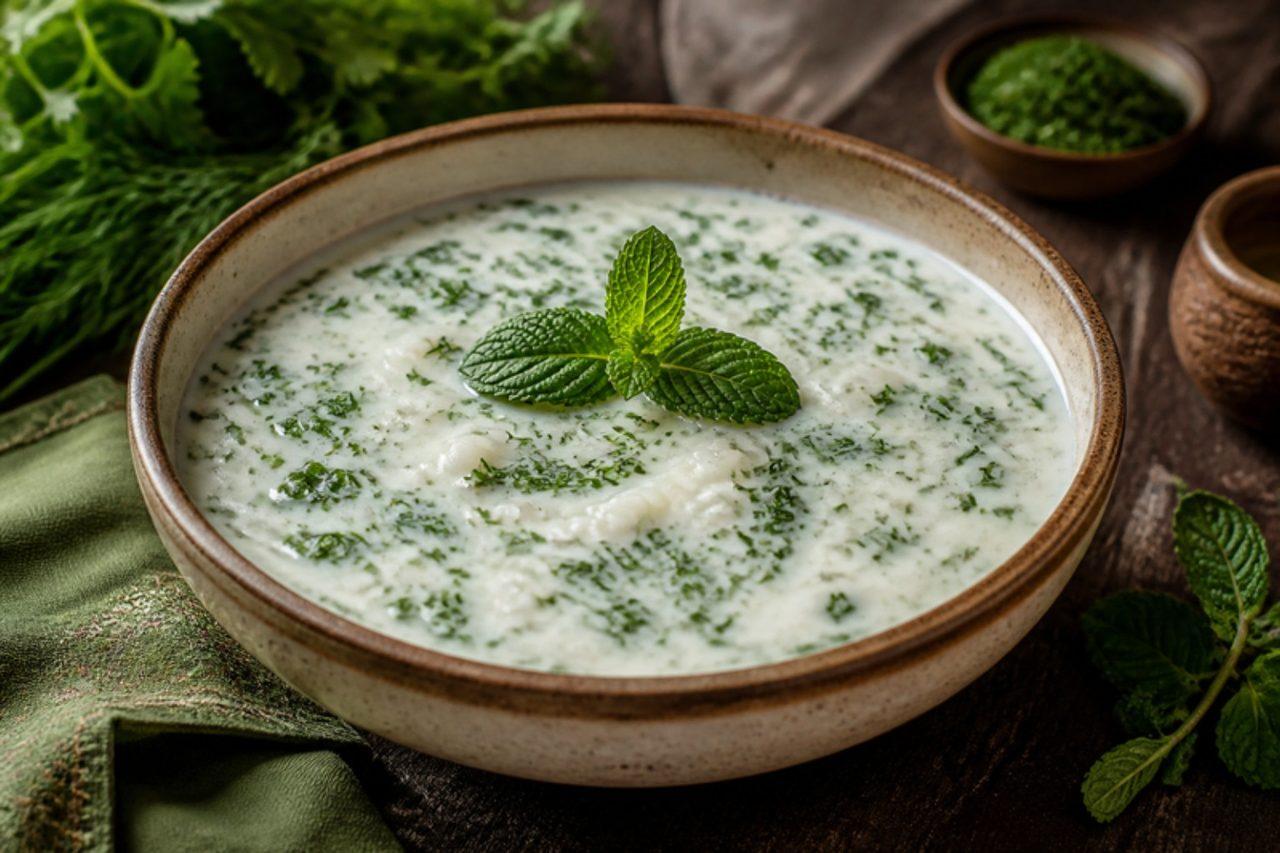
Dovga

Dovğa is green, tangy and cooling, the soup Azerbaijanis drink cold from glasses on hot Baku afternoons and eat hot in bowls when the Absheron wind turns chilly. Yogurt is thinned, thickened with rice and egg, then packed with chopped spinach, dill, coriander, mint and sorrel, until the soup is more herbs than dairy. It is served at weddings and at Novruz to settle the stomach after rich food, and many cooks add chickpeas. Unlike Armenian spas, there is no fried onion or wheat; the flavour is all fresh herbs and sour yogurt. Chef's tip: add the herbs only once the yogurt is boiling steadily and stable; they wilt in seconds, and the colour stays bright green.

50 minSoupsGluten free
by KrazyBadal 0 views

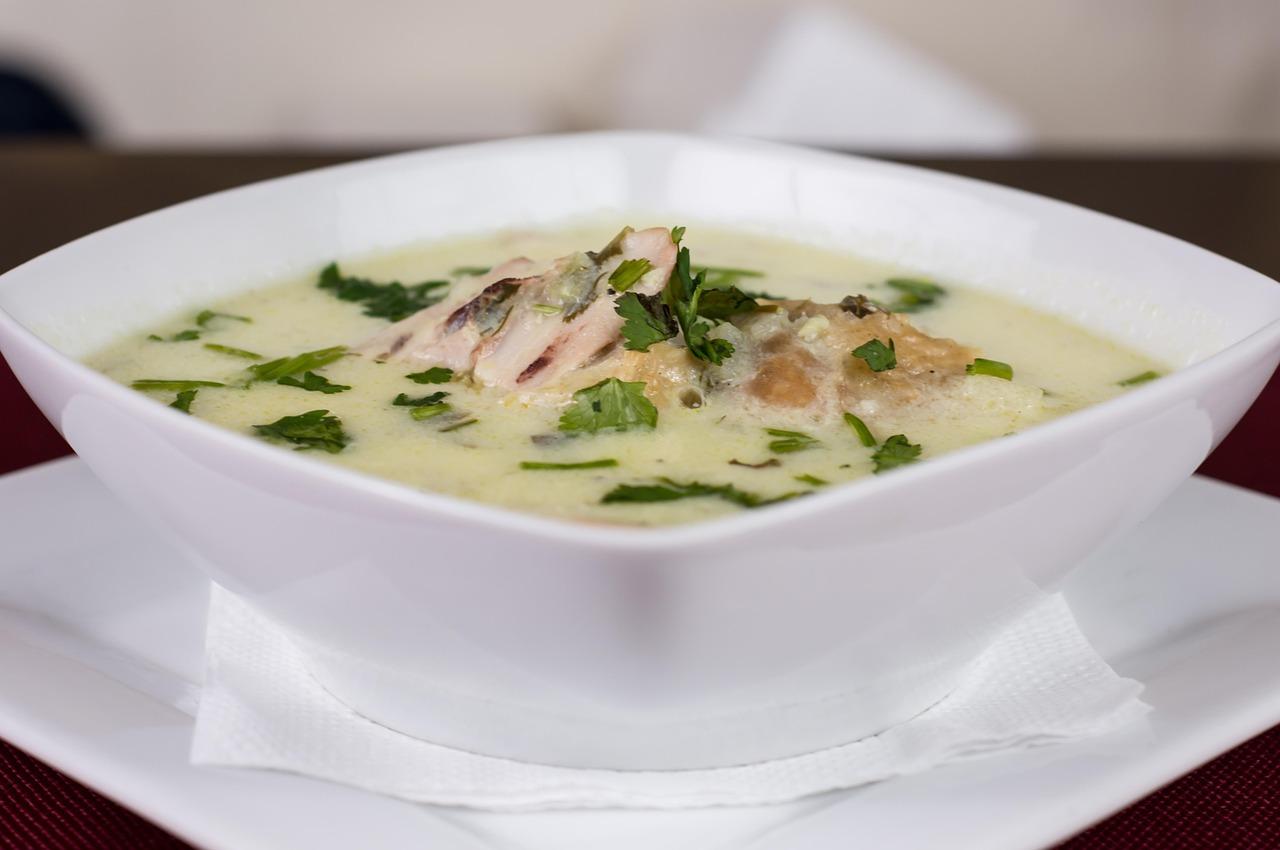
Chicken avgolemono soup

Kotosoupa is what a Greek grandmother puts on the stove when someone has a cold, and on the night after Easter Saturday's midnight service many families break the fast with a lemony soup much like it. A whole chicken poaches with onion, carrot and celery, rice cooks in the broth, and at the end beaten eggs and lemon are tempered in so the soup turns creamy and pale without any cream. The chicken is often served on the side with potatoes, or shredded back into the bowl. Chef's tip: whisk the eggs until frothy before adding lemon and hot broth; it makes the soup silky and helps stop it curdling.

95 minSoupsGluten free
by KrazyBadal 0 views

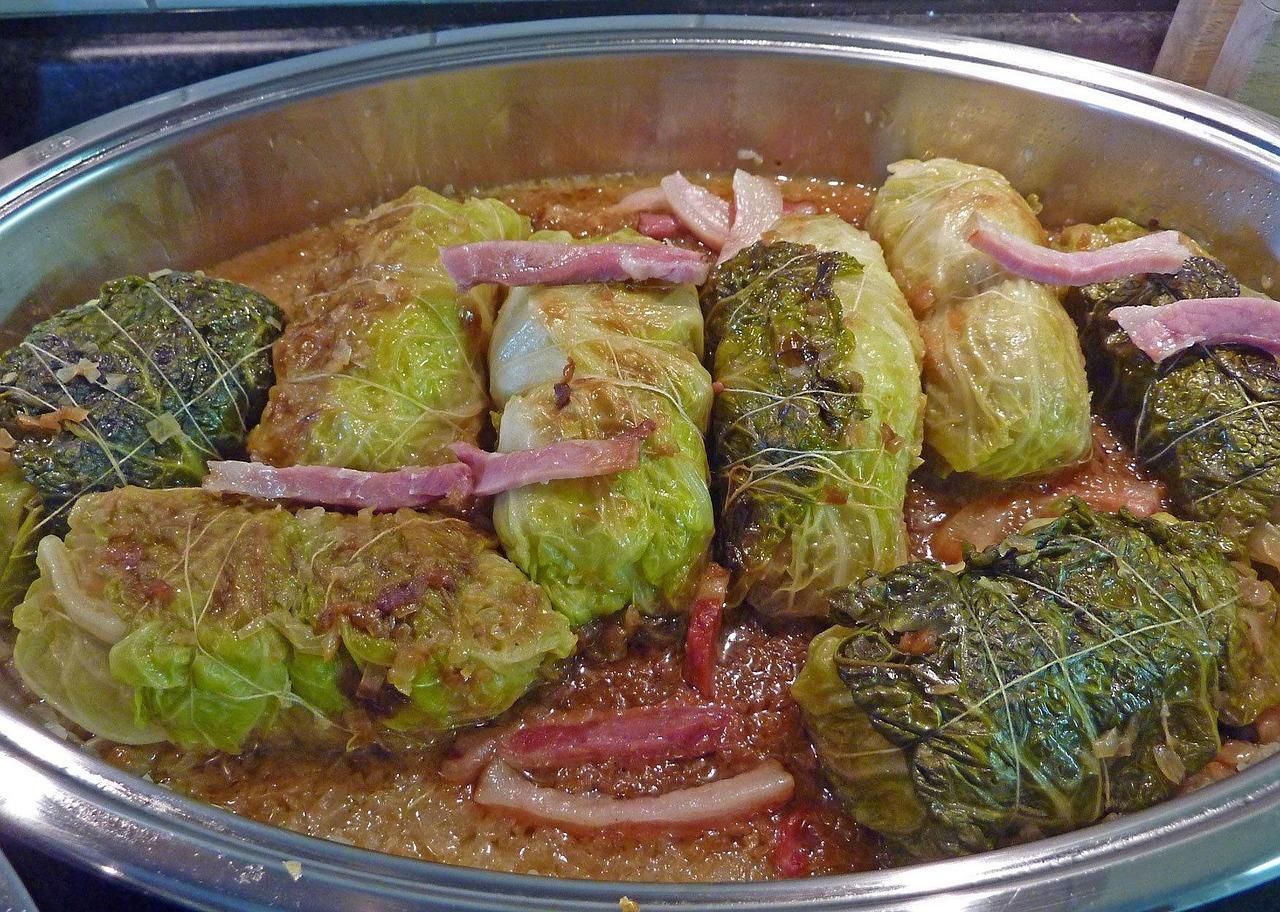
Töltött káposzta

Töltött káposzta is the dish Hungarians make for Christmas and the wedding feasts of the countryside, a huge pot that tastes better each day. It is a pork dish: soured cabbage leaves are rolled around a filling of pork mince, rice, onion and paprika, then layered with chopped sauerkraut and smoked pork ribs or sausage and simmered for hours. It is served with a dollop of soured cream and bread. Chef's tip: look for whole soured cabbage heads (sold for this dish in Eastern European shops); if you cannot find them, blanch fresh savoy leaves and add extra sauerkraut.

195 minMeatGluten free
by KrazyBadal 0 views

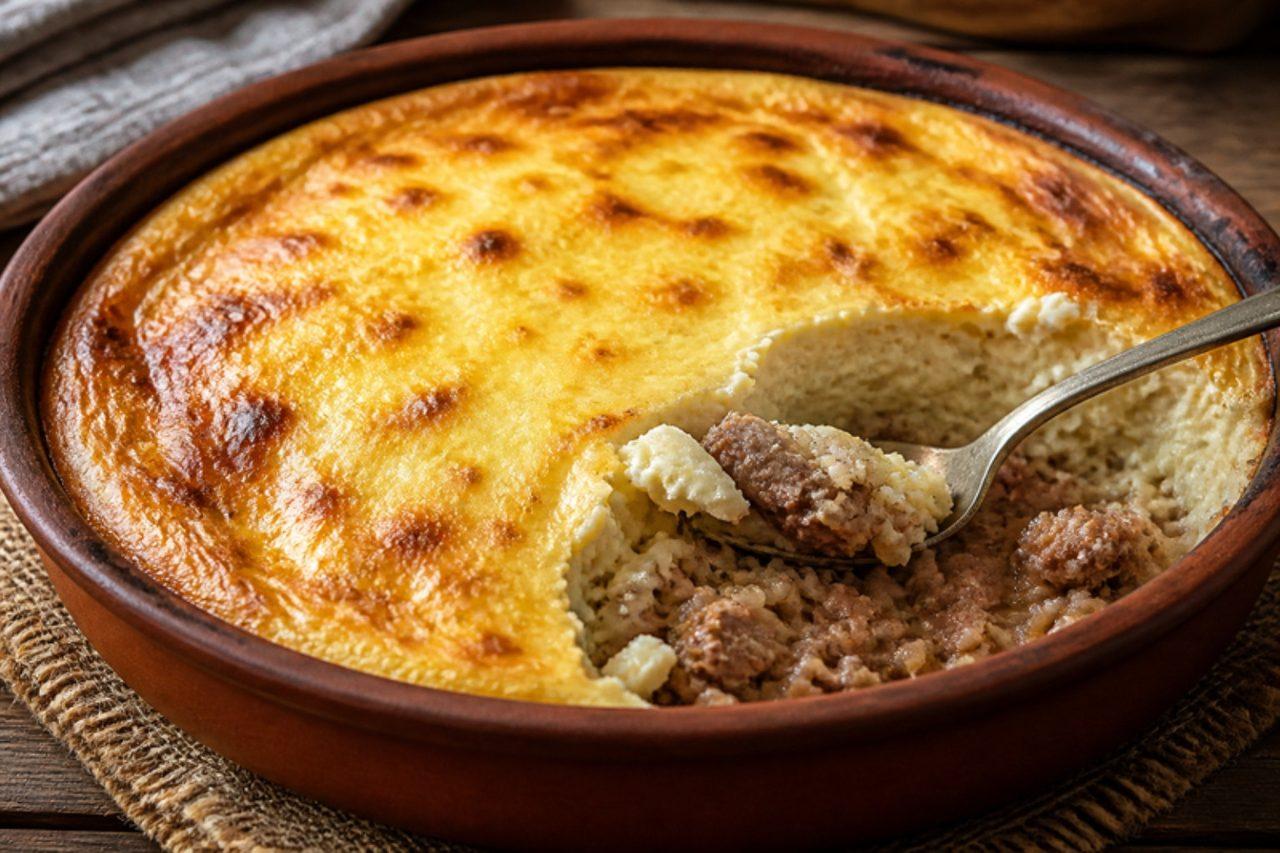
Tavë kosi

Elbasan, in central Albania, claims tavë kosi as its own and serves it on Dita e Verës, the spring festival in March, though families across Albania and Kosovo bake it all year. Pieces of lamb on the bone are browned with garlic and a little rice, then covered with a thick custard of tangy yogurt, eggs and a butter-flour roux and baked until puffed and golden on top. Inside, the custard stays soft and slightly sour against the rich meat. A classic slip is using thin, low-fat yogurt, which splits in the oven; use full-fat strained yogurt. Chef's tip: let the yogurt come to room temperature and whisk the warm roux in slowly, so the custard stays smooth.

135 minMeat
by KrazyBadal 0 views

Punjene paprike

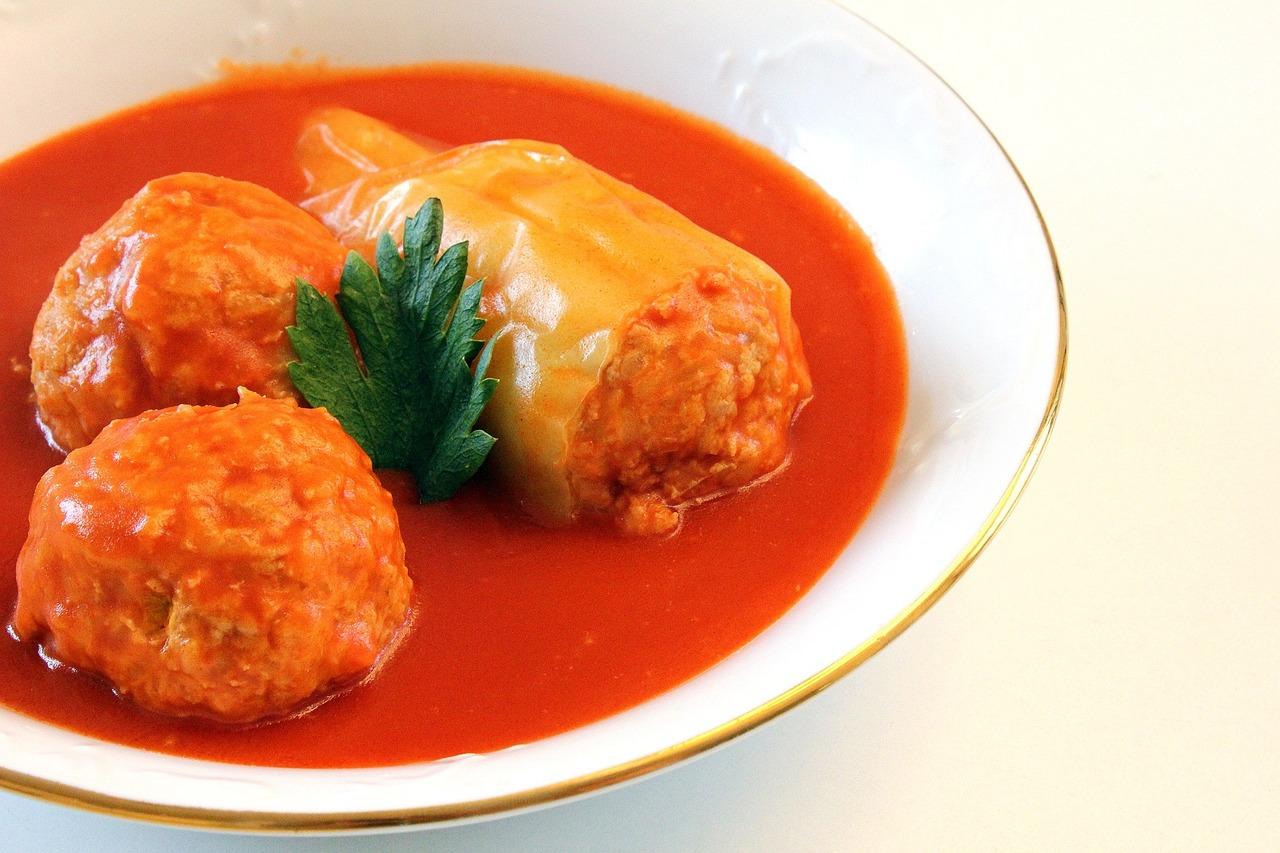
When late-summer markets in Novi Sad and Belgrade fill up with pale yellow and light green peppers, Serbian kitchens make big pots of punjene paprike to eat for several days. The peppers are packed with seasoned beef and pork mince and rice, stood upright and simmered slowly in a light tomato sauce until meltingly soft. They are served with a dollop of sour cream and bread to mop up the sauce. This recipe contains pork. The easy mistake is stuffing the peppers too tightly: the rice swells and splits them, so leave the top 2 cm empty. Chef's tip: plug each pepper with a slice of potato or tomato before simmering, so the filling stays inside.

105 minMeatGluten free
by KrazyBadal 0 views

Dolma batata

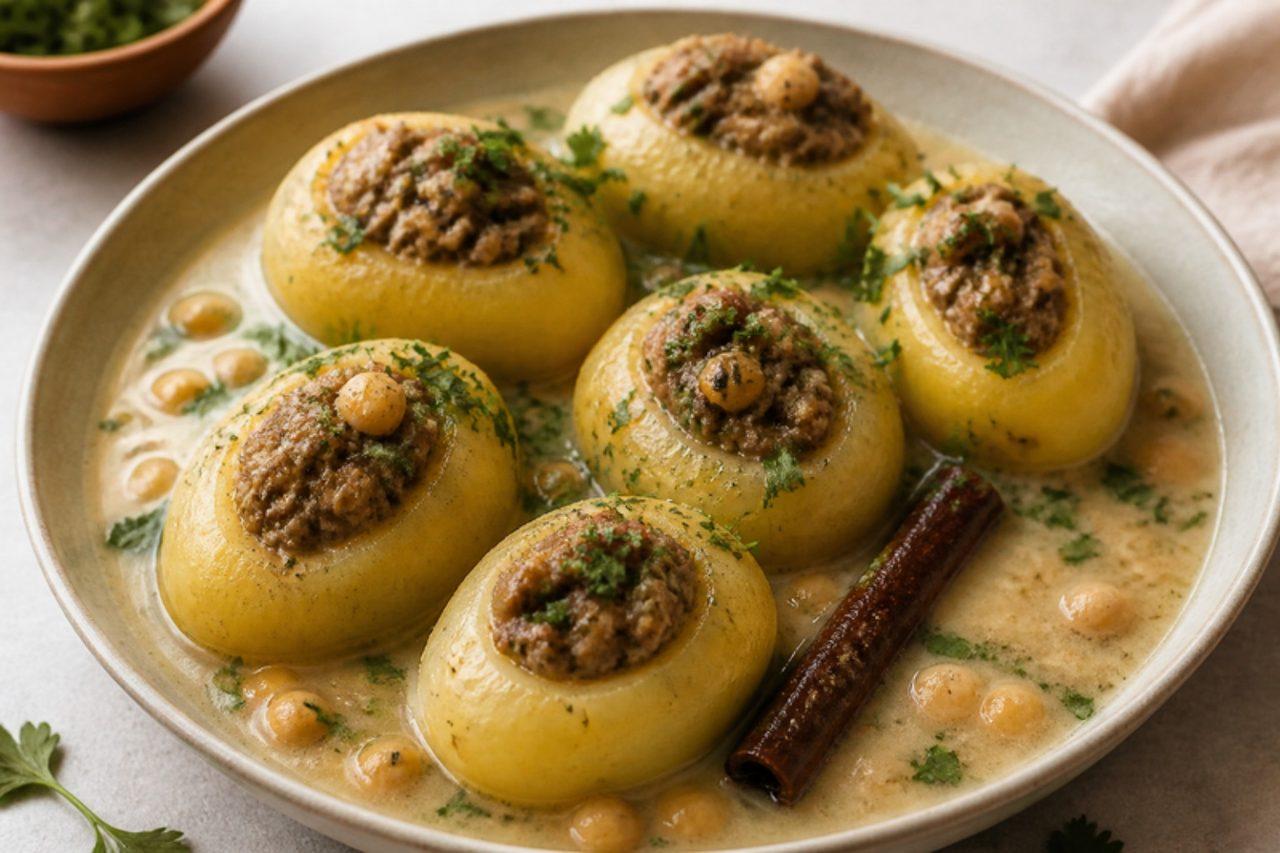
Dolma batata belongs to the Algiers home kitchen, where it is a Ramadan favourite and a Friday dish: hollowed potatoes filled with beef mince, onion, parsley and cinnamon, fried until golden, then simmered in a pale sauce (marqa beida) of onion, chickpeas, black pepper and cinnamon. The sauce stays white because no tomato goes in. The mistake is hollowing the potatoes too thinly, so they split in the pot; leave walls about 1 cm thick. Chef's tip: fry the scooped-out potato flesh and add it to the sauce to thicken it.

95 minMeatGluten free
by KrazyBadal 0 views

Goes well with short-grain rice