
AI-generated image
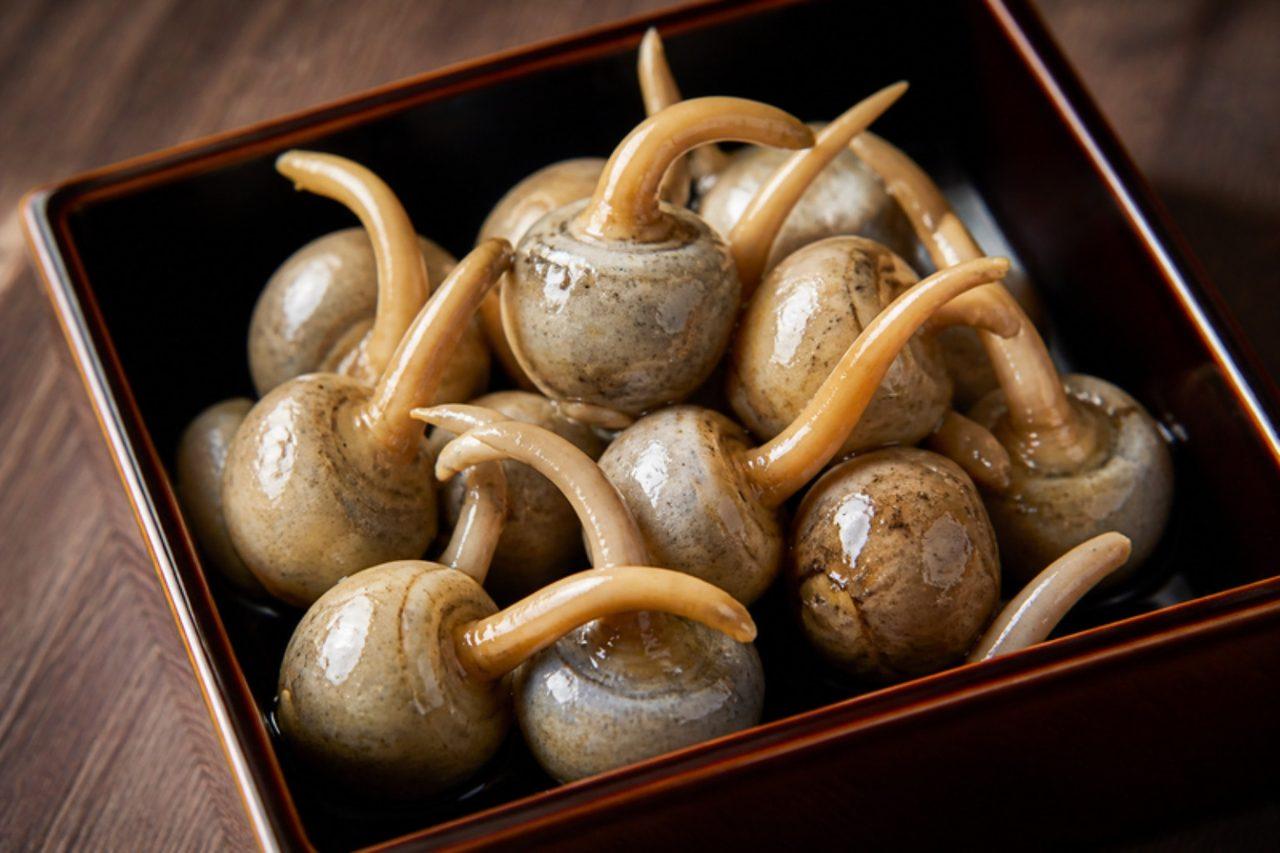
Kuwai no nimono (simmered arrowhead)
Arrowhead tubers with their sprouts on, simmered gently in sweet kombu dashi


Kuwai, the arrowhead tuber with its proud little sprout, appears in osechi boxes in Kansai and across Japan because it says 'me ga deru': a bud comes out, a wish for success and for children to grow and thrive. It tastes like a cross between chestnut and potato, with a faint pleasant bitterness, and simmering it slowly in sweet dashi gives it a smooth, dense texture. This version is vegan, using kombu dashi, and the seasoning includes mirin, a sweet rice wine (for no alcohol, swap the mirin for 2 tbsp water plus 2 tsp sugar). Serve it at room temperature among the other osechi dishes, or with grilled fish and rice. Chef's tip: leave the tubers to cool completely in their liquid; that is when they soak up the flavour.
- Total time
- 45 min
- Difficulty
- medium
- Serves
- 6
Ingredients
- 12 kuwai (arrowhead tubers)small, about 300 g, with sprouts
- 1 tbsp raw ricefor the parboiling water
- ⅓ oz kombu (dried kelp)a 10 cm square
- 2 cups water
- 2 tbsp sugar
- 2 tbsp mirinor 2 tbsp water + 2 tsp sugar for no alcohol
- 1 tbsp light soy sauce (usukuchi)
- ½ tsp salt
Shop this recipe on Amazon
What you'll need
Links open Amazon in a new tab. As an Amazon Associate, WhatToEat.Today earns from qualifying purchases.
Method
0/6 doneStep 1: Soak ⅓ oz kombu (dried kelp) in 2 cups water for at least 30 minutes (this can be done the day before, in the fridge). Remove the kombu just before the water would boil when you heat it later.
2 minStep 2: Trim the sprout of each 12 kuwai (arrowhead tubers) to about 4 cm at an angle and cut the bottom flat so it stands up. Peel the sides in six even strokes from base to top, so each tuber looks hexagonal like a turtle shell, and drop them into cold water.
10 minStep 3: Put the kuwai in a pan of cold water with 1 tbsp raw rice, bring to the boil over medium heat and simmer for 5 minutes to draw out the bitterness. Drain and rinse gently.
8 minStep 4: Heat the kombu dashi in a small pan, remove the kombu as it reaches a simmer, then stir in 2 tbsp sugar, 2 tbsp mirin, 1 tbsp light soy sauce (usukuchi) and ½ tsp salt.
3 minStep 5: Add the kuwai standing in one layer, cover with a drop lid or baking paper and simmer on the lowest heat for 15–18 minutes, until a skewer slides into the centre easily. Common mistake: a rolling boil, which makes the tubers crack and the sprouts break off.
17 minStep 6: Leave the kuwai to cool completely in the liquid, ideally overnight in the fridge, so they turn evenly pale gold. Serve at room temperature with a little of the liquid; they keep 3–4 days chilled. For the classic version, use bonito (katsuobushi) dashi instead of kombu dashi.
2 min
Nutrition per serving
- Calories
- 70 kcal
- Protein
- 2 g
- Carbs
- 16 g
- Fat
- 0 g
- Fibre
- 1 g
Nutrition values are estimates.
KrazyBadal
Good to know
- How long does kuwai no nimono (simmered arrowhead) take?
- About 45 minutes in total: 15 minutes to prepare and 30 minutes to cook.
- How many people does it serve?
- 6 as written. Change the servings above the ingredients and every amount scales to match.
- Is it vegan?
- Yes. It has no meat, fish, dairy or eggs.
- Can I make it ahead?
- Yes. It keeps well, so you can cook it earlier in the day or the day before and reheat it.
- What can I use instead of raw rice?
- Any long-grain rice, same amount.
- What can I use instead of sugar?
- Caster sugar, same amount.
Reviews
No reviews yet. Be the first to cook it.
Rate this recipe
Sign in to rate and review this recipe.
You might also like
Yaki onigiriGrilled rice balls
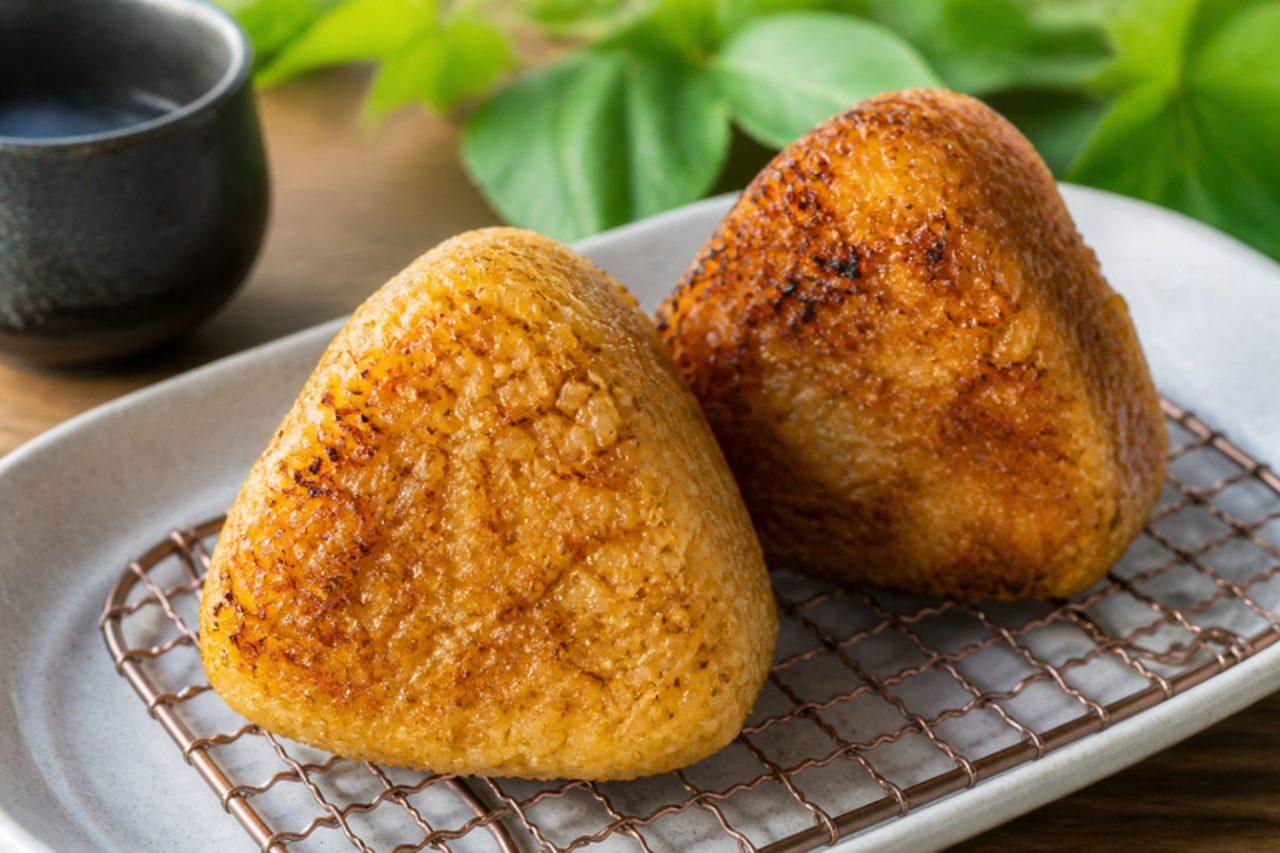
Yaki onigiri (焼きおにぎり) are rice balls grilled until they form a crisp, toasty crust, then brushed with soy sauce glaze. They are eaten all over Japan, at izakaya, at barbecues and from the freezer section, as a snack or with miso soup. The inside stays soft and steamy while the outside crackles. Best eaten hot, straight from the pan. Chef's tip: let the shaped rice balls dry for 10 minutes before they go in the pan. A drier surface forms a better crust and won't stick, and the glaze goes on only at the end so it doesn't burn.

Miso soup
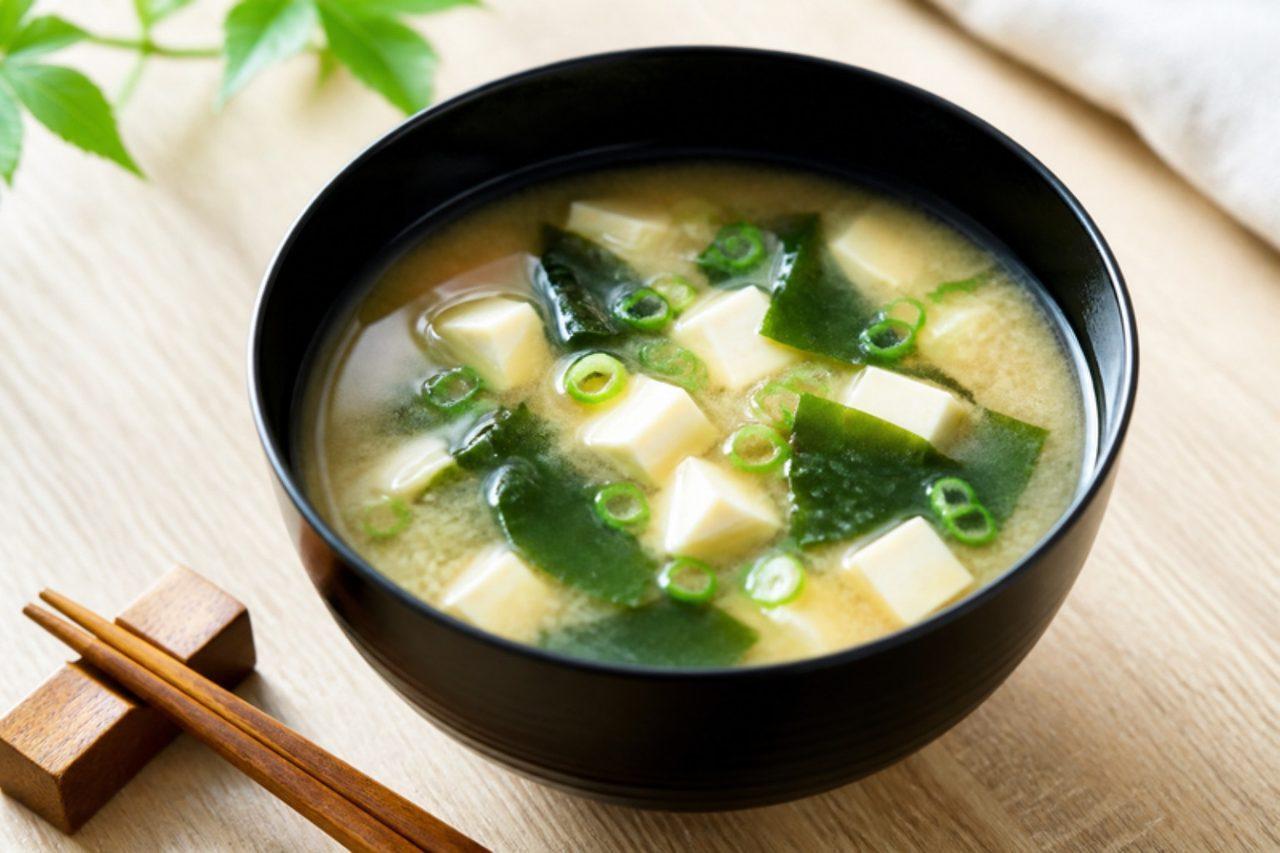
Miso soup (味噌汁) is drunk every day in homes all over Japan, at breakfast as well as dinner, beside a bowl of rice. The base is dashi; this vegan version uses kombu and dried shiitake instead of bonito, which gives it a deep, rounded flavour. Silken tofu and wakame seaweed are the classic fillings. It takes ten minutes; just remember not to boil the miso. Chef's tip: add the miso at the very end and never let it boil. Boiling kills the miso's fresh, fermented aroma; Japanese cooks say the soup should only 'smile', with the surface barely trembling.
TashmijabiMashed potatoes with stretchy cheese
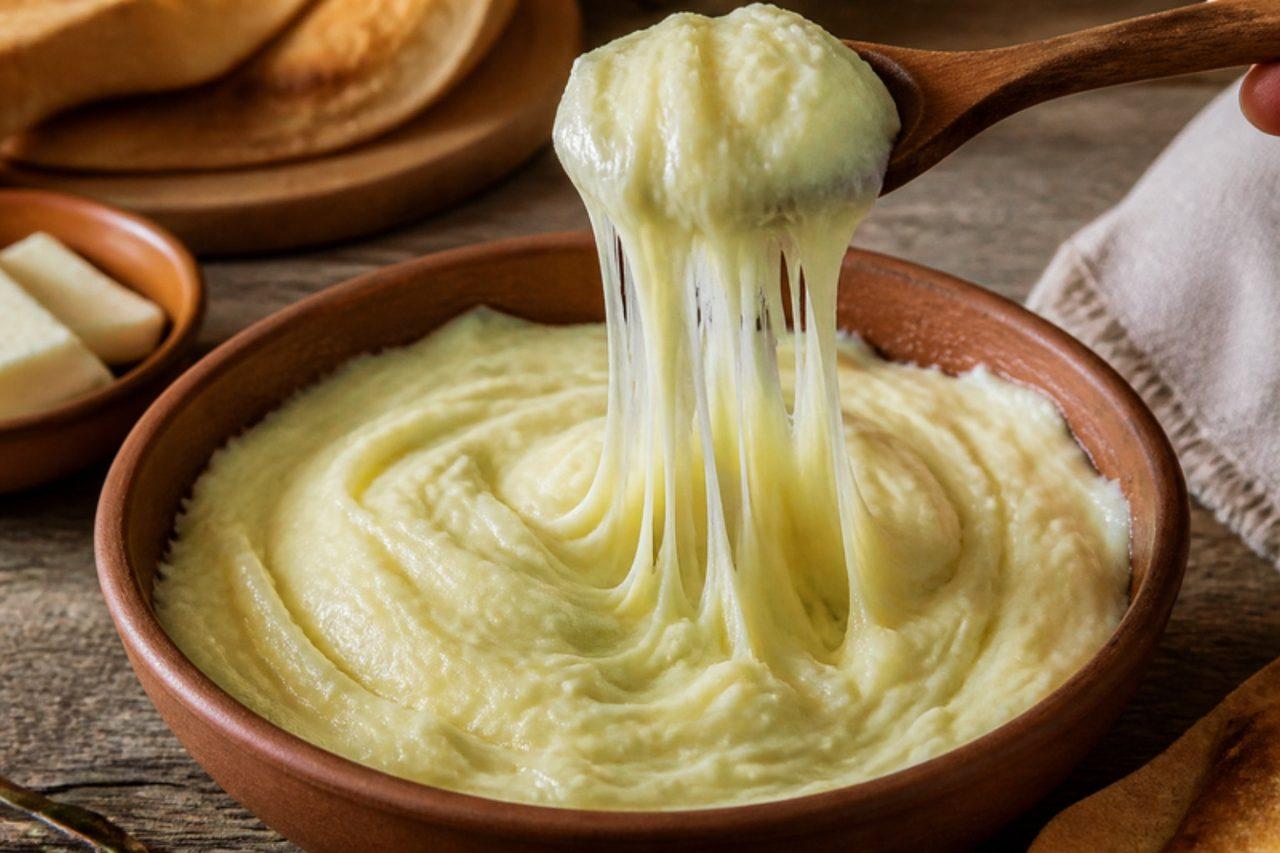
Potatoes grow well in the cold valleys of Svaneti, and tashmijabi is how families around Mestia turn them into a feast dish: they are mashed hot, then beaten with handfuls of young sulguni until the purée becomes glossy and stretches from the spoon in long strands. It is served with grilled meat, kubdari or simply with pickles and Svan salt. A common mistake is letting the potatoes cool before adding the cheese; they must be piping hot for the cheese to melt and stretch. Chef's tip: keep the pan on a low heat while you beat, and use a firm wooden spoon. Most sulguni uses animal rennet; choose a vegetarian one or use mozzarella.
 Georgian
