
AI-generated image
Kurdai
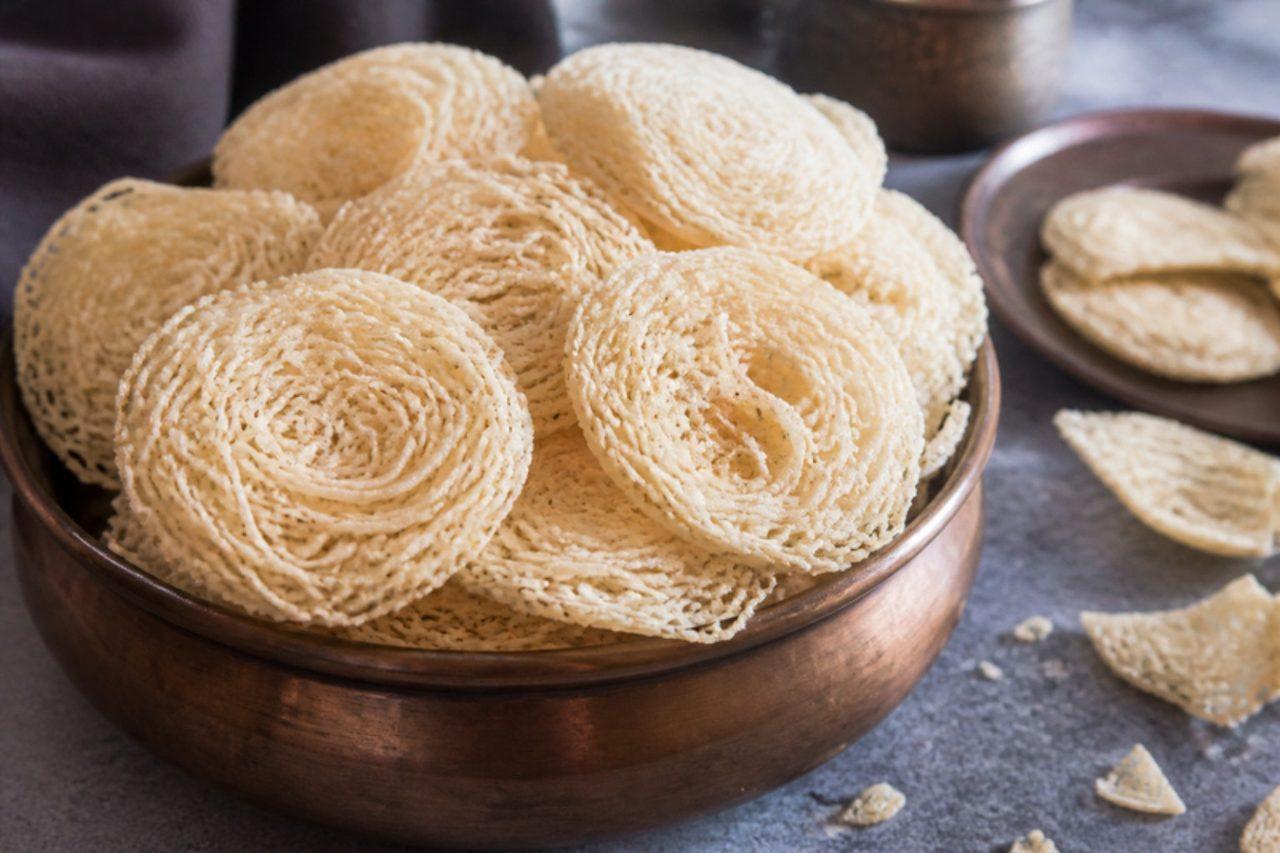
Sun-dried wheat starch spirals
कुरडई: fermented wheat-starch spirals pressed and sun-dried, then fried into puffy, crackly curls (plus 3 days soaking and 2 days in the sun)


Kurdai is one of the great Marathi summer projects, the kind that takes the whole family and most of the week. In Marathwada and Khandesh, whole wheat grains are soaked for three days, ground, and strained to collect the fine starch (chik), which settles and slightly ferments. That starch is cooked into a glossy paste and pressed through a kurdai press into flat spirals that dry hard and translucent in the April sun. Fried, they swell into airy, rippled curls, crisp and almost melting, with a faint tang from the fermentation. Kurdai turns up on the side of a Maharashtrian thali with varan-bhaat, at festivals, and as a tea-time crunch. Note that it is made from wheat, so it is not gluten-free. Chef's tip: change the soaking water morning and evening without fail. Skip it and the wheat starts to smell sour and musty instead of clean and yeasty, and the kurdai will taste of it.
- Total time
- 120 min
- Difficulty
- hard
- Serves
- 12
Ingredients
For the starch
- 9 oz whole wheat grainssoaked 3 days
- 6 ¼ cups waterfor grinding and straining, plus soaking water
For the dough
- 1 ¼ cups water
- 1 tsp salt
- 1 tsp white sesame seeds (optional)
- 1 tbsp sunflower oilfor greasing the press
To fry
- 1 ¼ cups sunflower or groundnut oilfor frying
Shop this recipe on Amazon
What you'll need
Links open Amazon in a new tab. As an Amazon Associate, WhatToEat.Today earns from qualifying purchases.
Method
0/9 doneStep 1: Cover 9 oz whole wheat grains with plenty of fresh water and soak it for 3 days, draining and replacing the water every morning and evening. It is ready when a grain squashes to milk between your fingers.
Step 2: Drain the wheat and grind it in a blender in two batches with some of the 2 cups water to a thick, milky paste.
10 minStep 3: Pour the paste into a fine muslin cloth over a bowl, add more of the 4 ½ cups water and squeeze out the white starch milk. Repeat twice with the husk until the water running out is nearly clear; discard the husk.
15 minStep 4: Cover the bowl and leave the starch milk to settle overnight in a cool place. Next morning, carefully pour off the yellowish water on top, leaving the thick white starch at the bottom.
5 minStep 5: Bring 1 ¼ cups water and 1 tsp salt to the boil in a heavy pan. Stir the starch, then pour it in slowly, stirring all the time over a low heat.
3 minStep 6: Keep stirring for 12–15 minutes until the paste turns from white to glossy, translucent and very thick, and leaves the sides of the pan. Common mistake: stopping when it is merely thick; under-cooked starch makes kurdai that cracks and won't puff. Stir in 1 tsp white sesame seeds.
15 minStep 7: Grease a kurdai press (sev press with the kurdai disc) with 1 tbsp sunflower oil, fill it with the hot paste and press small coiled spirals onto clean plastic sheets laid in the sun. Work quickly while the paste is hot.
30 minStep 8: Dry for 2 days in strong sun, turning them after the first day and bringing them in at night, until they are stiff, translucent and snap cleanly.
Step 9: Store in an airtight tin for up to a year. To serve, heat 1 ¼ cups sunflower or groundnut oil in a kadai over a medium-high heat and fry 2–3 at a time for a few seconds until they puff and turn white and crisp. Drain on paper.
5 min
Nutrition per serving
- Calories
- 90 kcal
- Protein
- 0 g
- Carbs
- 15 g
- Fat
- 3 g
- Fibre
- 0 g
Nutrition values are estimates.
KrazyBadal
Good to know
- How long does kurdai take?
- About 120 minutes in total: 90 minutes to prepare and 30 minutes to cook.
- How many people does it serve?
- 12 as written. Change the servings above the ingredients and every amount scales to match.
- Is it vegan?
- Yes. It has no meat, fish, dairy or eggs.
- Can I make it ahead?
- Yes. It keeps well, so you can cook it earlier in the day or the day before and reheat it.
Reviews
No reviews yet. Be the first to cook it.
Rate this recipe
Sign in to rate and review this recipe.
You might also like
Chana masala
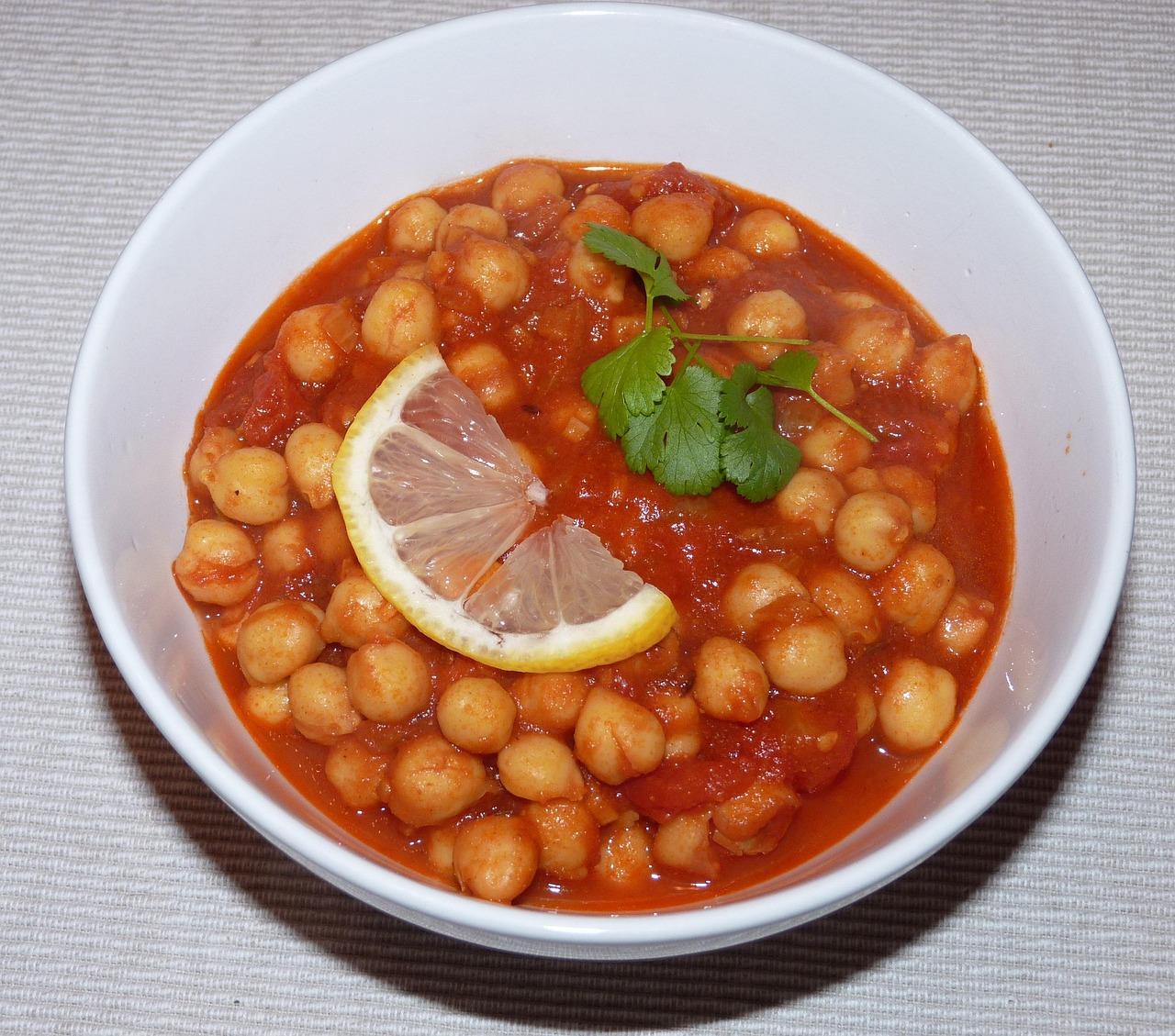
A North Indian staple that comes together from the store cupboard. Toasted cumin, slow-softened onion and a good spoonful of garam masala give tinned chickpeas real depth. Serve with rice, naan or a stack of warm rotis.


Kaju curryCashew curry
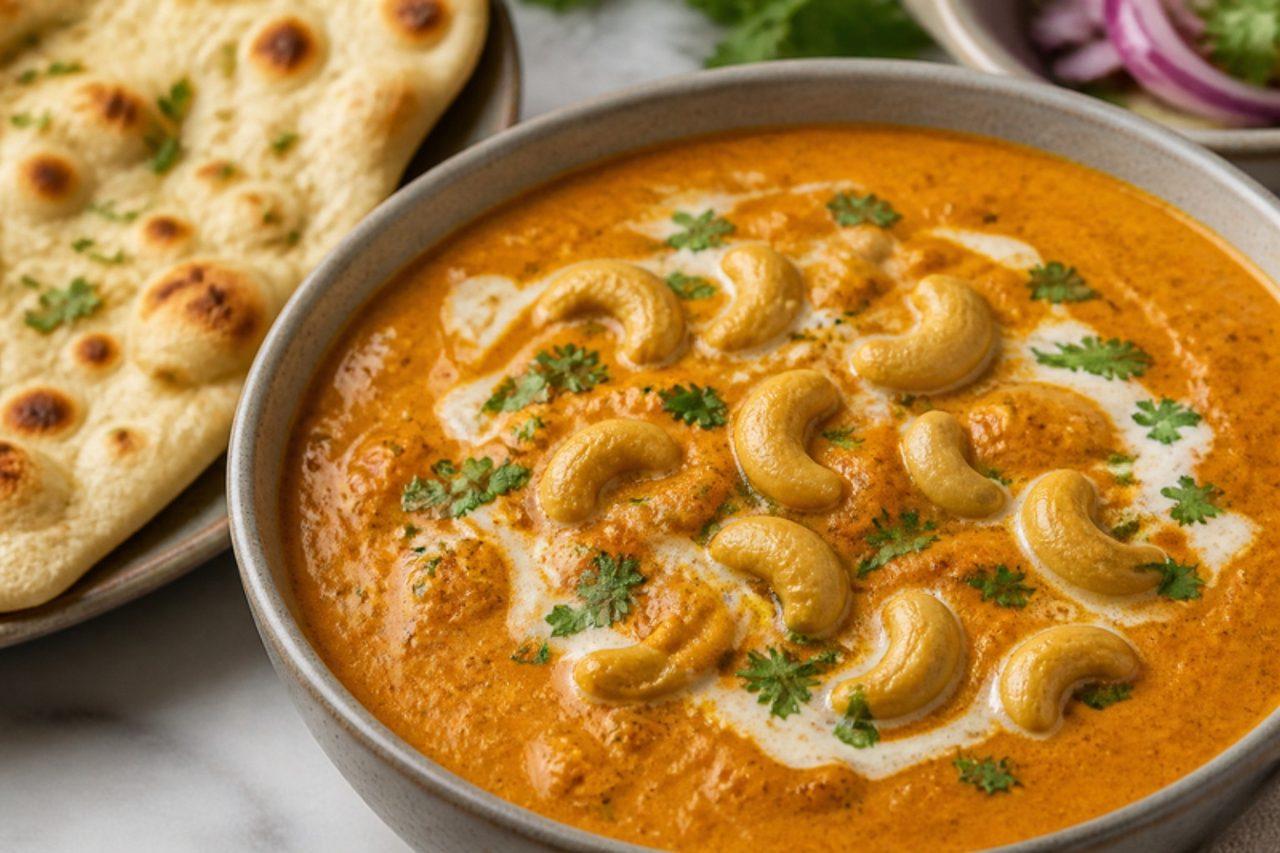
Walk along any wedding buffet in Pune, Mumbai or Ahmedabad and there is usually a chafing dish of kaju curry near the paneer, with guests going back for seconds. Whole cashews are fried in ghee until golden, which makes them crunchy outside and buttery inside, then folded into a rich onion and tomato gravy thickened with more cashews, finished with cream and kasuri methi. The gravy is orange, smooth and rounded with a touch of sweetness; it should taste of roasted nuts and gentle spice, not fire. Gujarati restaurants often serve a spicier Kathiyawadi version, but the wedding style here is the mild one. Eat it with butter naan, tandoori roti or jeera rice. Common mistake: adding the fried cashews too early; they soak up the gravy and turn soft, so fold them in just before serving. Chef's tip: keep a few fried cashews back and scatter them on top at the table so every spoonful has some crunch.
Yaki onigiriGrilled rice balls
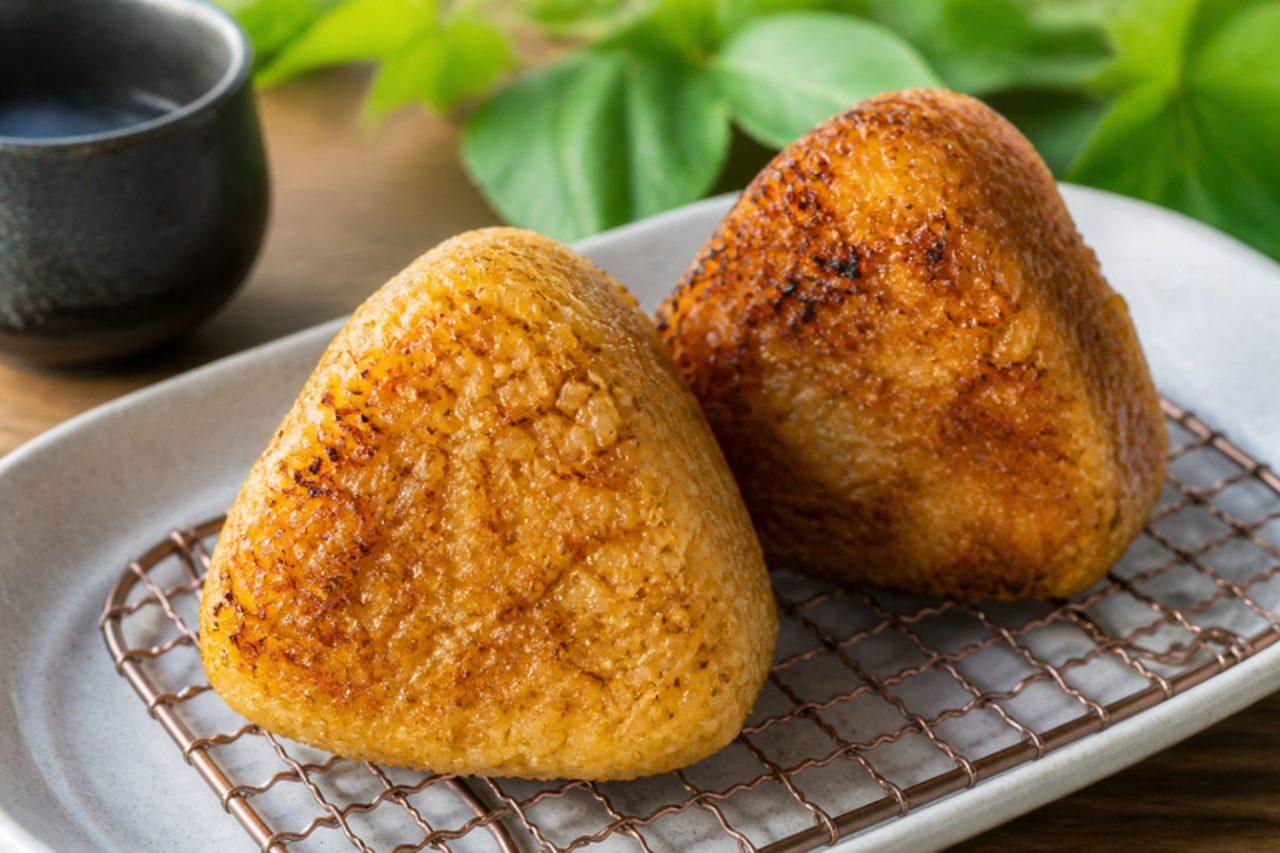
Yaki onigiri (焼きおにぎり) are rice balls grilled until they form a crisp, toasty crust, then brushed with soy sauce glaze. They are eaten all over Japan, at izakaya, at barbecues and from the freezer section, as a snack or with miso soup. The inside stays soft and steamy while the outside crackles. Best eaten hot, straight from the pan. Chef's tip: let the shaped rice balls dry for 10 minutes before they go in the pan. A drier surface forms a better crust and won't stick, and the glaze goes on only at the end so it doesn't burn.
 Japanese