
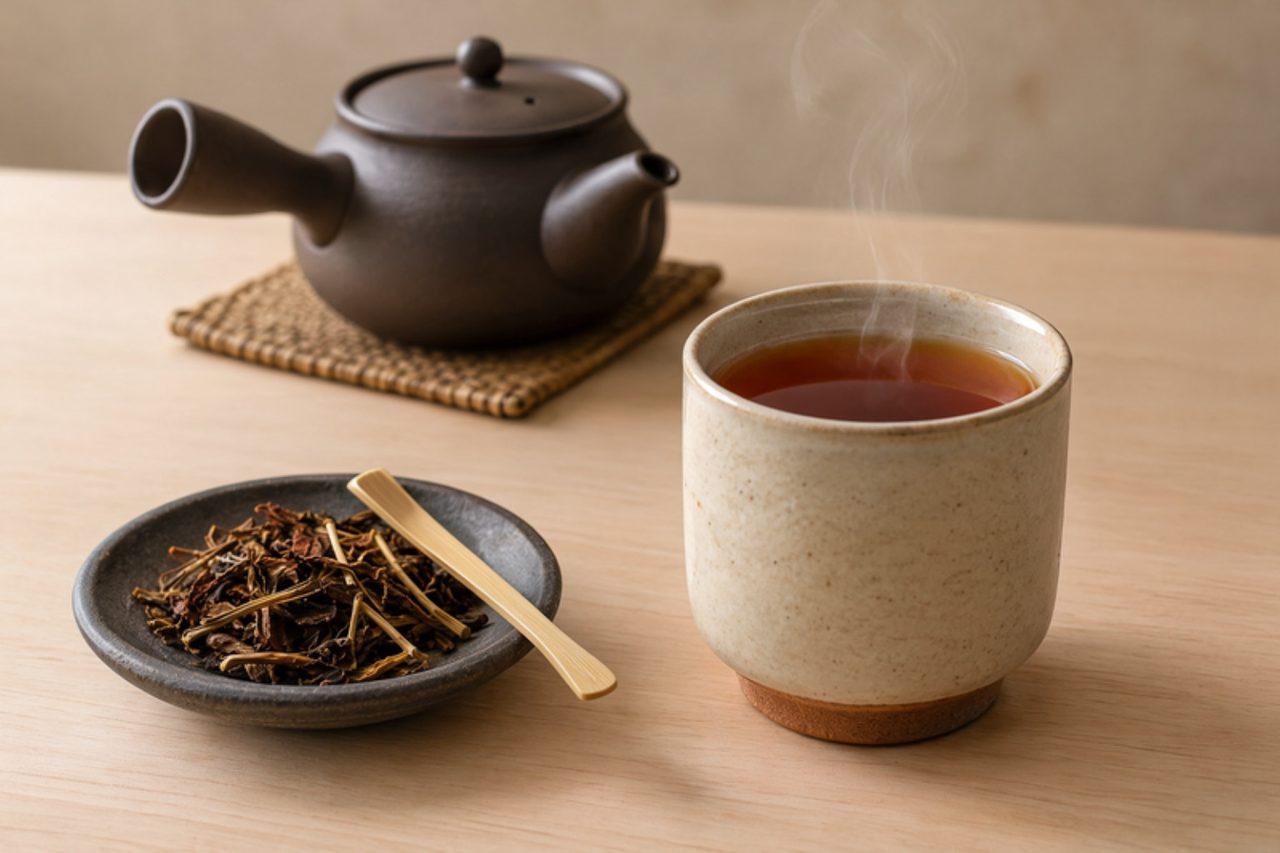
AI-generated image
Hojicha
ほうじ茶: green tea leaves and stems roasted to russet brown, brewed hot and fast for a mellow, toasty cup after dinner


Hojicha was born in Kyoto in the 1920s, when tea merchants started roasting the coarse late-season bancha leaves and stems over charcoal to sell what would not keep. Today the smell of tea roasting in a shop doorway is part of walking down Teramachi or past the Nishiki market. Roasting drives off much of the caffeine and all the grassy bitterness, so hojicha is the pot that comes out after an evening meal, with rice crackers, or for children and older relatives who avoid stronger tea. The cup is reddish brown, smells of caramel and roasted nuts, and tastes soft and slightly sweet with almost no astringency. Unlike sencha, it likes really hot water and a very short steep. The common mistake is treating it like black tea and leaving the leaves in for several minutes, which makes it flat and woody; 30 seconds is enough for the first pour, and the leaves give a good second pot. It is ready when the liquor is clear russet and the steam smells of toasted sugar. Chef's tip: if your packet has lost its perfume, warm the leaves in a dry pan for 30 seconds until they smoke very faintly before brewing.
- Total time
- 5 min
- Difficulty
- easy
- Serves
- 2
Ingredients
For the tea
- 4 tsp hojicha leavesabout 6 g
- 1 ¾ cups freshly boiled waterplus extra for warming the pot
Shop this recipe on Amazon
Spices & pantry
Links open Amazon in a new tab. As an Amazon Associate, WhatToEat.Today earns from qualifying purchases.
Method
0/5 doneStep 1: Warm a teapot and two cups by filling them with a splash of hot water, then pour it away.
1 minStep 2: Optional refresh: shake 4 tsp hojicha leaves in a dry pan over medium heat for 20–30 seconds, until it smells of caramel; tip it straight into the warm pot.
1 minStep 3: Pour on half of the ¾ cup freshly boiled water just off the boil (95–200°F), put the lid on and steep for only 30 seconds.
1 minStep 4: Pour into the cups a little at a time, going back and forth so both cups get the same strength, until the pot is drained to the last drop.
1 minStep 5: For a second pot, pour the rest of the ¾ cup freshly boiled water on the same leaves and steep for 15–20 seconds; it is ready when the liquor is again a clear russet brown.
1 min
Nutrition per serving
- Calories
- 2 kcal
- Protein
- 0 g
- Carbs
- 0 g
- Fat
- 0 g
- Fibre
- 0 g
Nutrition values are estimates.
KrazyBadal
Good to know
- How long does hojicha take?
- About 5 minutes in total: 2 minutes to prepare and 3 minutes to cook.
- How many people does it serve?
- 2 as written. Change the servings above the ingredients and every amount scales to match.
- Is it vegan?
- Yes. It has no meat, fish, dairy or eggs.
- Is it gluten free?
- Yes, as written. Check the labels on stock, sauces and spice mixes, which sometimes contain gluten.
Reviews
No reviews yet. Be the first to cook it.
Rate this recipe
Sign in to rate and review this recipe.
You might also like
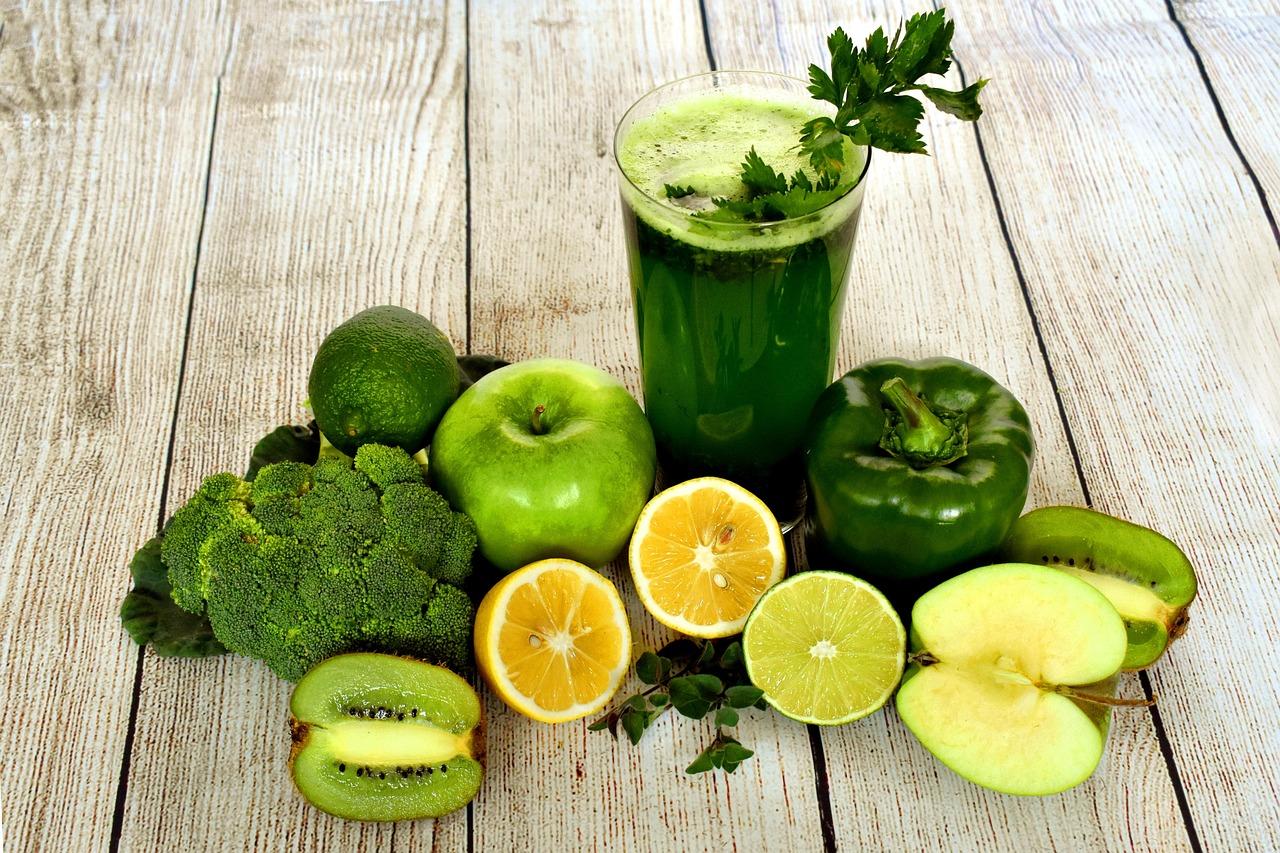
Power pack
A sweet, energising juice of apples, pears and kiwi fruit with a stick of celery, all used unpeeled for extra goodness. It's naturally sweet, so it needs no sugar. Serve well chilled.


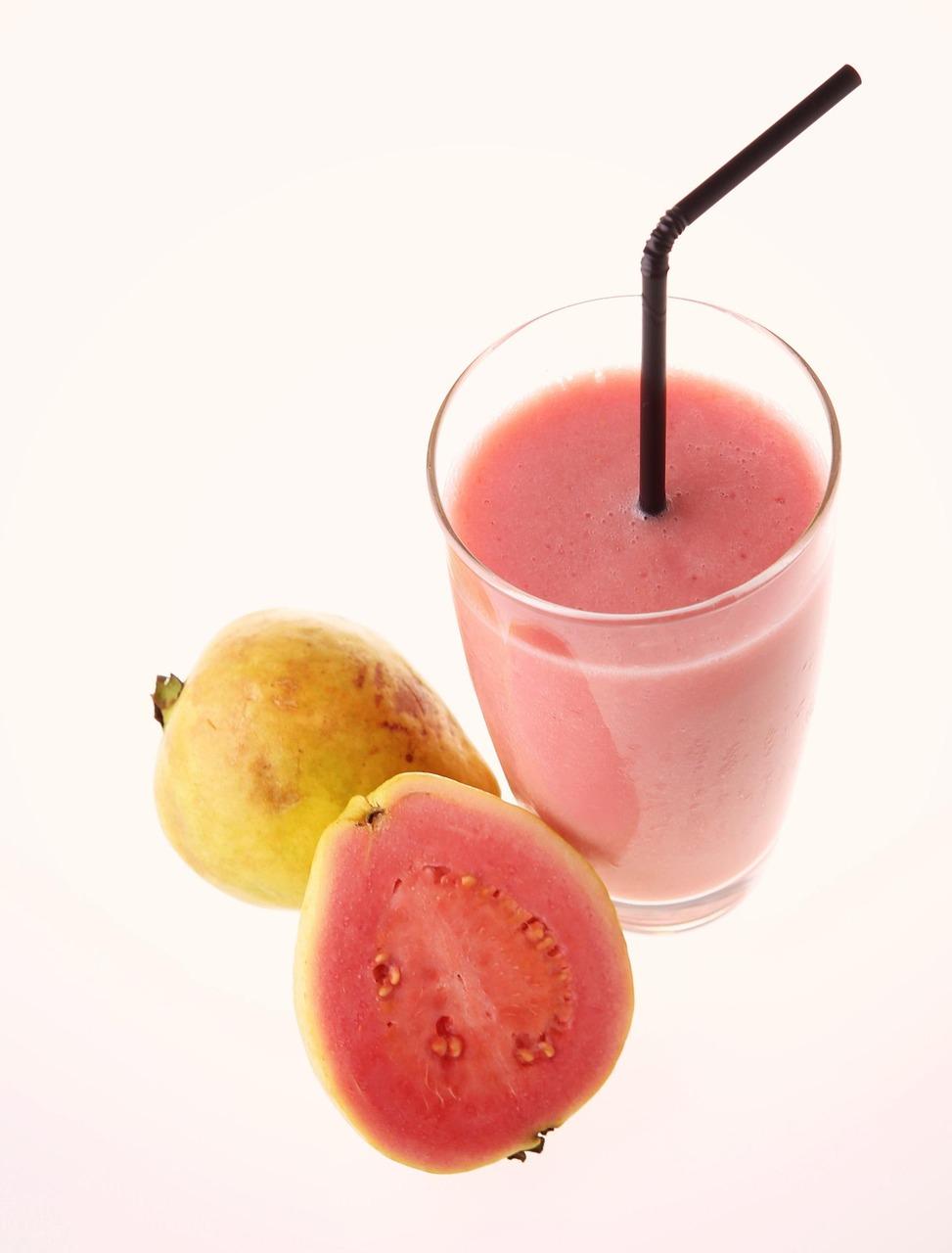
Guava delight
A thick, fragrant blend of ripe guava, mango and banana, boosted with a spoonful of guava powder from the health shop. The book calls it a modern-day vitality drink, drawing on guava's long use in traditional Indian medicine. Serve it well chilled; sieve it if you don't like the little guava seeds.
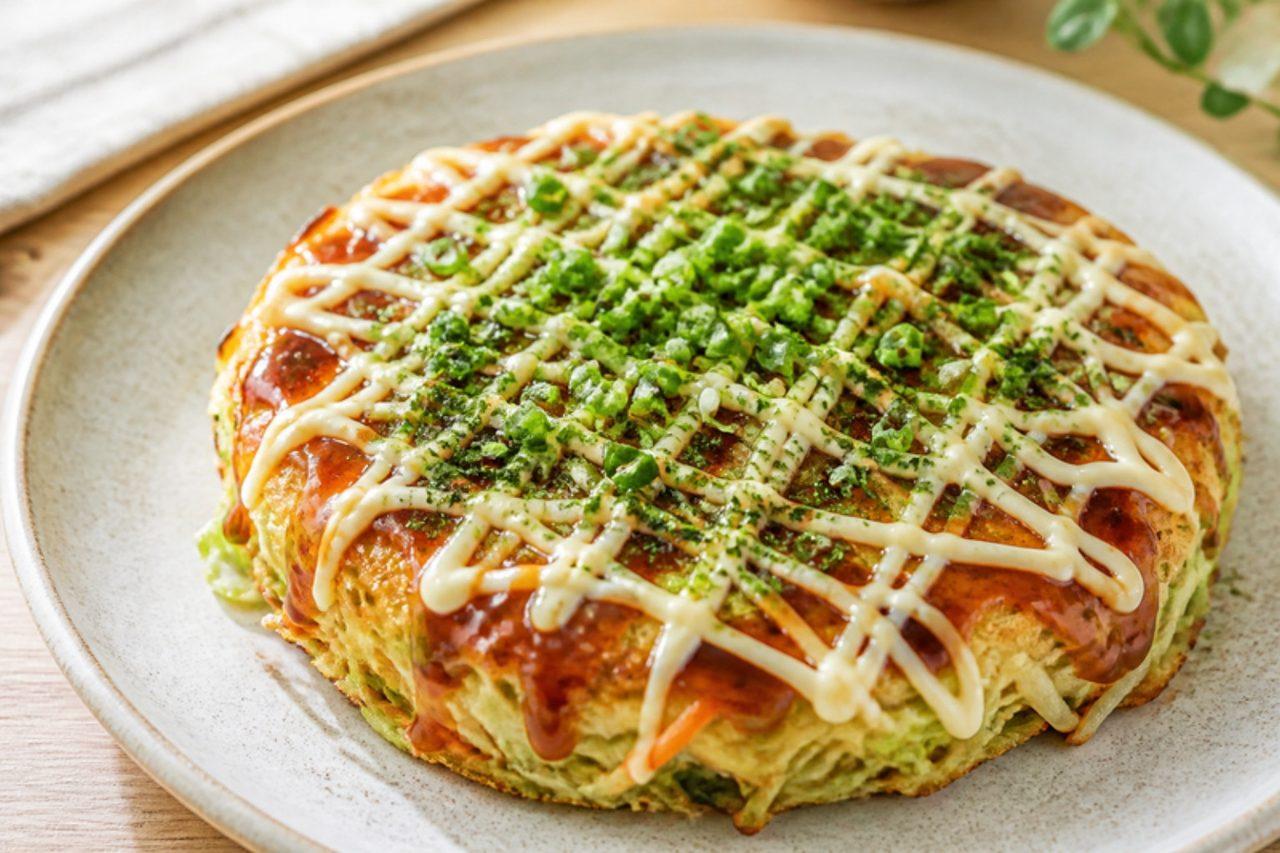
Okonomiyaki
Okonomiyaki (お好み焼き, 'grilled as you like it') is the pride of Osaka, where it's cooked on hot iron griddles in lively restaurants. Finely shredded cabbage is folded into a light batter with egg and spring onion, then fried into a thick, soft pancake with a crisp outside. It's painted with a fruity brown sauce and zigzagged with mayonnaise. Bonito flakes are usual on top; this vegetarian version uses seaweed flakes and pickled ginger instead. Chef's tip: don't press the pancake down with your spatula while it cooks. Osaka cooks leave it alone so the cabbage steams inside and stays light and fluffy; pressing squeezes out the air.