
AI-generated image
Chanko nabe
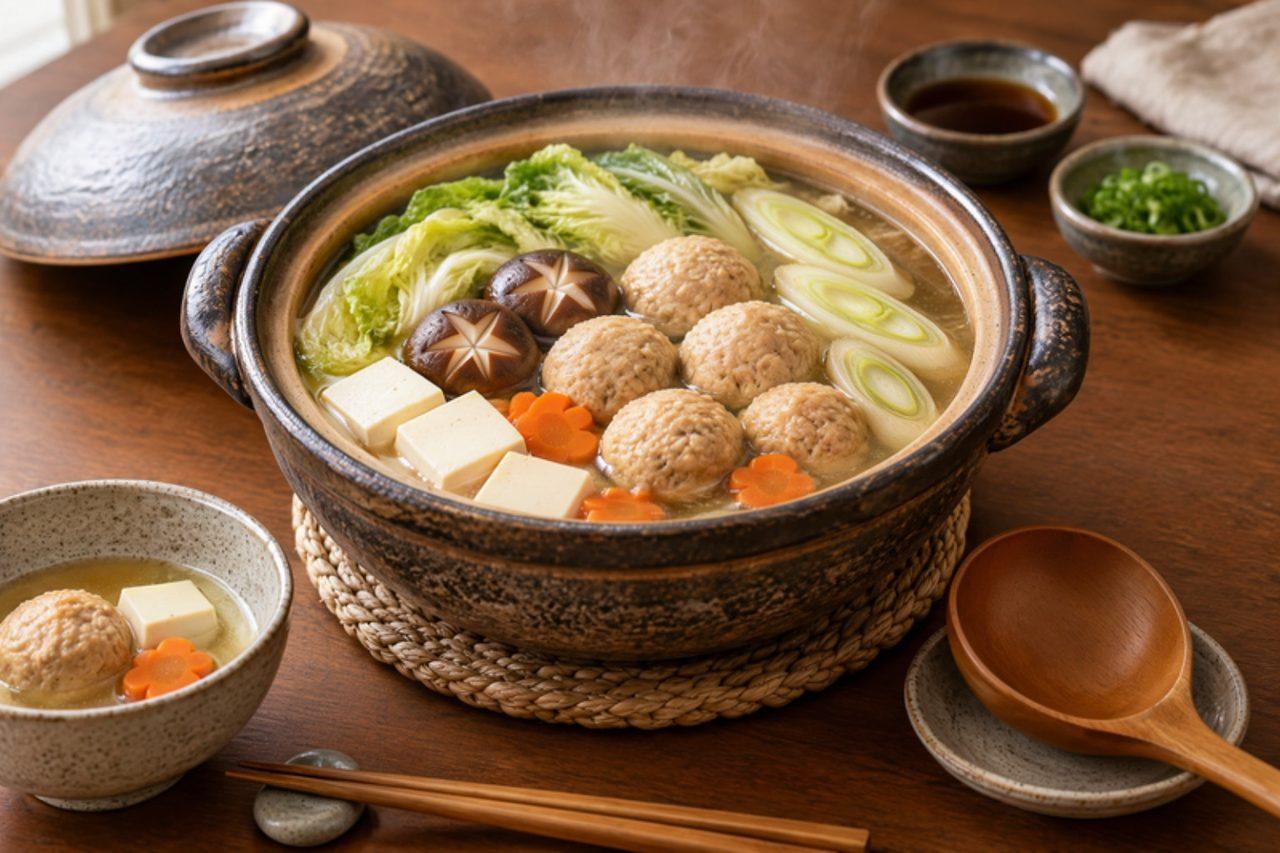
ちゃんこ鍋 (chanko nabe): the sumo stables' chicken-meatball hot pot with tofu and vegetables in light dashi

Chanko nabe is the daily meal of the sumo stables around Ryōgoku in east Tokyo, where young wrestlers cook a huge pot after morning practice and the senior ranks eat first. At home it is a winter supper cooked on a tabletop burner or on the hob: a clear chicken and kombu dashi seasoned lightly with soy, then loaded with ginger-scented chicken meatballs, tofu, napa cabbage, leek, carrot and mushrooms. Everything cooks in the one pot, and the last of the broth is often finished with udon or rice. The usual mistake is boiling the pot hard once the meatballs go in, which turns the broth cloudy and the tofu ragged; keep it at a lazy simmer. Chef's tip: shape the meatballs with two wet spoons and drop them in before the vegetables, so they flavour the broth while the cabbage softens.
- Total time
- 60 min
- Difficulty
- medium
- Serves
- 4
Ingredients
For the broth
- ⅓ oz kombu (dried kelp)a 10 cm piece
- 6 ¼ cups water
- 10 ½ oz chicken wings
- 3 tbsp light soy sauce
- 1 tsp sugar
- ½ tsp salt
For the meatballs
- 14 oz minced chicken (thigh)
- 1 tbsp fresh gingerfinely grated
- 2 spring onionsfinely chopped
- 1 egg
- 1 tbsp potato starch or cornflour
- 1 tbsp white miso
For the pot
- 10 ½ oz firm tofucut into 3 cm cubes
- 14 oz napa cabbagecut into 4 cm pieces
- 1 Japanese leek or thin leeksliced on the diagonal
- 1 carrotsliced into thin rounds
- 8 fresh shiitake mushroomsstems removed
- 3 ½ oz enoki mushroomsroots trimmed
Shop this recipe on Amazon
Fresh ingredients (12)
Links open Amazon in a new tab. As an Amazon Associate, WhatToEat.Today earns from qualifying purchases.
Method
0/8 doneStep 1: Wipe the ⅓ oz kombu (dried kelp) and soak it in the 6 ¼ cups water in a wide casserole for at least 20 minutes. Heat slowly and lift out the kombu just before the water boils.
25 minStep 2: Add the 10 ½ oz chicken wings and simmer gently for 20 minutes, skimming off any foam. Turn off the heat, scatter in the ½ oz dried bonito flakes (katsuobushi), wait 3 minutes, then strain the broth and pull the meat from the wings back into it.
25 minStep 3: Season the broth with 3 tbsp light soy sauce, 1 tsp sugar and ½ tsp salt. It should taste light and savoury, not salty.
2 minStep 4: Meanwhile mix 14 oz minced chicken (thigh), 1 tbsp fresh ginger, 2 spring onions, 1 egg, 1 tbsp potato starch or cornflour and 1 tbsp white miso in a bowl and beat with a spoon for 1 minute until sticky.
3 minStep 5: Bring the broth to a gentle simmer. Scoop walnut-sized meatballs with two wet spoons and drop them in. Simmer for 6 minutes until they float and feel firm.
8 minStep 6: Arrange 14 oz napa cabbage (thick stems first), 1 Japanese leek or thin leek, 1 carrot, 8 fresh shiitake mushrooms and 10 ½ oz firm tofu in sections around the pot. Cover and simmer for 8 minutes until the cabbage stems are tender.
8 minStep 7: Add 3 ½ oz enoki mushrooms and 3 ½ oz garland chrysanthemum or spinach and cook 1–2 minutes more until just wilted. Check a meatball: it should be white all the way through and reach 165°F in the centre.
2 minStep 8: Bring the pot to the table and serve in bowls with plenty of broth. Add more vegetables to the remaining broth as you eat, and finish with udon or rice if you like.
1 min
Nutrition per serving
- Calories
- 380 kcal
- Protein
- 36 g
- Carbs
- 16 g
- Fat
- 18 g
- Fibre
- 5 g
Nutrition values are estimates.
KrazyBadal
Good to know
- How long does chanko nabe take?
- About 60 minutes in total: 25 minutes to prepare and 35 minutes to cook.
- How many people does it serve?
- 4 as written. Change the servings above the ingredients and every amount scales to match.
- What can I use instead of light soy sauce?
- Tamari, same amount (gluten free).
- What can I use instead of sugar?
- Caster sugar, same amount.
Reviews
No reviews yet. Be the first to cook it.
Rate this recipe
Sign in to rate and review this recipe.
You might also like
Soto Banjar
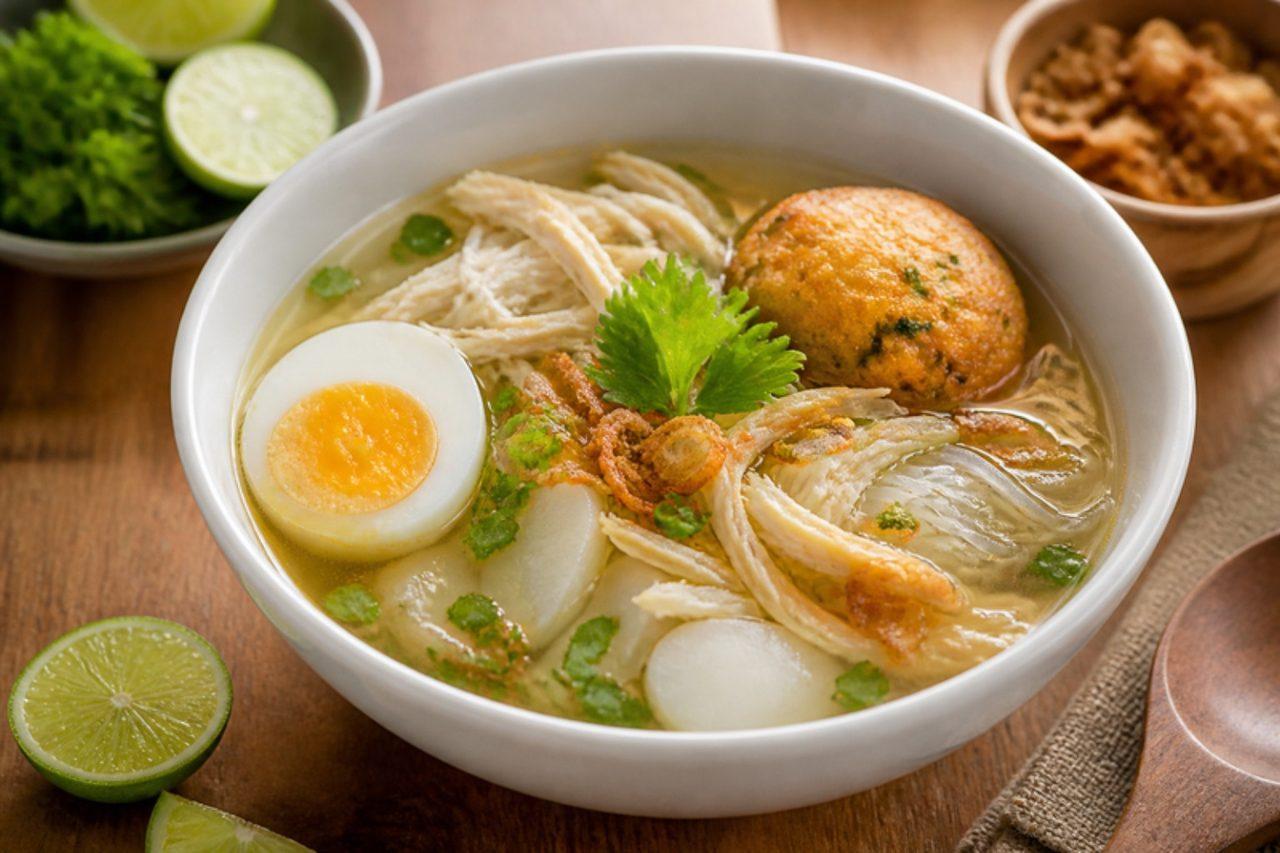
Along the rivers of Banjarmasin in South Kalimantan, breakfast often means soto Banjar eaten at a wooden riverside warung, sometimes after a dawn trip to the floating market. Unlike the turmeric sotos of Java, this broth is pale and clear, perfumed with the sweet spices that traders brought up the river centuries ago: cinnamon, cloves, star anise, cardamom and nutmeg. Shredded chicken, glass noodles, carrot and a boiled egg go into the bowl with rice cakes, and lime and a little chilli sharpen it at the table. Chef's tip: toast the whole spices in the pan for a minute before the paste goes in; it brings out their sweetness without the dusty edge of ground spice.
 Indonesian

Okonomiyaki
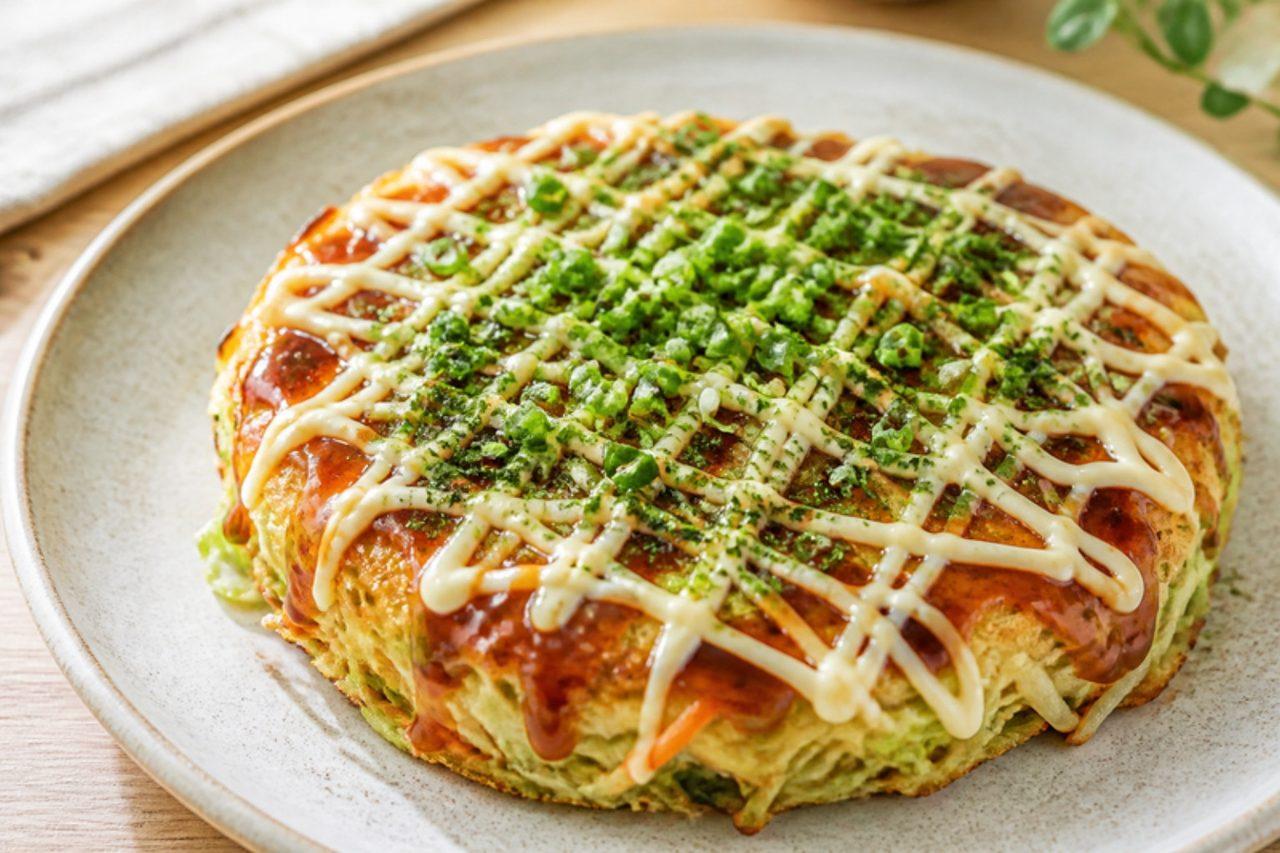
Okonomiyaki (お好み焼き, 'grilled as you like it') is the pride of Osaka, where it's cooked on hot iron griddles in lively restaurants. Finely shredded cabbage is folded into a light batter with egg and spring onion, then fried into a thick, soft pancake with a crisp outside. It's painted with a fruity brown sauce and zigzagged with mayonnaise. Bonito flakes are usual on top; this vegetarian version uses seaweed flakes and pickled ginger instead. Chef's tip: don't press the pancake down with your spatula while it cooks. Osaka cooks leave it alone so the cabbage steams inside and stays light and fluffy; pressing squeezes out the air.
Sopa da pedra
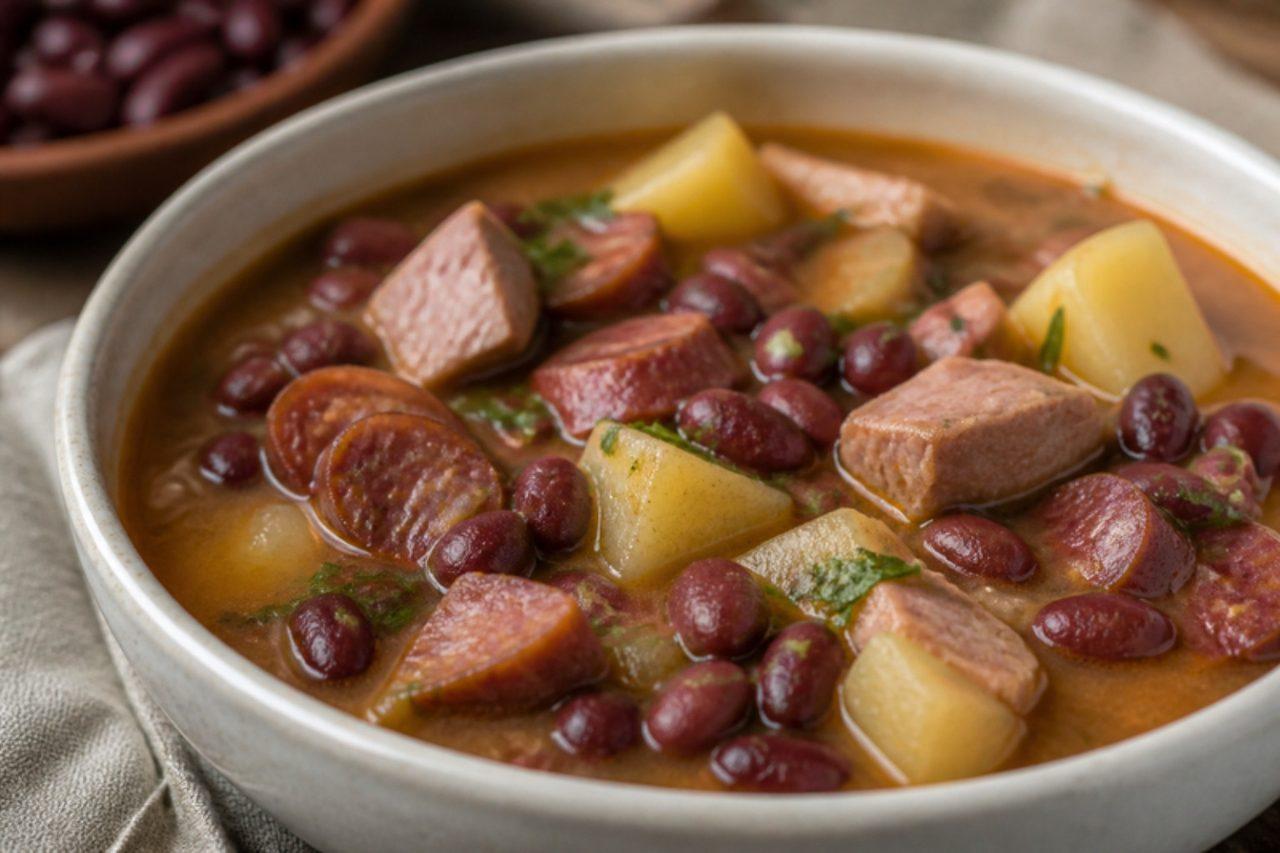
Almeirim, a market town in the Ribatejo, is the capital of this soup; its restaurants serve it every day, and each bowl arrives with a clean stone at the bottom, after the folk tale of a friar who 'made soup from a stone' by talking villagers into giving him everything else. This is a pork soup: red kidney beans simmer with chouriço, morcela blood sausage and a piece of pork belly, then potatoes, carrots and coriander finish it into a thick, hearty bowl. Chef's tip: cook the sausages whole and slice them at the end, so they stay juicy and don't turn the broth greasy.
 Portuguese