
AI-generated image
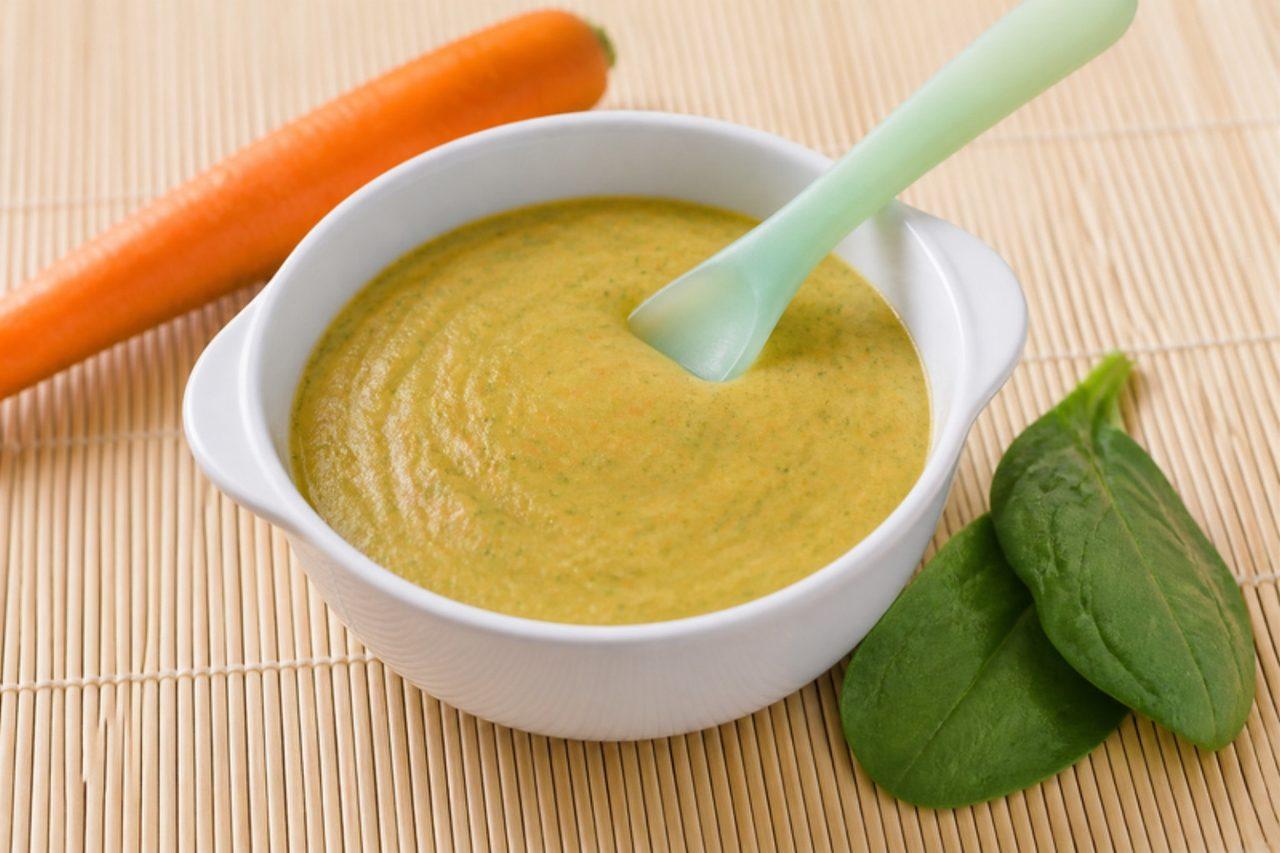
Bubur saring (sieved rice and vegetable porridge)
6m+ · Indonesia's first-stage MPASI porridge: rice, carrot, potato and spinach pressed smooth


Indonesian parents call a baby's first solids MPASI, and the first stage is bubur saring: rice porridge cooked with vegetables and pressed through a sieve until velvety. Across Java it is often made each morning in a small pot and given at lunchtime, with a daun salam (Indonesian bay leaf) for a gentle scent. Carrot gives it colour and sweetness, spinach a soft green flavour. There are no common allergens in it (milk, egg, gluten, peanut, tree nuts, soya, sesame, fish). Chef's tip: add the spinach only in the last few minutes, so it stays green and doesn't turn the porridge grey.
- Total time
- 50 min
- Difficulty
- easy
- Serves
- 6
Baby & toddler safety
- Age: from 6 months+.
- Allergens: none of the common allergens found in the ingredients. Offer one new allergen at a time, in the morning, so you can watch for a reaction.
- Texture and choking: purée or mash smoothly for 6–9 months, then soft, finger-sized pieces that squash between your fingers. Cut round foods such as grapes and cherry tomatoes into quarters lengthways, never give whole nuts, and always stay with your child while they eat.
- Under 1: no honey, no added salt or stock cubes, and no added sugar.
Every child is different. If you are unsure, especially about allergies, check with your health visitor or paediatrician.
Ingredients
- 1 ¾ oz white ricerinsed
- 2 ½ cups water
- 2 ⅛ oz carrotpeeled and diced small
- 2 ⅛ oz potatopeeled and diced small
- ⅔ oz spinach leavesa small handful, washed
- 1 Indonesian bay leaf (daun salam) (optional)
Shop this recipe on Amazon
What you'll need
Spices & pantry
Fresh ingredients (3)
Links open Amazon in a new tab. As an Amazon Associate, WhatToEat.Today earns from qualifying purchases.
Method
0/6 doneStep 1: Put 1 ¾ oz white rice, 2 ½ cups water and 1 Indonesian bay leaf (daun salam), if using, in a pan and bring to the boil. Lower the heat and simmer, half-covered, for 15 minutes.
15 minStep 3: Stir in ⅔ oz spinach leaves and cook for 3 minutes, until it has wilted and is bright green.
3 minStep 4: Remove the bay leaf. Press everything through a fine sieve with the back of a spoon, scraping the purée from underneath. Pressing, not just stirring, is the point: the most common mistake is leaving stringy spinach and grain skins behind that babies spit out. Loosen with boiled water to a thick, smooth cream.
Step 5: Let a portion cool until just warm before feeding.
Step 6: Cool the rest quickly, refrigerate covered for up to 2 days or freeze in small tubs. Reheat only once, until piping hot throughout, stir and cool before serving.
Nutrition per serving
- Calories
- 38 kcal
- Protein
- 1 g
- Carbs
- 8 g
- Fat
- 0 g
- Fibre
- 1 g
Nutrition values are estimates.
KrazyBadal
Good to know
- How long does bubur saring (sieved rice and vegetable porridge) take?
- About 50 minutes in total: 10 minutes to prepare and 40 minutes to cook.
- How many people does it serve?
- 6 as written. Change the servings above the ingredients and every amount scales to match.
- Is it vegan?
- Yes. It has no meat, fish, dairy or eggs.
- Is it gluten free?
- Yes, as written. Check the labels on stock, sauces and spice mixes, which sometimes contain gluten.
- What can I use instead of white rice?
- Any long-grain rice, same amount.
- What can I use instead of carrot?
- Parsnip or sweet potato, same weight.
Reviews
No reviews yet. Be the first to cook it.
Rate this recipe
Sign in to rate and review this recipe.
You might also like
Sayur lodehVegetables in coconut milk
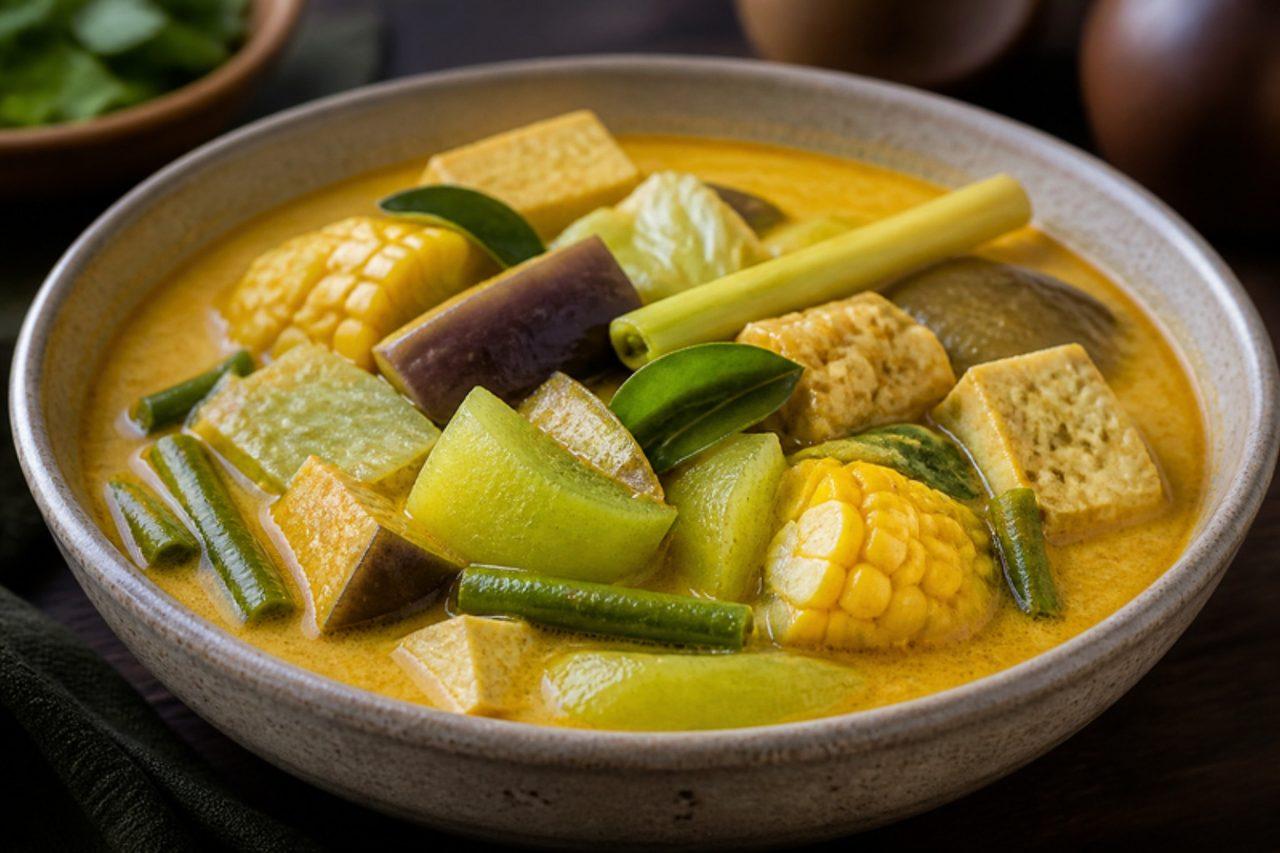
Sayur lodeh is everyday cooking in Central Java, made in big pots in Solo and Semarang kitchens and ladled over rice, with lontong rice cakes at Lebaran, or alongside opor and sambal goreng on festive tables. It's soupy rather than thick: a fragrant broth of coconut milk, galangal, lemongrass and lime leaf that carries chunks of aubergine, long beans, chayote and sweetcorn, plus tempeh and tofu to make it a meal. The flavour is mellow and slightly sweet, so the heat comes from sambal on the side. Chef's tip: keep the pot at a gentle simmer once the coconut milk goes in and stir now and then — a rolling boil splits the coconut milk into oily curds.


Paneer biryaniRice and moong dal in coconut milk
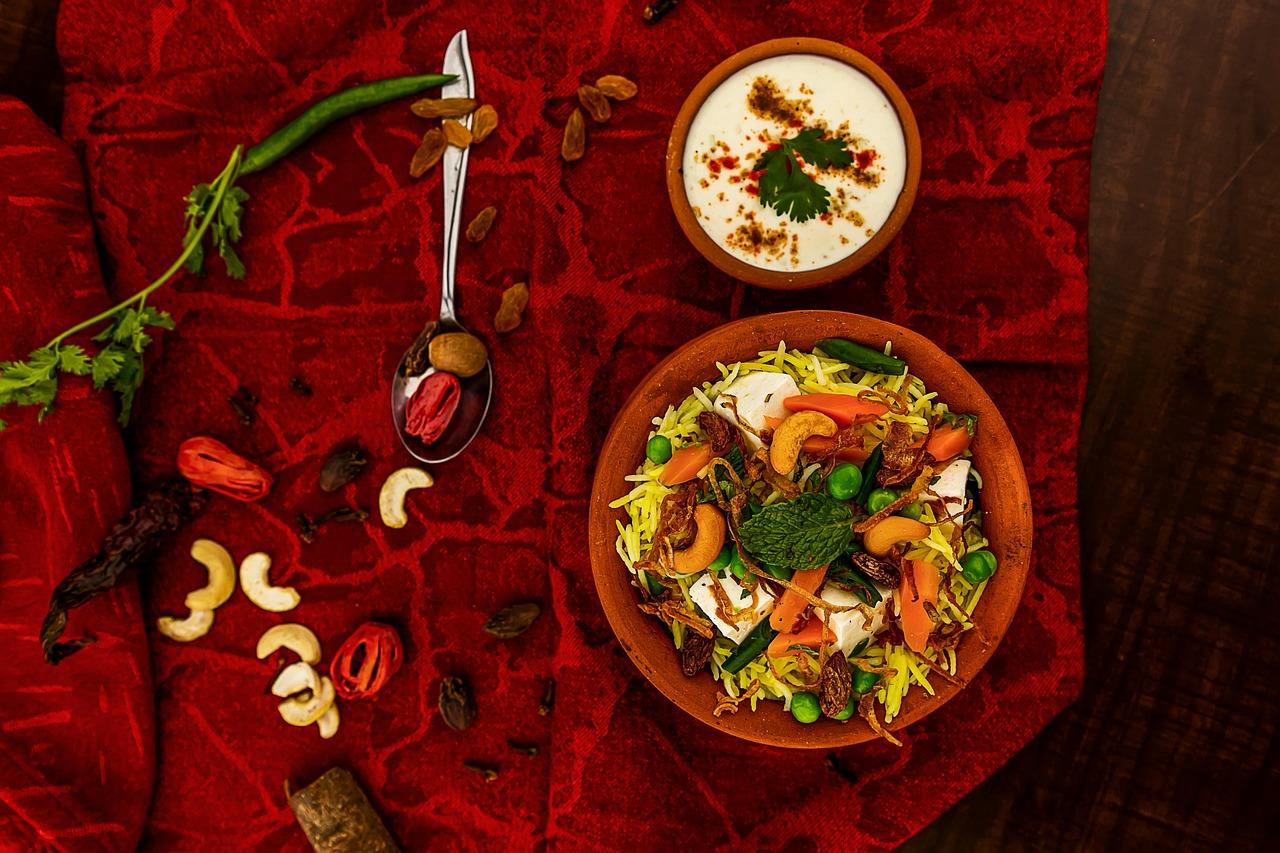
A mild, creamy biryani: rice and husked green gram roasted in ghee, then cooked in coconut milk with peas, carrots, potatoes, peanuts and cashews, and finished with soft fried paneer and a fresh coriander yogurt. Serve hot, garnished with more fried cashews and paneer.
 Indian
Hyderabadi chicken dum biryani
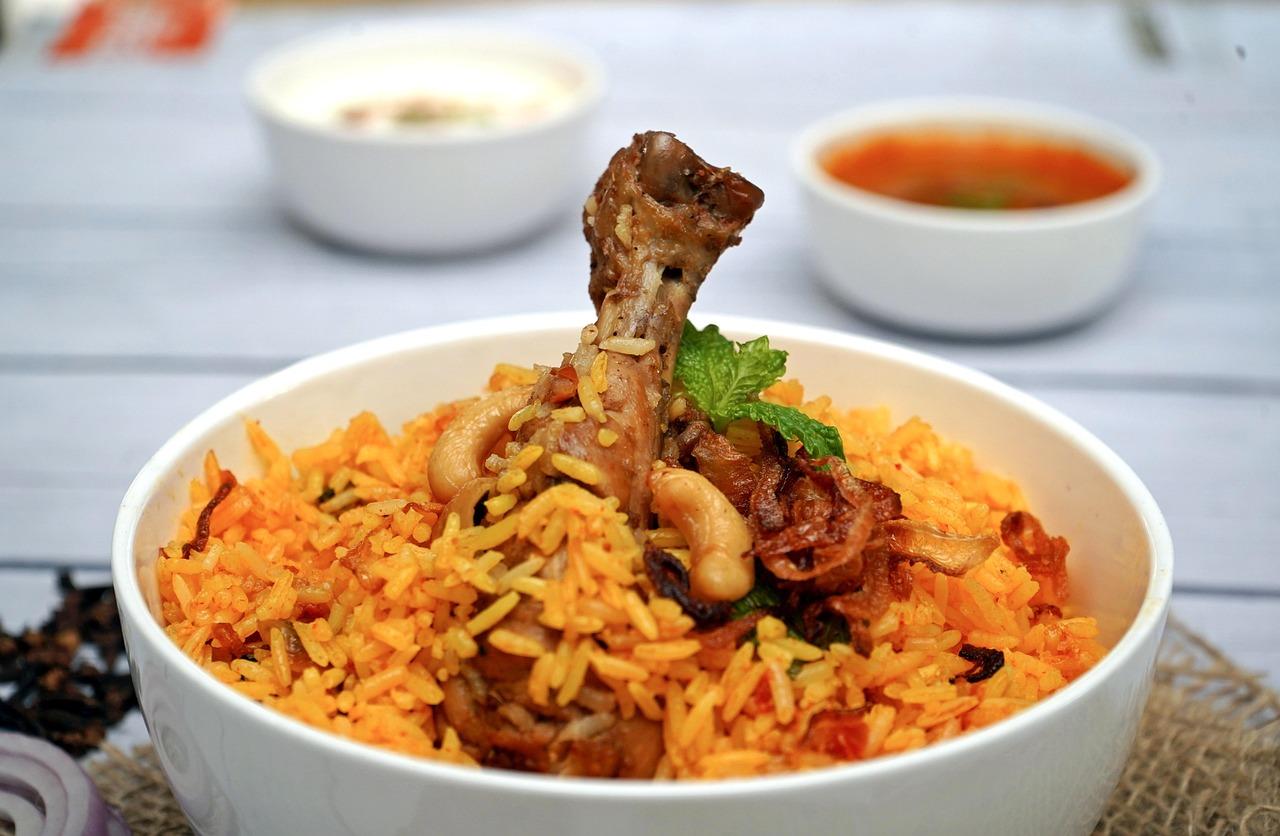
Hyderabad's biryani grew up in the kitchens of the Nizams, and the kacchi style is its proudest form: the chicken goes into the pot raw, in a thick yogurt, mint and fried-onion marinade, and cooks only in the steam trapped under part-cooked basmati. In the old city it is wedding and Eid food, ordered in huge copper deghs, and at home it's the Sunday showpiece, served with mirchi ka salan and a cooling raita. Because the meat cooks without being stirred, small bone-in thigh and drumstick pieces work best. Chef's tip: marinate overnight in the fridge — the yogurt tenderises the chicken and the flavours go right to the bone.