

AI-generated image
Bengali bori
Sun-dried lentil dumplings
বড়ি: whipped urad dal dollops sun-dried hard, then fried golden for shukto, jhol and lau ghonto (plus 6 hours soaking and 2–3 days in the sun)


Winter mornings in rural Bengal used to mean bori-making: the household gathered on the roof with a big bowl of freshly ground, hand-whipped urad dal and dropped little peaked dollops onto cloth in neat rows. In Medinipur the women even pipe them into lace-like gohona bori, a folk art of its own. The everyday kind is simpler, a cone the size of a marble, sun-dried until rock hard. Fried in mustard oil, a bori turns crisp and golden outside and slightly spongy inside, and it soaks up gravy beautifully. A handful goes into shukto, into a maacher jhol with potatoes, into lau ghonto (bottle gourd) or into a simple vegetable chorchori. Common mistake: grinding the dal with too much water; the paste then spreads flat on the cloth instead of holding a peak. Chef's tip: check the whipped paste by dropping a little into a bowl of water. If it floats, it has enough air and the bori will be light; if it sinks, keep beating.
- Total time
- 50 min
- Difficulty
- medium
- Serves
- 12
Ingredients
For the bori
- 9 oz skinned split urad dal (biulir dal)soaked 6 hours
- 3 tbsp wateronly as needed for grinding
- 1 tsp nigella seeds (kalonji)
- 1 tsp fresh ginger (optional)finely grated
- ¼ tsp gluten-free asafoetida
- ½ tsp salt
- 1 tsp mustard oilfor greasing
To use
- 2 tbsp mustard oilfor frying a handful before cooking
Shop this recipe on Amazon
What you'll need
Fresh ingredients (1)
Links open Amazon in a new tab. As an Amazon Associate, WhatToEat.Today earns from qualifying purchases.
Method
0/7 doneStep 1: Drain 9 oz skinned split urad dal (biulir dal) well; it should snap easily when pressed with a fingernail.
1 minStep 2: Grind it in a blender or wet grinder to a very thick, smooth paste, adding 3 tbsp water a spoon at a time only when the blades stop moving. The paste should hold its shape on a spoon.
10 minStep 3: Tip the paste into a wide bowl and beat it with your hand in a circular motion for 10–12 minutes, until it turns pale, fluffy and nearly doubles. A blob dropped into water should float.
12 minStep 4: Fold in 1 tsp nigella seeds (kalonji), 1 tsp fresh ginger, ¼ tsp gluten-free asafoetida and ½ tsp salt with a few strokes, without knocking out the air.
1 minStep 5: Grease a clean cotton cloth or steel trays with 1 tsp mustard oil. Pinch up a marble-sized amount of paste between your thumb and fingers and drop it onto the cloth with a twist so it forms a little peak. Repeat, 2 cm apart.
20 minStep 6: Dry the bori in strong sun for 2–3 days, bringing them in at night. After the first day, peel them off and turn them over. They are done when they are completely hard, sound hollow when dropped and break cleanly with no damp centre.
Step 7: Store in a dry, airtight jar for up to 6 months; discard any that smell sour or show mould. To use, heat 2 tbsp mustard oil in a pan over a medium-low heat and fry a handful for 1–2 minutes, stirring, until golden. Set them aside and add them to the curry in the last 5 minutes so they soften without falling apart.
3 min
Nutrition per serving
- Calories
- 70 kcal
- Protein
- 5 g
- Carbs
- 12 g
- Fat
- 1 g
- Fibre
- 4 g
Nutrition values are estimates.
KrazyBadal
Good to know
- How long does bengali bori take?
- About 50 minutes in total: 45 minutes to prepare and 5 minutes to cook.
- How many people does it serve?
- 12 as written. Change the servings above the ingredients and every amount scales to match.
- Is it vegan?
- Yes. It has no meat, fish, dairy or eggs.
- Is it gluten free?
- Yes, as written. Check the labels on stock, sauces and spice mixes, which sometimes contain gluten.
- Can I make it ahead?
- Yes. It keeps well, so you can cook it earlier in the day or the day before and reheat it.
- What can I use instead of gluten-free asafoetida?
- A pinch each of garlic powder and onion powder (asafoetida stands in for onion and garlic).
Reviews
No reviews yet. Be the first to cook it.
Rate this recipe
Sign in to rate and review this recipe.
You might also like
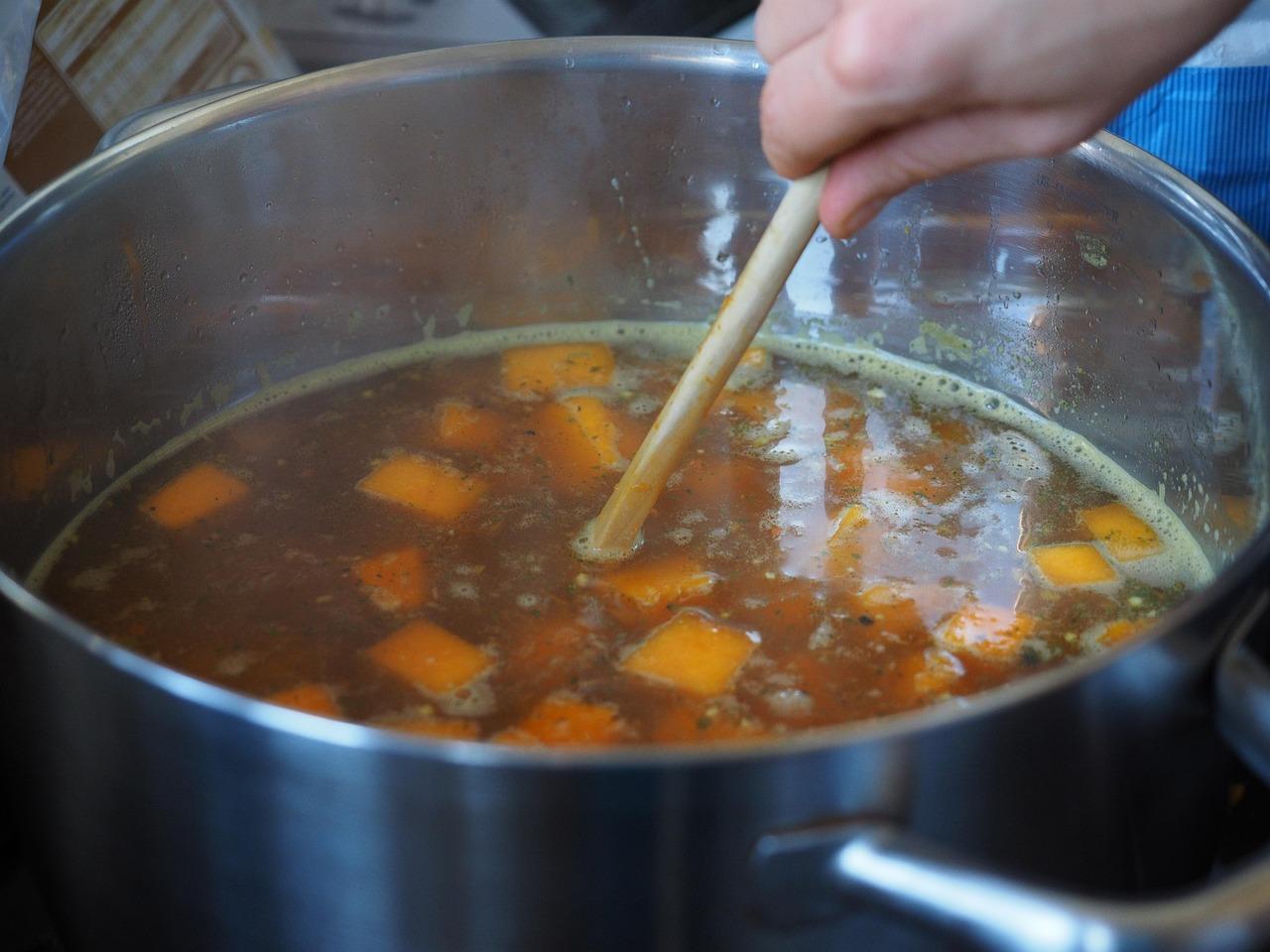
Vegetable brown stock
A hearty stock that's simmered for 2 hours, then blended and strained, so the potato gives it body. Its deeper flavour suits thick soups, gravies and stews. Freeze it in portions so it's ready when you need it.


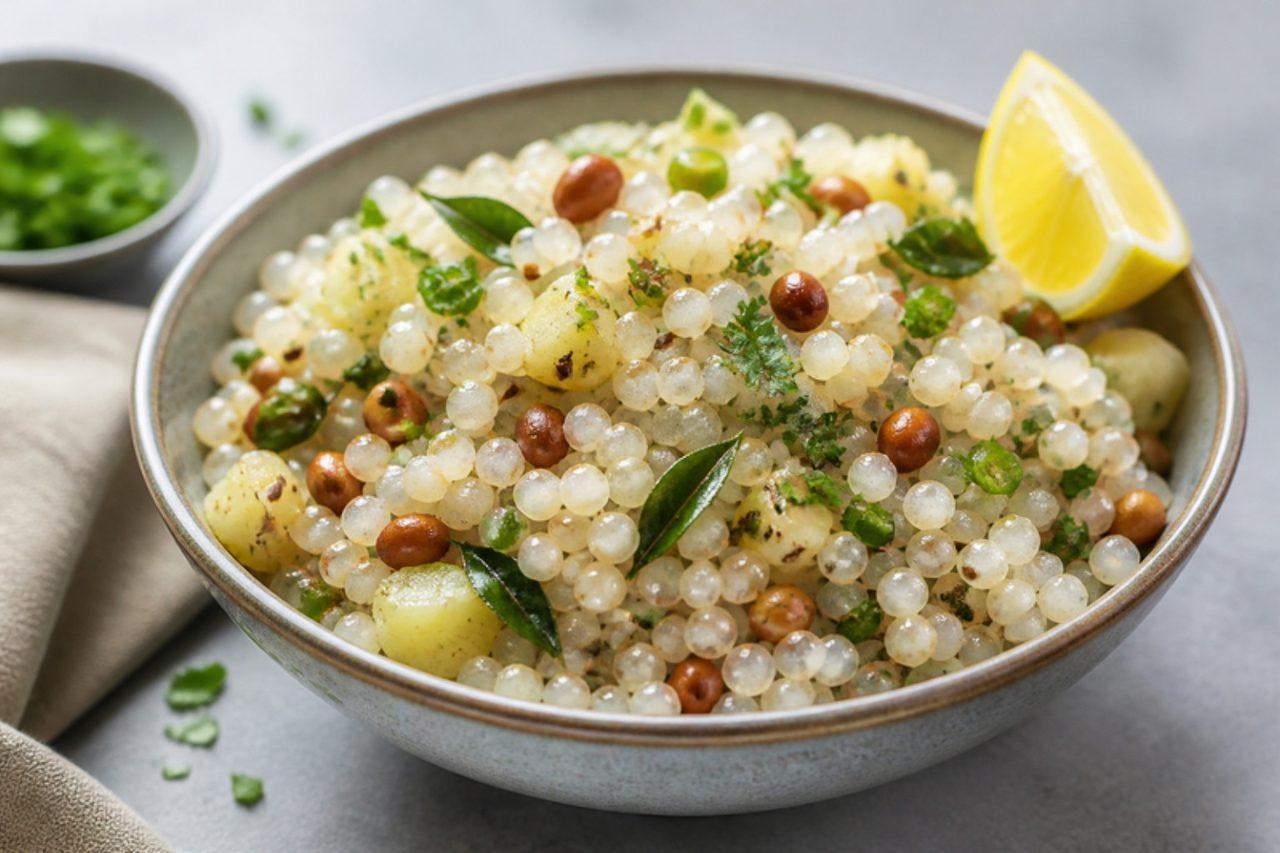
Sabudana khichdiSago with peanuts and potato
Sabudana khichdi is the dish that sees Maharashtra through every vrat (fast), from Navratri to Ekadashi, but it's so good that people eat it any day of the week. Soaked sago pearls are tossed in a pan with crushed roasted peanuts, cubes of potato, cumin and green chilli until each pearl turns glassy and separate, then finished with lemon and coriander. It's soft, chewy, nutty and gently hot. Fasting rules vary from family to family, so check yours; this version uses rock salt and no asafoetida, onion or garlic. Traditionally it's cooked in ghee; use ghee instead of oil if you aren't keeping it vegan. Chef's tip: soak the sago in just enough water to cover by the height of the pearls themselves, no more; too much water is the reason khichdi turns into one sticky lump.
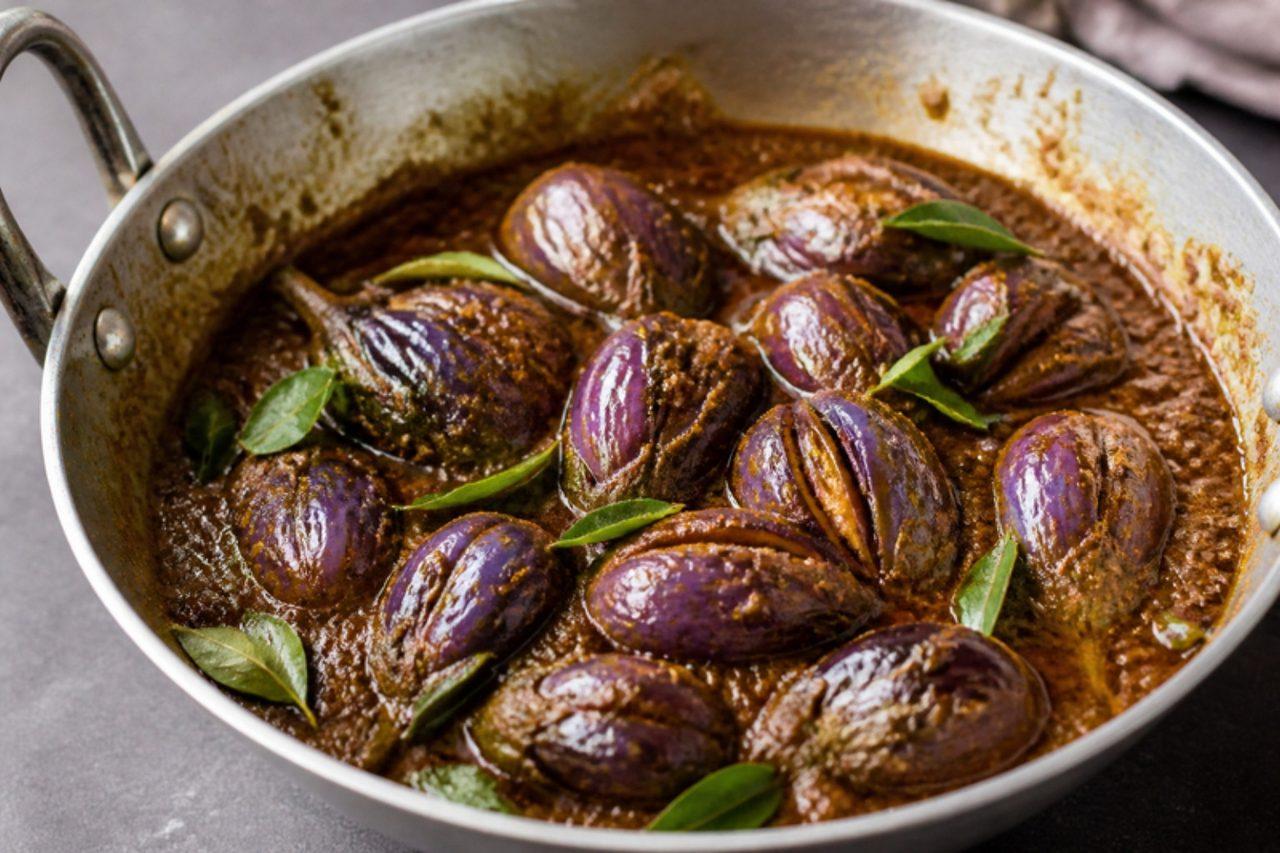
Bagara bainganBaby aubergines in peanut sesame sauce
Bagara baingan is a Hyderabadi wedding dish of small aubergines cooked whole in a dark, tangy gravy of roasted peanuts, sesame, dried coconut and tamarind. Unlike a Gujarati stuffed brinjal, the aubergines here are only quartered at the base and fried until silky, then left to soak up a thin-but-rich sauce that is finished with a tempering, the 'baghar' that gives the dish its name. It's sour, nutty and gently spiced, and is served with biryani, bagara rice or plain rice. Chef's tip: choose small, glossy purple aubergines that feel heavy for their size; soft, light ones are full of seeds and turn mushy before the gravy has a chance to cling.