
AI-generated image
Aji no nanbanzuke
Pickled fried horse mackerel
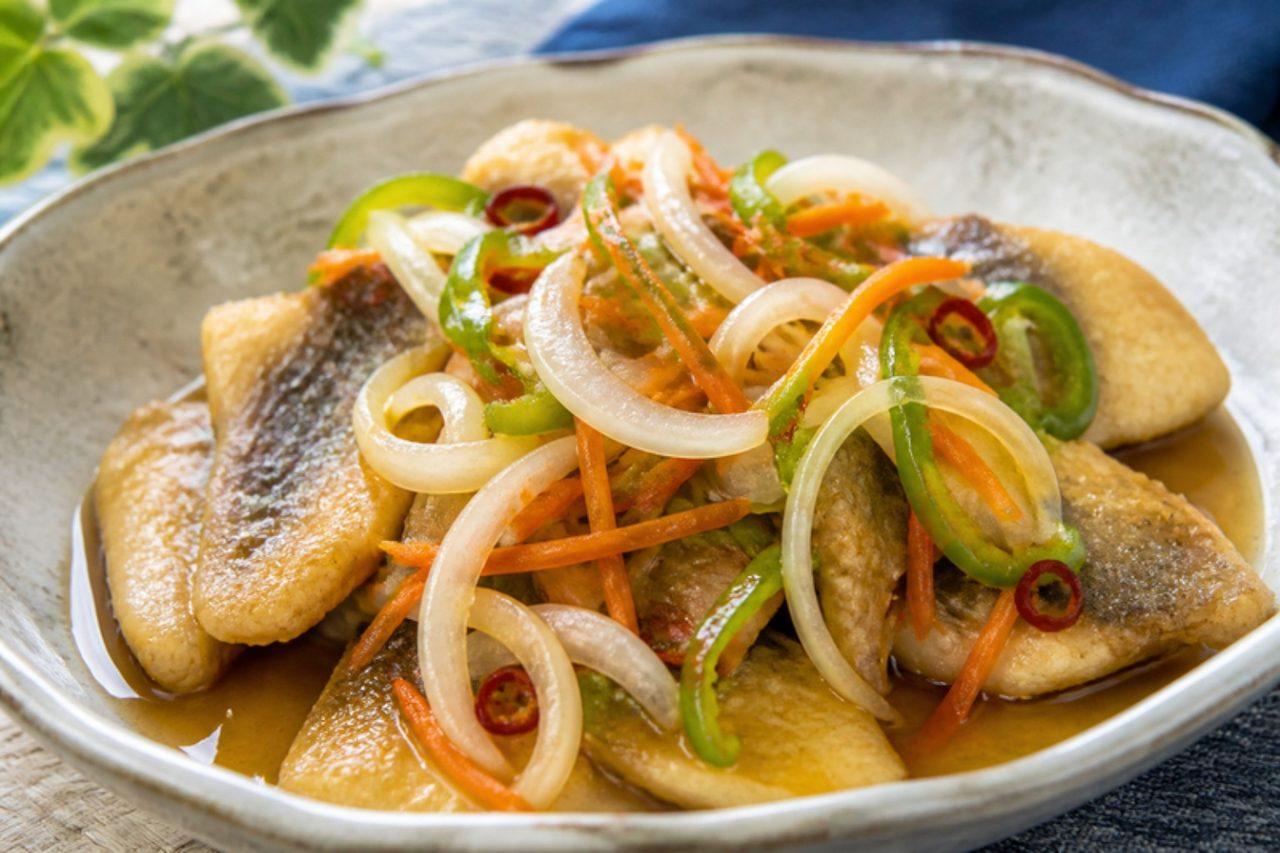
Aji no nanbanzuke (鯵の南蛮漬け): lightly fried horse mackerel marinated in vinegar with onion and carrot

Nanbanzuke, "southern barbarian pickle", came to Nagasaki with Portuguese traders in the sixteenth century, a cousin of escabeche, and today it is a summer home dish all over Japan: small horse mackerel (aji) dusted with flour, fried until crisp, then plunged while hot into a sweet-sour vinegar marinade with sliced onion, carrot, pepper and chilli. It is eaten cold, the next day as good as the first, with rice or in bento. A portion is about 250 kcal. The most common mistake is letting the fried fish cool before it goes into the marinade; it must be hot so it drinks up the vinegar. Chef's tip: fry the fish twice for a short time rather than once for long; it stays crisp even after a night in the marinade.
- Total time
- 35 min
- Difficulty
- medium
- Serves
- 4
Ingredients
For the marinade
- ½ cup rice vinegar
- ½ cup water
- 2 tbsp sugar
- 2 tbsp soy sauce
- 1 dried red chilliseeded and sliced
- ½ onionvery thinly sliced
- ½ carrotcut into fine matchsticks
- 1 green peppercut into fine strips
For the fish
- 14 oz horse mackerel (aji) filletsor small mackerel or sardine fillets, cut into 5 cm pieces
- ¼ tsp salt
- 3 tbsp plain flour
- 1 ¾ cups sunflower oilfor shallow frying, about 2 cm deep
Shop this recipe on Amazon
Spices & pantry
Links open Amazon in a new tab. As an Amazon Associate, WhatToEat.Today earns from qualifying purchases.
Method
0/5 doneStep 1: Bring ½ cup rice vinegar, ½ cup water, 2 tbsp sugar, 2 tbsp soy sauce and 1 dried red chilli to the boil in a small pan, stirring until the sugar dissolves. Pour into a shallow dish and add ½ onion, ½ carrot and 1 green pepper.
3 minStep 2: Pat 14 oz horse mackerel (aji) fillets dry, sprinkle with ¼ tsp salt, leave for 5 minutes, then pat dry again and dust with 3 tbsp plain flour.
6 minStep 3: Heat 1 ¾ cups sunflower oil in a deep frying pan to 350°F. Fry the fish in batches for 2 minutes, lift out for 1 minute, then fry again for 1 minute, until crisp and golden and the flesh is opaque and flakes.
10 minStep 4: Drain briefly on kitchen paper and put straight into the marinade while still hot. Turn to coat and scatter the vegetables over.
1 minStep 5: Leave for at least 15 minutes, or cover and chill overnight. Serve cold or at room temperature. It keeps for 3 days in the fridge.
Nutrition per serving
- Calories
- 250 kcal
- Protein
- 20 g
- Carbs
- 16 g
- Fat
- 11 g
- Fibre
- 1 g
Nutrition values are estimates.
KrazyBadal
Good to know
- How long does aji no nanbanzuke take?
- About 35 minutes in total: 20 minutes to prepare and 15 minutes to cook.
- How many people does it serve?
- 4 as written. Change the servings above the ingredients and every amount scales to match.
- Can I make it ahead?
- Yes. It keeps well, so you can cook it earlier in the day or the day before and reheat it.
- What can I use instead of rice vinegar?
- Cider vinegar with a pinch of sugar, same amount.
- What can I use instead of sugar?
- Caster sugar, same amount.
Reviews
No reviews yet. Be the first to cook it.
Rate this recipe
Sign in to rate and review this recipe.
You might also like
Moreton Bay bugsSlipper lobster with garlic butter
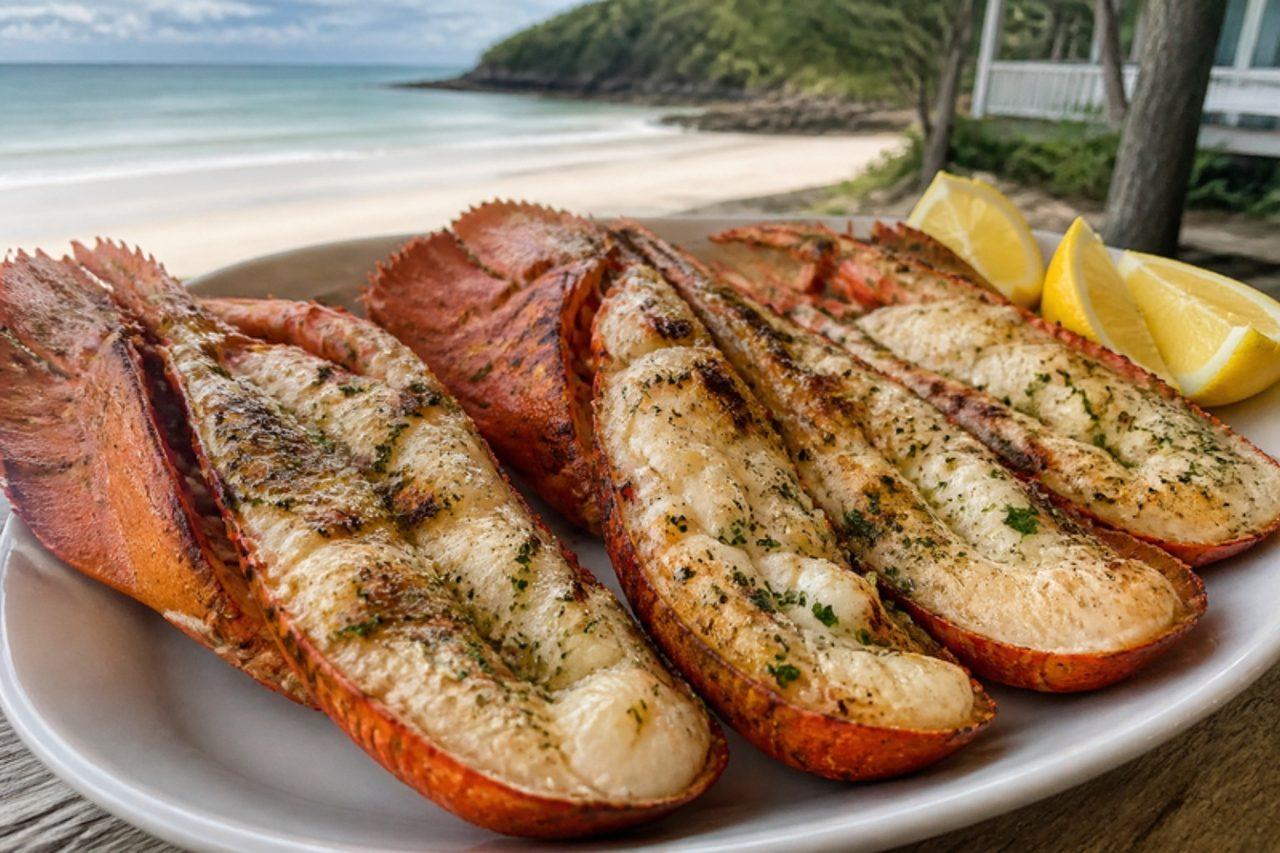
Moreton Bay bugs are the flat, shovel-nosed slipper lobsters caught off the Queensland coast around Brisbane and the Sunshine Coast, and for Queenslanders they are a summer treat, split and grilled at the beach house. The tail meat is sweet and rich, somewhere between lobster and prawn. Buy them raw, frozen or fresh, from a fishmonger and ask them to halve them if you like. A common mistake is overcooking, which makes the meat rubbery; it is ready the moment it turns white. Chef's tip: grill flesh side down first to mark it, then turn and baste in the shell.
 Australian

Yaki onigiriGrilled rice balls
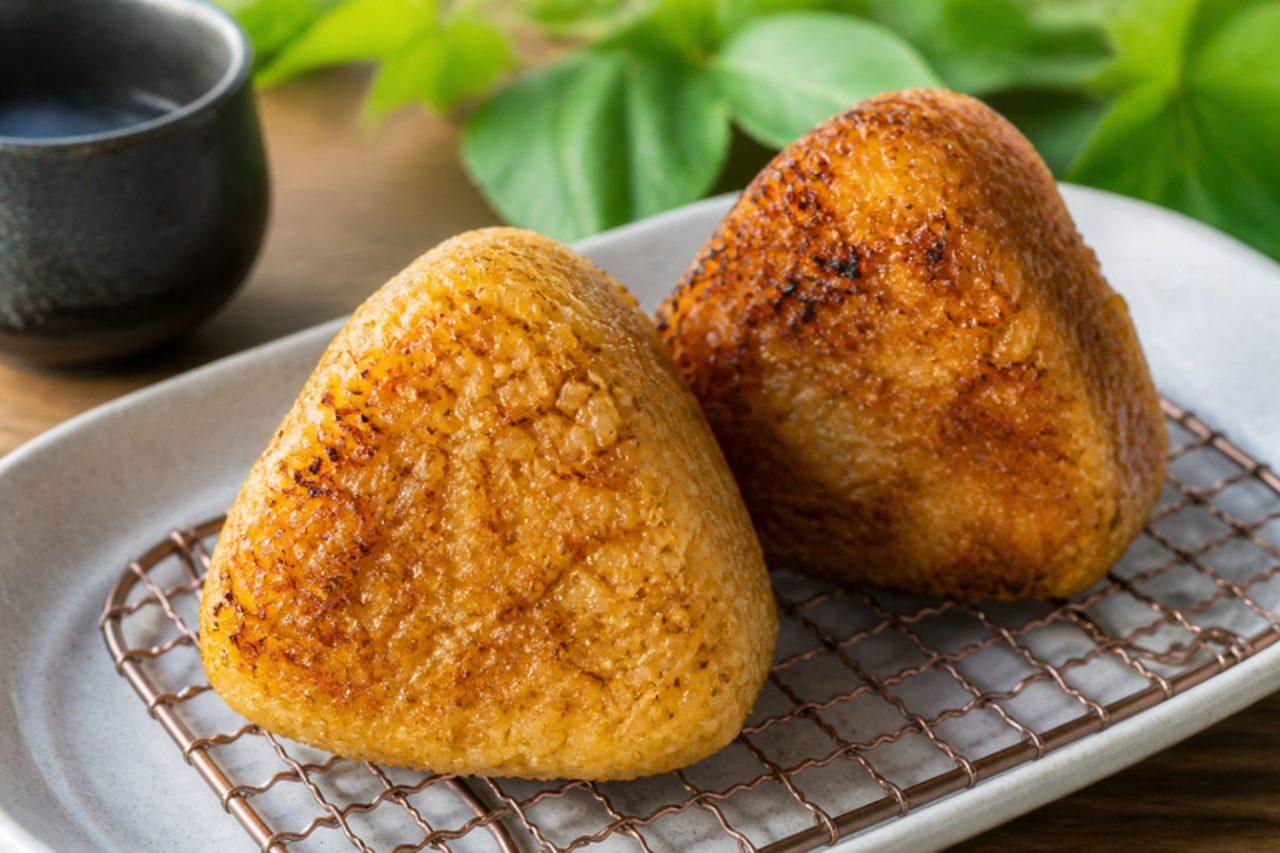
Yaki onigiri (焼きおにぎり) are rice balls grilled until they form a crisp, toasty crust, then brushed with soy sauce glaze. They are eaten all over Japan, at izakaya, at barbecues and from the freezer section, as a snack or with miso soup. The inside stays soft and steamy while the outside crackles. Best eaten hot, straight from the pan. Chef's tip: let the shaped rice balls dry for 10 minutes before they go in the pan. A drier surface forms a better crust and won't stick, and the glaze goes on only at the end so it doesn't burn.

Miso soup
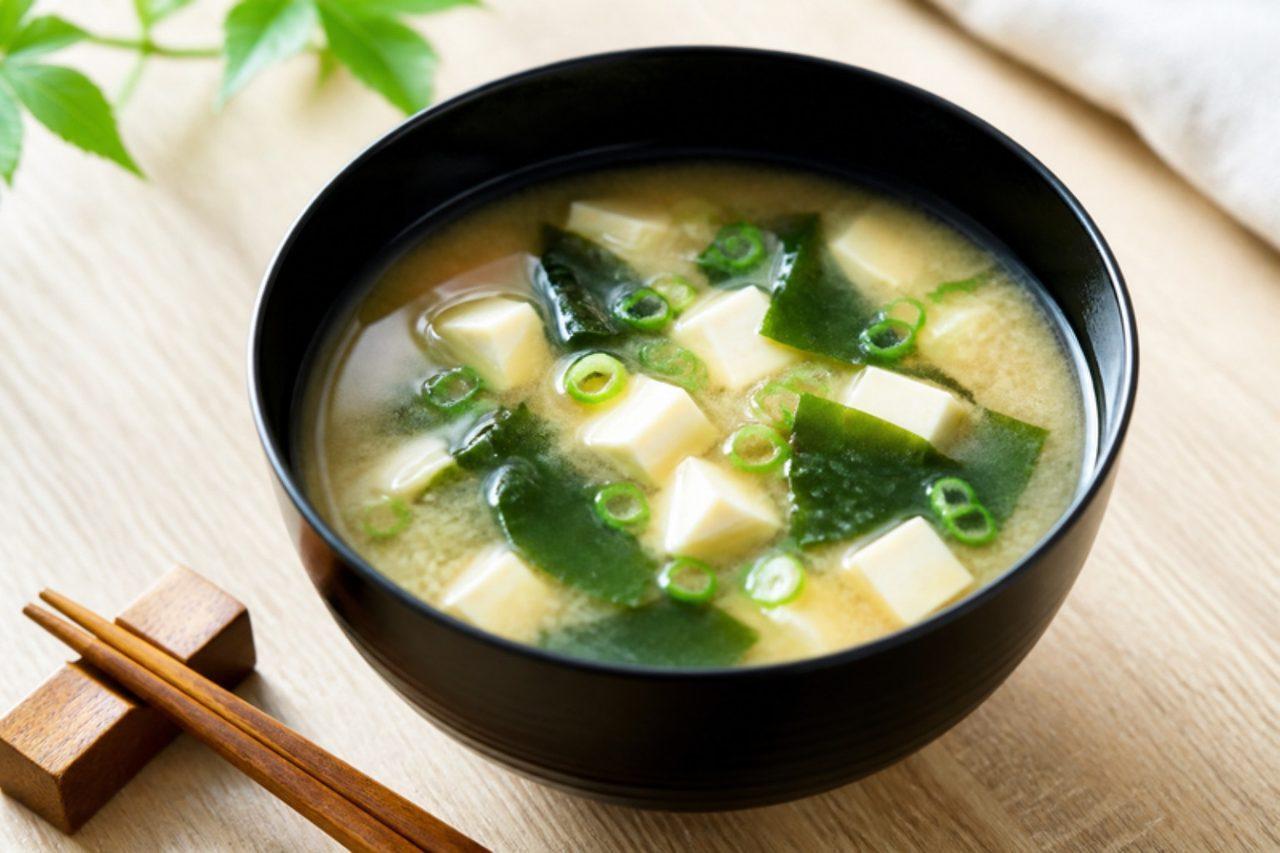
Miso soup (味噌汁) is drunk every day in homes all over Japan, at breakfast as well as dinner, beside a bowl of rice. The base is dashi; this vegan version uses kombu and dried shiitake instead of bonito, which gives it a deep, rounded flavour. Silken tofu and wakame seaweed are the classic fillings. It takes ten minutes; just remember not to boil the miso. Chef's tip: add the miso at the very end and never let it boil. Boiling kills the miso's fresh, fermented aroma; Japanese cooks say the soup should only 'smile', with the surface barely trembling.