Skip to content

Recipes with white rice flour

5 recipes that use white rice flour, with photos, step-by-step instructions and cook times. The quickest, Weli thalapa, takes 35 minutes. It is most often cooked with cardamom, sugar and coconut oil.

Got a few things in the fridge? Search by everything you have

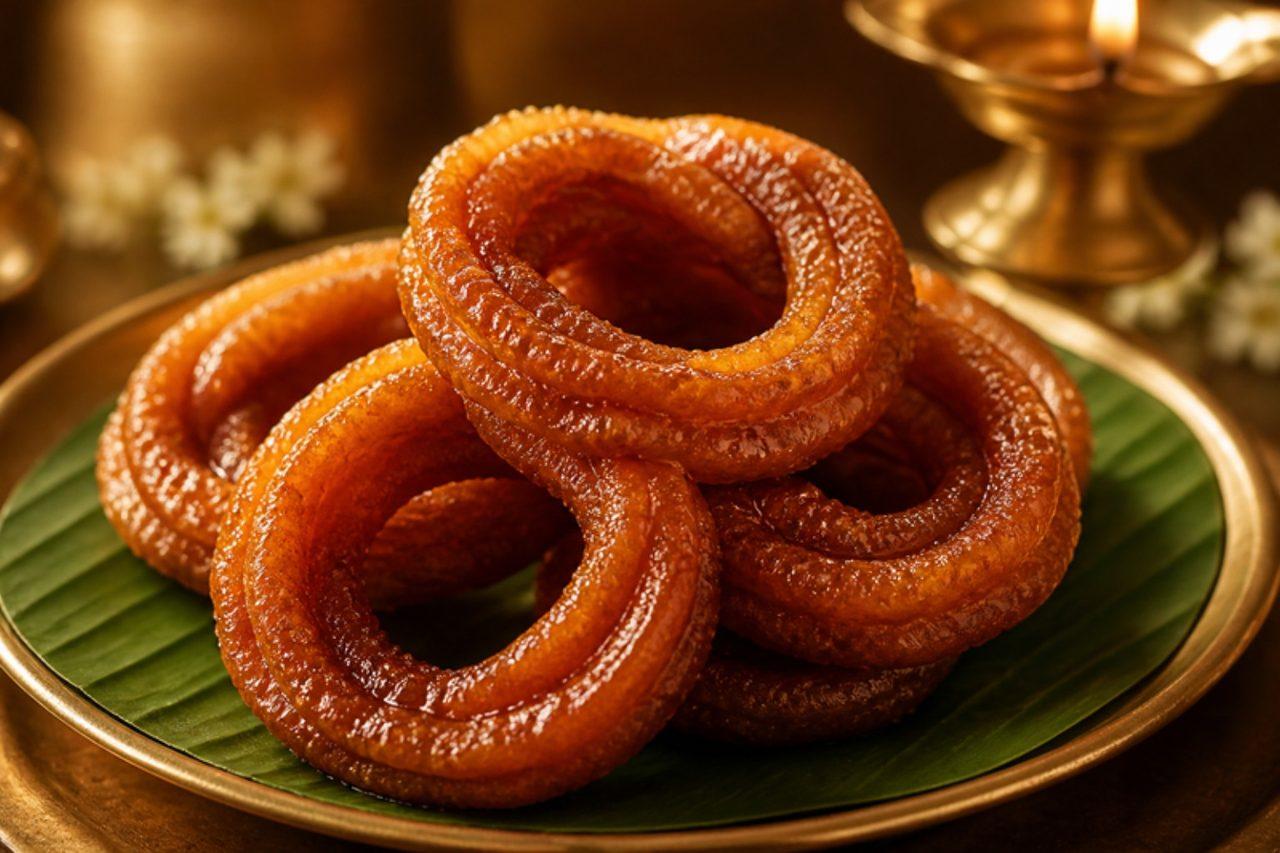
Undu walalu

Walalu means bangles, and these dark, sticky rings of fried urad dal soaked in kithul treacle are a sweet that Sinhala families bring out for Avurudu and for special almsgivings, often made in large batches by an aunt known for her steady hand. A thick, fluffy paste of ground black gram is piped into loops and fried until crisp, then plunged straight into warm treacle, so the rings stay crunchy on the outside while drinking up the syrup. They taste a little like a darker, smokier jalebi, with a toffee finish from the palm treacle. Watery batter is what ruins them; it spreads into flat blobs, so grind the soaked dal with as little water as possible and beat it until light. This recipe uses no asafoetida, so it is naturally gluten free. Chef's tip: pipe the rings onto small squares of baking paper and lower them into the oil paper and all; the paper peels away in seconds.

by KrazyBadal 1 views

Weli thalapa

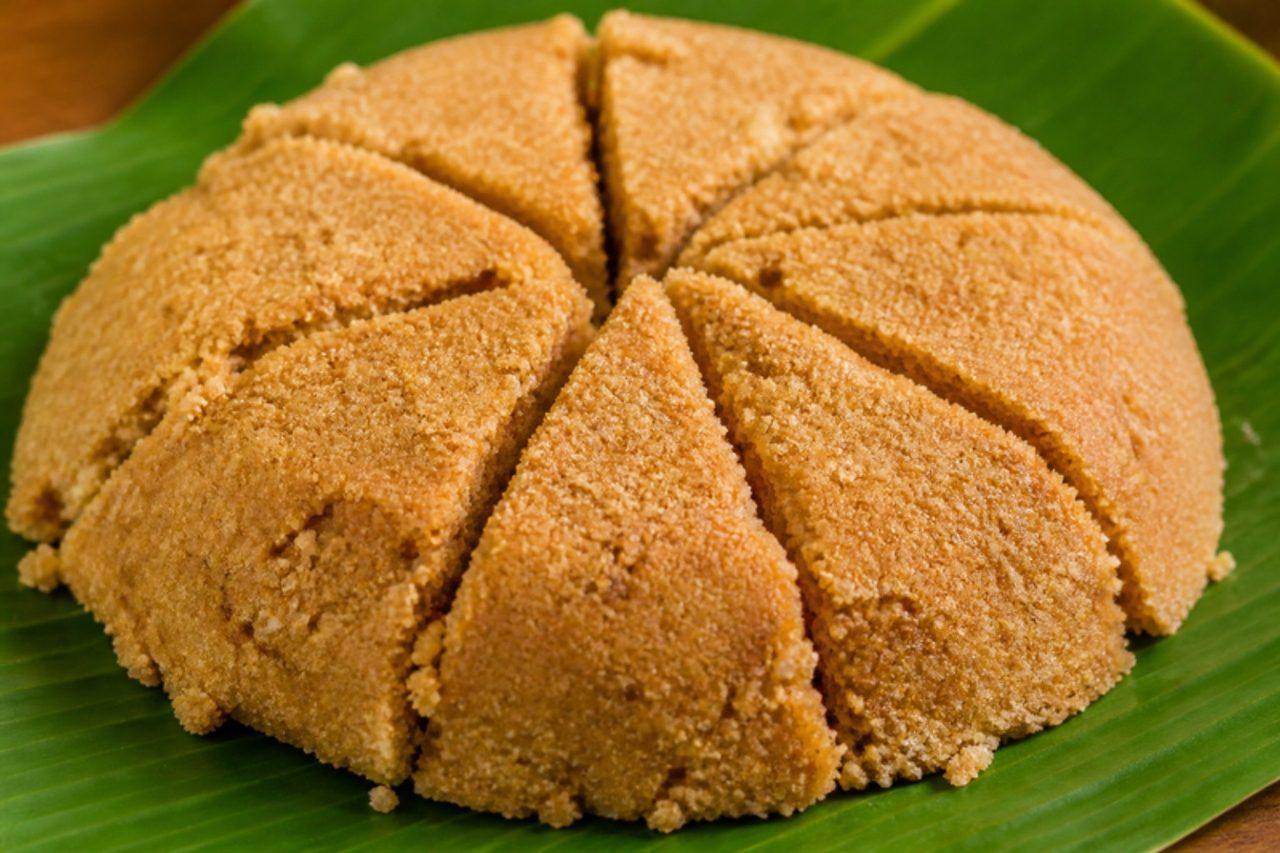
Weli means sand, which perfectly describes the texture of this old-fashioned Sinhala sweet: soft, crumbly and slightly gritty on the tongue, packed with coconut and the dark, smoky sweetness of kithul jaggery. It is made in many southern and western homes for the Avurudu table and for pirith ceremonies, pressed into a tray and cut into squares or diamonds, and its simple ingredients make it a quick, frugal treat. Grated coconut is cooked in melted jaggery until it soaks up the syrup, then roasted rice flour is stirred in until the mixture clumps and leaves the pan. Overcooking at the end is a frequent slip, turning it hard and chewy instead of sandy, so take it off the heat as soon as it starts to come together. Chef's tip: roast the rice flour well in advance and let it cool; warm flour clumps and stops the sweet from getting that loose, sandy crumb.

by KrazyBadal 0 views

Aluwa

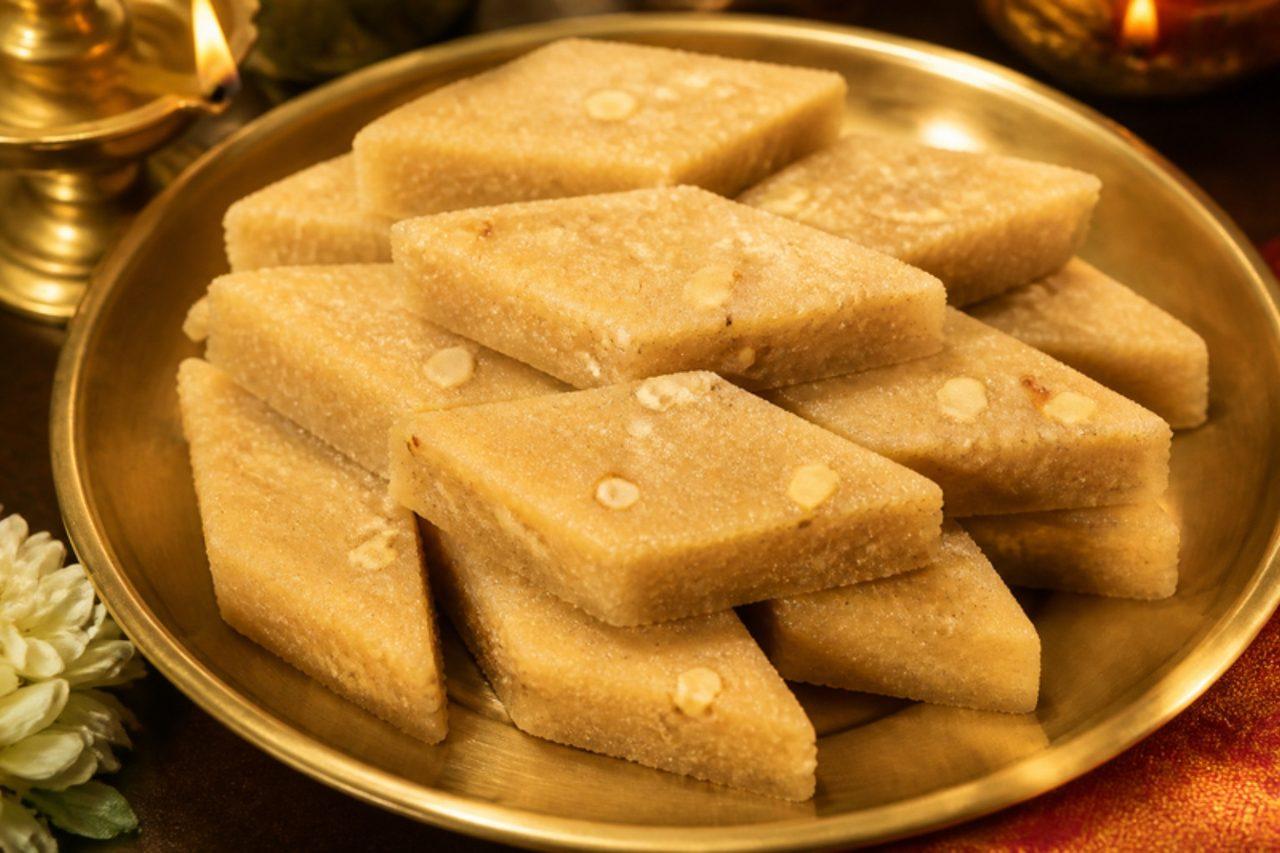
Pale, smooth and cut into precise little diamonds, aluwa brings a touch of order to the crowded Avurudu sweet tray, and it is often the first sweet children learn to help make because there is no deep-frying involved. Rice flour is roasted until it smells like biscuits, then kneaded with hot sugar syrup, chopped cashews and cardamom into a firm dough, rolled out and cut. The finished sweet is dense, slightly crumbly and not too sweet, with a gentle nuttiness, and it keeps for weeks in a tin to be offered to visitors with tea. The point where it goes wrong is the syrup: too thin and the aluwa never sets, too thick and the dough cracks before you can roll it, so aim for the one-thread stage. Chef's tip: roll the dough between two sheets of baking paper and cut it while it is still warm and pliable; once cold it breaks instead of slicing.

by KrazyBadal 0 views

Mung kavum

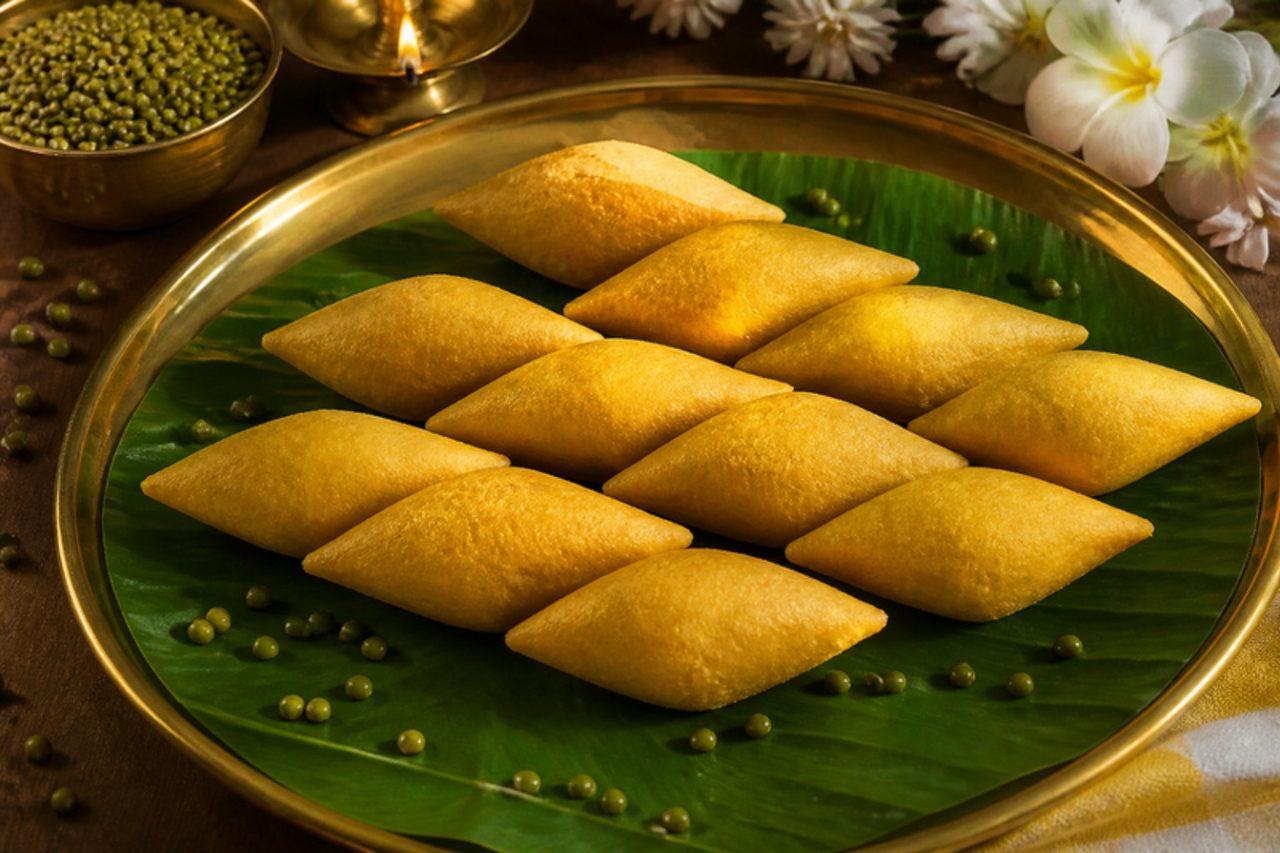
Mung kavum, the neat golden diamonds that sit beside kavum and kokis on the April New Year table, take a whole afternoon, which is why Sinhala grandmothers often make them with a crowd of helpers and why the shop-bought ones never taste the same. Whole mung beans are toasted until fragrant and ground to a fine powder, mixed with roasted rice flour and hot treacle into a firm, sticky dough, then rolled, cut into diamonds, dipped in a thin coconut milk and turmeric batter and fried. The outside is crisp and yellow, the inside dense, nutty and sweet. Beginners often roll the dough too thick, which leaves the middle pasty while the batter browns; keep it about 1 cm. Rice flour and mung beans are both naturally gluten free. Chef's tip: sift the ground mung through a fine sieve and regrind what is left, because grainy flour makes the dough crumble at the cutting stage.

by KrazyBadal 0 views

Panangai paniyaram

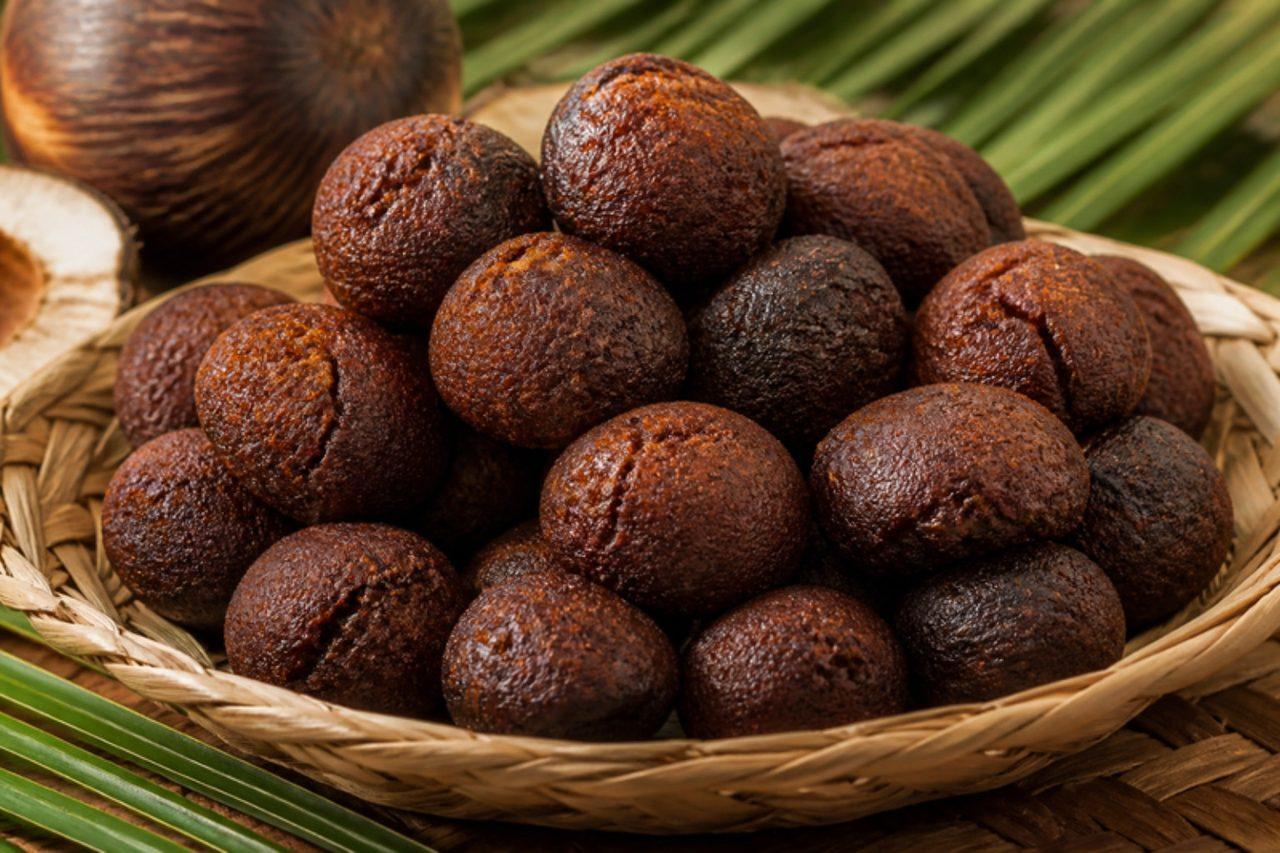
When the palmyra palms of the Jaffna peninsula drop their ripe black fruits in the late monsoon months, kitchens from Point Pedro to Kayts fill with the smoky, almost mango-like smell of panangai paniyaram. The fibrous orange pulp is squeezed out of the fruit, cooked briefly with sugar, then mixed with rice flour and fried in spoonfuls until the fritters are nearly black outside and soft and sticky inside. They are an afternoon treat with tea and are carried as gifts to relatives in Colombo and abroad. Outside Sri Lanka, look for frozen or tinned palmyra fruit pulp in Tamil grocers; there is no real substitute for its taste. The common failure is frying in oil that is too hot: the sugar in the pulp burns before the middle cooks, so keep the oil moderate. Chef's tip: cooking the pulp with the sugar first takes the edge off the fruit's natural bitterness and makes the batter easier to handle.

by KrazyBadal 0 views

Goes well with white rice flour