
Skip to content

Recipes with kithul treacle

5 recipes that use kithul treacle, with photos, step-by-step instructions and cook times. The quickest, Curd and treacle, takes 25 minutes. It is most often cooked with coconut oil, green cardamom and thick coconut milk.

Got a few things in the fridge? Search by everything you have

Undu walalu

Walalu means bangles, and these dark, sticky rings of fried urad dal soaked in kithul treacle are a sweet that Sinhala families bring out for Avurudu and for special almsgivings, often made in large batches by an aunt known for her steady hand. A thick, fluffy paste of ground black gram is piped into loops and fried until crisp, then plunged straight into warm treacle, so the rings stay crunchy on the outside while drinking up the syrup. They taste a little like a darker, smokier jalebi, with a toffee finish from the palm treacle. Watery batter is what ruins them; it spreads into flat blobs, so grind the soaked dal with as little water as possible and beat it until light. This recipe uses no asafoetida, so it is naturally gluten free. Chef's tip: pipe the rings onto small squares of baking paper and lower them into the oil paper and all; the paper peels away in seconds.

by KrazyBadal 1 views

Pani pol pancakes

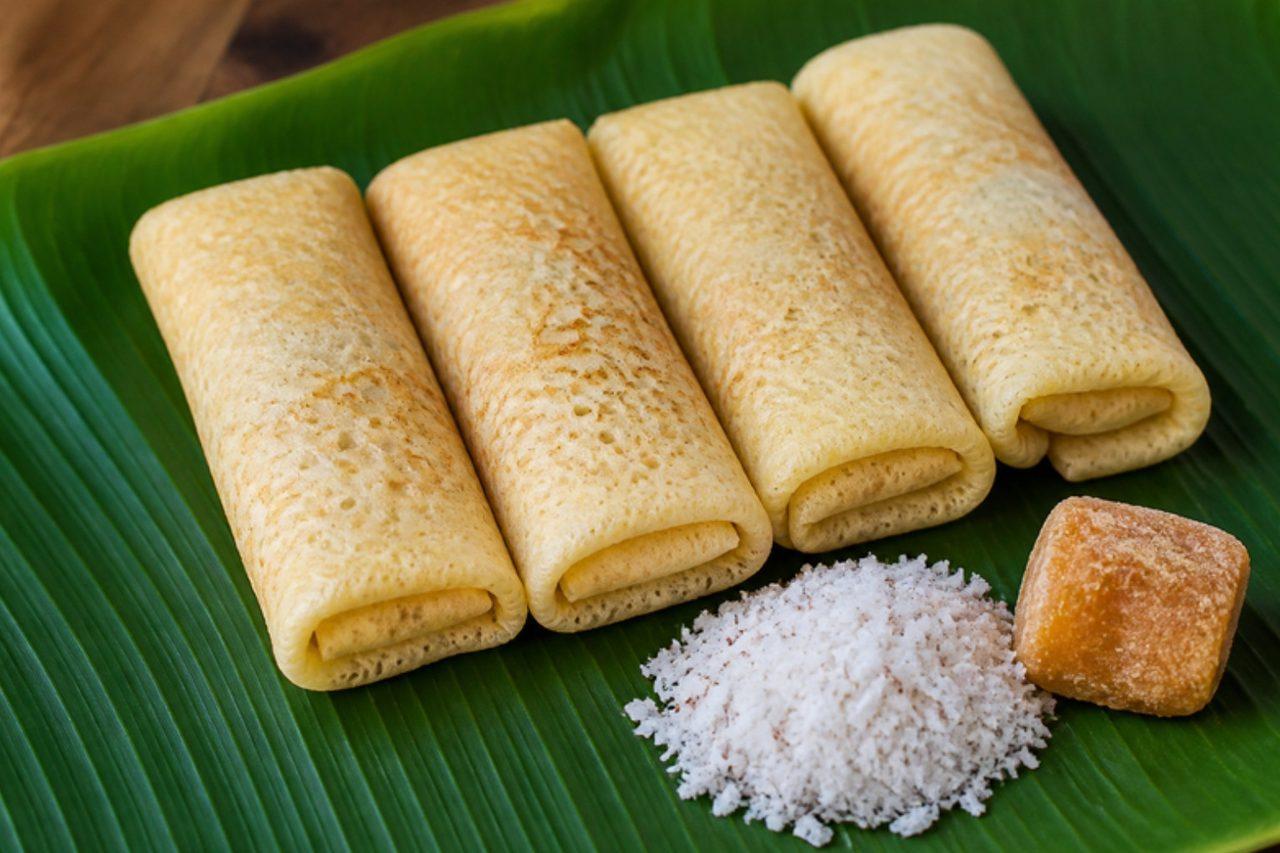
In Sri Lankan bakeries and tea kiosks, pani pol pancakes sit next to the savoury short eats, neat little rolls of thin, faintly yellow pancake wrapped around a dark, sticky filling, and at home they are a favourite Sunday breakfast and tiffin-box treat. The pani pol, literally treacle coconut, is grated coconut cooked with kithul treacle, cardamom and cinnamon until glossy and sweet, and the pancakes are thin crêpes made with egg and milk, often tinted with a pinch of turmeric. They are eaten warm or at room temperature with a cup of milk tea. The mistake most cooks make is cooking the filling dry, which makes it gritty and hard to roll; it should be moist and just holding together. Chef's tip: rest the batter for 20 minutes while you cook the filling, so the pancakes come out thin, soft and free of holes.

by KrazyBadal 0 views

Mung kavum

Mung kavum, the neat golden diamonds that sit beside kavum and kokis on the April New Year table, take a whole afternoon, which is why Sinhala grandmothers often make them with a crowd of helpers and why the shop-bought ones never taste the same. Whole mung beans are toasted until fragrant and ground to a fine powder, mixed with roasted rice flour and hot treacle into a firm, sticky dough, then rolled, cut into diamonds, dipped in a thin coconut milk and turmeric batter and fried. The outside is crisp and yellow, the inside dense, nutty and sweet. Beginners often roll the dough too thick, which leaves the middle pasty while the batter browns; keep it about 1 cm. Rice flour and mung beans are both naturally gluten free. Chef's tip: sift the ground mung through a fine sieve and regrind what is left, because grainy flour makes the dough crumble at the cutting stage.

by KrazyBadal 0 views

Kavum

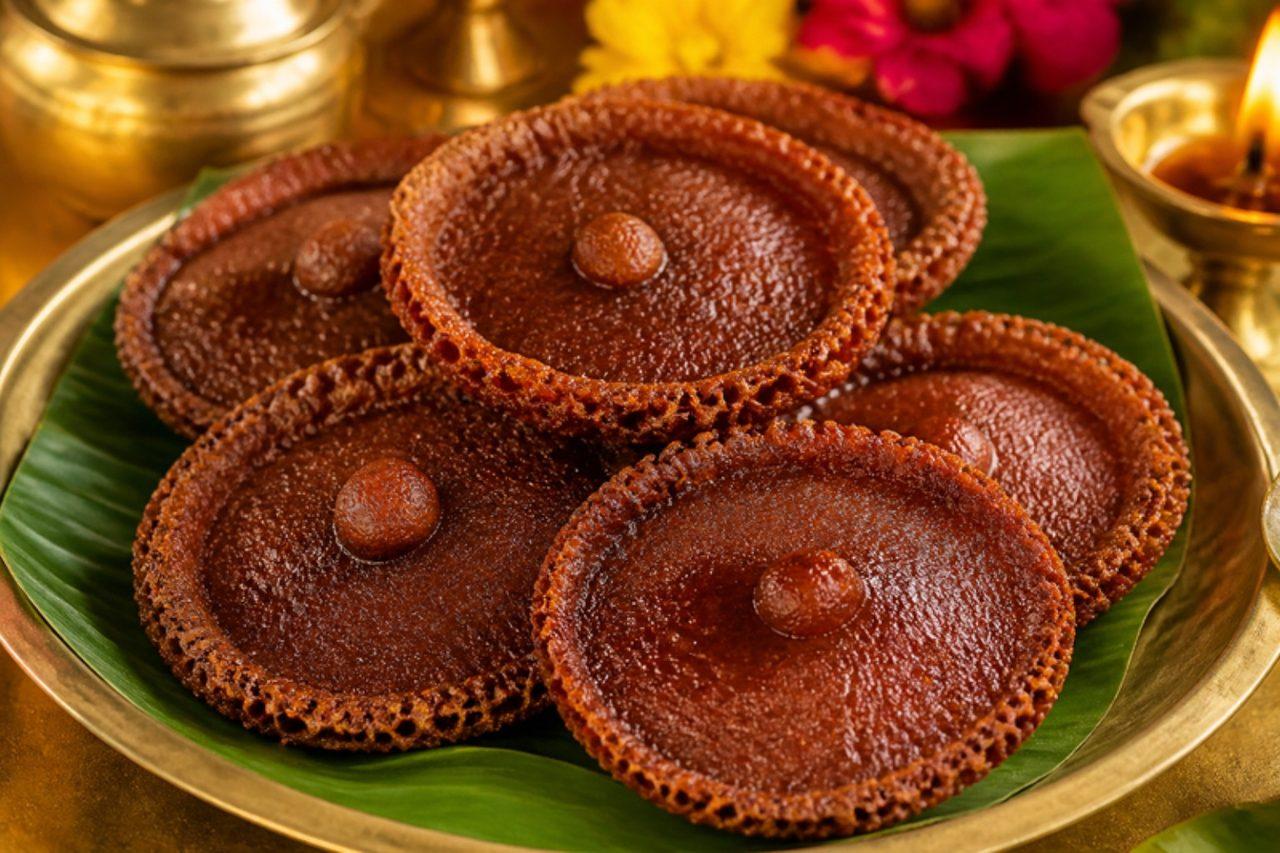
On the Sinhala and Tamil New Year tray in April, kavum is the sweet that marks a real Avurudu kitchen, and in villages neighbours still gather around a big pan of oil to fry them together. A thick batter of rice flour and dark kithul treacle is rested overnight, then ladled into hot coconut oil, where the cook pokes and bastes the middle with a thin stick until it puffs up into the famous konda, the little topknot. The cakes are dark brown, crisp at the rim and soft and chewy inside, with a smoky treacle flavour, and they are eaten with plantains, kokis and milk rice. A batter that is too runny is the classic disappointment, since it spreads flat and never forms a knob; it should drop thickly from the spoon, like cold honey. Chef's tip: fry one test cake first and adjust the batter with a spoon of rice flour or coconut milk before doing the rest.

by KrazyBadal 0 views

Curd and treacle

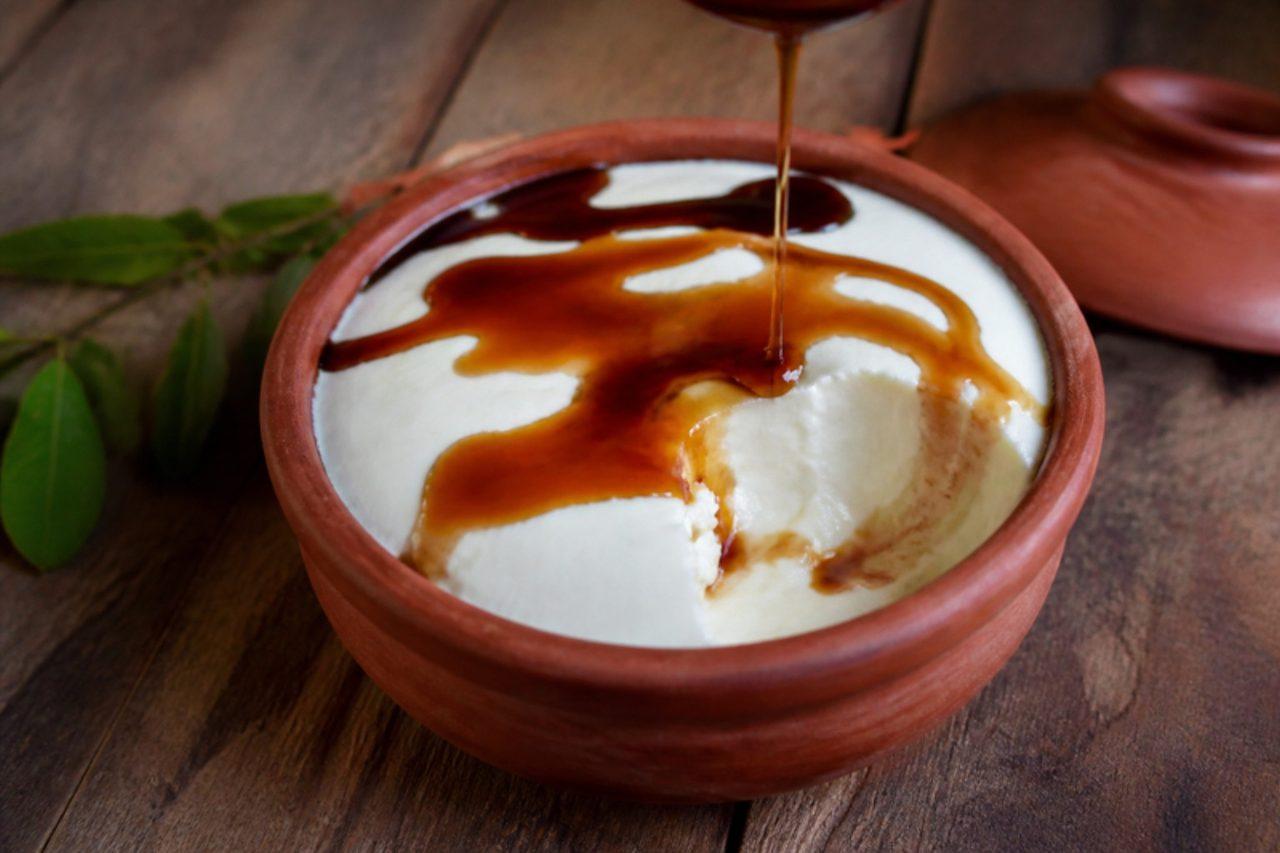
Driving the southern coast road past Tangalle towards Hambantota, you pass stall after stall stacked with round clay chatties of meekiri, the firm, slightly sour curd made from buffalo milk, with bottles of dark kithul treacle hanging beside them. Turned out into a bowl and flooded with treacle, it is the South's great dessert: cool, rich and tangy against the smoky, toffee-like sweetness of the palm syrup, eaten after lunch or as a snack in the heat of the day. Setting it at home is easy with pasteurised buffalo milk or creamy whole cow's milk, a spoon of live curd and a warm spot overnight. The mistake that ruins most first batches is adding the starter while the milk is still too hot, which kills the culture and leaves you with warm milk in the morning. Chef's tip: unglazed clay pots draw out a little whey, which is why traditional curd is so thick; soak them in water and dry them well before using.

by KrazyBadal 0 views

Goes well with kithul treacle