Skip to content

Recipes with warm vegetable stock

5 recipes that use warm vegetable stock, with photos, step-by-step instructions and cook times. The quickest, Moi moi, takes 90 minutes. It is most often cooked with baking powder, masa harina for tamales and dried corn husks.

Run out of warm vegetable stock? Chicken stock, same amount.

Got a few things in the fridge? Search by everything you have

Guajolota

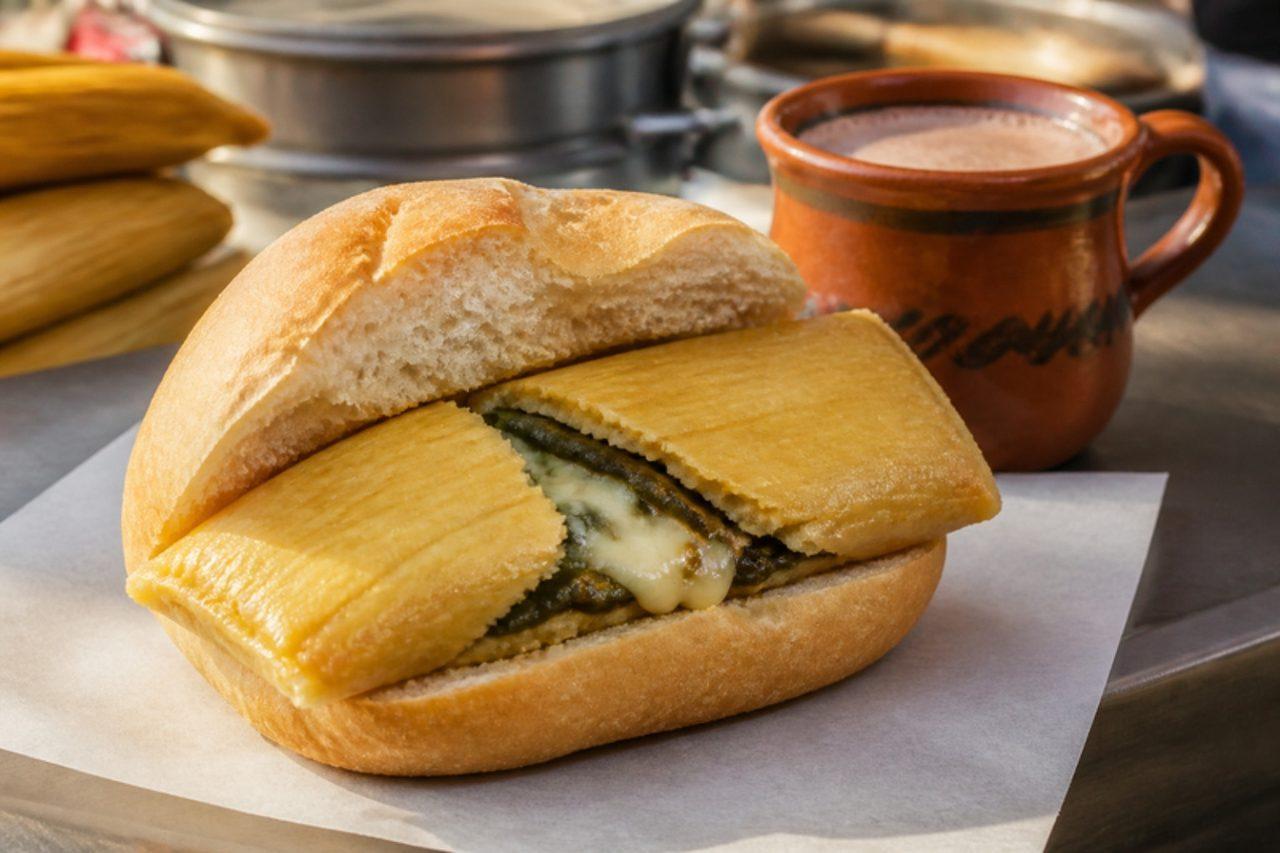
Commuters in Mexico City grab a guajolota at the tamal stand by the bus stop at seven in the morning: a crusty bolillo roll split open with a whole steaming tamal pushed inside, sometimes with a smear of green salsa, eaten with a cup of atole. It is starch in starch, cheap and filling enough to last until lunch. The name means 'turkey hen', a joke about how stuffed it is. This recipe makes eight vegetarian tamales of roasted poblano strips and melting cheese (rajas con queso); four go into rolls and the rest freeze well. Shop-bought vegetarian tamales work if you are short of time. Chef's tip: warm the bolillo on the comal while the tamal rests, so the crust crackles against the soft masa.

by KrazyBadal 0 views

Tamales de chipilín

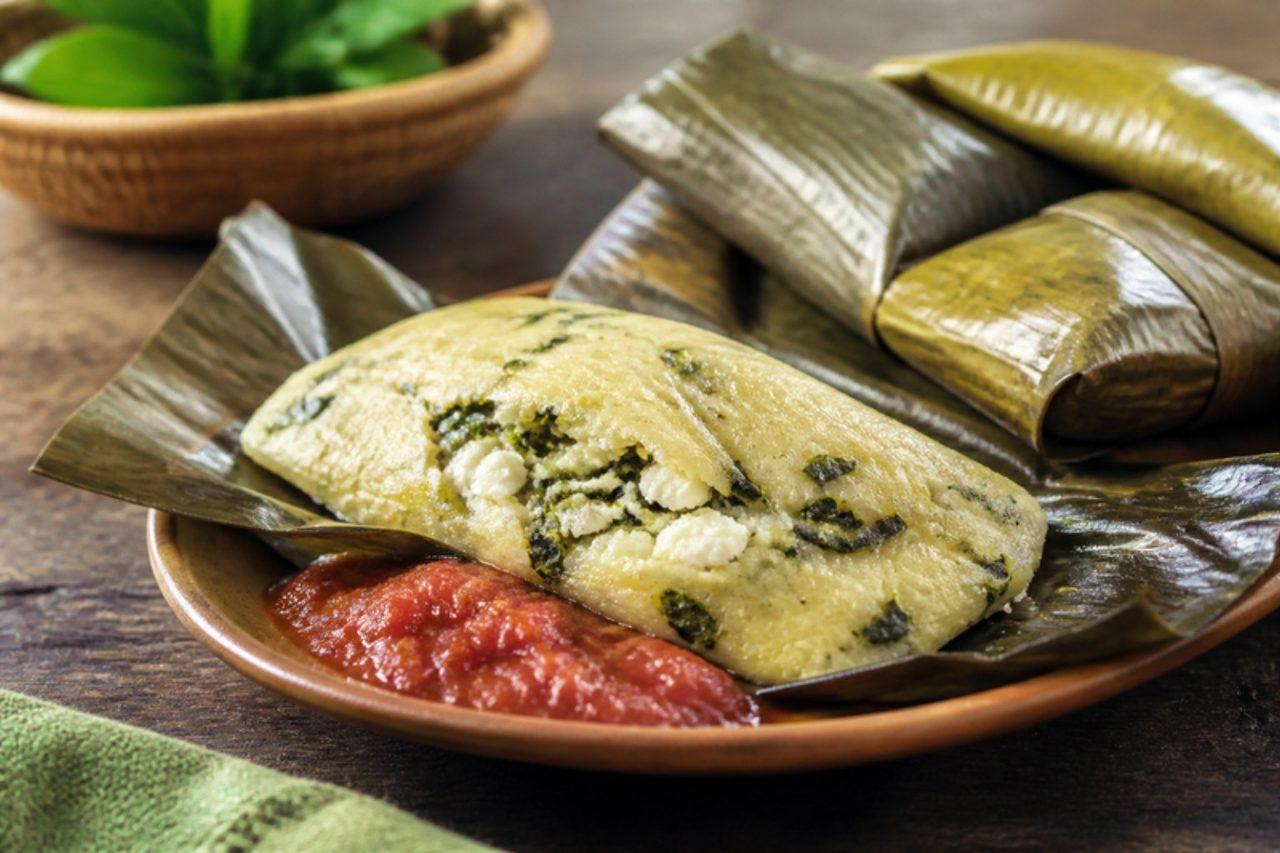
Chipilín is a small-leaved wild legume that grows along the fields of Chiapas and Tabasco, and its grassy, faintly bitter leaves turn up in soups, rice and, most of all, these tamales. In Tuxtla Gutiérrez and San Cristóbal they are sold from steaming pots in the early evening and taken home for supper with hot chocolate or atole: soft, pale green-speckled masa wrapped around a cube of fresh cheese, often with a spoon of tomato salsa. Cooks there beat the masa with lard; vegetable shortening gives the same light texture. Frozen chipilín is sold at Central American grocers; spinach with a few watercress leaves is a fair stand-in. Chef's tip: strip the leaves from the stems by pinching and pulling down; stems make the masa stringy.

by KrazyBadal 0 views

Corundas

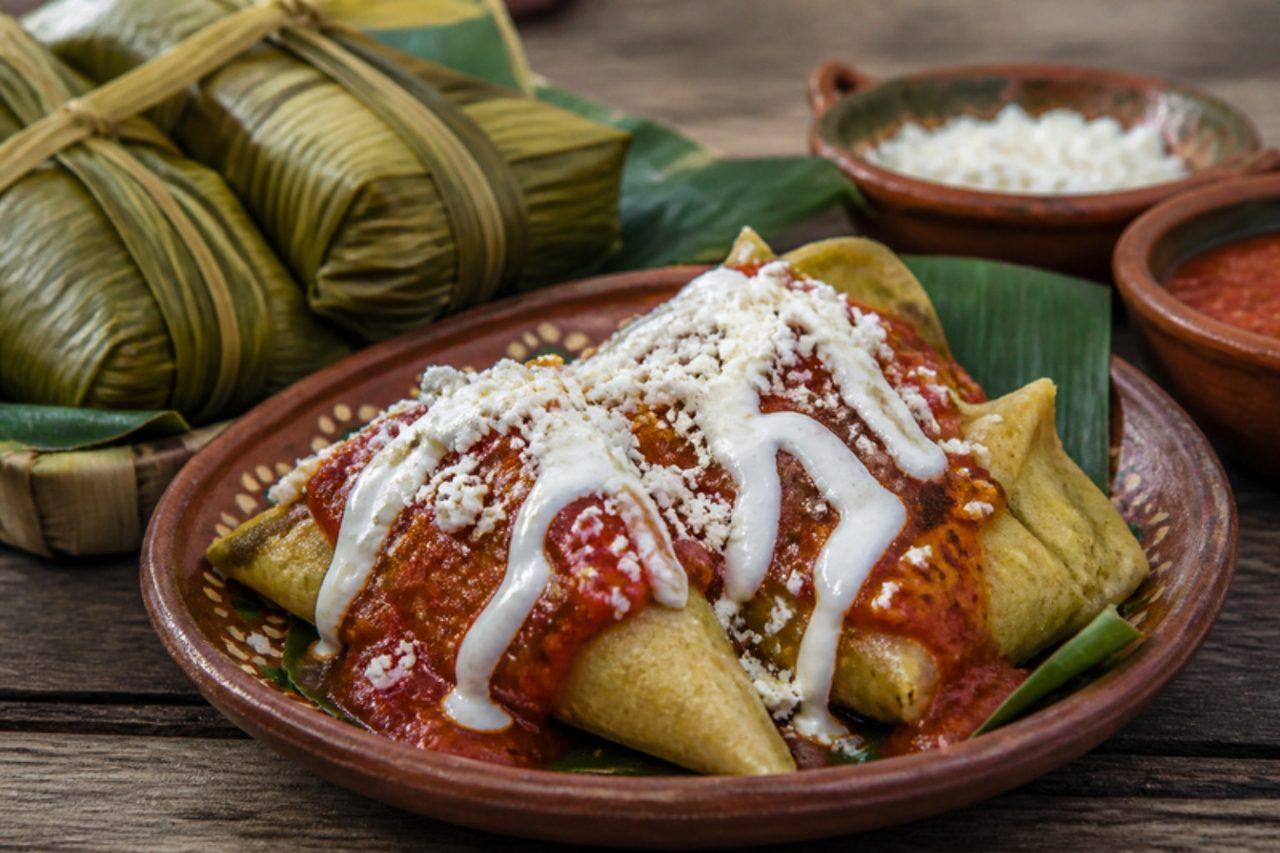
Corundas come from the Purépecha people of Michoacán, around Lake Pátzcuaro and Morelia, and they look nothing like a usual tamal: small, plump and triangular or star-shaped, wrapped in the long green leaves of the corn plant rather than dried husks. The masa is soft and fluffy, usually plain or with a little cheese and poblano inside, and corundas are eaten with crema, salsa roja and crumbled cheese, often for breakfast or at fiestas. Traditional dough uses pork lard; we use vegetable shortening or butter. Cheese may be made with animal rennet, so use a vegetarian one if needed. Chef's tip: beat the fat until it is white and fluffy before adding the masa; a spoonful of dough should float in water when it is light enough.

by KrazyBadal 0 views

Chuchitos de verduras

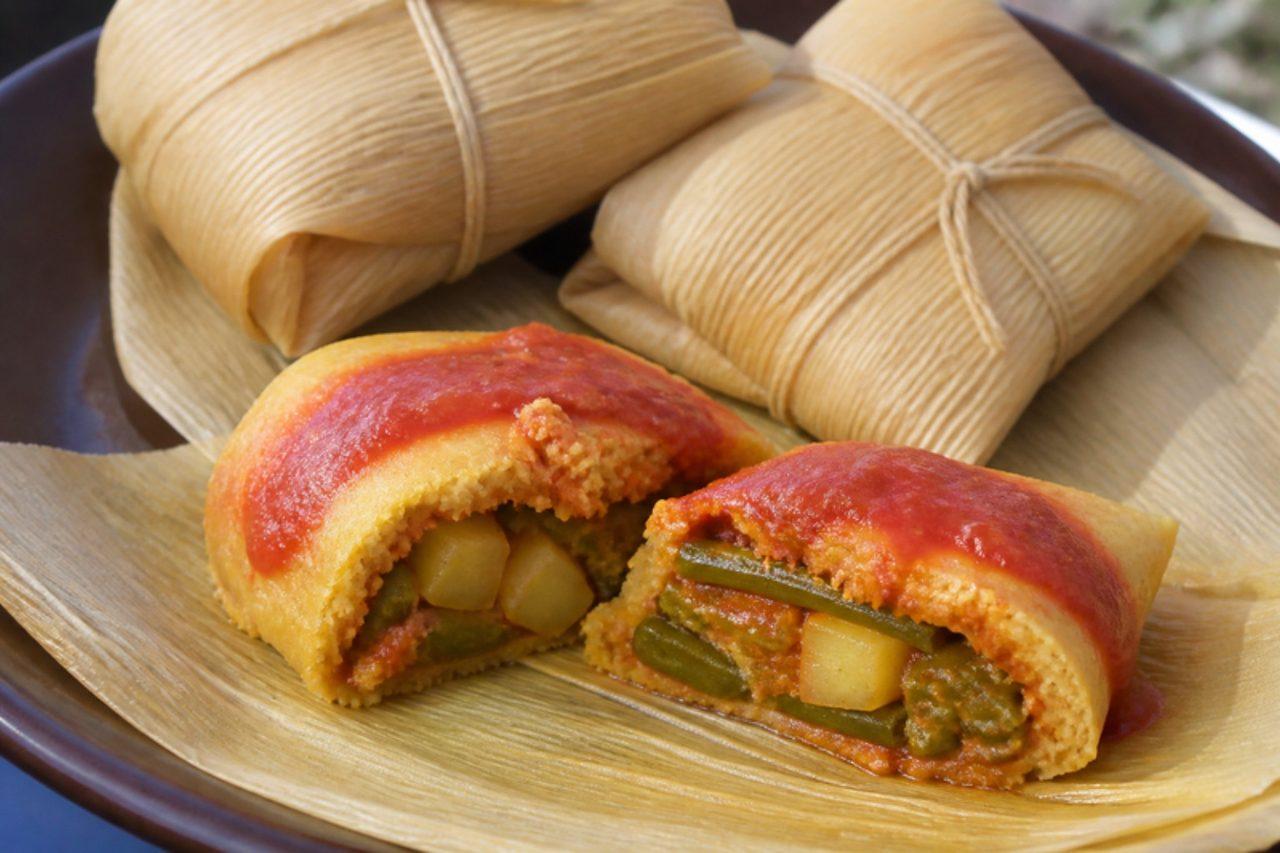
Chuchitos are Guatemala's everyday tamal: small, firm parcels of masa tied in corn husks, sold from steaming pots at markets in Antigua and Guatemala City and eaten on Saturdays with a spoon of tomato sauce and crumbled dry cheese. They're denser than Mexican tamales, with the masa itself tinted by the red recado. Here they're filled with potato, green beans and sweet pepper instead of chicken. Chef's tip: beat the masa until a pinch floats in a glass of water; that air makes them tender rather than stodgy.

by KrazyBadal 0 views

Moi moi

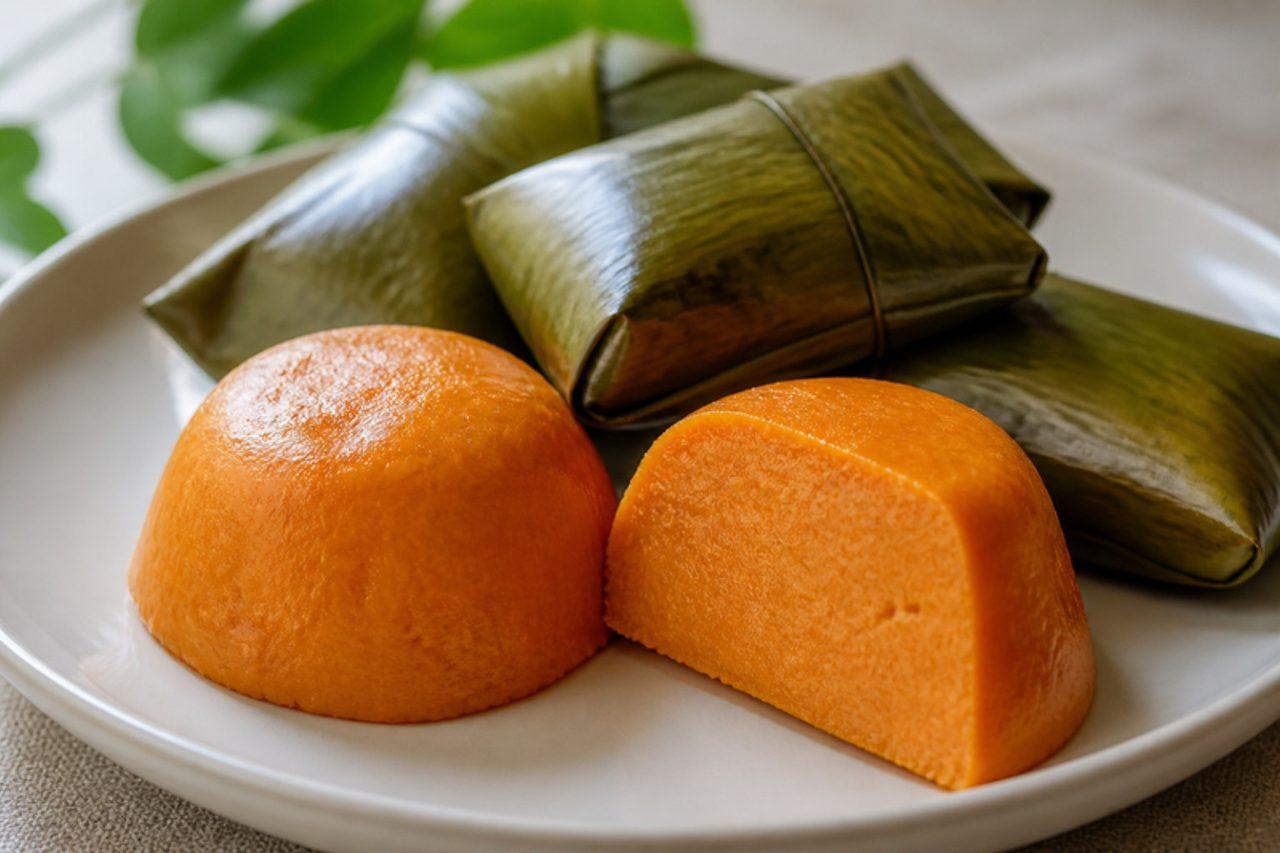
Moi moi (also written moin moin) is the soft, savoury bean pudding of Yorubaland that turns up at every Lagos party beside jollof, and in lunchboxes and on Sunday breakfast plates with ogi or custard. Peeled black-eyed beans are blended with red pepper, onion and oil, then steamed until set and sliceable, like a light, spicy terrine. Traditionally it is wrapped in broad uma (thaumatococcus) leaves; ramekins or foil cups work at home. Party versions often hide boiled egg or fish inside; this one is fully plant-based. Chef's tip: the batter should drop thickly from a spoon, like a cake batter; too runny and the moi moi never firms up.

by KrazyBadal 0 views

Goes well with warm vegetable stock