Skip to content

Recipes with utazi leaves

4 recipes that use utazi leaves, with photos, step-by-step instructions and cook times. The quickest, Abacha (African salad), takes 40 minutes. It is most often cooked with onion, red palm oil and vegetable stock cube.

Got a few things in the fridge? Search by everything you have

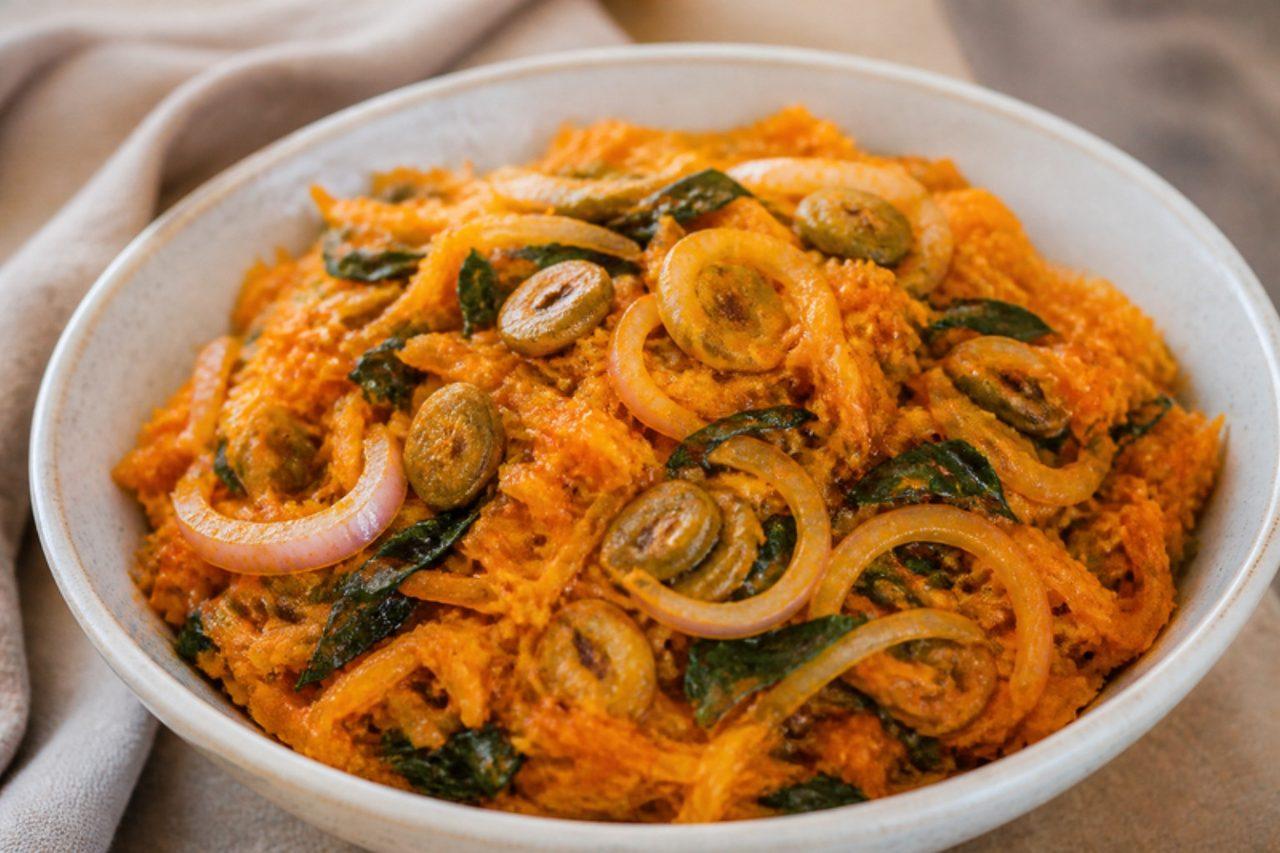
Abacha (African salad)

Abacha is the evening snack of Anambra and Enugu, sold by women on street corners and served at Igbo weddings and funerals, where people call it African salad. Dried cassava shreds are softened in water and tossed in ncha, a thick yellow emulsion made by stirring palm oil with potash water, together with fermented oil bean (ugba), sliced onion, pepper and ground calabash nutmeg, then finished with garden egg leaves and fresh garden eggs. It is chewy, oily, peppery and fresh all at once. Stockfish, ponmo or crayfish are often added; this is the meat-free way. Outside Nigeria, African shops sell abacha and ugba; leave the ugba out if you cannot find it. Chef's tip: soak the abacha only until it is just pliable; left too long it turns mushy, which is the mistake that ruins the texture.

by KrazyBadal 0 views

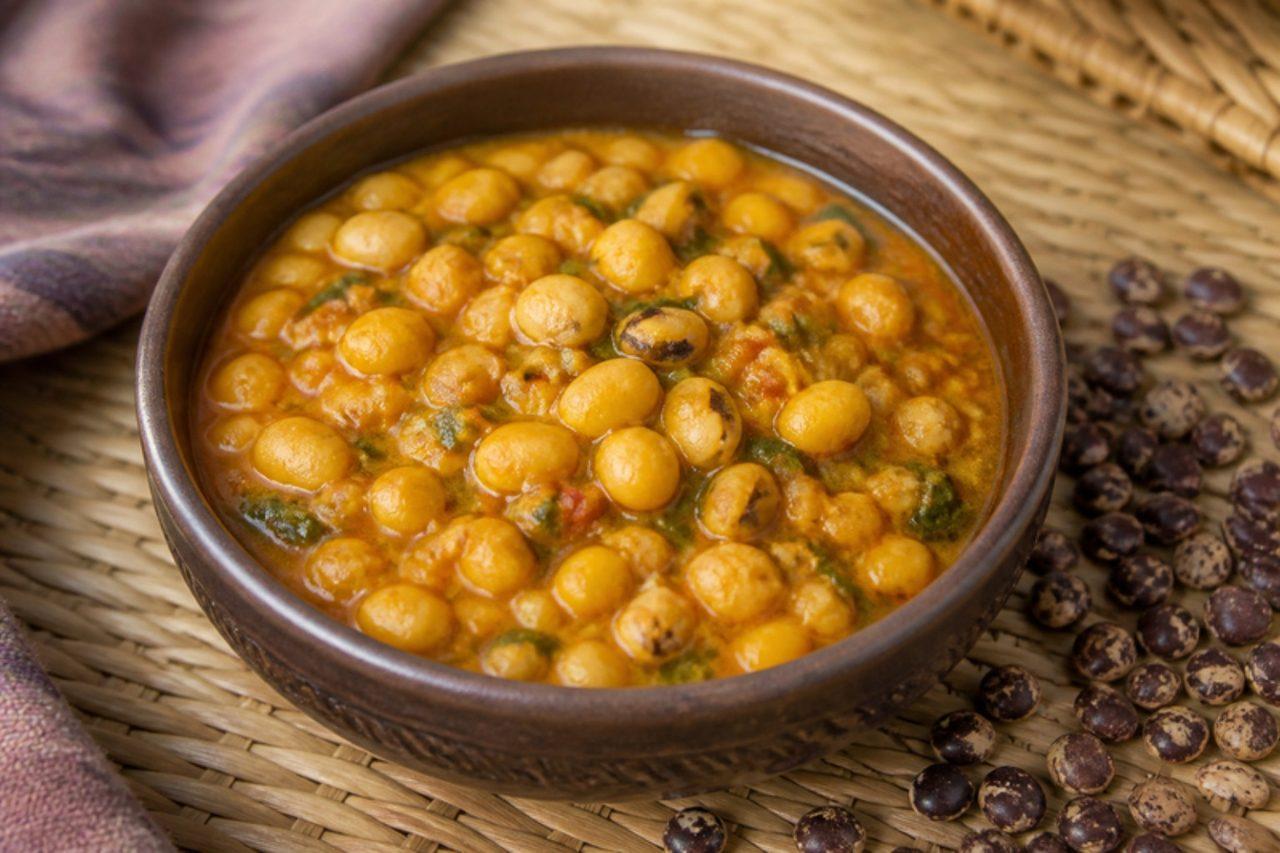
Ukwa (African breadfruit porridge)

Ukwa is festival and family food in the Igbo Southeast, cooked for guests and for the New Yam season, and its price in the market shows how prized it is. The seeds of the African breadfruit are dehulled and slow-cooked with a little potash until soft and creamy, then finished with palm oil, onion, pepper and fragrant utazi or scent leaves, giving a rich, nutty, slightly beany porridge. Dried fish is often stirred in; this version stays meat-free. Some cooks add fresh sweetcorn or cooked maize in the last 10 minutes. A pressure cooker saves an hour of simmering. Chef's tip: add the salt and stock cube only once the seeds are soft; seasoning early, a common mistake, keeps them hard for much longer.

by KrazyBadal 0 views

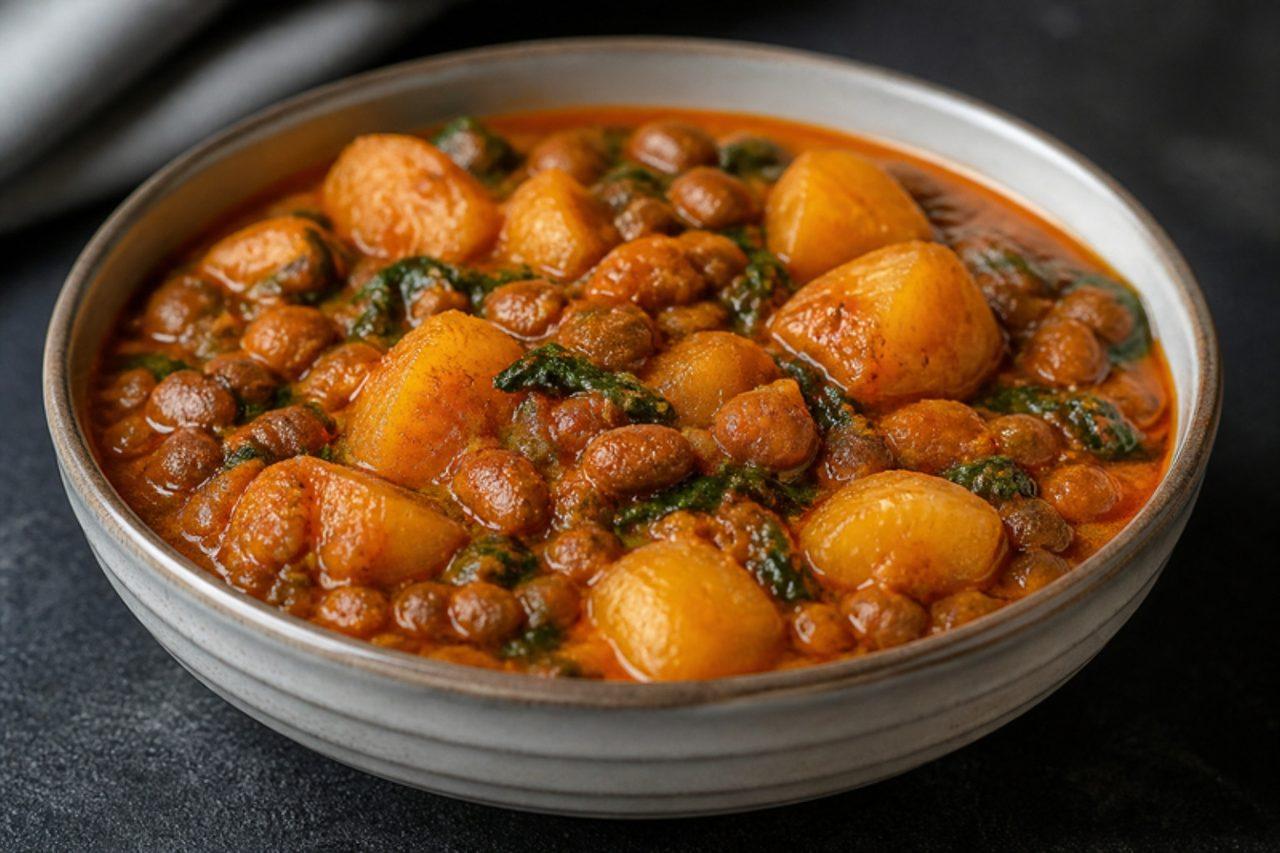
Fio fio (pigeon pea pottage with cocoyam)

Pigeon peas are called fio fio or echicha in Enugu, and around Udi and Nsukka they are cooked into a thick pottage for family meals, sometimes with fresh corn in season and often with cocoyam, which melts into the pot and thickens it. The peas stay firm and nutty, the cocoyam turns soft and creamy, and the palm-oil pepper sauce ties it together into a hearty, savoury meal. Dried pigeon peas are sold in African and South Asian shops (as toor or gandules). Pigeon peas are tough and need a long simmer; the mistake is seasoning or adding cocoyam before they are completely tender. Wear gloves to peel cocoyam, which can itch. Chef's tip: soak the peas overnight and boil them hard for the first 10 minutes; it shortens the cooking and makes them evenly tender.

by KrazyBadal 0 views

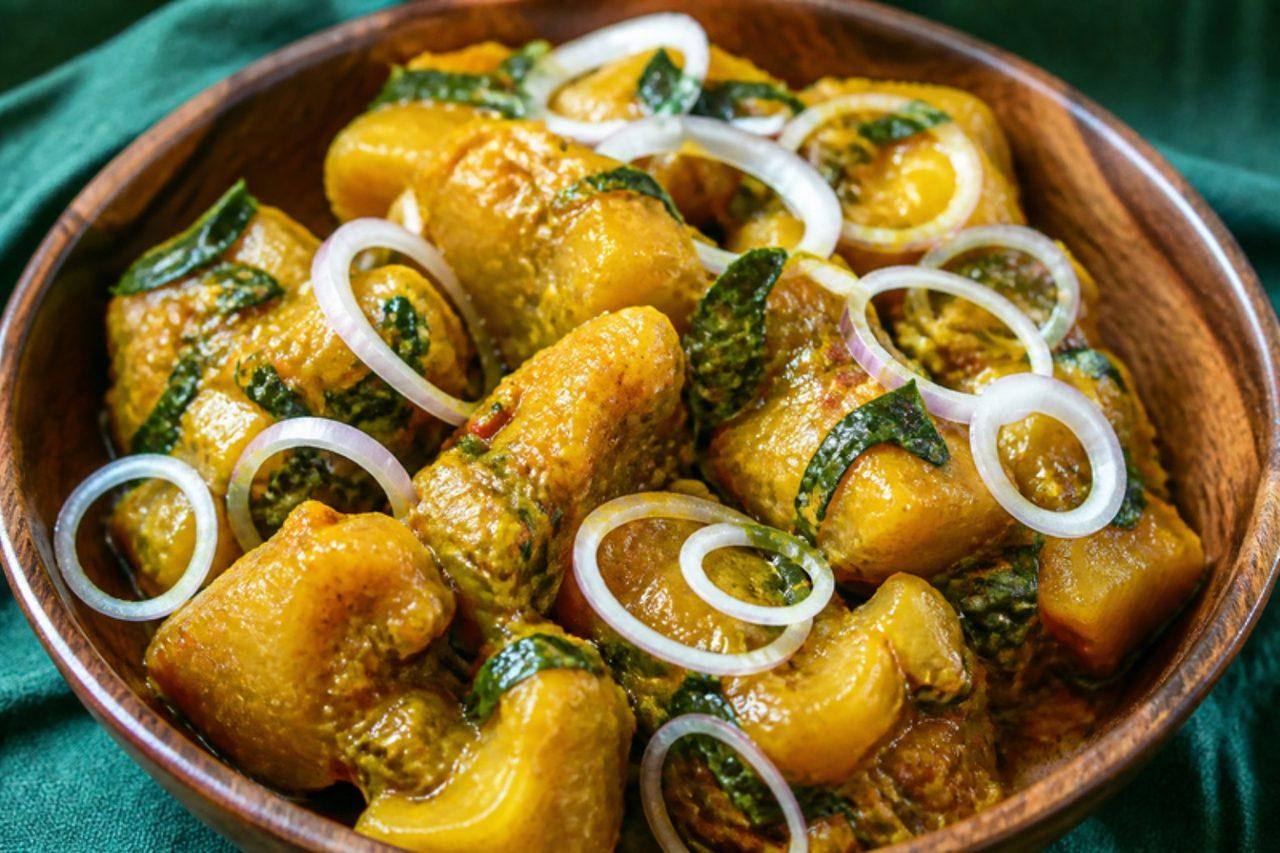
Nkwobi (cow foot in spicy palm-oil sauce)

Pieces of cow foot, cooked for hours until gelatinous and sticky, are what make nkwobi so popular in bars and small restaurants across Anambra, Enugu and Lagos. The meat is tossed in the same kind of thick, peppery palm-oil and potash sauce used for isi ewu, spiked with ehuru and crayfish, then finished with sliced onion and bitter utazi leaves. It is eaten as an evening dish in its wooden bowl, slowly, with plenty of conversation. Undercooking the cow foot is the mistake to avoid; it should be soft enough to pull from the bone with a fork, so give it the full time or use a pressure cooker. Chef's tip: add the potash liquid to the oil slowly and stop when the sauce is thick, as too much potash makes it taste soapy.

170 minNigerianMeatGluten freeSpicy
by KrazyBadal 0 views

Goes well with utazi leaves