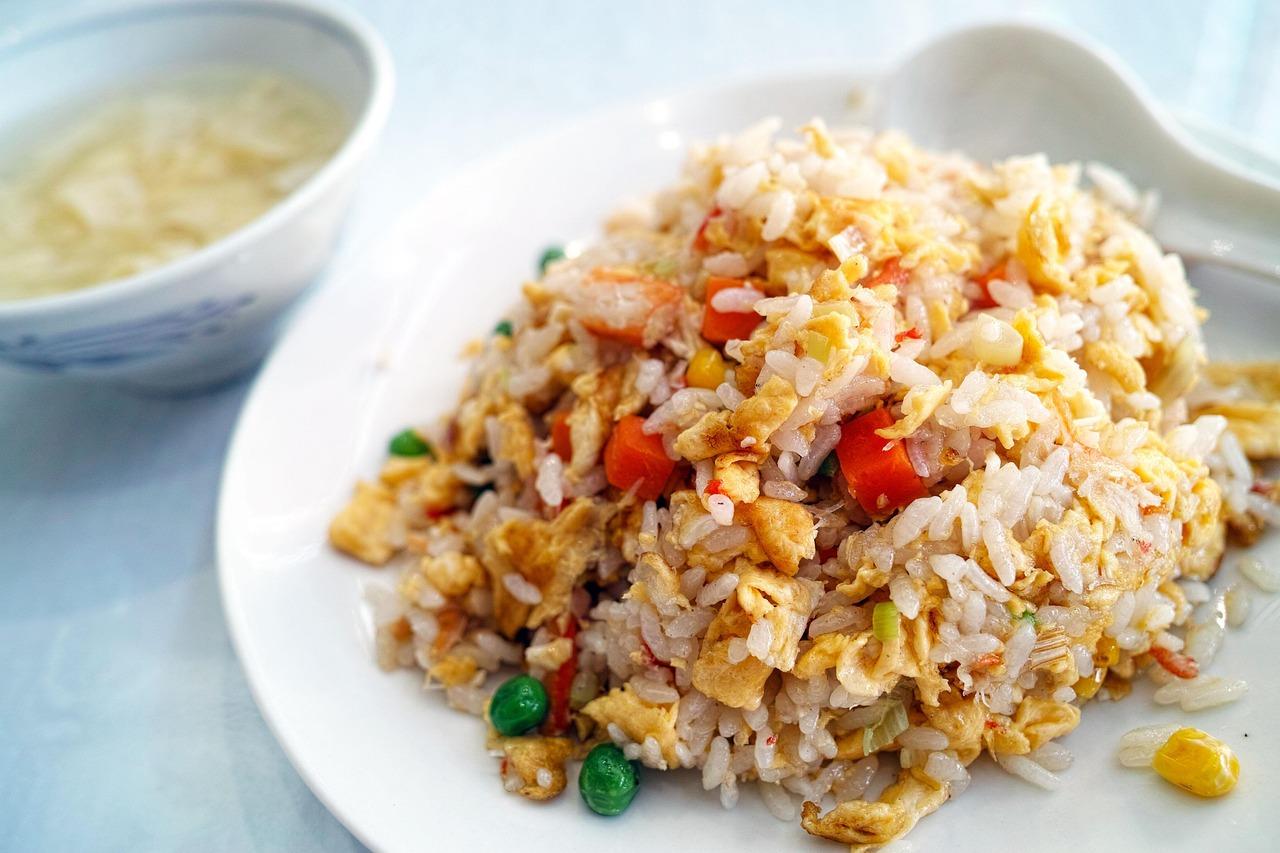
Chicken egg fried rice
The best fried rice starts with cold, day-old rice, so the grains stay separate and toast in the wok instead of turning mushy. A great way to use up leftover rice and odds and ends of vegetables.
by KrazyBadal 0 views
17 recipes that use toasted sesame oil, with photos, step-by-step instructions and cook times. The quickest, Sigeumchi namul, takes 10 minutes. It is most often cooked with garlic, soy sauce and spring onion.
Run out of toasted sesame oil? Toasted sesame seeds ground with a little vegetable oil.
Got a few things in the fridge? Search by everything you have
The best fried rice starts with cold, day-old rice, so the grains stay separate and toast in the wok instead of turning mushy. A great way to use up leftover rice and odds and ends of vegetables.
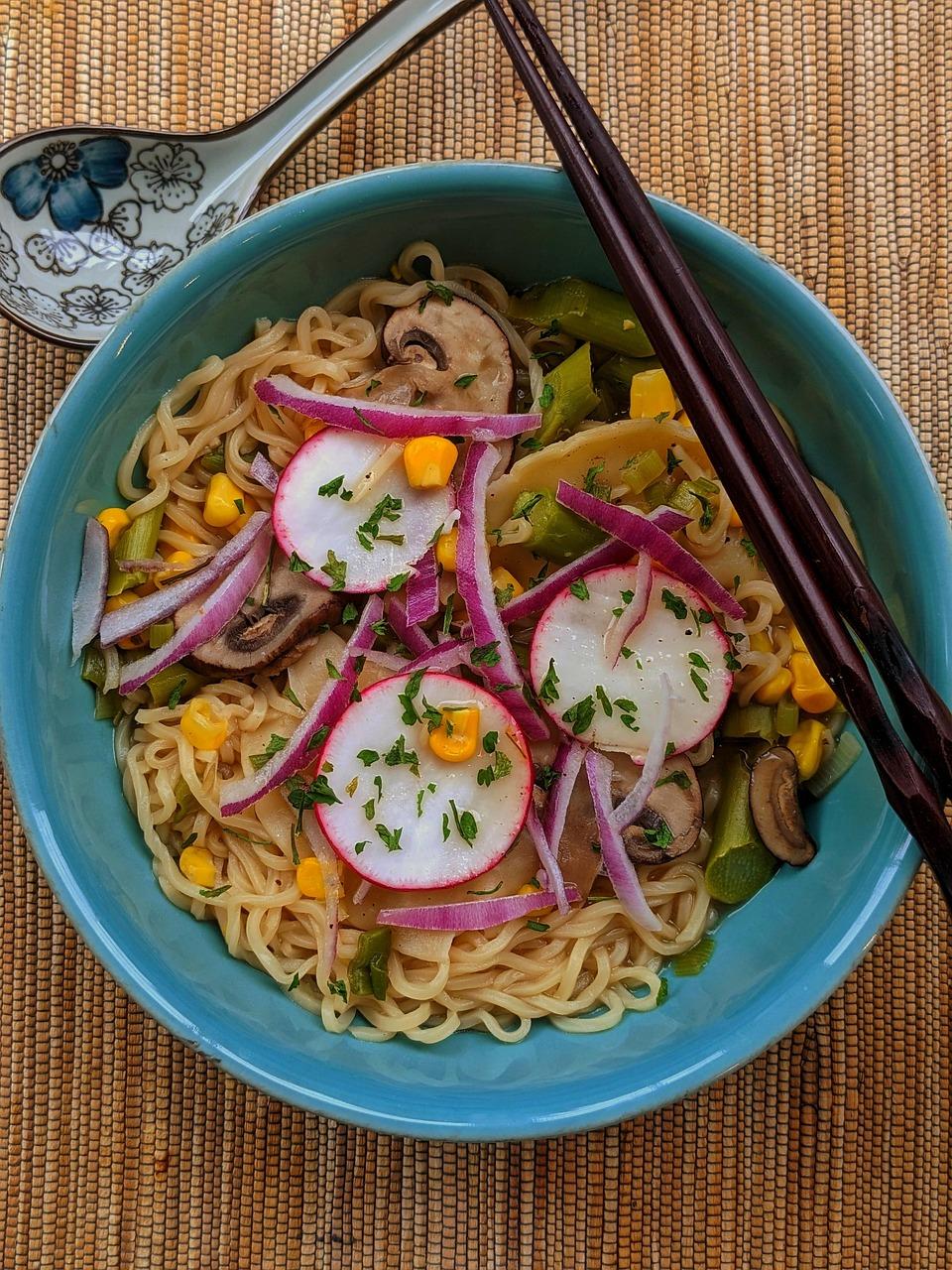
Miso ramen was born in Sapporo, Hokkaido, and is now eaten all over Japan. This vegetarian version builds a deep broth from kombu and dried shiitake instead of pork bones, then thickens it with miso and toasted sesame paste. A pile of quickly stir-fried cabbage, bean sprouts, carrot and sweetcorn goes on top with a soft-boiled egg. Slurp it while it's piping hot on a cold day. Chef's tip: fry the miso paste for a minute in the hot wok with the garlic and ginger before it meets the broth, as Sapporo shops do; the toasted miso gives the soup its deep, roasted flavour.
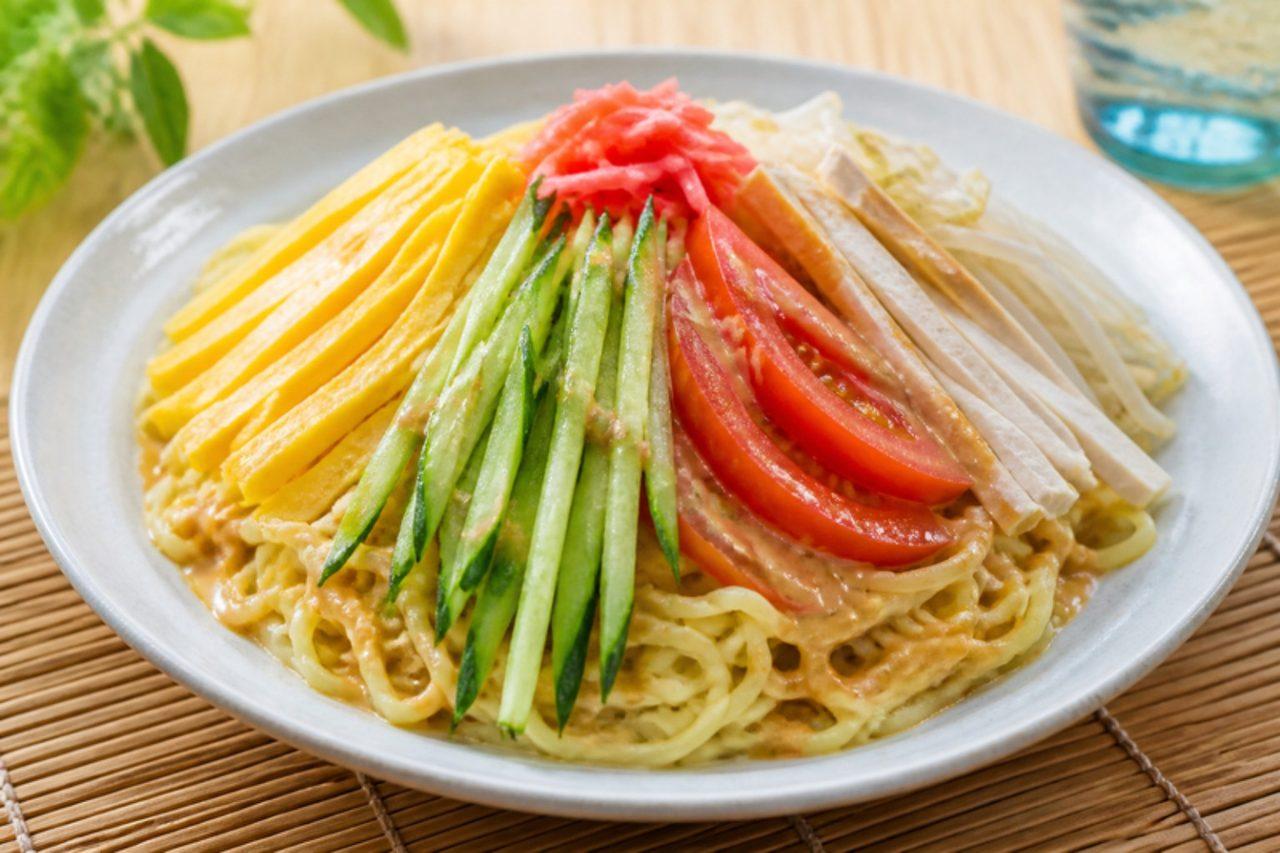
Hiyashi chuka (冷やし中華) is Japan's summer noodle dish: shops all over the country hang up a 'hiyashi chuka hajimemashita' (we've started serving it) sign when the hot weather arrives. Cold, springy ramen noodles are topped with neat strips of thin omelette, cucumber, tomato and other vegetables, then dressed with a tangy soy, vinegar and sesame sauce. This vegetarian version uses sweetcorn and seasoned tofu in place of the usual ham. Fresh, light and ready in under half an hour. Chef's tip: rinse the noodles until they squeak and are truly cold, then shake them dry; any warmth or water left on them makes the dressing taste flat.
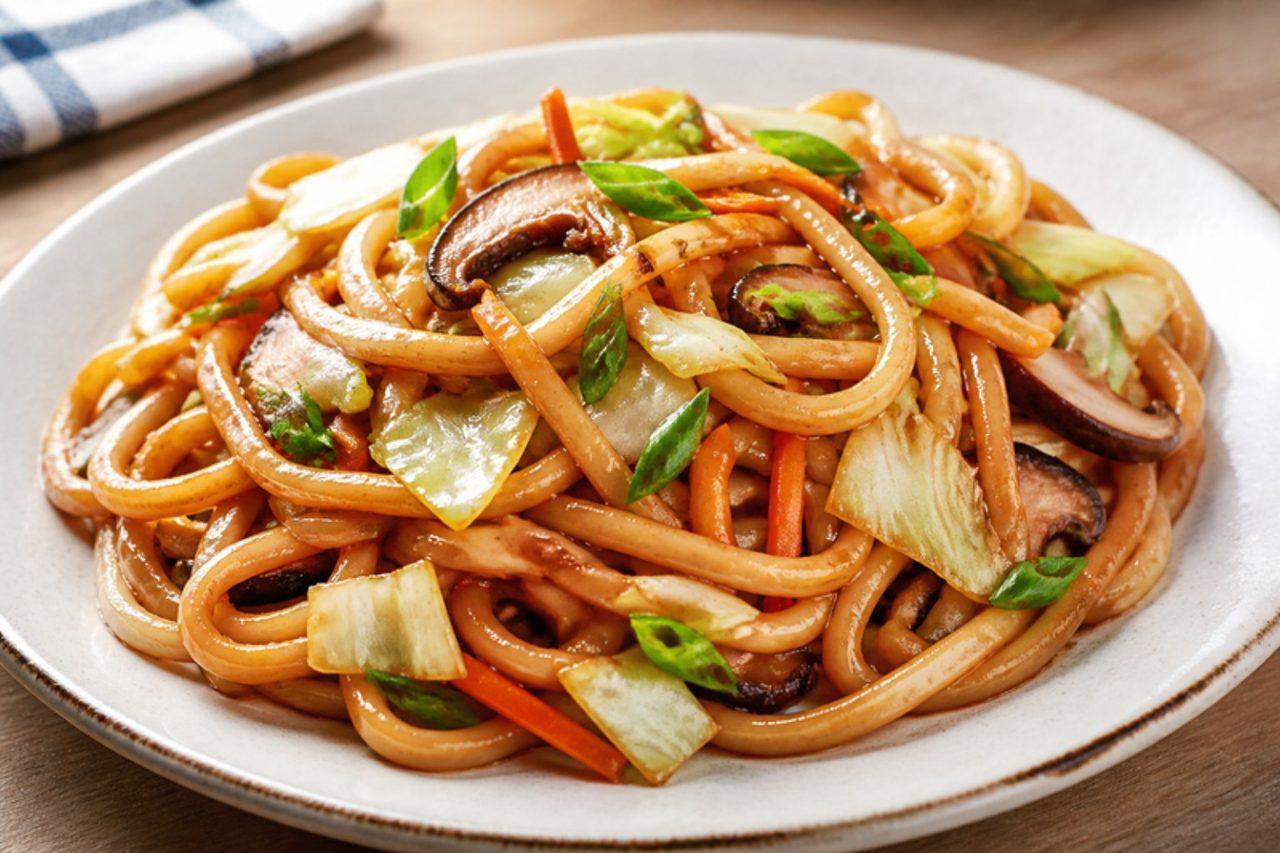
Yaki udon (焼うどん) was first made in Kitakyushu, in northern Kyushu, just after the war, when a café owner ran out of soba for yakisoba and fried udon instead. The thick, chewy noodles are tossed in a hot pan with cabbage, onion, mushrooms and carrot, then glazed with soy, mirin and a little vegetarian Worcestershire-style sauce. Meat is usual in Japan; this vegetarian version gets its richness from shiitake and a fried egg on top. A fast, filling weeknight supper. Chef's tip: get the pan really hot and leave the noodles alone for 30 seconds at a time, so they pick up slightly charred edges; that smoky 'koge' is what makes yaki udon taste like the street-stall version.
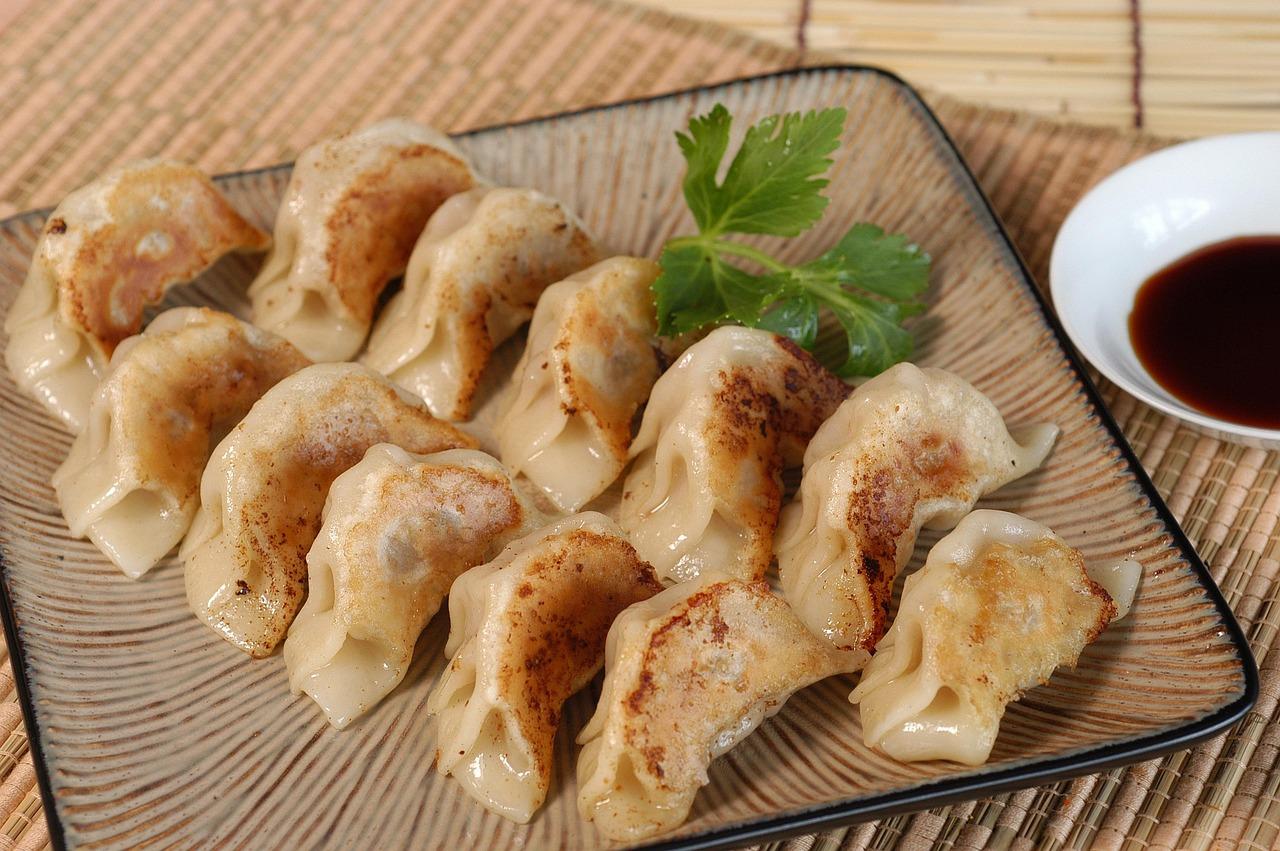
Gyoza (餃子) came to Japan from China and became a passion in Utsunomiya, a city north of Tokyo that calls itself the gyoza capital, with a gyoza statue outside the station. These vegetarian dumplings are filled with salted cabbage, shiitake, tofu and garlic chives. They're pan-fried and then steamed, so the bottoms turn crisp and golden while the tops stay soft. Shape a big batch and freeze some for later. Chef's tip: squeeze the salted cabbage really hard. Watery filling makes soggy, torn gyoza; a dry filling keeps the wrappers sealed and the bottoms crisp.
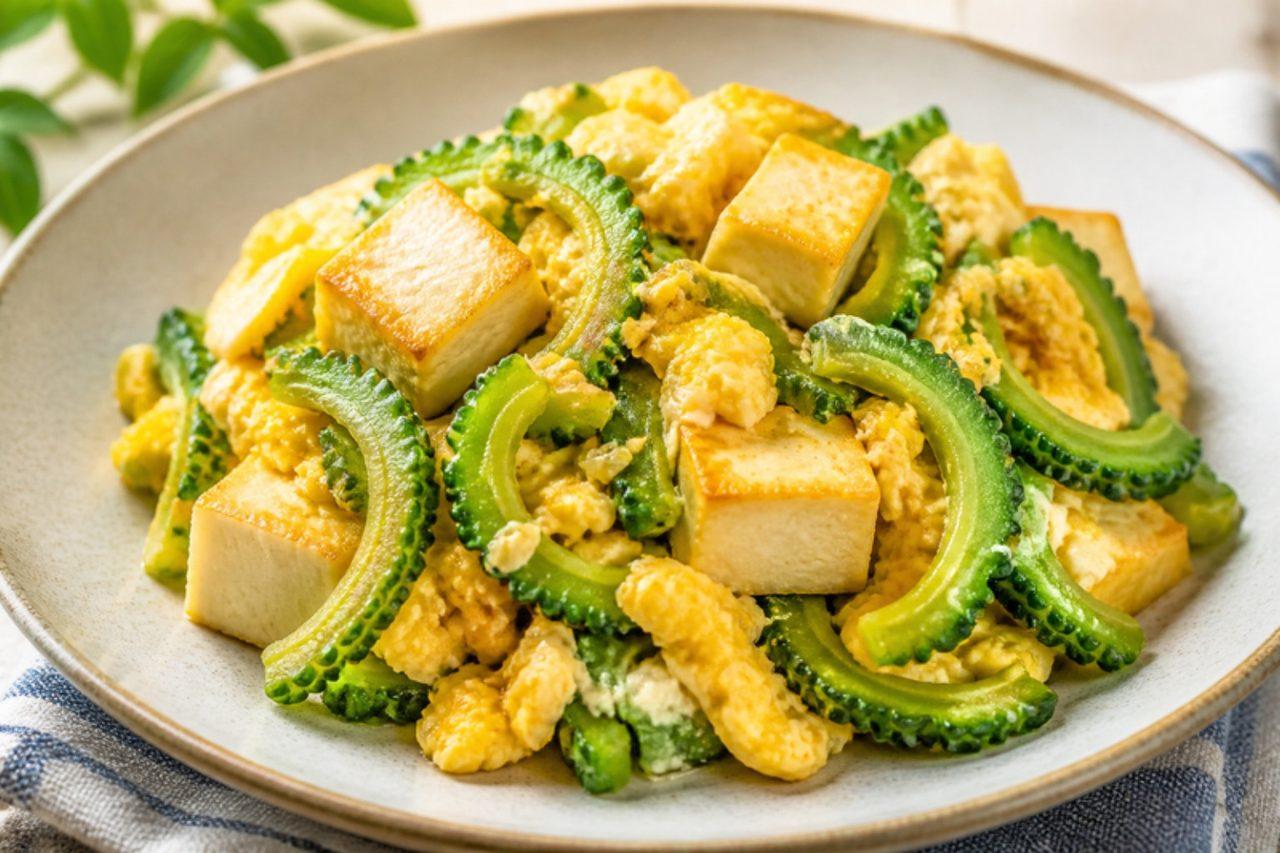
Goya champuru (ゴーヤーチャンプルー) is the best-known dish of Okinawa, Japan's southern islands, where bitter melon (goya) grows on vines in summer. Champuru means 'mixed up' in the Okinawan language: slices of goya are stir-fried with firm tofu and egg, and the bitterness is balanced by soy and the richness of the egg. Pork or Spam is usual; this vegetarian version relies on well-browned tofu. Serve with rice. Chef's tip: scrape out every bit of the white pith from inside the goya. That's where most of the harsh bitterness lives, so a clean scrape gives you the pleasant, refreshing bitterness Okinawans love.
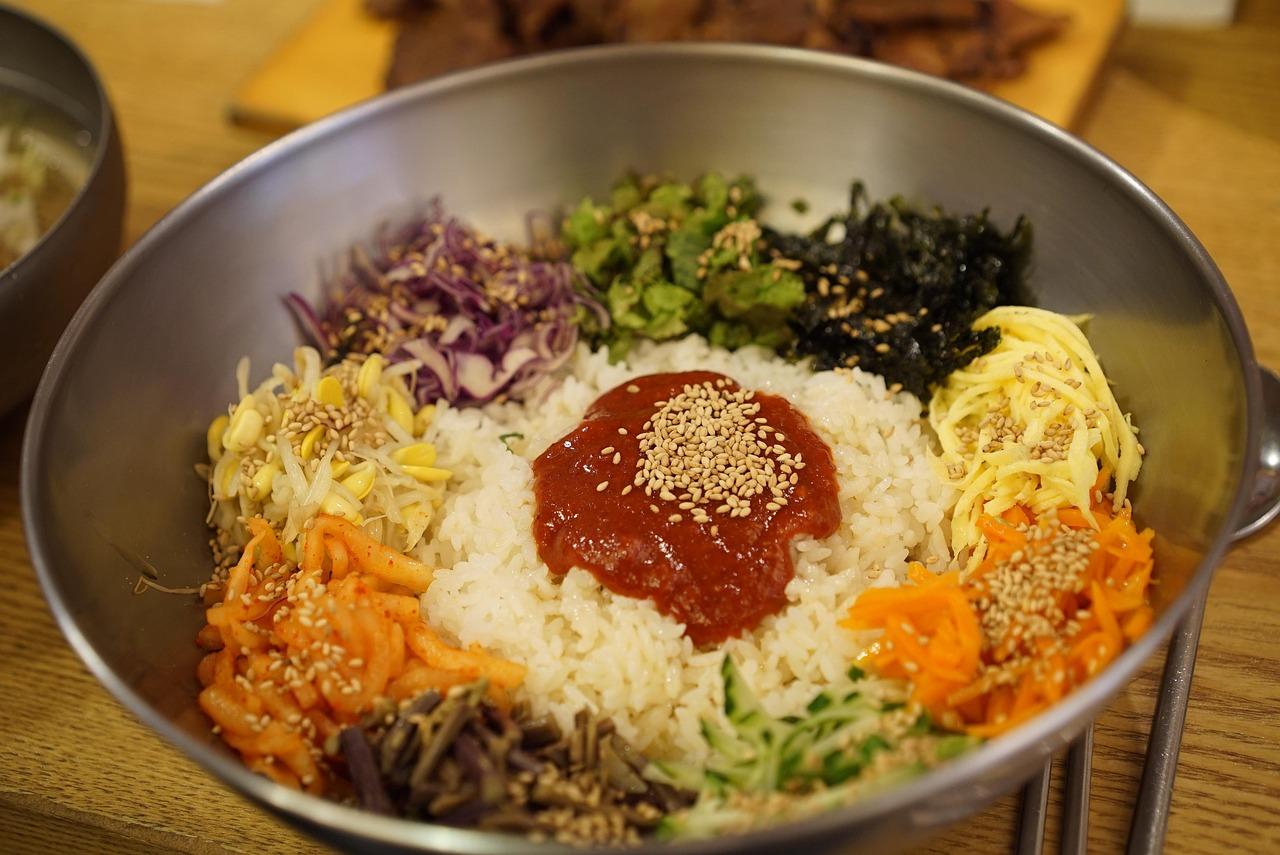
Bibimbap (비빔밥) means 'mixed rice': a bowl of warm rice topped with small heaps of separately seasoned vegetables, a fried egg and a spoonful of gochujang sauce, all stirred together at the table. The city of Jeonju in North Jeolla province is famous for it and serves it with a dozen or more toppings; this home version keeps five that are easy to find. Each vegetable is cooked on its own so it keeps its colour and texture, and the sauce brings sweetness, heat and a nutty sesame finish. Serve with kimchi and a light soup. Chef's tip: season every vegetable on its own, lightly, and taste each one. If each heap is good alone, the mixed bowl will be balanced; if they are all dressed alike, the bowl tastes flat.
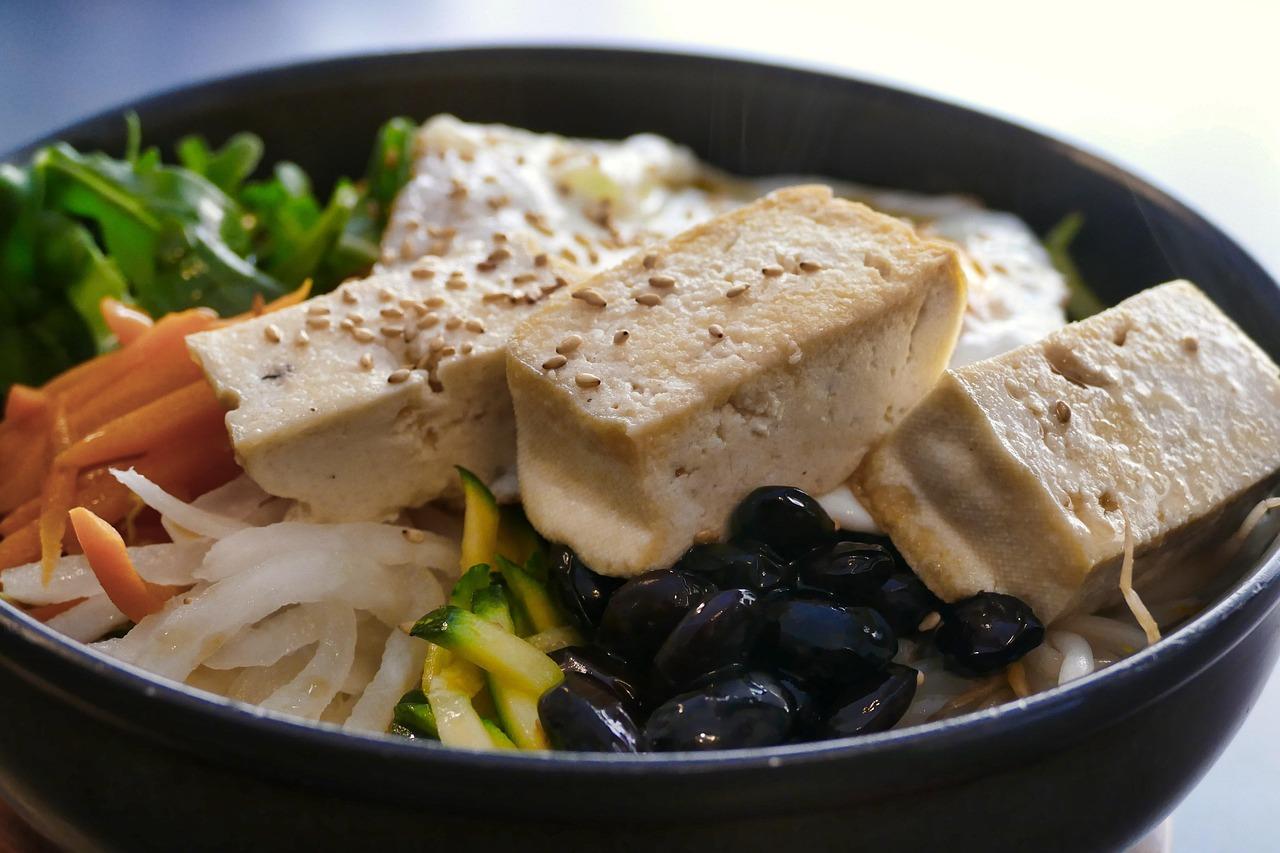
Dolsot bibimbap (돌솥비빔밥) is bibimbap served in a heavy stone pot (dolsot) that is heated on the hob until the rice touching the stone turns into a crackling golden crust, called nurungji. It is eaten all over Korea and is still sizzling when it reaches the table. This vegetarian version tops the rice with seasoned spinach, bean sprouts, carrot, mushrooms and pan-fried tofu, and an egg that cooks gently in the heat of the pot. A small cast-iron pan works if you don't have stone bowls. Chef's tip: listen to the pot. A steady crackle with a toasty, nutty smell means the crust is forming; a sharp burnt smell means the heat is too high.
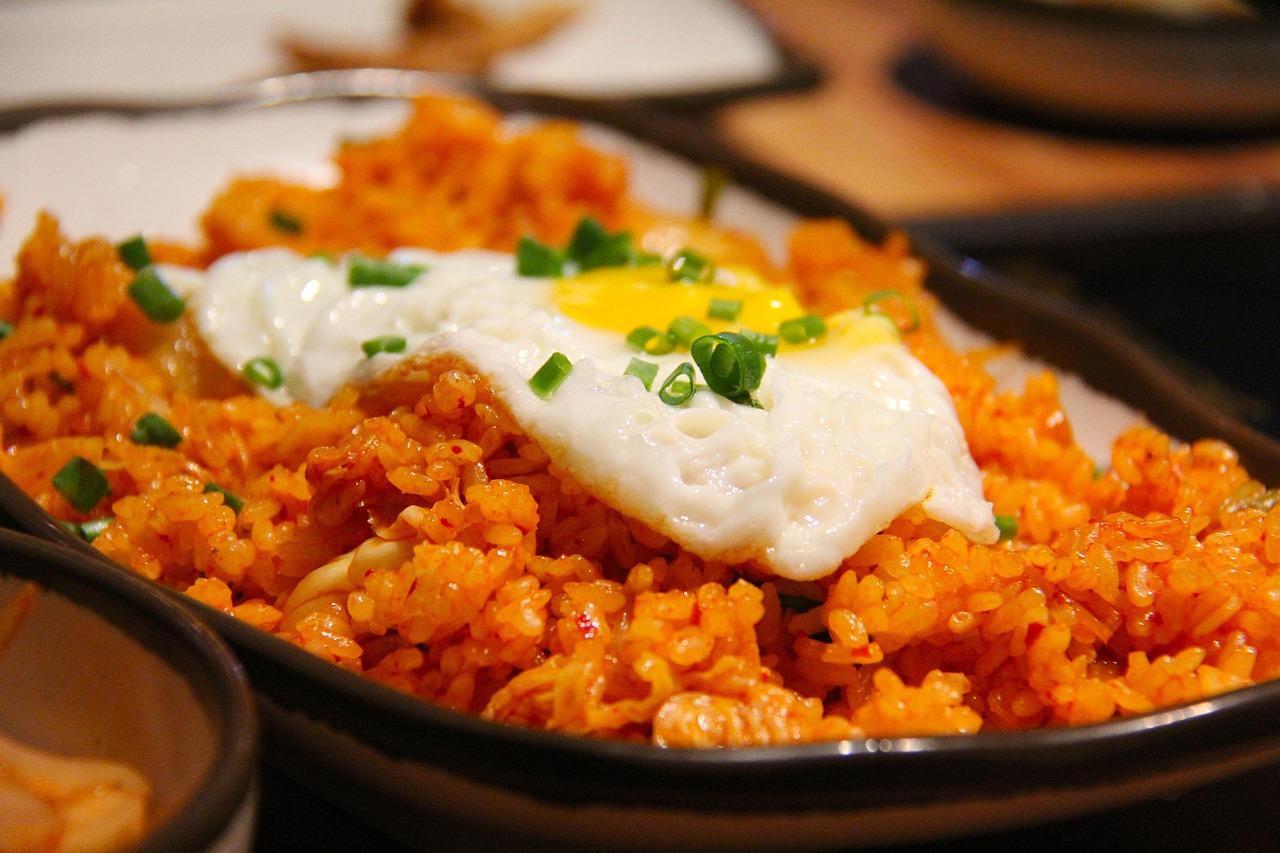
Kimchi fried rice (김치볶음밥, kimchi bokkeumbap) is the dish Korean households all over the country make when the kimchi has turned sour and there is leftover rice in the fridge. The kimchi and its juice are fried first so they caramelise, then the rice is tossed through until every grain is red, tangy and a little smoky. A fried egg with a runny yolk on top makes it a meal. Use well-fermented vegetarian kimchi, such as the baechu kimchi in this collection; many shop-bought kimchis contain fish sauce or shrimp, so check the label. Chef's tip: the kimchi must be properly sour, at least two or three weeks old. Fresh kimchi makes a flat, watery fried rice; fry it until it catches slightly before the rice goes in.
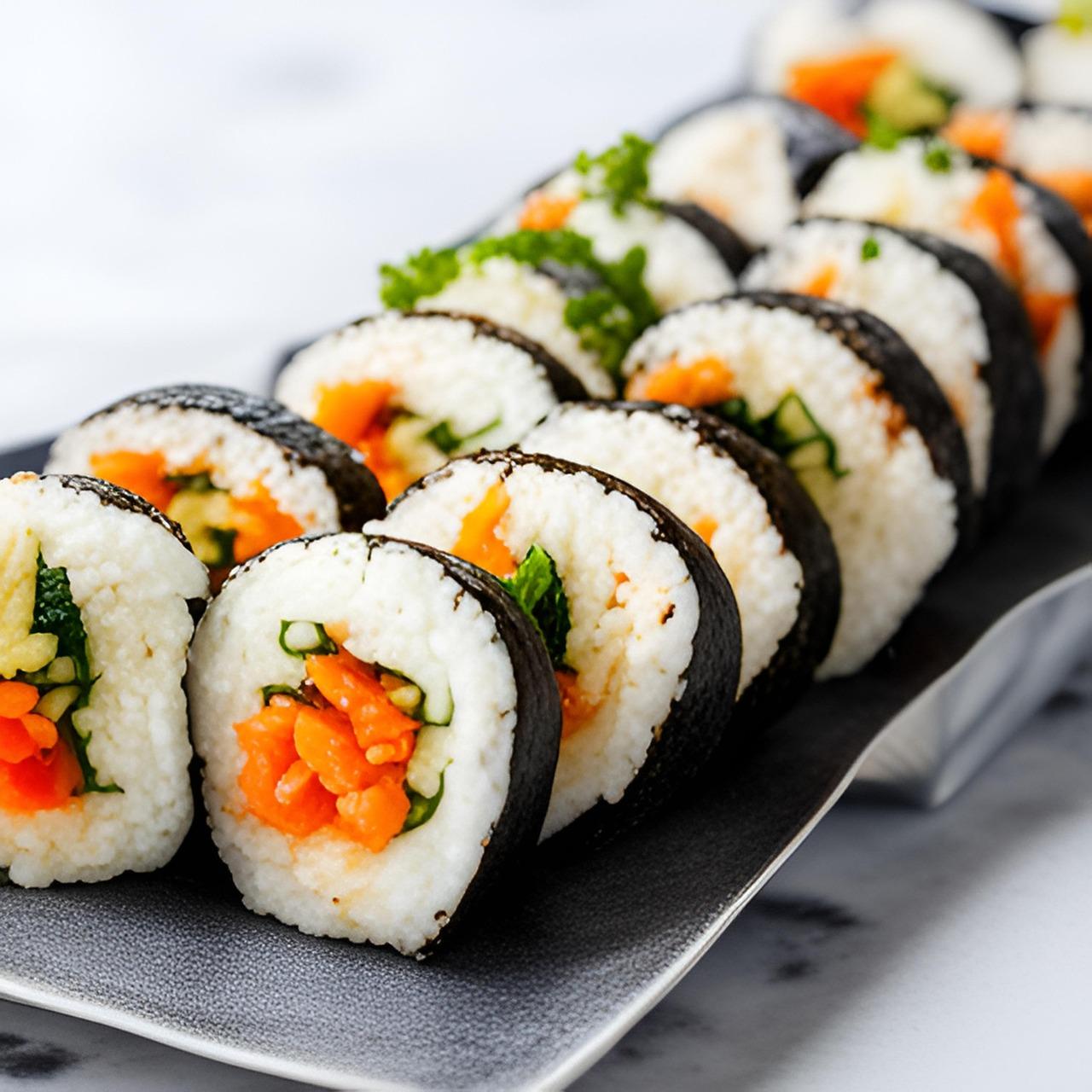
Gimbap (김밥) are rolls of sesame-seasoned rice and colourful fillings wrapped in roasted seaweed, then sliced into rounds. They are the classic Korean picnic and lunchbox food, sold on almost every street corner nationwide. Unlike sushi rice, gimbap rice is seasoned with salt and sesame oil rather than vinegar, so it tastes nutty and savoury. This vegetarian version is filled with omelette strips, garlicky spinach, carrot, soy-glazed tofu, cucumber and the bright yellow pickled radish called danmuji. They keep well for a few hours, so they are good to make ahead for a trip. Chef's tip: season the rice while it is warm and spread it thin, no more than a few grains deep. Thick rice and wet fillings are the two reasons rolls burst or go soggy.
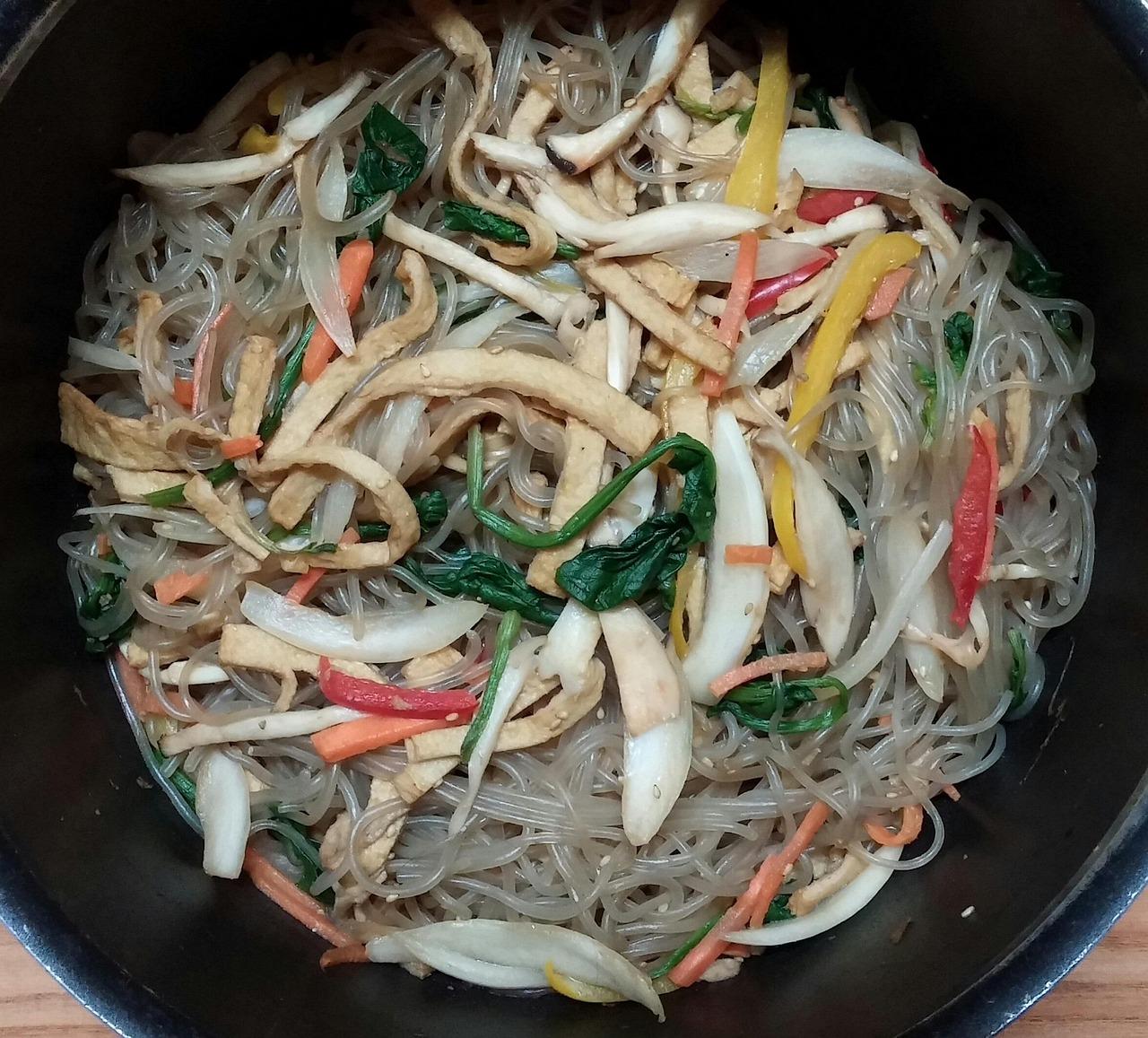
Japchae (잡채) is a dish of chewy, translucent sweet potato starch noodles tossed with spinach, mushrooms and brightly coloured vegetables in a sweet soy and sesame dressing. It is made all over Korea for birthdays, holidays and big family meals, because it can be prepared ahead and is eaten warm or at room temperature. Each vegetable is cooked quickly on its own, then everything is mixed by hand so the noodles soak up the seasoning. Older recipes include beef; this one uses shiitake for the savoury depth. Chef's tip: dress the noodles while they are still hot and keep each vegetable crisp. Overcooked noodles clump and turn gluey, so pull them as soon as they are clear and chewy.
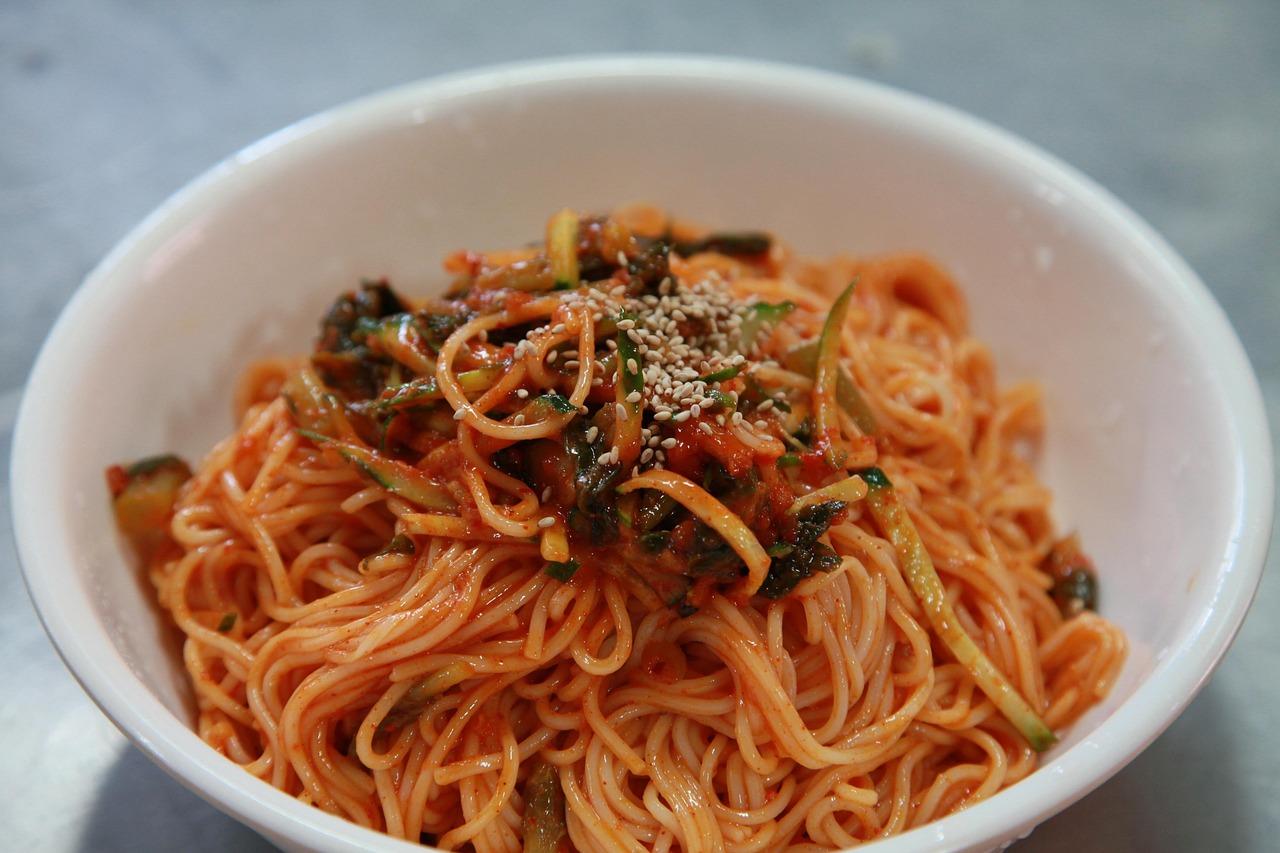
Bibim guksu (비빔국수) is a bowl of chilled thin wheat noodles mixed with a sweet, tangy and fiery gochujang dressing and topped with crunchy cucumber, lettuce and kimchi. It is a summer favourite all over Korea, quick enough for lunch and refreshing on a hot day. The noodles are rinsed in cold water until springy, then tossed with the sauce just before eating. Many versions add half a boiled egg; this one is fully vegan. Chef's tip: rinse the noodles hard in cold water, rubbing them like laundry, then drain them really well. Leftover starch or water dulls the dressing and makes the noodles sticky.
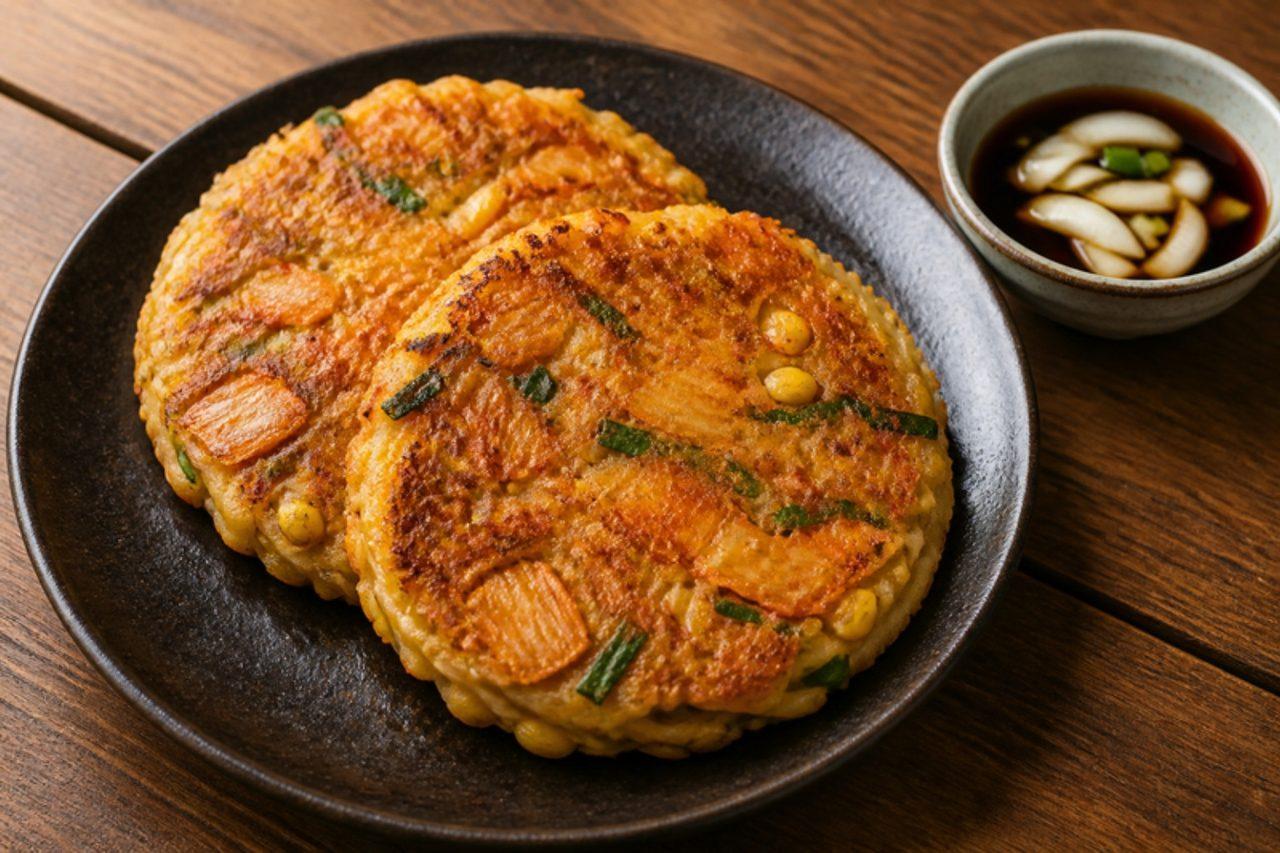
Bindaetteok (빈대떡) are thick, crunchy pancakes made from soaked and ground mung beans mixed with kimchi, bean sprouts and spring onions, then fried in plenty of oil. They are the signature dish of Gwangjang market in Seoul, where stalls grind the beans in stone mills and fry the pancakes in front of you. Market versions often include pork; this one keeps the classic vegetables and is naturally gluten free and rich in protein. The outside turns deep golden and crisp while the inside stays soft. Serve hot with a soy and onion dip. Chef's tip: grind the beans coarse, not silky, and fry in more oil than feels right. The slight grit is what makes Gwangjang-style bindaetteok so crunchy outside and fluffy inside.
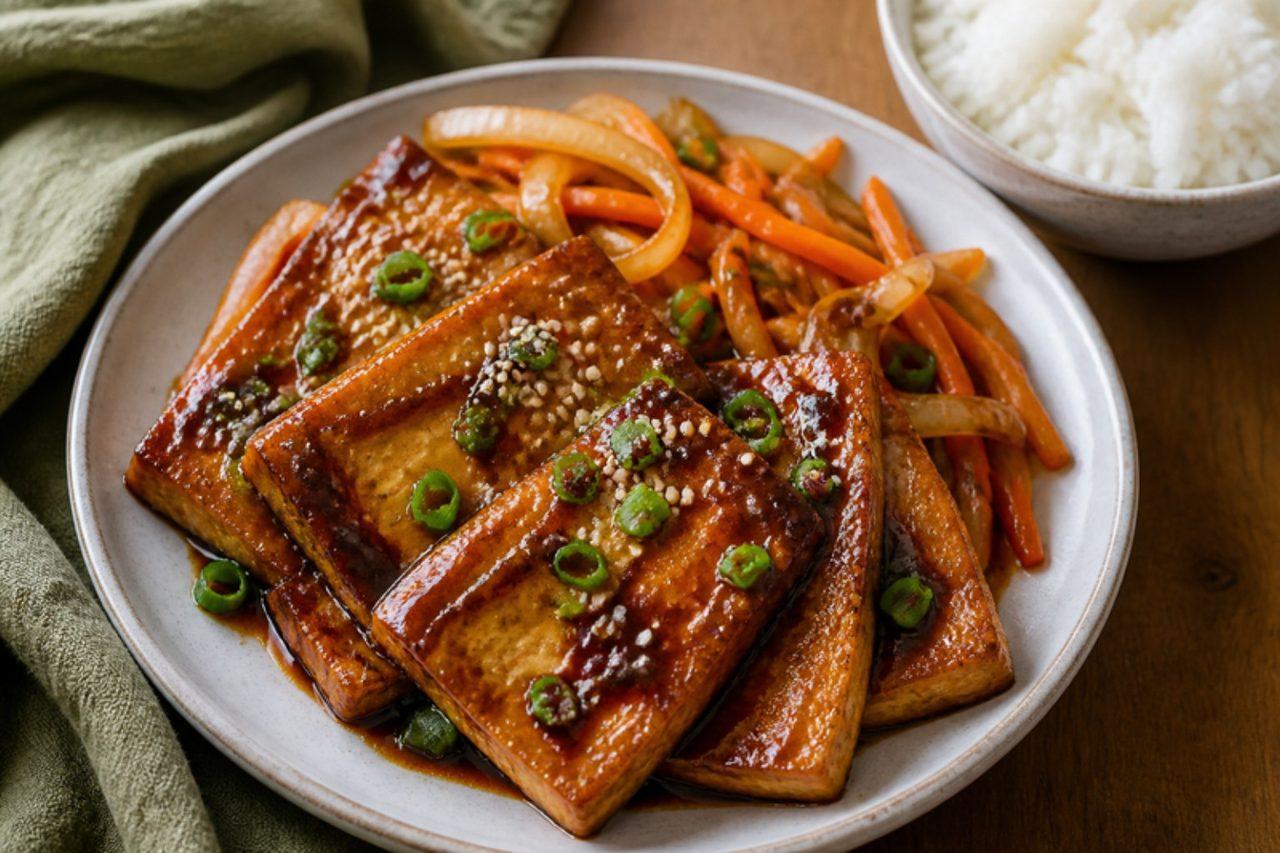
Tofu bulgogi (두부불고기) takes the famous sweet and savoury bulgogi marinade, usually made for thin slices of beef, and uses it on golden pan-fried tofu instead. It is a popular meat-free dish in homes and temple-style restaurants across Korea. Grated pear sweetens the soy and garlic sauce and makes it glossy, and the tofu is fried first so it holds its shape and soaks up the glaze. Serve with rice, lettuce leaves for wrapping and kimchi. Chef's tip: dry the tofu well and leave it alone in the pan until it releases by itself. A good golden crust is what lets it soak up the glaze without falling apart.
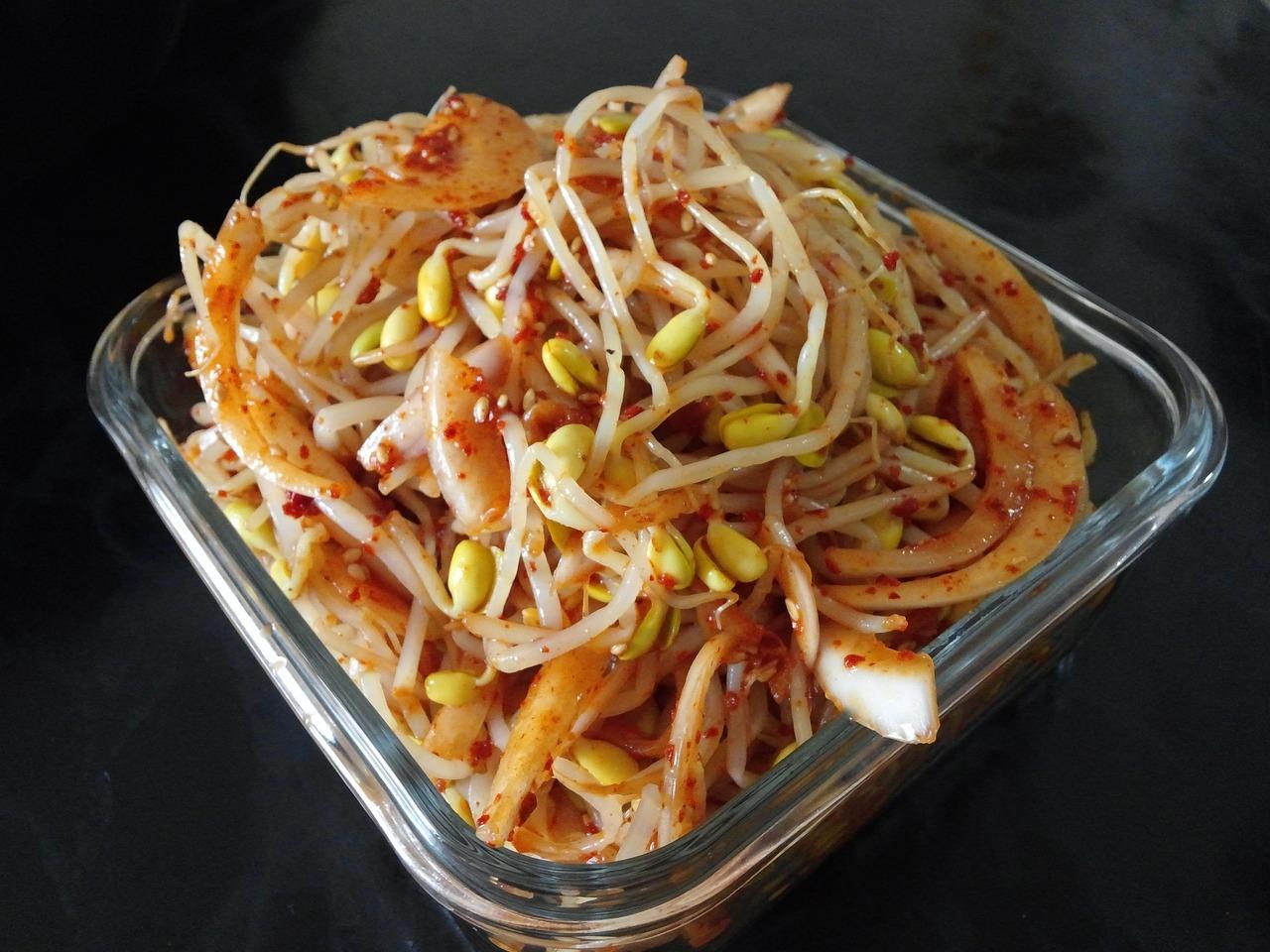
Kongnamul muchim (콩나물무침) is one of the simplest and most common banchan, the small side dishes served with every Korean meal across the country. Soybean sprouts are steamed in a little salted water until tender but still crunchy, then tossed with garlic, sesame oil and spring onion. The nutty, clean flavour goes with almost anything. For a spicy version, add a teaspoon of chilli flakes when you season it. Chef's tip: decide at the start whether the lid is on or off, and don't change your mind while they cook. Lifting it halfway is what gives sprouts a raw, beany smell.
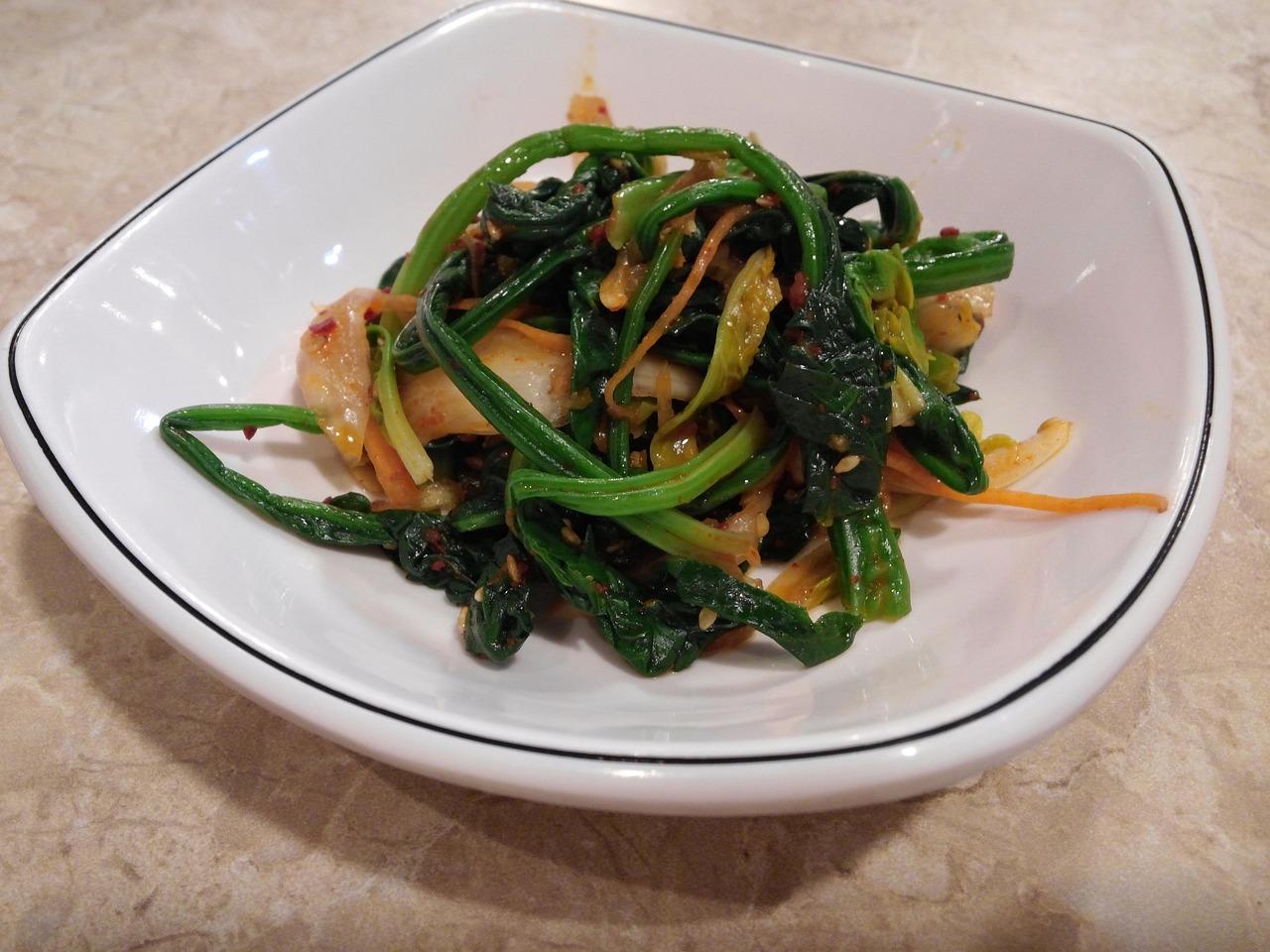
Sigeumchi namul (시금치나물) is a quick side dish of blanched spinach dressed with garlic, a little soy sauce and plenty of toasted sesame. It is one of the banchan found on tables all over Korea, and it is also one of the toppings in bibimbap. The spinach is blanched for just a few seconds so it stays bright green, then squeezed dry so it takes on the dressing. Serve at room temperature with rice and other banchan. Chef's tip: squeeze the spinach really hard before seasoning. Any water left in it dilutes the sesame dressing and makes the namul taste watery.
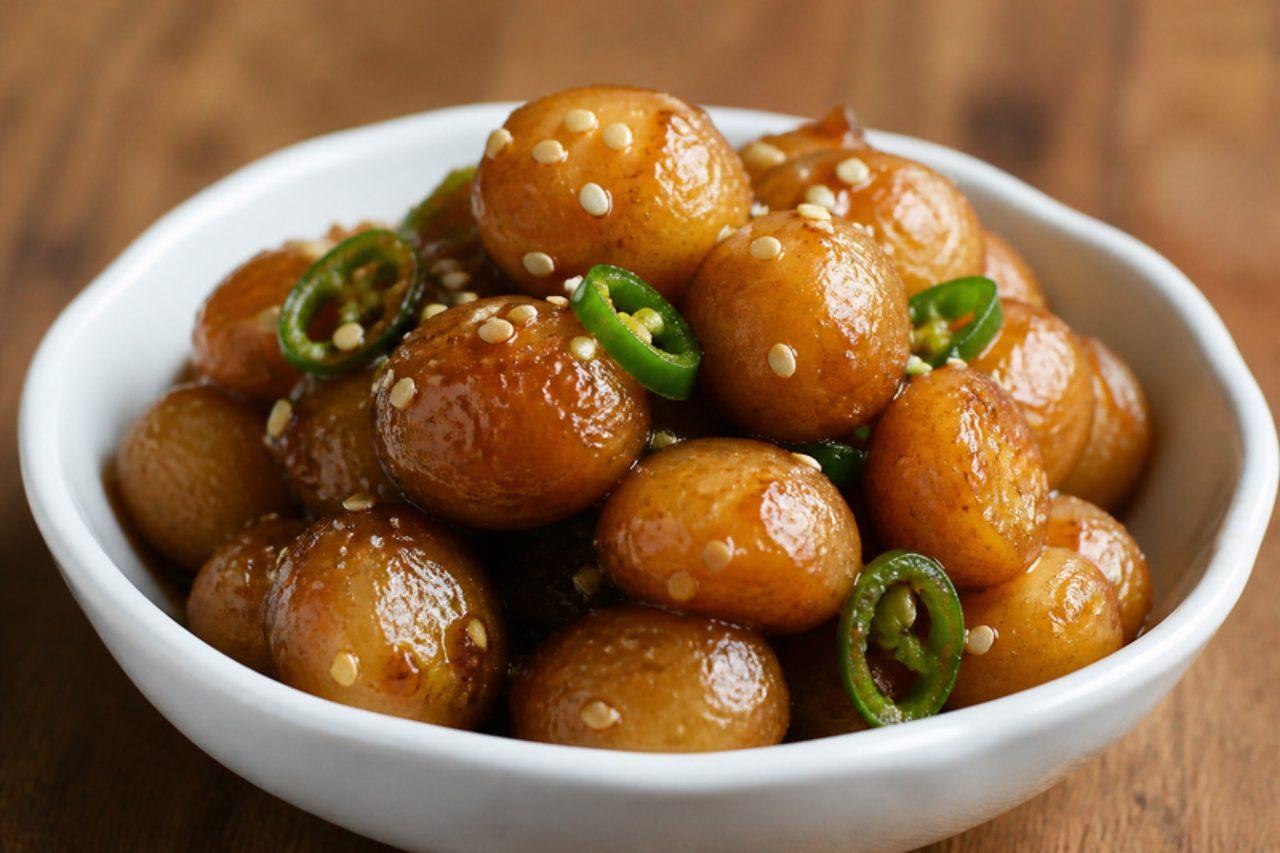
Gamja jorim (감자조림) are cubes or small potatoes simmered in soy sauce and sugar until the liquid reduces to a sticky, shiny glaze. They are a lunchbox and home-cooking favourite across Korea, loved by children for their sweet-salty taste. The potatoes turn soft inside but keep their shape, and they taste just as good cold the next day, so they are ideal to make ahead. Rice syrup gives the traditional shine; sugar alone works too. Chef's tip: add the syrup only at the end, when the potatoes are already tender. Added early it scorches and makes the potatoes tough on the outside.