Skip to content

Recipes with strip of lemon peel

12 recipes that use strip of lemon peel, with photos, step-by-step instructions and cook times. The quickest, Barraquito, takes 10 minutes. It is most often cooked with egg, whole milk and cinnamon stick.

Got a few things in the fridge? Search by everything you have

Goxua

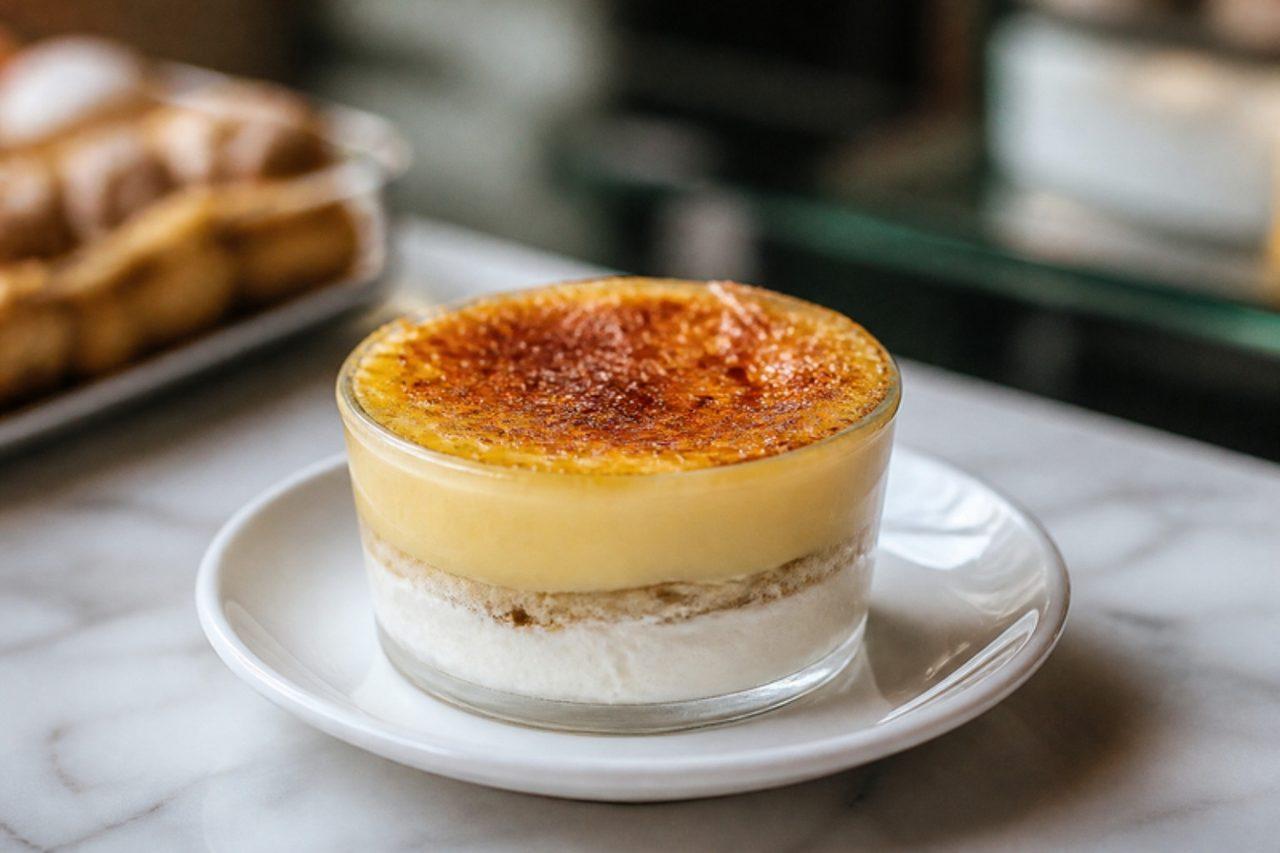
The name means 'sweet' or 'delicious' in Basque, and goxua was created in Vitoria-Gasteiz in the 1970s, where cafés still serve it in small glasses or terracotta pots. From the bottom up you get whipped cream, a disc of sponge soaked in syrup, thick vanilla pastry cream and a crackling layer of burnt sugar. It is a make-ahead dessert for a Sunday lunch, since the layers need to chill. A common mistake is spooning in custard that is still warm, which melts the cream into a puddle. Chef's tip: caramelise the top just before serving, so the sugar crust is still glassy when the spoon goes in.

by KrazyBadal 0 views

Pantxineta

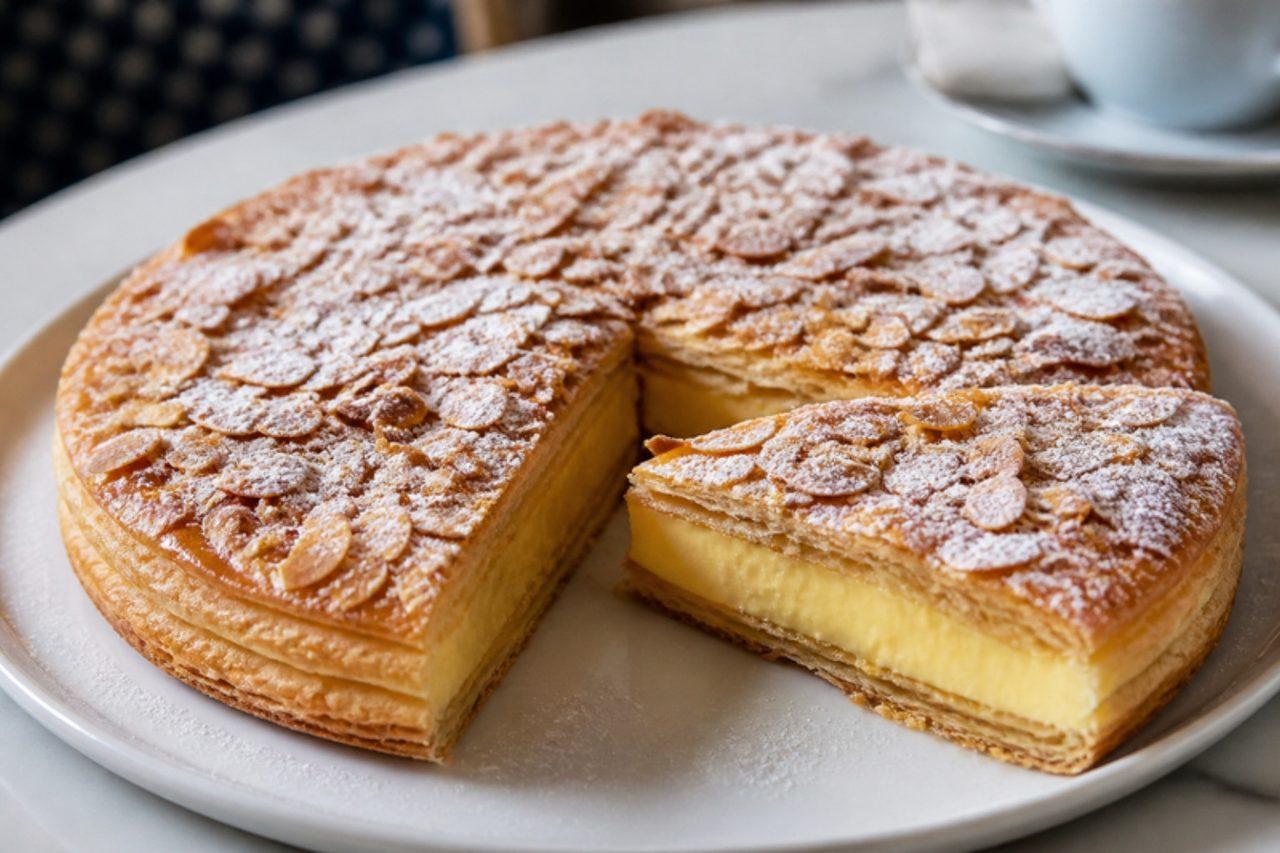
Pantxineta was first baked in a pastry shop in San Sebastián's old town in the early twentieth century, and Donostiarras still buy it on Sunday mornings to take to family lunch. Two layers of buttery puff pastry enclose vanilla pastry cream, and the top is covered with flaked almonds and icing sugar. It is best eaten warm on the day it is made, while the pastry shatters. A common mistake is filling the pastry with warm custard, which melts the butter layers and stops them rising. Chef's tip: chill the assembled tart for 20 minutes before baking so the pastry keeps sharp edges.

by KrazyBadal 0 views

Canutillos de Bergara

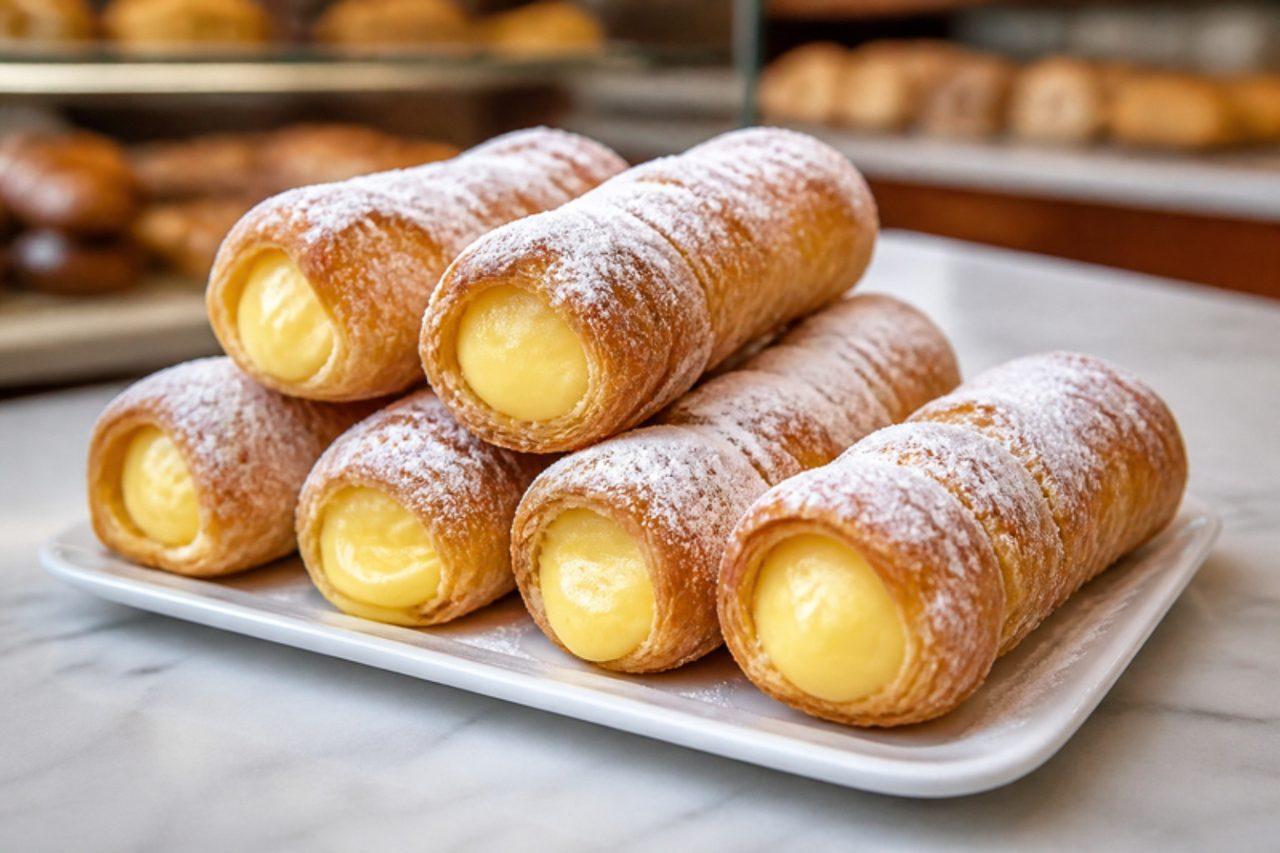
In Bergara, a market town in the Deba valley of Gipuzkoa, pastry shops have sold canutillos since the nineteenth century, and locals buy them by the tray for saints' days and family visits. Puff pastry is wound around metal cones, baked until crisp and caramelised, then piped full of custard scented with lemon and cinnamon. A common mistake is filling them too early: the pastry softens within a few hours, so fill them close to serving. Chef's tip: overlap the pastry strip by a third as you wind it, so the horns don't unravel in the oven.

by KrazyBadal 0 views

Pan de Calatrava

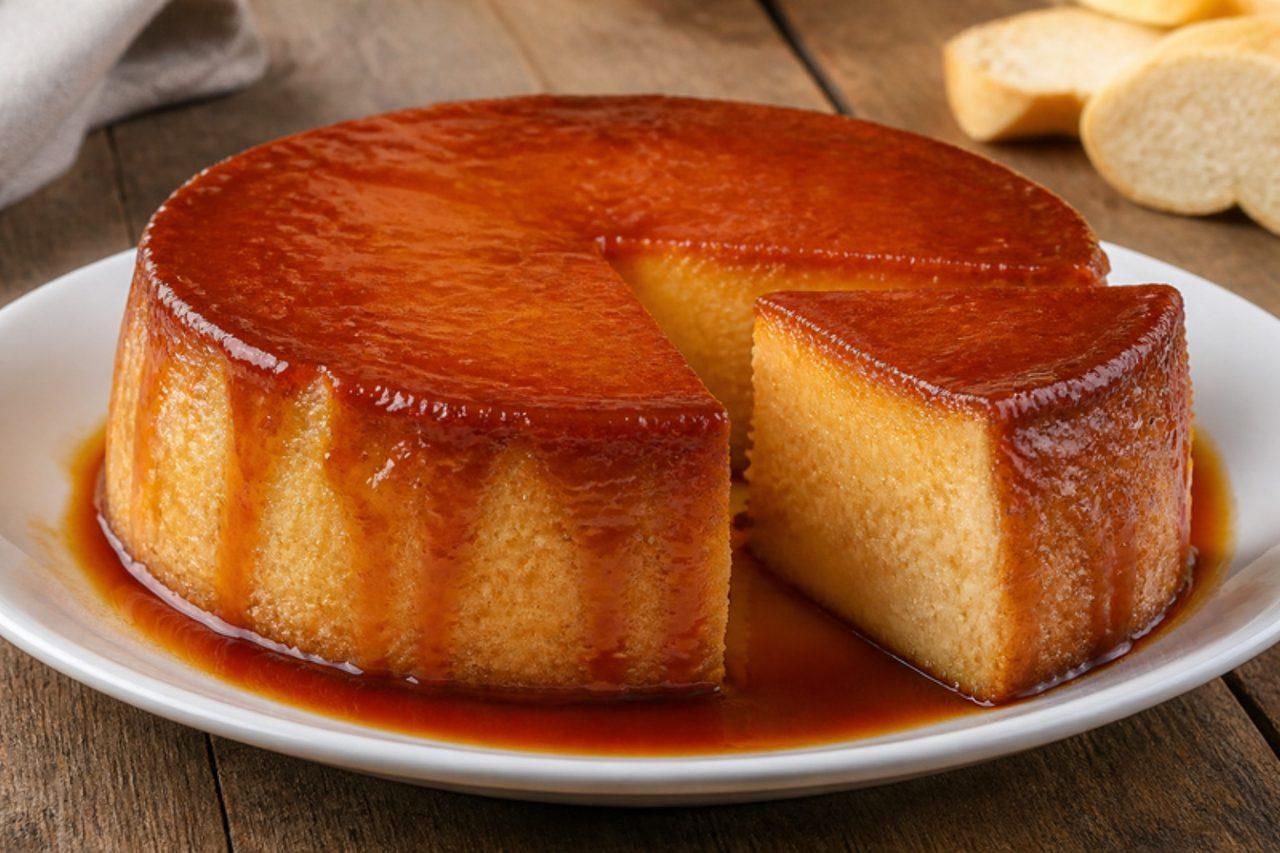
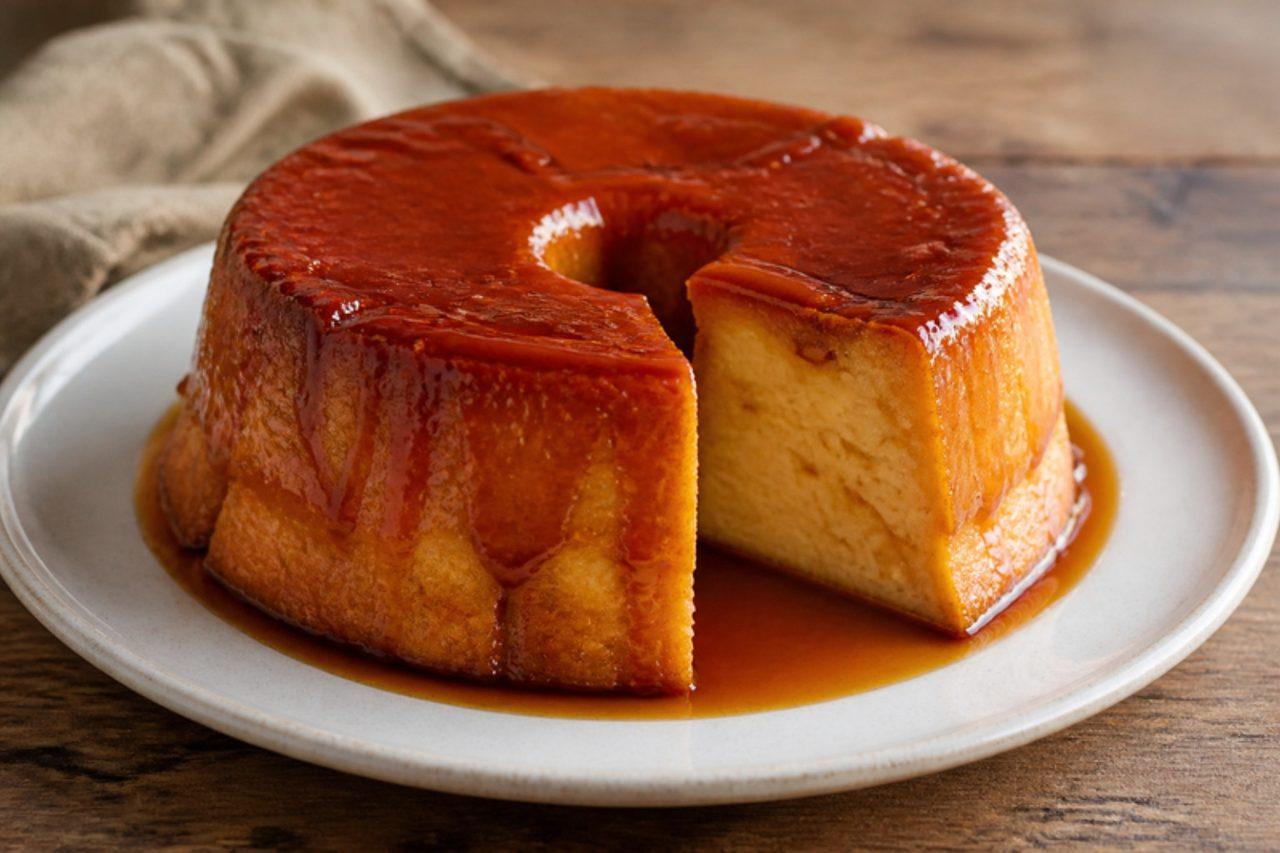
Pan de Calatrava is Murcia's thrifty Sunday dessert, a flan thickened with yesterday's bread or leftover sponge and baked over a layer of dark caramel. Murcian grandmothers made it to use up the end of a loaf, and it is still on the menu at family-run restaurants across the region, cut into slices and served cold with the caramel running down. The milk is infused first with lemon peel and cinnamon. Chef's tip: let it chill overnight before turning it out, so it slices cleanly and the caramel turns to syrup.

by KrazyBadal 0 views

Repápalos

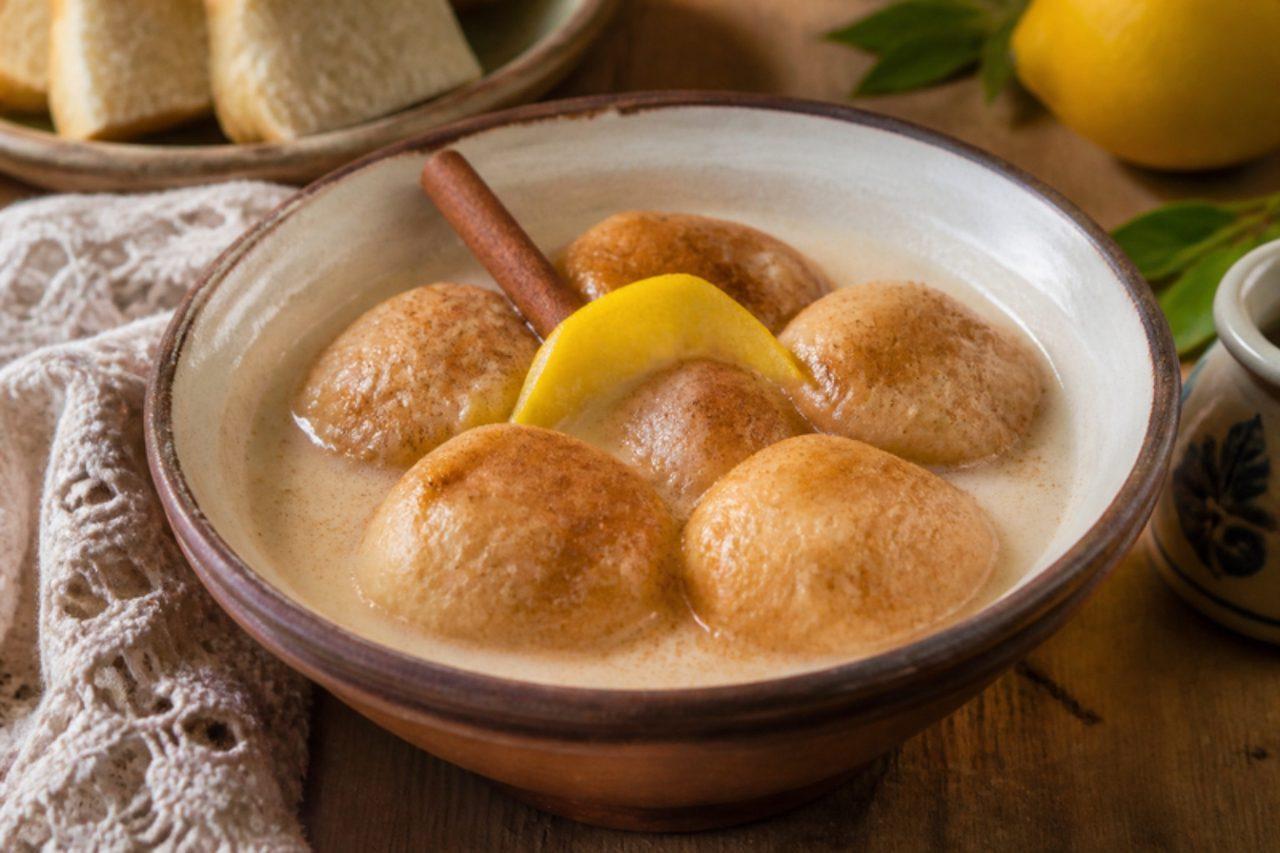
Repápalos belong to the kitchens of Extremaduran villages, where nothing was wasted: stale bread crumbs are mixed with egg into small dumplings, fried until golden, then simmered in milk scented with cinnamon and lemon until they swell and soften. They turn up at Easter and in Lent, and on winter afternoons when there was bread to use up, and they are eaten warm or cold from a deep dish with plenty of the sweet milk. Chef's tip: use bread that is at least two days old; fresh bread makes heavy, doughy fritters.

by KrazyBadal 0 views

Gató d'ametlla

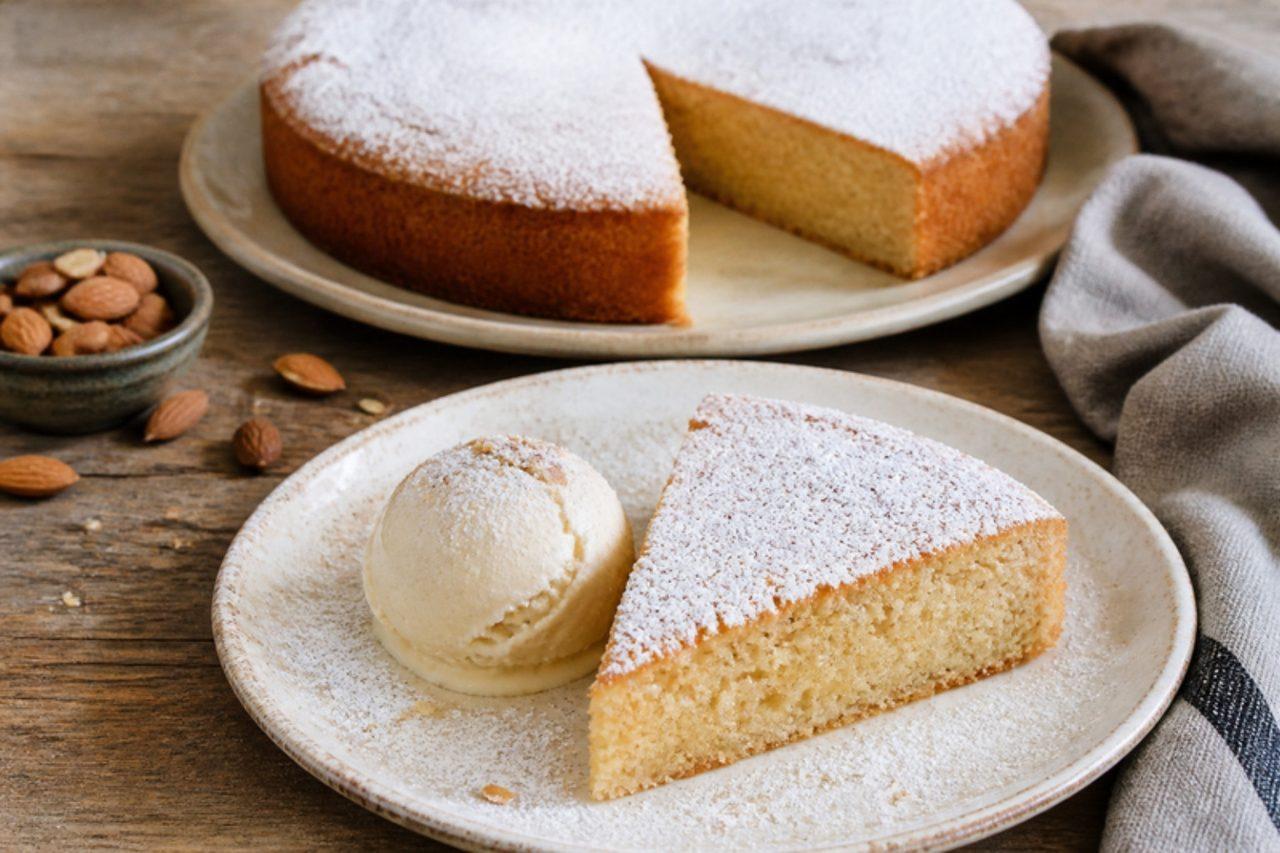
Every Mallorcan pastry shop sells gató, a light, moist sponge made with ground almonds instead of flour, and the classic way to eat it is a wedge beside a scoop of gelat d'ametlla, the island's almond ice. The almond groves that bloom white across the island in February give both. It is the cake for saint's days and Sunday visits, and it happens to be gluten free. The ice here is made the old way, with almonds, sugar, water and lemon peel, no cream. Chef's tip: fold the whipped egg whites in with a big metal spoon and stop as soon as no white streaks remain, because the air is all that lifts the cake.

by KrazyBadal 0 views

Bienmesabe canario

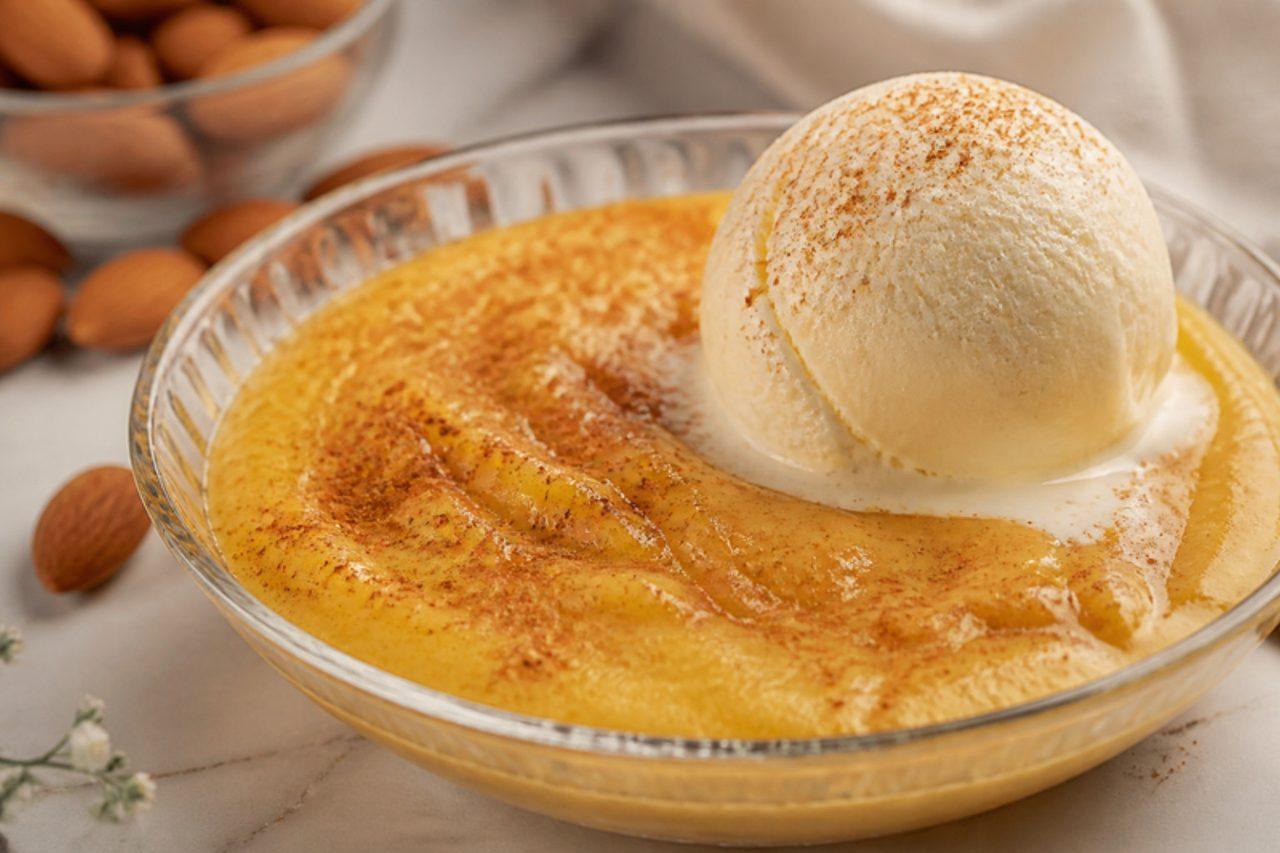
High in the mountains of Gran Canaria, the village of Tejeda is ringed by almond trees, and its pastry shops are famous for bienmesabe, 'it tastes good to me'. Finely ground almonds are cooked in a sugar syrup with lemon zest and cinnamon, then enriched with egg yolks into a thick, golden cream. Islanders eat it by the spoonful, over vanilla ice cream or layered on sponge; it is the dessert brought out in late January and February, when the Almond Blossom Festival fills the village. Chef's tip: temper the yolks with a little hot syrup before adding them, so they thicken the cream smoothly instead of scrambling.

by KrazyBadal 0 views

Frangollo

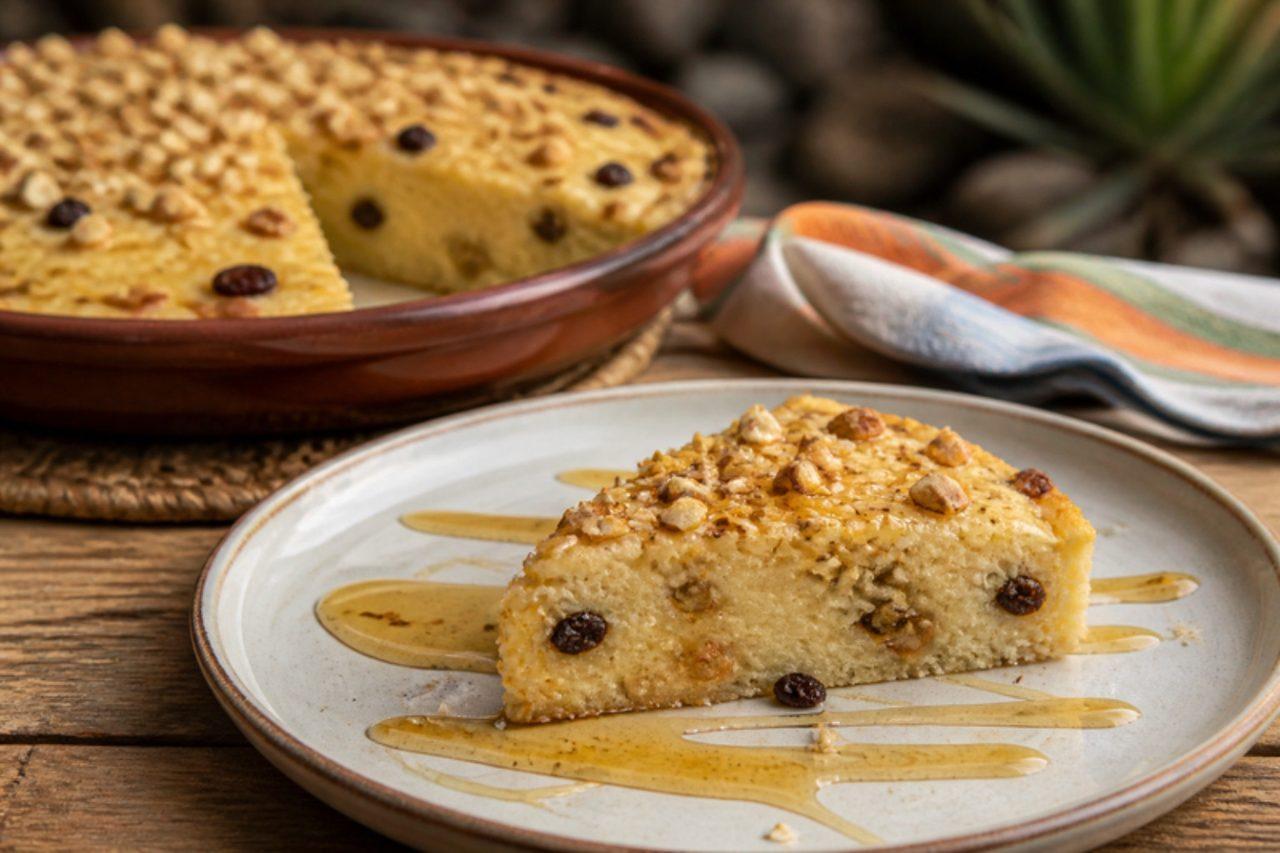
Frangollo was once poor people's food on Lanzarote and La Palma, coarse cornmeal (millo) cooked in milk to stretch a meal; now it is the pudding grandmothers make for Carnival and Christmas, sold in slabs at village fiestas. The cornmeal is cooked slowly with milk, sugar, lemon peel and cinnamon, then enriched with butter, egg, raisins and almonds, left to set and cut into squares. It is often finished with a drizzle of palm honey from La Gomera. Chef's tip: stir constantly and use a heavy pan, because thick cornmeal catches on the bottom in seconds.

by KrazyBadal 0 views

Barraquito

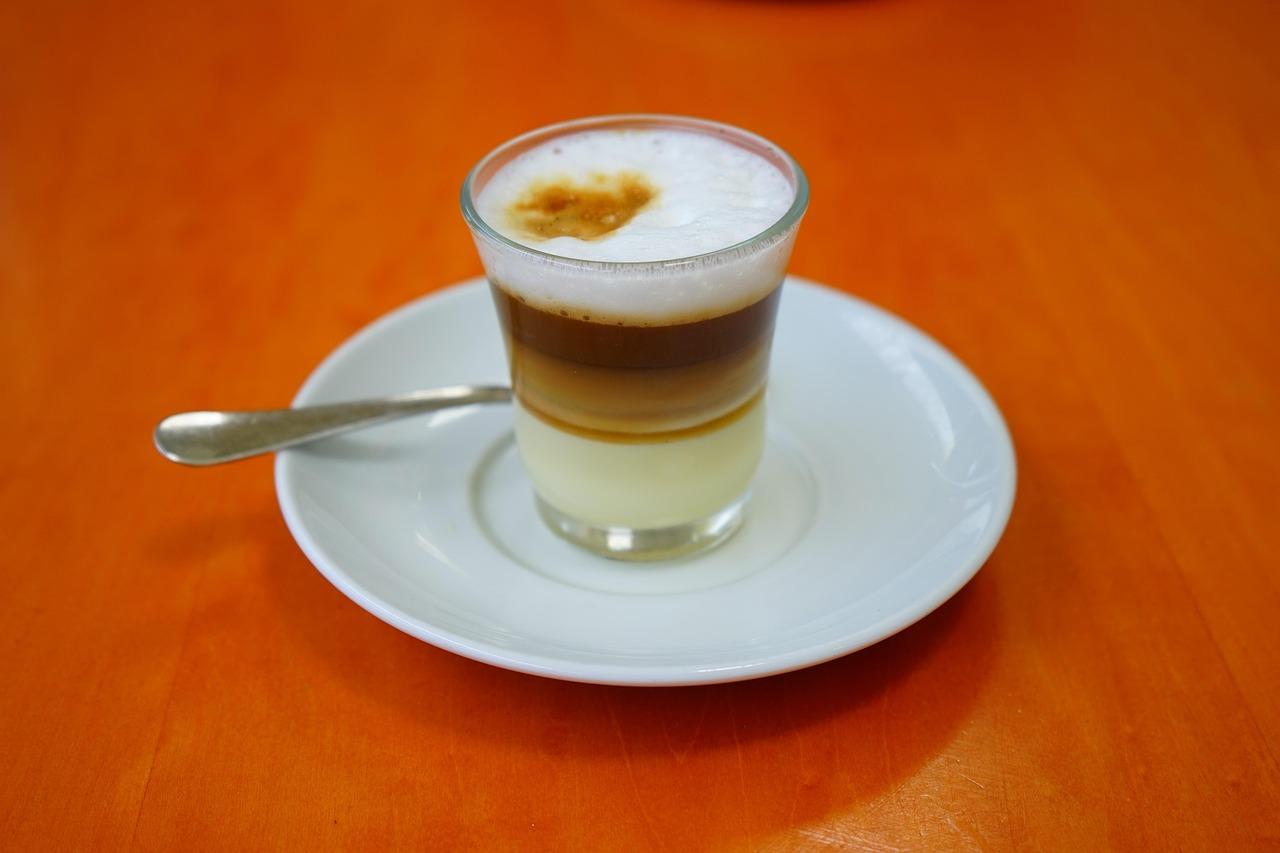
Order a barraquito in any café in Santa Cruz de Tenerife or La Laguna and it comes in a small glass showing neat stripes: sweet condensed milk at the bottom, then espresso, then foamed milk, perfumed with lemon peel and cinnamon. The bar classic adds a measure of a vanilla-citrus Spanish liqueur between the layers, which makes it contain alcohol; this recipe leaves it optional, and without it the drink is often called a zaperoco or barraquito sin licor. Chef's tip: pour each layer slowly over the back of a spoon, so the layers sit on top of each other instead of mixing.

by KrazyBadal 0 views

Pudim de pão

Nothing went to waste in old Minho farmhouses, and yesterday's bread became this: a dense, sliceable pudding soaked in sweet milk, scented with lemon and cinnamon and turned out under a dark caramel. You will find it on the dessert trolley of family restaurants in Braga and Guimarães, especially at Sunday lunch. It is firmer than a crème caramel, with a fine, cake-like texture. A common mistake is baking it in an oven that is too hot, which makes the custard bubble and turn spongy instead of silky. Chef's tip: chill it overnight before turning it out, so it slices cleanly and the caramel turns to a pourable sauce.

by KrazyBadal 0 views

Tigelada da Beira

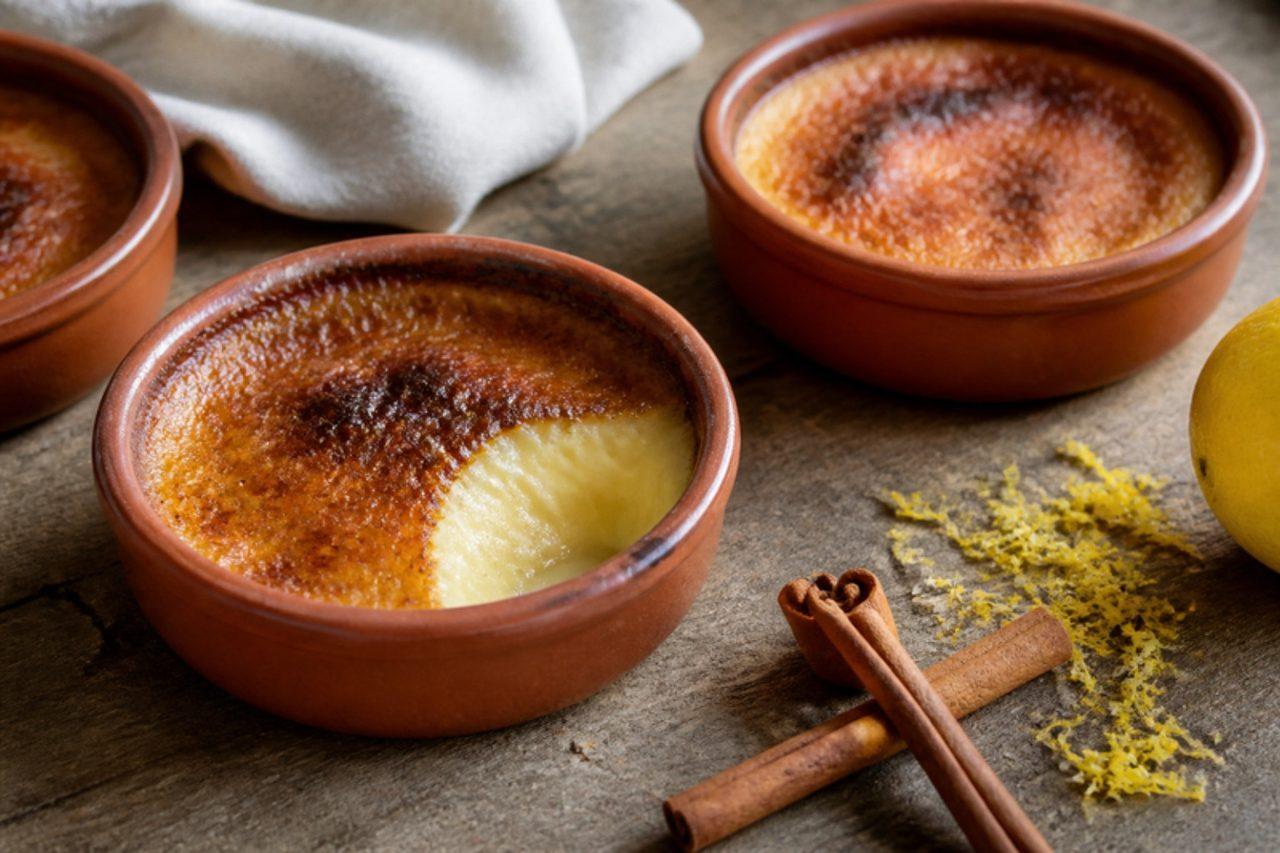
In Beira Baixa villages such as Oleiros and Proença-a-Nova, tigelada is baked in unglazed clay bowls heated in the wood oven until they are red hot, so the custard puffs up, cracks and browns on top while staying soft and slightly spongy inside. It is sold at festivals and markets across the region and is a common finish to a Sunday lunch. Terracotta dishes work best at home, but small ceramic ovenproof dishes do the job. Chef's tip: heat the empty dishes in the oven first; pouring cold batter into a hot dish is what makes it rise and form its typical crust.

by KrazyBadal 0 views

Carrageen moss pudding

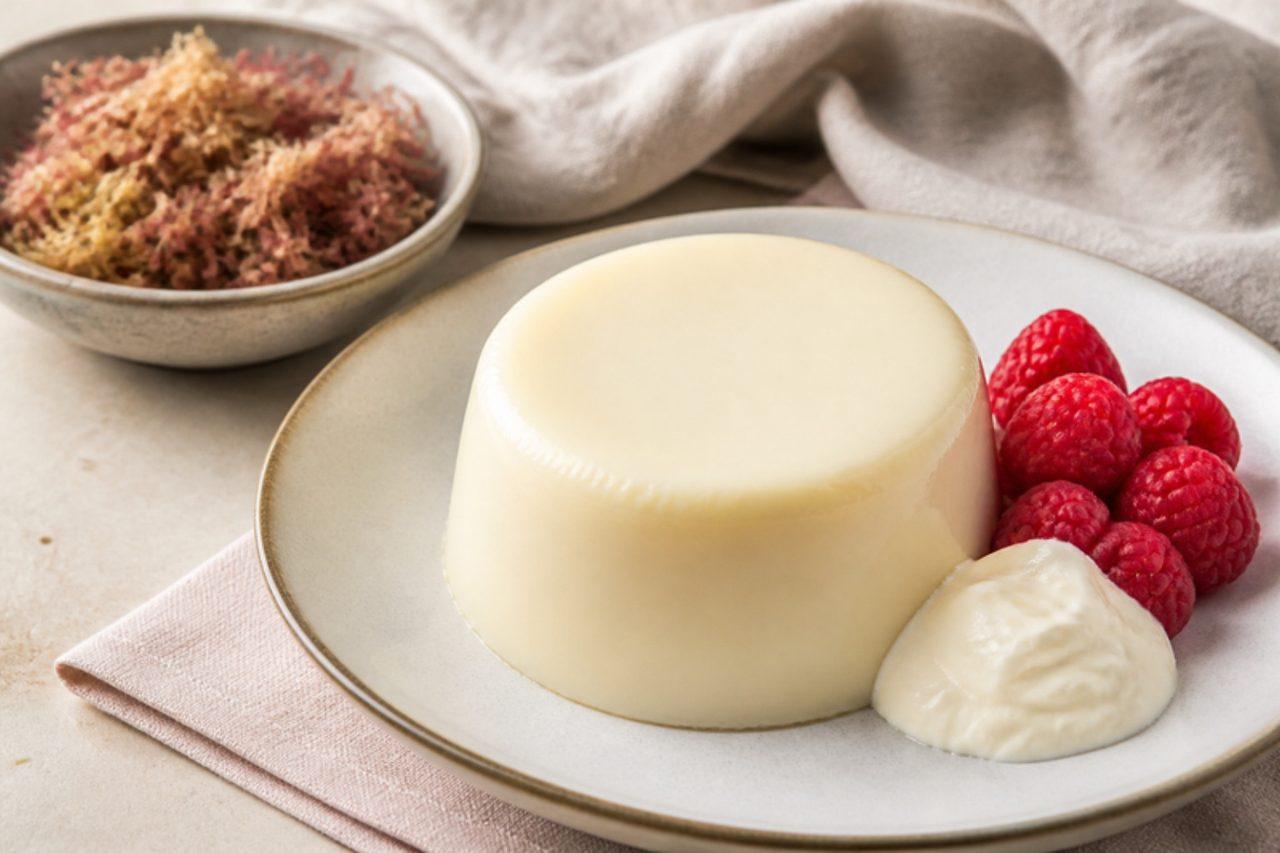
Carrageen is a frilly red seaweed picked from the rocks of the west coast, from Donegal down to Clare, and dried on the grass in the sun. Simmered in milk, it releases a natural setting agent, so this old Irish pudding sets like a soft blancmange without gelatine. It tastes of vanilla and lemon with a faint breath of the sea, and is served chilled with stewed rhubarb or soft fruit. Chef's tip: soak the carrageen well and rinse off the sand before you start; any grit ends up in the pudding.

by KrazyBadal 0 views

Goes well with strip of lemon peel