Skip to content

Recipes with peeled split mung beans

4 recipes that use peeled split mung beans, with photos, step-by-step instructions and cook times. The quickest, Beijing mung bean cakes, takes 80 minutes. It is most often cooked with caster sugar, neutral oil and plain flour.

Got a few things in the fridge? Search by everything you have

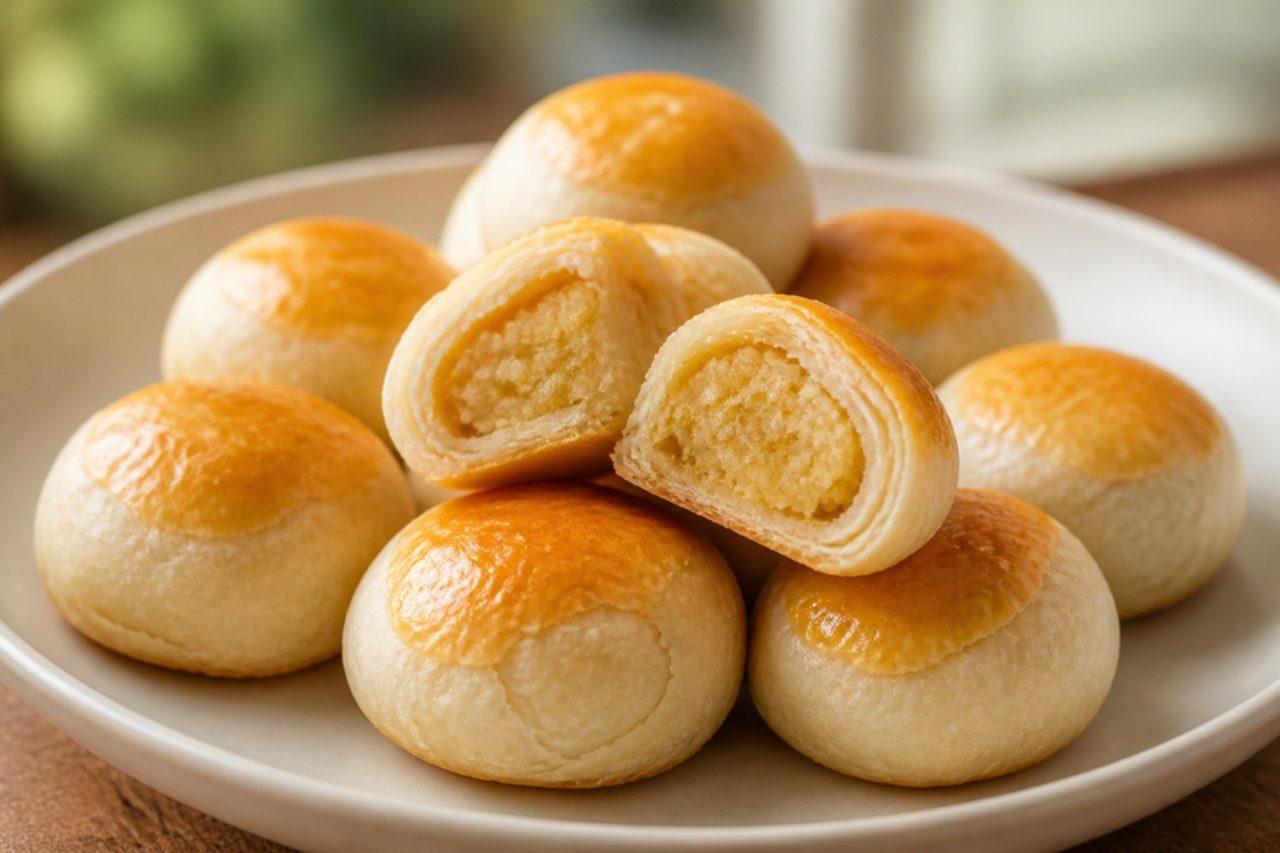
Hopia mungoMung bean pastries

Binondo, Manila's old Chinatown, is where Filipinos queue for hopia, flat little pastries with a paper-thin, flaky skin and a dense, sweet filling. Brought over by Hokkien bakers, they are now sold everywhere from provincial bus stations to convenience stores, and a box is a standard pasalubong (gift) after a trip. The classic is hopia mungo, filled with yellow mung bean paste; purple ube is the other favourite, and you can swap 300 g of sweetened ube halaya for the mung beans. Hopia pastry is traditionally made with lard; this version uses vegetable oil and shortening, so it is vegan. Chef's tip: dry the mung bean paste in the pan until a spoonful holds its shape when rolled; a soft paste is the commonest mistake, and it squeezes out of the seams as you flatten the pastries.

by KrazyBadal 0 views

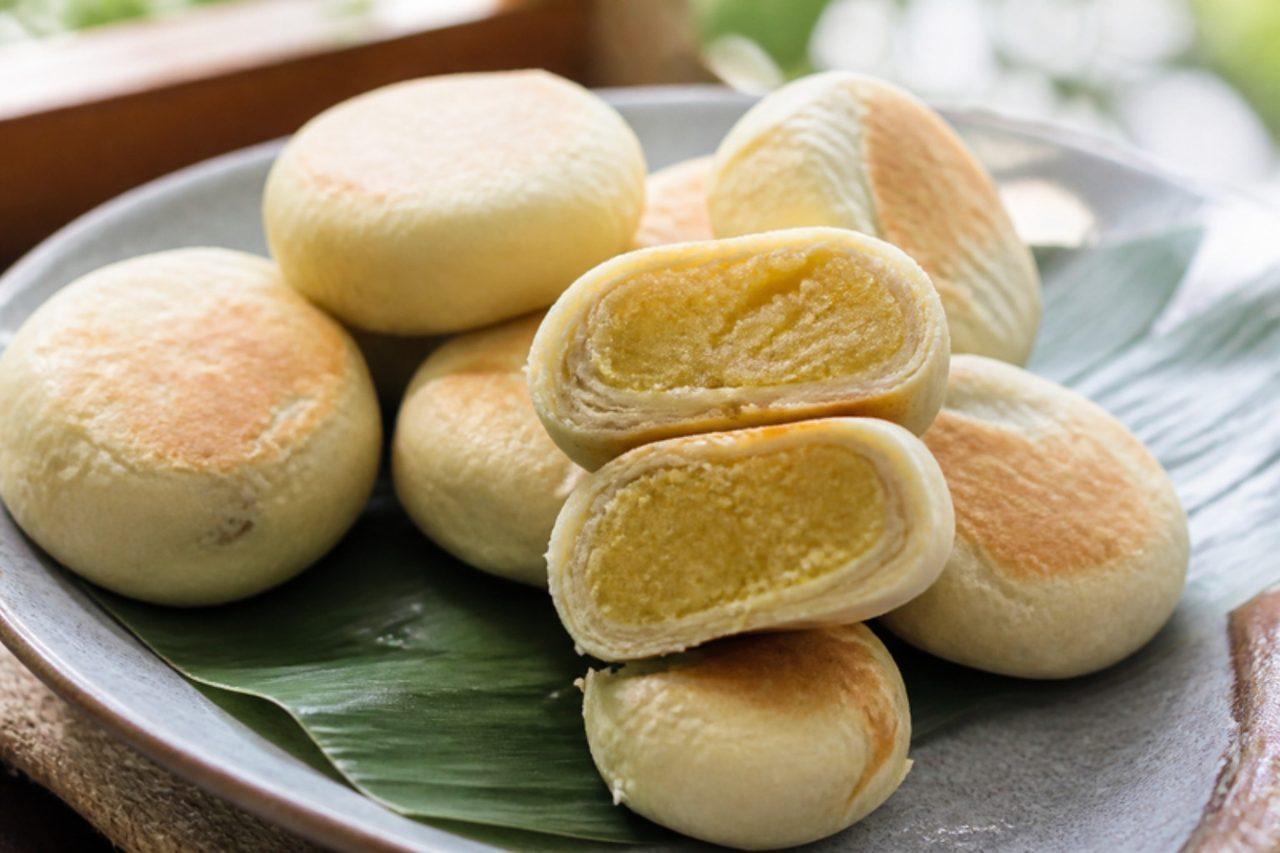
Tau sar piahMung bean pastries

Old biscuit shops in George Town, Penang, still bake tau sar piah in big trays every morning, and tourists leave with stacks of plastic tubs. The pastries are only a couple of bites each: a tender, flaky shell, glazed golden, around a fluffy mung bean filling. Penang bakers sell two kinds, sweet, and a savoury-sweet one with fried shallots and white pepper, which is what many locals prefer; this recipe gives the sweet filling with the savoury twist as an option. The pastry is traditionally made with lard; this version uses vegetable shortening and keeps them vegetarian. Chef's tip: leave a small, unfloured patch at the seam when wrapping, because floury edges won't stick together and the pastries split open as they bake.

by KrazyBadal 0 views

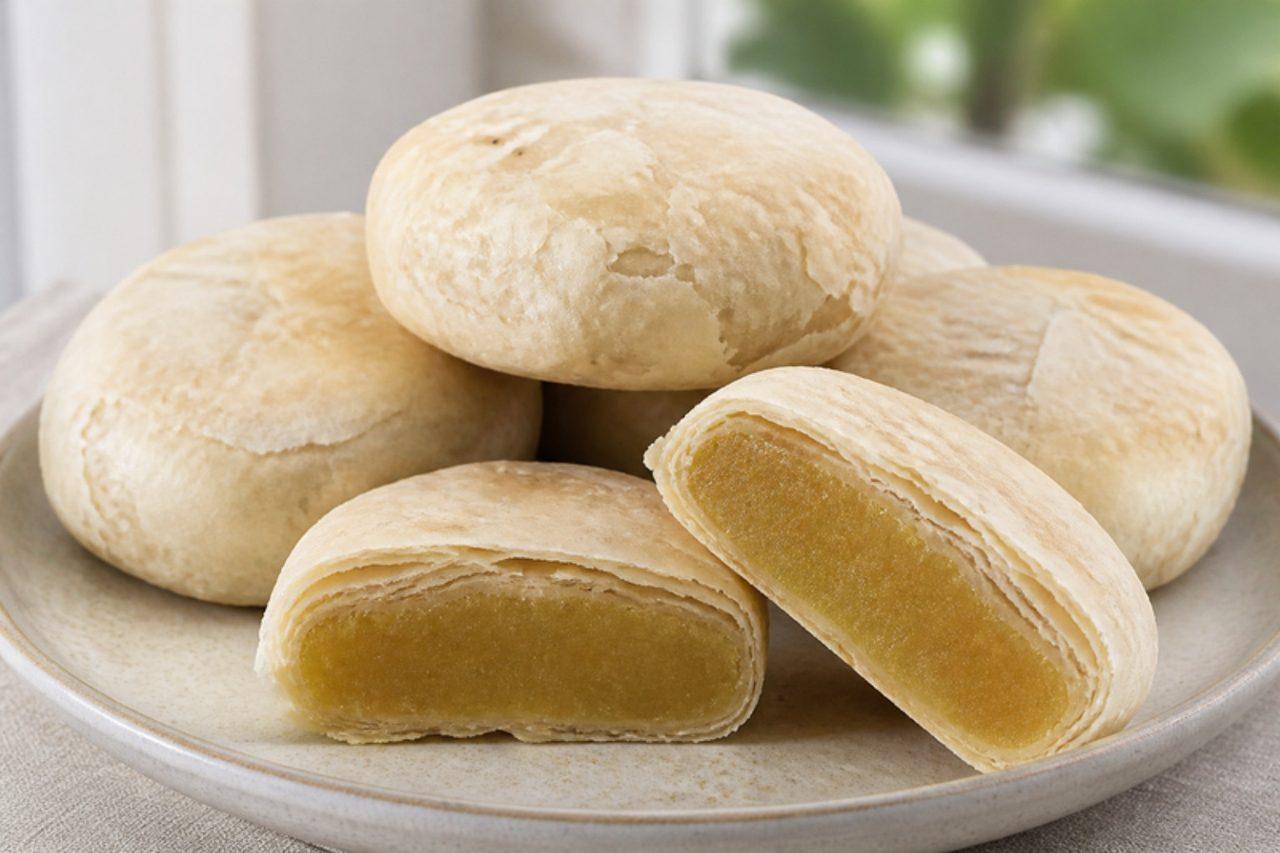
BakpiaMung bean pastries

Nobody leaves Yogyakarta without a cardboard box of bakpia; the Pathuk neighbourhood, a short walk from Malioboro, is lined with family bakeries turning them out for visitors as oleh-oleh, the snacks Indonesians bring home from a trip. These are small, round and slightly puffed, with a thin, flaky skin that goes golden in spots and a smooth, lightly salted sweet mung bean centre. They came to Java with Chinese bakers (the name comes from Hokkien bak pia) and are eaten with sweet hot tea or a glass of kopi. Using too much filling is the usual problem; the skin should wrap it with no stretching. Chef's tip: cook the mung beans with a knotted pandan leaf for the classic fragrance, and keep the pastry balls under a damp cloth so the skins stay supple while you work.

by KrazyBadal 0 views

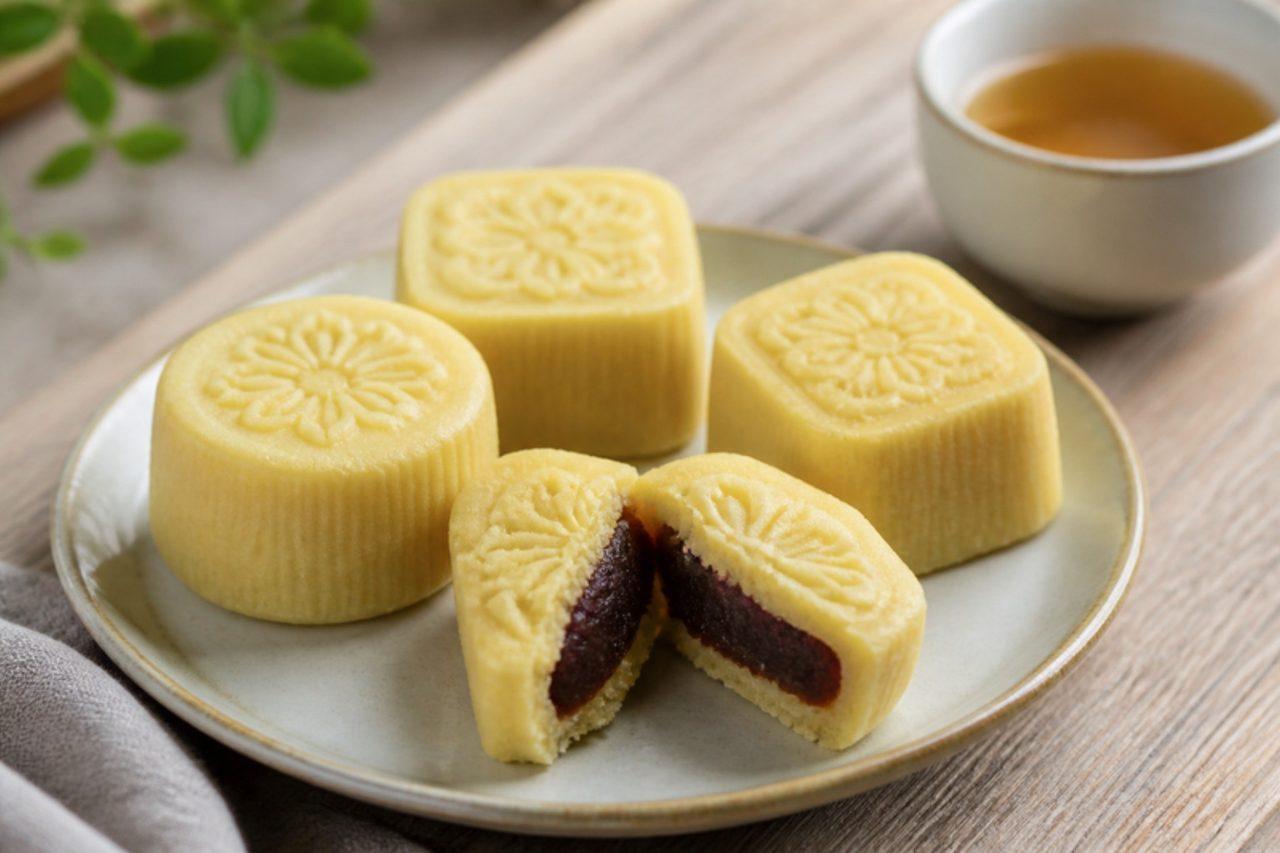
Beijing mung bean cakes

Beijing pastry shops stack these pale yellow cakes high in early summer, when they're eaten for the Dragon Boat Festival and as a cooling sweet on hot afternoons. Peeled mung beans are steamed, mashed with sugar and oil, then pressed in wooden moulds, so each cake comes out with a pattern. Northern versions are dry and crumbly; Suzhou ones further south are oilier. You need a mooncake press or small mould. Chef's tip: cook the paste until it pulls away from the pan in one ball; if it's too wet the cakes slump.

by KrazyBadal 0 views

Goes well with peeled split mung beans