Skip to content

Recipes with crispy fried shallots

16 recipes that use crispy fried shallots, with photos, step-by-step instructions and cook times. The quickest, Nasi goreng, takes 20 minutes. It is most often cooked with garlic, light soy sauce and egg.

Run out of crispy fried shallots? Half an onion per 2 shallots.

Got a few things in the fridge? Search by everything you have

Lemongrass tofu noodle salad

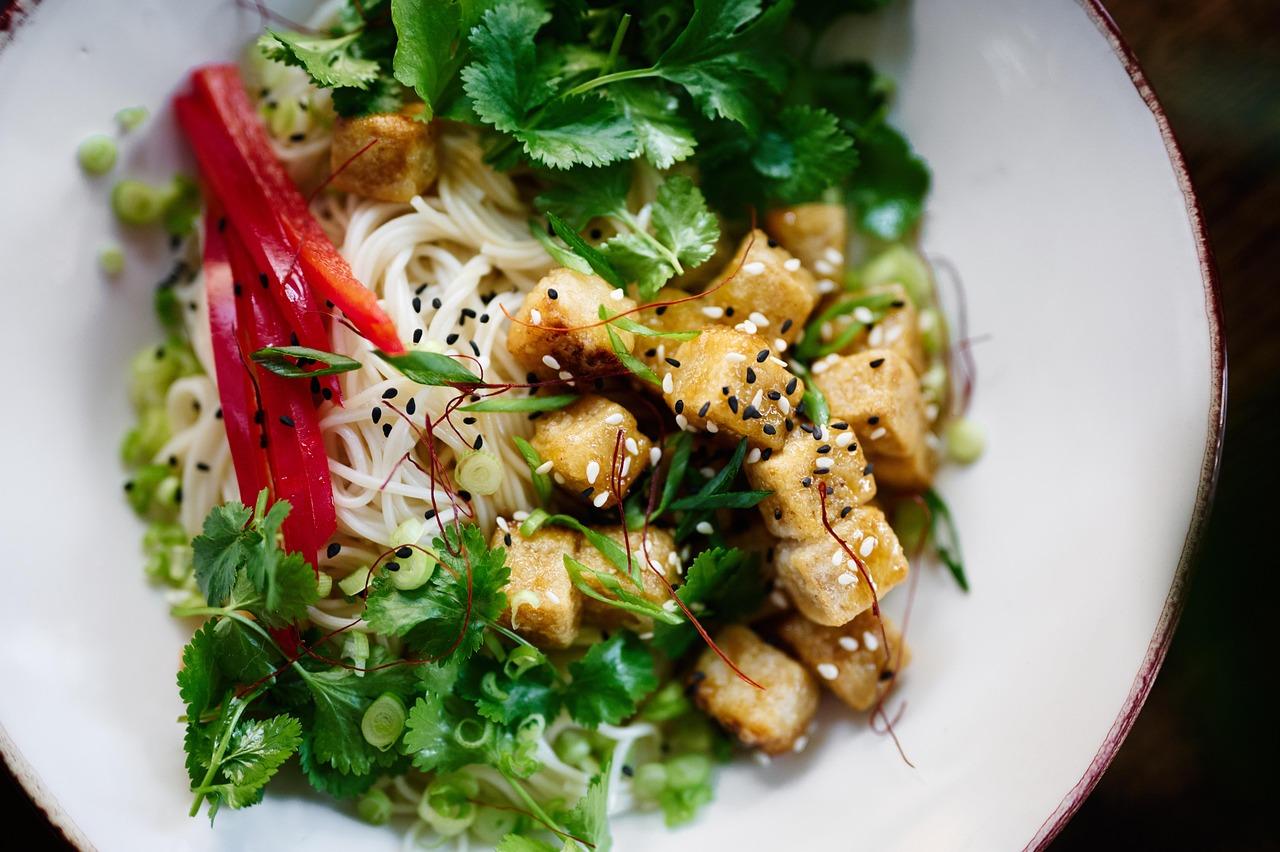
In Saigon, bún thịt nướng, a bowl of cold rice vermicelli piled with herbs, salad and smoky grilled pork, is the lunch everyone loves on a hot day. This vegetarian bún chay keeps everything that makes it great: lettuce, cucumber, mint and perilla underneath, caramelised lemongrass tofu on top, quick pickles, roasted peanuts, crispy shallots and spring onion oil, with a generous jug of vegan nước chấm poured over just before eating. Chef's tip: make the spring onion oil (mỡ hành) by pouring sizzling oil over sliced spring onions; it gives the bowl its rich, fragrant southern finish.

45 minSaladsVegan
by KrazyBadal 0 views

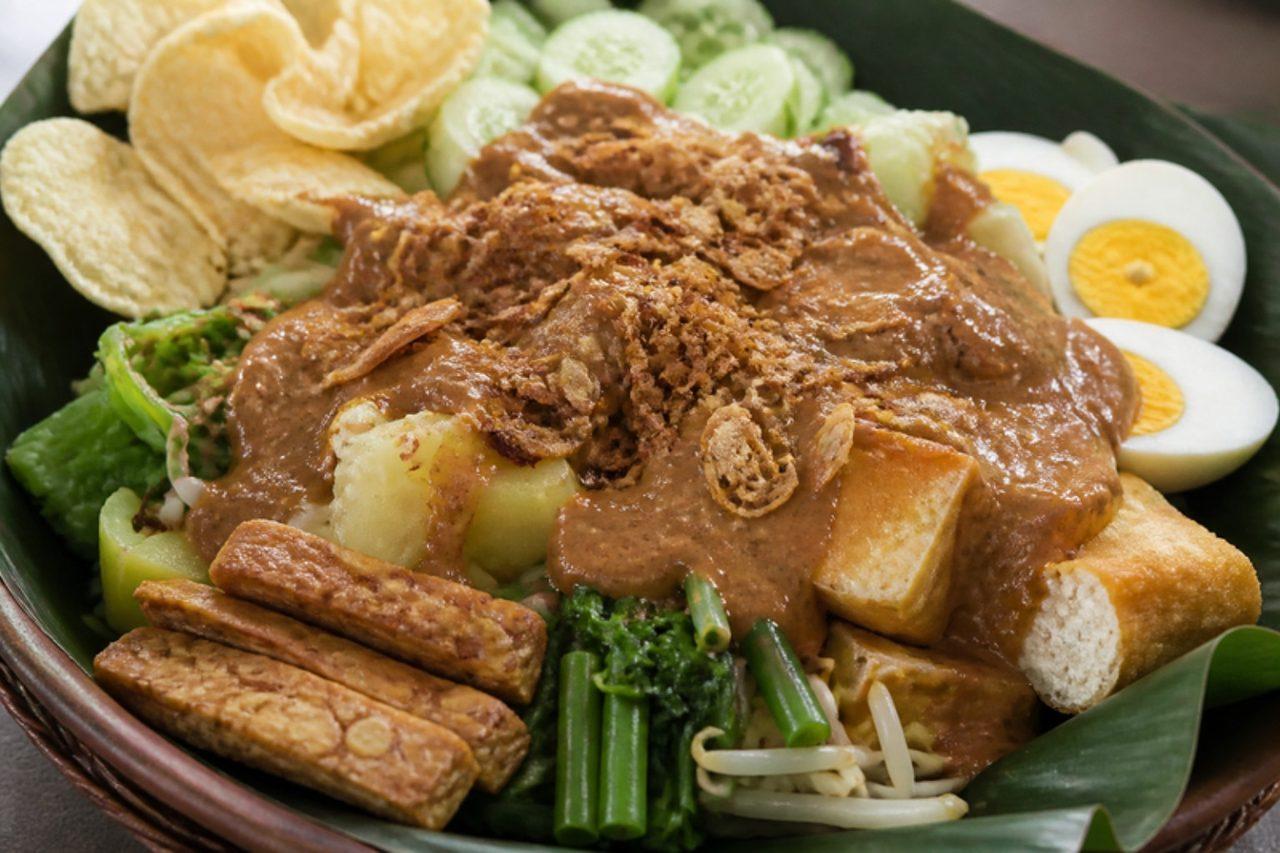
Gado-gado

In Jakarta, gado-gado is lunch from a pushcart: the Betawi seller grinds the peanut sauce to order on a stone ulekan, then tips blanched greens, potato, tofu, tempeh and egg into it and mixes everything by hand. The name roughly means "mix-mix", and that is how it's eaten, with every vegetable coated in a sauce that's nutty, sweet from palm sugar, sour from tamarind and as hot as you ask for. It's a full meal on its own, crunchy with emping or rice crackers on top. Chef's tip: loosen the peanut sauce with warm water only at the end and stop when it coats a spoon like custard; too thin and it slides off the vegetables and pools on the plate.

35 minSaladsGluten free
by KrazyBadal 0 views

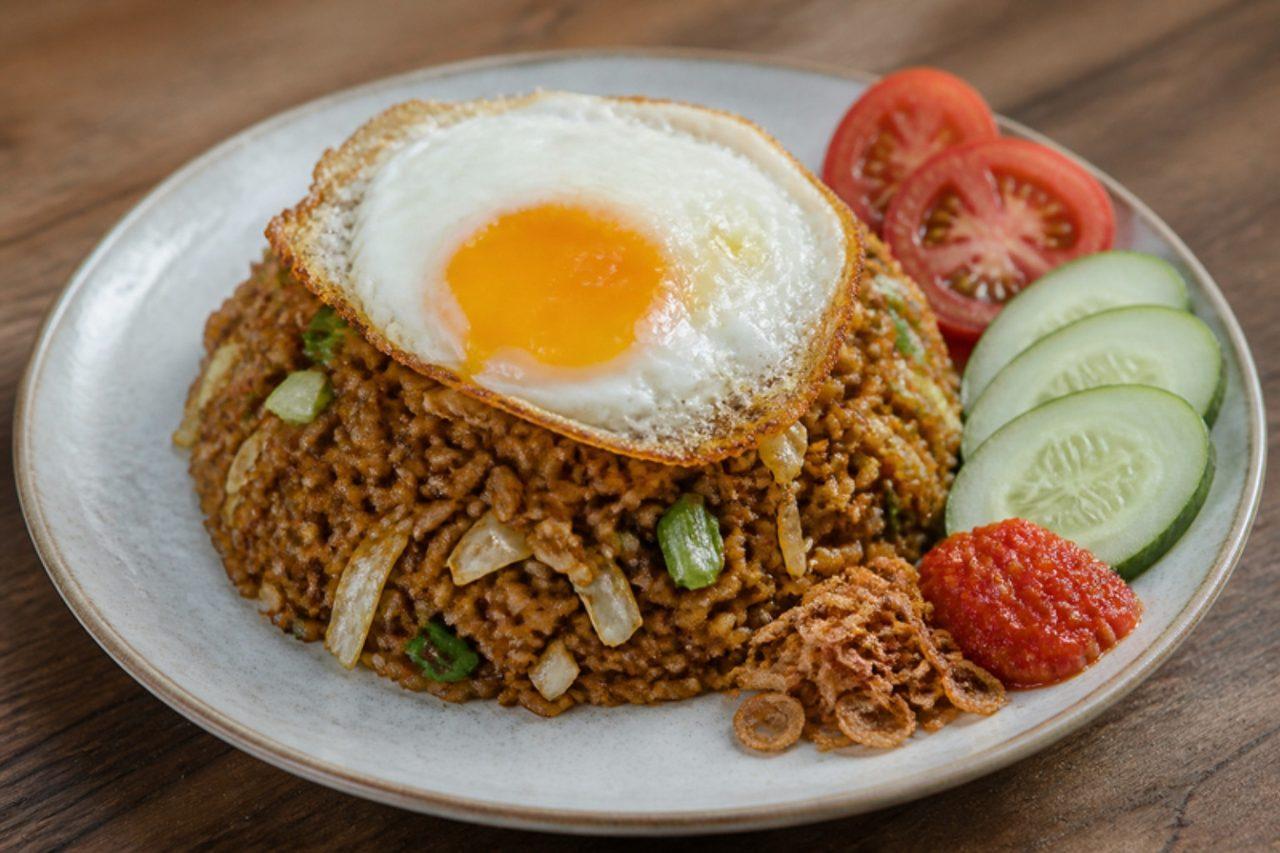
Nasi goreng

Every warung and night stall from Medan to Makassar has its own nasi goreng, but the starting point is always yesterday's rice, a pounded paste of shallot, garlic and chilli, and a glug of kecap manis that turns the grains glossy and caramel-brown. Indonesians eat it for breakfast as readily as for a late supper, crowned with a fried egg and served with cucumber, tomato and a heap of crackers. This vegetarian version keeps all the smoky-sweet depth without the usual shrimp paste. Chef's tip: get the wok properly hot and add the kecap manis down the side of the pan, not onto the rice, so it sizzles and caramelises before you toss it through.

by KrazyBadal 0 views
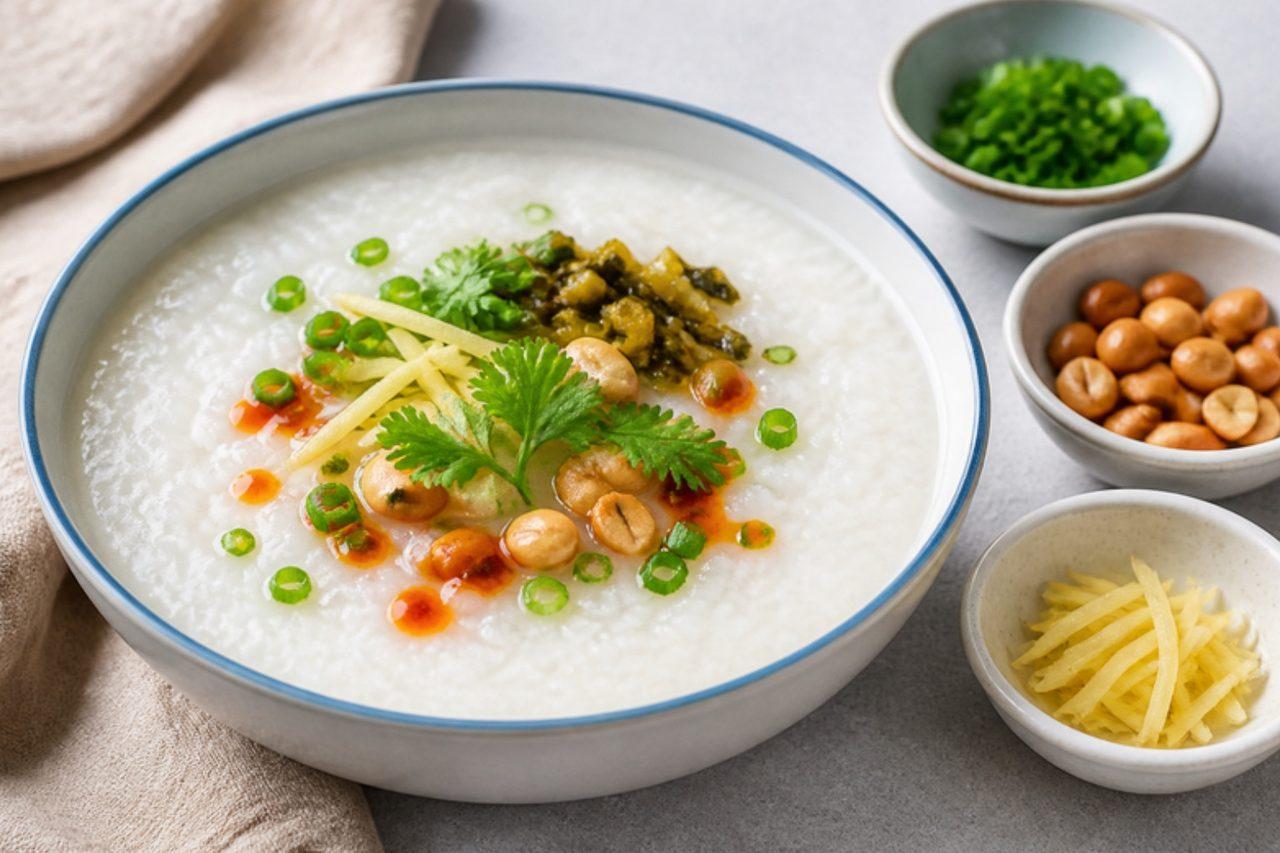
Plain rice congee with toppings

Congee (zhou in Mandarin, juk in Cantonese) is what much of China eats for breakfast, and what everyone is given when they are under the weather. The base is just rice and water cooked until the grains burst into a smooth, gentle porridge; the fun is in the toppings, from fried shallots to peanuts and salty pickles, so everyone builds their own bowl. Chef's tip: rinse the rice, then rub it with a little oil and salt and freeze it for an hour if you can; the grains crack and break down twice as fast.

by KrazyBadal 0 views
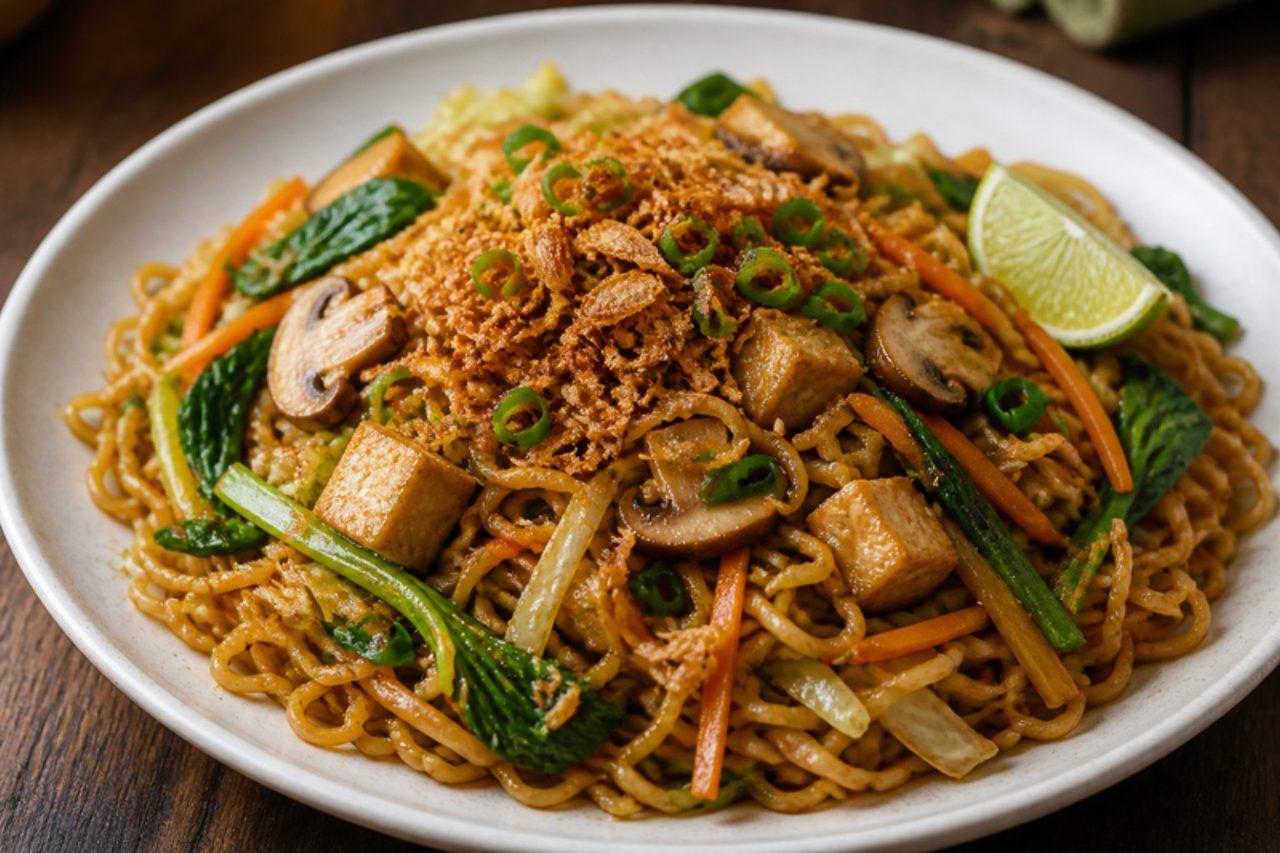
Mie goreng

Mie goreng is what the gerobak noodle carts of Indonesian towns fry up after dark, each portion tossed in a blackened wok over a roaring flame, sweet and savoury from kecap manis and sharp with garlic. Unlike Malaysia's tomato-red mamak noodles, the Indonesian style is dark, glossy and dominated by sweet soy and white pepper, with plenty of greens and a scattering of fried shallots. This version swaps the usual chicken and prawns for tofu and mushrooms and is on the table in twenty minutes. Chef's tip: cook the noodles a minute short of the packet time and rinse them in cold water; they finish softening in the wok and stay springy instead of breaking.

by KrazyBadal 0 views
Vegetable lawar

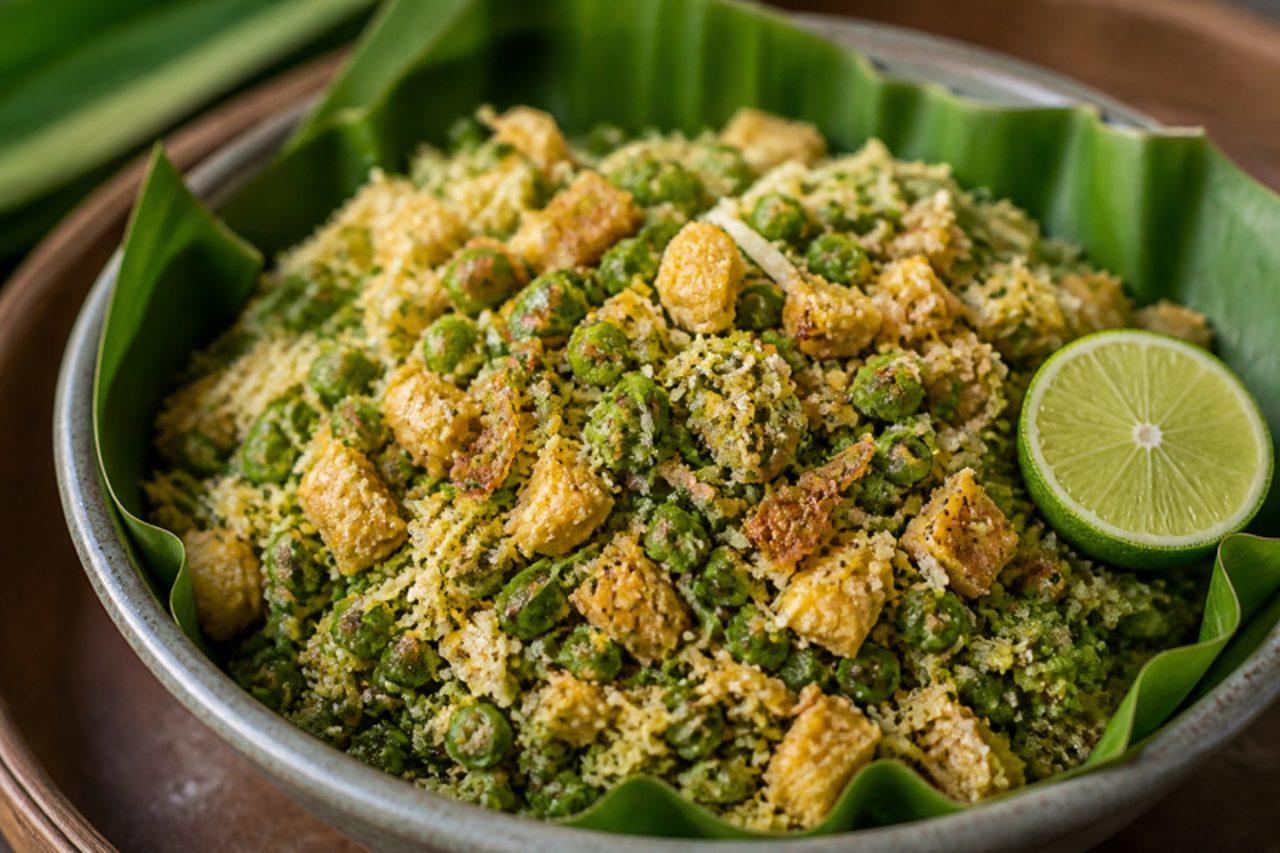
Lawar is the dish of Balinese ceremonies: before a temple festival or a family rite, the men of the banjar gather at dawn to chop and mix it by hand in huge quantities. Many versions include meat, but lawar kacang, made with long beans, is common at home and at Balinese warungs, and it shows off base genep, the island's master spice paste of shallot, garlic, galangal, kencur, turmeric and chilli. Mixed with toasted grated coconut, it's crunchy, fragrant, sour and hot, and is eaten with rice the day it's made. Chef's tip: mix the lawar just before serving and with your hands, squeezing gently, so the spice paste works into the beans; made too early, it goes watery and dull.

40 minSaladsVeganGluten free
by KrazyBadal 0 views

Tofu & tempeh satay with peanut sauce

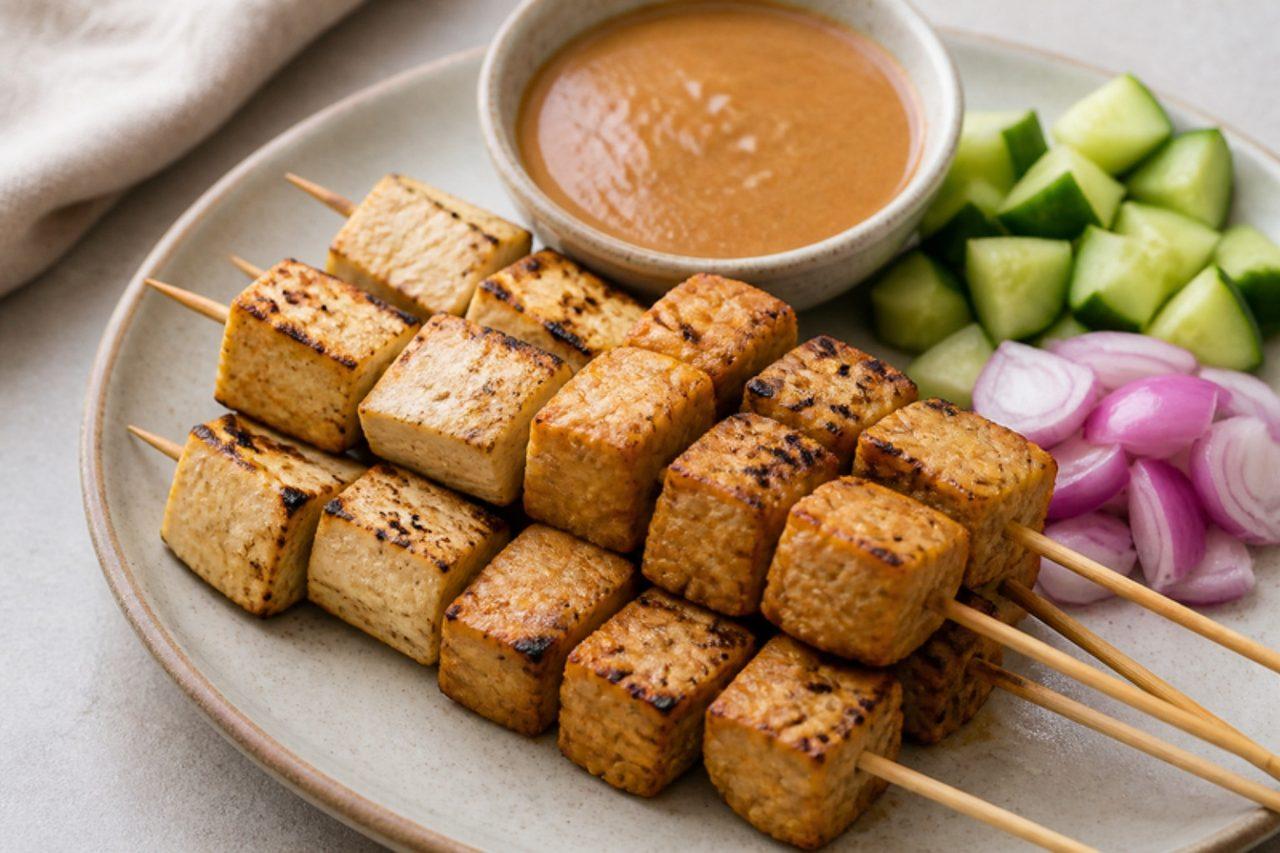
Satay smoke drifts along Javanese streets every evening, where sellers fan charcoal grills set up on the pavement and serve skewers with peanut sauce, rice cakes and sliced shallot. Tofu and tempeh are naturals for it: they drink up a sweet-savoury marinade of palm sugar, tamari, coriander and garlic and pick up dark, sticky char at the edges. The sauce here is cooked until smooth and glossy, sweeter and milder than the grainy dressing on gado-gado, made for dipping. Chef's tip: soak the bamboo skewers for 30 minutes and brush the satay with marinade as it grills — the sugar caramelises into the dark, slightly burnt edges that make satay taste like satay.

40 minVegetarianVeganGluten free
by KrazyBadal 0 views

Nasi kuning

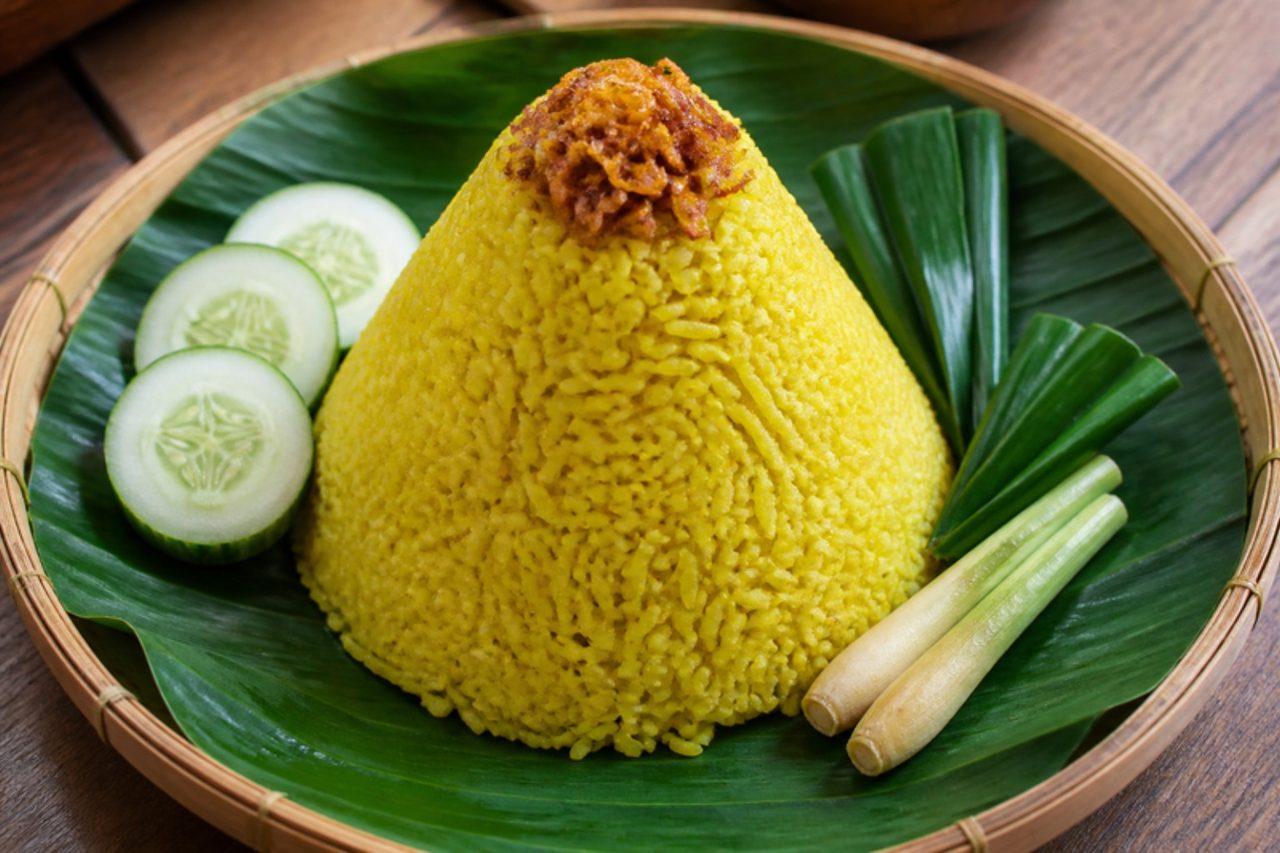
Yellow rice is Indonesia's rice for good news: shaped into a tall cone called tumpeng, it's the centrepiece at birthdays, housewarmings and thanksgiving gatherings across Java, Bali and Sulawesi, and in Manado and Banjarmasin it's also a weekday breakfast wrapped in banana leaf. The grains are cooked in coconut milk with turmeric, lemongrass, salam and lime leaf, so they come out fluffy, golden and gently fragrant, rich without being heavy. Serve it with tempe orek, perkedel, sambal and cucumber for a festive platter. Chef's tip: steam the rice after its first absorption, Javanese style, or rest it covered off the heat for 10 minutes — skipping this gives sticky, uneven grains.

by KrazyBadal 0 views

Perkedel

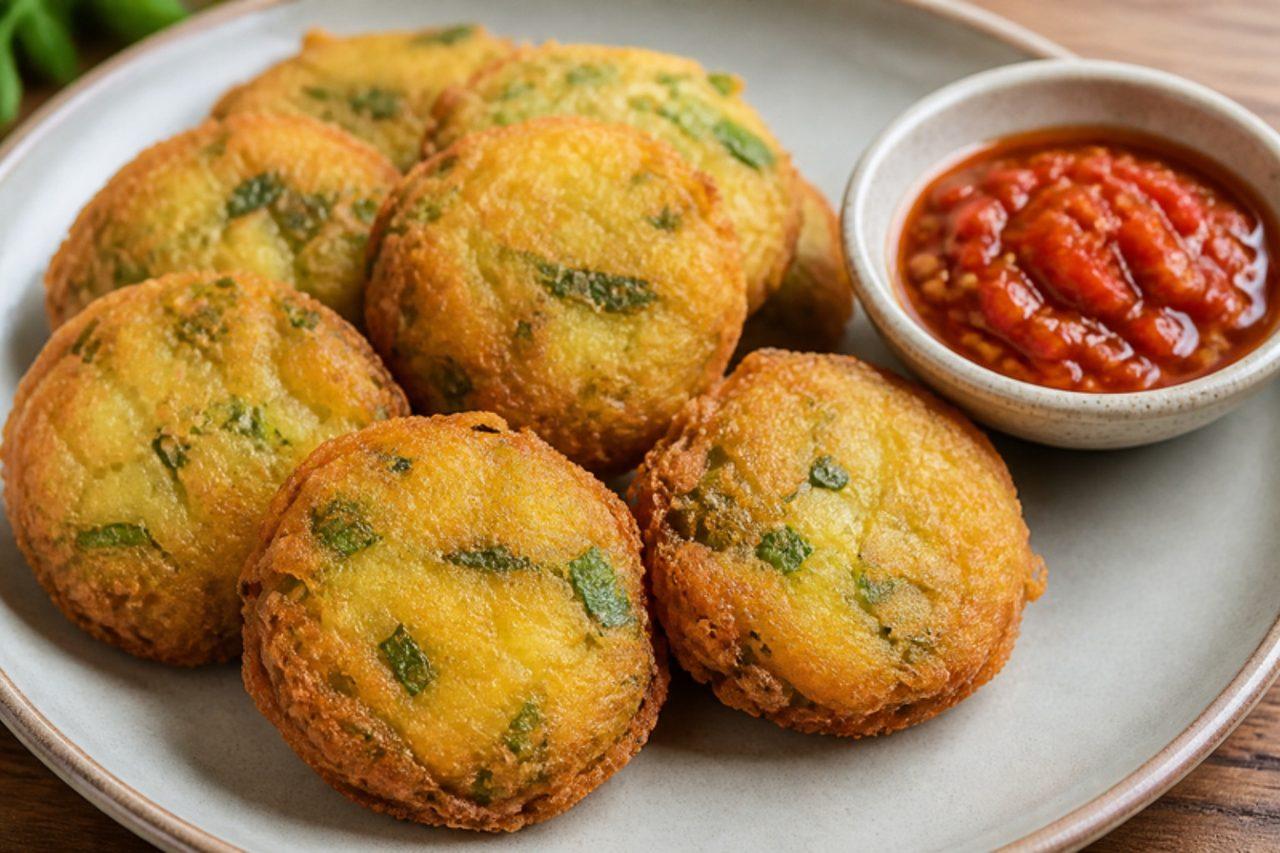
Perkedel came to Indonesia from the Dutch frikadel, but became something quite different: mashed fried potato seasoned with nutmeg, white pepper, spring onion and fried shallots, shaped into little patties and fried in a coating of egg. Families make them for soto, for nasi kuning platters and Lebaran tables, and children grab them cold from the fridge. The outside is lacy and golden, the inside soft and peppery. Chef's tip: fry the potatoes before mashing, rather than boiling them — it's the Indonesian way, and it gives drier, fluffier potato that holds its shape without flour.

by KrazyBadal 0 views

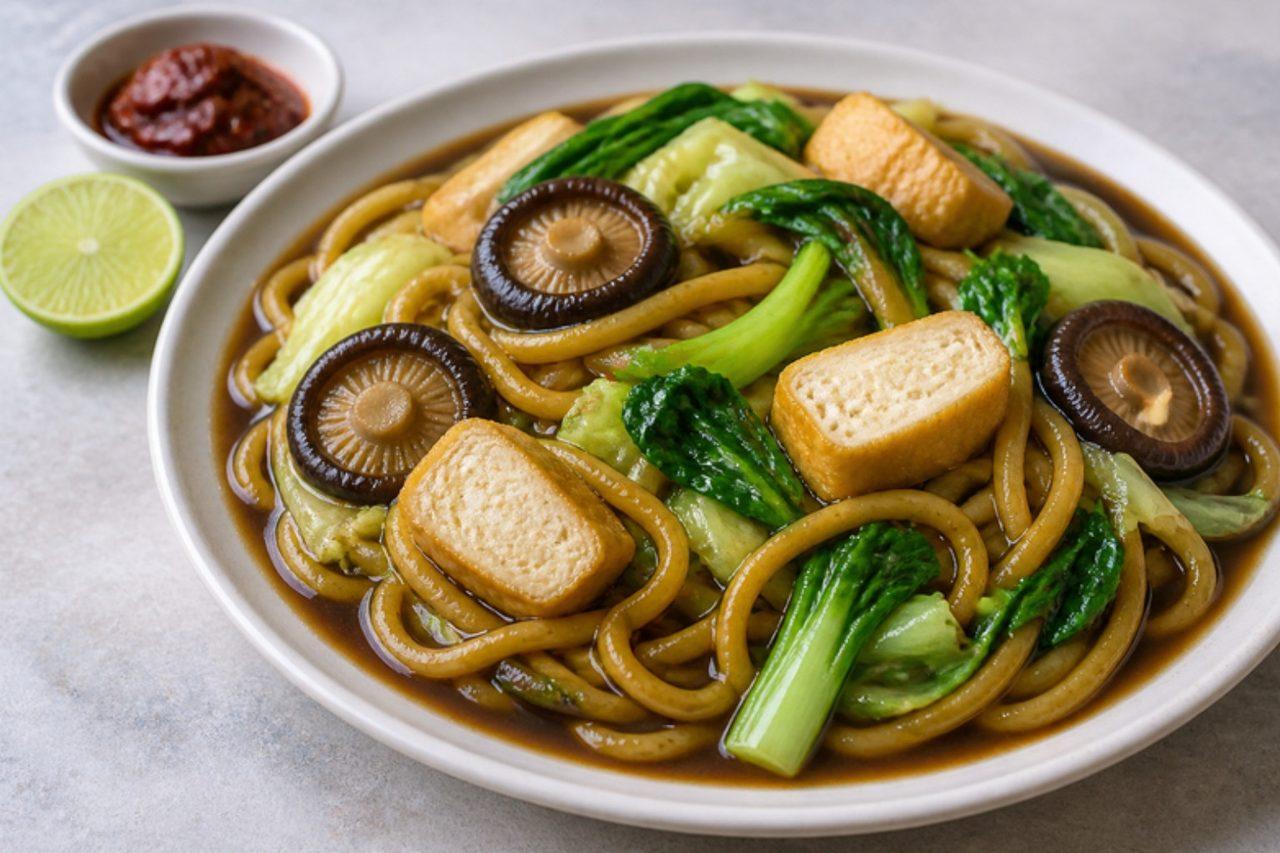
Vegetable Hokkien mee

In Kuala Lumpur, Hokkien mee means thick yellow noodles braised in a dark, caramel-sweet soy sauce until they turn almost black, a late-night hawker dish that Petaling Street and Jalan Alor stalls still cook over roaring flames long after midnight. The originals carry pork, prawns and crisp lard; ours uses meaty shiitake, tofu puffs that drink up the sauce, cabbage and choy sum, with fried shallots for the crunch the lard would give. It's smoky, salty-sweet and very slurpable. Chef's tip: let the noodles braise until the sauce has thickened and clings to every strand, with only a spoonful left in the wok.

by KrazyBadal 0 views

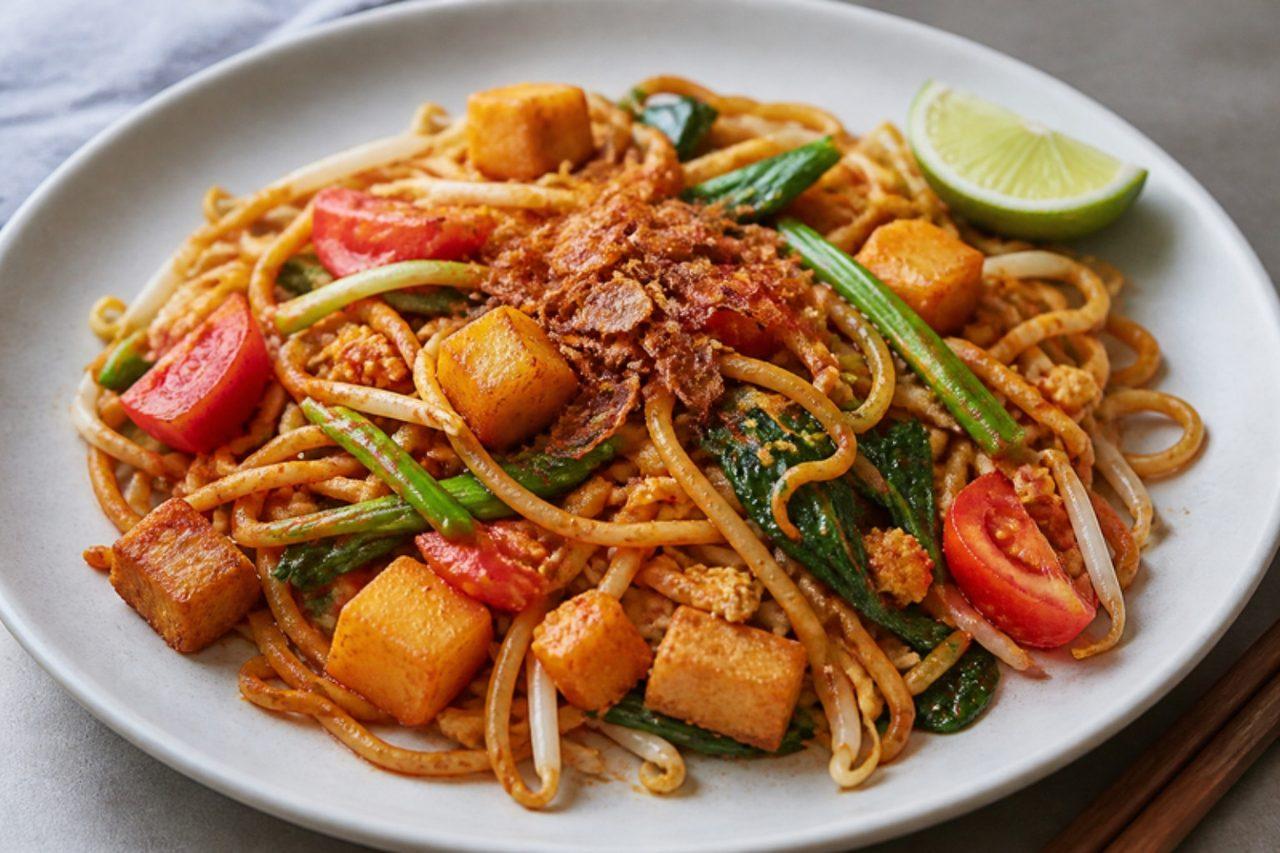
Mee goreng mamak

Mamak stalls, the round-the-clock cafés run by Malaysia's Tamil Muslim families, are where friends meet after a football match or a late film, and mee goreng mamak is the plate everyone orders with a glass of pulled tea. It's yellow noodles tossed hard in a wok with tomato sauce, chilli, soy, a pinch of curry powder, soft potato that breaks into the sauce, tofu, egg and bean sprouts, finished with a squeeze of lime. Stalls often add squid or prawns; here the tofu does that job. It's sweet, smoky, tangy and a little messy, as it should be. Chef's tip: get the wok really hot and let the noodles sit untouched for 20 seconds between tosses so they char in spots.

by KrazyBadal 0 views

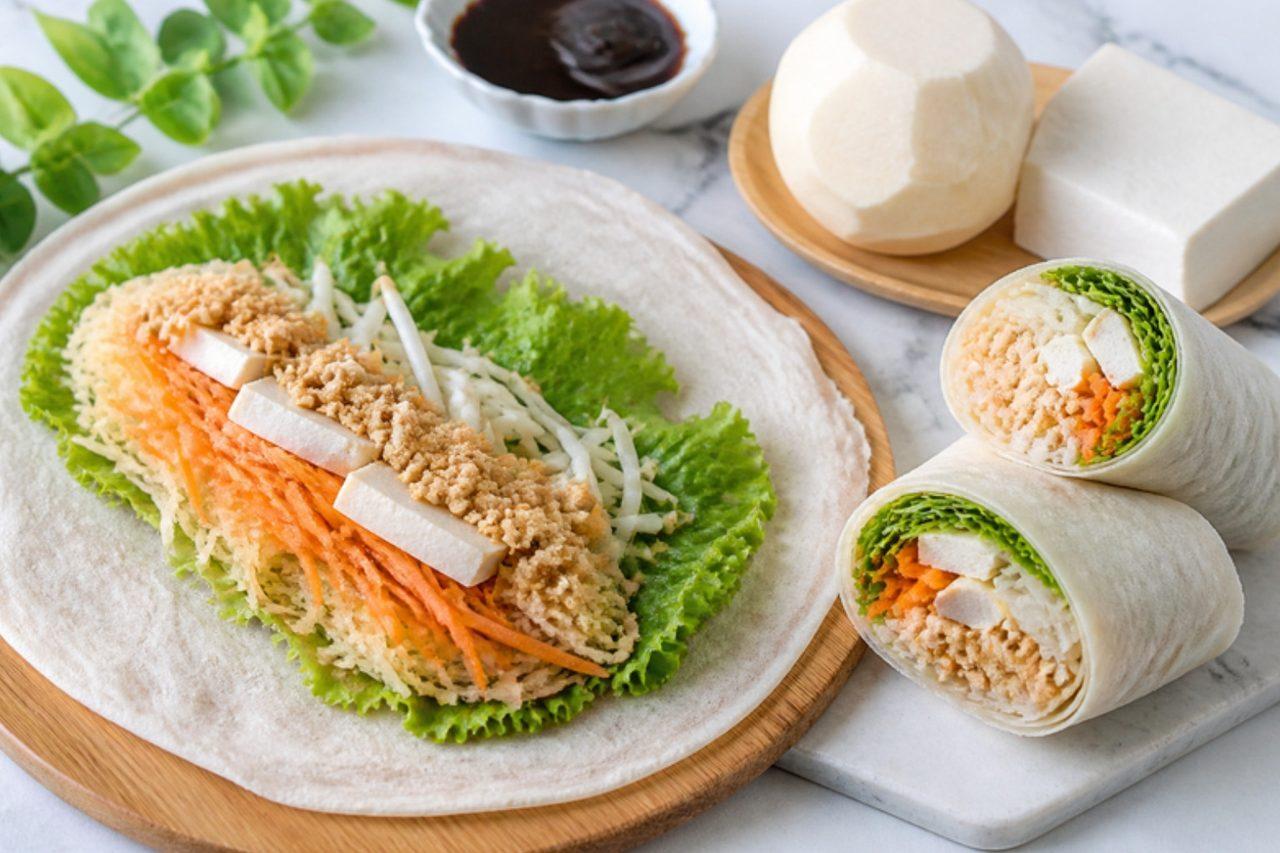
Vegetarian popiah

Popiah are the soft, fresh spring rolls that Hokkien and Peranakan families in Singapore make together at home, especially for Qing Ming and family reunions, with everyone wrapping their own at the table. Thin wheat skins are brushed with sweet sauce and chilli, then filled with a slow-braised mix of jicama (bangkuang) and carrot, plus lettuce, beansprouts, egg, peanuts and crispy shallots. This version leaves out the prawns and Chinese sausage and braises the filling in vegetable stock. Chef's tip: drain the braised filling very well before rolling; extra liquid tears the delicate skins.

by KrazyBadal 0 views

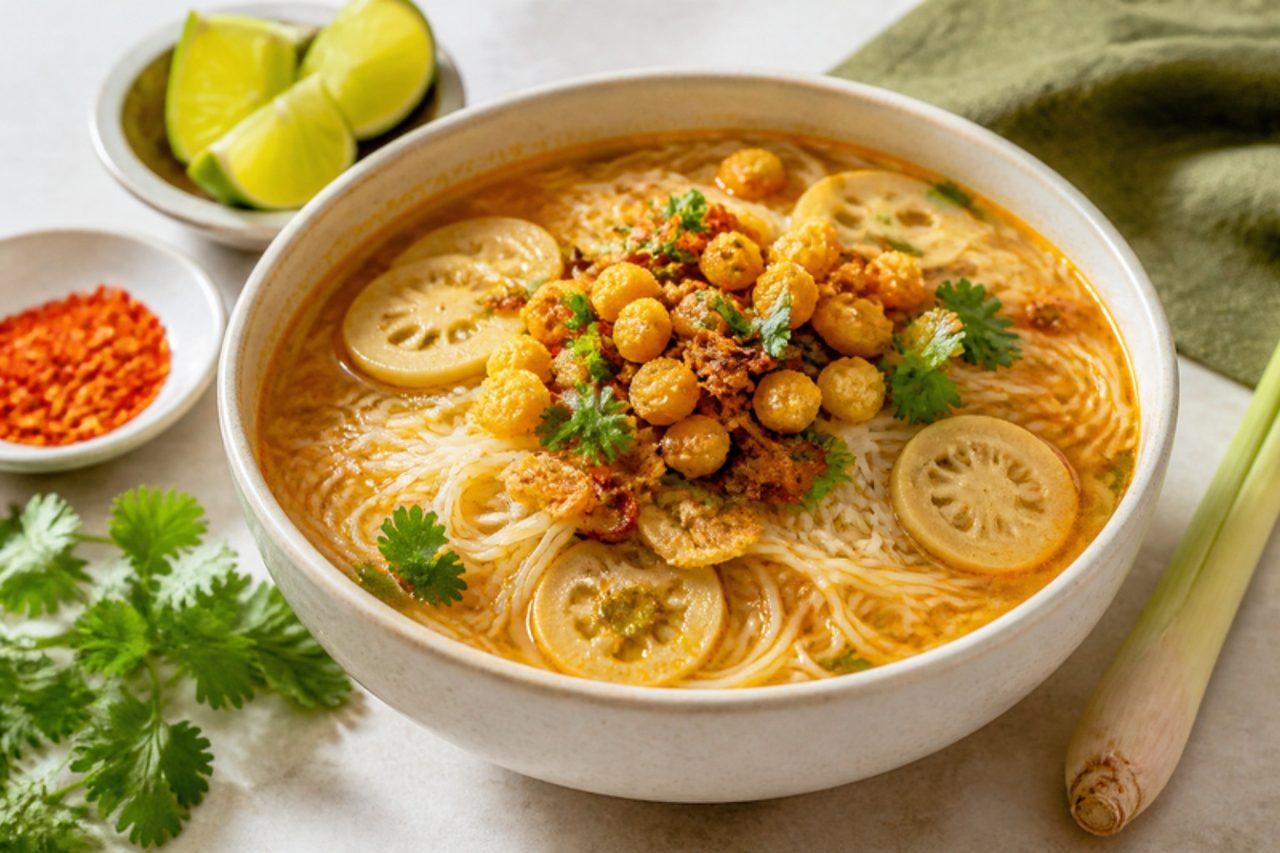
Vegetarian mohinga

Mohinga is Myanmar's national breakfast, ladled from steaming pots at dawn on street corners from Yangon to Mandalay: thin rice noodles in a thick, golden broth fragrant with lemongrass, ginger and toasted chickpea flour, topped with crisp fritters, lime and chilli. The real thing is built on catfish and fish sauce. This vegetarian version is honestly different: dried shiitake and kombu give savouriness instead of fish, and the body comes from toasted chickpea flour, toasted rice powder and banana stem (or palm heart), so it's lighter and earthier rather than fishy. Chef's tip: toast the chickpea flour and rice until golden and nutty before they go in; they carry most of the flavour.

75 minSoupsVegan
by KrazyBadal 0 views

Banh trang nuong

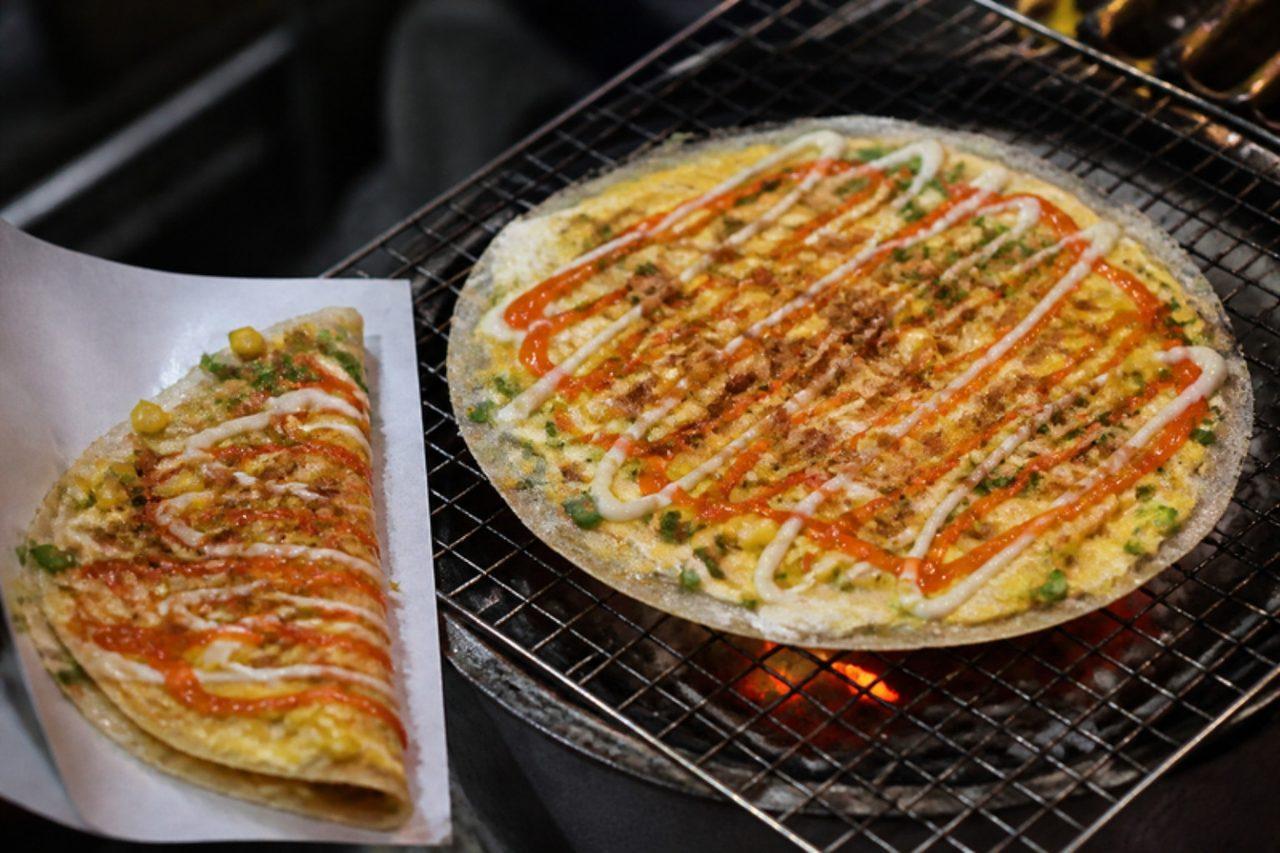
Bánh tráng nướng is the snack of Da Lat's night market, where vendors grill sheets of rice paper over small charcoal braziers, crack on an egg, spread it with a bamboo brush and fold the crackling disc in half to hand over in a paper napkin. Visitors call it Vietnamese pizza. The usual toppings include dried shrimp and sausage; this vegetarian version keeps the egg, spring onion, sweetcorn and crispy shallots, finished with chilli sauce and squiggles of mayonnaise. A dry frying pan does the job at home. Chef's tip: keep the heat low to medium; rice paper scorches in seconds, and it needs time for the egg to set on top while it crisps underneath.

by KrazyBadal 0 views

Kway chap

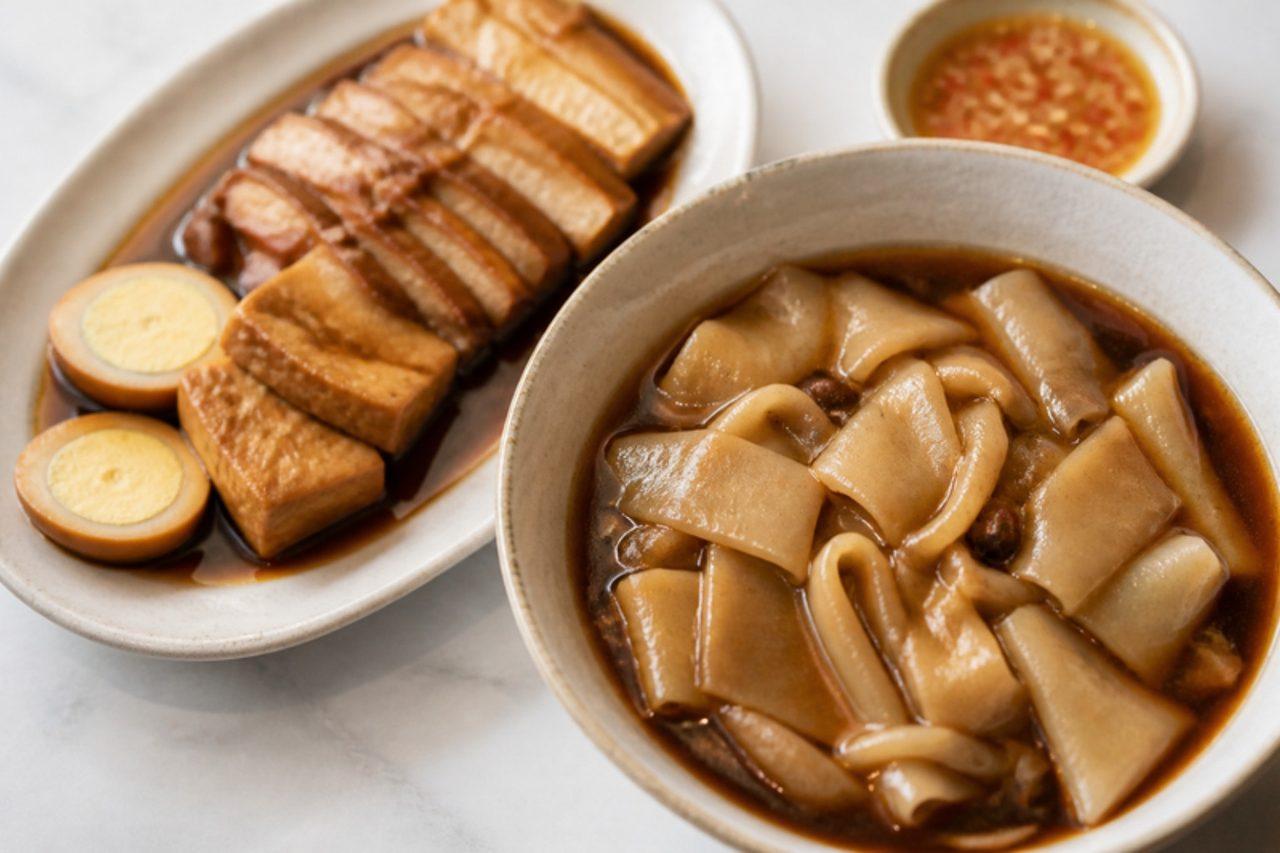
Breakfast in Shantou and Chaozhou often means a steaming bowl of kway chap from a market stall: squares of rice sheet simmered until soft and silky in a dark, gently spiced broth, with braised pork belly, tofu and eggs on the side. Teochew emigrants carried it to Singapore, where it became a hawker centre favourite, but the original is simpler, cheaper and very comforting on a cool morning. The broth tastes of soy, star anise and cinnamon, slightly sweet, and the rice sheets drink it up. Eat it with chilli vinegar, pickled mustard greens and plenty of white pepper. Chef's tip: braise the pork the night before; the flavours settle and you can lift the hardened fat off the top.

60 minSoups
by KrazyBadal 0 views

Mee hokkien Phuket

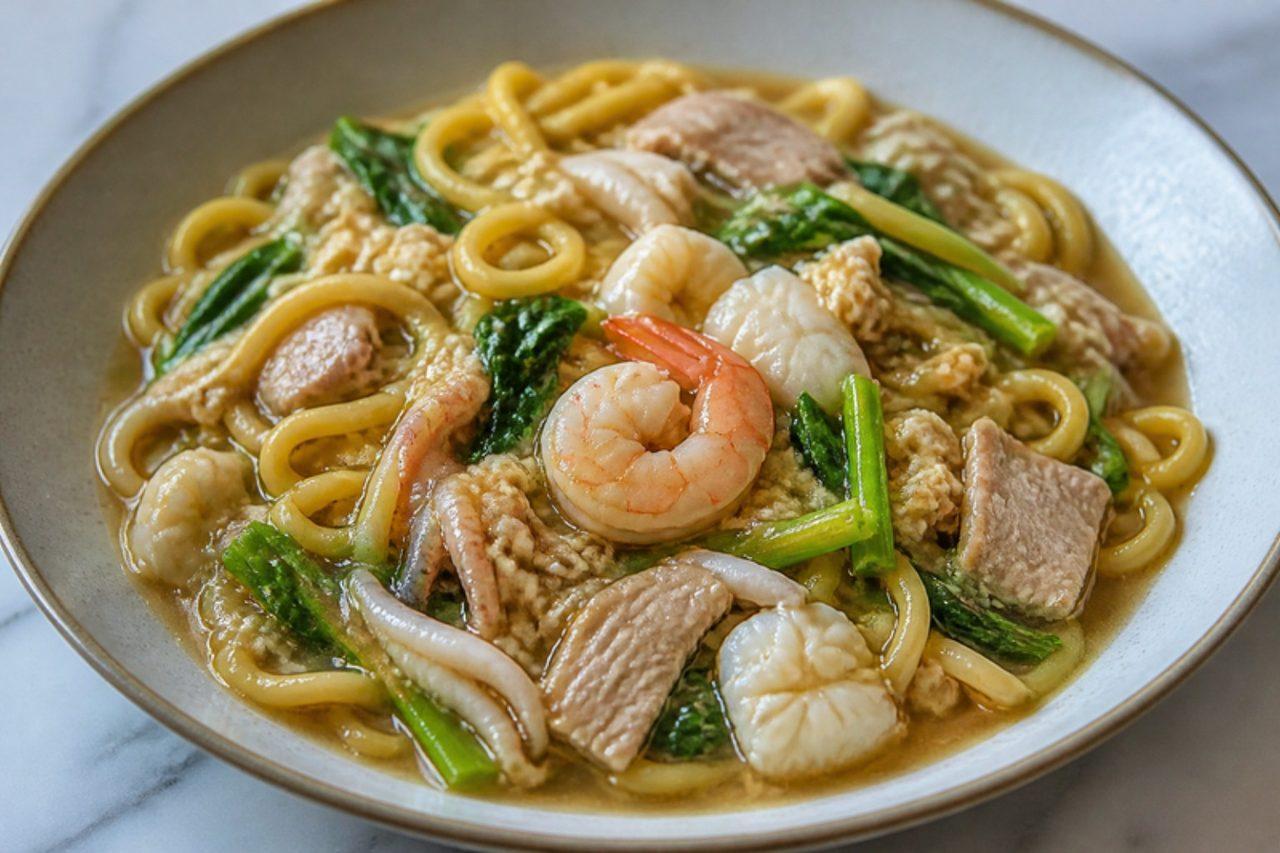
In the Sino-Portuguese shophouses of Phuket Town, descendants of Hokkien tin miners still begin the day with this: fat, chewy yellow egg noodles fried with pork, prawns and squid, then simmered in a little stock until the sauce becomes a savoury gravy that coats every strand, with an egg stirred through at the end. It is the island's signature noodle, ordered in old coffee shops with a glass of strong local coffee or a bowl of clear pork soup. The texture is slippery and thick, the flavour mellow and peppery rather than hot, so chilli vinegar goes on the table. Chef's tip: loosen the fresh noodles under hot water before they go in the wok; cold, stuck-together noodles snap into short pieces when tossed.

by KrazyBadal 0 views

Goes well with crispy fried shallots