
Skip to content

Recipes with smooth sweet red bean paste

3 recipes that use smooth sweet red bean paste, with photos, step-by-step instructions and cook times. The quickest, Yokan, takes 25 minutes. It is most often cooked with sugar, agar powder and dōmyōji-ko.

Got a few things in the fridge? Search by everything you have

Ichigo daifukuStrawberry mochi

Ichigo daifuku appeared in Tokyo sweet shops in the 1980s and quickly became the treat everyone queues for from January to April, when Japanese strawberries are at their best. A whole berry is wrapped in smooth sweet bean paste, then in a thin skin of soft, stretchy mochi, so you get juicy fruit, earthy sweetness and a pillowy chew in one bite. Mochi is very sticky: cut it into small pieces for young children and older people, and make sure they chew well and eat sitting down. The common mistake is wrapping a damp strawberry, which makes the bean paste slide and the mochi split; dry the berries completely. Chef's tip: microwave the mochi dough in short bursts and stir hard between them, until it turns translucent and elastic, rather than in one long blast.

by KrazyBadal 0 views

YokanRed bean jelly

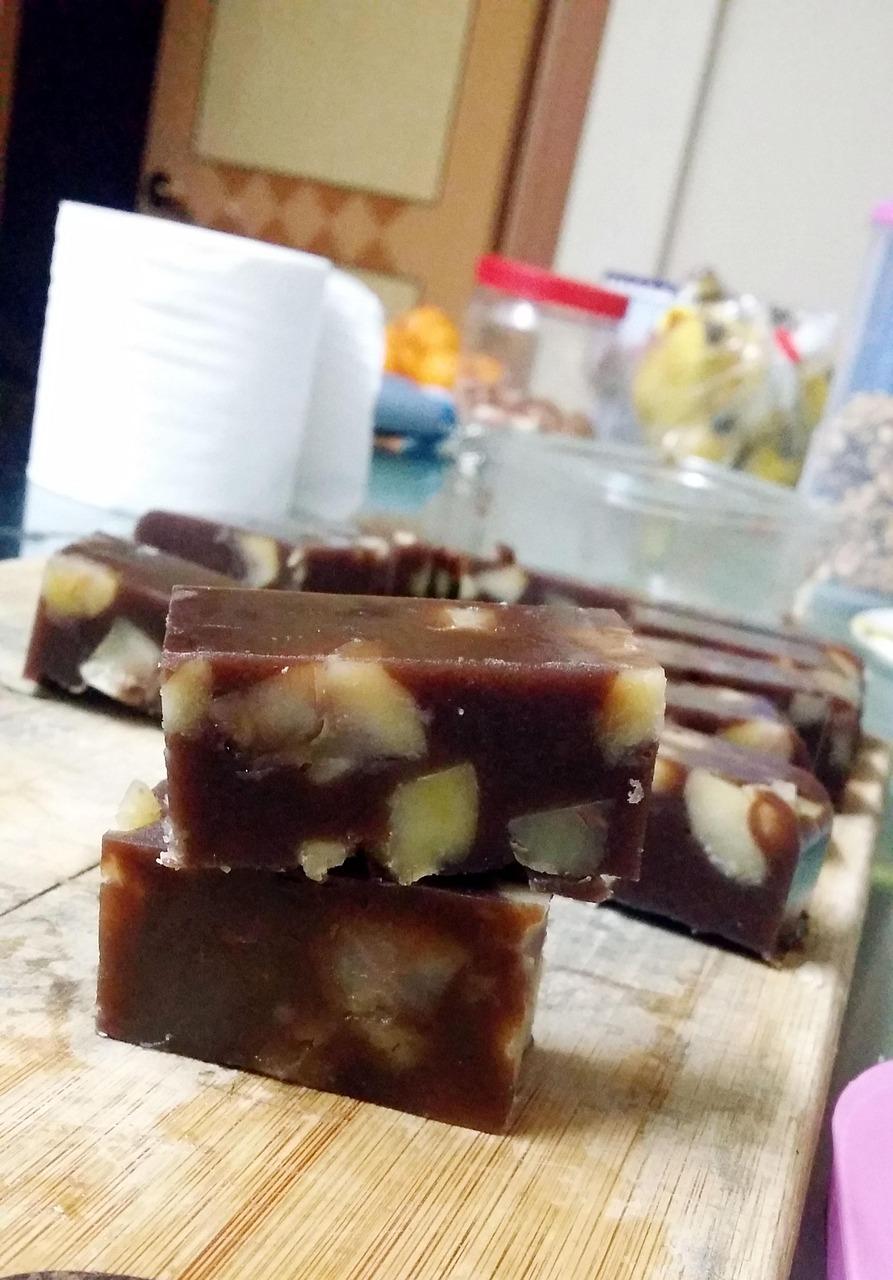
Yōkan is one of Japan's oldest sweets, brought by Zen monks and refined in Edo-period Tokyo into dense, dark blocks that were carried by samurai and are still given as gifts in long wooden boxes. Red bean paste, sugar and agar are cooked down until thick and set into a smooth, firm jelly that slices cleanly, served in thin pieces with bitter green tea. The common mistake is undercooking the agar: it must boil for two full minutes or the yōkan won't set firmly. Chef's tip: cook the paste until a trail drawn across the bottom of the pan holds for a second before closing, which gives the classic firm, glossy neri yōkan.

by KrazyBadal 0 views

Sakura mochiCherry leaf rice cakes

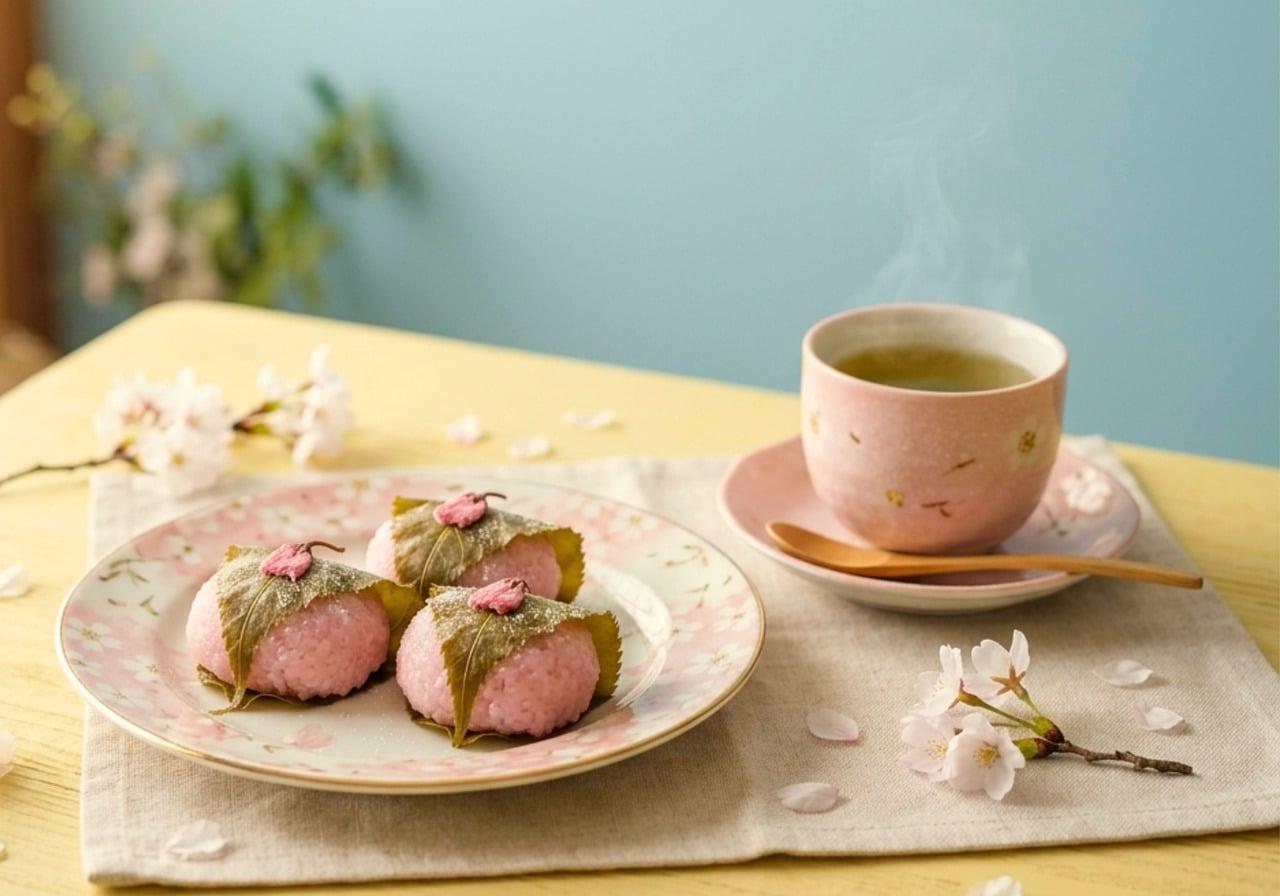
When the cherry trees bloom in late March, every wagashi shop in Japan fills its window with sakura mochi. In the Kansai region around Osaka and Kyoto they are made from coarse dōmyōji-ko, steamed and crushed glutinous rice, tinted soft pink and wrapped around bean paste, then tucked into a salted cherry leaf that perfumes it with an almond-like, floral scent; Tokyo's version is a thin pink crêpe instead. Mochi is very sticky: cut it into small pieces for young children and older people, and make sure they chew well and eat sitting down. The common mistake is not soaking the salted leaves, so the mochi tastes too salty; rinse and soak them for 15 minutes. Chef's tip: the leaf is edible, and eating it with the mochi gives the sweet-salty balance the dish is famous for.

by KrazyBadal 0 views

Goes well with smooth sweet red bean paste