Skip to content

Recipes with shallot

161 recipes that use shallot, with photos, step-by-step instructions and cook times. The quickest, Kangkung goreng, takes 10 minutes. It is most often cooked with garlic, sugar and turmeric.

Run out of shallot? Half an onion per 2 shallots.

Got a few things in the fridge? Search by everything you have

Coto Makassar

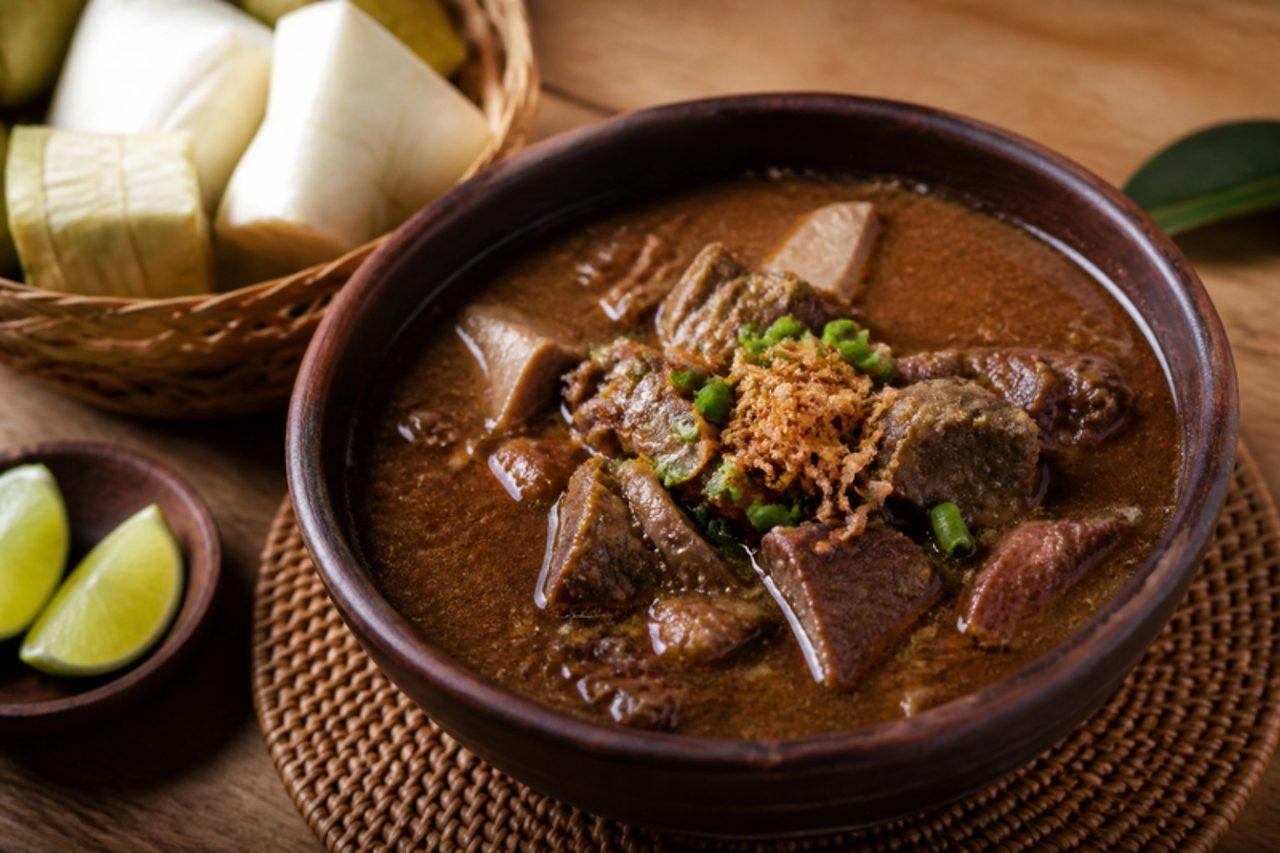
Before the sun is fully up over Makassar's harbour, coto warungs are already serving dockers and office workers alike from huge clay-coloured pots. This South Sulawesi soup is thick, brown and opaque, its body coming from roasted peanuts ground almost to flour and simmered into a broth made with the cloudy water from rinsing rice. Diced beef (and traditionally offal) sits in a nutty, cumin-and-pepper broth that's eaten with diamond-shaped ketupat rice cakes broken into the bowl, plus lime and a spoon of chilli. Chef's tip: grind the cooled peanuts in short bursts and stop while they're still sandy; a few seconds too long and you get peanut butter that turns the soup claggy.

by KrazyBadal 0 views

Sambal terasi

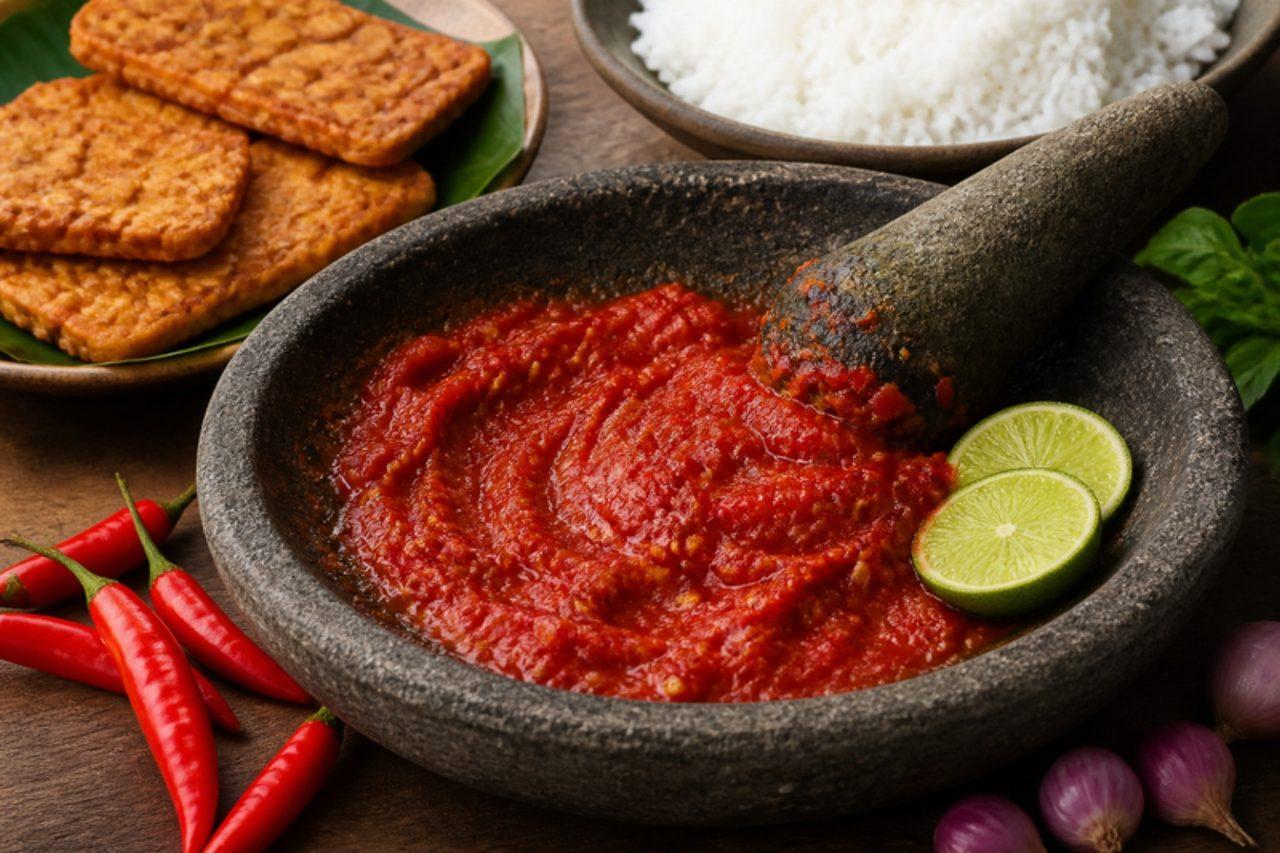
Almost every Indonesian kitchen keeps a stone mortar, the cobek, and the sambal pounded in it most often is this one. Toasted shrimp paste gives it a deep, savoury funk, fried chillies and shallots add sweetness and heat, and a squeeze of lime at the end wakes everything up. Spoon it beside fried chicken, grilled fish, fried tempeh or a plate of raw lalapan vegetables, or stir a little into fried rice. Chef's tip: pound rather than blend if you can; a coarse, slightly juicy texture tastes fresher than a smooth purée.

by KrazyBadal 0 views

Sate lilit

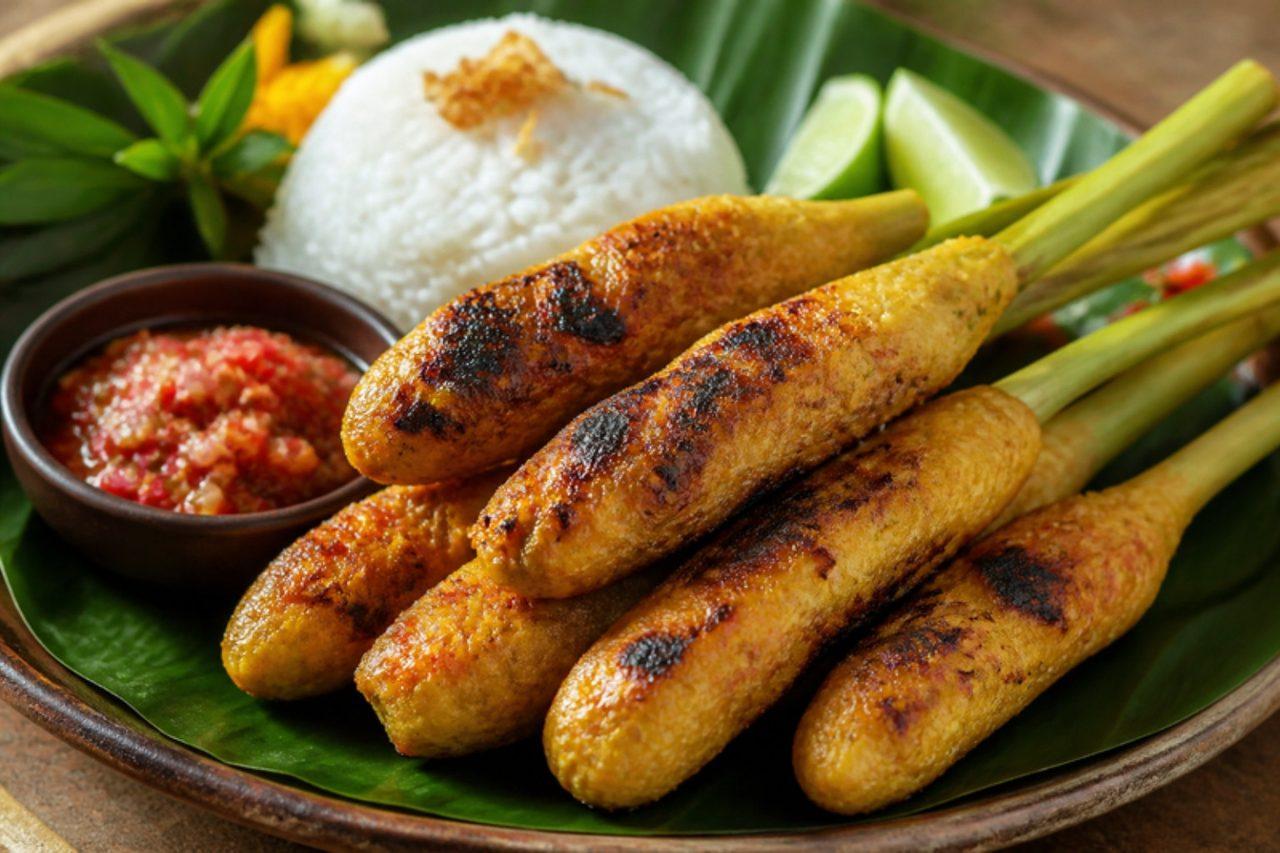
When a Balinese village gets ready for a temple festival, the men gather the night before to chop, pound and mix sate lilit, while the women prepare the offerings. 'Lilit' means to wrap: instead of threaded chunks, a soft mixture of minced fish, grated coconut and base genep spice paste is moulded around lemongrass stalks or flat bamboo sticks and grilled over coconut-husk embers. The result is tender and lightly springy inside, browned and smoky outside, with the lemongrass perfuming every bite. Eat them hot with rice, sambal matah and a wedge of lime. Chef's tip: knead the mixture firmly until it feels sticky and chill it before shaping, or it will slide off the sticks on the grill.

by KrazyBadal 0 views

Rawon

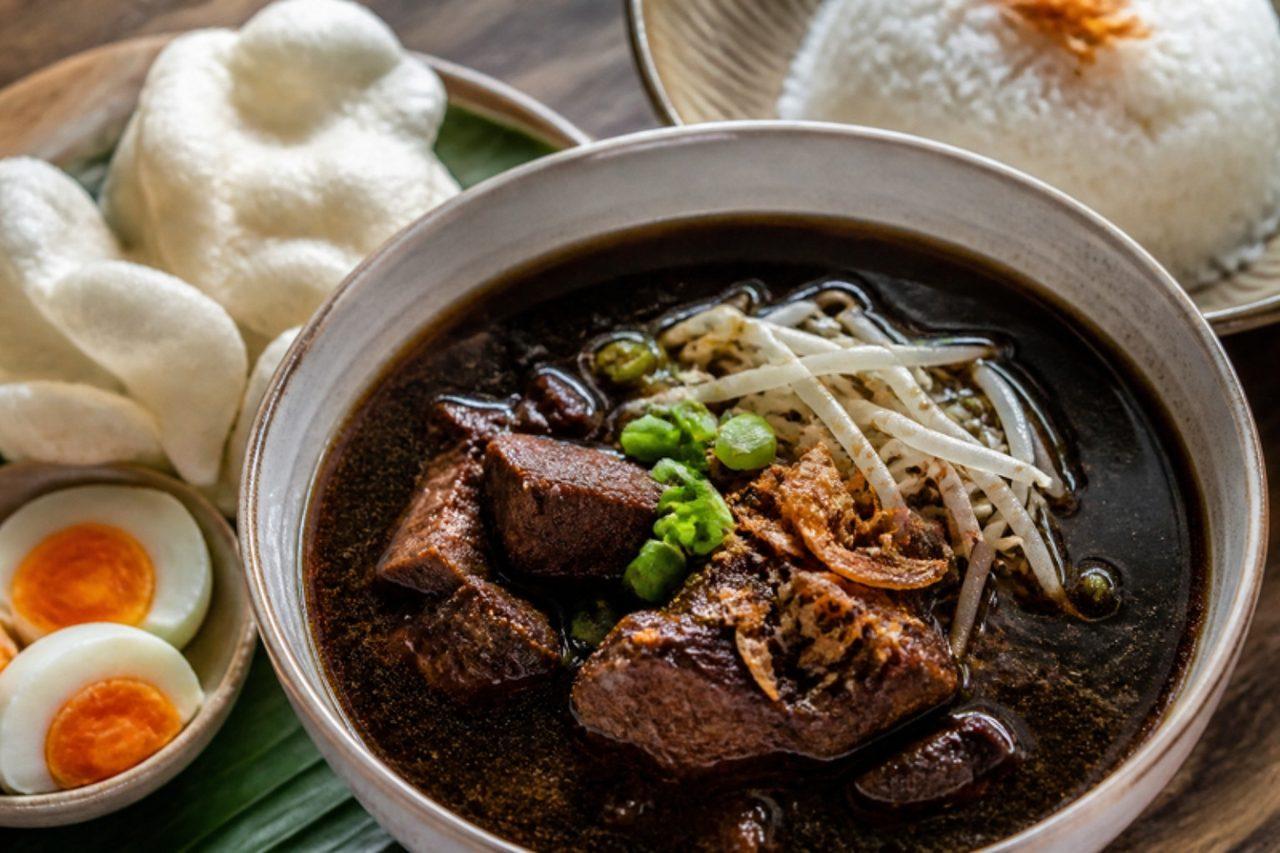
Nothing else on the table looks like rawon: a beef soup as dark as strong coffee, served in Surabaya from breakfast through to the late-night warungs that stay open after the football. Its colour and flavour come from keluak (kluwek), the fermented kernel of a tropical tree nut, which tastes earthy and faintly bitter, somewhere between black olive, cocoa and mushroom. Tender beef cubes swim in the broth, and it's served with rice, short crunchy bean sprouts, a salted duck egg and prawn crackers for crunch. Raw keluak contains a natural poison and is only safe after long processing, so always buy ready-prepared kluwek nuts from an Asian grocer. Chef's tip: crack one nut first and taste a crumb; good flesh is moist, black and smells chocolatey, while sour or dry, pale flesh should be thrown away.

by KrazyBadal 0 views

Sate Padang

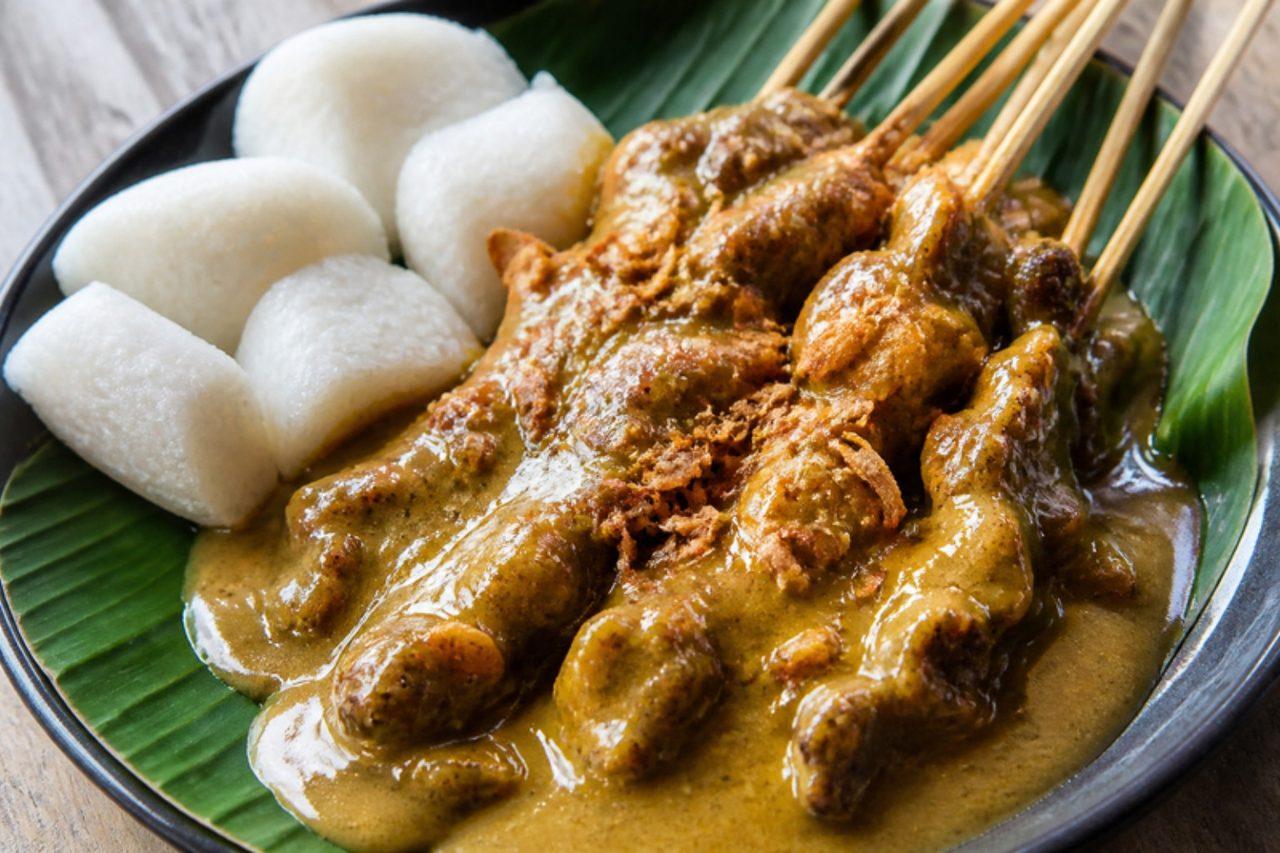
Night-time in Padang and Bukittinggi brings out the sate carts, fanning charcoal under skewers of beef that were already simmered tender in spices before they ever met the grill. That two-stage cooking is what sets West Sumatra's satay apart, and so is the sauce: no peanuts at all, but the spiced cooking broth thickened with rice flour into a smooth, glossy, turmeric-yellow gravy with plenty of chilli and ginger. It is ladled generously over the skewers and over slices of ketupat rice cake on a banana leaf, then finished with fried shallots and a crisp cracker. Chef's tip: keep the cooking broth; it's the base of the sauce, and the deeper it tastes, the better your sate.

by KrazyBadal 0 views

Bebek betutu

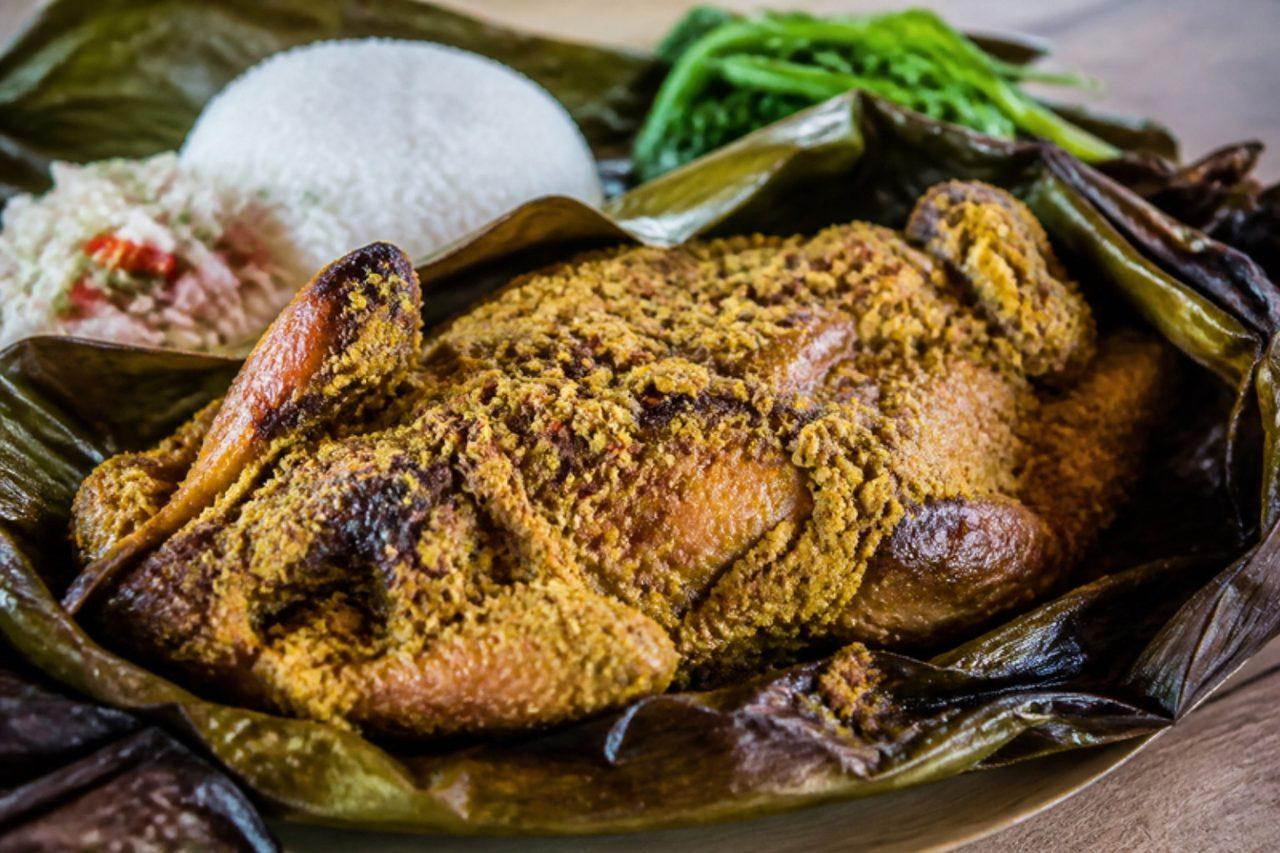
For ceremonies in the villages around Gianyar in central Bali, a whole duck is stuffed and smothered with base genep, wrapped in banana leaves and areca-palm sheath, and buried overnight in smouldering rice husks. By morning the meat has turned meltingly soft, the fat has rendered into the spices and the parcel smells of turmeric, smoke and lime leaf. This home version keeps the stuffing and the leaf parcel but uses a low oven for three hours, then opens the parcel for a short blast to colour the skin. Serve it in its juices with rice, a sharp sambal matah and long beans or water spinach. Chef's tip: marinate the duck overnight in the fridge if you can; the paste needs time to get past the fat and into the meat.

by KrazyBadal 0 views

Ayam rica-rica

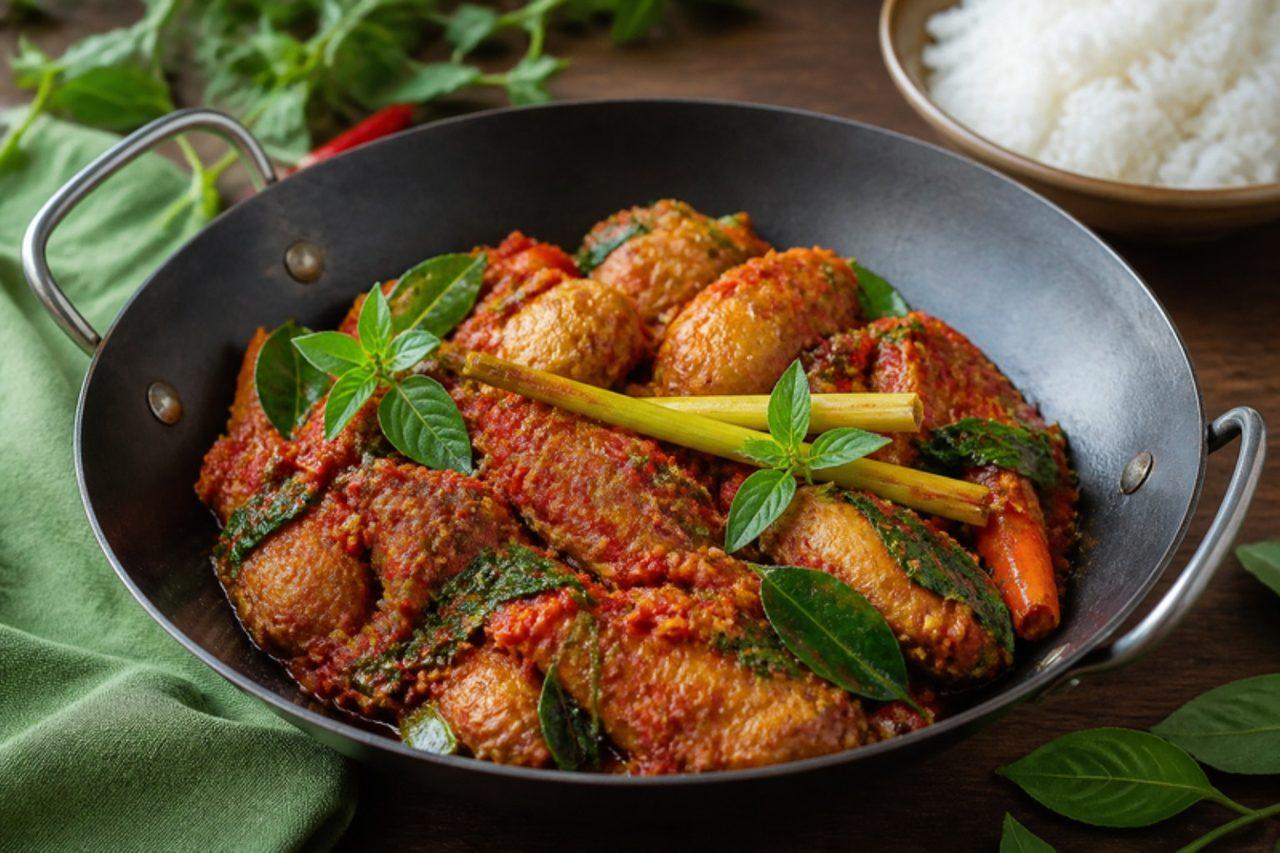
Rica means chilli in the Manado dialect, and North Sulawesi cooks are not shy with it. Ayam rica-rica turns up at Minahasa family parties and church gatherings, a heap of chicken pieces coated in a coarse, scarlet paste of fresh chillies, shallots and ginger, finished with tomato, spring onion and a fistful of lemon basil. It's hot, bright and fresh rather than deep and stewed, with a sticky sauce that clings to the meat. Serve it with lots of steamed rice and a cooling cucumber salad. Chef's tip: blend the paste coarse, with as little water as possible; a wet, smooth paste steams instead of frying and never gets that glossy, toasty edge.

by KrazyBadal 0 views

Pallubasa

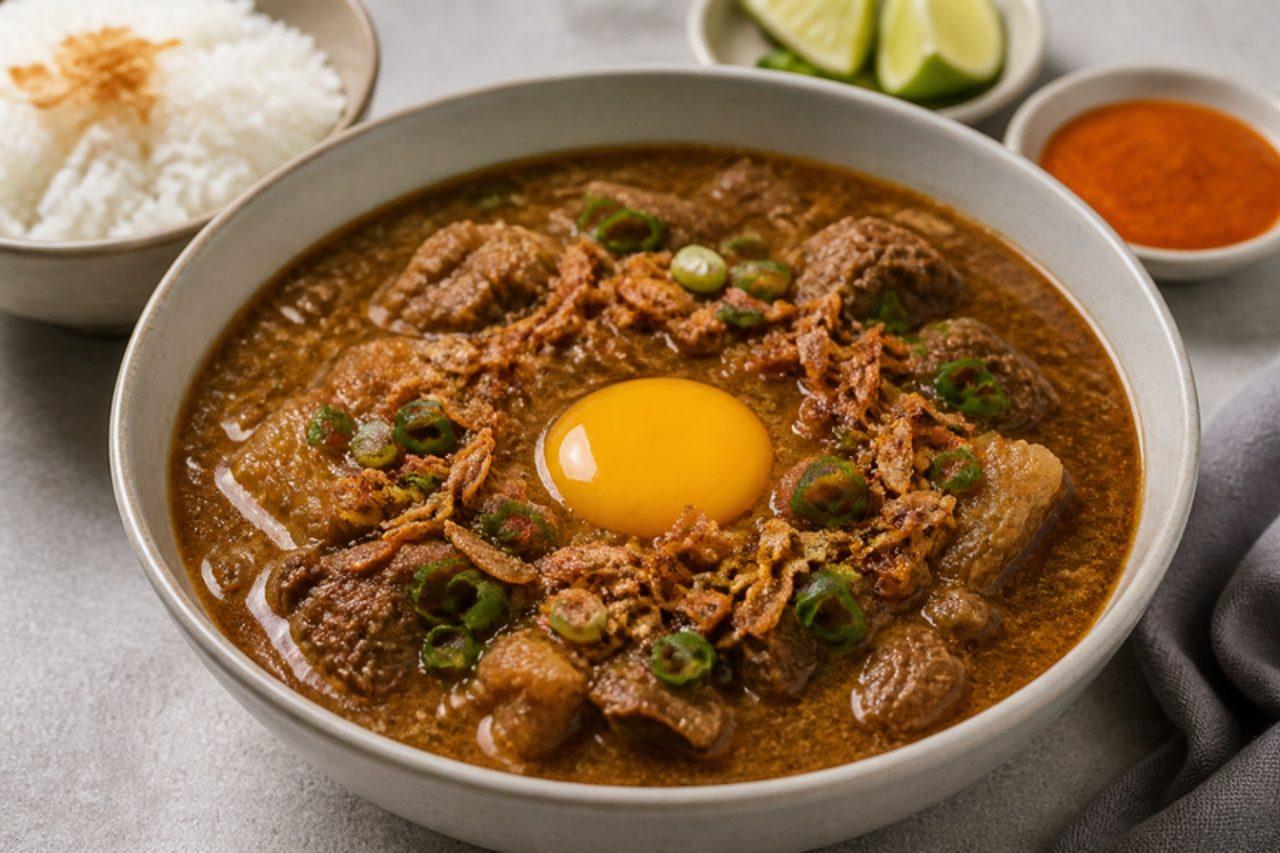
Makassar's other great beef soup is darker, richer and more coconutty than coto, and locals argue about which is better over late lunches at pallubasa houses near the port. The secret is kelapa sangrai: grated coconut toasted slowly to a deep brown and pounded, which gives the broth a roasted, almost nutty sweetness and a slightly gritty, full body. It's eaten with a mound of plain rice rather than rice cakes, and for the full version you ask for 'alas', a raw egg yolk dropped in the bowl that you stir into the boiling soup until it turns silky. Offal is traditional but optional; tender beef alone is delicious. Chef's tip: the coconut must reach the colour of milk chocolate, not black, because burnt coconut makes the whole pot bitter.

by KrazyBadal 0 views

Soto Betawi

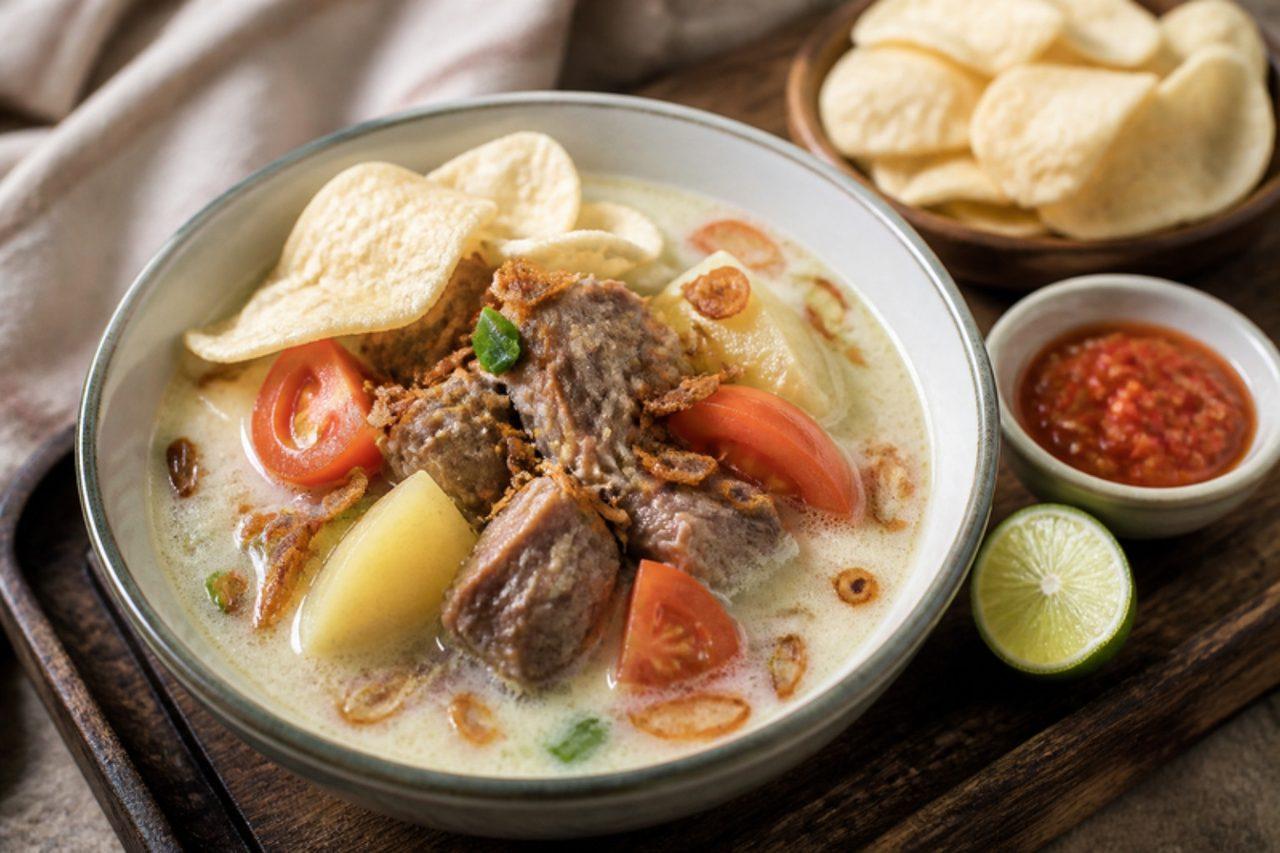
Jakarta's original Betawi community gave the capital this rich, pale-gold soup, and on a Sunday the soto Betawi stalls along the city's side streets are packed with families. Beef brisket (and, for many, tripe) simmers until tender, then goes into a gently spiced broth made creamy with coconut milk and a splash of fresh milk, scented with lemongrass, cinnamon and cloves. Each bowl is loaded with fried potato, raw tomato and spring onion and comes with rice, lime, sambal and bitter-crisp emping crackers. It's comforting and mellow rather than fiery. Chef's tip: for a dairy-free bowl, swap the milk for more coconut milk; the soup will be a little heavier but just as good.

by KrazyBadal 0 views

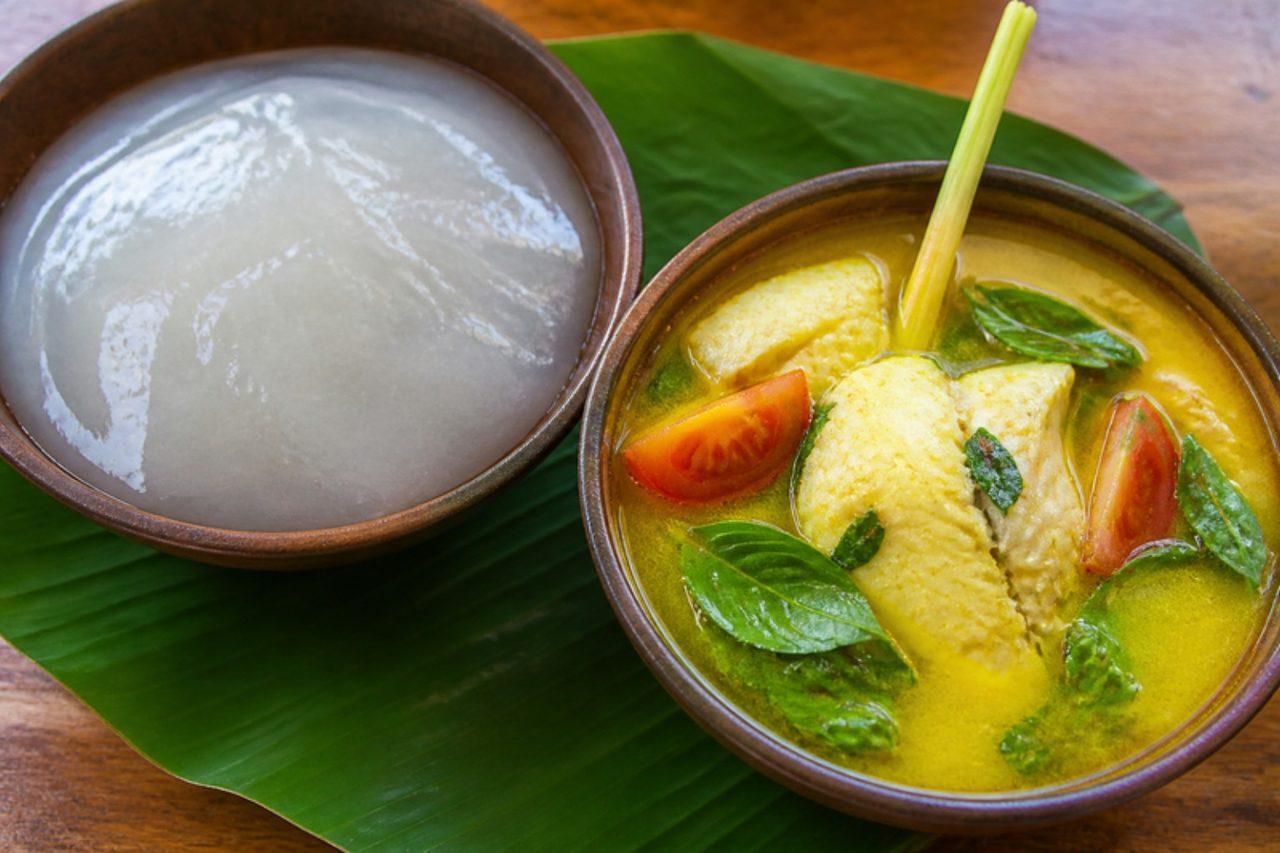
Papeda with ikan kuah kuning

In Ambon, Jayapura and the islands between, the everyday staple isn't rice but papeda: sago starch stirred with boiling water into a translucent, glue-like porridge. It has almost no taste of its own, which is the point; it's eaten with ikan kuah kuning, a sharp, yellow fish soup bright with turmeric, lime and lemon basil. Families twirl the papeda out of the pot on two sticks, drop it into a bowl and ladle the soup over, then slurp it down without chewing. The texture is surprising the first time: slippery, soft and soothing next to the hot, sour broth. Chef's tip: the water must be at a full rolling boil when it hits the sago, or the papeda stays white and lumpy instead of turning clear.

by KrazyBadal 0 views

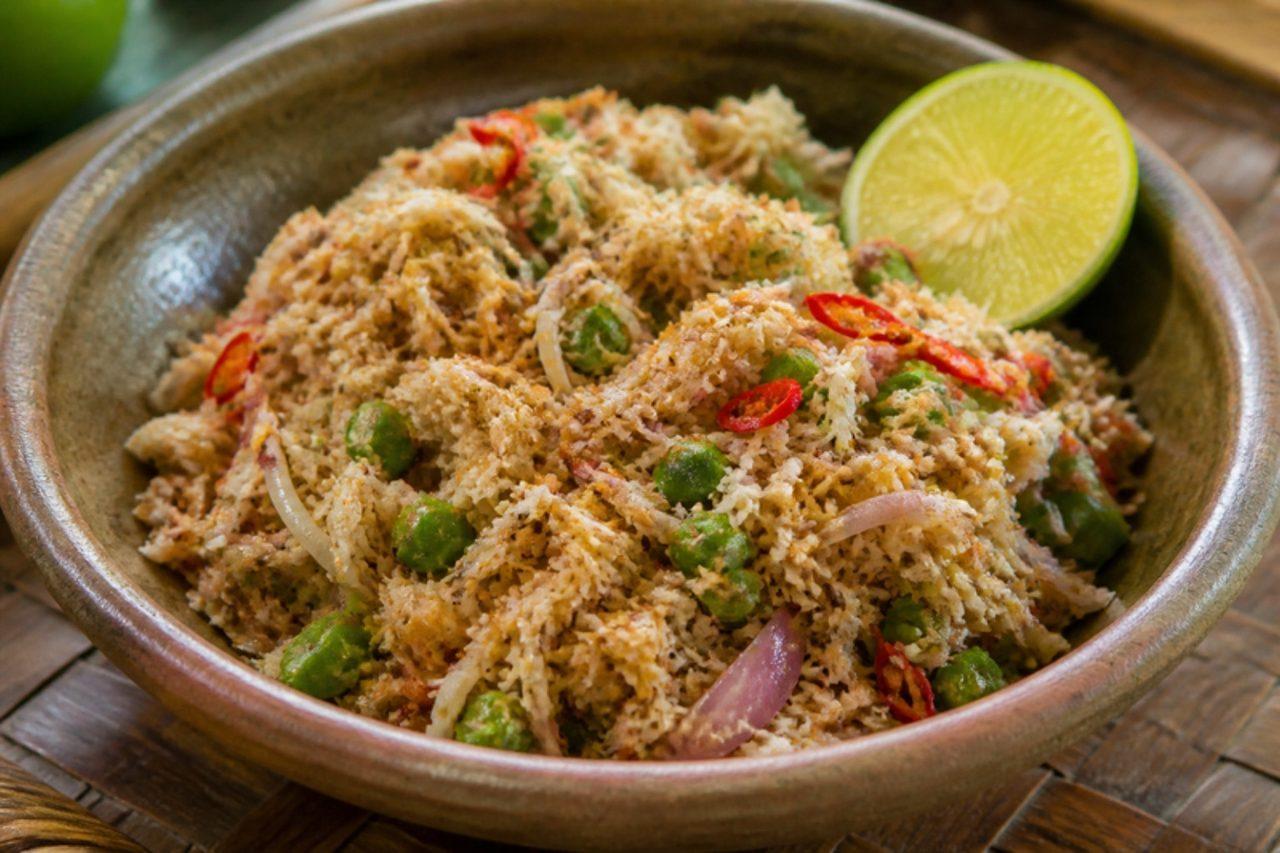
Kohu-kohu

Ambon's fish markets sell ikan asar, tuna smoked over coconut husks, and one of the best things to do with it is kohu-kohu. Flakes of the smoky fish are tossed with crisp shredded long beans, bean sprouts, lightly toasted coconut, raw shallot, chilli and plenty of lime, making a salad that is crunchy, smoky, sour and hot all at once. It's a staple at Maluku family meals, often served next to papeda and fish soup or simply with rice. Chef's tip: mix it no more than an hour before eating; fresh coconut goes limp and sour if it sits around, and the salad loses its crunch.

by KrazyBadal 0 views

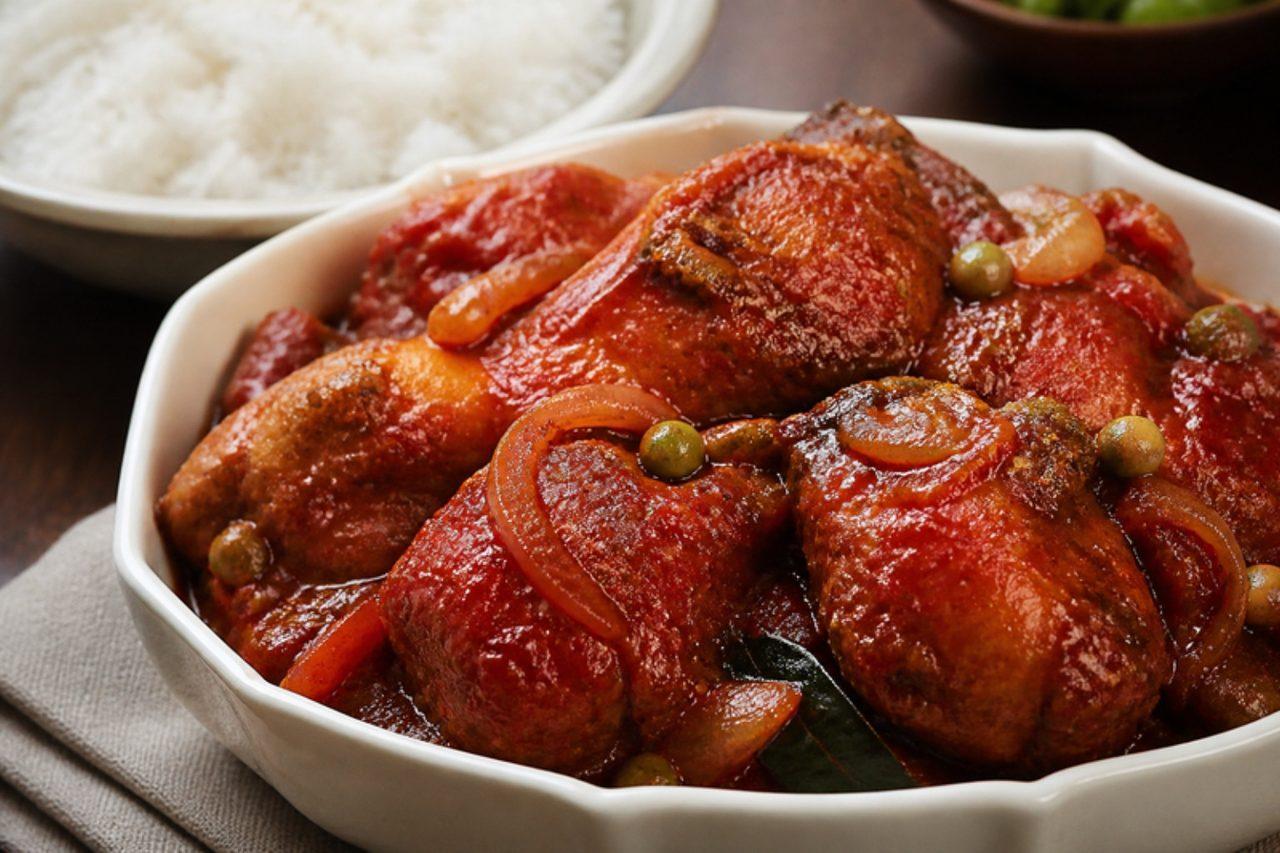
Ayam masak merah

Red-cooked chicken turns up at almost every Malay kenduri (wedding feast) and Hari Raya open house across Malaysia, ladled out of huge pots beside nasi minyak or plain rice. The chicken pieces are fried first so the skin firms up, then simmered in a brick-red sauce of blended dried chillies, tomato and onion that tastes sweet first, then hot, then tangy. Cinnamon, star anise and cloves give it a warm, almost festive smell, and a splash of coconut milk at the end rounds off the edges. Serve it with steamed rice, cucumber slices and a spoon of acar (pickled vegetables). Chef's tip: fry the chilli paste until it darkens and the oil seeps out (pecah minyak) before any tomato goes in; raw paste makes the sauce taste harsh and bitter.

by KrazyBadal 0 views

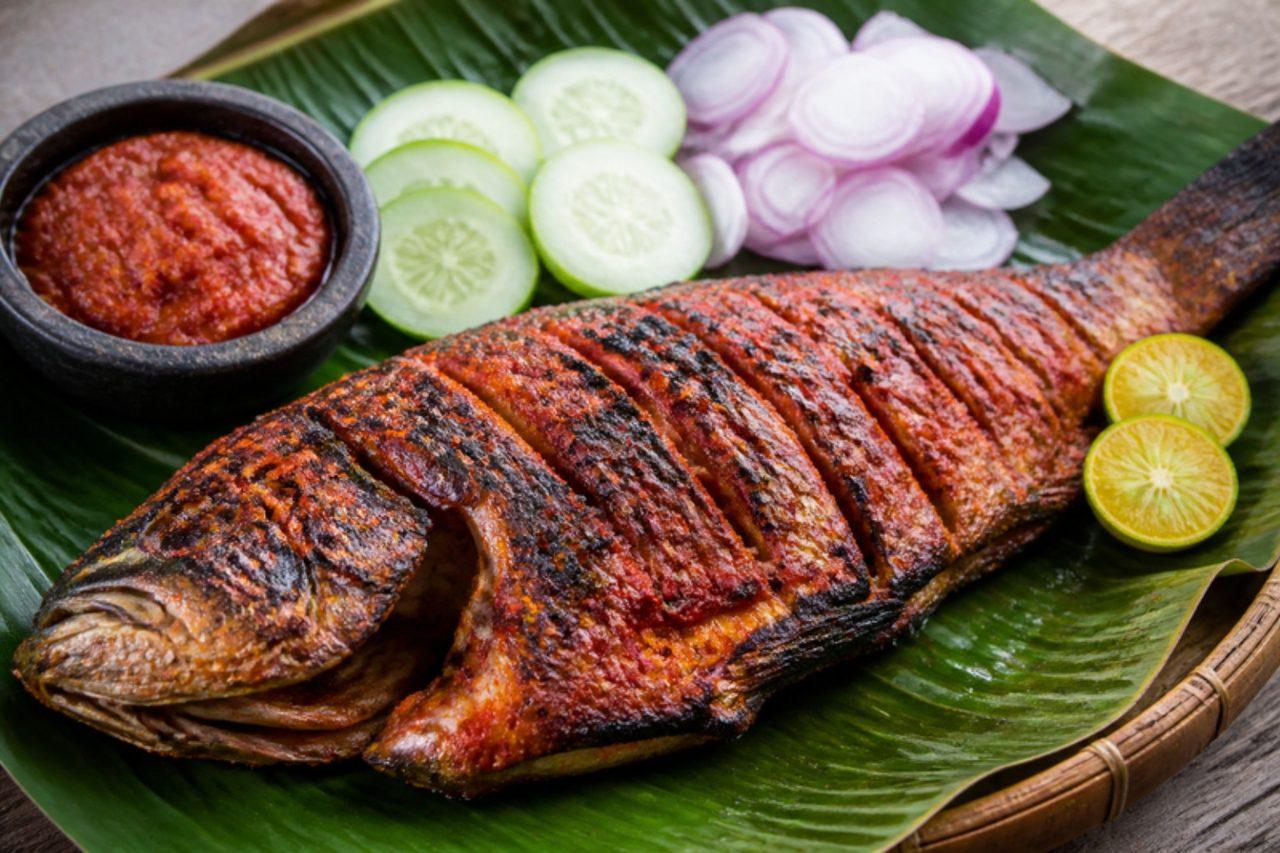
Ikan bakar

Night markets and seaside stalls from Port Dickson to Kuantan announce ikan bakar by smell long before you see the charcoal: whole fish or stingray wings smeared with red sambal, laid on banana leaf and grilled until the leaf blackens and the paste caramelises onto the flesh. The leaf keeps the fish moist and lends a faint tea-like smokiness, while the sambal brings shrimp-paste depth, tamarind sourness and steady heat. It is eaten with the fingers, with plain rice, cucumber and a sharp dip called air asam made from tamarind, chillies and shallots. Chef's tip: score the fish right down to the bone so the sambal seeps into the cuts and the thickest part cooks at the same pace as the tail.

by KrazyBadal 0 views

Satay (Kajang)

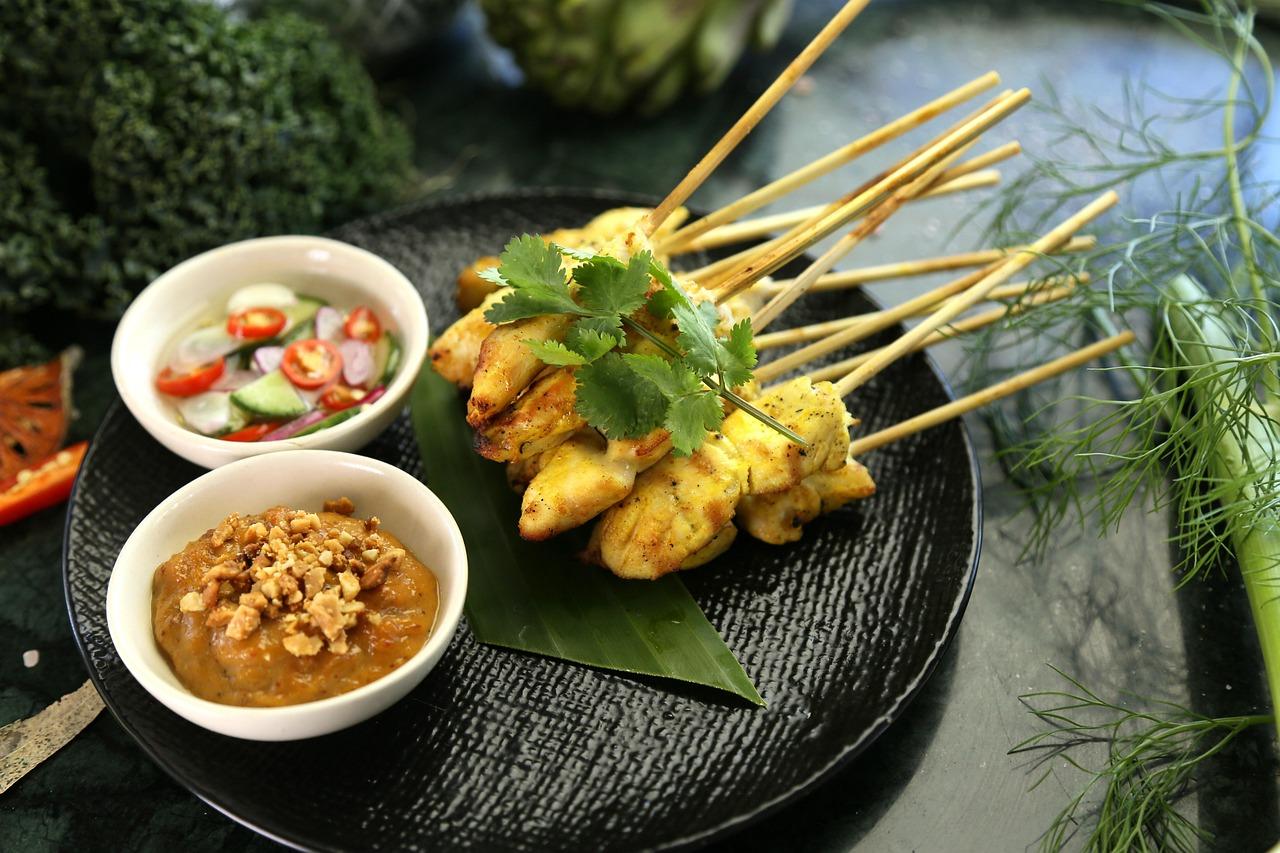
The town of Kajang, just south of Kuala Lumpur, built its name on satay, and evenings there still smell of lemongrass smoke drifting from long charcoal troughs. Kajang skewers are cut in larger chunks than most, soaked in a yellow marinade of turmeric, lemongrass, cumin and fennel, and grilled while being basted with oil brushed on through a lemongrass stalk. They come with a chunky, sweet-spicy peanut sauce, cubes of compressed rice (nasi impit), raw onion and cucumber. Order them by the dozen with friends as a starter or a whole supper. Chef's tip: thread a small piece of chicken skin or fat between the meat on each skewer; it melts over the coals and keeps the satay juicy.

by KrazyBadal 0 views

Penang asam laksa

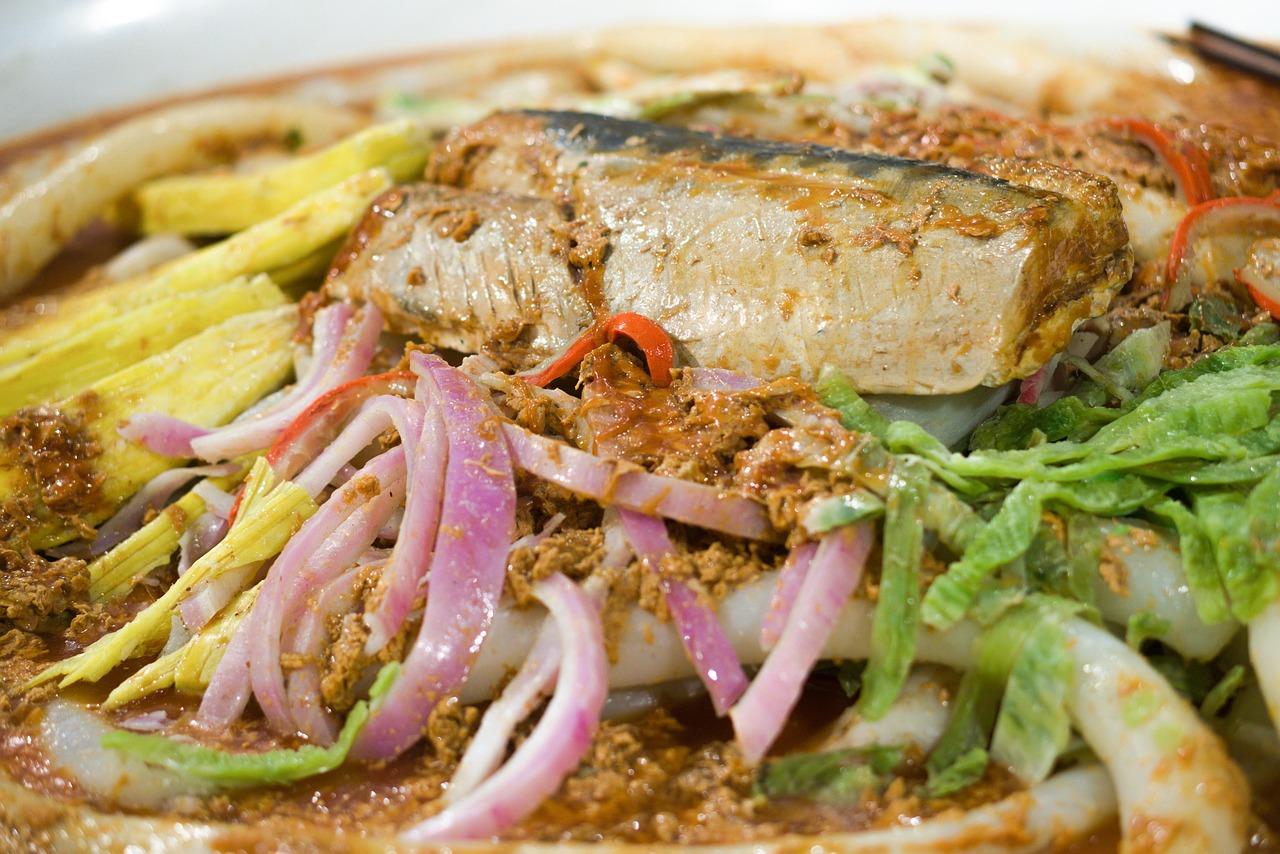
Forget coconut and cream: Penang's asam laksa is all sour, hot and herbal, a dark tamarind broth thickened with flaked mackerel and poured over thick, slippery rice noodles. Hawkers at Air Itam market and along Gurney Drive pile the bowl with shredded pineapple, cucumber, red onion, lettuce, torn mint and a spoon of sticky, sweet prawn paste (hae ko) that you stir in as you eat. Torch ginger flower and Vietnamese mint (daun kesum) give it a smell that is wholly its own. It is a hot-afternoon dish, eaten fast while the herbs are still crisp. Chef's tip: poach the mackerel in the broth whole, then flake it back in; the bones and skin give the soup much of its body.

by KrazyBadal 0 views

Ayam pongteh

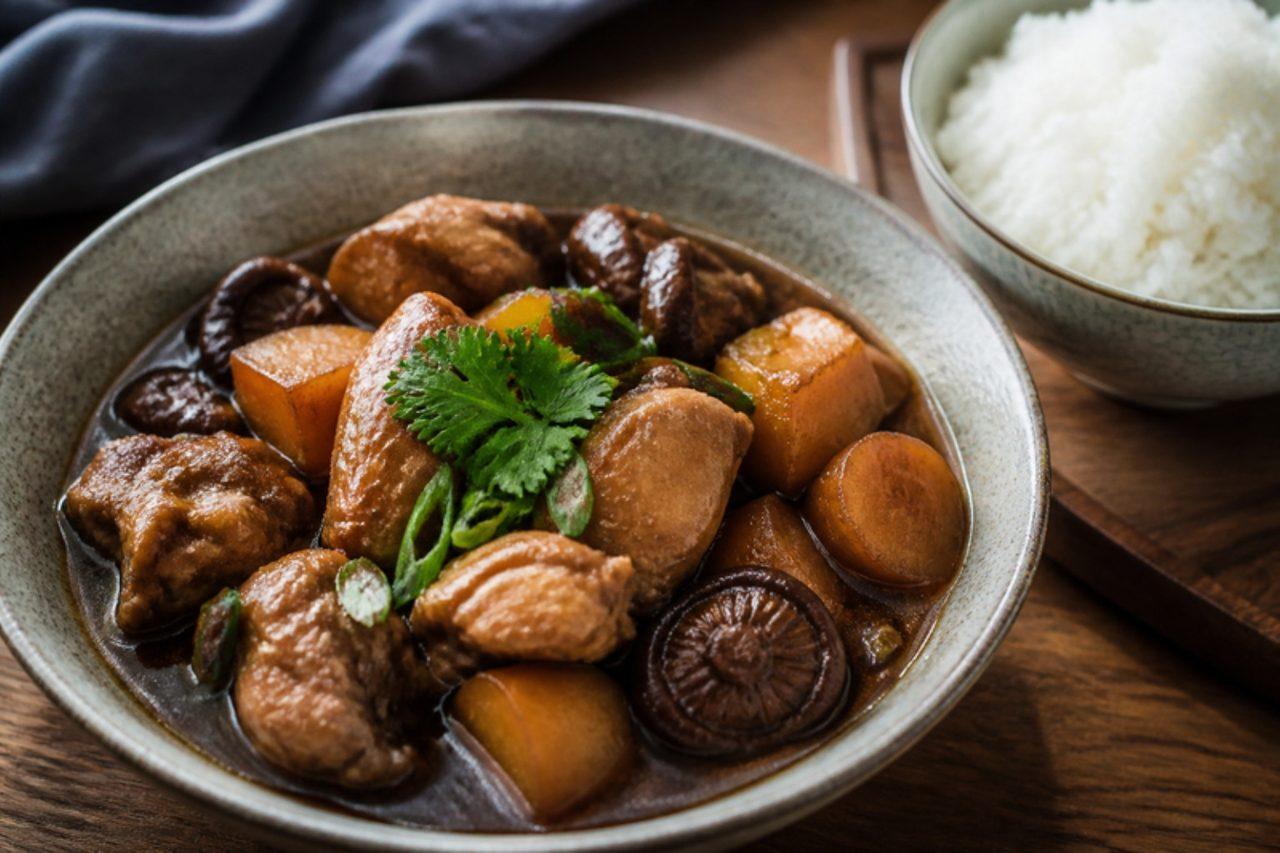
Melaka's Peranakan (Nyonya) kitchens cook ayam pongteh for family dinners and for the Chinese New Year reunion table: a dark, gentle braise of chicken and potatoes that has no chilli at all. Its savour comes from taucheo, salted fermented soybeans, fried with a lot of shallots and garlic, sweetened with palm sugar and coloured with dark soy. The gravy is thin, glossy and moreish, and the potatoes drink it up until they are soft enough to crush with a spoon. Spoon it over plain rice with sambal belacan on the side for anyone who wants heat. Chef's tip: pound the shallots rather than blending them to a purée; slightly coarse shallots melt into the gravy and give it body.

by KrazyBadal 0 views

Otak-otak

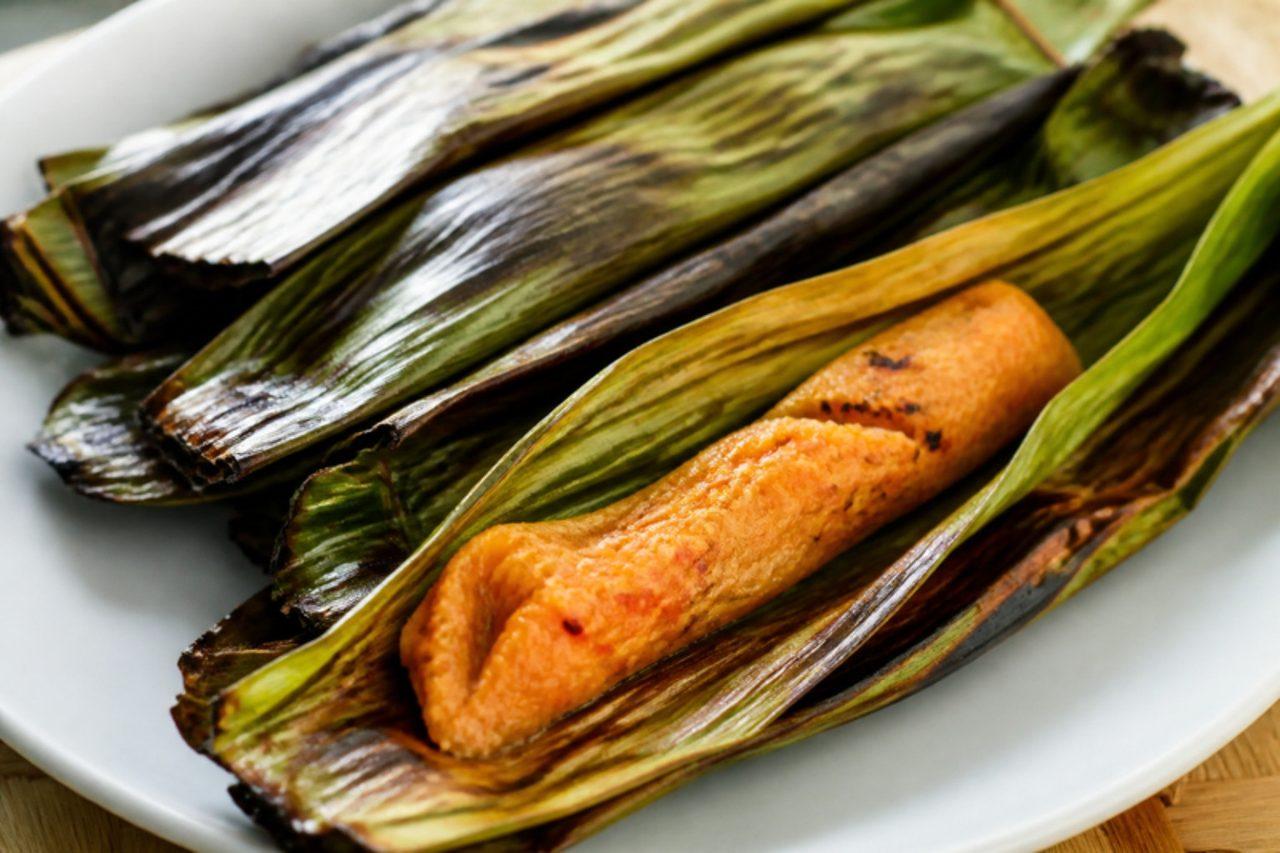
Drive through Muar in Johor and you will see roadside grills stacked with slim green parcels, sold by the dozen in paper bags for the journey home. Inside each is a soft, bright-orange custard of pounded mackerel, coconut milk and egg, flavoured with a chilli-lemongrass rempah and kaffir lime leaf, which turns smoky and slightly charred at the edges from the grill. Melaka's Nyonya cooks make a fatter, steamed version, but this one is grilled in banana leaf. Eat it warm, peeled straight out of the leaf, with white bread, rice or nasi lemak. Chef's tip: chill the fish mixture for 15 minutes before wrapping; it firms up and is far easier to spoon onto the leaves.

by KrazyBadal 0 views

Nasi dagang

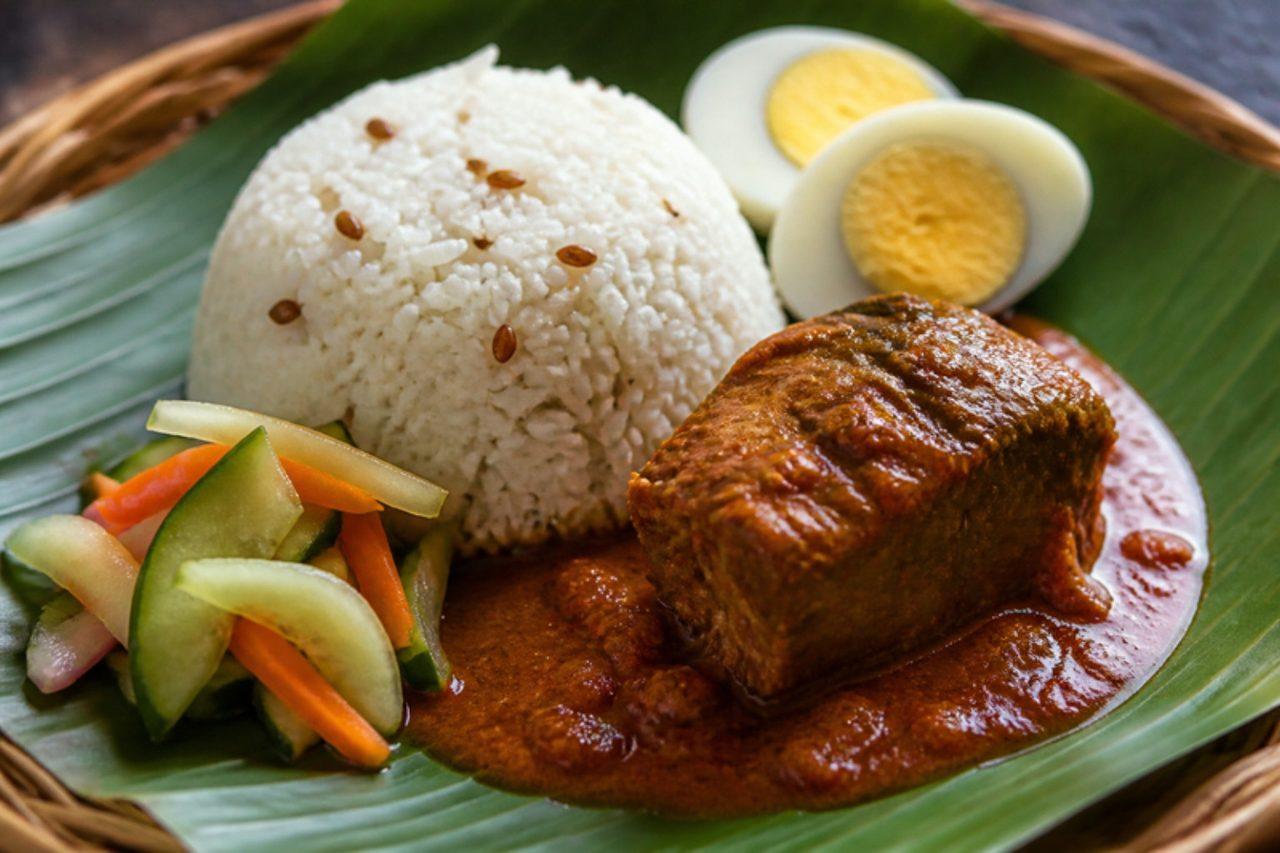
Breakfast on the east coast, in Kuala Terengganu and Kota Bharu, very often means nasi dagang: soft, slightly sticky rice steamed twice with coconut milk, ginger and fenugreek seeds, wrapped in paper with a ladle of gulai ikan tongkol, a gentle tuna curry. The rice is fragrant and a little chewy from the glutinous grains mixed in, while the curry is mellow, coconutty and sour from dried tamarind slices. Stalls sell it from dawn, with hard-boiled eggs and cucumber pickle on the side. It also makes a fine weekend brunch at home. Chef's tip: soak the two kinds of rice overnight so the grains steam evenly and turn plump rather than chalky.

by KrazyBadal 0 views

Vegetable Shan noodles

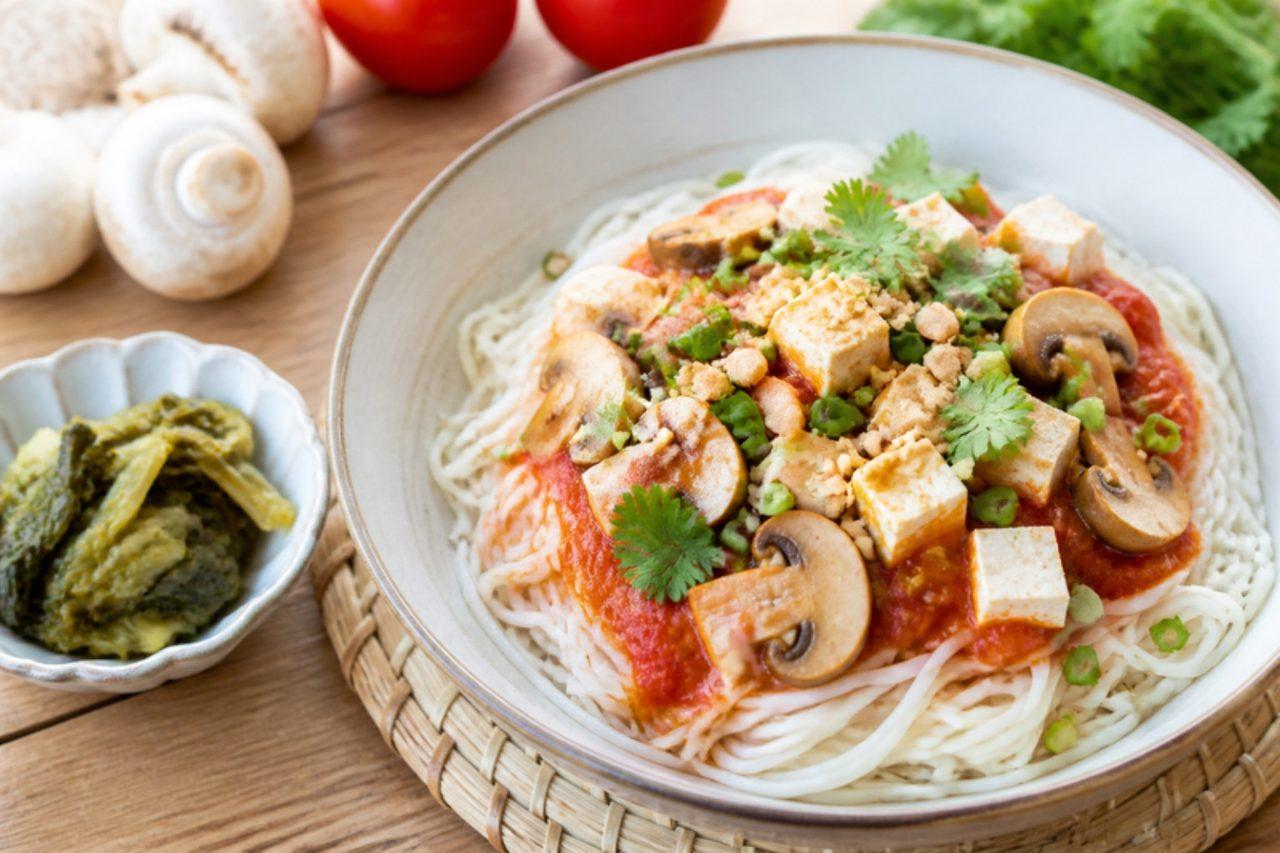
Shan khao swe comes from the hills of Shan State in eastern Myanmar, where it's eaten for breakfast at markets around Inle Lake and Taunggyi before the day's work begins. Sticky rice noodles are tossed with a garlicky tomato sauce, sesame oil and crushed peanuts, then served with pickled mustard greens and a small bowl of clear broth on the side. Markets usually make the sauce with chicken or pork; here mushrooms and tofu give it the same savoury depth. Chef's tip: cook the tomatoes down until the oil separates and the sauce turns jammy; a watery sauce slides off the noodles and tastes flat.

by KrazyBadal 0 views

Manok pansoh

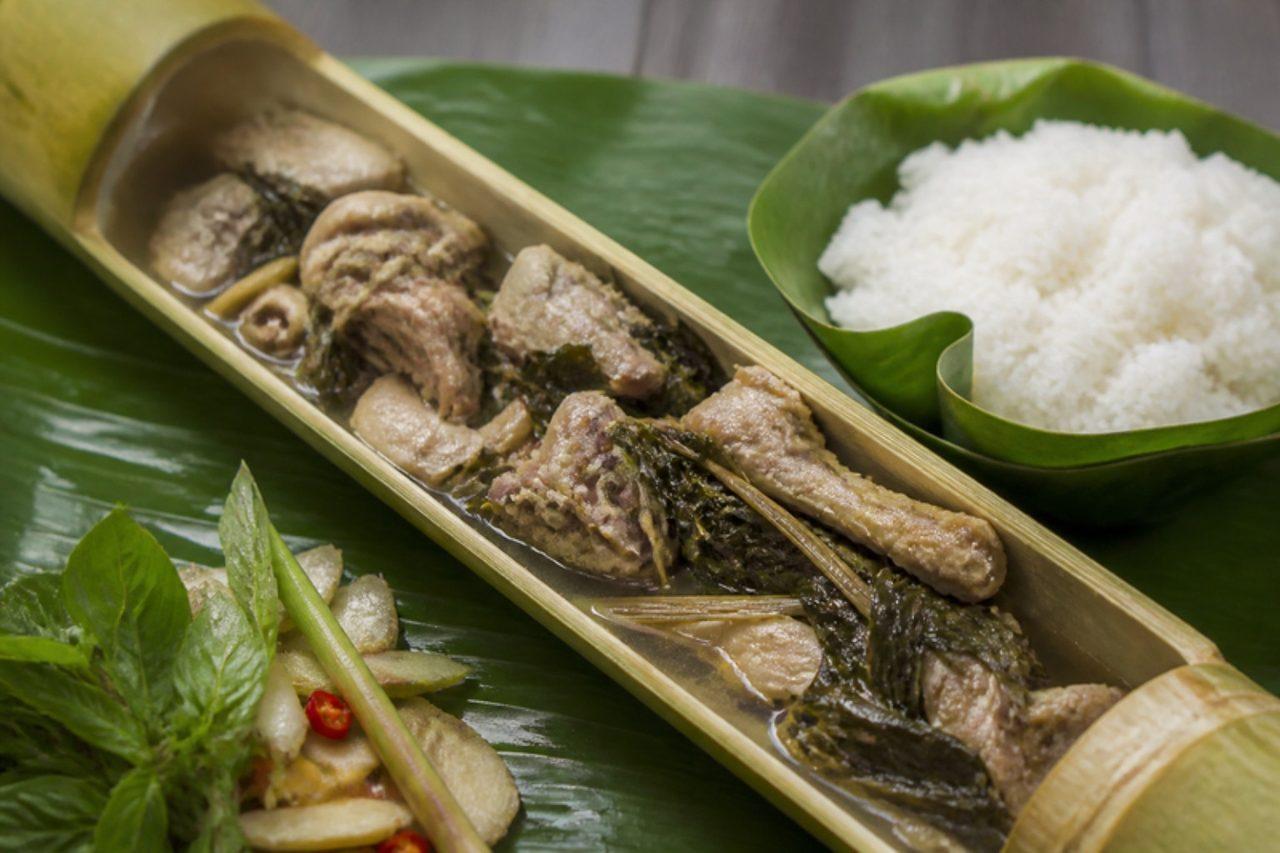
Iban longhouses in Sarawak cook manok pansoh for Gawai, the harvest festival at the start of June: chicken pieces packed into lengths of fresh bamboo with lemongrass, ginger, shallots and tapioca leaves, plugged with leaves and leaned over an open fire. No stock or water goes in; the chicken steams in its own juices, which turn into a clear, herby broth that tastes faintly of green bamboo. At home a lidded casserole wrapped in banana leaf gets you very close. Serve it with plain rice, and with the broth spooned over. Chef's tip: bruise the lemongrass and ginger hard with a pestle before packing; with no added liquid, crushed aromatics are what flavour the juices.

by KrazyBadal 0 views

Hinava

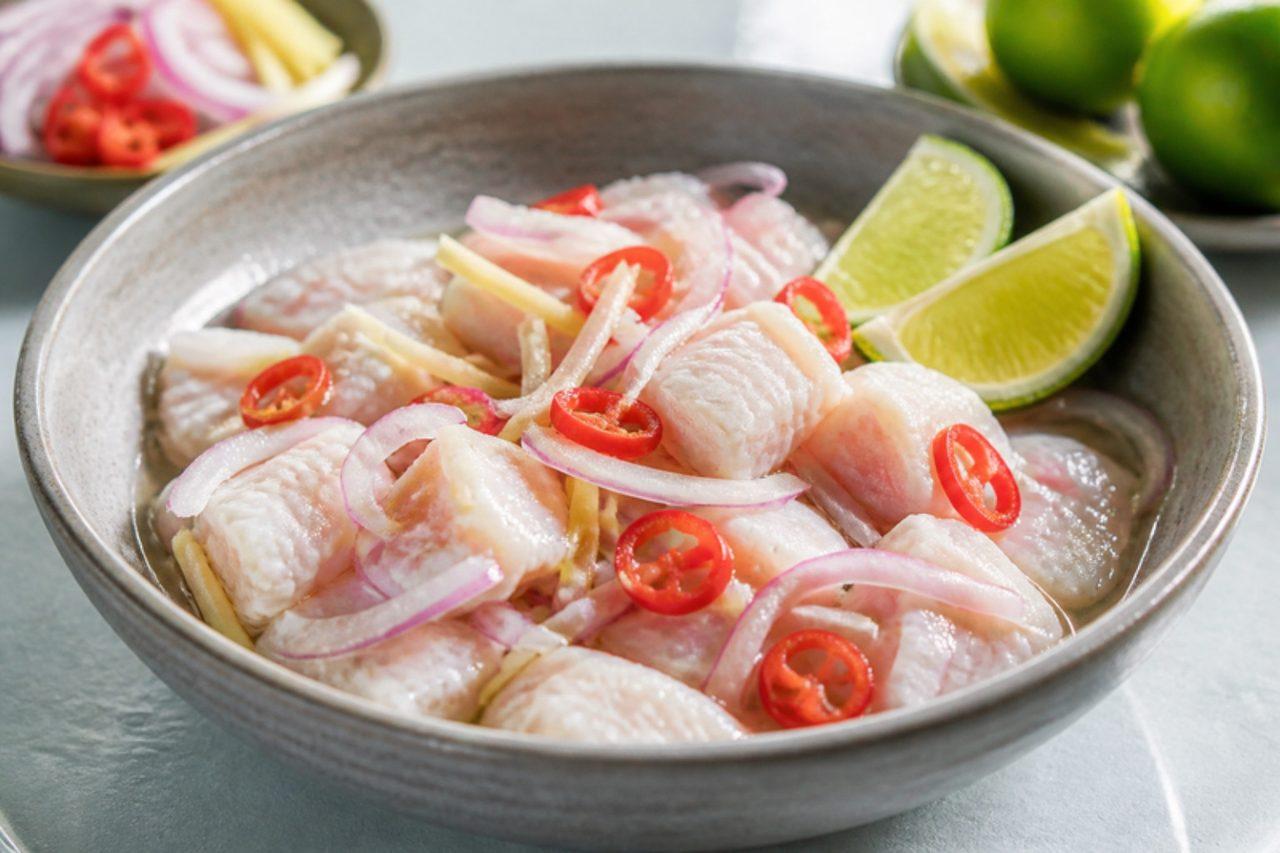
Hinava is the dish Kadazandusun families set out at Kaamatan, Sabah's harvest festival in May, and on weekend tables in Kota Kinabalu and Penampang. Strips of raw mackerel are soaked in sour lime juice, then tossed with sliced shallots, ginger, red chilli and grated seed of bambangan, a wild mango, which adds a musky tang. The result is sharp, clean and crunchy, with firm, pearly fish. Eat it as a starter or alongside rice and grilled meat. Chef's tip: slice the fish very thinly and evenly so the lime firms each strip the same way, and season with salt only at the end.

by KrazyBadal 0 views

Sarawak laksa

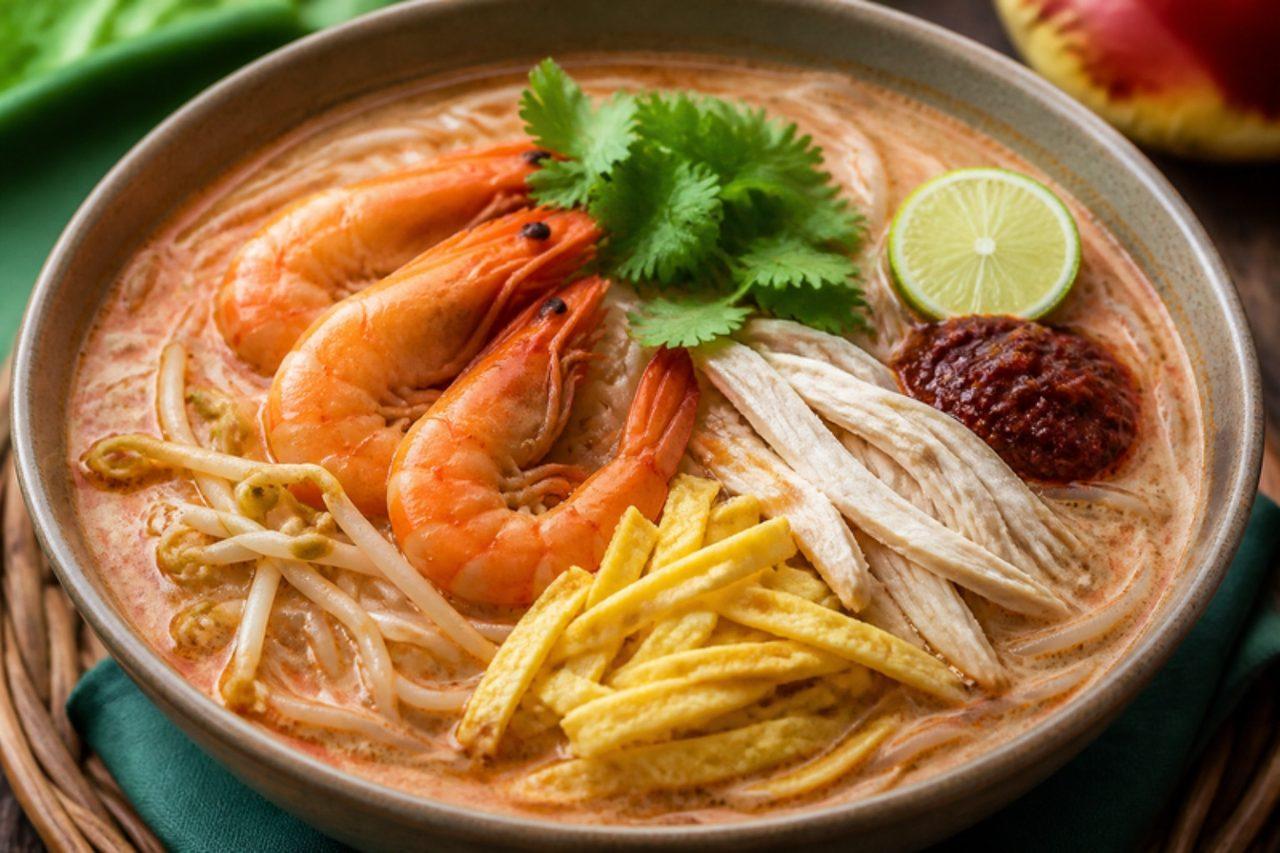
Kuching wakes up to laksa Sarawak, ordered at coffee shops before work and reaching its peak on a lazy Sunday morning. It looks nothing like curry laksa: the broth is a russet, gently creamy soup built on a complex paste of chillies, shallots, galangal, toasted sesame, peanuts and warm whole spices, cooked into a chicken and prawn-shell stock with tamarind and a little coconut milk. Thin rice vermicelli is topped with shredded chicken, whole prawns, ribbons of omelette and bean sprouts, and every bowl comes with lime and a dab of sambal belacan. The work is in the paste, which keeps well and makes several batches. Chef's tip: toast the spices, sesame seeds and peanuts separately in a dry pan before grinding; it gives the broth its deep, roasted aroma.

by KrazyBadal 0 views

Kolo mee

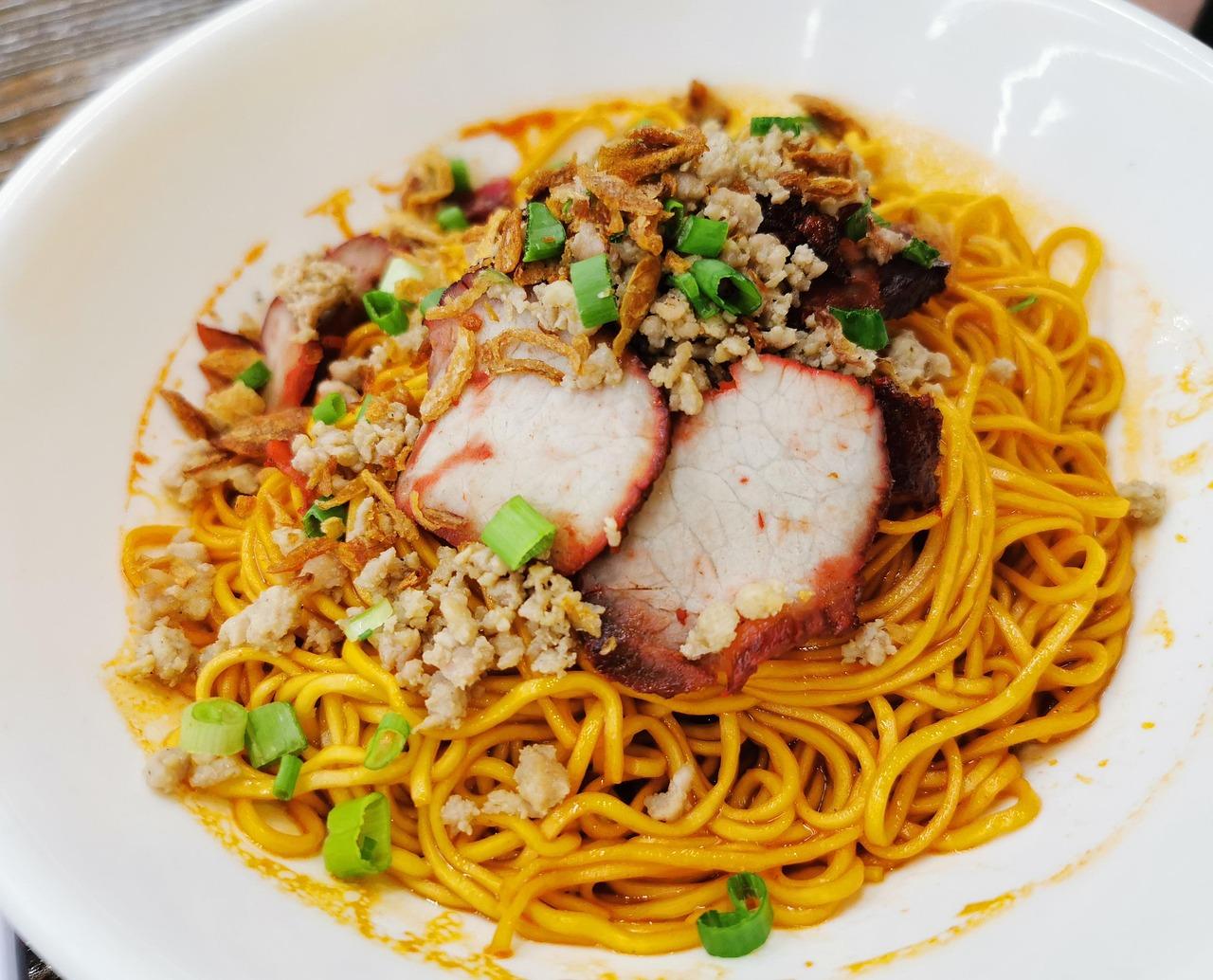
Ask anyone from Kuching what they miss most and the answer is usually kolo mee, a bowl that looks almost too simple: curly, springy egg noodles tossed in fragrant shallot oil, a little soy and white pepper, then crowned with savoury minced pork and slices of char siu. There is no thick gravy and no chilli on top; the flavour is clean, porky and aromatic, and the texture is the whole point, each strand bouncy and separate. Stalls often add a dash of red char siu oil for the 'red' version. It is eaten at any hour with a small bowl of clear soup and pickled green chilli on the side. Chef's tip: cook the noodles in small portions in a big pot of fiercely boiling water and shake them really dry; any leftover water dilutes the shallot oil.

by KrazyBadal 0 views

Chaozhou braised goose

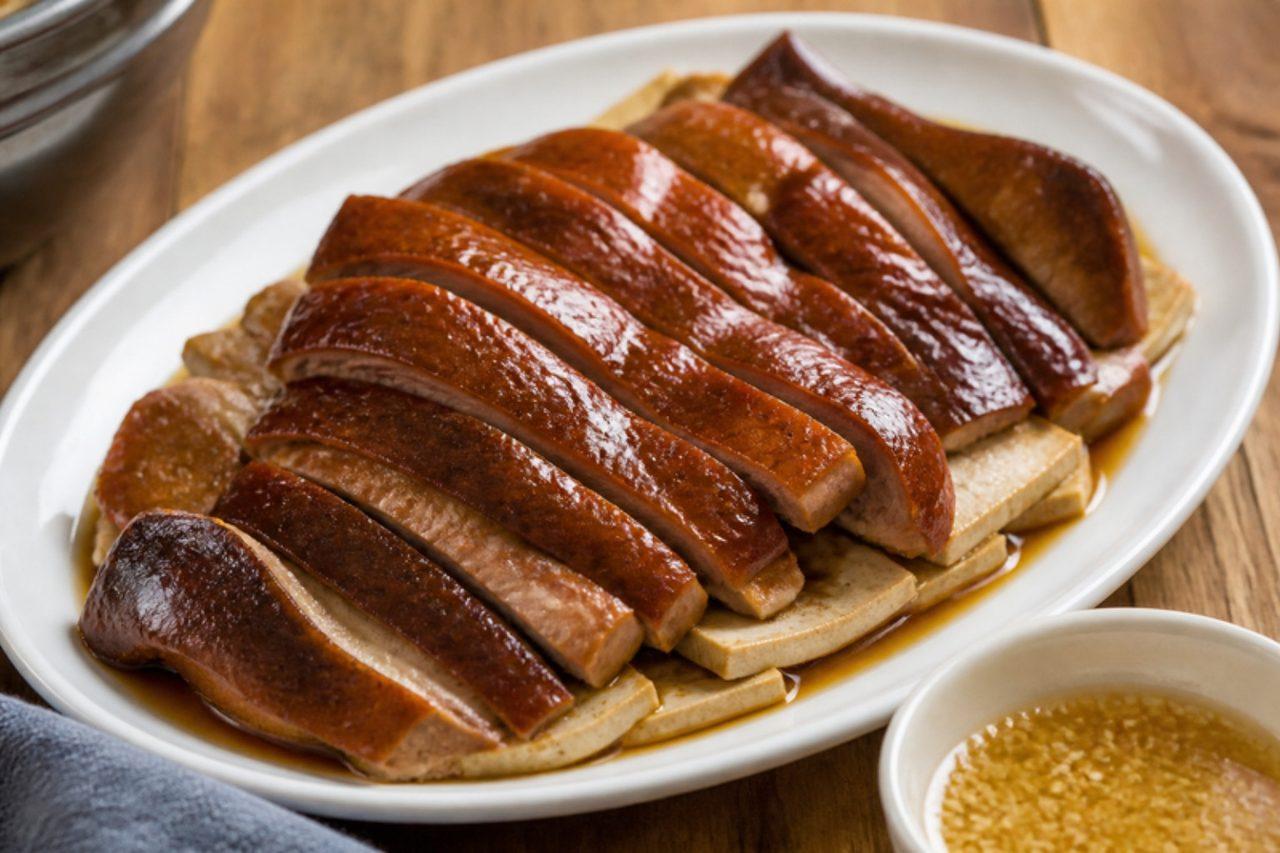
Walk past a lou mei counter in Chaozhou or Shantou and the glossy brown geese hanging there are the first thing you notice; braised goose is offered at ancestral rites, weddings and New Year, then sliced for everyone at the table. The bird simmers slowly in a master stock of soy, rock sugar, galangal and whole spices until the meat is tender and deeply savoury with a gentle sweetness, while the skin stays smooth and the fat soft. Goose can be hard to find, so goose legs or plump duck legs work well at home. Slice it thinly and serve with plain rice or rice porridge, braised tofu and eggs from the same pot, and the sharp garlic vinegar Teochew people always put alongside. Chef's tip: strain and freeze the stock after use; each time you braise in it again the flavour gets deeper, which is how Chaozhou shops keep a 'master' stock for years.

150 minChineseMeat
by KrazyBadal 0 views

Showing 24 of 161 recipes

Show more recipes

Page 4 of 7

Goes well with shallot