Skip to content

Recipes with shallot

400 recipes that use shallot, with photos, step-by-step instructions and cook times. The quickest, Sambal kecap, takes 5 minutes. It is most often cooked with garlic, sugar and turmeric.

Run out of shallot? Half an onion per 2 shallots.

Got a few things in the fridge? Search by everything you have

Bun bo HueSpicy beef noodle soup

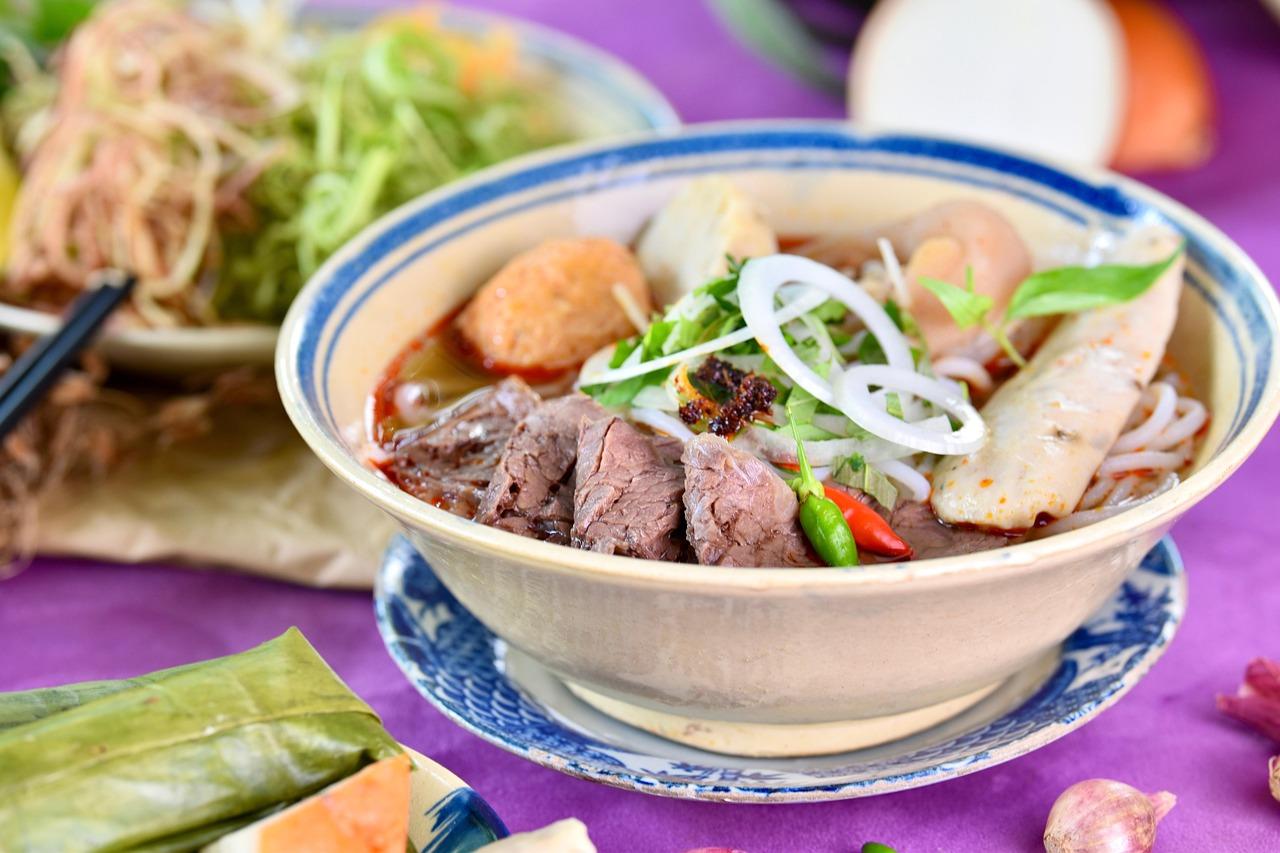
Huế, once the seat of Vietnam's emperors, is known for food that is spicier and bolder than in the north or south, and this soup is the city's breakfast. Compared with pho it is louder in every way: the broth smells of lemongrass and fermented shrimp, it glows red with chilli oil, and the noodles are thick and round. Beef shank and slices of pork hock go in every bowl, often with pork roll, and it comes with a plate of mint, banana blossom and bean sprouts. Locals add pig's blood cubes too, which we leave out here. Chef's tip: bruise the lemongrass stalks hard with a rolling pin before they go in, so their oils flood the broth.

by KrazyBadal 0 views

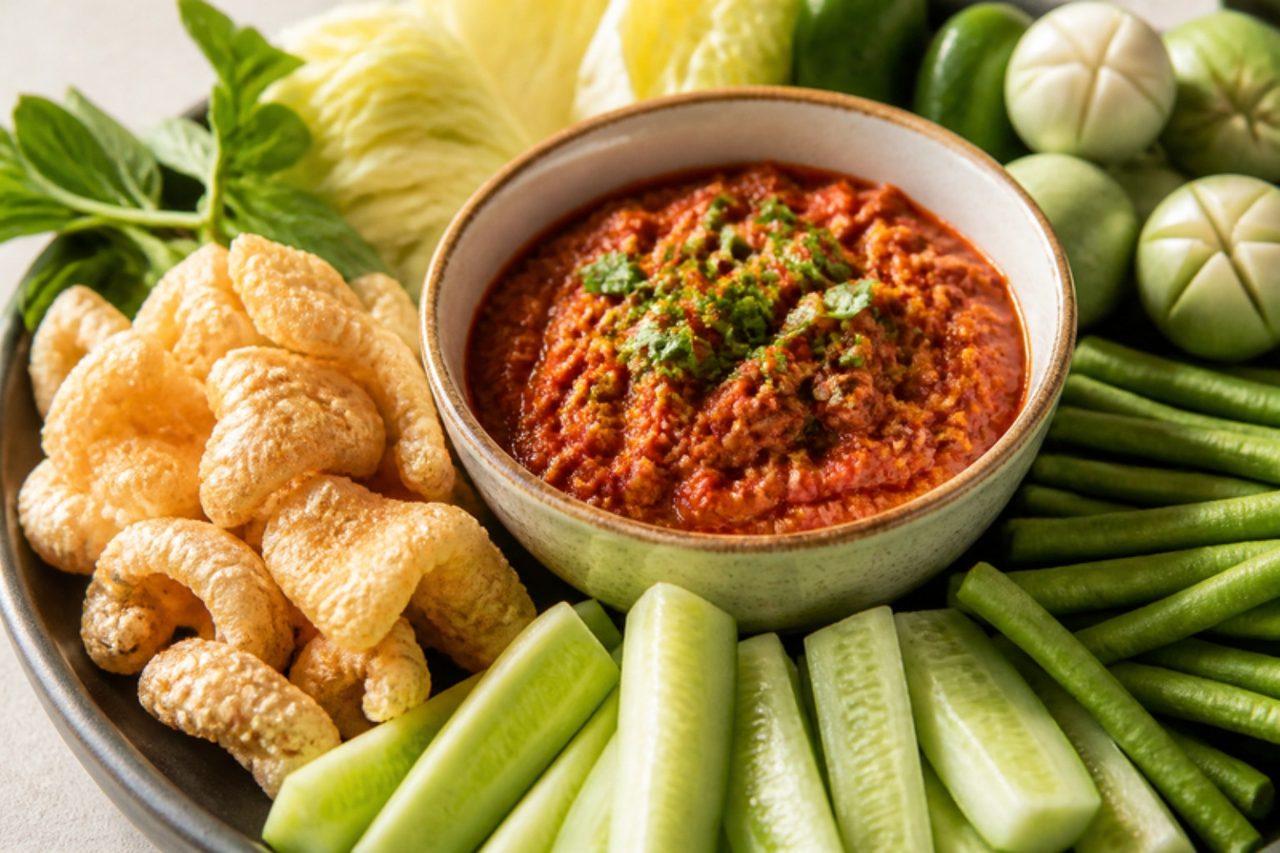
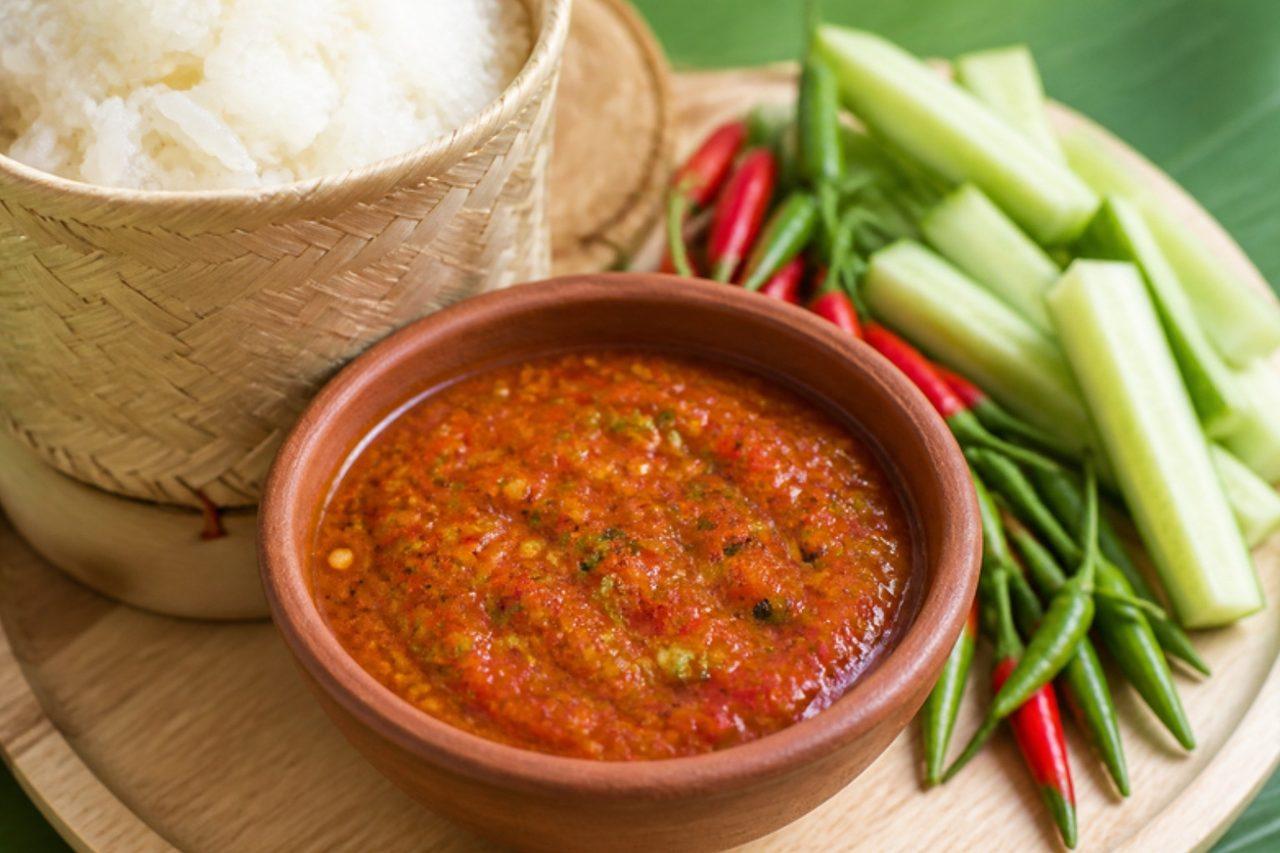
Nam prik ongTomato and pork chilli dip

Every khantoke dinner in Chiang Mai sets out a bowl of this brick-red relish beside the sticky rice baskets, and morning markets sell it by the scoop in little plastic bags. It sits somewhere between a chunky meat sauce and a dip: sweet-sour from slow-cooked cherry tomatoes, savoury from shrimp paste and pork, with a gentle chilli warmth rather than a blast. Scoop it up with cucumber, blanched long beans, cabbage wedges and crisp pork crackling, or press a ball of sticky rice into it. Chef's tip: fry the pounded paste in the oil until it darkens and smells toasty before the pork goes in; that is where the deep, roasted flavour comes from.

by KrazyBadal 0 views

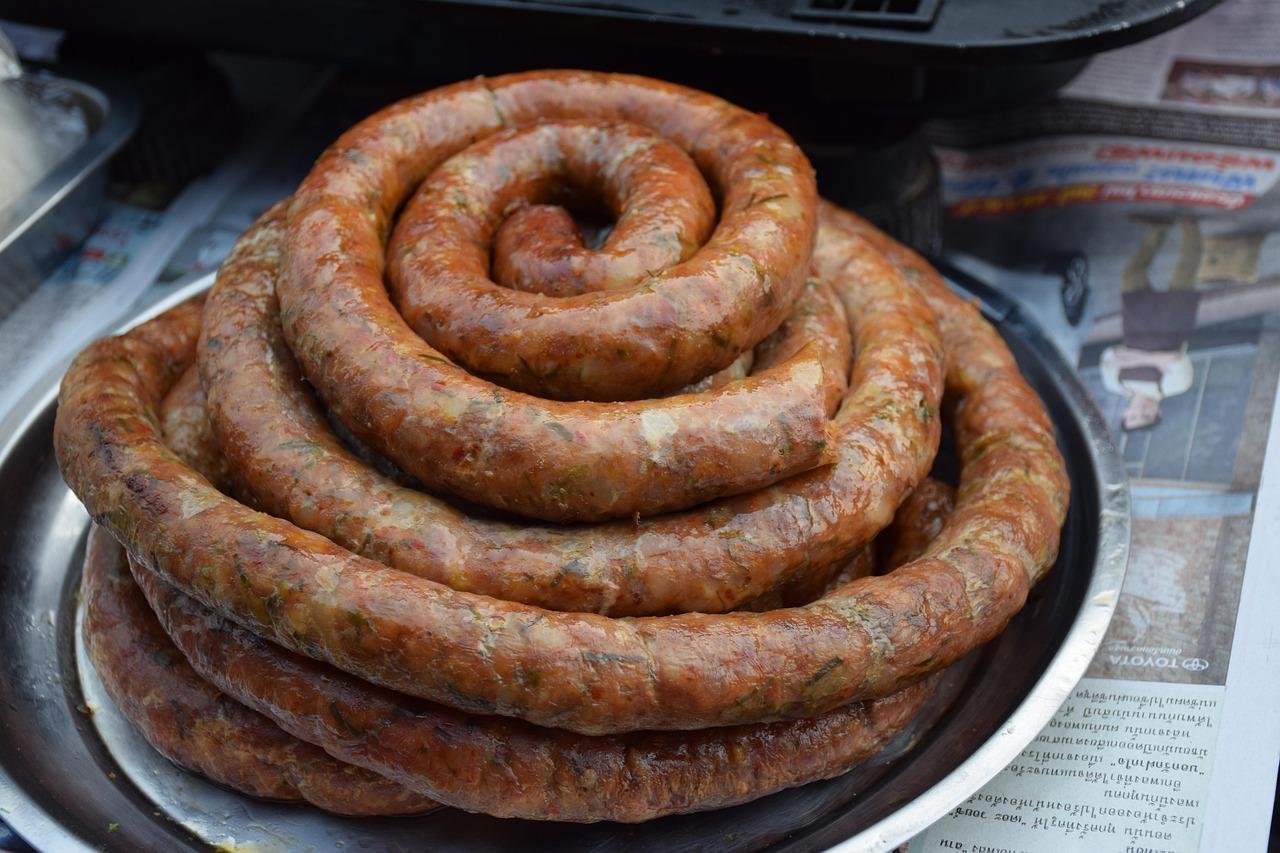
Sai ouaHerby grilled pork sausage

Walk through Chiang Mai's Warorot market and you will smell sai oua before you see it: long coils of sausage smoking over charcoal, flecked green with lime leaf and orange with chilli paste. The meat is coarse and juicy, the flavour loud with lemongrass, galangal and turmeric, and Northern Thais eat it in thick slices with sticky rice, raw cabbage, nam prik noom and a few slices of fresh ginger. If you have no casings or sausage stuffer, the same mixture makes excellent flat patties. Chef's tip: fry a teaspoon of the mixture before you stuff anything and taste it; this is your only chance to fix the salt and chilli.

90 minThaiMeatGluten freeSpicy
by KrazyBadal 0 views

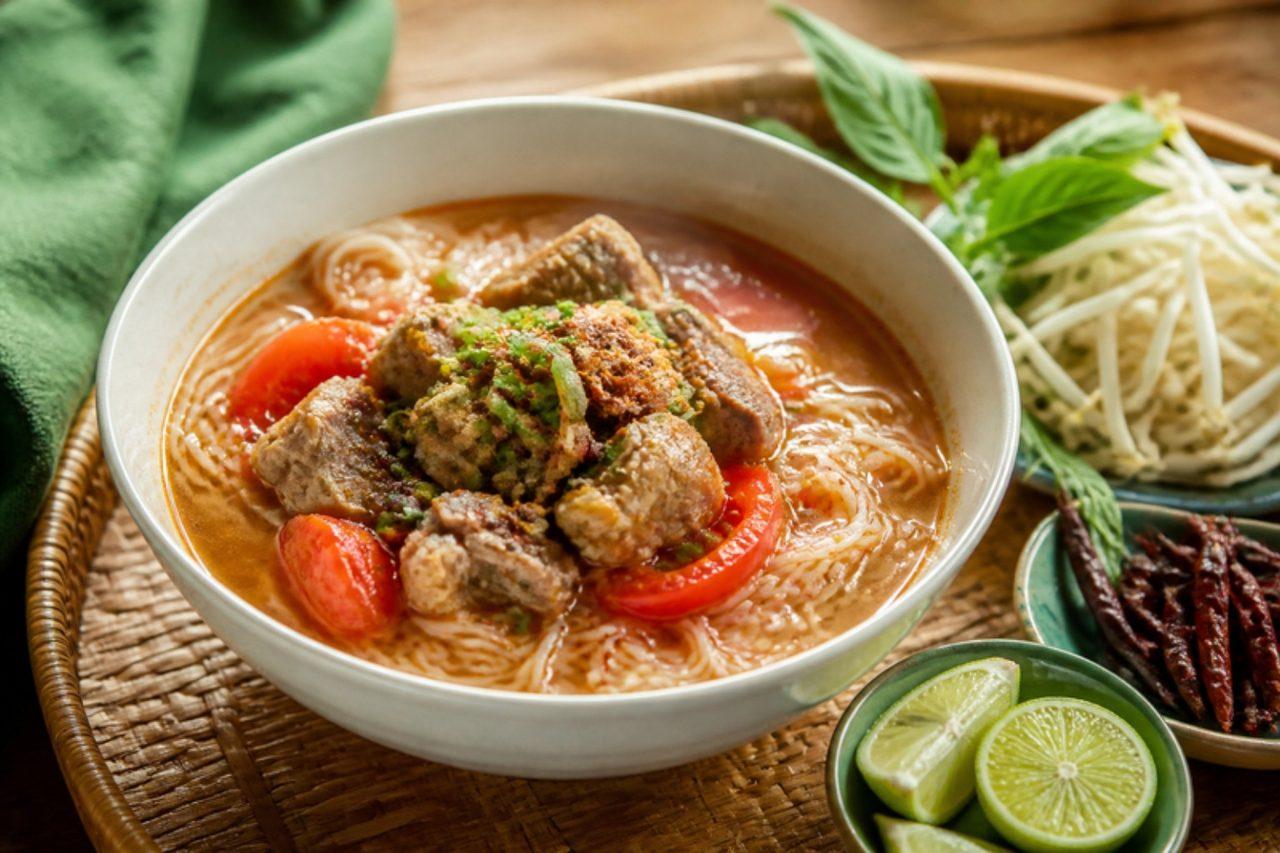
Khanom jeen nam ngiaoRice noodles in spicy pork broth

Breakfast stalls from Chiang Rai to Mae Sai ladle this tangy red broth over soft rice noodles from dawn until it sells out, usually before noon. The soup is light but full-flavoured: pork ribs give body, cherry tomatoes give a fresh sourness, and dried cotton-tree flowers (dok ngiao) add a faint floral, earthy chew. Each diner finishes their bowl at the table with bean sprouts, shredded cabbage, crispy garlic and lime. Cubes of cooked pig's blood are traditional; they are optional here and left out by default. Chef's tip: blanch the ribs and throw that first water away, so the finished broth stays clear and clean-tasting.

90 minThaiSoups
by KrazyBadal 0 views

Semmelknödel with mushroom sauceBread dumplings with mushroom sauce

Semmelknödel are the bread dumplings of Bavaria and Austria, made to use up yesterday's rolls (Semmeln) soaked in warm milk and bound with egg, onion and parsley. With a creamy mushroom sauce, Semmelknödel mit Schwammerlsoße, they become a full meal and a favourite in Munich beer gardens and Alpine inns from late summer, when foraged chanterelles and ceps reach the markets. Chef's tip: simmer the dumplings in barely trembling water, never a rolling boil; hard boiling breaks them apart, which is the most common Knödel disaster.

by KrazyBadal 0 views

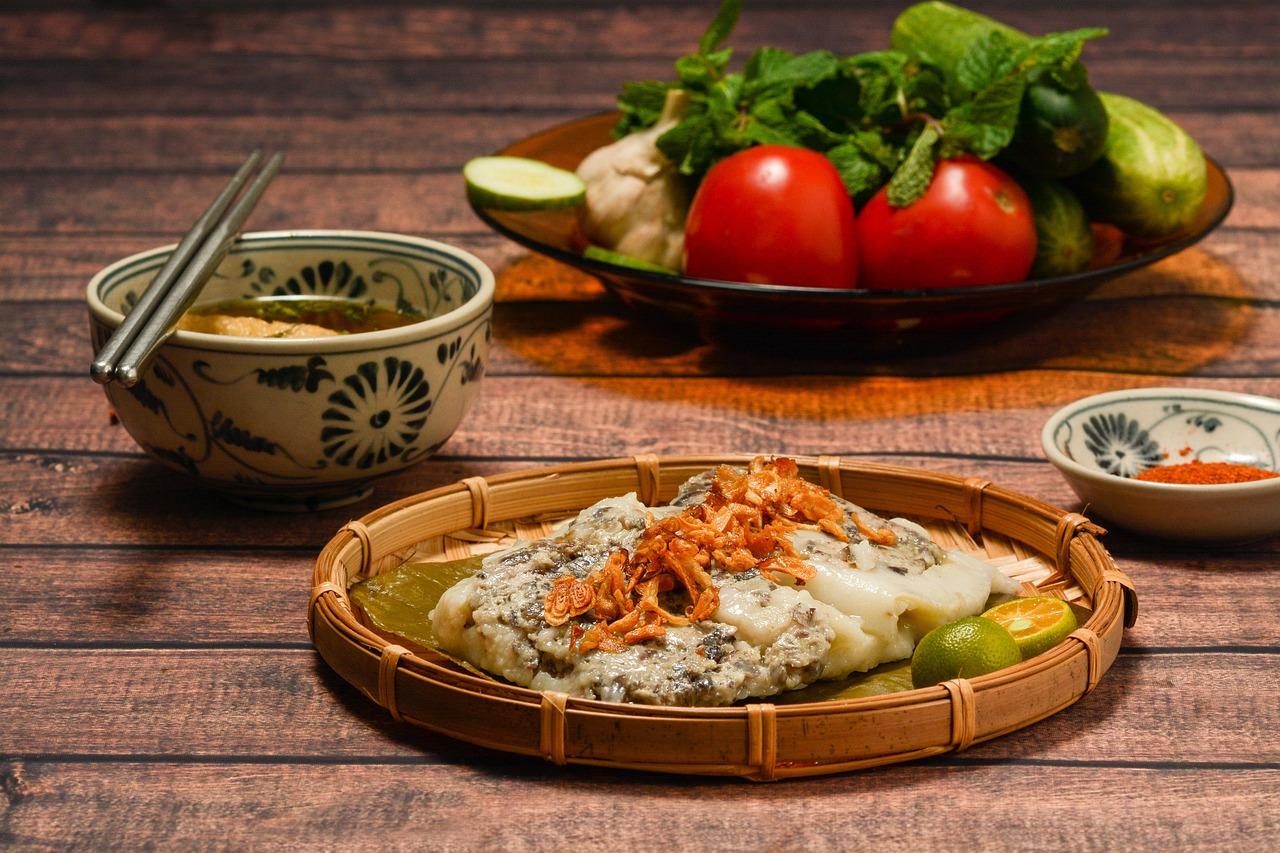
Banh cuonSteamed rice rolls

In Hanoi, banh cuon shops open early, and the cook sits beside a pot of boiling water stretched over with cloth, spreading batter across it in one sweep and lifting off sheets thin enough to see through. Each sheet is rolled around a little minced pork and crunchy wood-ear mushroom, cut into pieces, showered with crispy shallots and dipped into warm fish sauce. Slices of Vietnamese pork roll and a sprig of herbs often come on the side. At home a lidded non-stick frying pan does the job of the cloth, and once you find the rhythm the sheets come quickly. Chef's tip: make a practice sheet first; the first one is almost always a little too thick, and it tells you how much batter to use.

by KrazyBadal 0 views

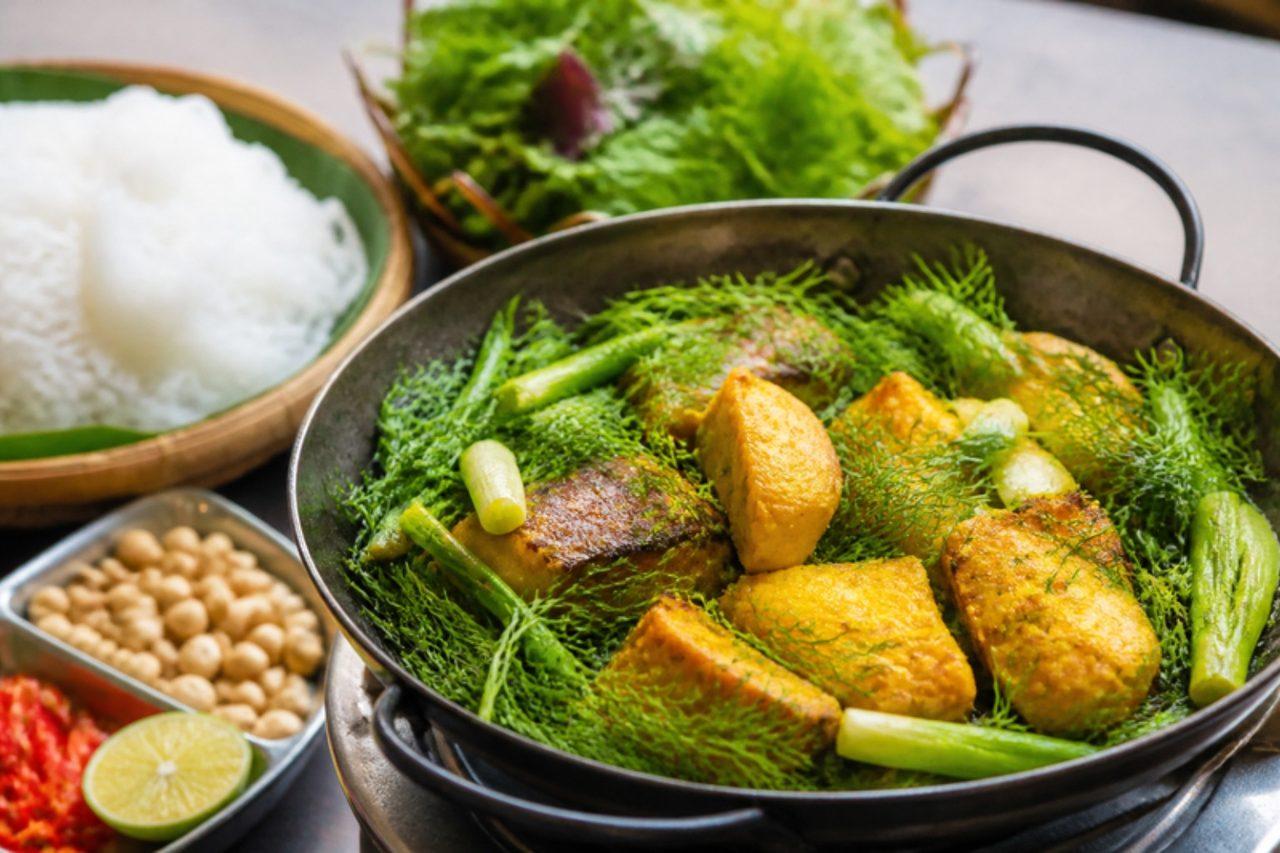
Cha ca La VongTurmeric fish with dill

A family restaurant in Hanoi's Old Quarter served this one dish for so long that the street itself was renamed Chả Cá, Grilled Fish Street. Chunks of white fish are marinated in turmeric and galangal, cooked until golden, then brought to the table in a pan of hot oil where everyone throws in handfuls of dill and spring onion to wilt. You eat it over rice vermicelli with peanuts, fresh herbs and a pungent shrimp-paste dip. Dill is rare elsewhere in Vietnamese cooking, which is why this dish tastes so distinct. Chef's tip: use a lot more dill than seems sensible; it is treated as a vegetable here, not a garnish.

by KrazyBadal 0 views

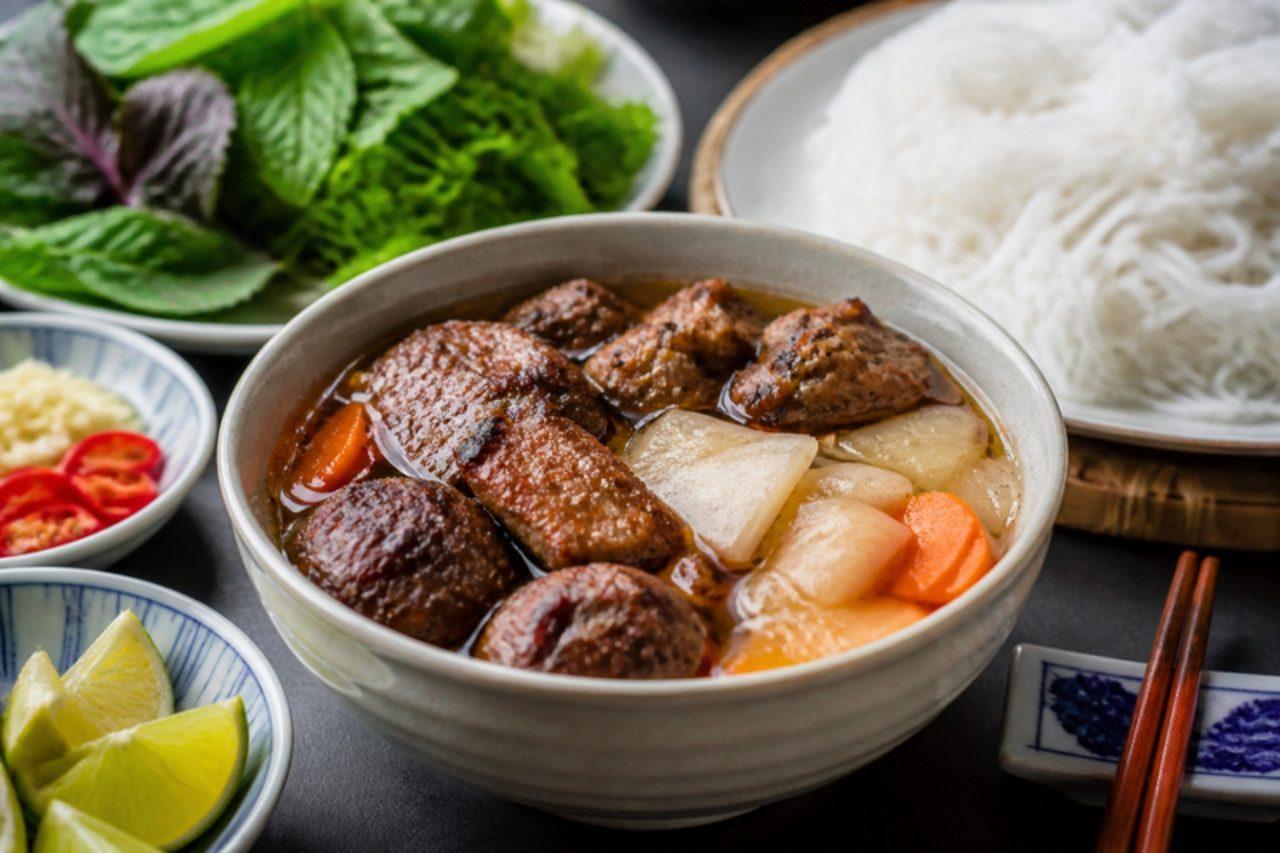
Bun chaGrilled pork with rice noodles

Around 11 in the morning, the side streets of Hanoi's Old Quarter fill with smoke as cooks fan little charcoal braziers loaded with pork. Bun cha is the city's lunch: grilled patties and caramelised strips of pork belly served floating in a warm bowl of thin, sweet-sour fish sauce, with cold rice vermicelli and a basket of lettuce and herbs to dip in alongside. Each mouthful is a bit of noodle, a bit of meat and a leaf or two, all dunked together. A barbecue gives the real smoky edge, but a ridged grill pan works well indoors. Chef's tip: let the grilled meat sit in the warm sauce for a few minutes before eating, so the smoky fat seasons the sauce and the sauce soaks into the meat.

by KrazyBadal 0 views

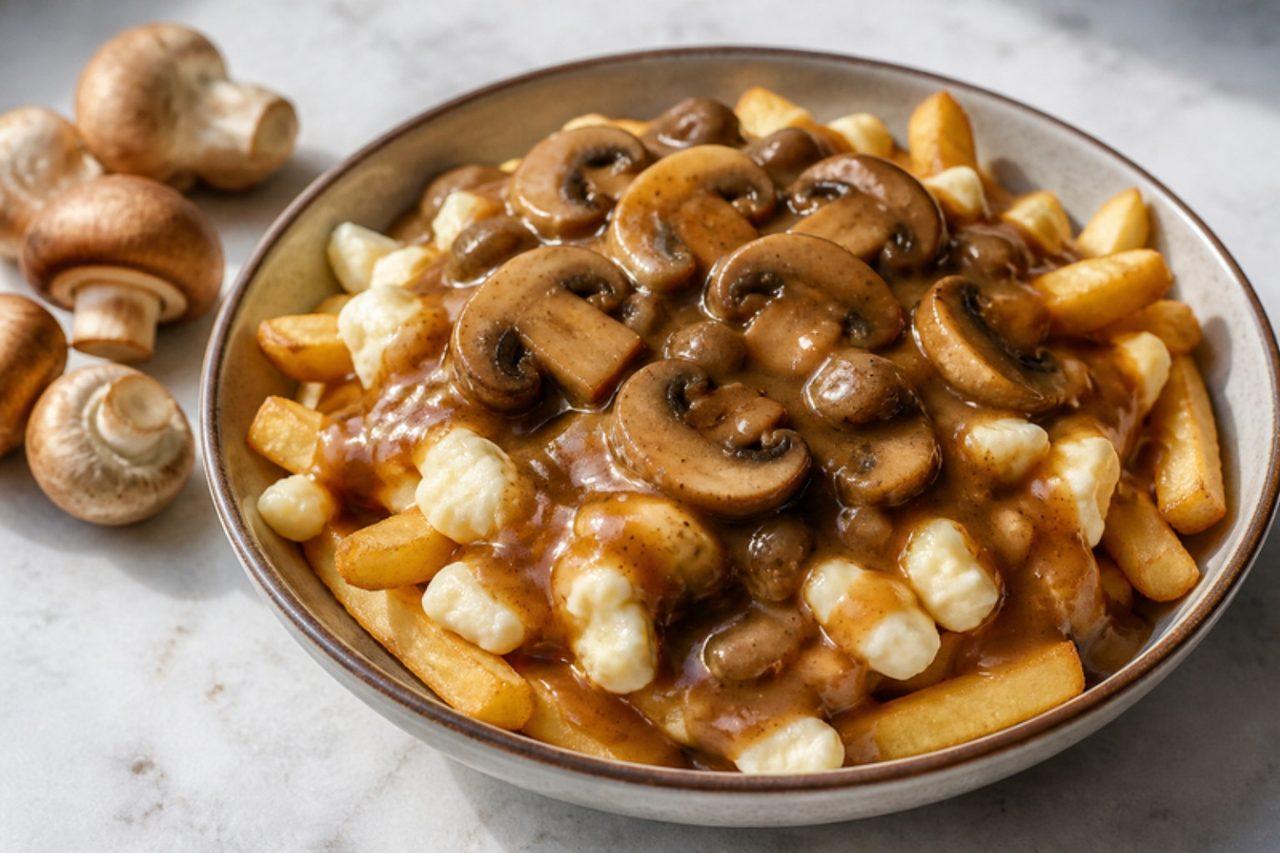
Mushroom-gravy poutine

Poutine was born in rural Québec in the 1950s, at snack bars (casse-croûtes) in towns like Warwick and Drummondville, and is now eaten across Canada at 2 a.m. after a night out and at hockey arenas. The rules are simple: crisp fries, fresh cheese curds that squeak against your teeth, and a hot, savoury gravy poured over so the curds soften but don't fully melt. This gravy is made with browned mushrooms and vegetable stock instead of the usual chicken-beef stock. Chef's tip: keep the curds at room temperature and the gravy very hot; cold curds stay rubbery and lukewarm gravy makes the fries soggy without softening the cheese.

by KrazyBadal 0 views

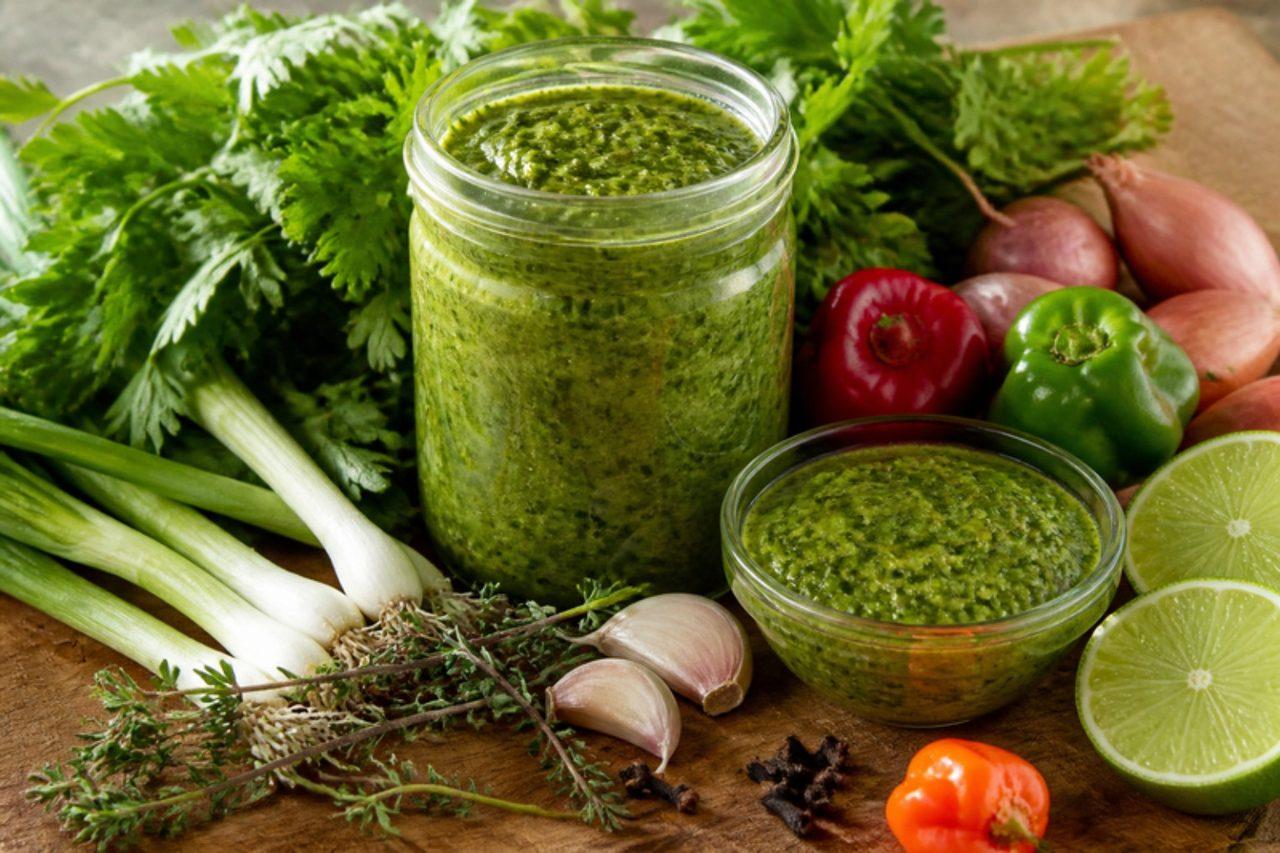
EpisGreen herb seasoning base

Epis is the jar that lives in every Haitian fridge, in Port-au-Prince flats and in Haitian kitchens in Miami, Montreal and Boston alike, and it's made fresh most weeks. Flat-leaf parsley, spring onion, garlic, sweet peppers and thyme are pounded or blended with a few cloves, a little scotch bonnet, oil and lime into a loose green paste. It is the first thing into the pot for rice and beans, legim and soup joumou, and it's rubbed over vegetables and tofu before they're fried. Raw it smells bright and herby; cooked it turns sweet, savoury and gently warm with clove. Chef's tip: use whole cloves and grind them yourself; just three or four give epis its signature warmth, but more turns it medicinal.

by KrazyBadal 0 views

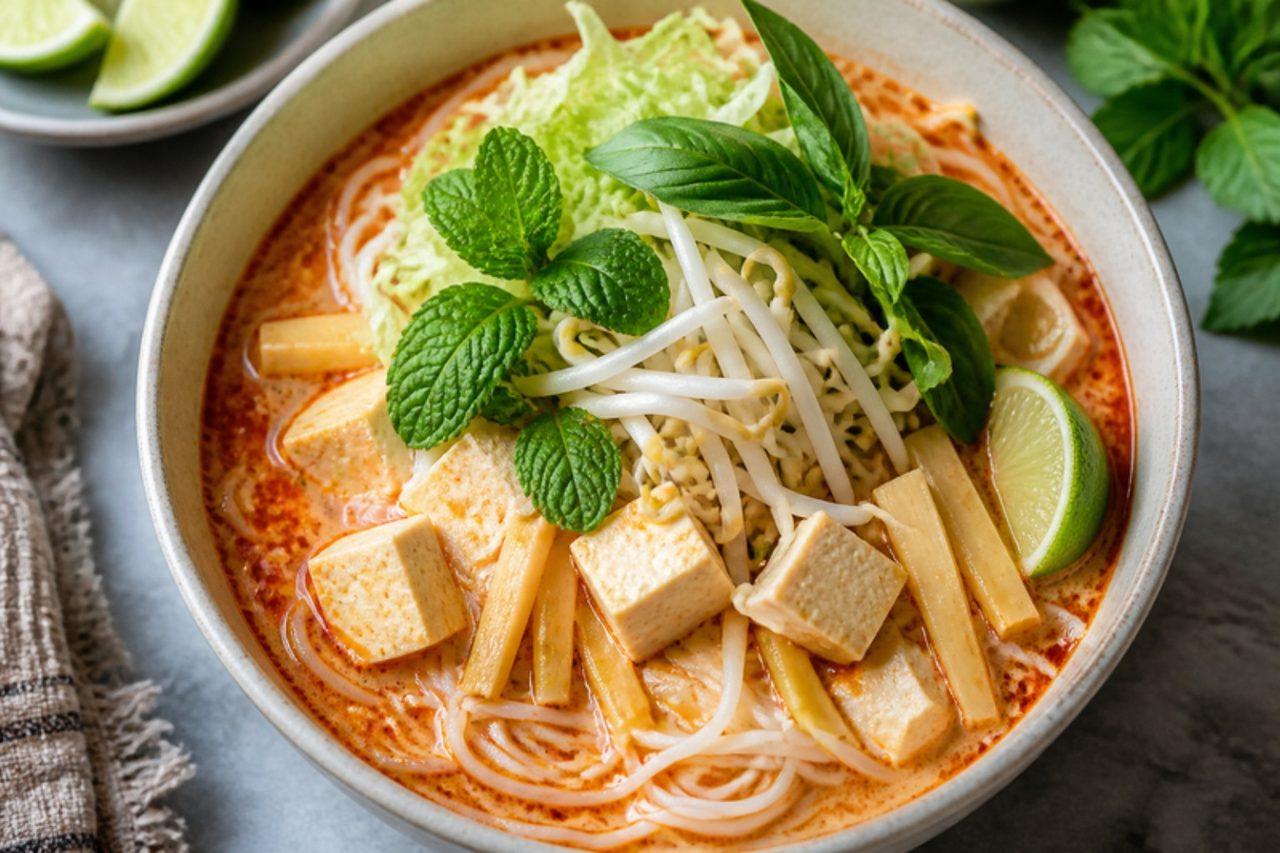
Khao poon with tofu and vegetablesCoconut curry noodle soup

Khao poon is celebration food in Laos, ladled out at weddings, baci ceremonies and big family gatherings, and sold at morning markets in Vientiane by women with huge steaming pots. Fine round rice noodles sit under a spicy, red-tinged broth of coconut milk, lemongrass and galangal, and everyone adds their own shredded cabbage, banana blossom, beansprouts, mint and lime. The usual chicken or fish is swapped for golden fried tofu and bamboo shoots. Chef's tip: fry the red chilli paste in the coconut cream until oil seeps out in red drops on the surface; that's when the colour and heat are fully released.

by KrazyBadal 0 views

Jeow mak lenRoasted tomato and chilli dip

No Lao meal is complete without a jeow, a pounded dip eaten by pinching a ball of sticky rice and dragging it through. Jeow mak len, made from tomatoes charred over the coals until their skins split, is the everyday one from Vientiane to the villages of the north, smoky, garlicky and as hot as you dare. It's served alongside grilled vegetables, raw cucumber and long beans, and keeps well for a few days. Chef's tip: grill everything until it is genuinely blackened in patches; the burnt bits are the flavour, so don't peel all the skin away.

by KrazyBadal 0 views

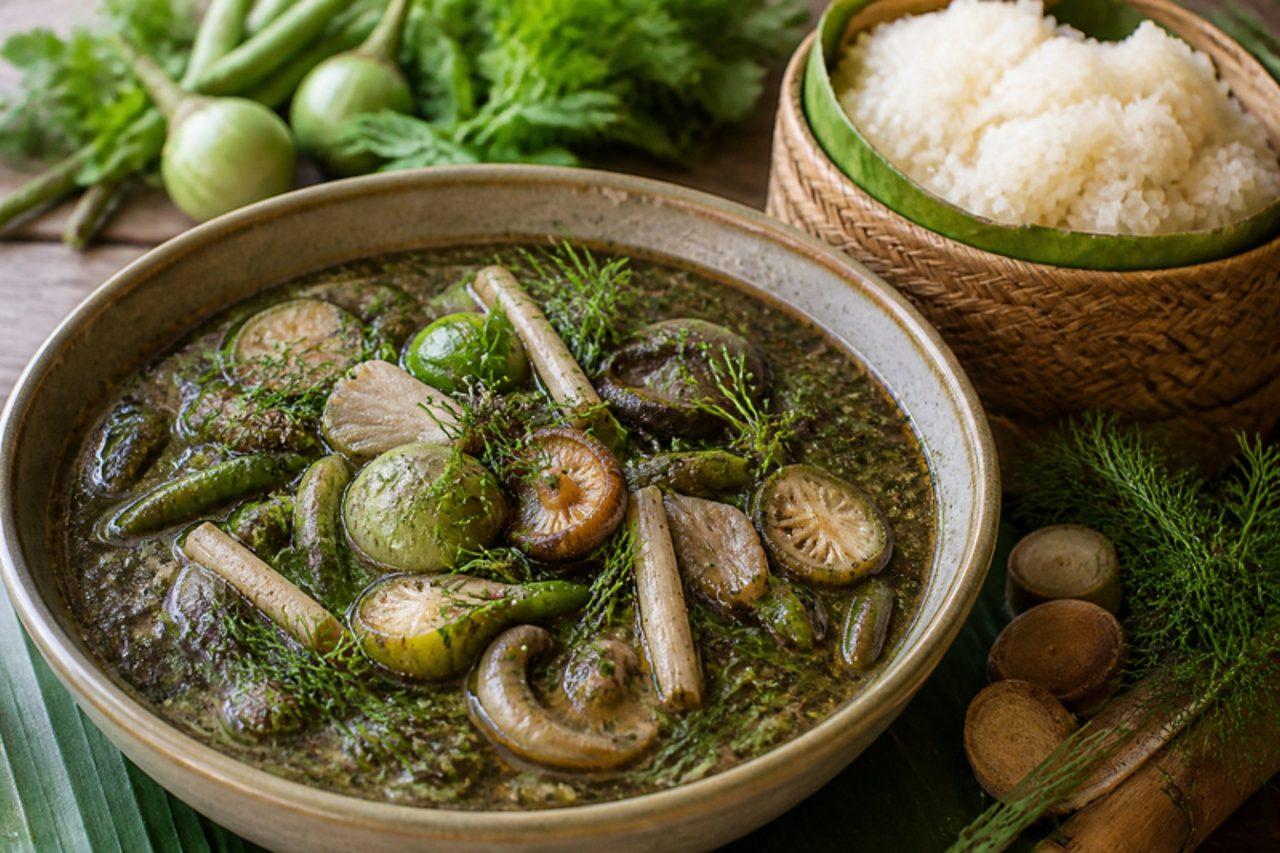
Mushroom or lamHerb stew with aubergine and mushrooms

Or lam belongs to Luang Prabang, the old royal town on the Mekong, where it is cooked for long family lunches and served at almost every restaurant that makes local food. It is a thick, rustic stew of aubergine, long beans, mushrooms and greens, thickened with a little sticky rice and flavoured with sakhan, a peppery wood that numbs the lips like Sichuan pepper, plus heaps of dill and lemongrass. The usual dried buffalo skin and meat are swapped for two kinds of mushroom here. Eat it with sticky rice and a jeow. Chef's tip: if you can't find sakhan, a few lightly crushed Sichuan peppercorns give the same tingle; add them early so the tingle spreads through the broth.

by KrazyBadal 0 views

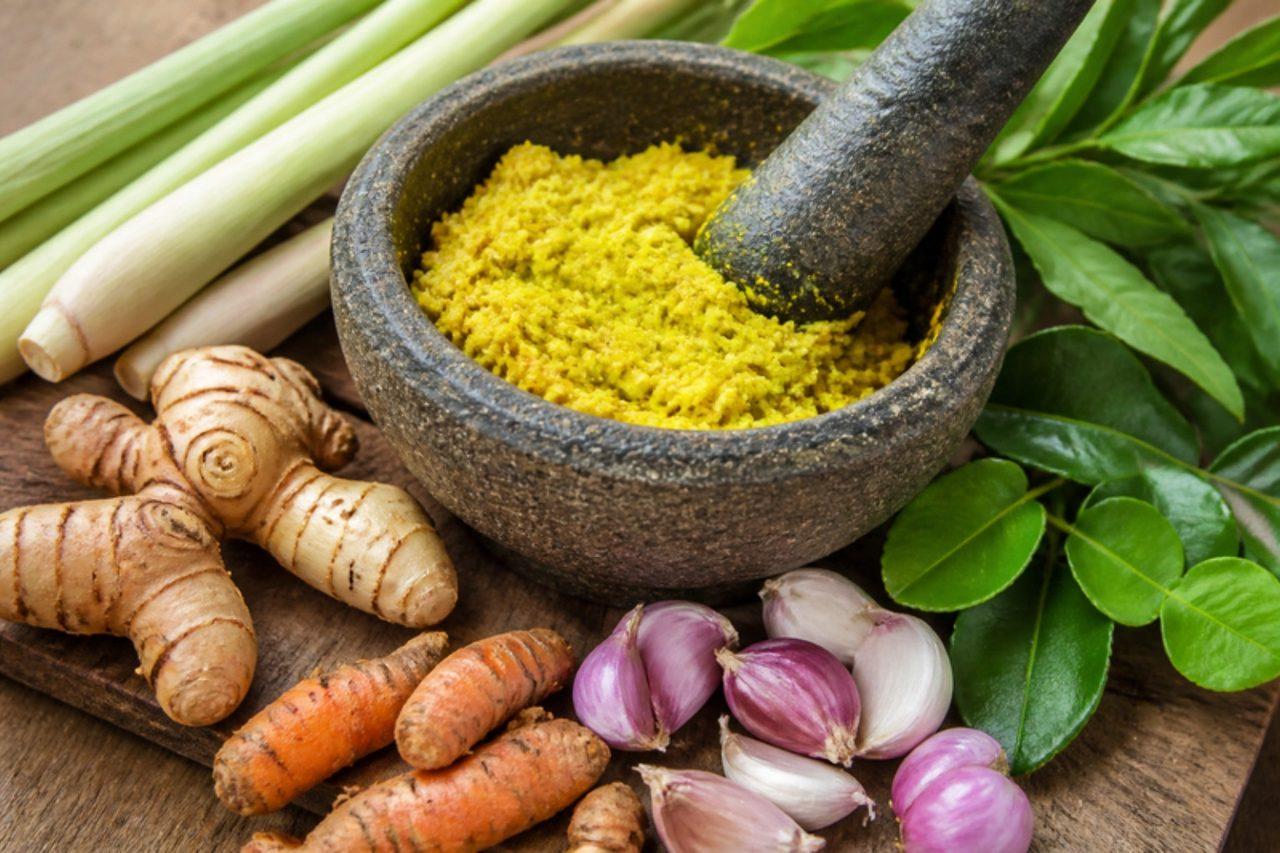
Kroeung (Khmer lemongrass paste)Lemongrass and galangal paste

Almost every Khmer kitchen, from Phnom Penh flats to village houses around Siem Reap, starts the day's cooking by pounding kroeung in a heavy stone mortar. This is the yellow kind, coloured with fresh turmeric and built on lemongrass, galangal, makrut lime leaf, garlic and shallot; it goes into amok, samlor korko, noodle curries and stir-fries. Homemade, it smells brighter and more citrusy than any jar, and a batch keeps for a week in the fridge or months in the freezer. Chef's tip: slice the lemongrass into paper-thin rounds across the grain before it goes near the mortar or blender; long fibres never break down and leave the paste stringy.

by KrazyBadal 0 views

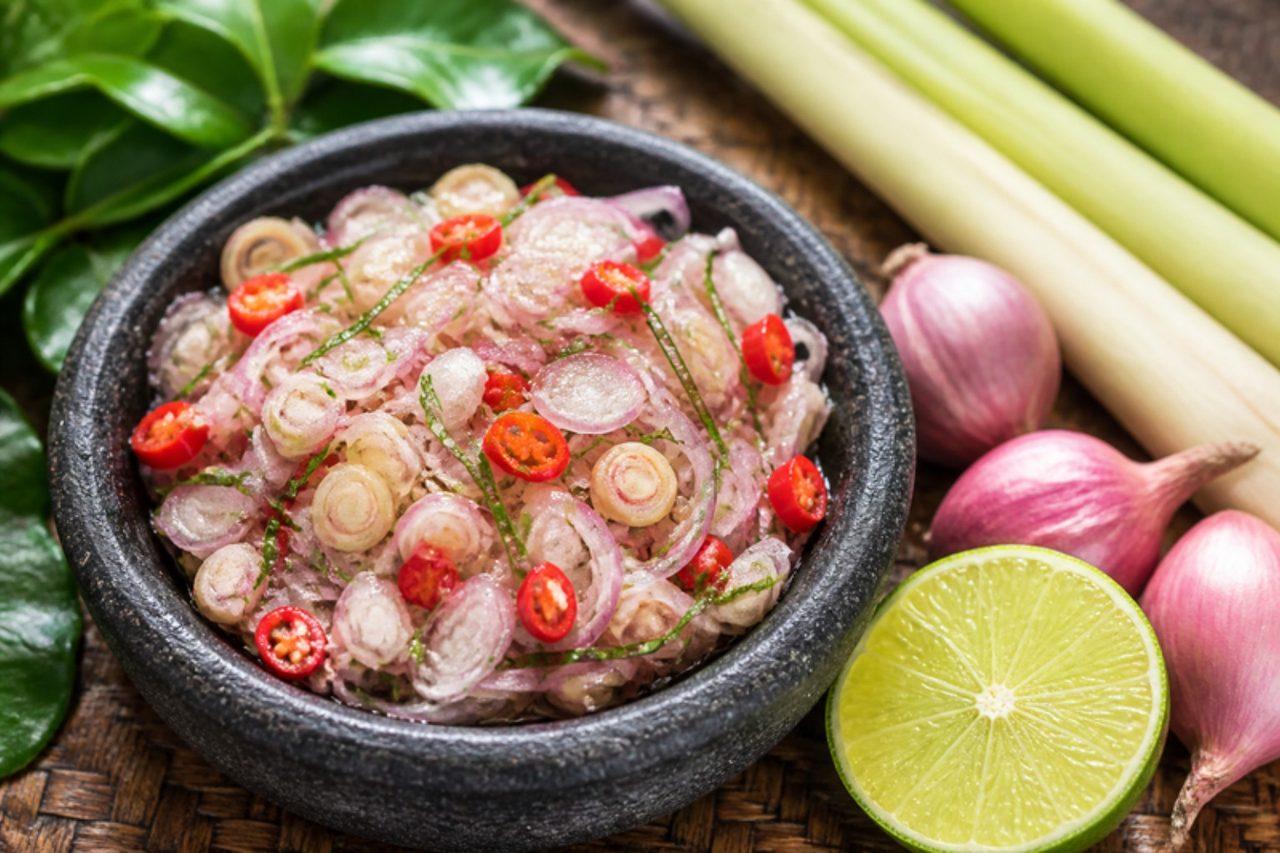
Sambal matahRaw shallot and lemongrass relish

Matah means raw in Balinese, and this sambal is nothing more than finely sliced shallots, chillies, lemongrass and lime leaf, squeezed with lime and dressed with hot coconut oil. It is the fresh, sharp counterpart to grilled tempeh, tofu, corn fritters and plain rice in warungs across Bali. Village cooks rub in a little toasted shrimp paste; this vegetarian version gets its savoury edge from salt and a touch of sugar. Chef's tip: squeeze the salted shallots with your fingers before adding the oil; they soften and release juice that carries the flavour.

by KrazyBadal 0 views

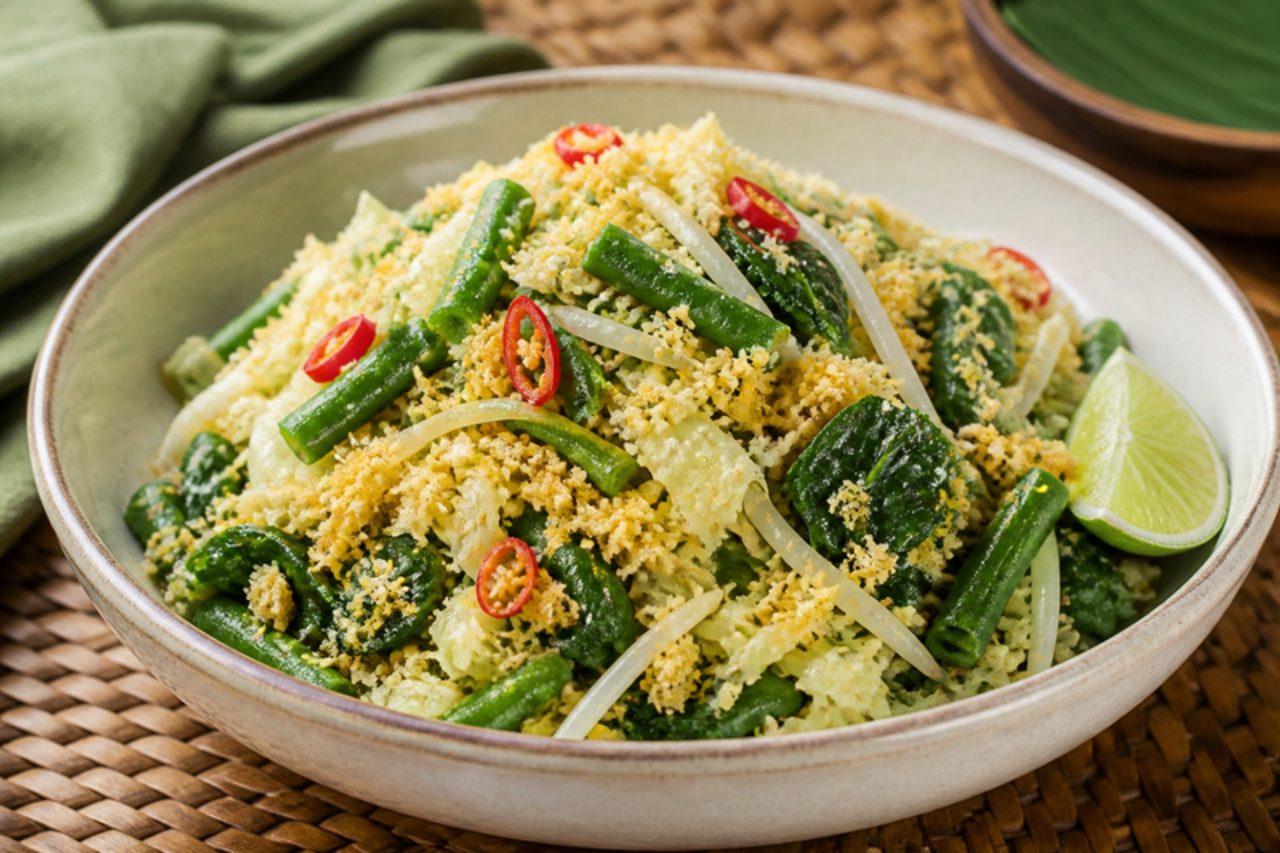
Jukut urabGreens with spiced coconut

Jukut urab turns up on almost every Balinese rice plate and at temple-day feasts: blanched long beans, greens and bean sprouts tossed with freshly grated coconut that has been fried with a little bumbu of shallot, chilli, kencur and lime leaf. It is bright, crunchy and only gently hot, the fresh side dish that balances heavier ones. Many cooks add shrimp paste to the bumbu; this one leaves it out. Chef's tip: toss the vegetables and coconut only just before serving, or the coconut draws out water and the dish turns soggy.

by KrazyBadal 0 views

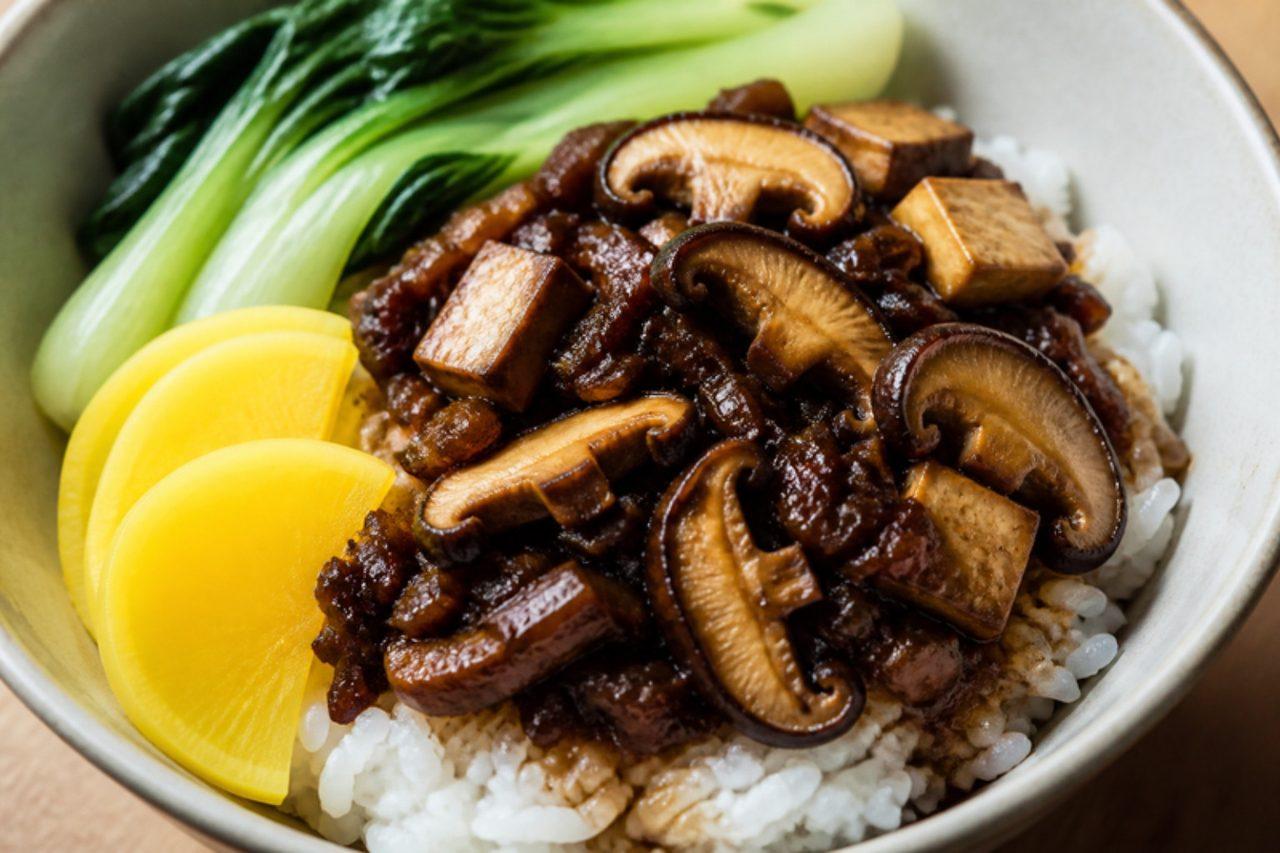
Shiitake and tofu lu rou fan

In Taipei, a bowl of lu rou fan costs little more than a bus fare, and night-market stalls ladle it from pots that have simmered since afternoon. The original is chopped pork belly stewed in soy sauce, rice wine and fried shallots; this meat-free version gets the same glossy, sticky richness from diced shiitake, browned firm tofu and plenty of shallot oil. It is a weekday lunch for office workers and a late snack after the markets, served with a heap of yellow pickled radish and a few blanched greens. Chef's tip: brown the tofu cubes hard before they go into the braise; a crust soaks up the sauce and chews almost like the meat it replaces.

by KrazyBadal 0 views

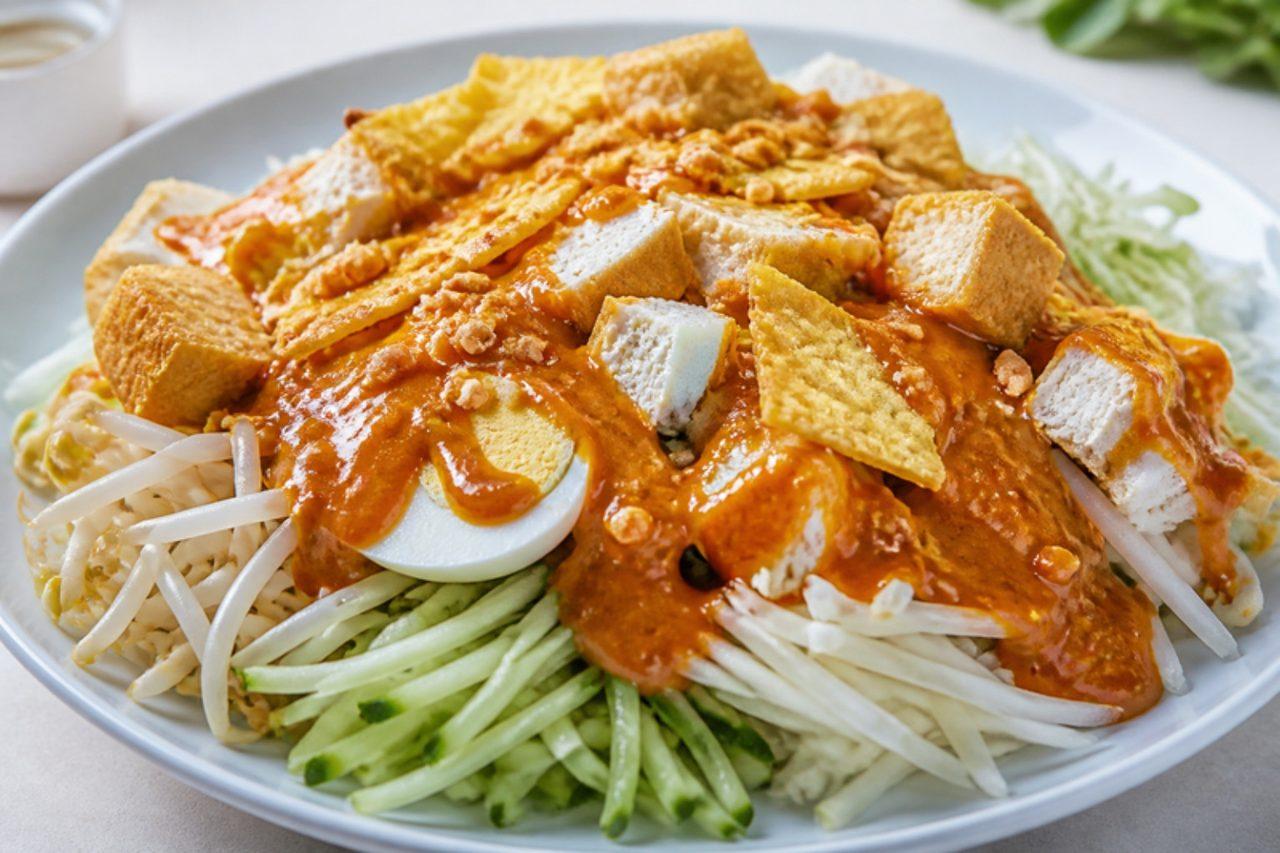
PasemburVegetable and fritter salad

Pasembur is sold from Indian-Muslim (mamak) stalls along Penang's Gurney Drive and Esplanade: shredded cucumber, jicama and bean sprouts piled with sliced fried tofu, boiled egg and crisp fritters, all buried under a thick, sweet, gently spicy sauce made from sweet potato, chilli and peanuts. You pick your fritters at the stall; prawn fritters are common, but here they are crunchy cabbage and onion ones. Chef's tip: dress it at the very last moment and eat at once, so the fritters stay crisp under the sauce.

by KrazyBadal 0 views

Bubur pedasHerby toasted rice porridge

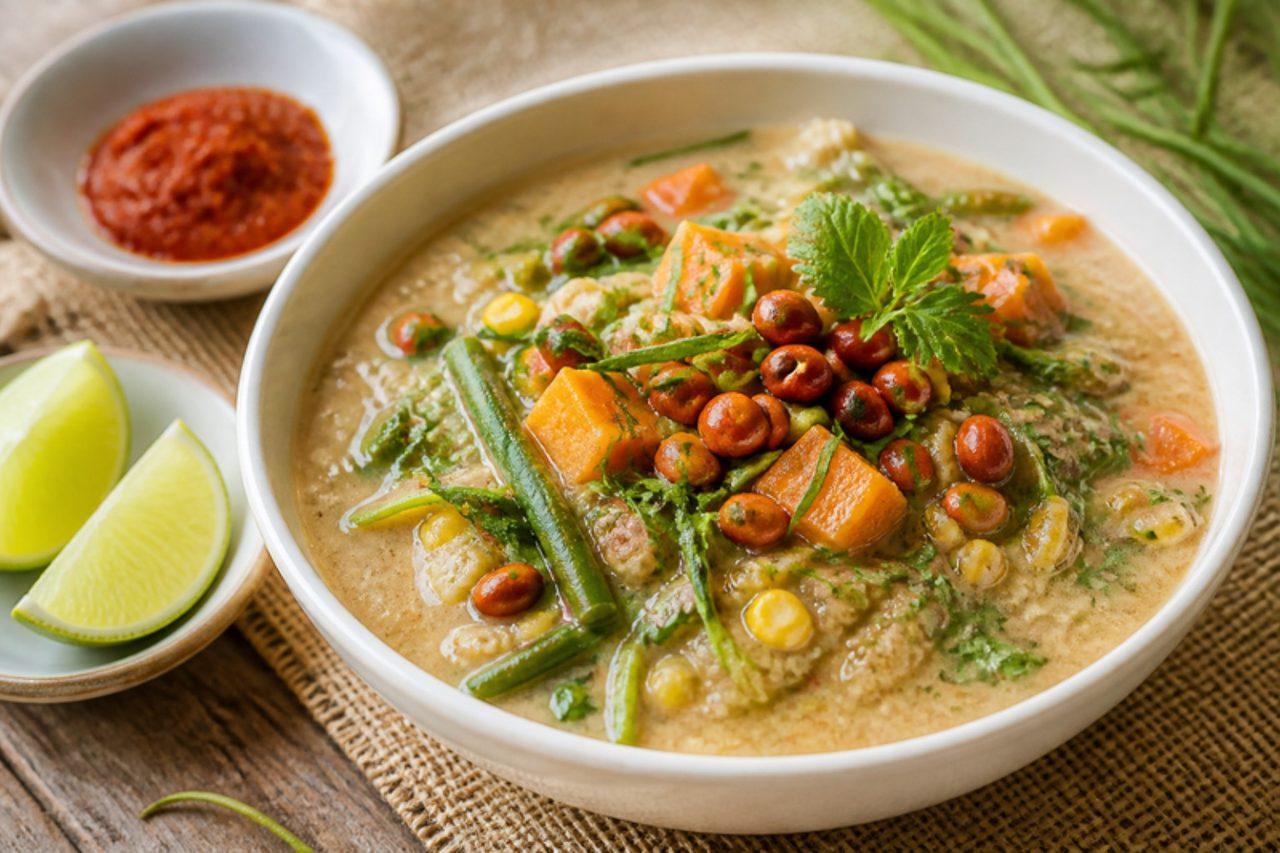
Bubur pedas comes from the Malay kitchens of Sambas in West Kalimantan and is a Ramadan favourite for breaking the fast. Raw rice and coconut are dry-roasted and ground, then cooked into a thick, savoury porridge with sweet potato, long beans, ferns, water spinach and lots of kesum leaf, the herb that gives its peppery smell. Despite the name, it is spiced rather than very hot; chilli goes on at the table. Many cooks add dried anchovies; this version tops it with fried peanuts instead. Chef's tip: roast the rice and coconut slowly until deep golden; that toastiness is the flavour of the dish.

by KrazyBadal 0 views

Kerak telorSticky rice and egg omelette

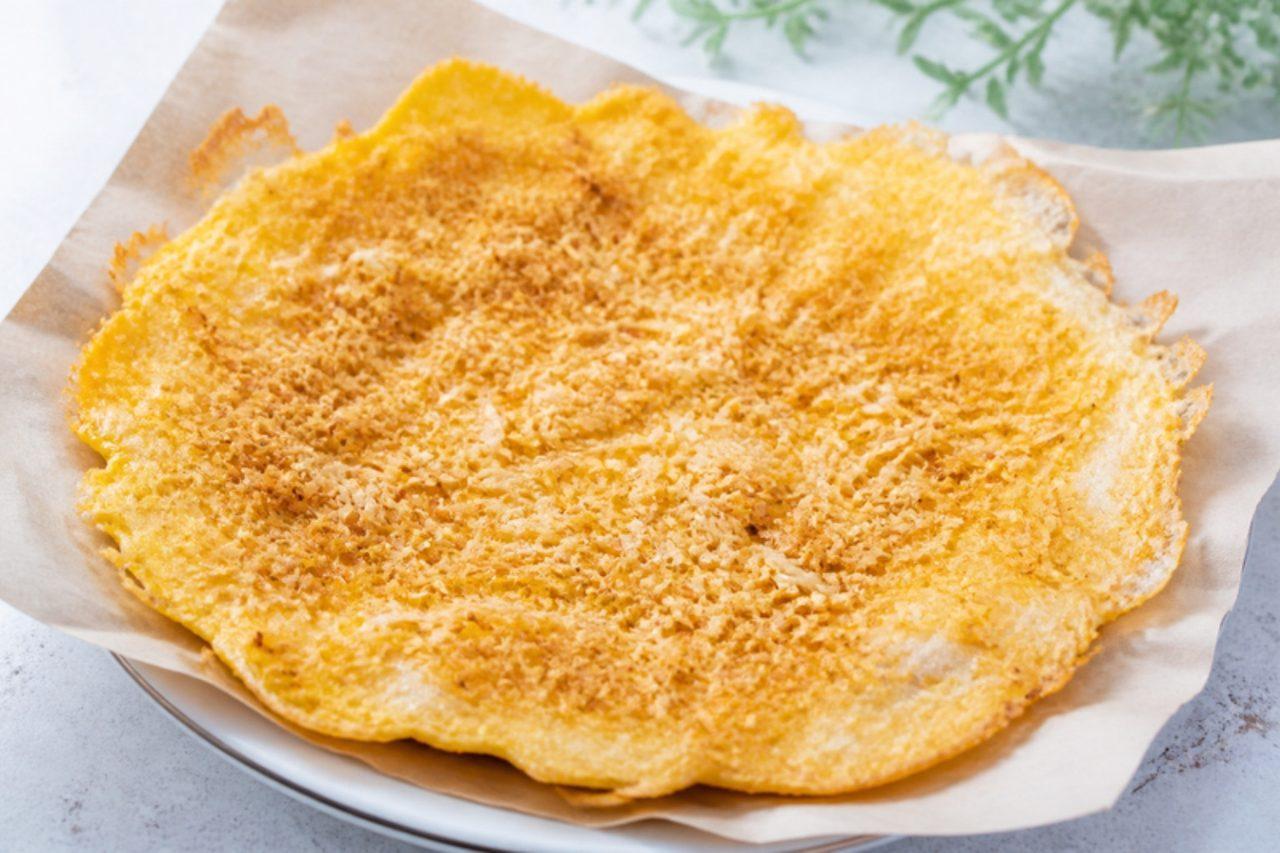
Kerak telor is the Betawi snack of Jakarta, cooked over charcoal by vendors at the Jakarta Fair and around Monas: a little soaked sticky rice is cooked in a tiny wok, an egg cracked on top, then the wok is turned upside down over the coals so the bottom forms a crust. It is finished with serundeng, a spiced toasted coconut, and fried shallots. Vendors usually add dried shrimp to the coconut; this version doesn't. Chef's tip: soak the sticky rice overnight; half-soaked grains stay hard in the middle.

by KrazyBadal 0 views

Dabu-dabuFresh tomato and chilli salsa

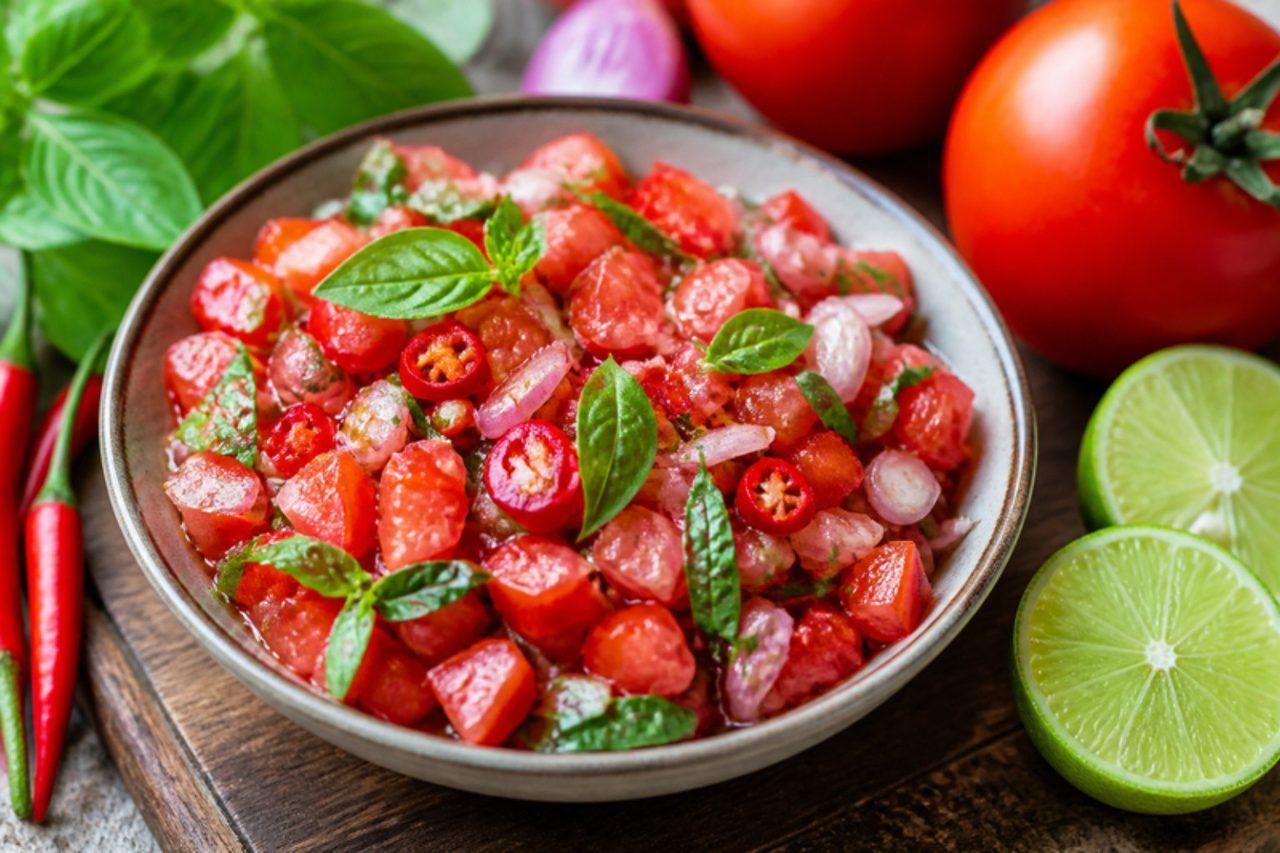
Every table in Manado, North Sulawesi, has a bowl of dabu-dabu: diced tomato, shallot and red chilli with calamansi juice and lemon basil, sometimes dressed with hot oil. It is spooned over grilled food, fried tofu and the pumpkin porridge tinutuan, and its cool juiciness makes very hot chilli easier to take. Unlike Bali's sambal matah, it is built on tomato and stays chunky and wet. Chef's tip: salt the tomatoes and leave them 5 minutes before mixing, so they release juice that becomes the dressing.

by KrazyBadal 0 views

Vegetarian banh tet

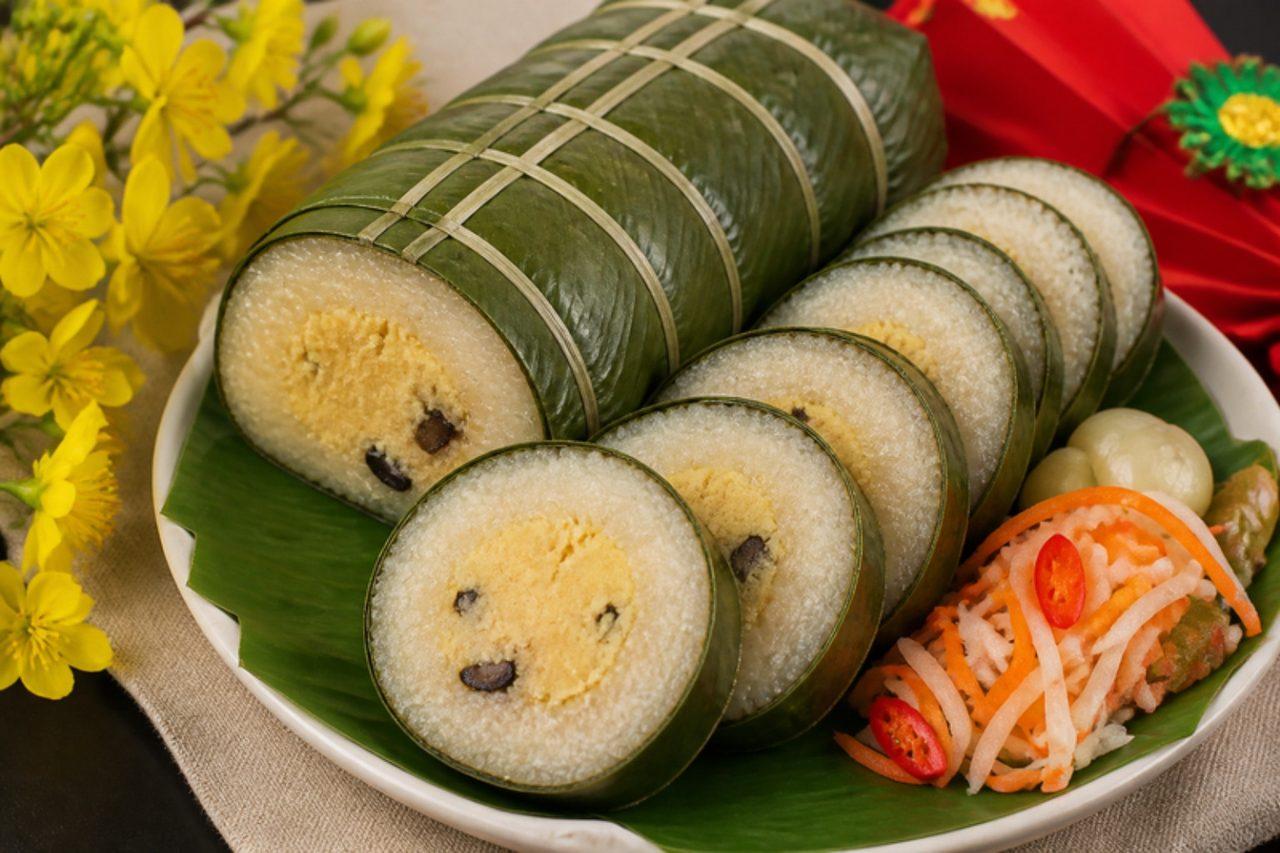
In the Mekong Delta, families gather in the days before Tết (Lunar New Year) to wrap bánh tét: long, round logs of coconut-scented sticky rice around a core of mung bean, tied in banana leaves and boiled overnight over a wood fire. The everyday version hides a strip of pork belly in the middle; the chay version here, with peppery shallot-seasoned mung bean, is the one made in Buddhist pagodas and vegetarian households, and some cooks make a sweet bánh tét chuối with ripe banana instead. Slices are cut with a loop of string, eaten with pickled vegetables, or fried until crisp in the days after Tết. Chef's tip: roll and tie the log tightly; a firm parcel is what keeps the water out and gives clean, dense slices.

by KrazyBadal 0 views

Xoi xeoSticky rice with mung bean

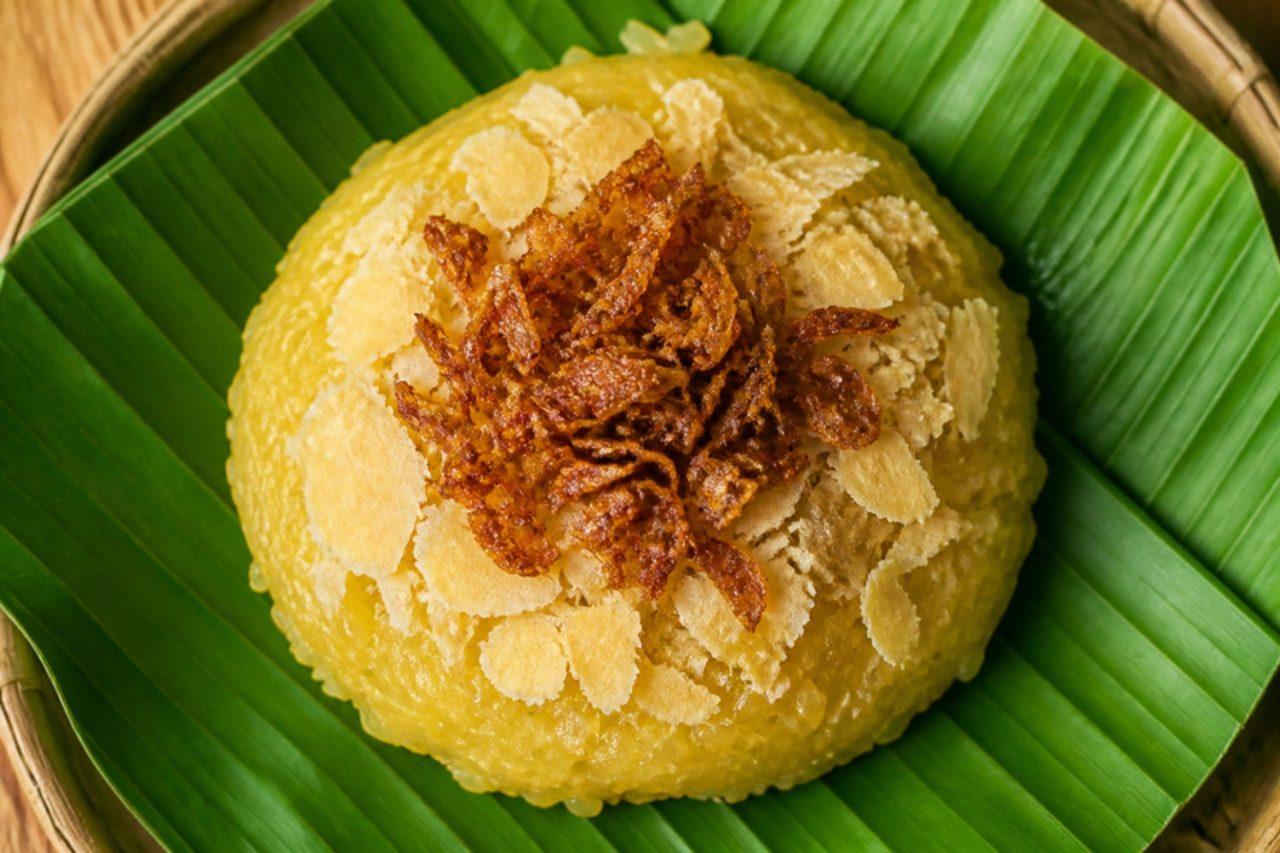
Xôi xéo is a Hanoi breakfast sold before dawn from baskets on the pavement, wrapped in a lotus or banana leaf for people to eat on the way to work. Turmeric-tinted glutinous rice is steamed until chewy, then topped with thin shavings cut from a firm ball of cooked mung bean (the 'xéo' is the slanting cut) and a spoonful of crunchy fried shallots with their fragrant oil. Street sellers often use pork fat for the shallots; frying them in vegetable oil keeps it vegan and still rich. Chef's tip: squeeze the mung bean paste into a tight ball while it is warm and let it cool before shaving; a loose ball crumbles instead of slicing into ribbons.

by KrazyBadal 0 views

Vegetarian bun rieu

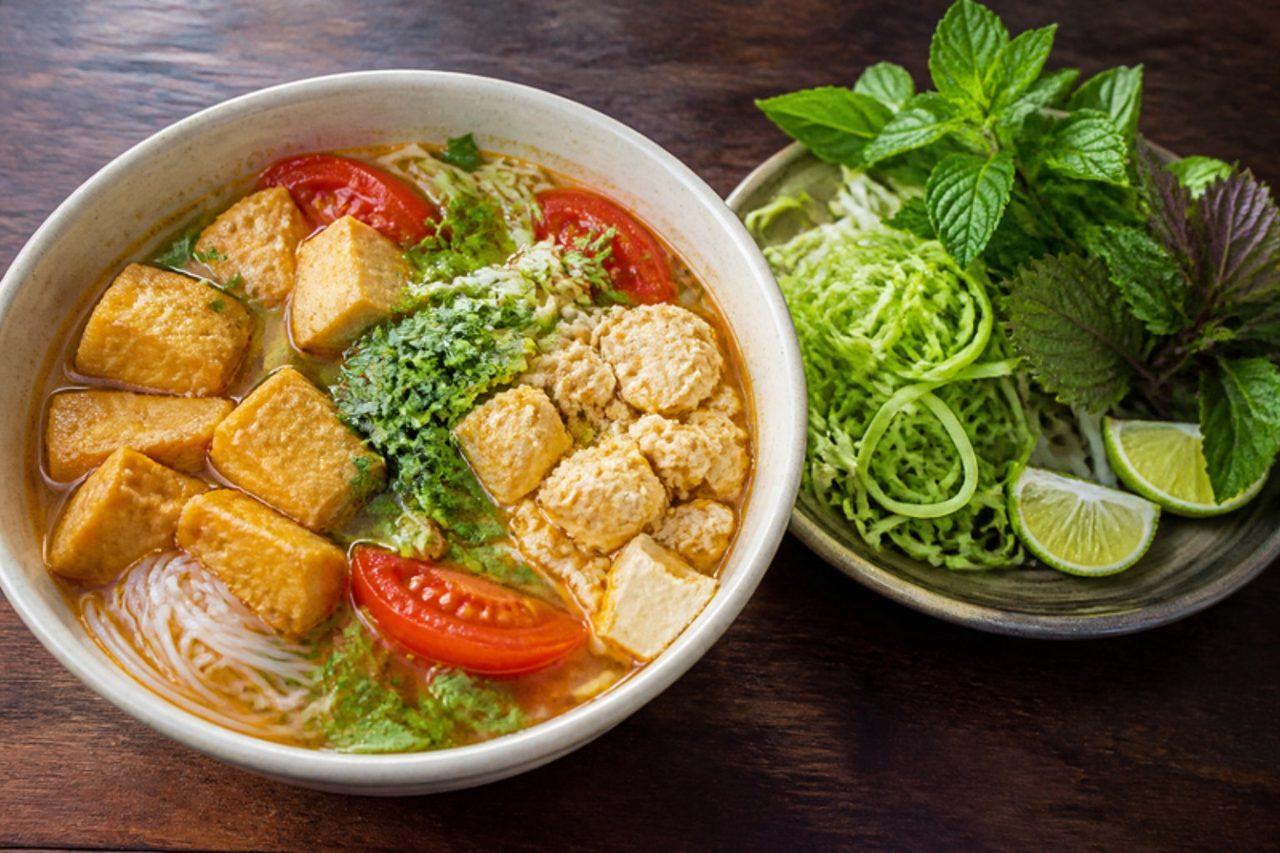
In Hanoi, bún riêu is a mid-morning bowl bought from street sellers who set up on low plastic stools: a tangy red tomato broth with rice vermicelli and soft, floating curds that are normally made from pounded paddy crab. Vegetarian cooks and Buddhist temple kitchens make bún riêu chay instead, folding crumbled tofu, egg and chopped shiitake into the same loose, spongy curds, and seasoning the broth with fermented tofu rather than shrimp paste. It arrives with fried tofu, lime, chilli, shredded water spinach and perilla, so each spoonful is sour, savoury and fresh at once. Chef's tip: let the tomatoes fry in the annatto oil until they collapse into a jammy paste before any stock goes in; that is where the broth gets its colour and depth.

by KrazyBadal 0 views

Showing 24 of 400 recipes

Show more recipes

Page 15 of 17

Goes well with shallot