Skip to content

Recipes with sendha namak

7 recipes that use sendha namak, with photos, step-by-step instructions and cook times. The quickest, Upvasachi batata bhaji, takes 25 minutes. It is most often cooked with cumin seeds, coriander and groundnut oil.

Got a few things in the fridge? Search by everything you have

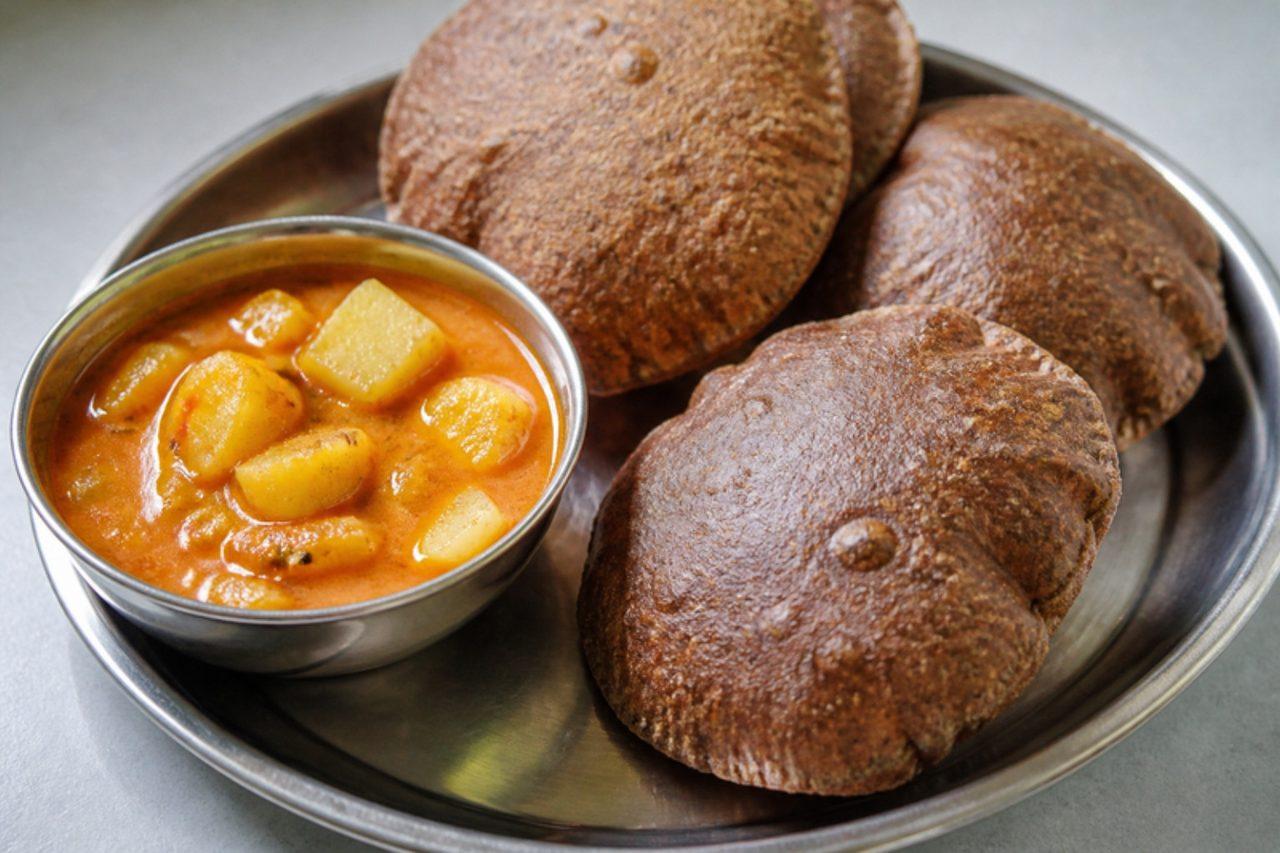
Kuttu ki puriBuckwheat puris

Through the nine days of Navratri, Delhi and Punjabi kitchens switch wheat for kuttu, buckwheat flour, and these dark, earthy puris become the fast-day staple. Kuttu has no gluten, so boiled potato is mashed in to bind the dough and keep the puris soft; they puff less than wheat puris but come out crisp at the edges and tender inside, with a nutty, slightly bitter flavour. Rajgira or singhara flour can be used in exactly the same way. They are eaten with vrat ke aloo, kaddu ki sabzi or a bowl of sweet curd, and on Ashtami many temples serve them with halwa. Only sendha namak goes in, and no regular salt, spices or grains, so they suit strict fasts. Buckwheat is naturally gluten-free, but buy flour labelled gluten-free if that matters to you, as some is milled alongside wheat. Chef's tip: make the dough just before frying; kuttu dough goes sticky and wet if it sits.

by KrazyBadal 0 views

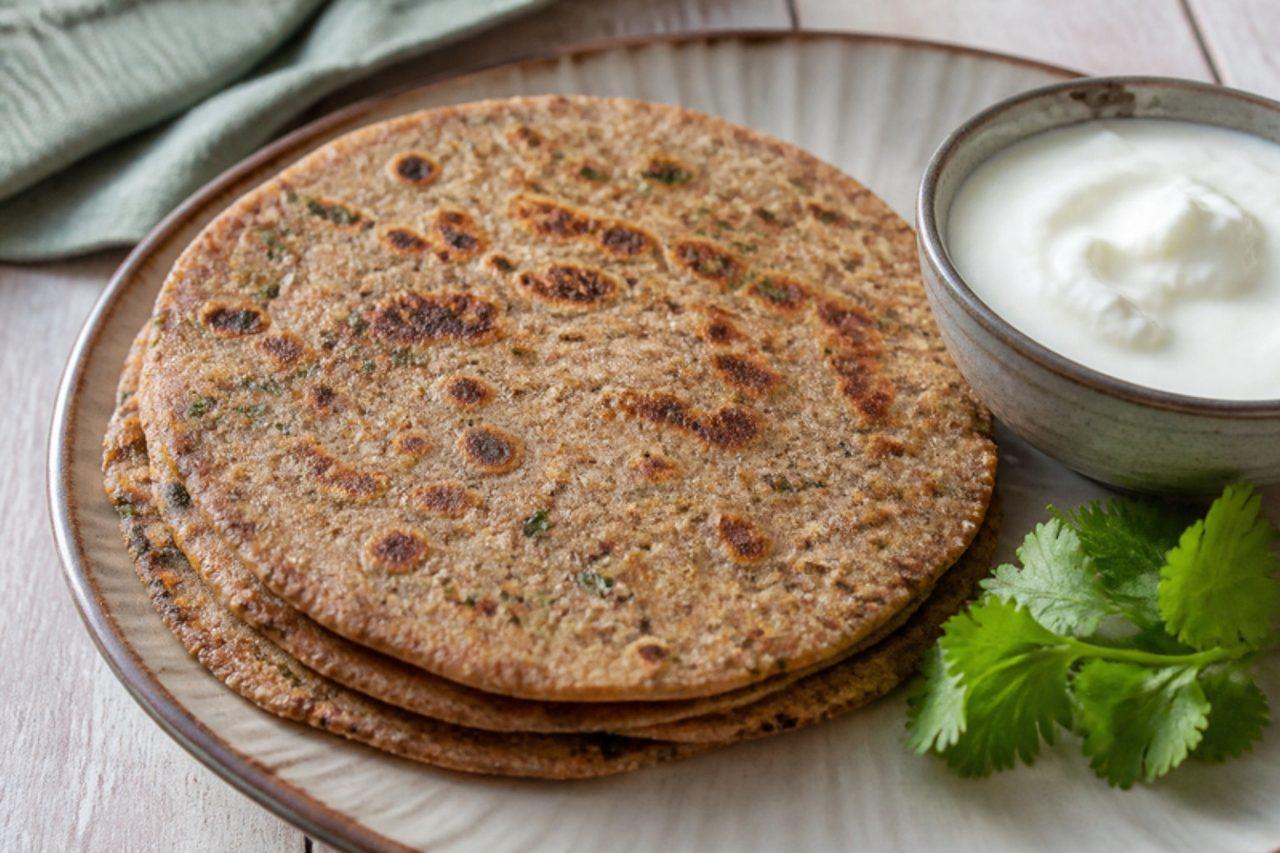
Rajgira parathaAmaranth flatbread

In Maharashtrian homes on Ekadashi, Mahashivratri and the Navratri fast, rajgira, amaranth, replaces wheat, and these parathas are the most filling way to eat it. The flour has a mild, nutty, grassy flavour and no gluten, so boiled potato is kneaded in to hold the dough together, with chopped green chilli, cumin, coriander and rock salt for a lightly spiced flatbread. Cooked on a griddle with ghee, they turn golden-spotted and soft with crisp edges. Serve them with sweet dahi, upvasachi batata bhaji or a dab of peanut chutney. Strict fasts in some homes skip cumin and coriander leaves, so leave them out if your family does. Use flour labelled gluten-free if that matters to you. Chef's tip: pat the dough out between two sheets of oiled plastic and lift it onto the tawa on the sheet, peeling it off as it goes down; rajgira dough is too fragile to roll and flip like wheat.

by KrazyBadal 0 views

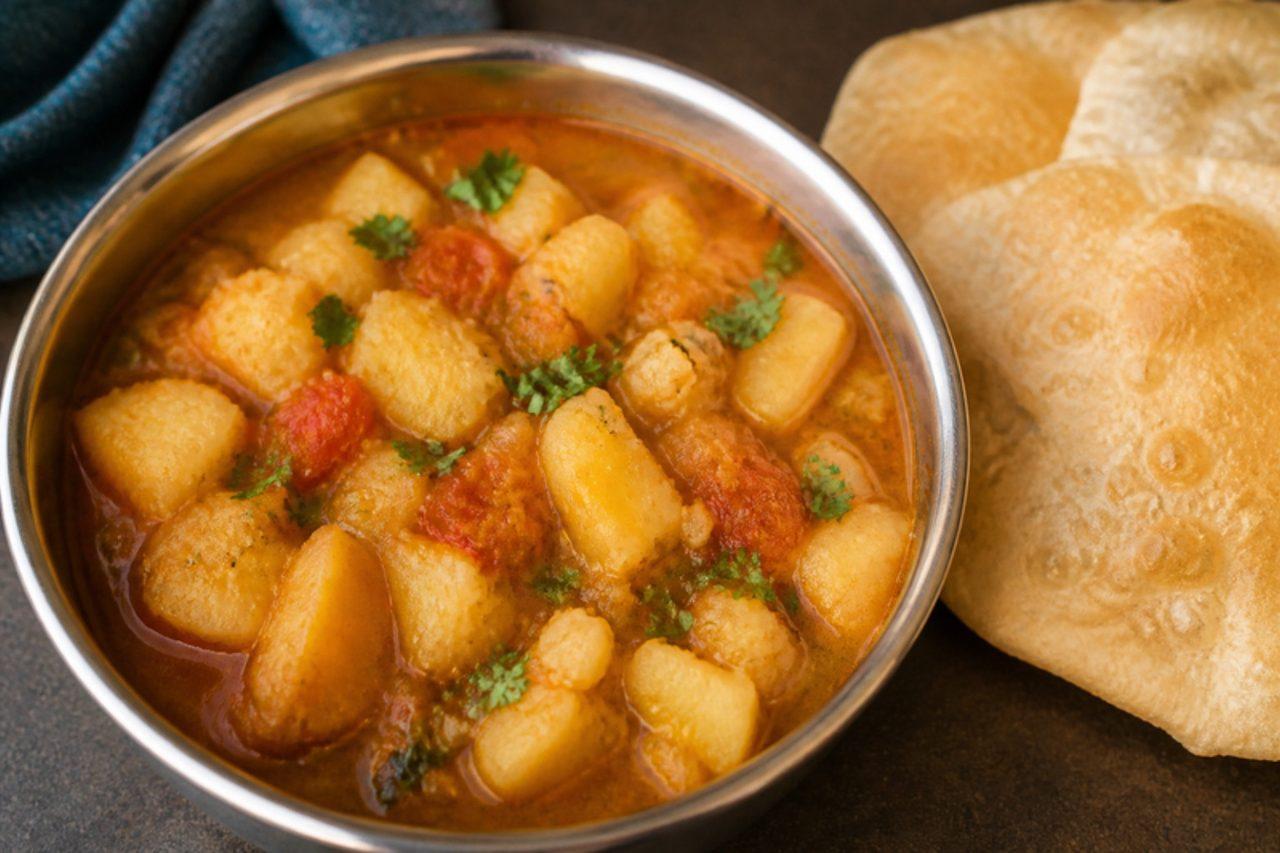
Vrat ke alooFasting potato curry

On Navratri mornings in Delhi, Lucknow and Punjabi homes everywhere, this is what fills the kadhai next to the kuttu puri. Boiled potatoes are broken by hand, not cut, so their rough edges melt into a loose, brothy gravy of tomato, cumin, fresh ginger and green chilli, seasoned only with sendha namak and a little pepper. It is soupy enough to dunk puri into, tangy from the tomato and gently hot, and comforting after a morning of fasting. Very strict homes skip red chilli powder and coriander as well as turmeric and asafoetida; this recipe uses neither turmeric nor hing. Ghee is traditional; oil keeps it vegan. Chef's tip: mash two or three pieces of potato into the gravy as it simmers; the starch thickens it naturally, since no flour or onion is allowed.

by KrazyBadal 0 views

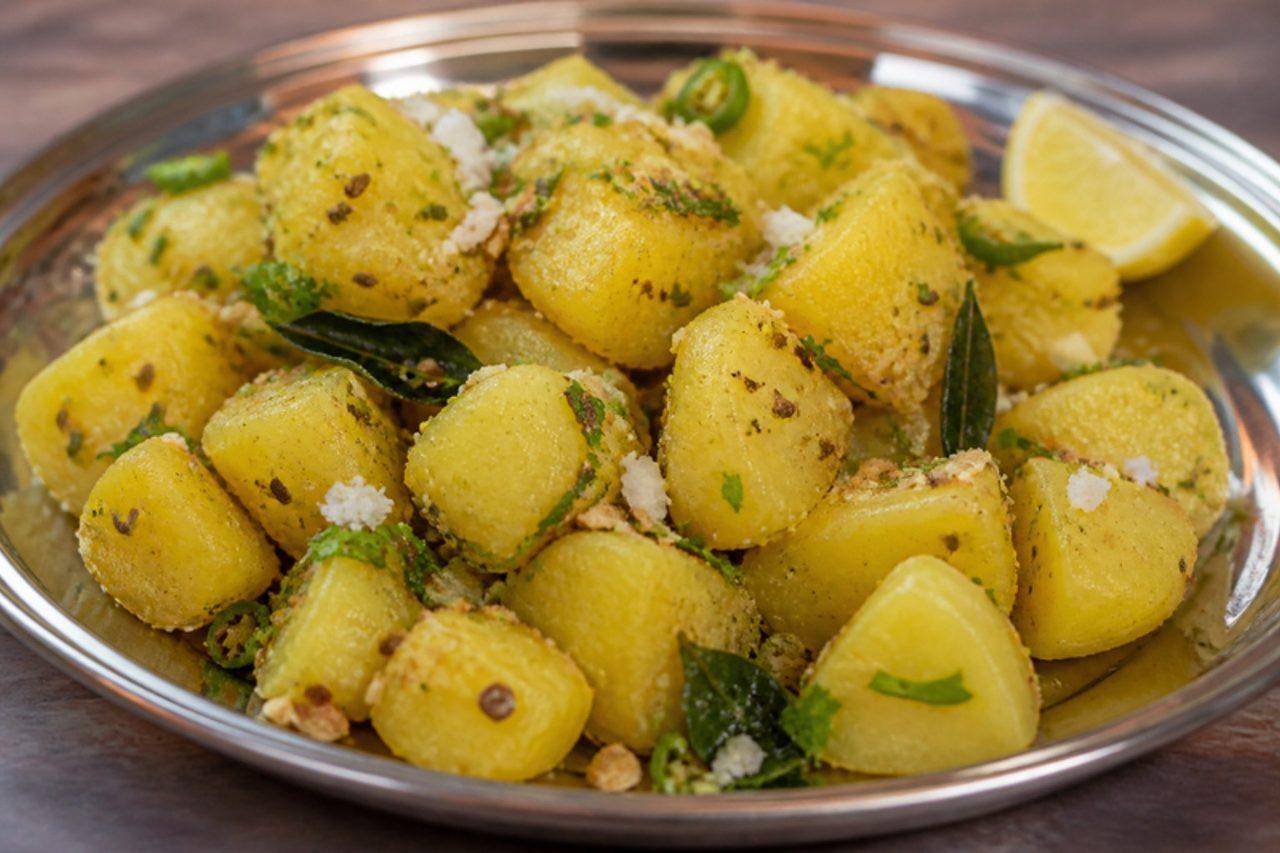
Upvasachi batata bhajiFasting potato stir-fry with peanuts

Ask anyone from Pune or Nashik what they eat on Ekadashi or a Navratri upvas, and this dry potato bhaji will be on the plate, usually next to sabudana khichdi or bhagar and a bowl of danyachi amti. Unlike North Indian vrat ke aloo, there is no tomato and no gravy: cubes of boiled potato are tossed in ghee or oil with cumin and crushed green chilli, then coated in coarsely ground roasted peanuts that cling to every piece. A little sugar and lemon give it the gentle sweet-sour lift that Maharashtrian cooking loves, and coriander and fresh coconut finish it. It is quick, filling and good cold in a tiffin too. Some families add curry leaves; others leave them out on strict fasts. Chef's tip: cool the potatoes completely before cubing; warm potatoes break into mash when you toss them.

by KrazyBadal 0 views

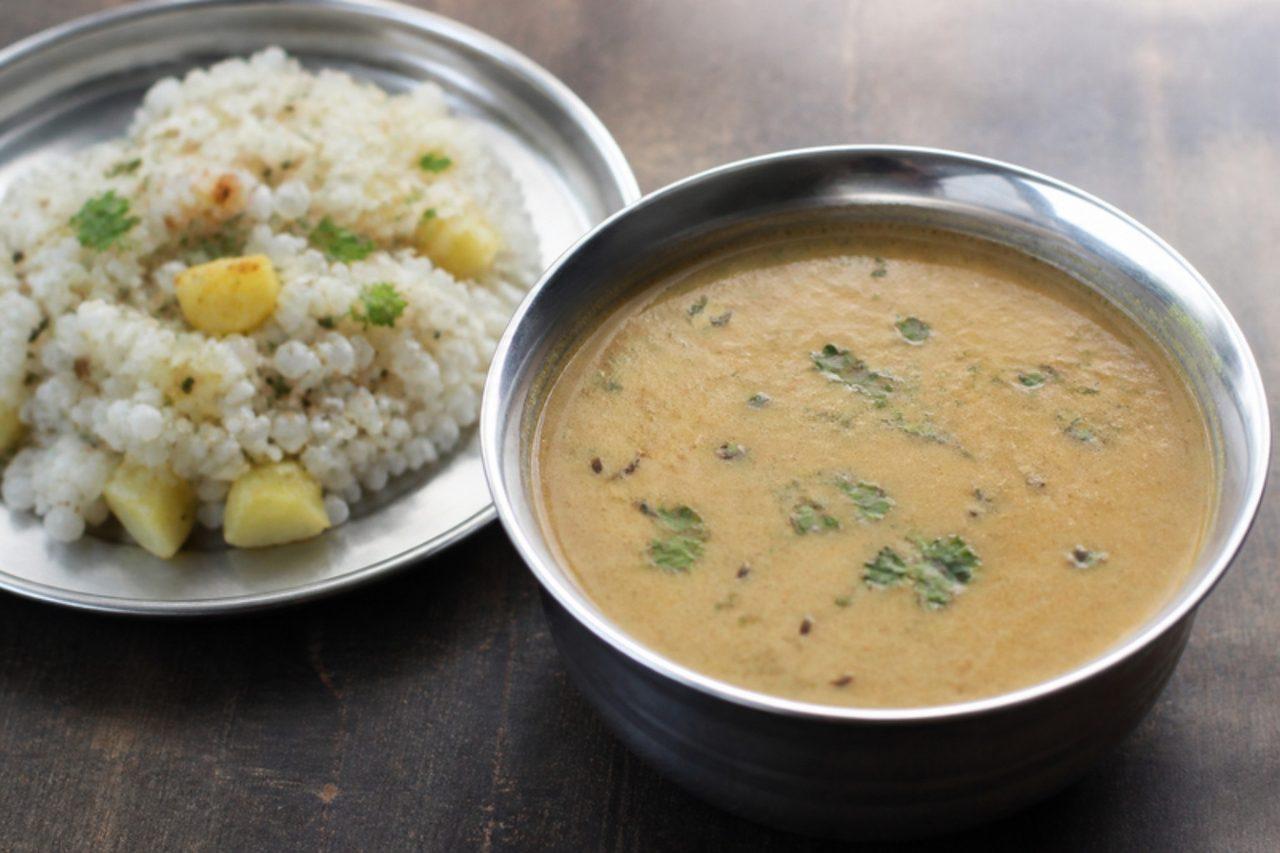
Danyachi amtiPeanut curry

On fast days in Maharashtra, when dal is off the menu, danyachi amti takes its place. Roasted peanuts are ground smooth with green chilli, then simmered with water, a cumin tadka, kokum and a little jaggery into a pale, creamy curry with a sour, slightly sweet and spicy taste. It is ladled over sabudana khichdi or vari tandul (barnyard millet) bhagar, loosening them and adding protein to a fasting meal, and it goes well with upvasachi batata bhaji on the side. Use sendha namak so it suits the fast; ghee is the usual fat in many homes, oil keeps it vegan. It thickens a lot as it stands, so thin it with hot water before serving. Chef's tip: grind the peanut paste really smooth and whisk it into the water before heating; a coarse grind leaves the amti gritty and it splits as it boils.

by KrazyBadal 0 views

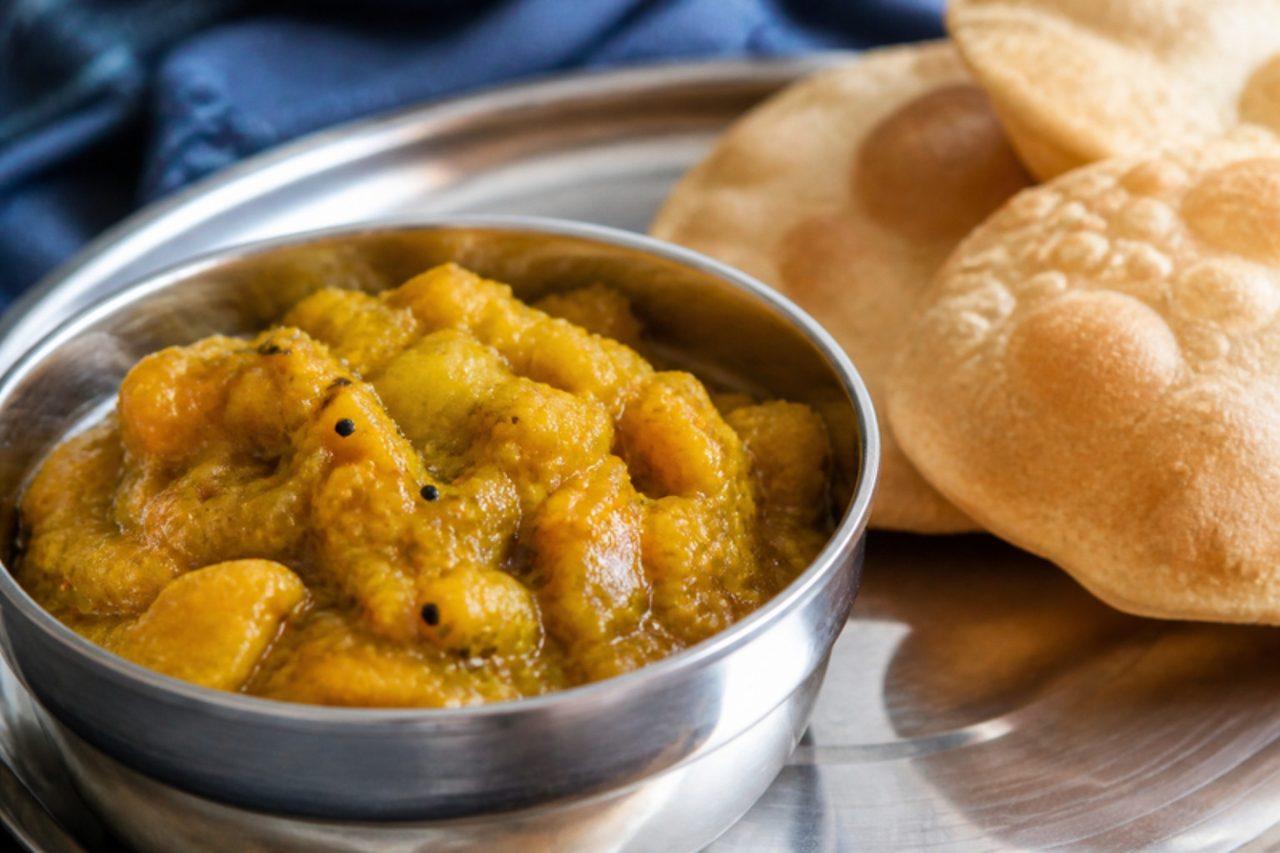
Khatta meetha kadduSweet-sour pumpkin

Kaddu ki sabzi with puri is the meal served at countless bhandaras, the free community feasts outside temples in Uttar Pradesh and Punjab, and at home it is a fasting favourite for Navratri. Chunks of yellow pumpkin are cooked until soft with sizzling fenugreek seeds and cumin, then half-mashed and finished with jaggery and dry mango powder, so the dish swings between sweet and sour with gentle heat from ginger and chilli. The fenugreek gives it a faintly bitter, maple-like depth. This fasting version uses rock salt and leaves out the turmeric, asafoetida and fennel that bhandara cooks add. Serve with kuttu puri or regular puri, and a bowl of raita. Chef's tip: keep the skin on part of the pumpkin; it holds the pieces together while the peeled pieces melt into the sauce, giving a better texture.

by KrazyBadal 0 views

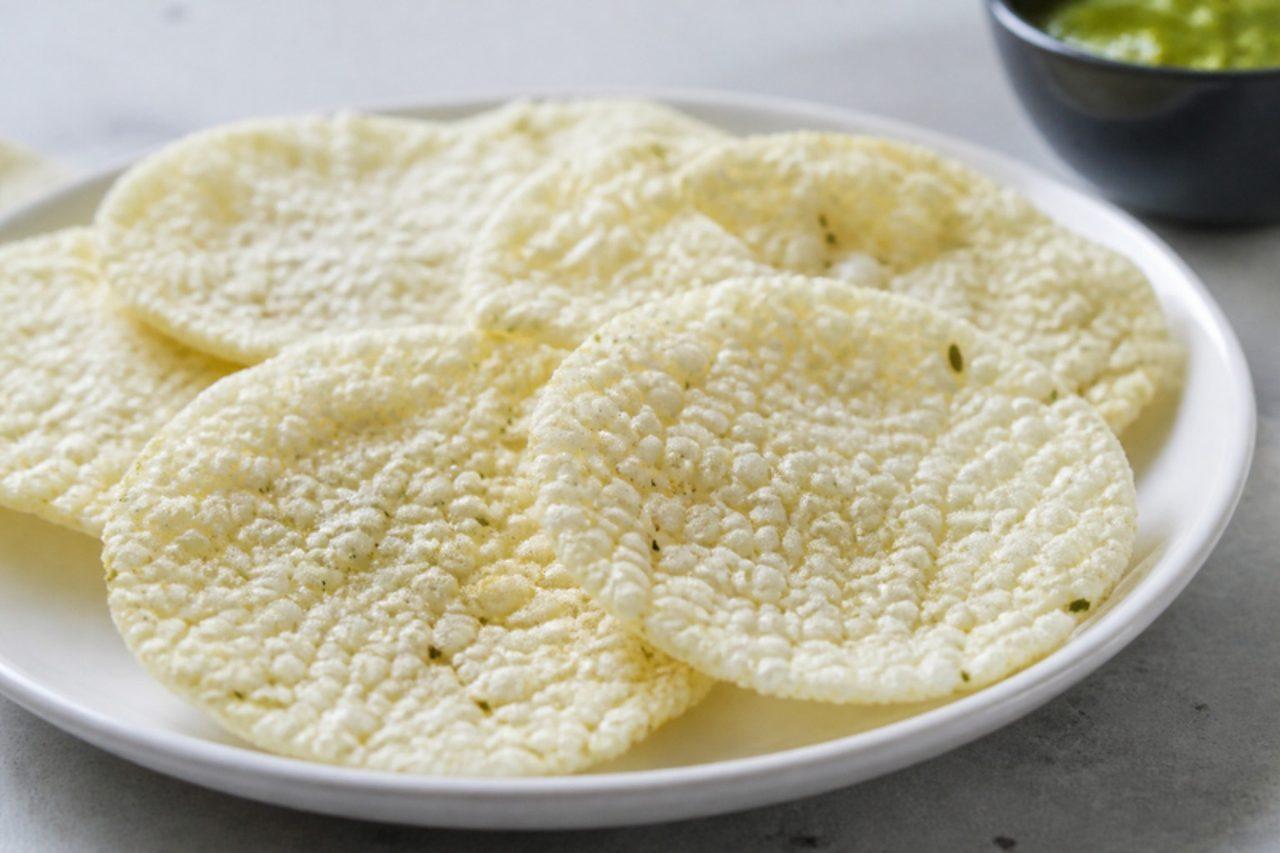
Sabudana papadSago crisps

When Ashadhi Ekadashi, Navratri or a Monday fast comes round in Pune and Nashik, the upvas plate needs something crunchy, and these sago papads are it. They are made in the hottest weeks of summer: soaked sabudana is boiled into a thick, glassy porridge with cumin, green chilli and rock salt, spooned onto plastic sheets and left in the sun until it turns into thin, translucent discs. In hot oil they expand to nearly double, go snow-white and crackle when you bite. They sit next to sabudana khichdi, varyache tandul (sama rice) with peanut amti, or plain farali potato bhaji. The recipe keeps to fasting rules: no grains, no turmeric or asafoetida, and sendha namak (rock salt) instead of regular salt; fry them in groundnut oil or ghee, as your household allows. Chef's tip: cook the sago until there is not a single white dot left in the pearls; any uncooked centres stay hard and chalky after drying and never puff.

by KrazyBadal 0 views

Goes well with sendha namak