Skip to content

Recipes with rice vinegar

10 recipes that use rice vinegar, with photos, step-by-step instructions and cook times. The quickest, Sunomono, takes 10 minutes. It is most often cooked with soy sauce, toasted sesame seeds and sugar.

Run out of rice vinegar? Cider vinegar with a pinch of sugar, same amount.

Got a few things in the fridge? Search by everything you have

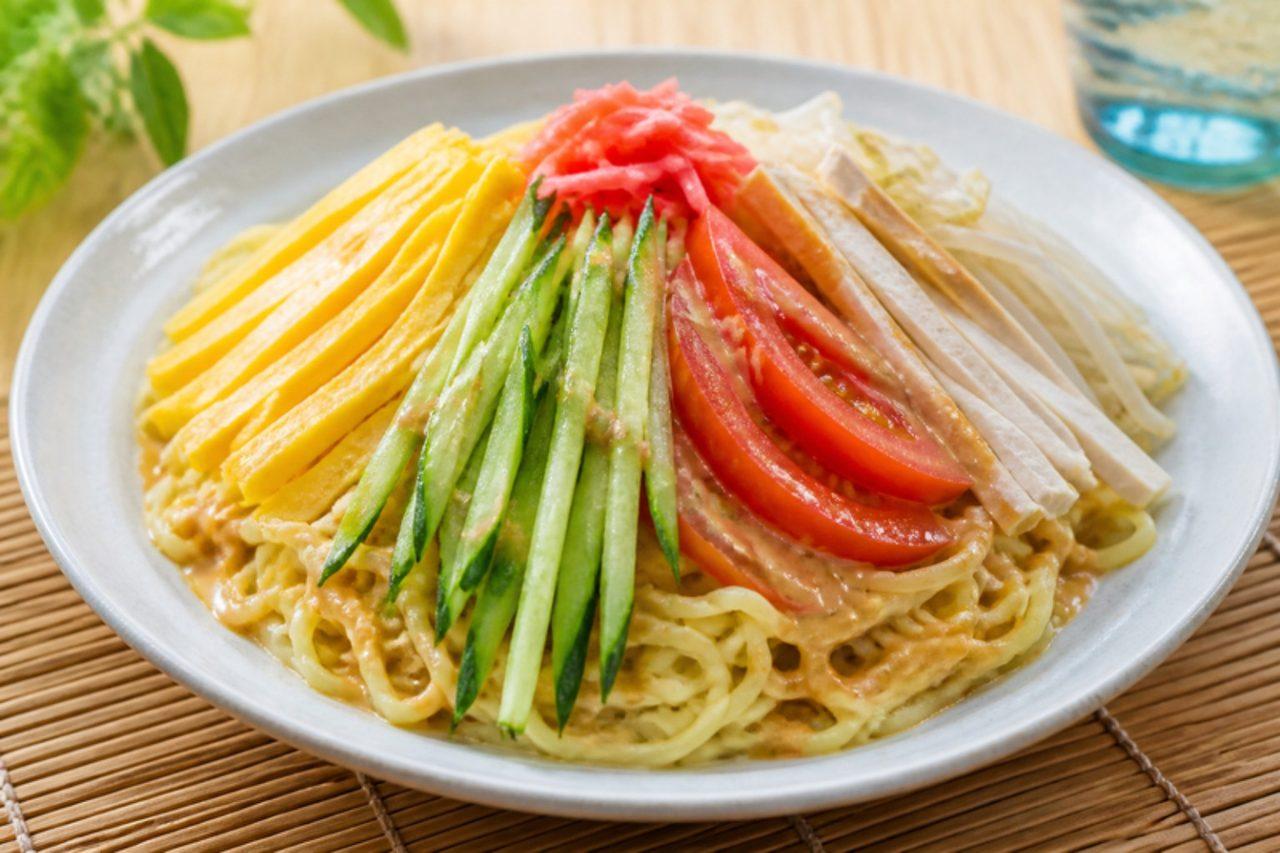
Hiyashi chuka

Hiyashi chuka (冷やし中華) is Japan's summer noodle dish: shops all over the country hang up a 'hiyashi chuka hajimemashita' (we've started serving it) sign when the hot weather arrives. Cold, springy ramen noodles are topped with neat strips of thin omelette, cucumber, tomato and other vegetables, then dressed with a tangy soy, vinegar and sesame sauce. This vegetarian version uses sweetcorn and seasoned tofu in place of the usual ham. Fresh, light and ready in under half an hour. Chef's tip: rinse the noodles until they squeak and are truly cold, then shake them dry; any warmth or water left on them makes the dressing taste flat.

by KrazyBadal 0 views
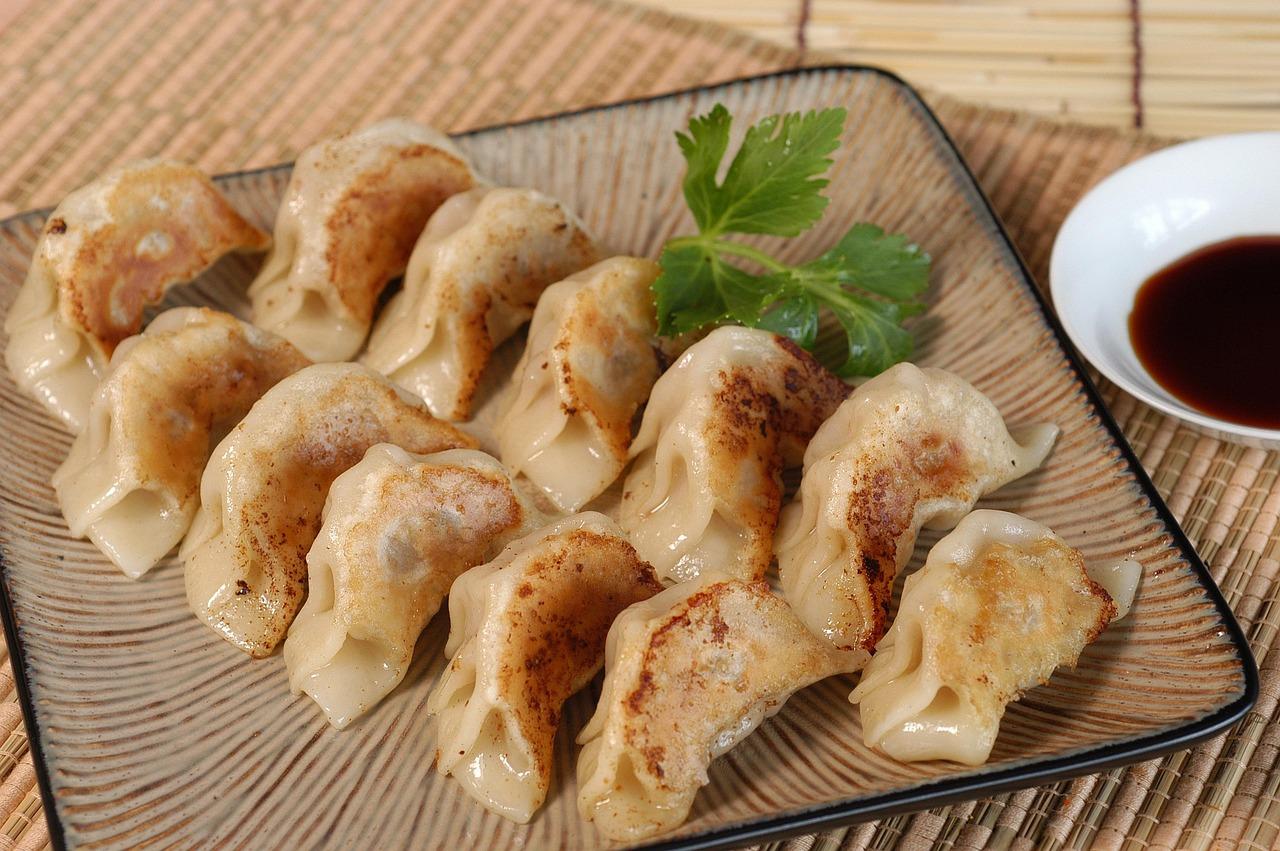
Vegetable gyoza

Gyoza (餃子) came to Japan from China and became a passion in Utsunomiya, a city north of Tokyo that calls itself the gyoza capital, with a gyoza statue outside the station. These vegetarian dumplings are filled with salted cabbage, shiitake, tofu and garlic chives. They're pan-fried and then steamed, so the bottoms turn crisp and golden while the tops stay soft. Shape a big batch and freeze some for later. Chef's tip: squeeze the salted cabbage really hard. Watery filling makes soggy, torn gyoza; a dry filling keeps the wrappers sealed and the bottoms crisp.

by KrazyBadal 0 views

Sunomono

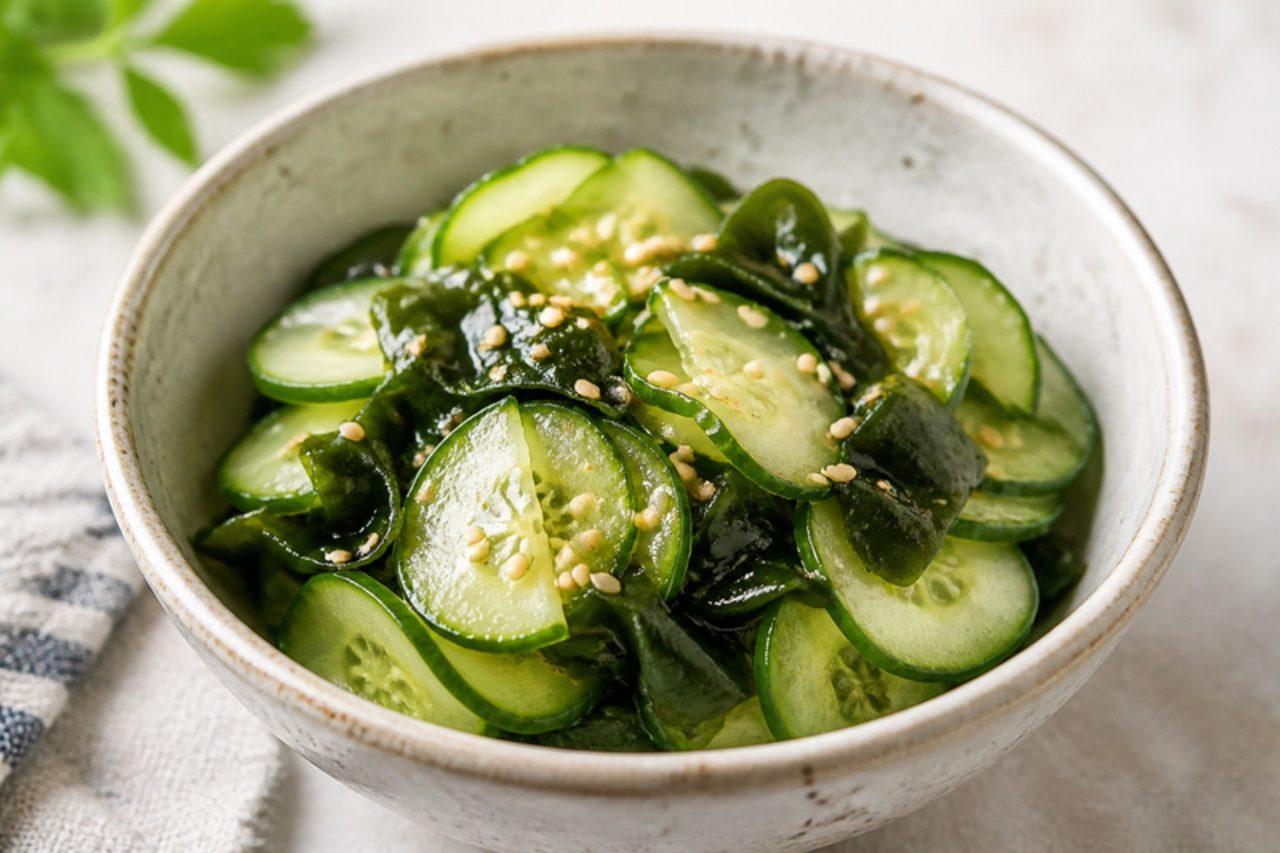
Sunomono (酢の物, 'vinegared things') are small, refreshing dishes served alongside rice and richer food in homes all over Japan. This one, kyūri to wakame no sunomono, is the most common: paper-thin salted cucumber and wakame seaweed in a sweet, gentle rice-vinegar dressing. It cuts through fried food like tempura or gyoza. Ready in ten minutes, and best eaten chilled. Chef's tip: salt the cucumber and squeeze it hard. It draws out the water so the slices turn pleasantly crunchy and drink up the dressing instead of diluting it.

10 minSaladsVegan
by KrazyBadal 0 views

Bibimbap

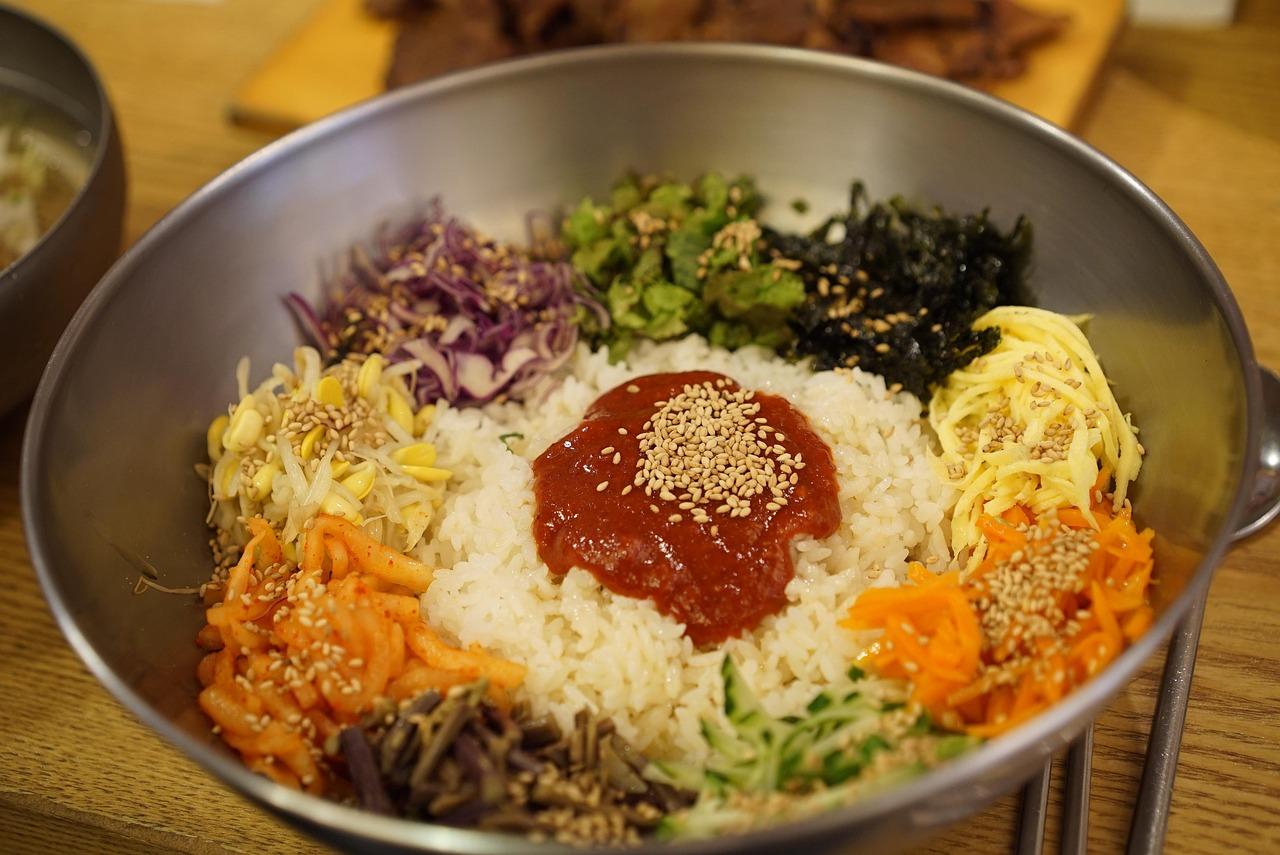
Bibimbap (비빔밥) means 'mixed rice': a bowl of warm rice topped with small heaps of separately seasoned vegetables, a fried egg and a spoonful of gochujang sauce, all stirred together at the table. The city of Jeonju in North Jeolla province is famous for it and serves it with a dozen or more toppings; this home version keeps five that are easy to find. Each vegetable is cooked on its own so it keeps its colour and texture, and the sauce brings sweetness, heat and a nutty sesame finish. Serve with kimchi and a light soup. Chef's tip: season every vegetable on its own, lightly, and taste each one. If each heap is good alone, the mixed bowl will be balanced; if they are all dressed alike, the bowl tastes flat.

by KrazyBadal 0 views

Dolsot bibimbap

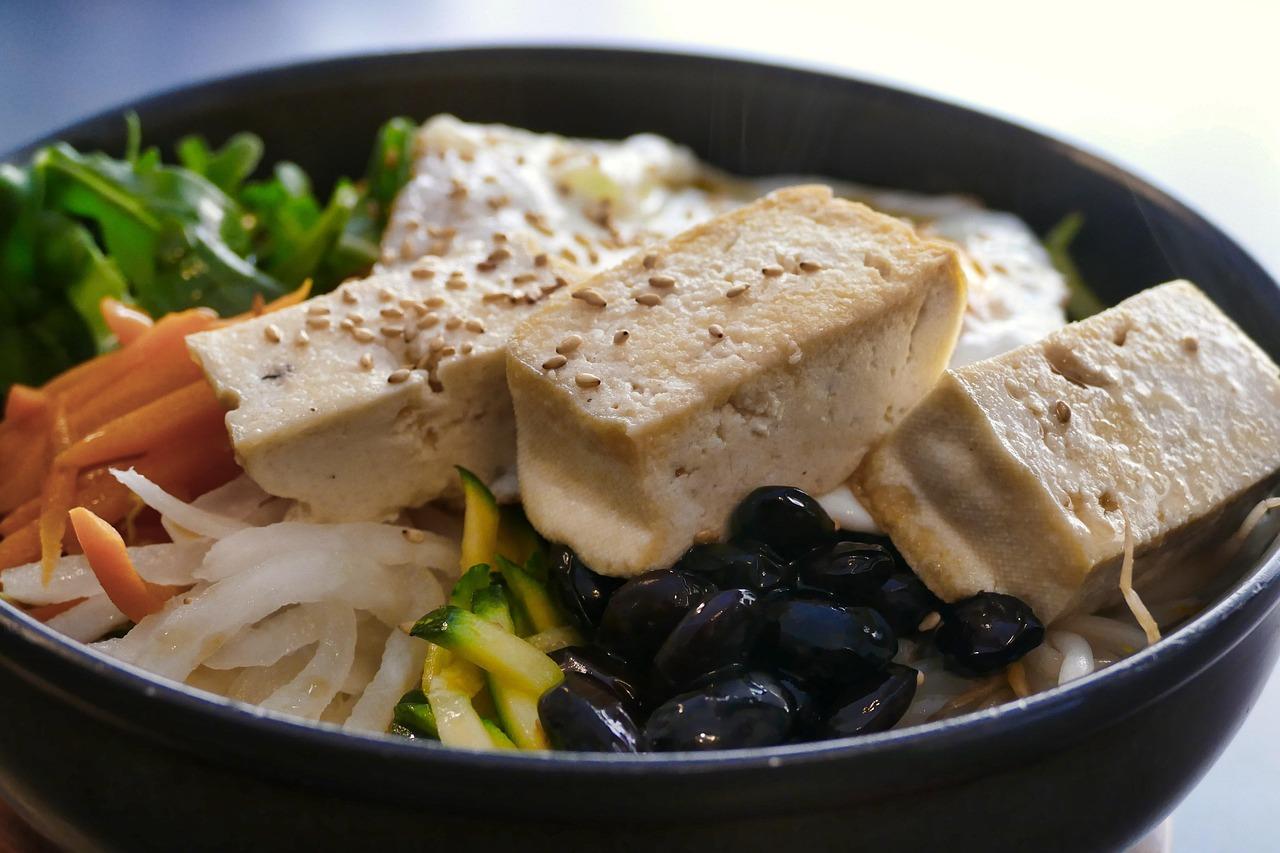
Dolsot bibimbap (돌솥비빔밥) is bibimbap served in a heavy stone pot (dolsot) that is heated on the hob until the rice touching the stone turns into a crackling golden crust, called nurungji. It is eaten all over Korea and is still sizzling when it reaches the table. This vegetarian version tops the rice with seasoned spinach, bean sprouts, carrot, mushrooms and pan-fried tofu, and an egg that cooks gently in the heat of the pot. A small cast-iron pan works if you don't have stone bowls. Chef's tip: listen to the pot. A steady crackle with a toasty, nutty smell means the crust is forming; a sharp burnt smell means the heat is too high.

by KrazyBadal 0 views

Bibim guksu

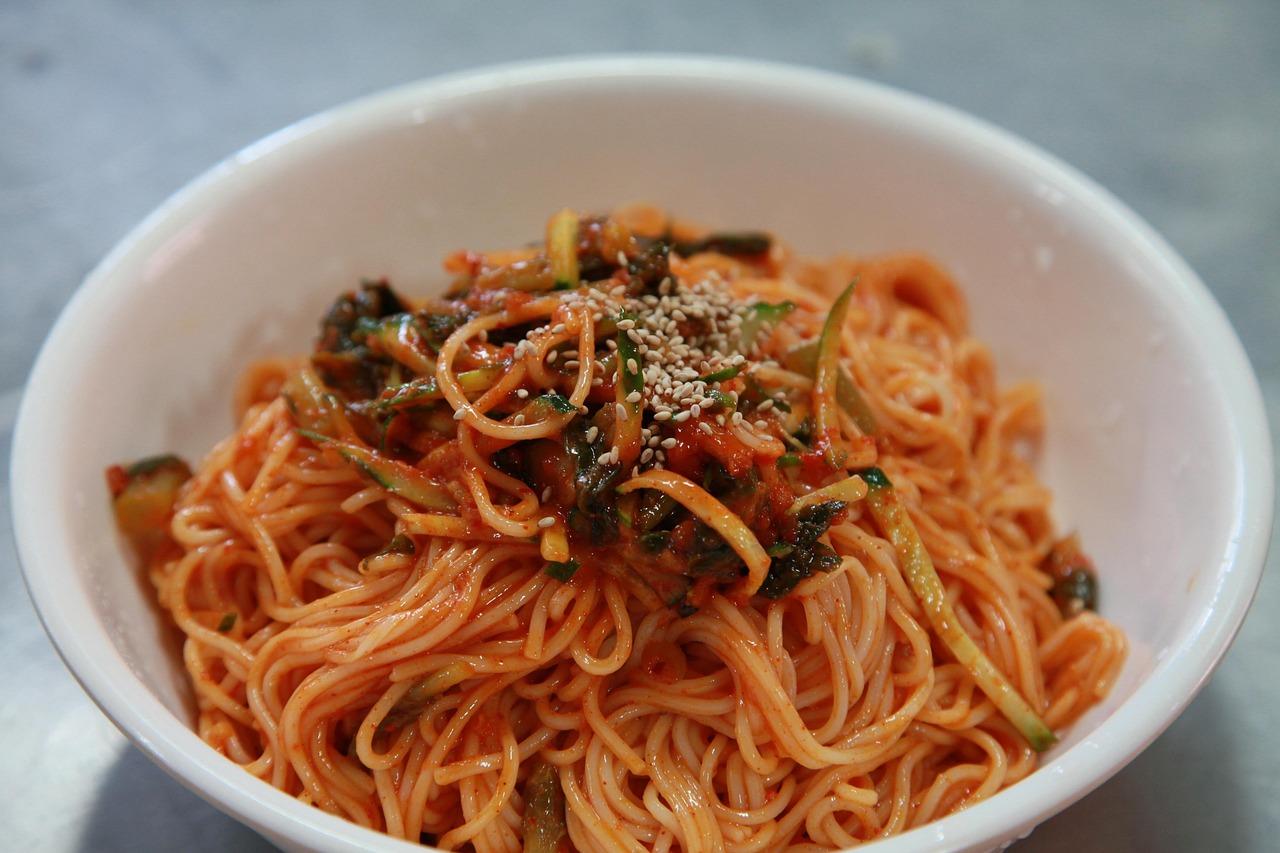
Bibim guksu (비빔국수) is a bowl of chilled thin wheat noodles mixed with a sweet, tangy and fiery gochujang dressing and topped with crunchy cucumber, lettuce and kimchi. It is a summer favourite all over Korea, quick enough for lunch and refreshing on a hot day. The noodles are rinsed in cold water until springy, then tossed with the sauce just before eating. Many versions add half a boiled egg; this one is fully vegan. Chef's tip: rinse the noodles hard in cold water, rubbing them like laundry, then drain them really well. Leftover starch or water dulls the dressing and makes the noodles sticky.

by KrazyBadal 0 views

Pajeon

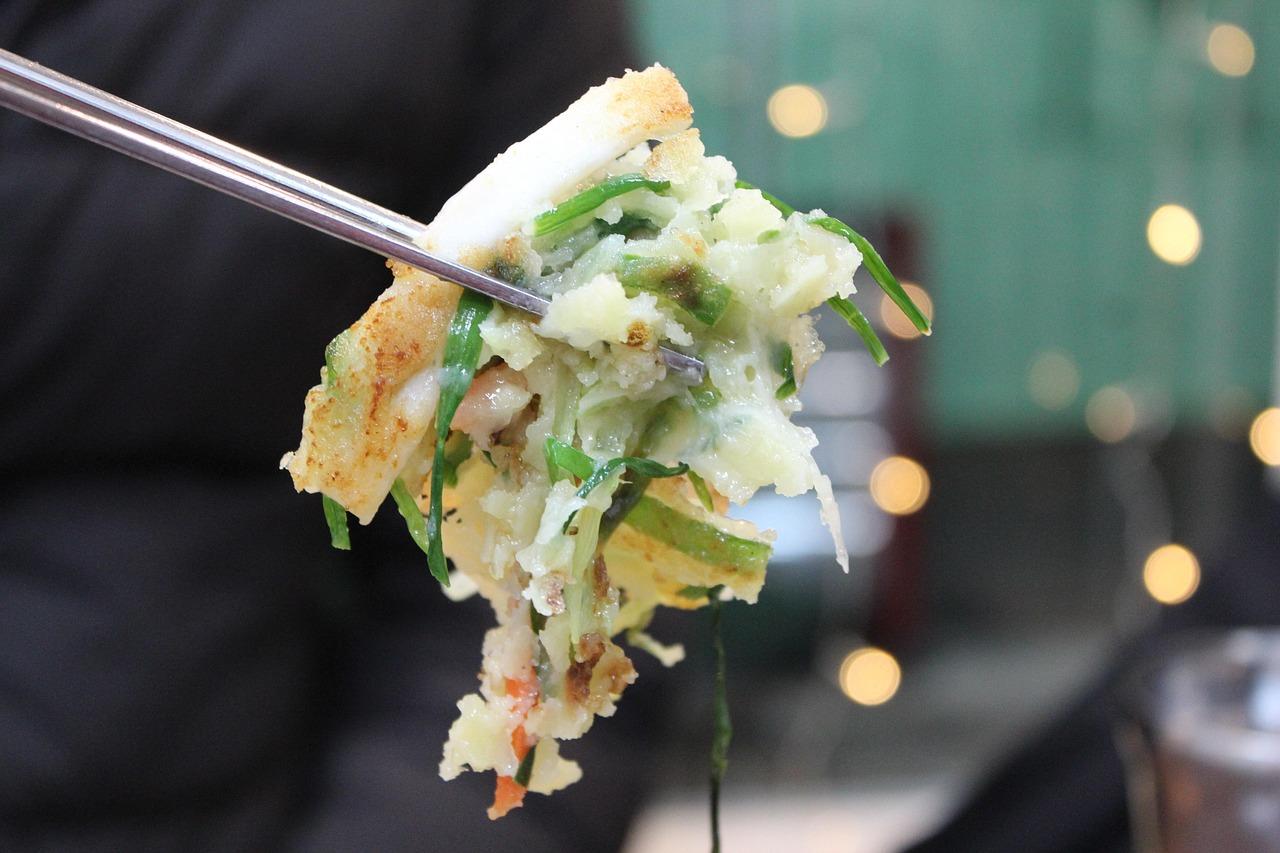
Pajeon (파전) is a savoury pancake packed with whole spring onions held together by a thin batter. Dongnae, a district of Busan, is famous for its version, made with rice flour in the batter and finished with beaten egg poured over the top; Dongnae pajeon is usually loaded with seafood, which is left out here. Korean families often make it on rainy days and eat it with a soy and vinegar dip. Keep the batter ice cold and the pan hot for the crispest edges. Chef's tip: use just enough batter to glue the spring onions together. Dongnae cooks want you to taste spring onion first and batter second, so it should look lacy, not cakey.

by KrazyBadal 0 views

Kimchijeon

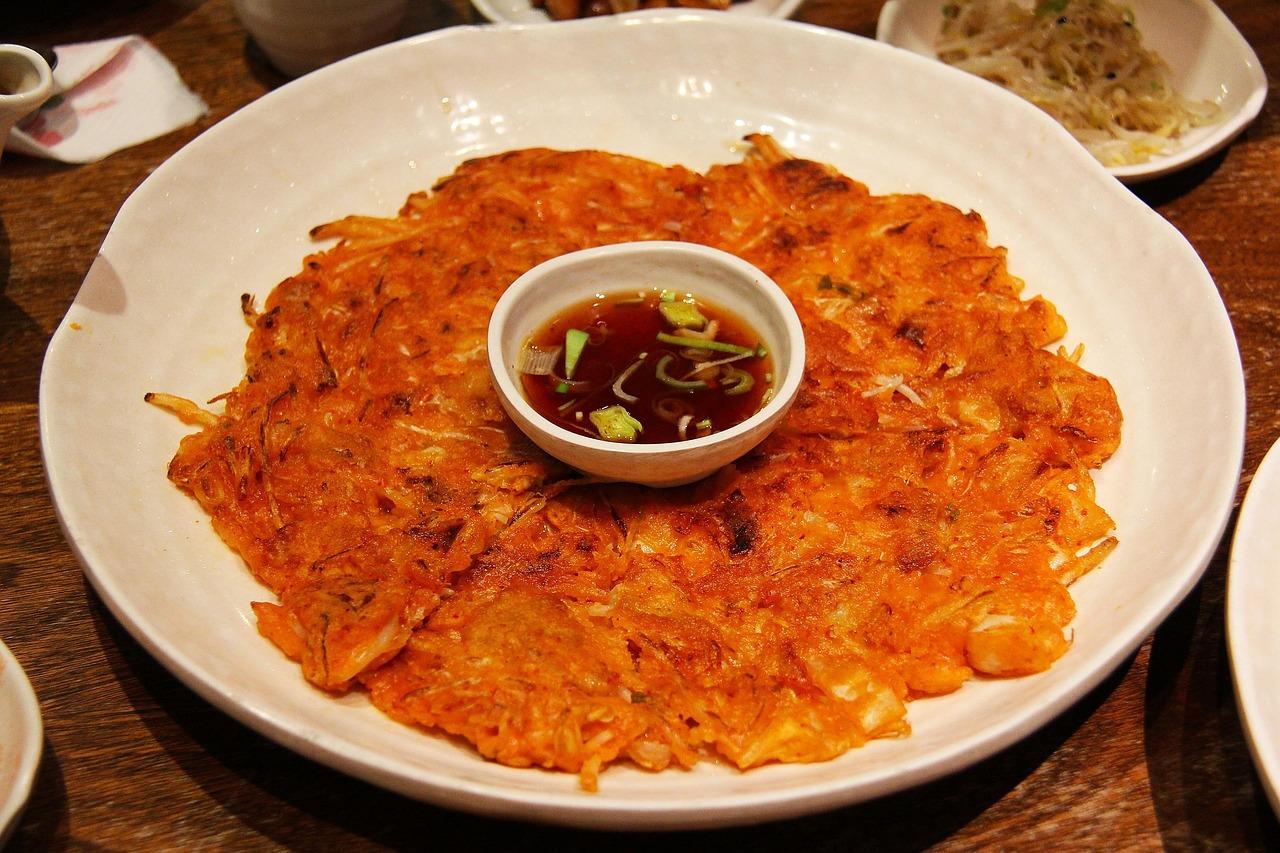
Kimchijeon (김치전) is a thin, crisp pancake made by stirring chopped sour kimchi and its juice into a simple flour batter. Cooks all over Korea make it to use up kimchi that has fermented a little too far, and it is a favourite rainy-day snack with a glass of makgeolli. The kimchi juice colours the batter red and seasons it, so you need little else. This version is egg-free; a spoonful of starch in the batter makes the edges extra crunchy. Use vegetarian kimchi made without fish sauce or shrimp. Chef's tip: be generous with oil and keep the pancake thin. The crisp, almost lacy edge is the best part, and a thick pancake steams instead of frying.

by KrazyBadal 0 views

Hobak jeon

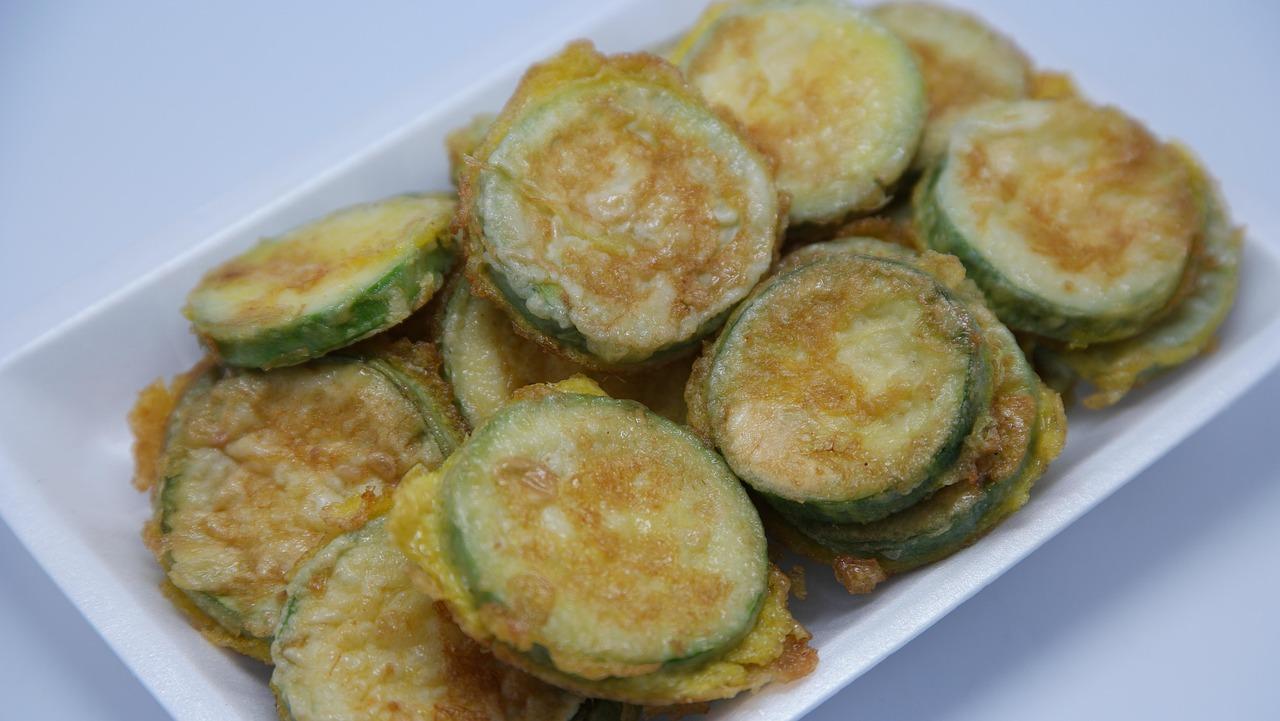
Hobak jeon (호박전) are slices of Korean courgette dusted in flour, dipped in beaten egg and pan-fried until golden. They are one of the jeon that families all over Korea make for holiday tables, and they also make an easy side dish for an everyday meal. The courgette turns sweet and tender inside its soft egg coating. Korean aehobak is paler and sweeter than a regular courgette, but either works. Serve warm or at room temperature with a soy dipping sauce. Chef's tip: keep the heat gentle. Good hobak jeon is bright yellow with only light golden spots; a hot pan browns the egg before the courgette is tender.

by KrazyBadal 0 views

Bindaetteok

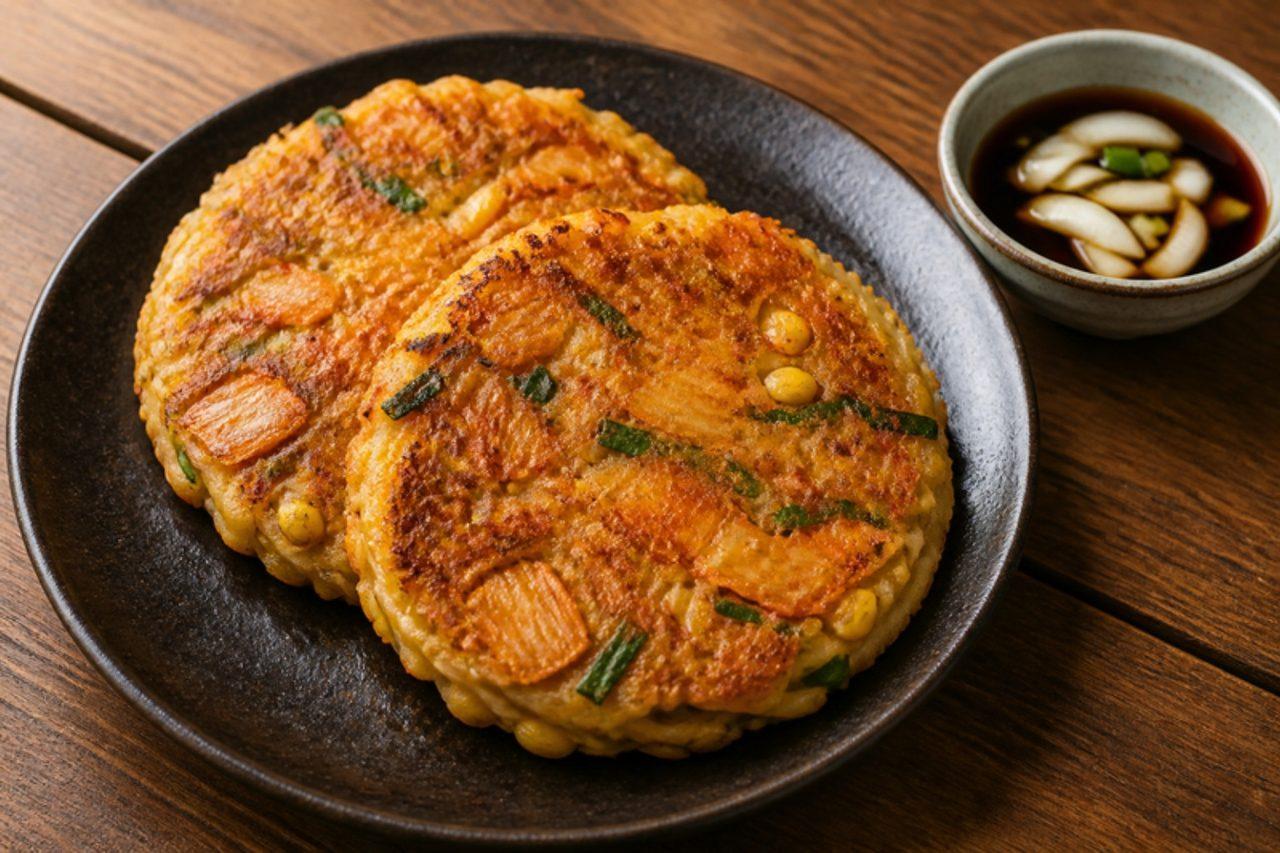
Bindaetteok (빈대떡) are thick, crunchy pancakes made from soaked and ground mung beans mixed with kimchi, bean sprouts and spring onions, then fried in plenty of oil. They are the signature dish of Gwangjang market in Seoul, where stalls grind the beans in stone mills and fry the pancakes in front of you. Market versions often include pork; this one keeps the classic vegetables and is naturally gluten free and rich in protein. The outside turns deep golden and crisp while the inside stays soft. Serve hot with a soy and onion dip. Chef's tip: grind the beans coarse, not silky, and fry in more oil than feels right. The slight grit is what makes Gwangjang-style bindaetteok so crunchy outside and fluffy inside.

by KrazyBadal 0 views

Goes well with rice vinegar

Recipes with rice vinegar: 10 easy ideas · WhatToEat.Today