Skip to content

Recipes with red chilli sauce

4 recipes that use red chilli sauce, with photos, step-by-step instructions and cook times. The quickest, Chilli idli, takes 14 minutes. It is most often cooked with garlic, green pepper and spring onion.

Got a few things in the fridge? Search by everything you have

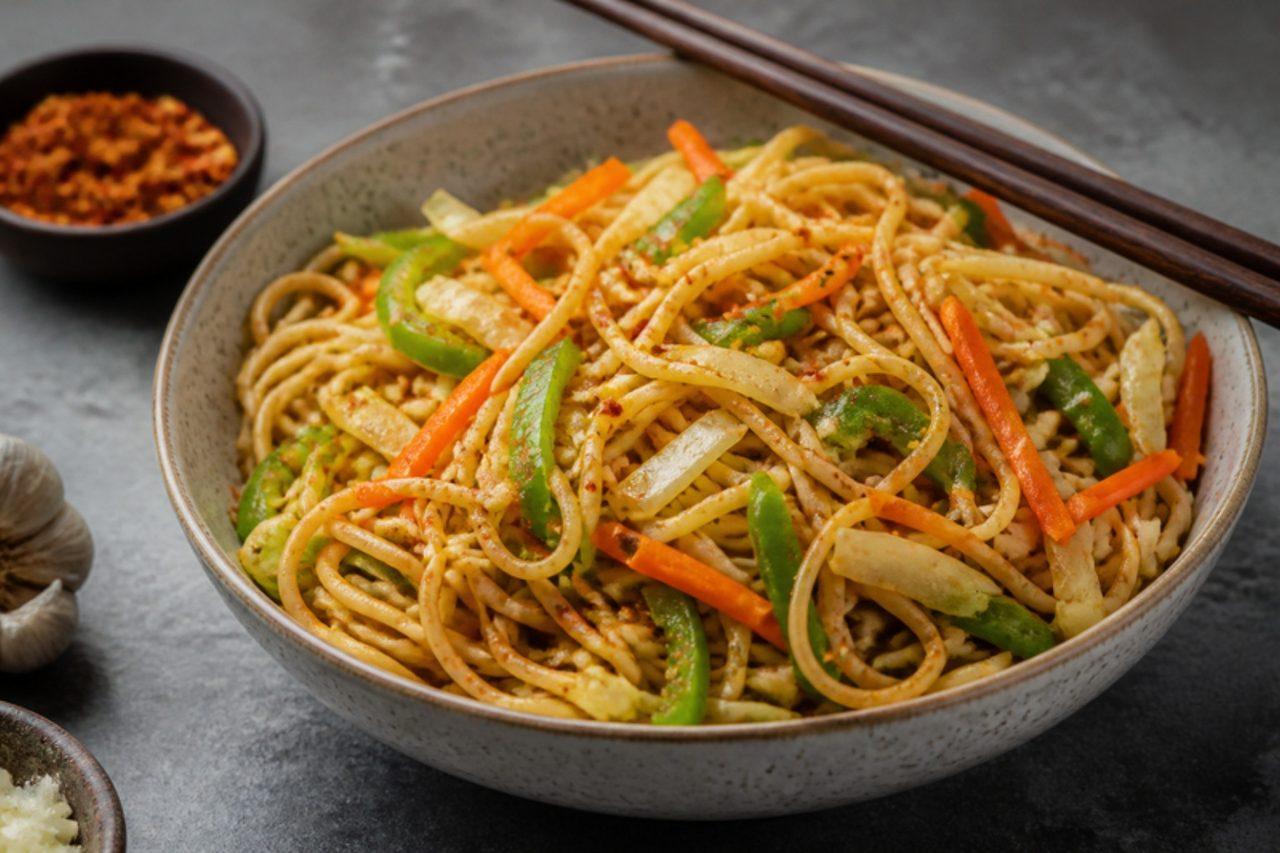
Chilli garlic noodles

Chilli garlic noodles are the punchier sibling of hakka noodles on every Indo-Chinese menu, from Kolkata's Tangra to college canteens in Pune, and they make a quick dinner at home. Boiled noodles are tossed over a fierce heat with plenty of garlic, crushed red chilli, soy and vinegar and a handful of crunchy vegetables. They are hot, tangy and garlicky, good alone or with a bowl of manchow-style soup. The common mistake is overcooking the noodles, which then break and clump in the wok. Chef's tip: cook them a minute short of the packet time, rinse under cold water and toss with a teaspoon of oil so they stay springy and separate. Check the noodle packet if you need them egg-free; many hakka noodles are, some are not.

by KrazyBadal 0 views

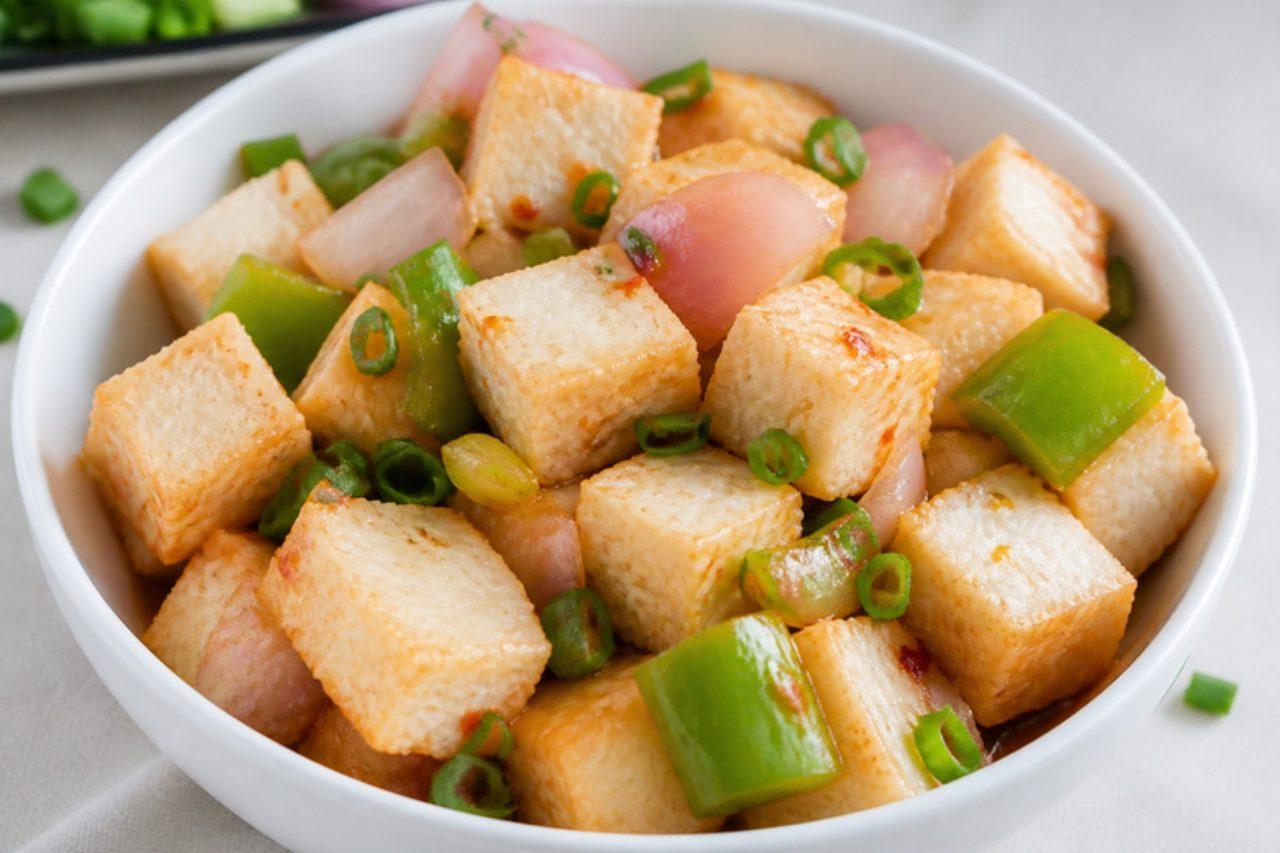
Chilli idliStir-fried idli cubes

Chilli idli was born in the Indo-Chinese restaurants of Chennai and is now how many South Indian homes use up yesterday's idlis for a fast dinner. The cold idlis are cut into cubes, fried until golden, then tossed with onion, green pepper, garlic and a glossy soy and chilli sauce. Crisp at the edges, soft inside, sweet, sour and hot, it is eaten on its own or as a side with fried rice. The common mistake is using fresh, warm idlis, which crumble in the wok. Chef's tip: use idlis straight from the fridge and fry them in a single layer without stirring for the first minute so a crust forms. Idlis kept for this should have gone into the fridge within two hours of steaming and be used within a day or two.

by KrazyBadal 0 views

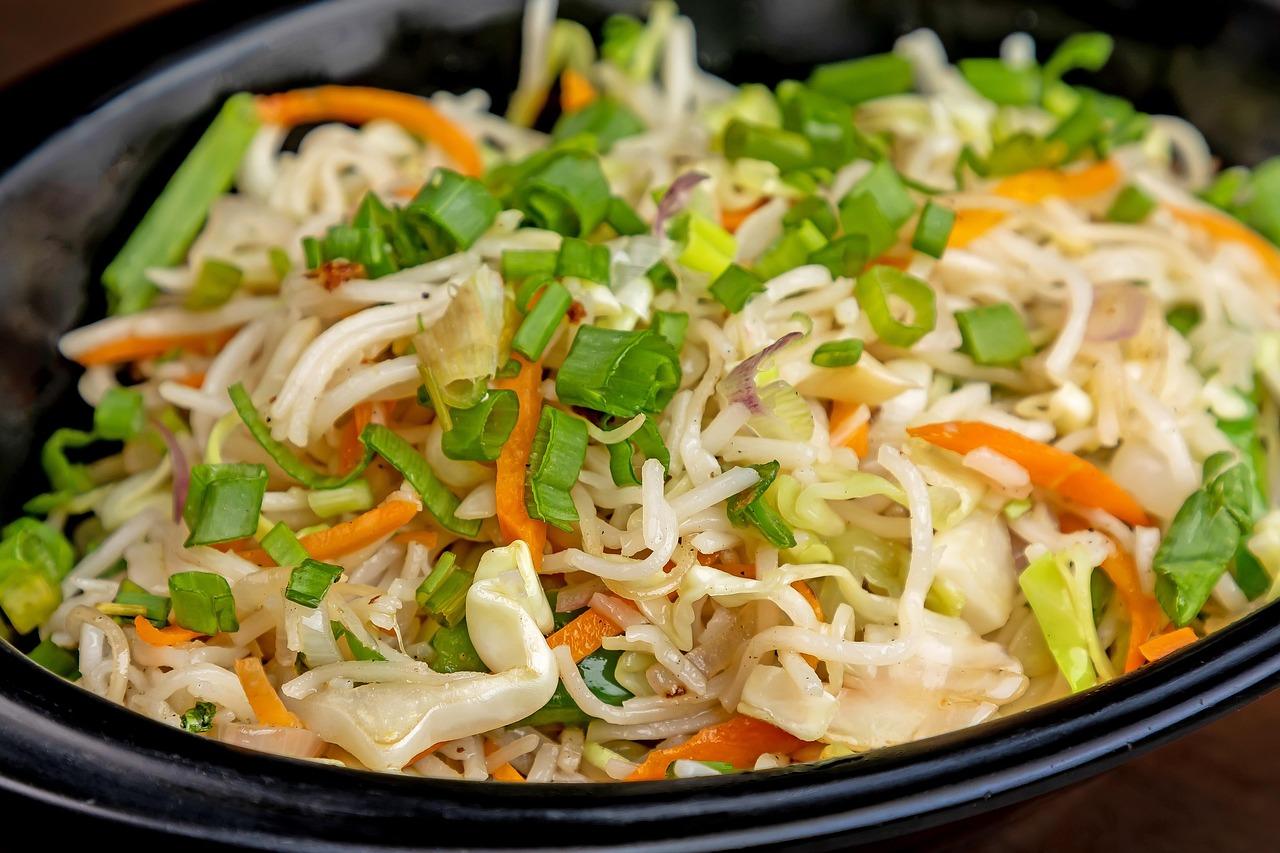
Veg Hakka noodlesVegetable stir-fried noodles

Hakka noodles are the street and restaurant staple of Kolkata's Chinese community, now sold from carts in every Indian city for a cheap evening meal and loved by children everywhere. Thin noodles are boiled, cooled, then tossed over the highest heat with shredded cabbage, carrot, peppers and spring onion, seasoned with soy, vinegar and white pepper. The mistake that ruins them is a crowded, lukewarm pan: the vegetables sweat and the noodles clump into a damp heap, so cook in a very hot wok and do two batches if yours is small. Chef's tip: toss the boiled noodles with a teaspoon of oil as soon as they are drained; they won't stick while you chop. Check the noodle packet: many Hakka noodles contain egg, so buy egg-free ones for a vegan dish.

by KrazyBadal 0 views

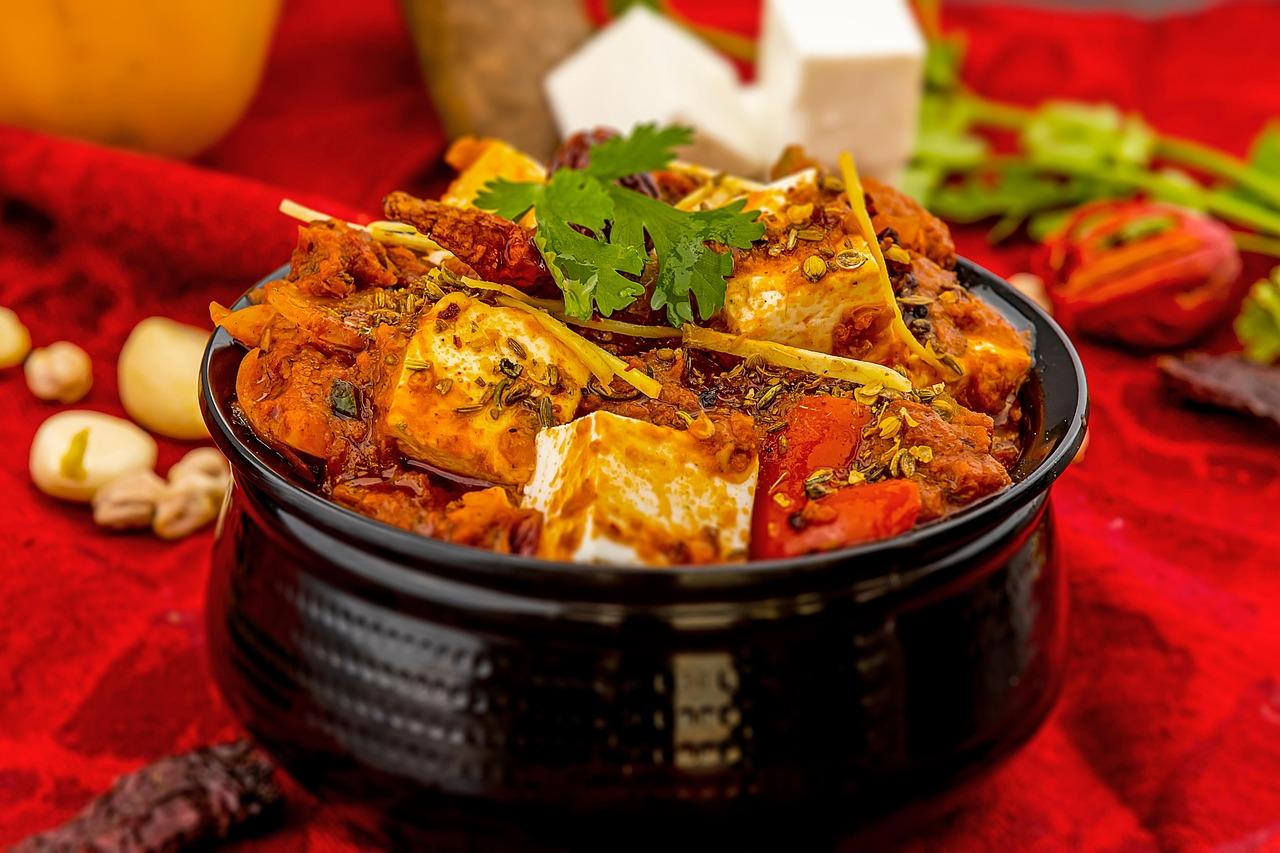
Chilli paneerPaneer with peppers and soy

Chilli paneer was born in the Chinese restaurants of Kolkata's Tangra and Tiretta Bazaar, where Hakka cooks adapted their chilli chicken for vegetarian customers, and today it is the Friday-night order from Delhi to Bengaluru. Cubes of paneer are coated in cornflour and fried crisp, then tossed over a fierce flame with onion petals, green pepper, garlic, soy sauce and plenty of green chilli in a glossy sauce. Paneer is set with acid, not rennet, so it is fully vegetarian. The mistake to avoid is letting the paneer sit in the sauce, which makes the crust soggy; toss it in at the very end and serve. Chef's tip: soak the paneer in hot salted water for 5 minutes before coating; it stays soft inside even after frying. Soy sauce contains wheat; use tamari if you need it gluten-free.

by KrazyBadal 0 views

Goes well with red chilli sauce