Skip to content

Recipes with perilla oil

3 recipes that use perilla oil, with photos, step-by-step instructions and cook times. The quickest, Gondeure bap, takes 45 minutes. It is most often cooked with sesame seeds, garlic and sesame oil.

Got a few things in the fridge? Search by everything you have

Gondeure bapThistle greens rice

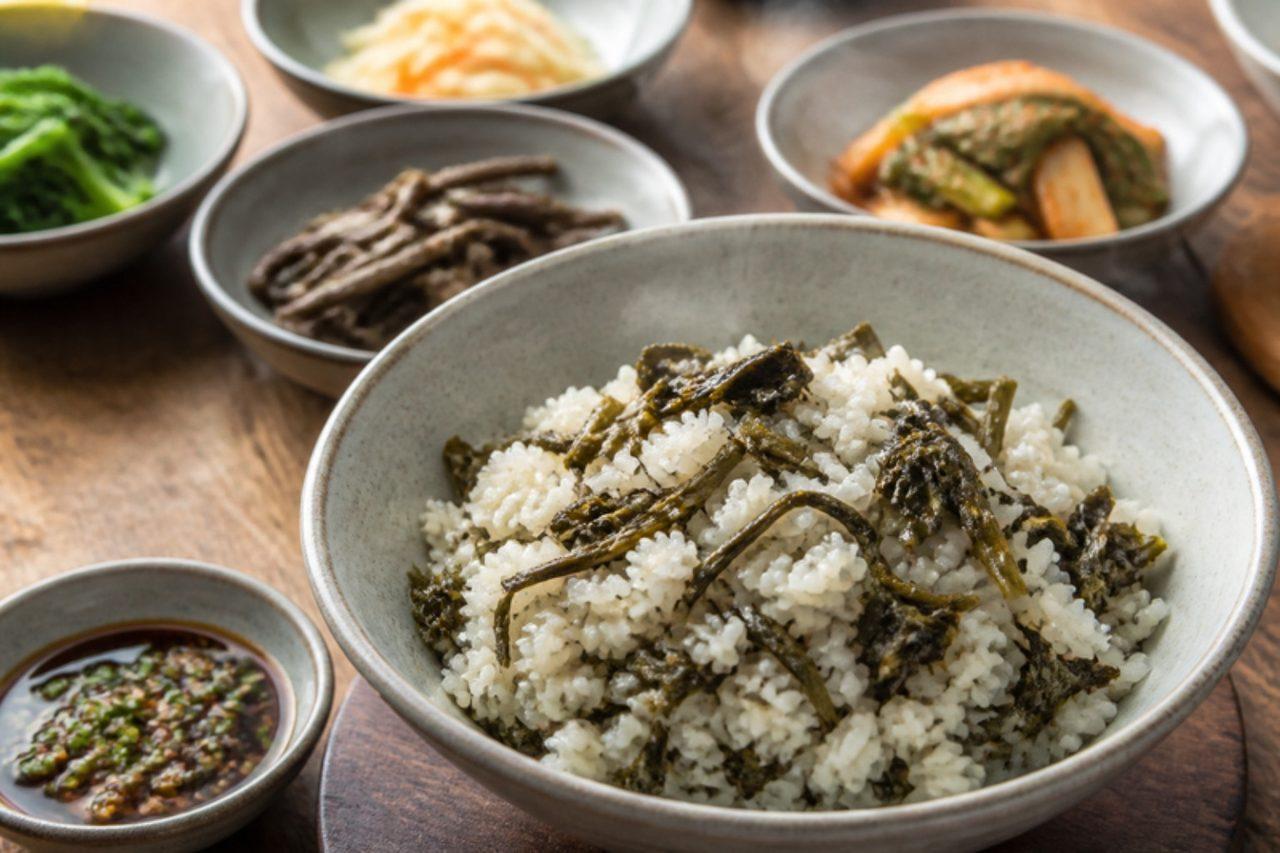
Gondeure, a mountain thistle that grows on the steep slopes of Jeongseon in Gangwon, kept villagers fed through lean springs, and gondeure bap is now what visitors travel to Jeongseon's five-day market to eat: rice cooked with the soft, dried greens and a little perilla oil, served with a soy, spring onion and sesame sauce. It is earthy, mild and fragrant, a little like artichoke. A portion is about 320 kcal. Dried gondeure must be soaked overnight and boiled for 20 minutes beforehand, which is not counted; Korean grocers also sell it ready-boiled and frozen. The common mistake is not squeezing the greens well, which makes the rice wet and soft. Chef's tip: toss the squeezed greens with a spoon of perilla oil and soup soy before they go on the rice; they season the grains as they steam.

by KrazyBadal 0 views

Gosari namulBraised bracken fern

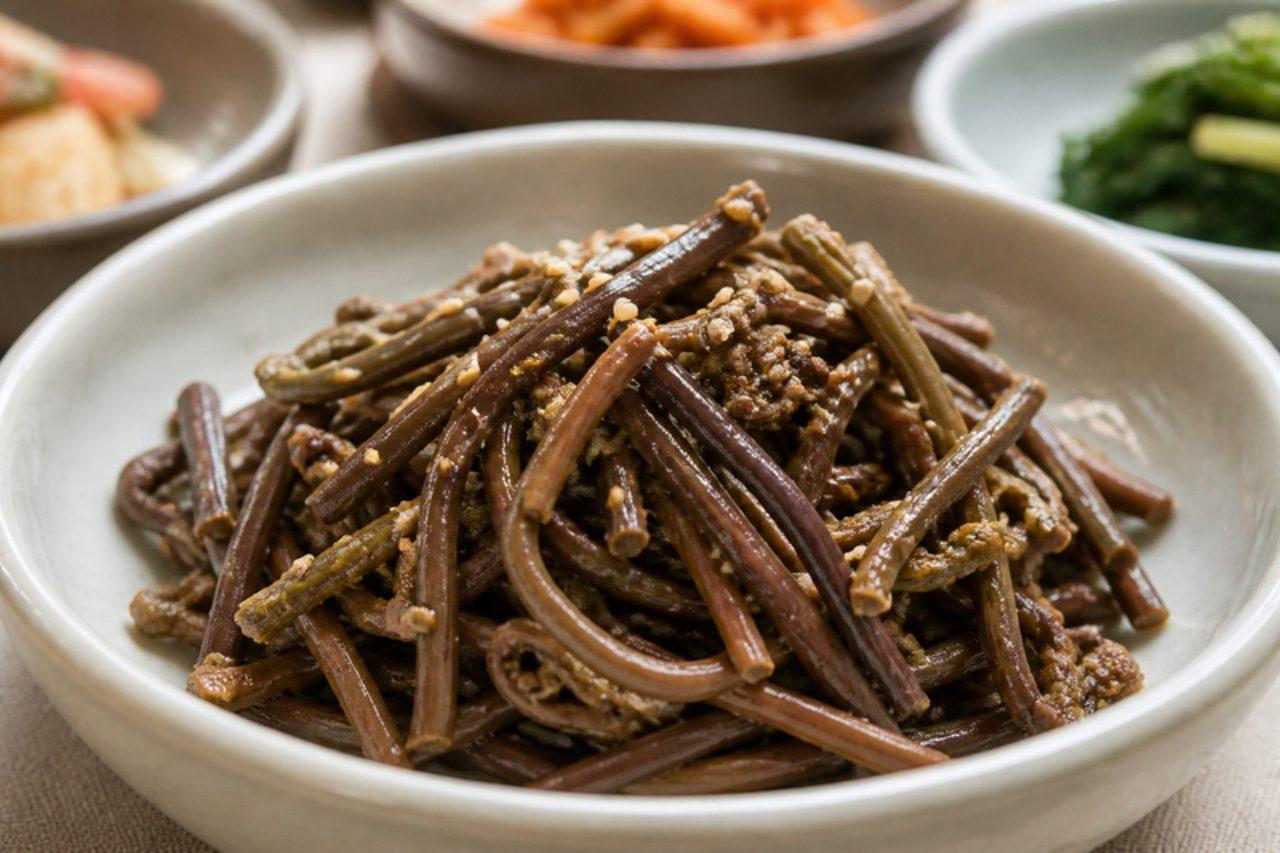
Gosari namul is the earthy brown namul on every Korean holiday table, from Jeju, where families still pick young bracken on the island's hills in April, to Seoul, where it is bought dried for Seollal and Chuseok. Rehydrated fern stems are simmered soft, then stir-fried in perilla oil with soy and garlic until they are tender and meaty with a smoky, woodsy taste. It is also a core topping for bibimbap and yukgaejang. Always cook bracken thoroughly; never eat it raw. The common mistake is under-boiling the stems, which leaves them tough and slightly bitter. Chef's tip: after boiling, leave the stems soaking in fresh water for an hour, changing it once; it draws out the last bitterness and leaves a cleaner flavour.

105 minKoreanSidesVegan
by KrazyBadal 0 views

HeotjesatbapRice with seven vegetable sides

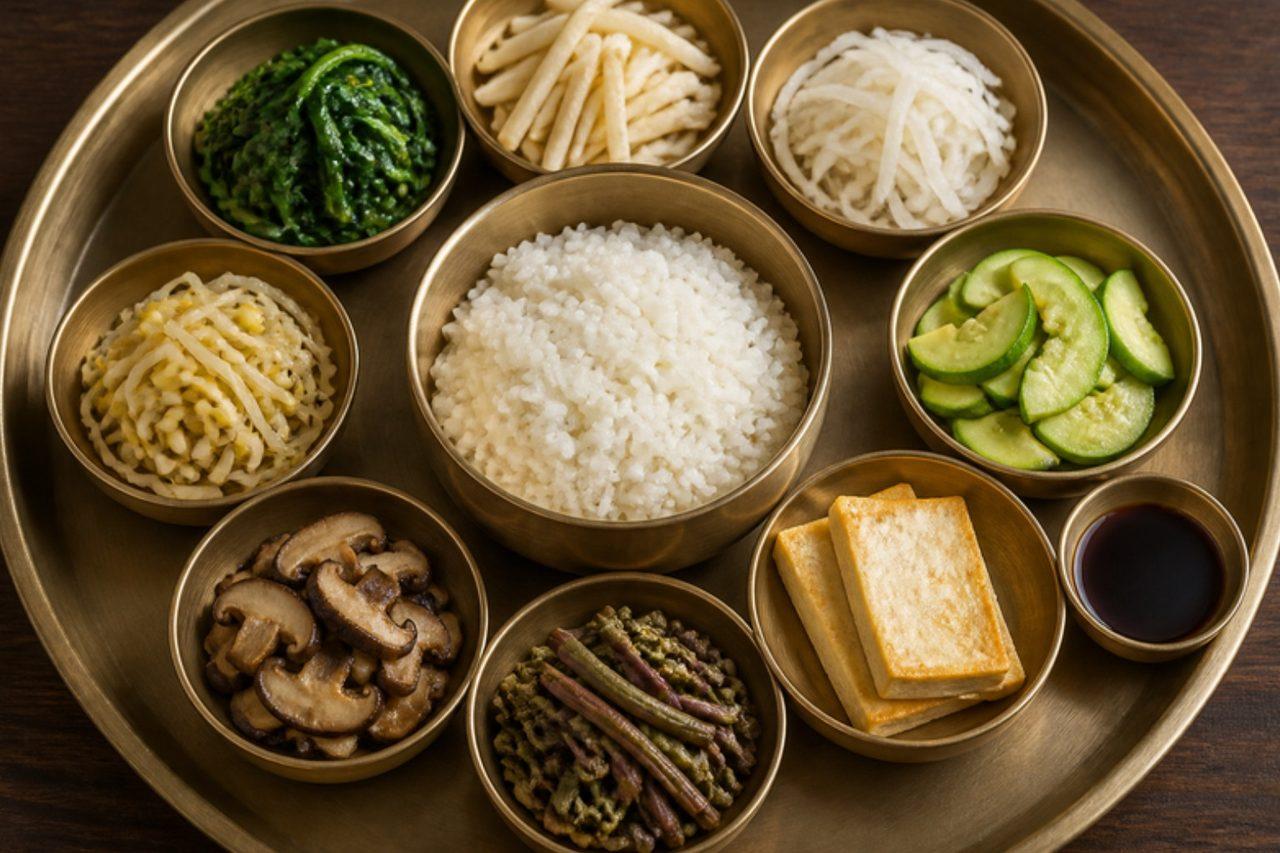
In Andong, the old Confucian town of North Gyeongsang, the scholars of the yangban class were said to want the food from jesa, the rite offered to ancestors, without waiting for a rite to come round, so they cooked the same dishes and called them heotjesatbap (헛제삿밥), 'fake rite rice'. Restaurants by Andong's dam still serve it: a bowl of rice to be mixed with brown, white and green namul and seasoned with soy sauce, never chilli, because ritual food avoids red pepper and garlic. The full table includes grilled fish and beef skewers; this vegetarian version keeps the vegetables and tofu jeon that make up most of it. Chef's tip: cook each namul separately with only salt, soy or sesame, so each keeps its own taste and colour when you mix the bowl.

by KrazyBadal 0 views

Goes well with perilla oil