Skip to content

Recipes with mutton

20 recipes that use mutton, with photos, step-by-step instructions and cook times. The quickest, Balangu, takes 50 minutes. It is most often cooked with onion, coriander and ginger-garlic paste.

Got a few things in the fridge? Search by everything you have

DhansakMutton and lentil curry

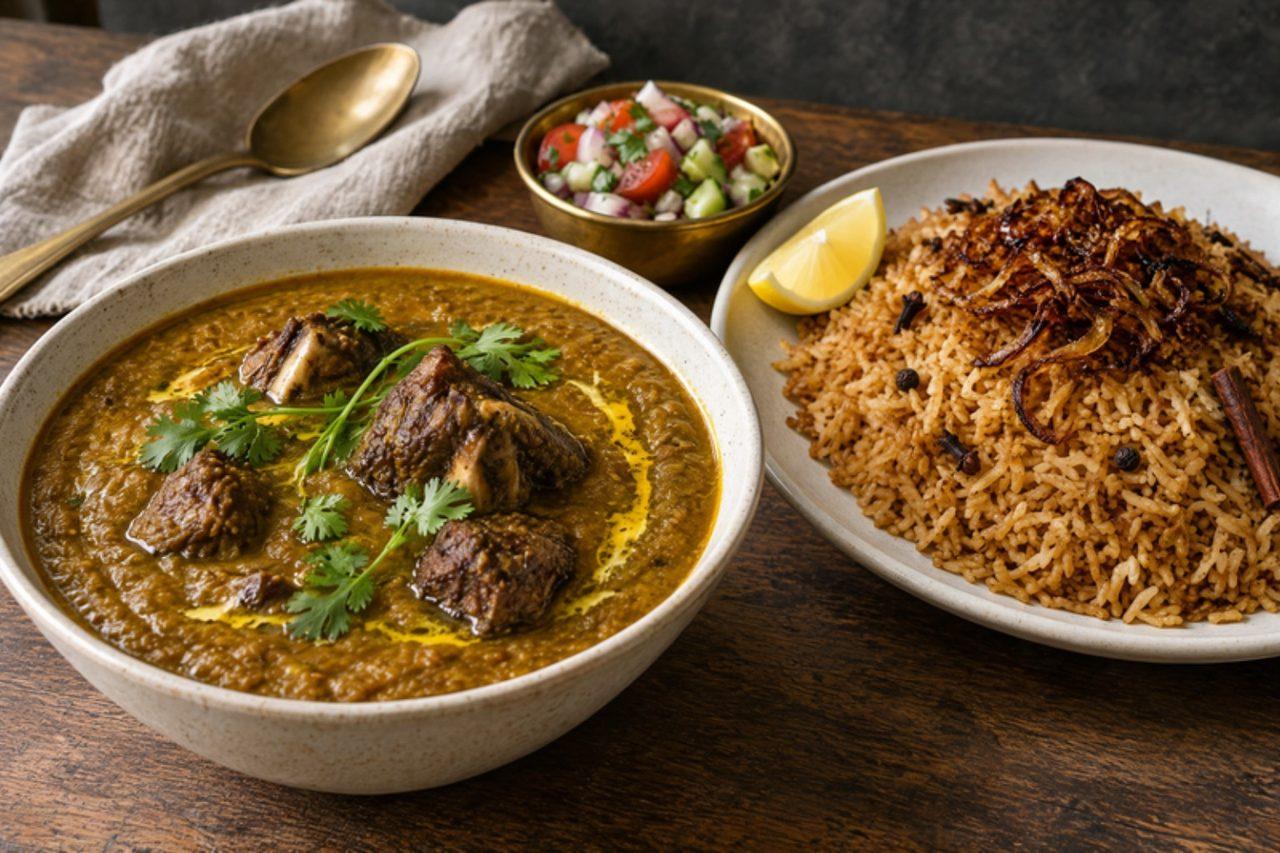
Dhansak is the Parsi Sunday lunch in Mumbai and the old Gujarat towns of Navsari and Surat, traditionally the first meat dish cooked when the meatless days after a death are over, and a weekend favourite the rest of the time, always with brown rice (rice browned in caramelised sugar and onion) and kachumber. Mutton is cooked together with toor, masoor, moong and chana dal, pumpkin, aubergine, tomato and fenugreek leaves, then the dal and vegetables are pureed into a thick, gently spiced sauce with dhansak masala. Veg version: leave out the mutton and cook the same dal and vegetables with vegetable stock. The usual mistake is not pureeing the dal finely; it should be smooth and velvety around the meat. Slow-cooker option: everything except the tempering on low for 8 hours, then blend. Chef's tip: fry the dhansak masala in ghee at the end and pour it over; it gives the dish its aroma.

by KrazyBadal 0 views

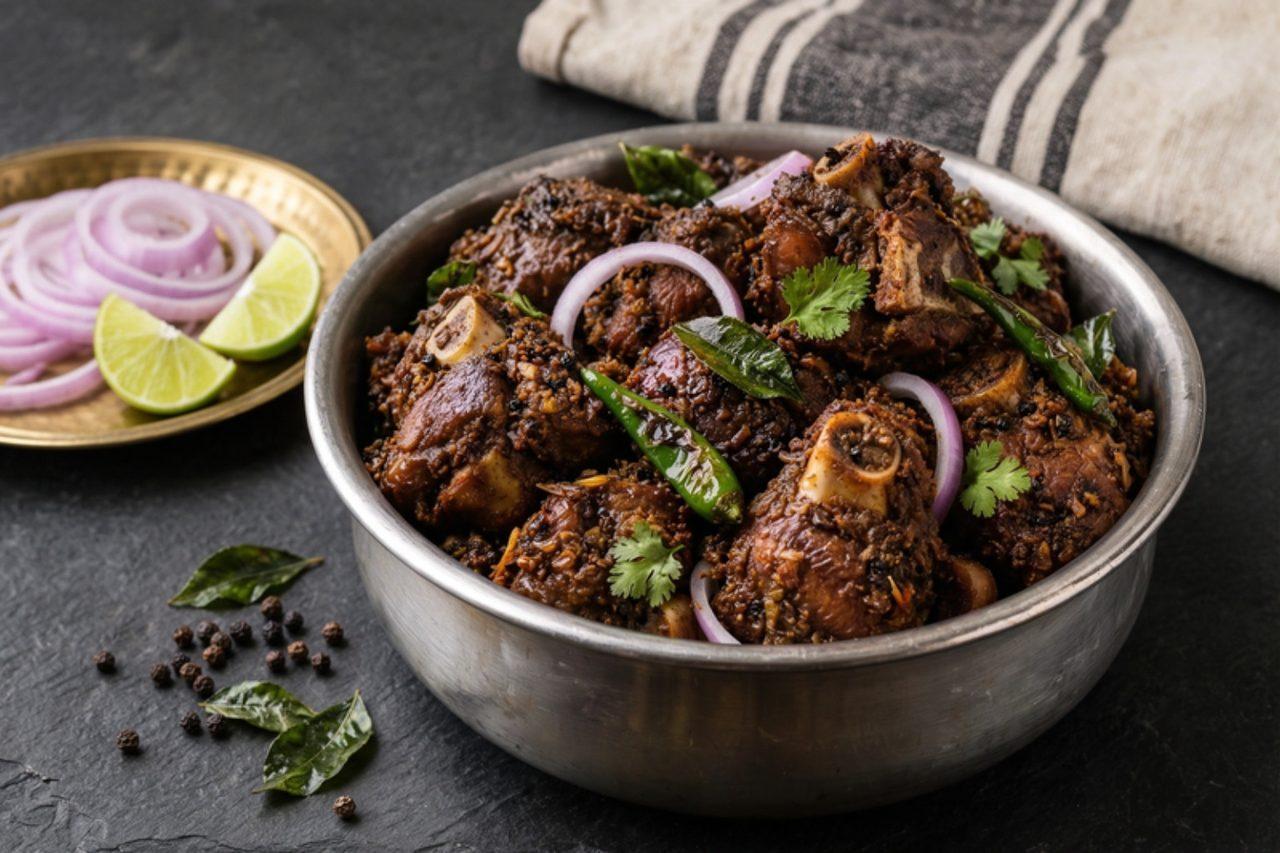
Golichina mamsamDry-fried mutton

Golichina mamsam is the dark, dry mutton fry of Telangana's village kitchens and Bonalu feasts, where mutton on the bone is first cooked soft with ginger-garlic and then fried with onions in plenty of oil until every piece is nearly black and crusted with masala. It is eaten with rice, sarva pindi or jonna rotte. The usual mistake is rushing the final fry on high heat; the masala burns before the meat darkens, so keep the heat medium and stir patiently. Food safety: cook the mutton until it reaches 71 °C inside and is tender before the final fry. Chef's tip: grind black pepper and cumin fresh just before they go in; that aroma defines the dish.

105 minIndianMeatGluten freeSpicy
by KrazyBadal 0 views

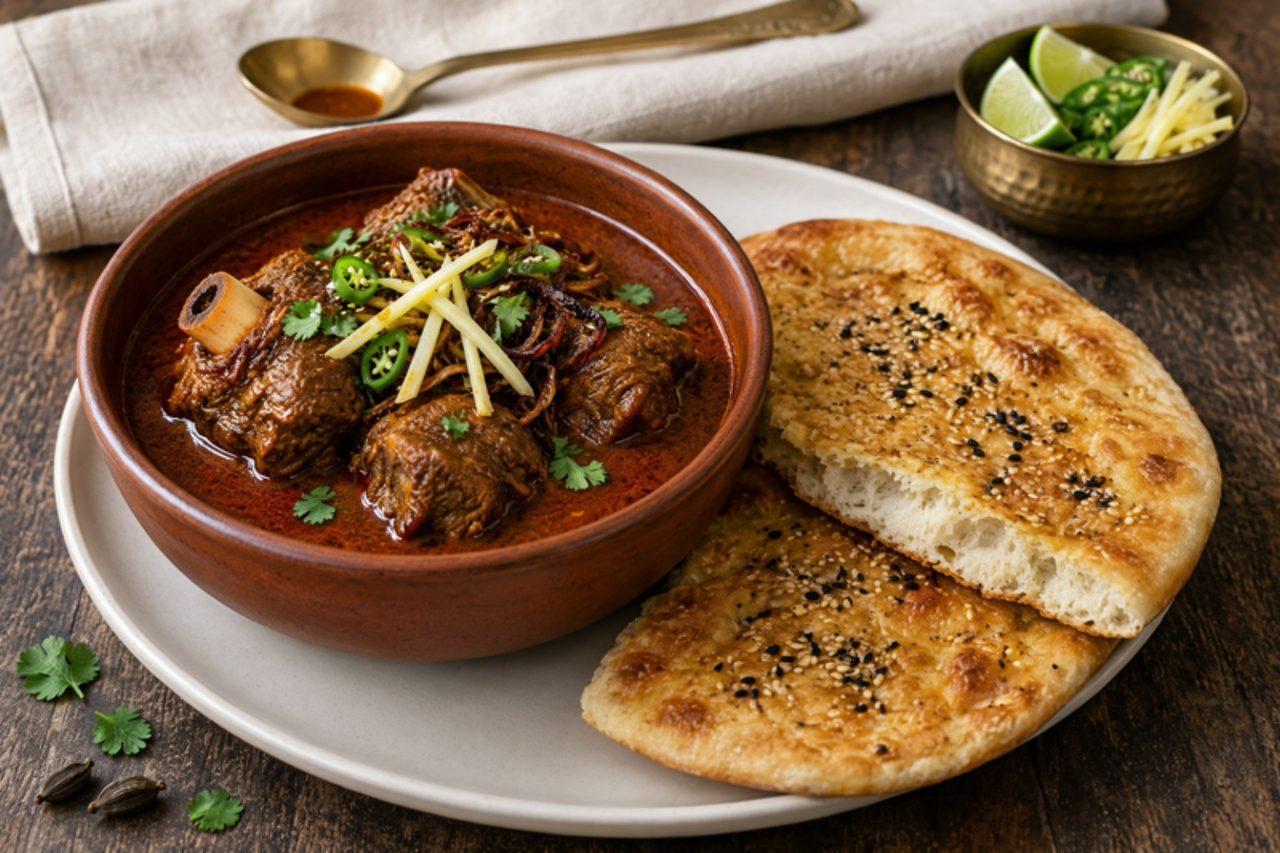
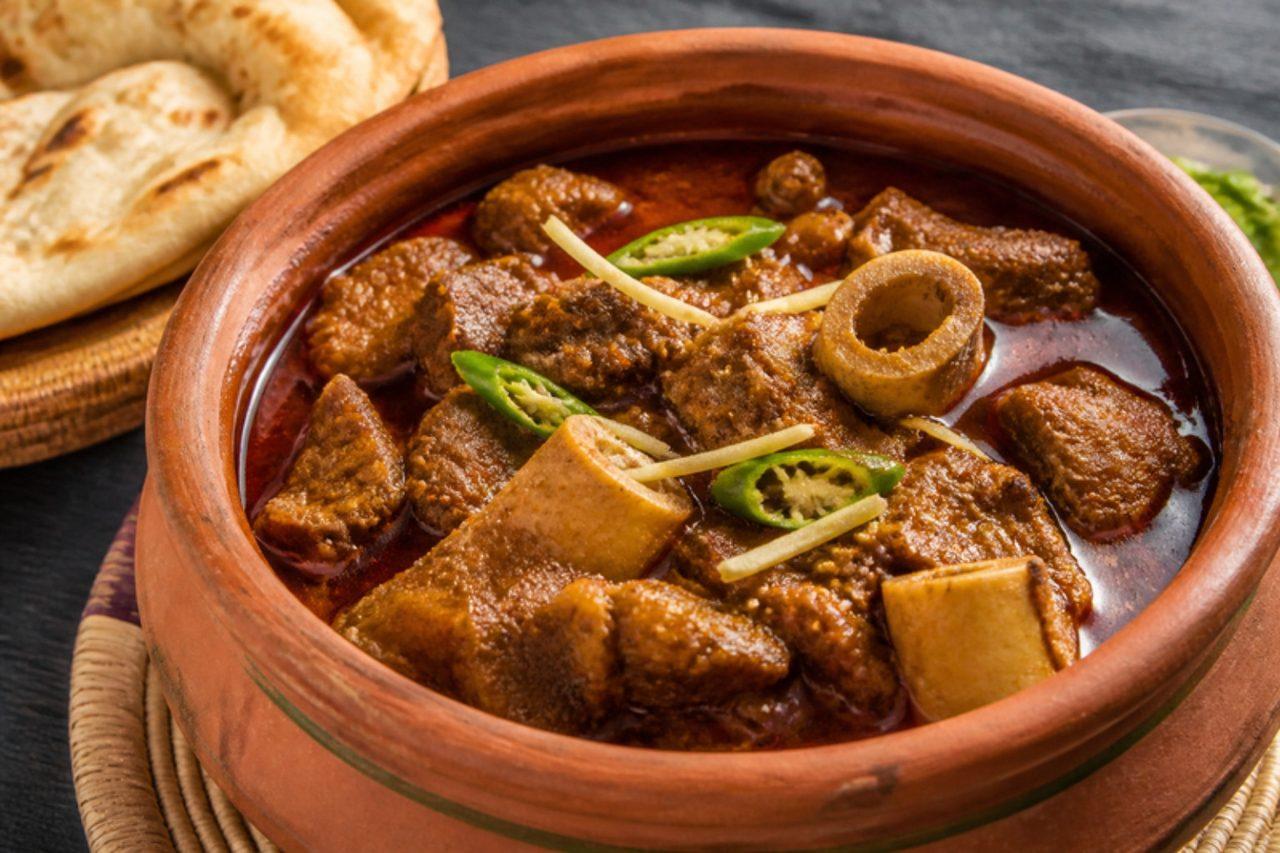
Nihari kulchaSlow-cooked mutton shank with bread

Nihari, from the Arabic word for morning, is Lucknow's great breakfast: around Akbari Gate and the Chowk, old shops simmer mutton shanks overnight in a deep pot of spiced, ghee-glossed gravy and serve it from dawn, especially during Ramadan, with soft, faintly sweet Lucknowi kulcha. The meat falls from the bone, the marrow melts into the gravy, and every bowl is finished at the table with shredded ginger, green chilli and lemon. Chef's tip: keep it at the barest simmer; a rolling boil makes the meat tight and stringy.

300 minIndianMeat
by KrazyBadal 0 views

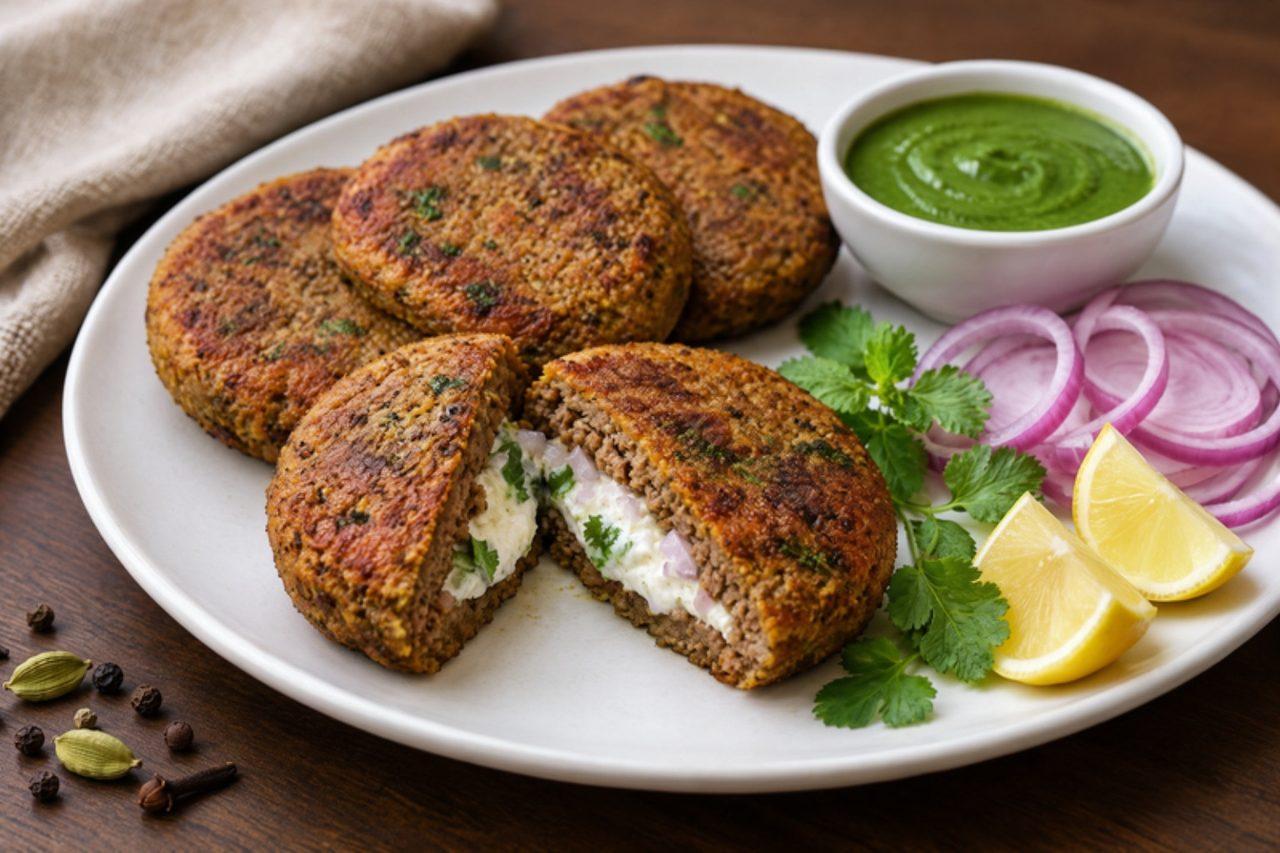
Shikampuri kebabMutton and chana dal kebabs

Shikampuri means 'full belly', and the name comes from the surprise inside: a spoonful of thick hung yoghurt with onion and mint sealed into a silky patty of mutton mince ground with chana dal. In Hyderabad they turn up at weddings and family feasts, and during Ramzan the lanes between Charminar and Mecca Masjid fill with griddles frying them for the evening iftar crowd. The outside is crisp and dark, the meat soft as pâté, and the centre cool and tangy. Serve hot with onion rings, lemon and mint chutney. Chef's tip: strain the yoghurt in the fridge for a few hours; if it is runny it leaks out and splits the kebab in the pan.

90 minIndianMeat
by KrazyBadal 0 views

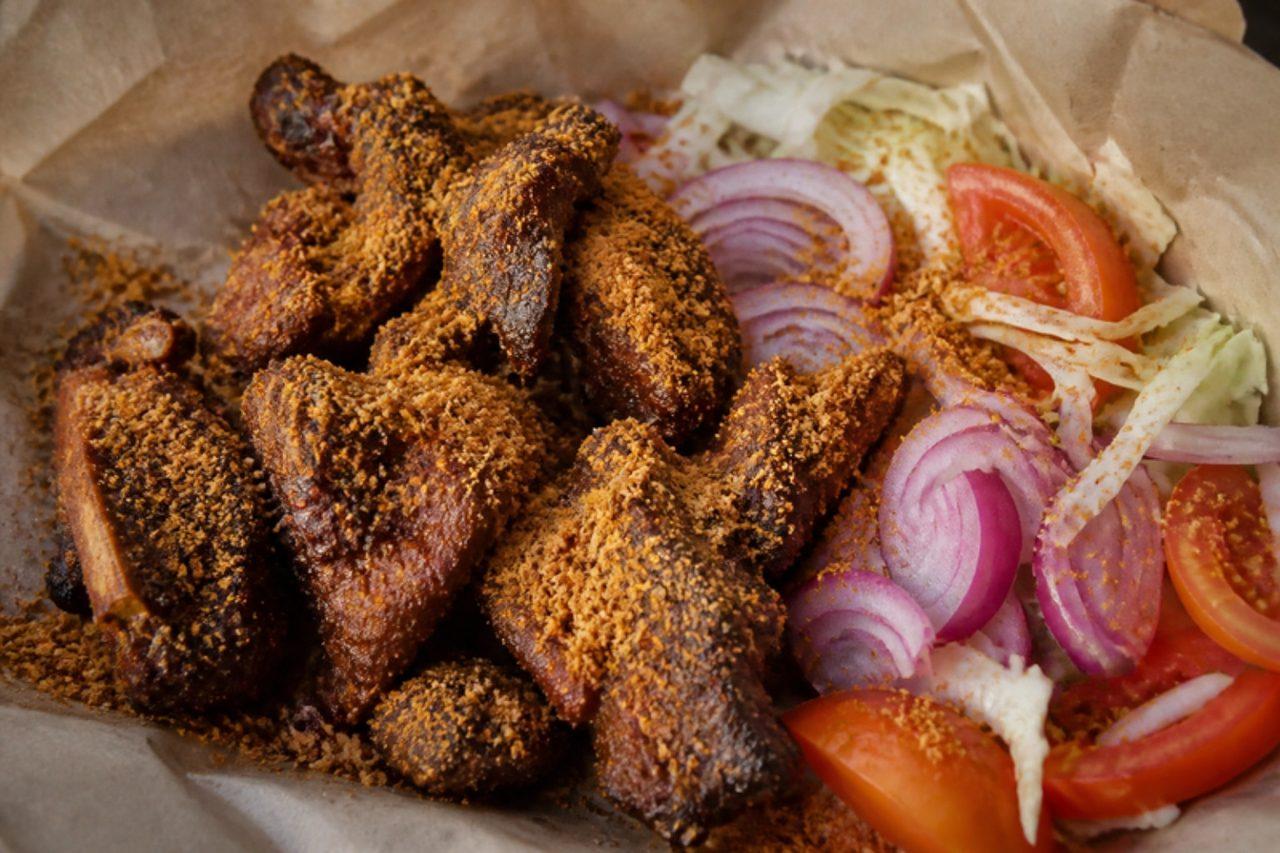
BalanguGrilled spiced mutton

At balangu spots around Kano and the northern cities, the meat is cooked on flat stones heated by fire underneath, so it sears in its own fat rather than over flames. Mutton is the classic, with bone and a little fat left on; beef works too. It comes off crusty and smoky, then is tossed with yaji, the northern peanut-chilli spice, and served on paper with raw onion, tomato and cabbage, eaten with the fingers in the evening. A heavy cast-iron pan or griddle gives the same effect at home. Marinate in the fridge, not on the counter, and cook the pieces until no pink remains and they reach 71 °C. Chef's tip: get the iron smoking hot before the meat goes on and do not crowd it; overcrowding is the classic mistake that leaves the meat grey and stewed.

by KrazyBadal 0 views

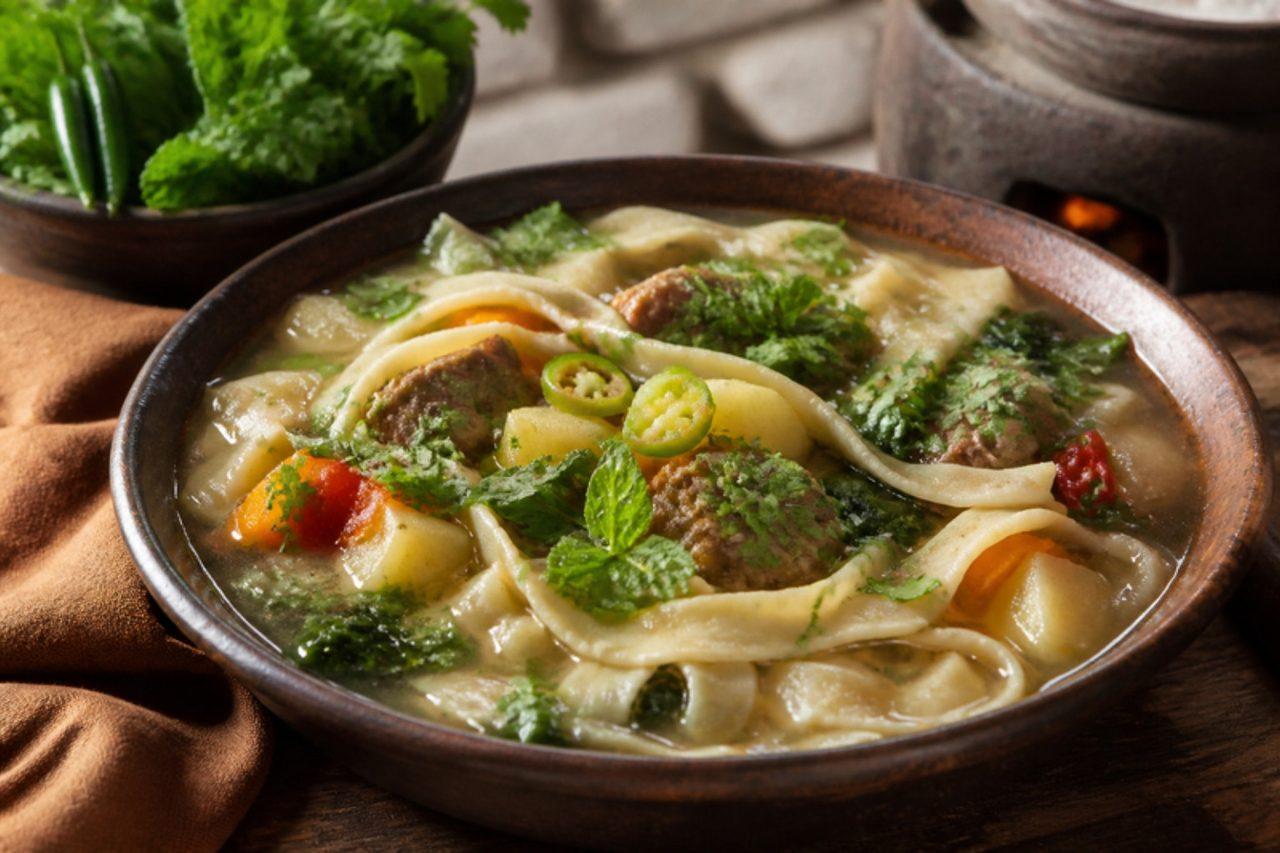
BalayHand-pulled noodles in mutton broth

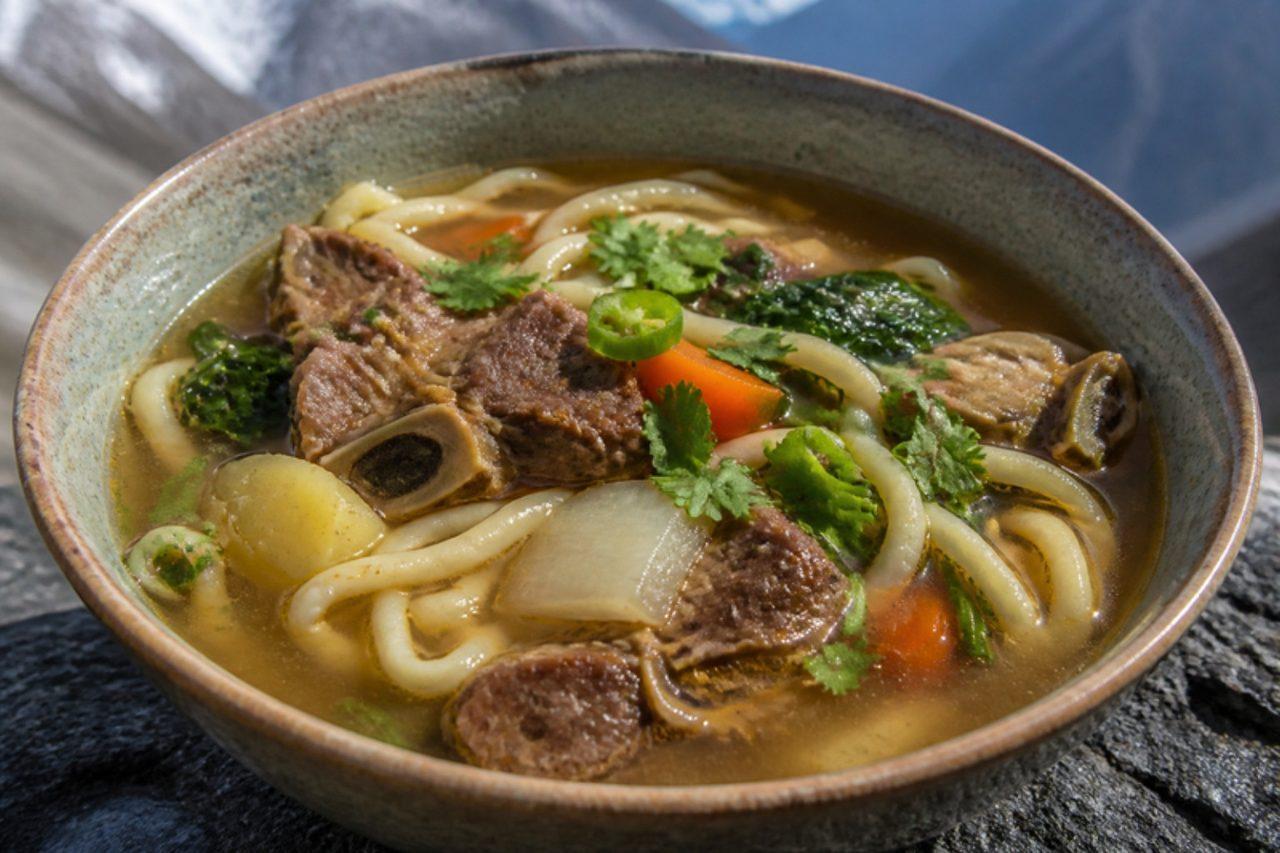
Skardu sits at almost 2,500 metres, and through its long, dry winters Balti households lean on balay, a sturdy soup of thick wheat noodles pinched and pulled by hand into a mutton broth with turnip, potato, carrot and greens. It is the Balti cousin of Tibetan thukpa, eaten for supper in deep bowls, often with a hot green chilli on the side and salty butter tea to follow. The noodles are fat, chewy and irregular, and they thicken the broth slightly as they cook, which is exactly right. Rolling the dough too thin is a common slip; balay noodles should be the thickness of a pencil so they stay springy. Chef's tip: let the dough rest a full 20 minutes before pulling it, because a rested dough stretches without tearing and gives silkier noodles.

by KrazyBadal 0 views

Bhindi goshtMutton and okra curry

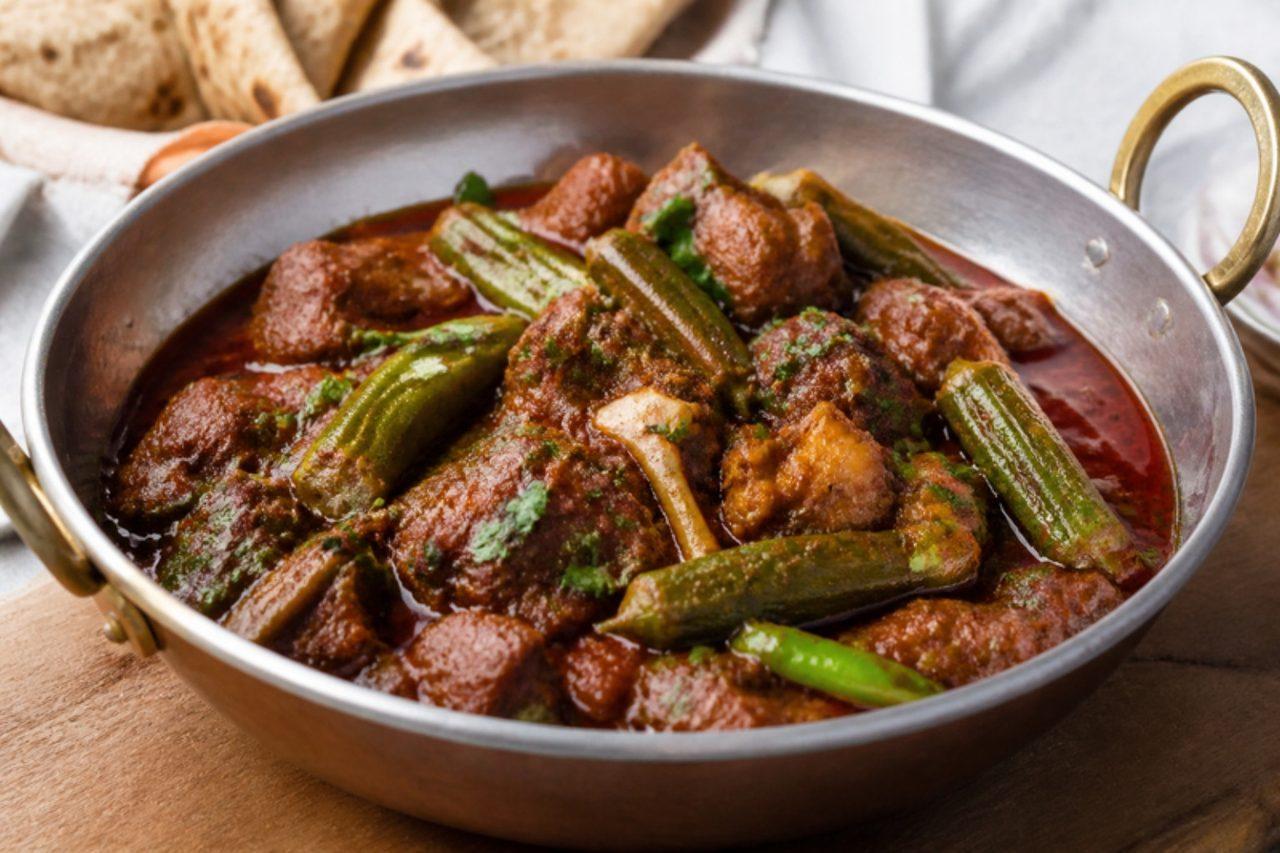
Summer in Punjab means okra in every bazaar, and the moment small, tender pods appear, households start making bhindi gosht for lunch: a dry-ish mutton curry with whole fried okra folded through at the end, tasting of tomato, green chilli and a little dried mango. It is eaten with chapati and a bowl of plain yogurt or raita on the side, and leftovers are even better packed in a tiffin the next day. The okra should be tender and bright, not slimy. That stringy texture comes from washing the okra and cutting it while wet, so wash and dry it completely before you trim it. Chef's tip: fry the okra separately until its edges blister, then add it to the meat only in the last ten minutes; it keeps its shape and the gravy stays clean.

by KrazyBadal 0 views

Cârnați de PleșcoiGarlic and chilli mutton sausages

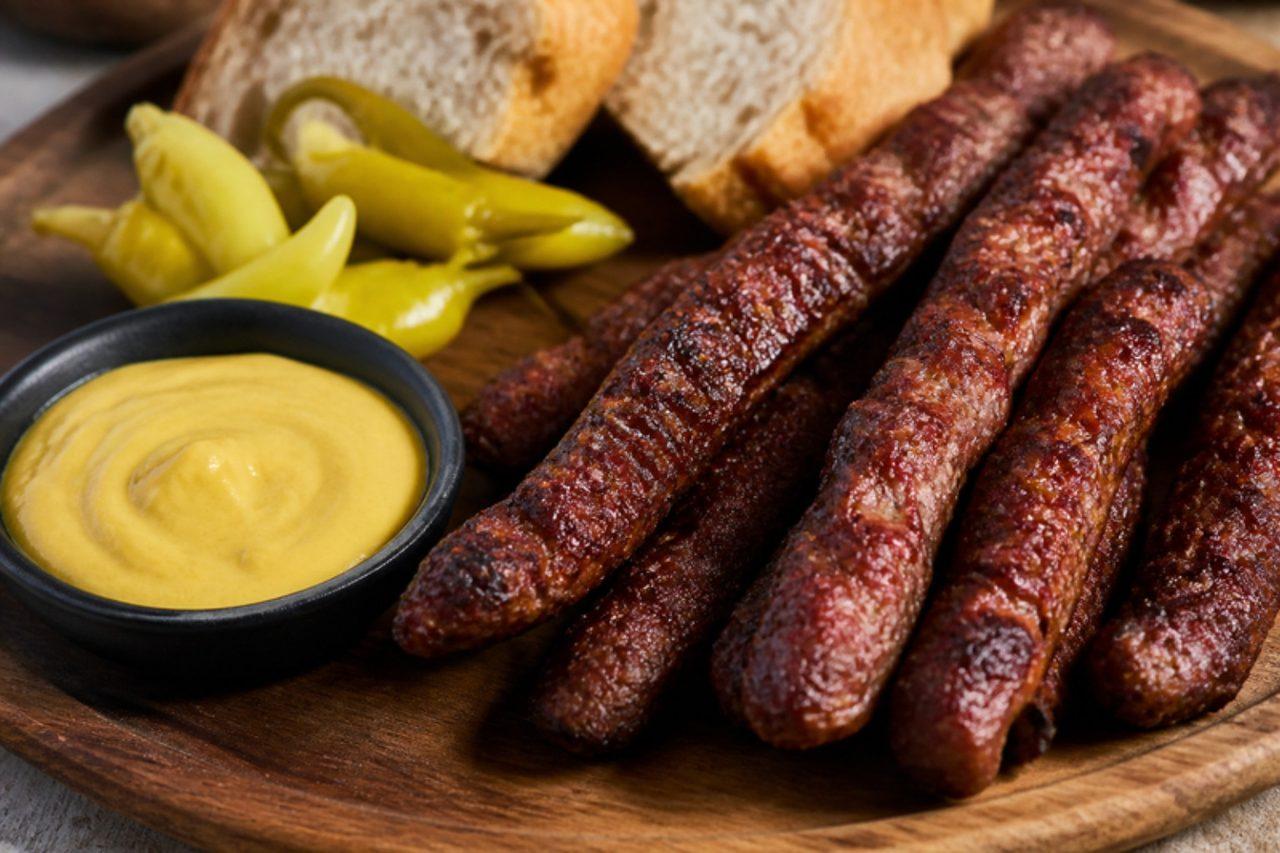
The village of Pleșcoi, in the hills above Buzău, is so proud of its sausages that roadside inns there sell them by the metre: dark red, fiery with chilli and heavy with garlic, made from mutton with a little beef and no pork in the meat. Traditionally they are smoked and air-dried; this home version is a fresh sausage, rested overnight in the fridge for the flavours to settle, then grilled until cooked right through. The casings are usually sheep's casings, but if you buy hog casings they are pork, so check what your butcher sells you. Snappy outside and juicy within, they are eaten straight off the grill with sharp mustard, bread and pickled vegetables. Where people tend to go wrong is letting the meat warm up while mixing; keep everything fridge-cold so the fat does not smear. Chef's tip: fry a small spoonful of the mix before you fill the casings and taste it for salt and chilli; once stuffed, you cannot adjust.

240 minRomanianMeatGluten freeSpicy
by KrazyBadal 0 views

Dal goshtMutton and chickpea stew

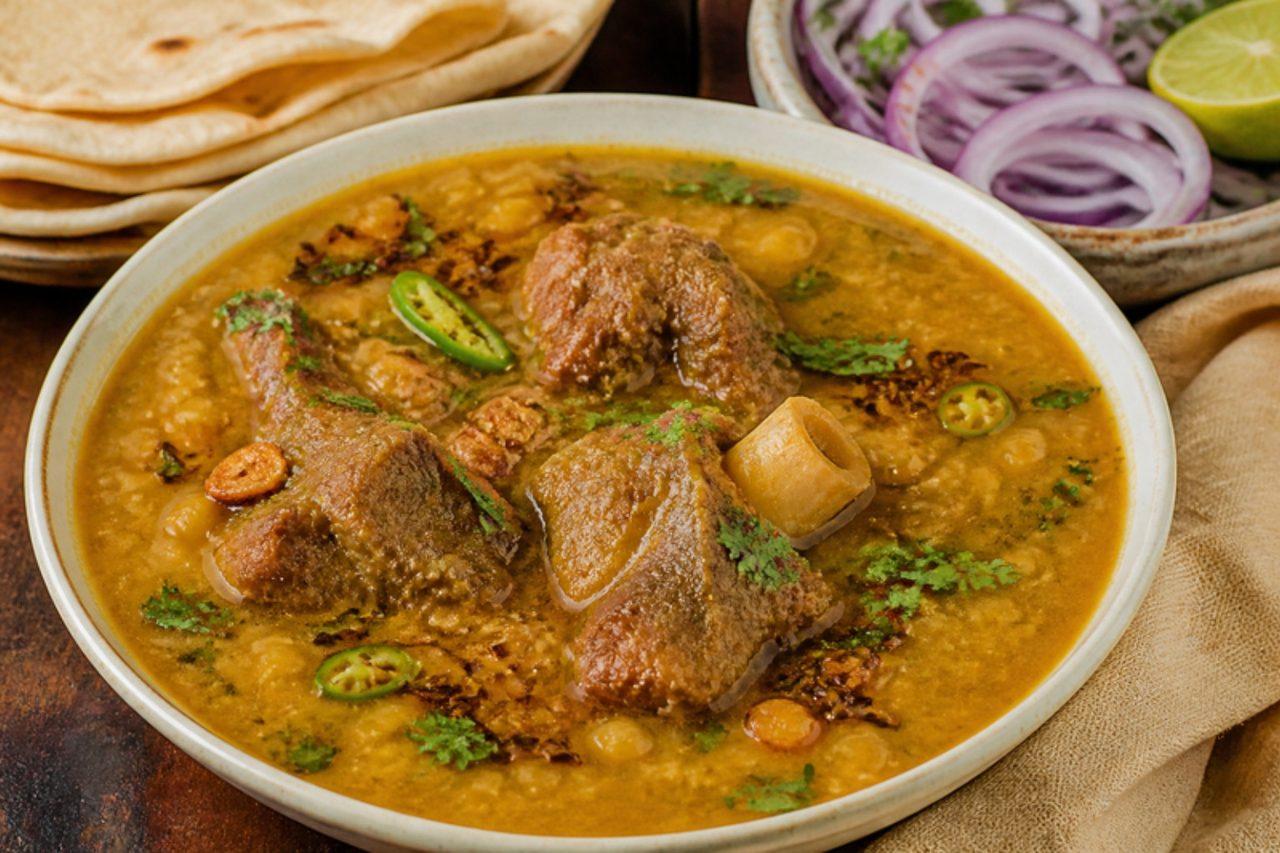
Stretching a kilo of mutton to feed a big family is an old Pakistani household skill, and dal gosht is its most loved result: chana dal cooked with the meat until the lentils melt into a thick, golden, peppery gravy that is half curry, half stew. It turns up for Friday lunch in Punjab and for everyday dinners in Karachi Urdu-speaking homes, eaten with hot chapati, rice and a sharp salad of onion and tomato. Done right, some dal stays whole while the rest thickens the gravy. A common slip is adding raw dal to the pot at the same time as the meat; dal cooks faster, so it collapses into paste before the mutton is tender. Chef's tip: finish with a tarka of ghee, cumin and fried garlic for a Sunday version, or leave it plain with oil for an everyday pot that stays dairy free.

by KrazyBadal 0 views

DaudoHand-cut noodle soup with mutton

Once snow closes the passes into Hunza and the apricot trees are bare, families gather around a pot of daudo: a mutton broth thick with short, hand-rolled wheat noodles, potatoes, carrots, spinach and plenty of fresh coriander and mint. It is everyday mountain food, eaten for supper from deep bowls and passed to anyone who comes in from the cold, sometimes with a spoonful of local apricot-kernel oil on top. The noodles are rough and chewy, the broth peppery and green with herbs. Adding the noodles too early leaves them swollen and the soup gluey, so keep them for the last few minutes. Chef's tip: for a vegetarian version, simmer the vegetables in a good vegetable stock and add a handful of chickpeas instead of the mutton.

by KrazyBadal 0 views

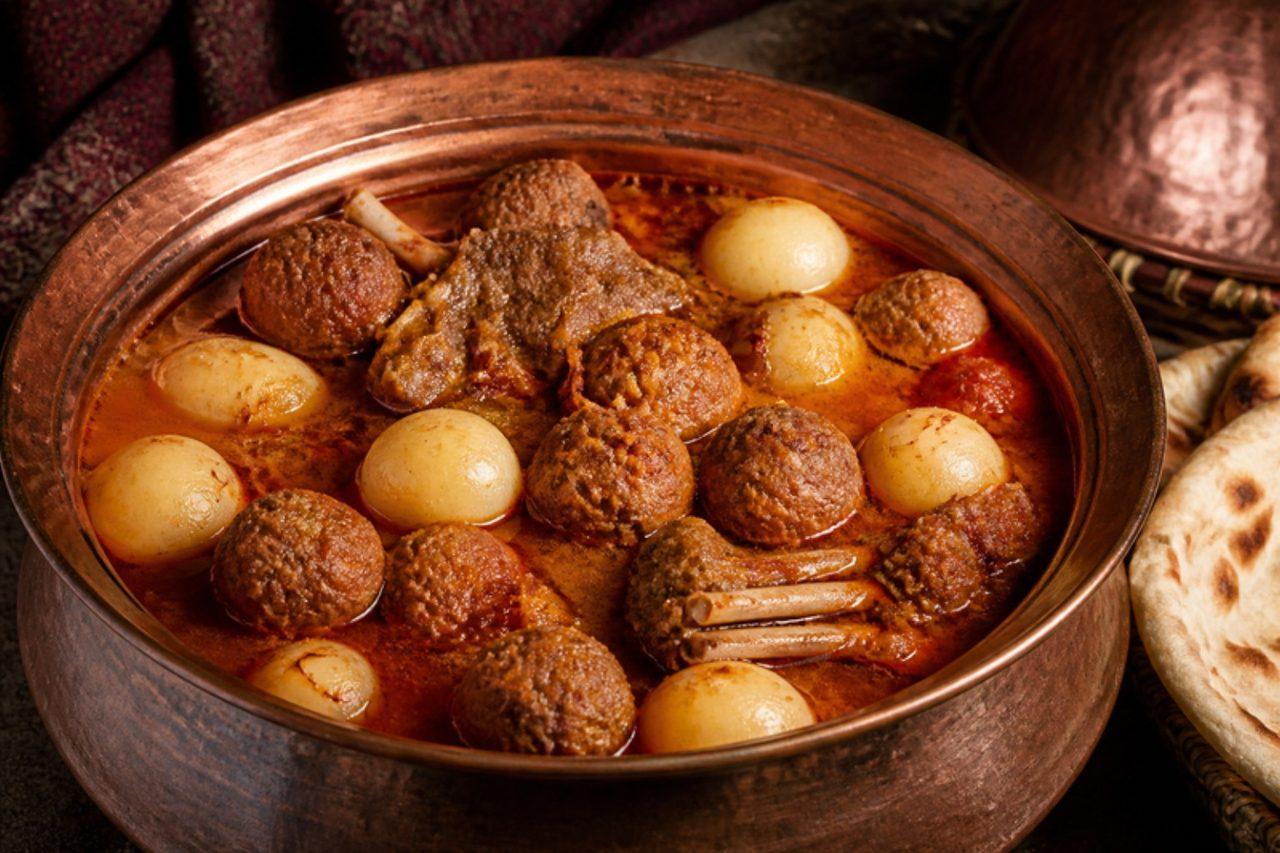
Shab degOvernight mutton and turnips

Shab deg is the "night pot": in old Lahore and in Kashmiri families the deg really was set on dying embers after the evening meal and opened at dawn, by which time whole turnips had soaked up the mutton juices and turned almost sweet. It is a winter dish made when turnips are at their best, usually for a wedding breakfast or a cold Sunday, and it arrives as tender meat on the bone, soft meatballs and golden turnips in a thick saffron-scented gravy, eaten with naan or sheermal. A low oven gives the same slow, even heat without anyone staying up. Many cooks drop the meatballs in raw and stir hard, and they fall apart; fry them first and slide them in without stirring. Chef's tip: prick the turnips all over and rub them with a little salt and sugar before frying, which draws out their bitterness and helps them colour.

by KrazyBadal 0 views

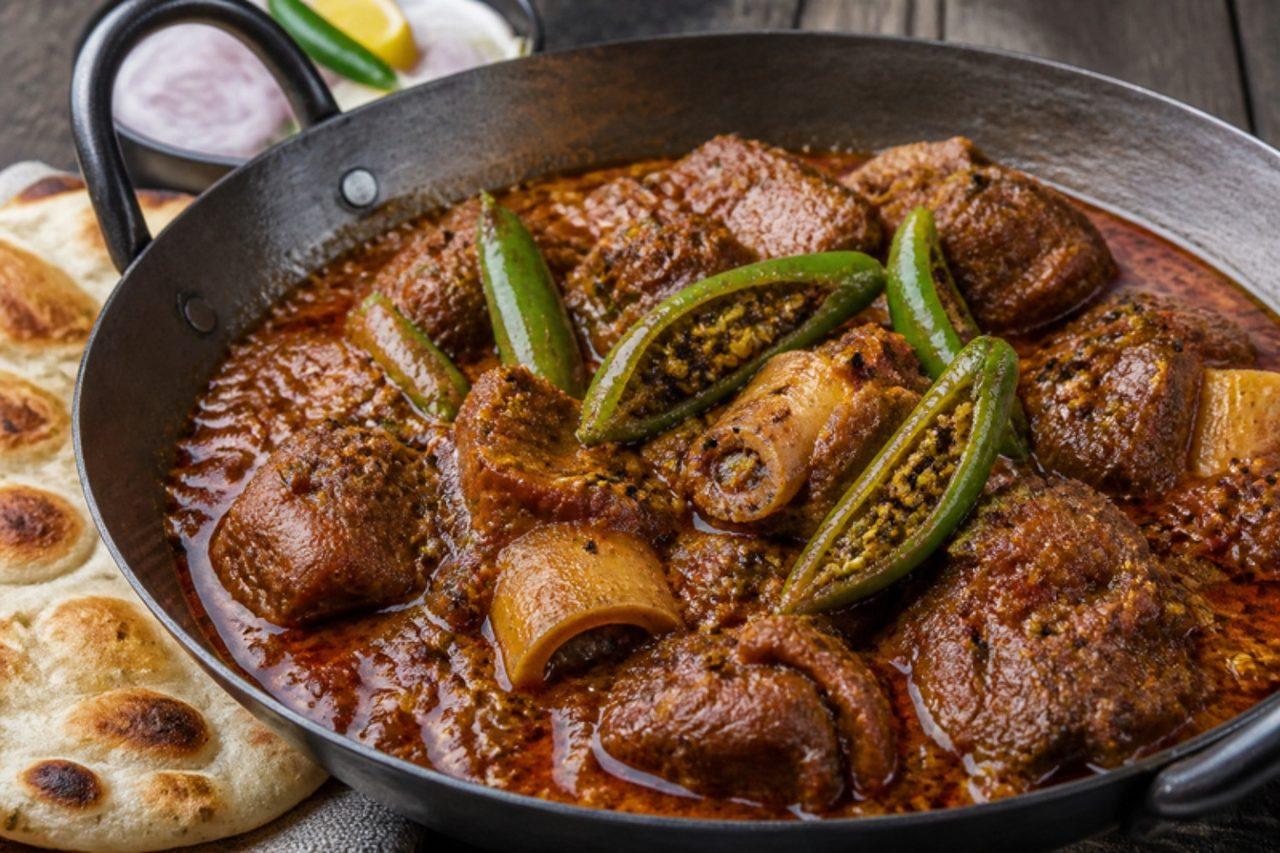
Achar goshtPickle-spiced mutton curry

Sour, hot and pungent, achar gosht borrows its whole flavour from a jar of pickle: fennel, nigella, fenugreek, mustard seed and cumin fried in mustard oil, with lemon and long green chillies stuffed with the same spices. It belongs to the Urdu-speaking kitchens of Karachi and Hyderabad, where it is made for dinner guests and shared at office lunches, and it is eaten with naan or tandoori roti, never with a delicate pulao. The gravy is thick and clings to the meat, glistening with oil. The step people rush is roasting the pickling spices; they must be toasted and coarsely crushed, not used whole, or the curry tastes raw and seedy. Chef's tip: mustard oil gives the true pickle tang; heat it until it smokes, then let it cool for a minute before adding anything, so it loses its harsh edge.

by KrazyBadal 0 views

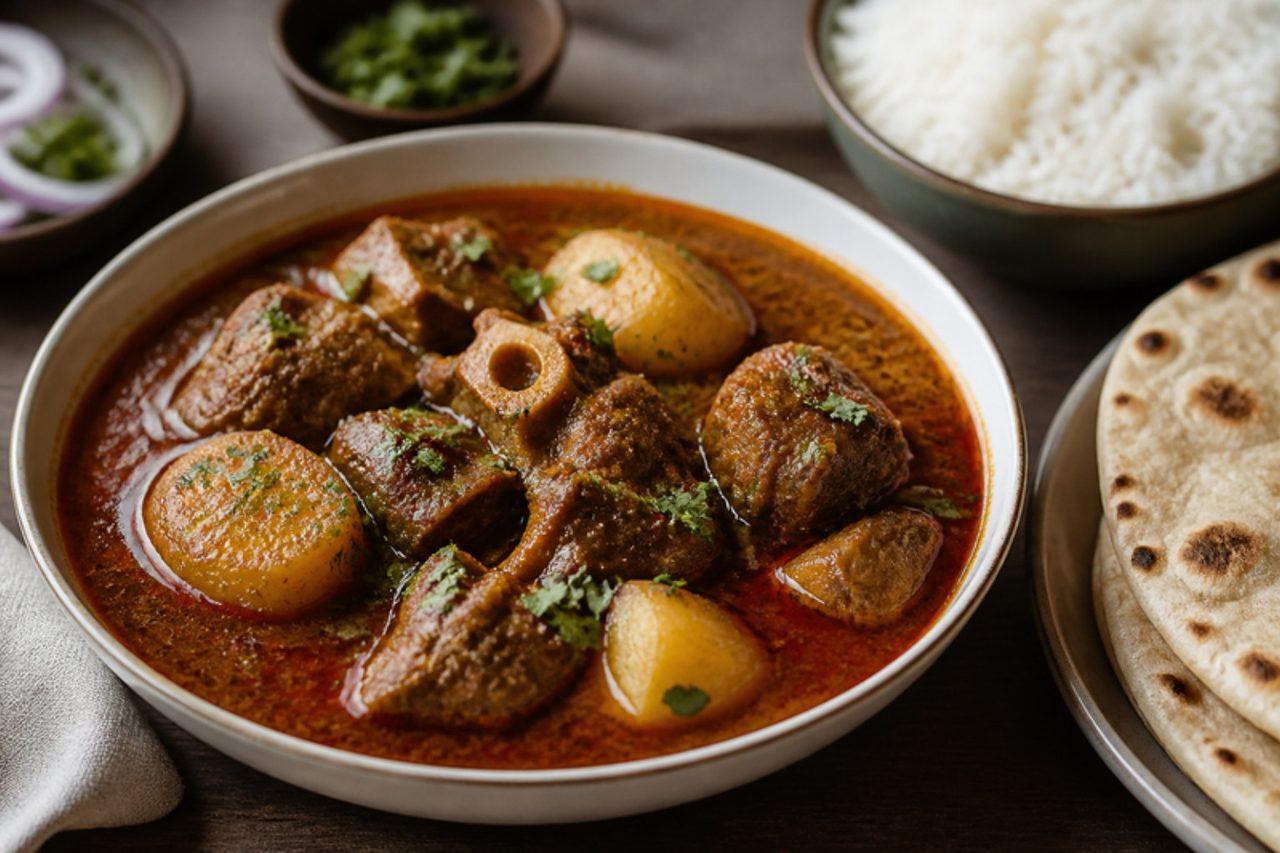
Aloo goshtMutton and potato curry

If one curry stands for a weekday dinner in a Pakistani house, from Rawalpindi flats to Karachi's Nazimabad, it is aloo gosht: mutton on the bone and halved potatoes in a loose, peppery shorba meant to be soaked up with chapati or poured over plain rice. Nothing about it is fancy; its comfort comes from a long bhuna of onion, tomato and spice before any water goes in, so the thin gravy still tastes deep. The potatoes go in once the meat is half done and come out soft at the edges, having drunk the gravy. Adding them at the start leaves them falling apart while the meat is still chewy, so wait. Chef's tip: when the masala is fully fried, add the water boiling hot, not cold, so the meat keeps cooking and the shorba stays clear rather than greasy.

by KrazyBadal 0 views

Kunna goshtClay pot mutton

Chiniot, the furniture town on the Chenab, claims this dish as its own: mutton and marrow bones packed into a narrow-necked clay pot called a kunna, sealed with dough and left to cook slowly in the embers of a bakery oven. The result is a deep red, almost syrupy gravy that clings to every piece, with a layer of spiced ghee floating on top, and it is eaten on Sundays and at family gatherings with hot naan straight from the tandoor. At home a heavy casserole sealed with foil under the lid does the same job. People often lift the lid to check, and every peek lets out the steam that makes the gravy glossy; trust the clock and the low heat. Chef's tip: ask for a few pieces of shank and marrow bone in the mix, because the gelatine from them gives kunna its sticky shine.

by KrazyBadal 0 views

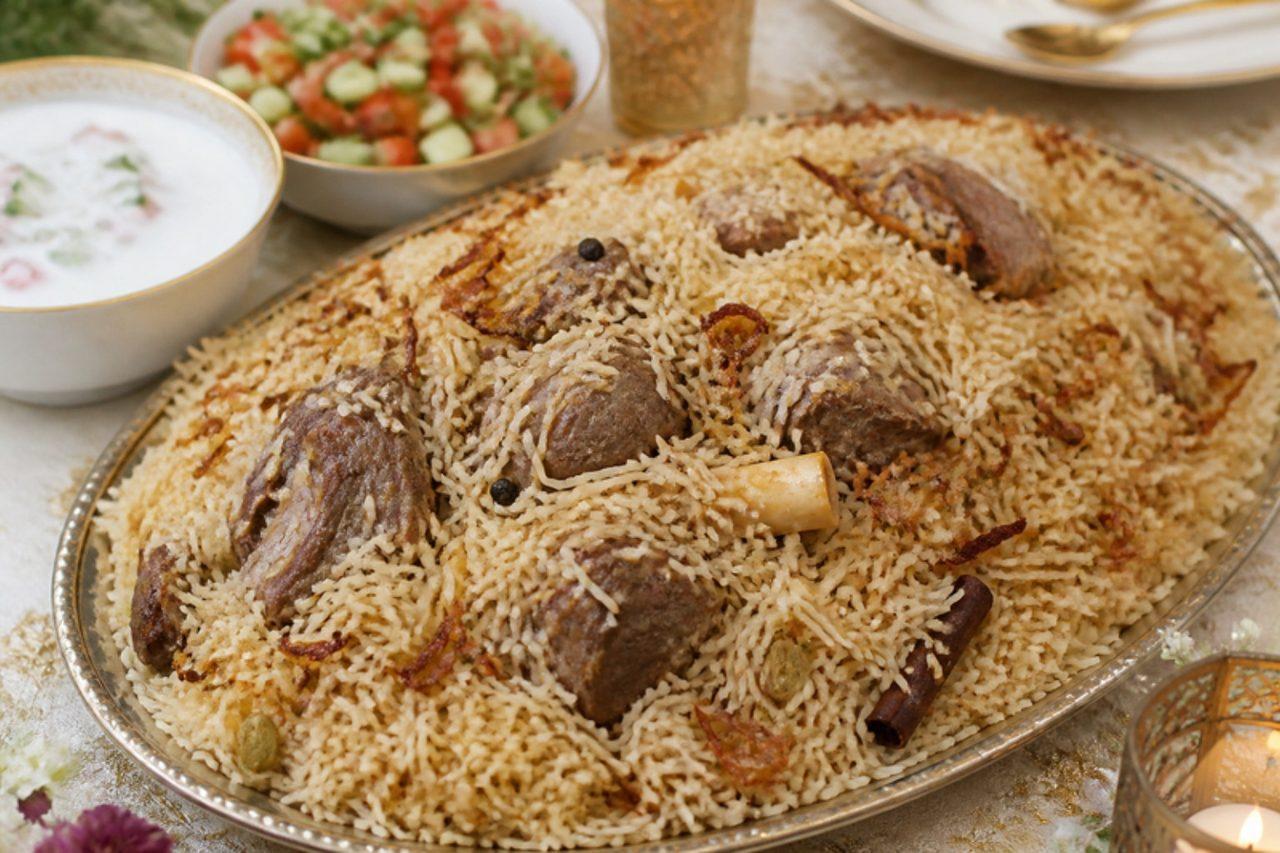
Yakhni pulaoMutton stock pulao

Where biryani shouts, yakhni pulao murmurs: basmati rice cooked in a clear, aromatic mutton stock (the yakhni) with fennel, coriander seed, garlic and whole spices, so every grain is light brown, separate and scented, with tender pieces of meat folded through. Many Pakistani families, especially in Peshawar, Rawalpindi and Karachi's older neighbourhoods, prefer it to biryani for Eid lunch and wedding dinners, and it comes with raita, kachumber salad and sometimes a shami kebab on the side. Its depth comes only from the stock, so that part cannot be rushed. Getting the liquid ratio wrong is what spoils it most often; measure the strained stock exactly rather than pouring it in by eye. Chef's tip: tie the fennel and coriander seeds in a muslin bag for the stock, so you can lift them out and keep the rice clean.

by KrazyBadal 0 views

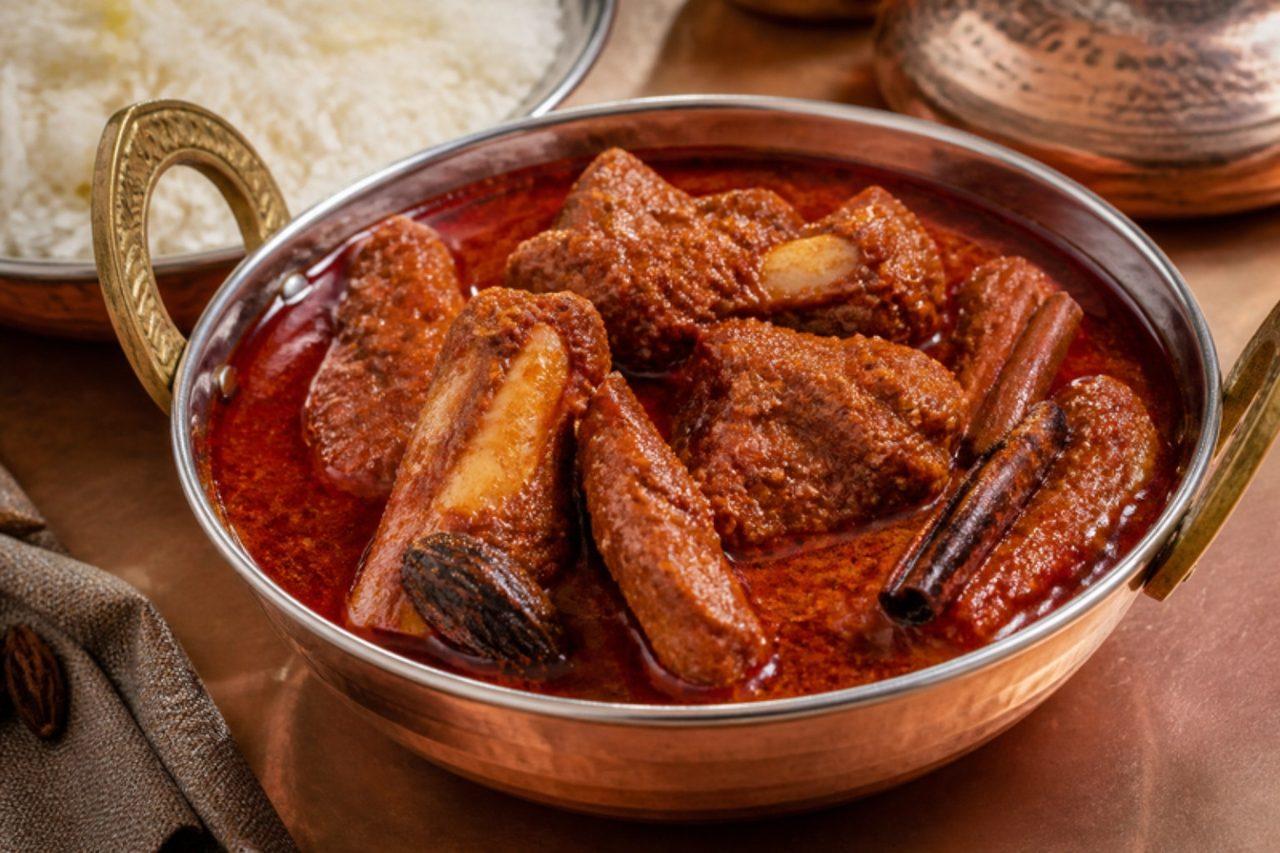
Marchwangan kormaFiery red mutton korma

The name says it all: marchwangan means chilli, and this is the wazwan's hottest course, mutton cooked in a deep crimson gravy of Kashmiri chillies, mustard oil, fennel, dry ginger and a breath of cinnamon, with a spoonful of tamarind for sharpness. Kashmiri chillies bring colour more than ferocity, so you need a lot of them, and a few hotter dried chillies give the real kick. It is served at weddings and family feasts in Azad Kashmir and by Kashmiri households in Lahore and Rawalpindi with plain rice, alongside milder dishes like gushtaba to cool the palate. Scorching the chilli paste is how it goes wrong; it turns bitter and brown, so fry it on a moderate heat with a splash of water. Chef's tip: soak the whole dried chillies in hot water and blend them rather than using only powder, for a smoother, glossier gravy.

by KrazyBadal 0 views

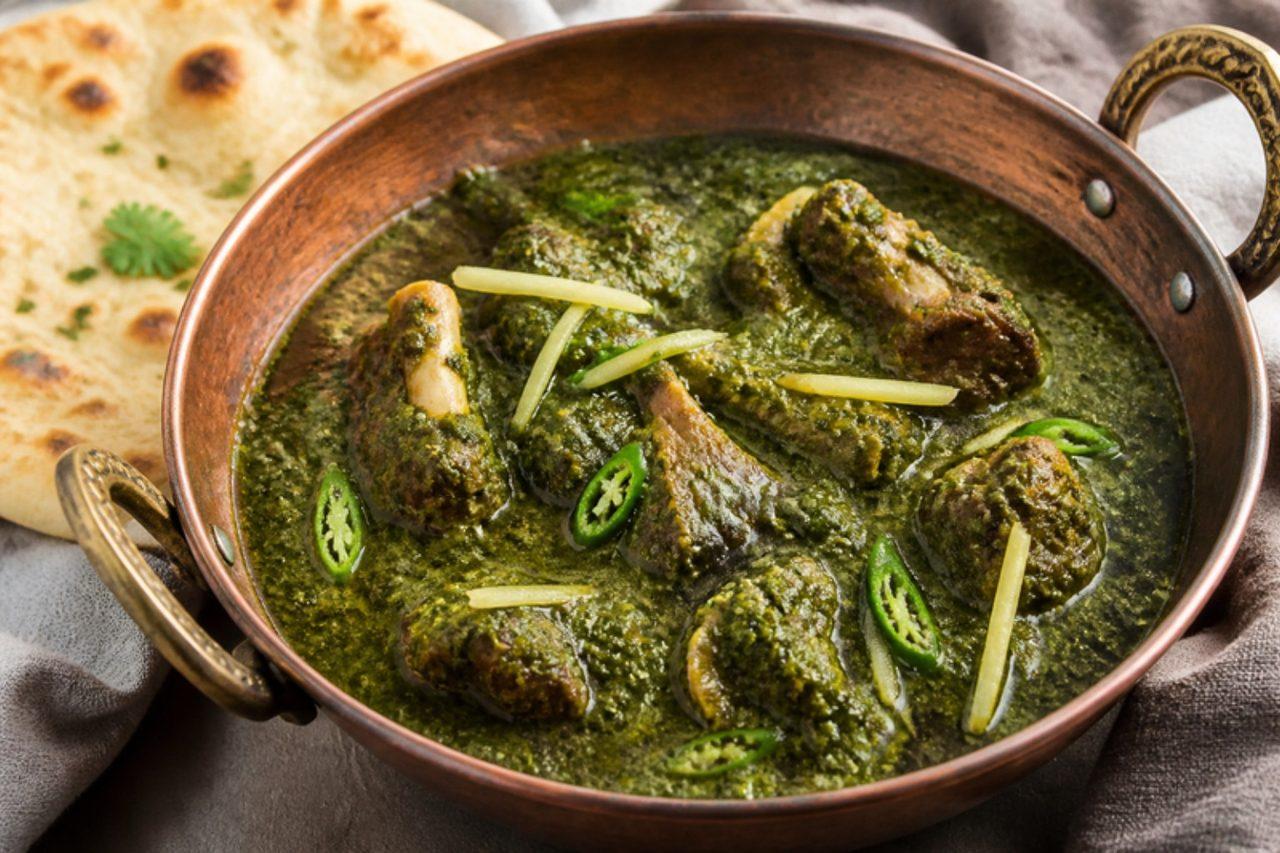
Palak goshtMutton and spinach curry

When the winter spinach comes in around Gujranwala and Sheikhupura, bunches of it are piled on carts by the armful, and palak gosht is what many Punjabi kitchens make with them. The spinach is cooked into the mutton until it collapses into a dark green, garlicky gravy, loose but not soupy, with flecks of ginger and the warmth of green chilli rather than a lot of red spice. It is eaten with makki ki roti or plain chapati and a glass of lassi. Puréeing the spinach to a smooth paste is a frequent misstep; Punjabi cooks chop it and let it melt so you can still see the leaves. Chef's tip: add a knob of butter or ghee and a pinch of dried fenugreek leaves at the end, which rounds off the iron edge of the spinach.

by KrazyBadal 0 views

Aab goshtMutton in spiced milk

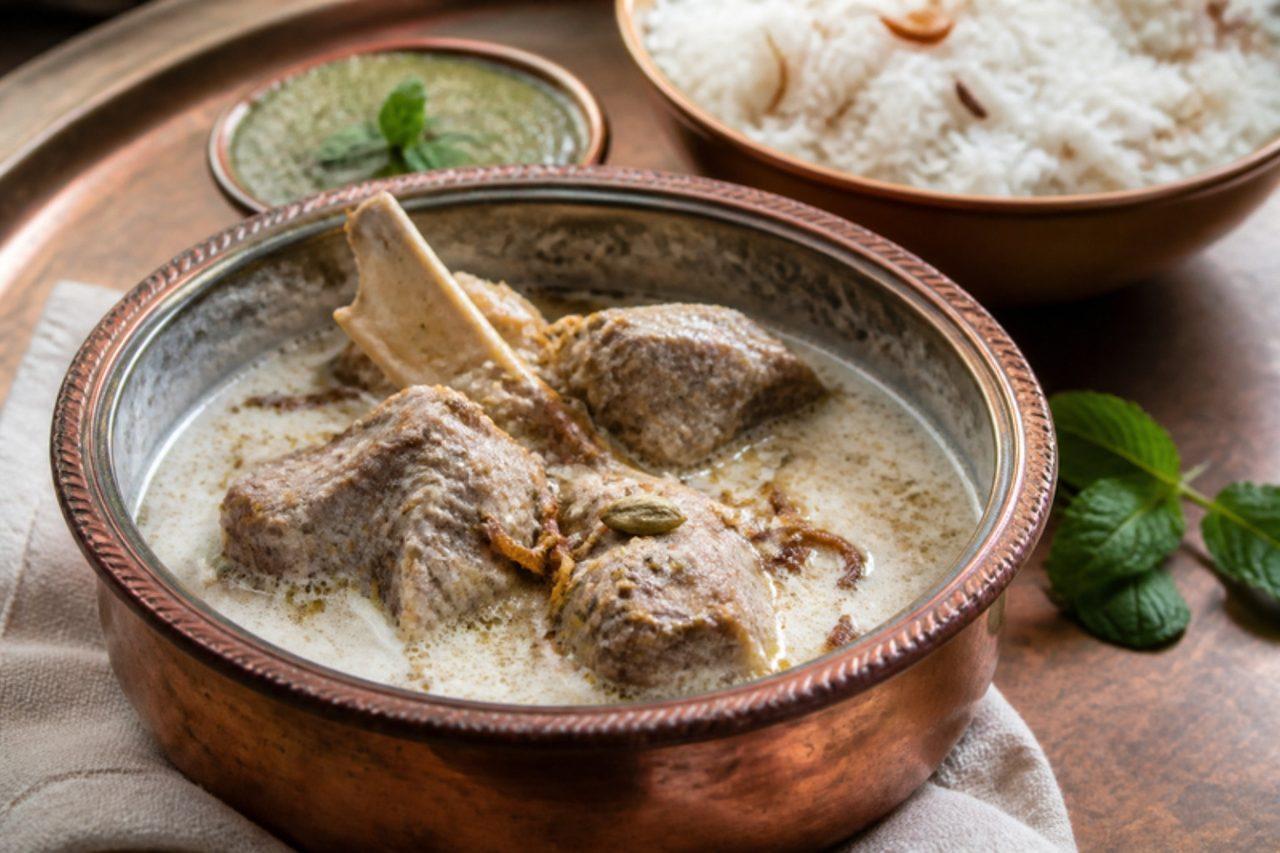
Pale, gentle and fragrant with green cardamom, aab gosht is the Kashmiri kitchen's answer to anyone who thinks the cuisine is all chilli. Mutton on the bone is first boiled with whole spices, then finished in reduced milk with fennel and dry ginger until the sauce turns ivory and thick, almost like a savoury kheer. It is a wazwan dish and a family favourite for Sunday lunch among Kashmiri households in Muzaffarabad and Lahore, eaten over plain rice with a sharp green chutney on the side for contrast. Boiling the milk hard is what ruins it, since it catches on the base and leaves a scorched taste through the whole pot. Chef's tip: reduce the milk in a separate wide pan while the meat cooks, then combine them; it thickens faster and is far less likely to burn.

by KrazyBadal 0 views

Guriltai shulMutton noodle soup

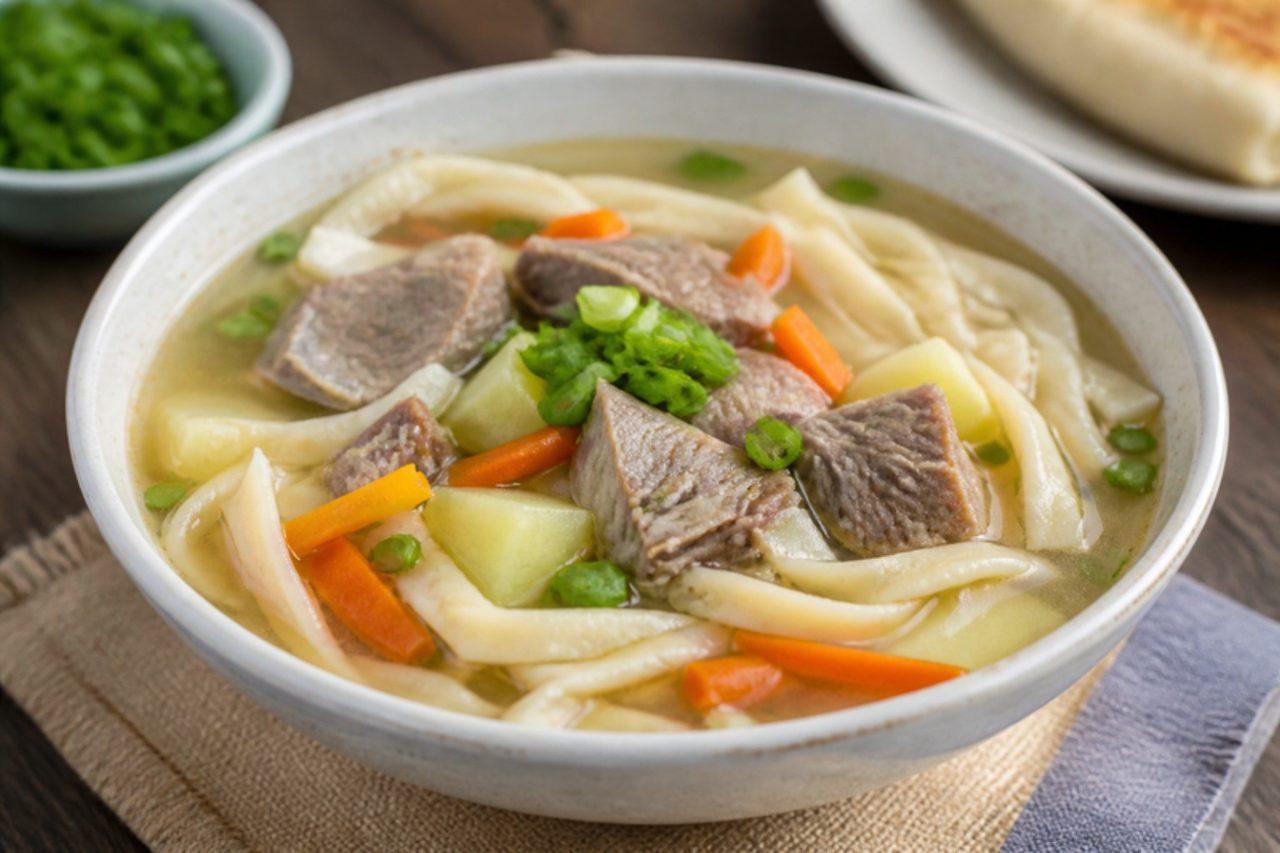
Guriltai shul is the soup Mongolians eat almost daily in winter, from Ulaanbaatar canteens to herders' gers: strips of mutton simmered with onion, carrot and potato, and thick hand-cut noodles cooked in the broth. It is simple, warming and filling in temperatures that drop far below freezing. The mistake is cooking the noodles too long, so they swell and turn the soup stodgy; they need only 6–8 minutes. Chef's tip: rest the noodle dough well so it rolls thin without springing back.

by KrazyBadal 0 views

Kacchi biryaniRaw-marinated mutton biryani

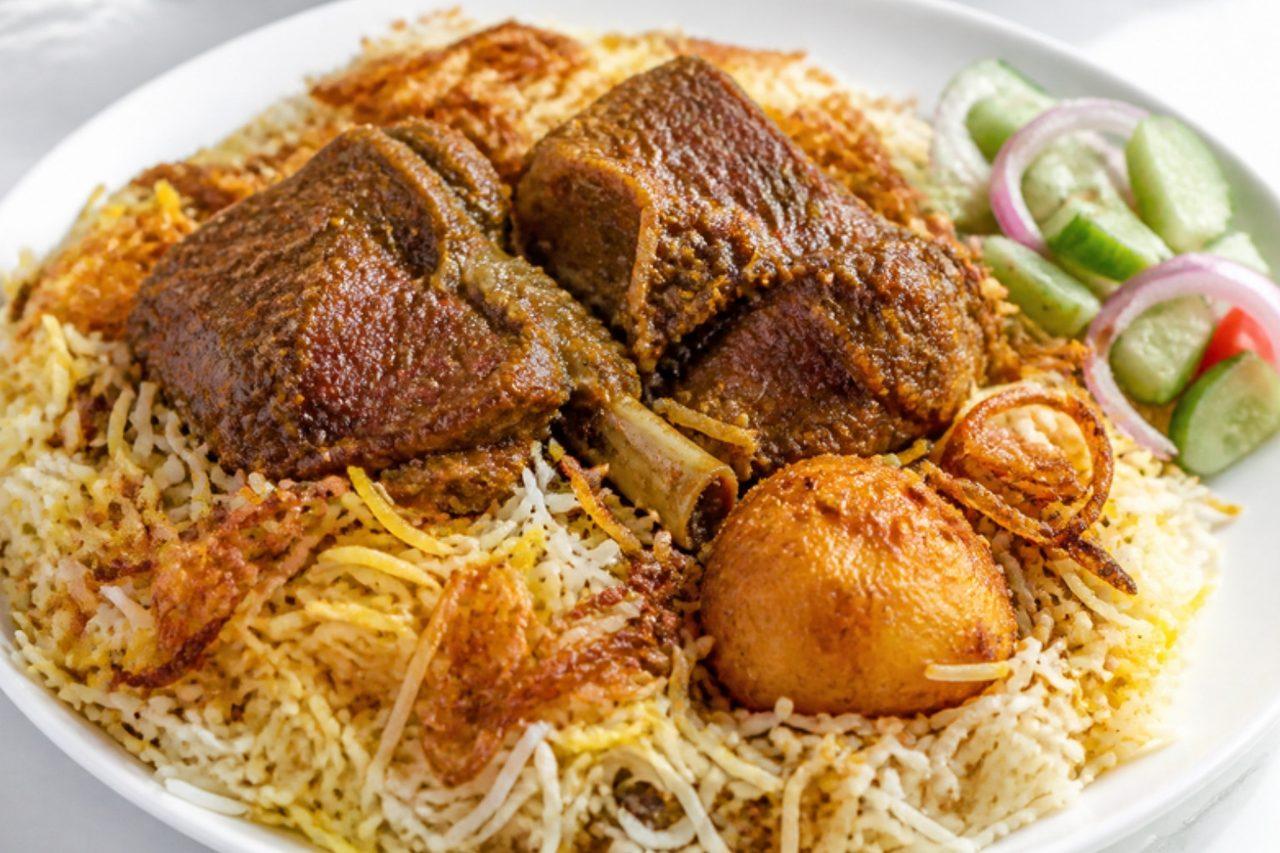
Kacchi biryani is the wedding dish of Old Dhaka: at every Bangladeshi biye the huge copper pots come out, and the lanes around Nazira Bazar are famous for it. 'Kacchi' means raw: the mutton goes into the pot uncooked, marinated in yogurt and spices, under a layer of half-cooked aromatic rice and fried potatoes, and everything steams together for over an hour so the meat juices cook the rice. Serve it with borhani, the spiced yogurt drink, and a salad of sliced cucumber and onion. The common mistake is under-marinating or using lean meat cut too large; small pieces of shoulder with some fat, marinated overnight in the fridge, cook through in time. Chef's tip: seal the lid with a rope of dough; if no steam escapes, the meat at the bottom becomes tender without you ever opening the pot.

by KrazyBadal 0 views

Goes well with mutton