Skip to content

Recipes with moong dal

4 recipes that use moong dal, with photos, step-by-step instructions and cook times. The quickest, Thavala vadai, takes 50 minutes. It is most often cooked with chana dal, turmeric and asafoetida.

Got a few things in the fridge? Search by everything you have

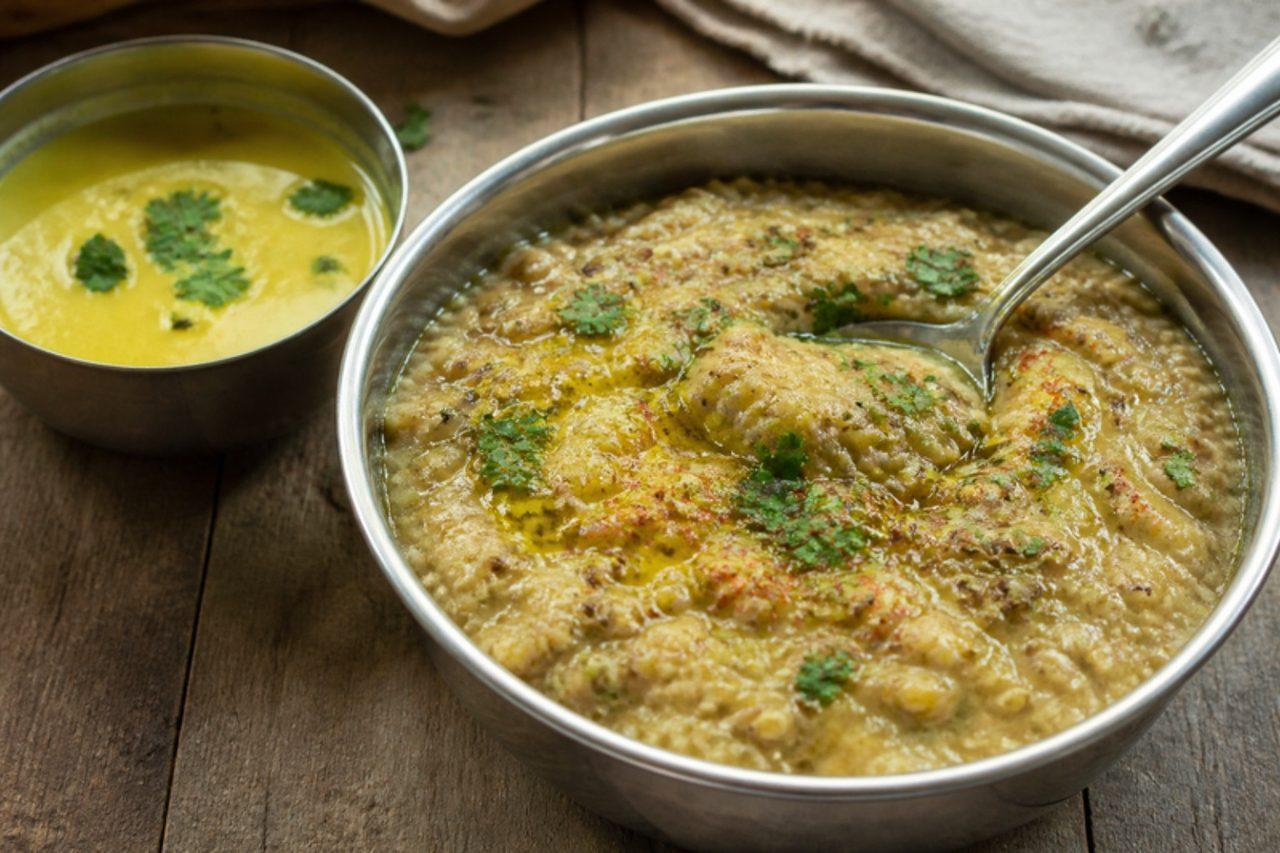
KhichdoWheat, rice and dal porridge

Khichdo is Gujarat's Uttarayan dish of giving: on the morning of the festival big pots of it are cooked and shared with neighbours, cows and anyone in need, because charity on Makar Sankranti is thought to bring blessings. It is a slow, hearty porridge of pounded whole wheat cooked with rice and several dals until everything melts together, finished with a ghee tadka of whole spices, ginger and chilli. Some families make it sweet with jaggery instead. Common mistake: skipping the soaking; the wheat needs a night in water or it never softens, and the khichdo is ready when the grains are bursting and it falls thickly from the ladle. Chef's tip: pounded khichda wheat is sold in Indian shops; cracked whole wheat (not bulgur) also works.

by KrazyBadal 0 views

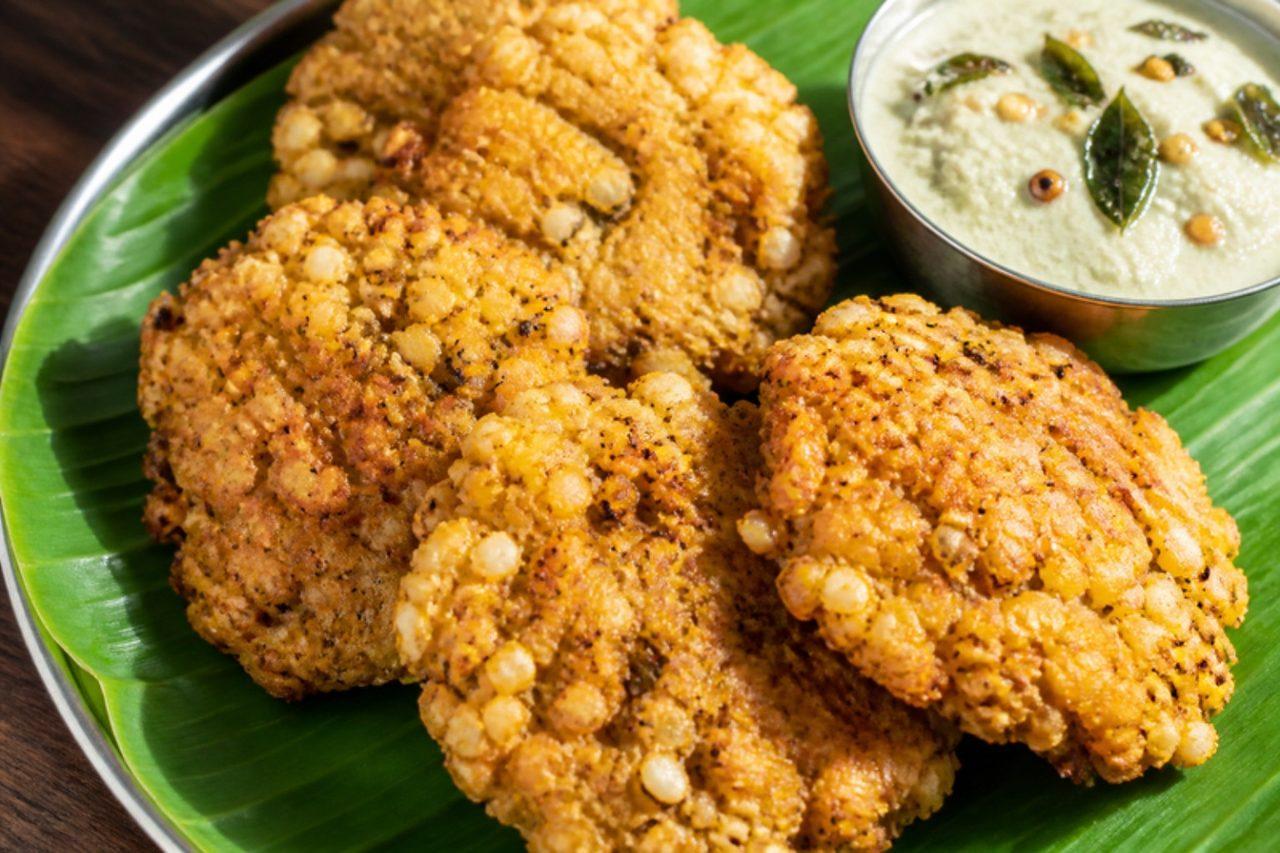
Thavala vadaiMixed dal and rice fritters

Thavala vadai belongs to the old Brahmin kitchens of Thanjavur and Kumbakonam, where it is fried for the afternoon 'tiffin' or for guests on festival days. Four dals and a little rice are ground coarse with pepper, then studded with tiny coconut cubes, so each vadai is rough and pebbly outside and soft and nutty within. The usual mistake is grinding it as smooth as medu vada batter; thavala vadai wants a gritty, semolina-like texture, so keep the grinder on pulse. Chef's tip: shape them small and thick with a dent in the middle using your thumb, so the centre cooks through before the outside darkens.

by KrazyBadal 0 views

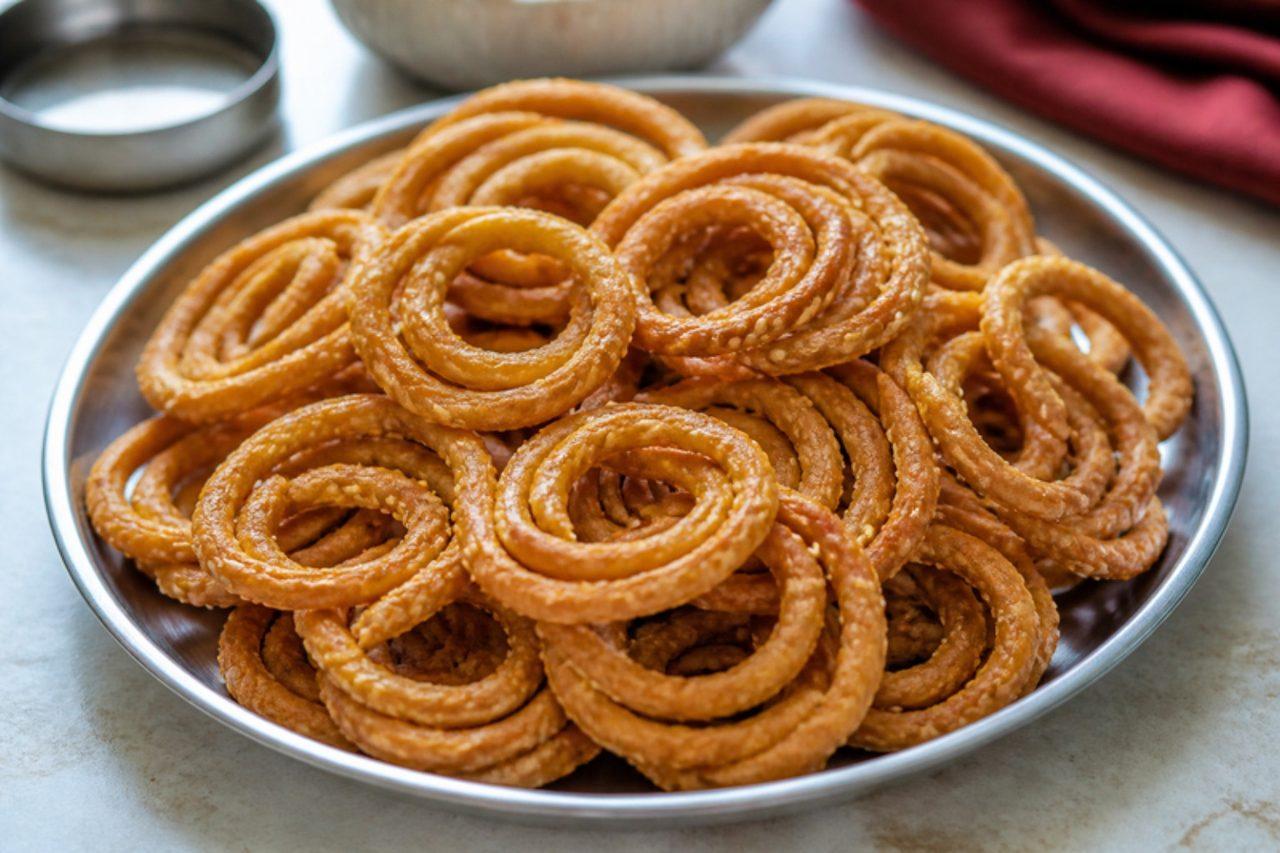
KadboliCrunchy savoury rice and lentil rings

Kadboli is the Maharashtrian answer to chakli for people without a press: the same kind of roasted multi-grain flour, called bhajani, is rolled into ropes on a wooden board and twisted into rings by hand. Grandmothers in Kolhapur and Satara can turn out hundreds in an afternoon, each with the faint ridges of the board on it. The flavour is deeper and more toasty than a plain gram-flour snack, thanks to rice, chana, urad and moong all roasted before grinding, with coriander and cumin roasted in. They are hard-crunchy, spicy and moreish, eaten from the faral dabba with tea through Diwali week. Ready-made kadboli bhajani from a Maharashtrian grocer saves the roasting steps. Chef's tip: knead with water that is just off the boil; the heat partly cooks the starch and gives a pliable dough that rolls into smooth ropes without cracking.

by KrazyBadal 0 views

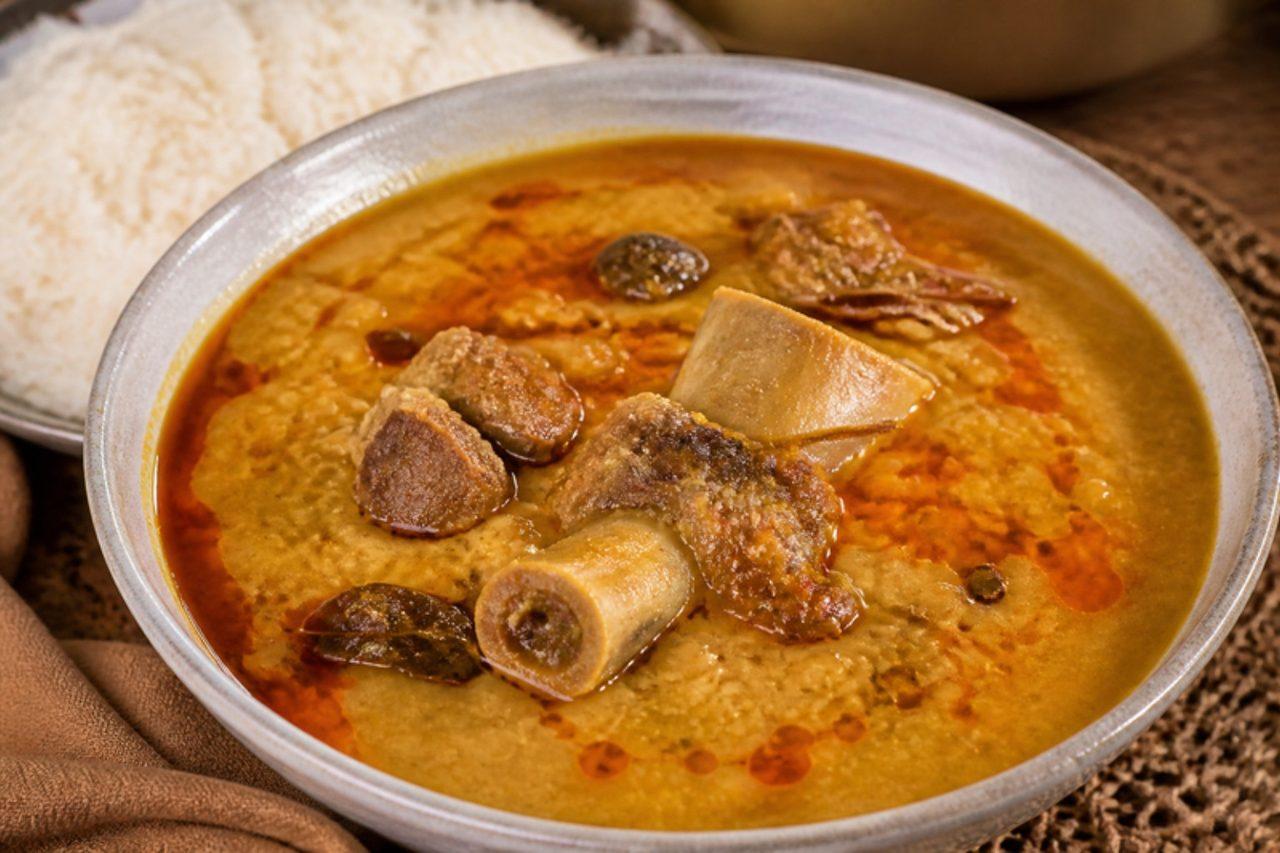
Mezbani dalFeast lentils with beef

At a Chittagong mezban, a community feast given for a death anniversary, a wedding or simply as a gift to the neighbourhood, the beef curry gets the glory but the second big pot is just as anticipated: a thin, savoury dal cooked with the bones, fat and scraps from the same cattle. Ladled over rice alongside the beef, it carries the meat's flavour into every mouthful and softens the heat. The dal itself is a mix of split chickpea and moong, simmered with the bones until it breaks down, then finished with a frying of onion, garlic and the same spices as the beef. A frequent mistake is making it too thick; a proper mezbani dal pours easily over rice. Chef's tip: roast the moong dal in a dry pan for a few minutes until it smells nutty before you add it, which gives the deep, toasty flavour of the feast pots.

by KrazyBadal 0 views

Goes well with moong dal