Skip to content

Recipes with laban

4 recipes that use laban, with photos, step-by-step instructions and cook times. The quickest, Shafoot, takes 20 minutes. It is most often cooked with cumin, dried black lime and ghee.

Got a few things in the fridge? Search by everything you have

Shafoot

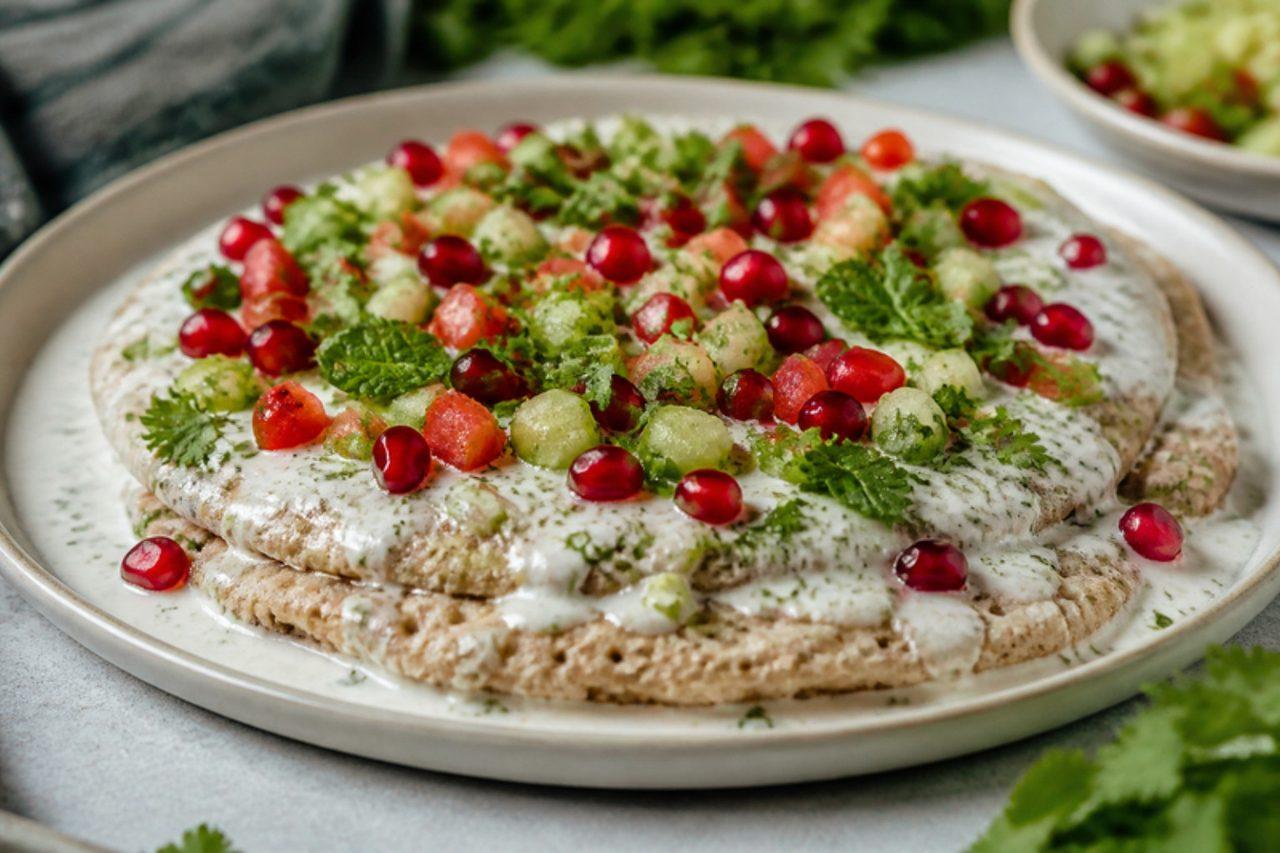
Shafoot is the cooling dish set out first on the iftar cloth in Sana'a during Ramadan, before the soups and the hot breads: torn lahoh, Yemen's thin, holey fermented pancake, soaked in garlicky, minty laban until it is soft and sour-fresh. It tastes a little like a cross between a yogurt dip and a bread salad, sharp with green chilli and fragrant with herbs. Make it just before eating and serve it in a wide dish with fresh herbs and chopped vegetables on top. The common mistake is leaving it to soak for too long, until the bread falls into a paste; ten minutes is enough. Chef's tip: if you can't find lahoh, very thin crumpets or spongy flatbreads such as injera take the laban the same way.

by KrazyBadal 0 views
Jareesh

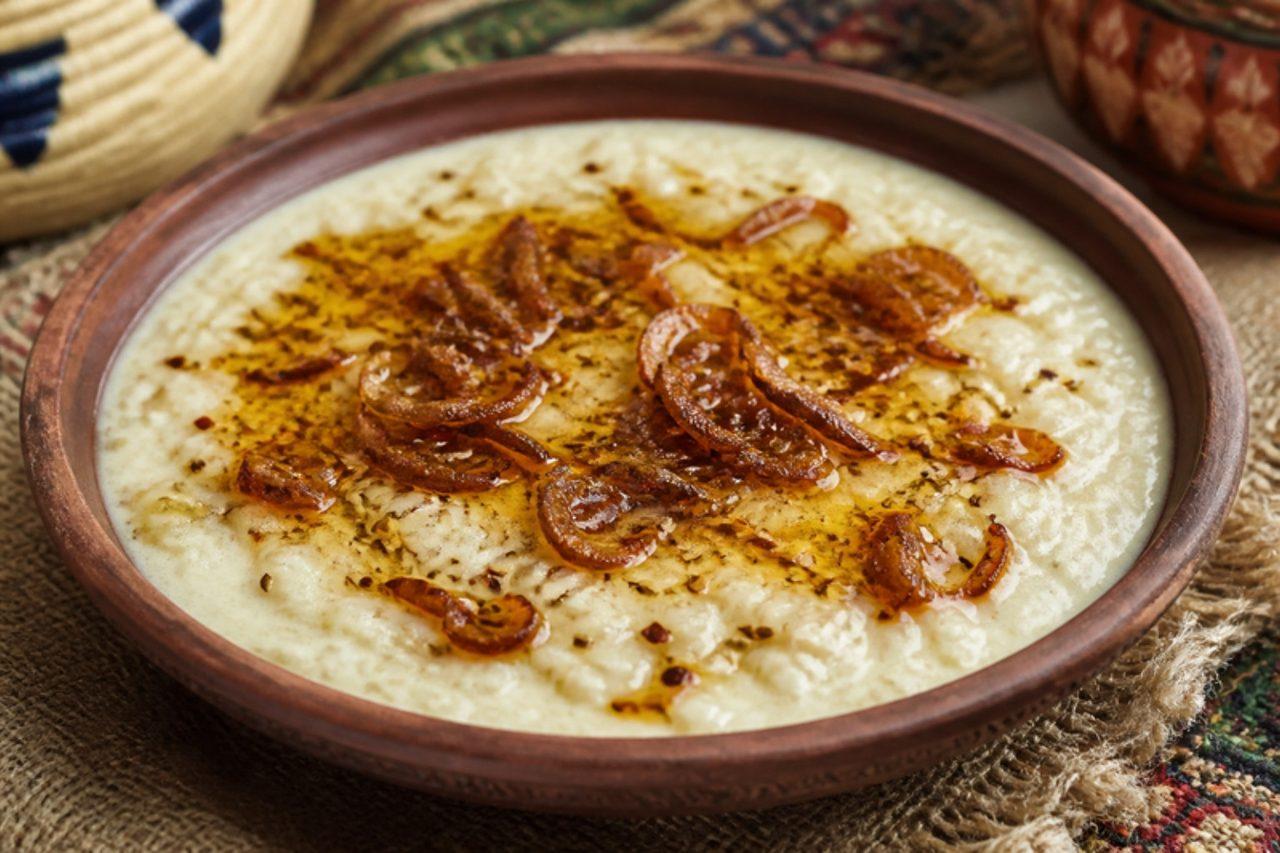
Across Najd and Qassim, jareesh is comfort food for cold desert evenings and a fixture of Ramadan tables in Riyadh: coarsely cracked wheat cooked slowly until it collapses into a soft, porridge-like mass, then loosened with laban and crowned with onions fried in ghee and cumin. Many families cook it in chicken stock with pieces of meat; this version uses water or vegetable stock and is fully vegetarian. The texture should be creamy but still a little nubbly, with a gentle tang from the yogurt. The most common mistake is adding the laban over a high heat, which splits it into grainy curds; stir it in off the boil. Serve it with daqqus and a green salad. Chef's tip: soak the wheat first and skim the starchy foam during the first boil for a cleaner, smoother result.

by KrazyBadal 0 views

Mathlootha

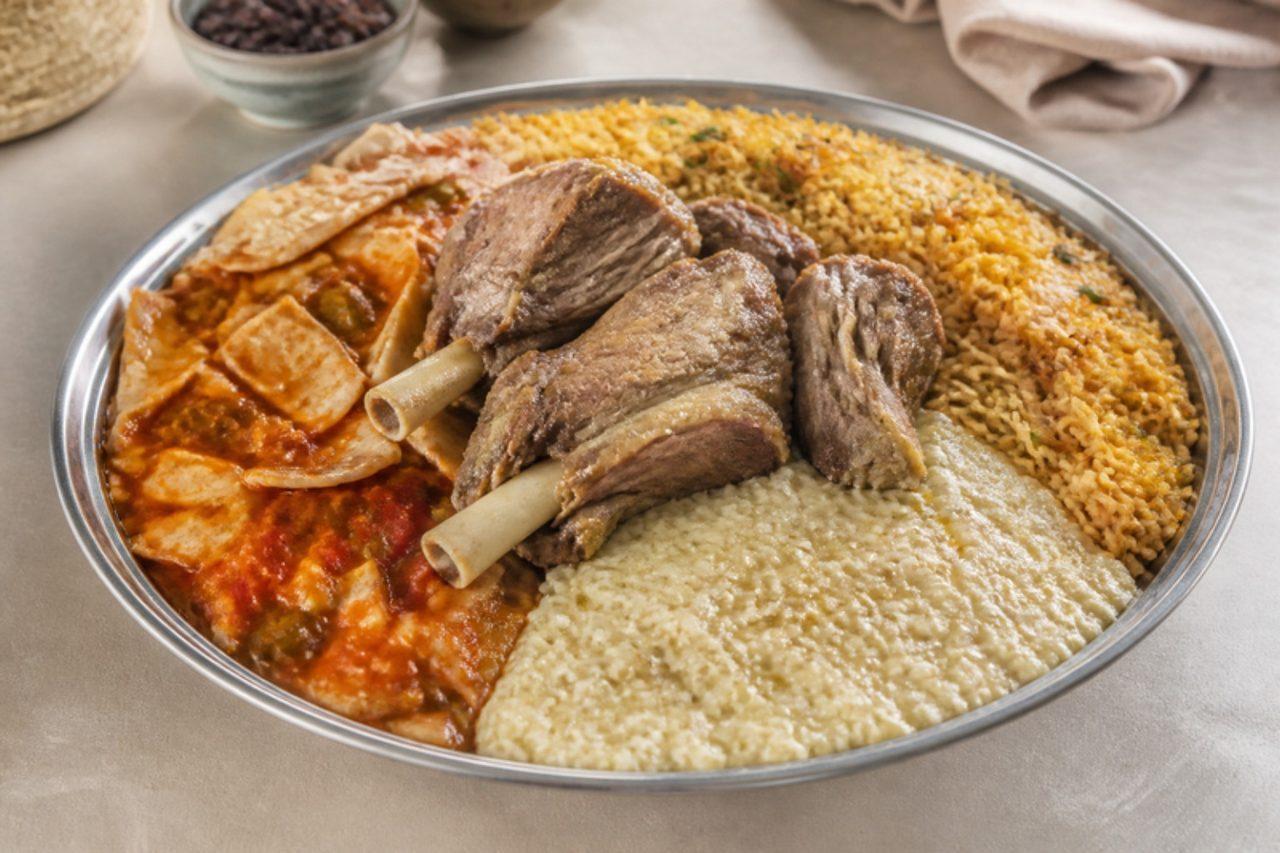
Mathlootha means 'the tripled one', and in Buraidah and Unaizah in Qassim, central Saudi Arabia, it is the dish that appears when a family wants to honour guests: cracked wheat, thin qursan bread and rice cooked in one lamb broth and layered on a single tray. Each layer keeps its own texture, from the soft, porridge-like jareesh to the silky torn bread and the separate grains of rice, all tied together by the spiced lamb. It is eaten by hand or with spoons from a shared platter, with laban and a sharp daqqus sauce. The mistake most people make is cooking all three in one pot at once, so everything turns into the same mush. Chef's tip: cook the jareesh first because it takes longest and holds its heat; the bread and rice can follow in the same broth while it rests under a lid.

by KrazyBadal 0 views

Chami

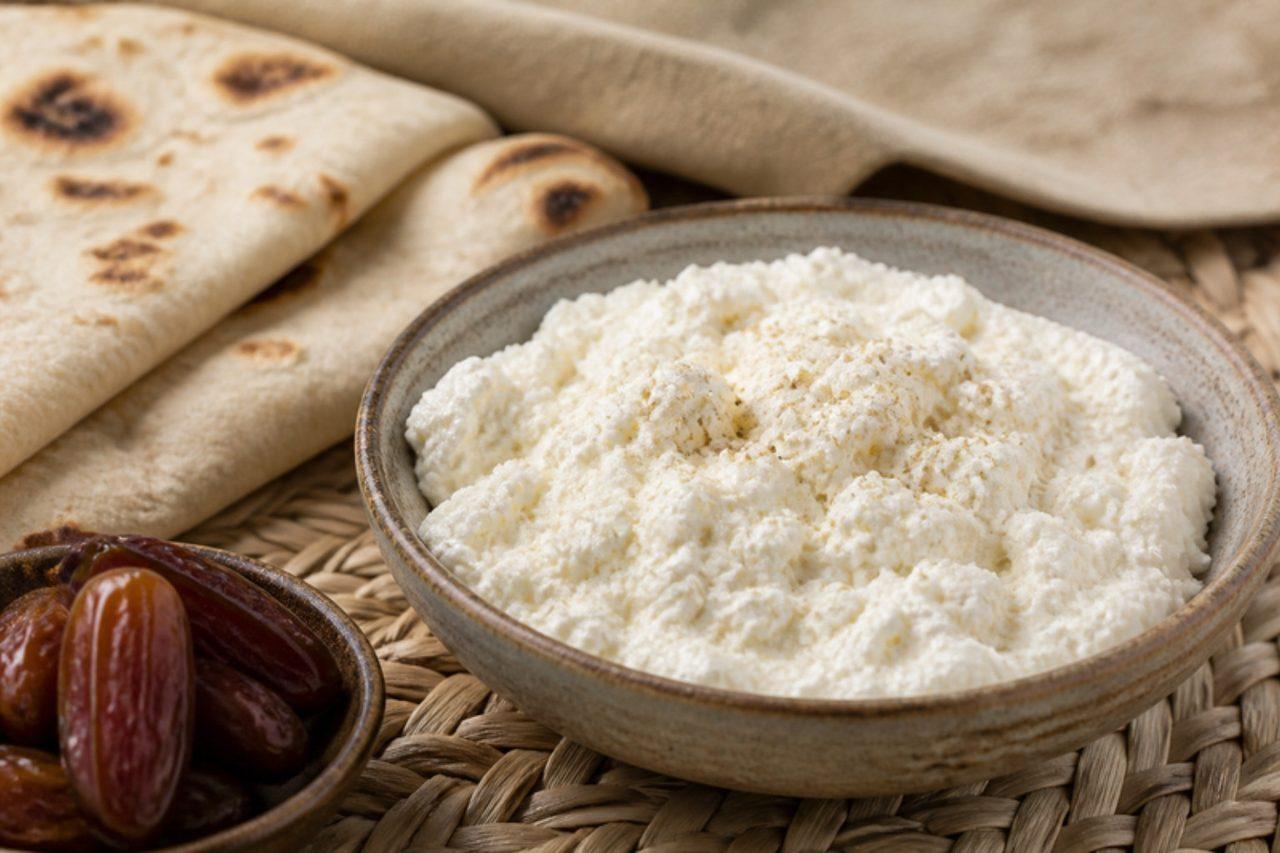
Chami was once made in Emirati desert and coastal homes from the laban left after churning butter, heated until it split into soft, tangy curds. It is still the cheese of a traditional UAE breakfast, spooned next to chebab, dates and a cup of sweet tea, and it tastes like a mild, slightly sour cottage cheese with a crumbly-creamy texture. Because the curds form from the natural acidity of the cultured milk and gentle heat, no rennet is used, so it suits vegetarians. Boiling it hard is the mistake to avoid: the curds turn rubbery and squeaky instead of soft. Chef's tip: stir in a pinch of turmeric or cardamom at the end, as some families do, for a golden colour and a faint perfume.

by KrazyBadal 0 views

Goes well with laban