Skip to content

Recipes with dried black lime

14 recipes that use dried black lime, with photos, step-by-step instructions and cook times. The quickest, Loomi tea, takes 15 minutes. It is most often cooked with onion, garlic and turmeric.

Run out of dried black lime? Lemon, same amount.

Got a few things in the fridge? Search by everything you have

Mashuai

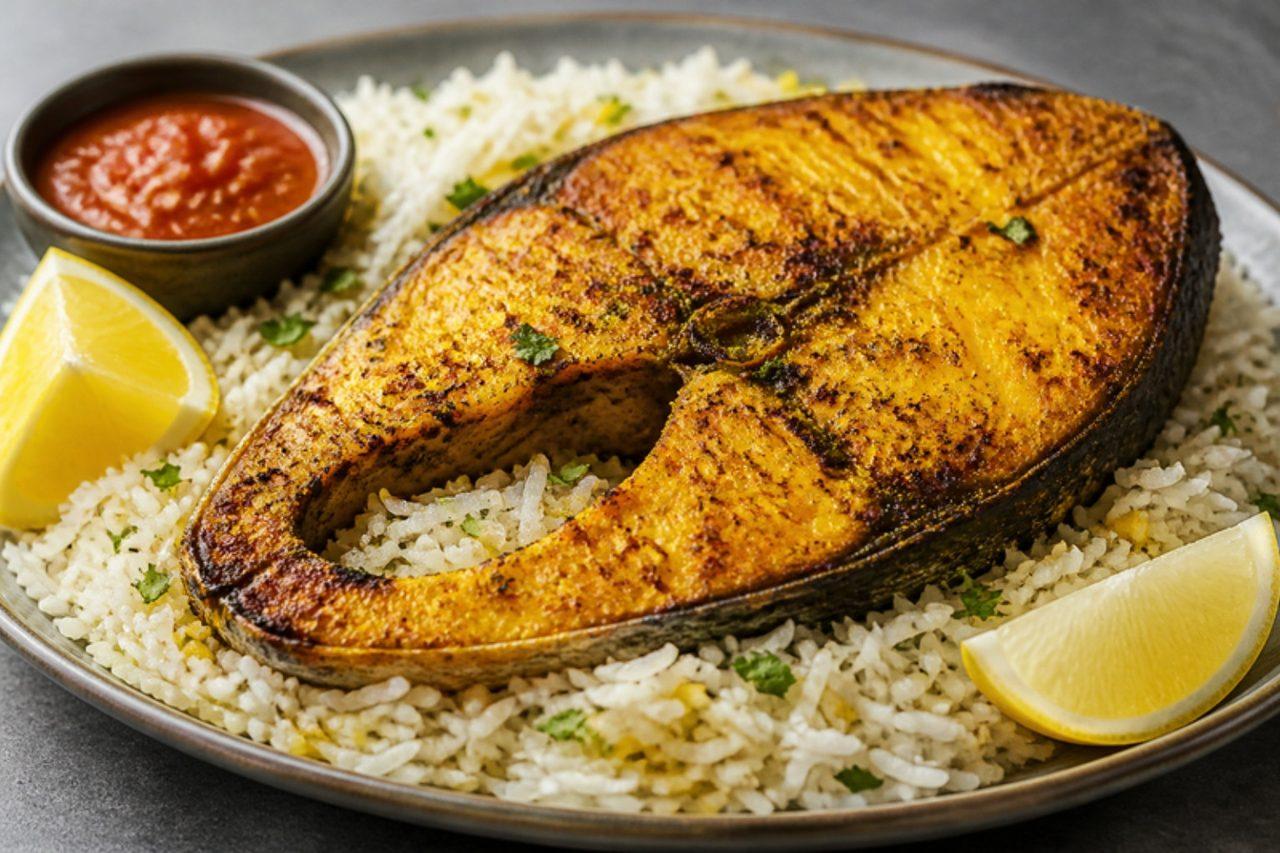
In Muscat, mashuai is the fish dish families share at weekend lunch and festival meals: kingfish, the Gulf's beloved kanad, roasted on a spit or in the oven until crisp, then served over lemony rice with a sharp tomato and lime sauce. Fishermen in Muttrah once cooked the whole fish over driftwood fires on the beach. The flesh is firm and meaty, the spice rub smoky and sour. A whole fish looks wonderful, but thick kingfish steaks are easier at home. The common mistake is roasting kingfish too long; it is lean and turns dry once it is past just-flaking. Chef's tip: baste once with the marinade juices halfway, which keeps the surface glossy and stops it drying.

by KrazyBadal 0 views
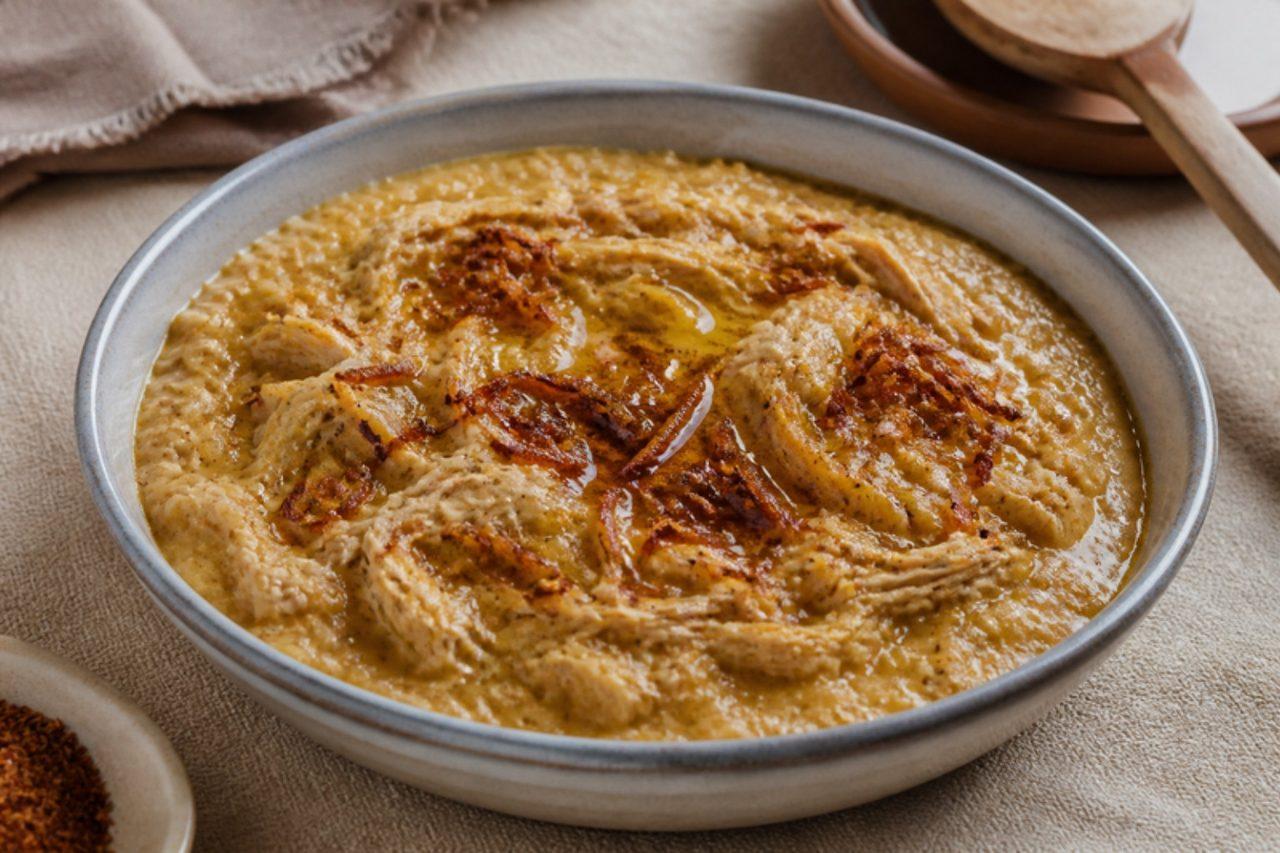
Jareesh

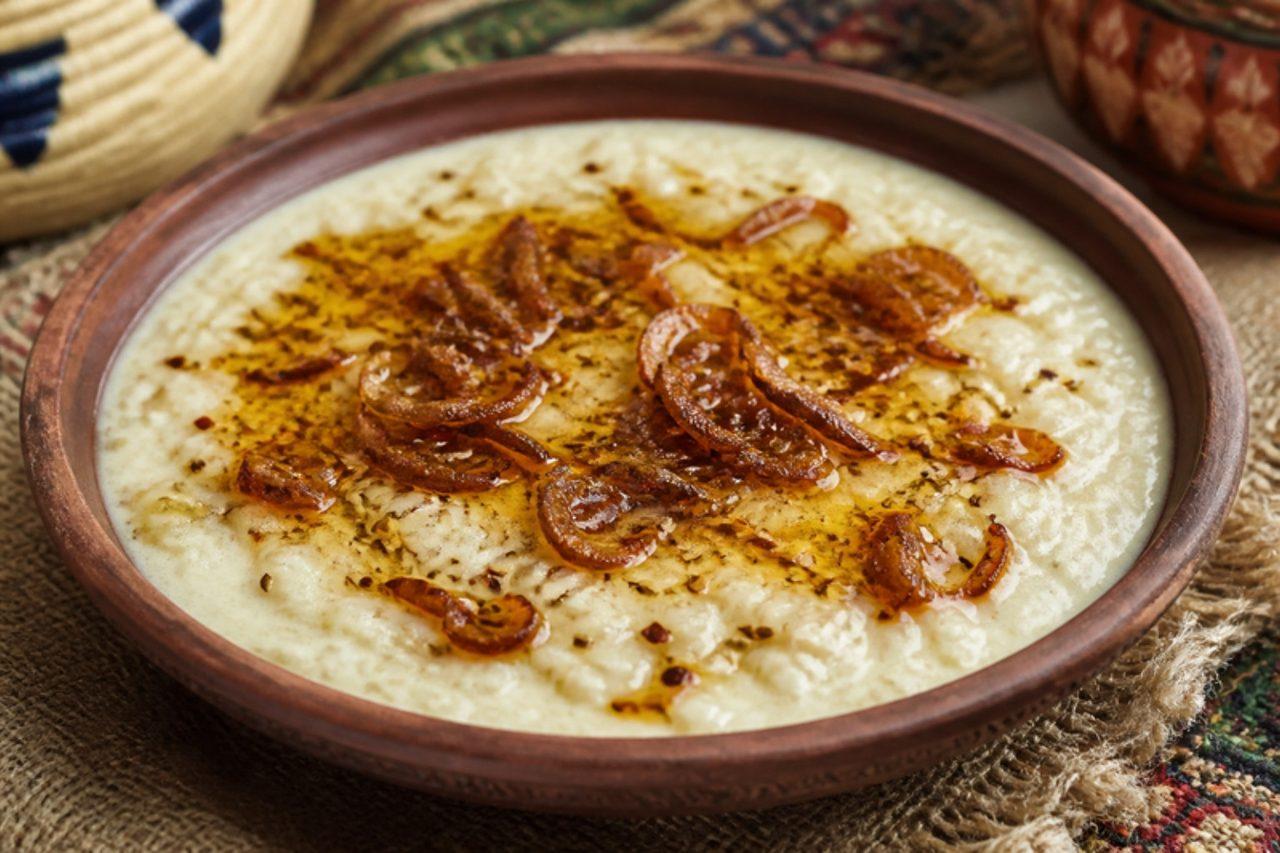
Across Najd and Qassim, jareesh is comfort food for cold desert evenings and a fixture of Ramadan tables in Riyadh: coarsely cracked wheat cooked slowly until it collapses into a soft, porridge-like mass, then loosened with laban and crowned with onions fried in ghee and cumin. Many families cook it in chicken stock with pieces of meat; this version uses water or vegetable stock and is fully vegetarian. The texture should be creamy but still a little nubbly, with a gentle tang from the yogurt. The most common mistake is adding the laban over a high heat, which splits it into grainy curds; stir it in off the boil. Serve it with daqqus and a green salad. Chef's tip: soak the wheat first and skim the starchy foam during the first boil for a cleaner, smoother result.

by KrazyBadal 0 views

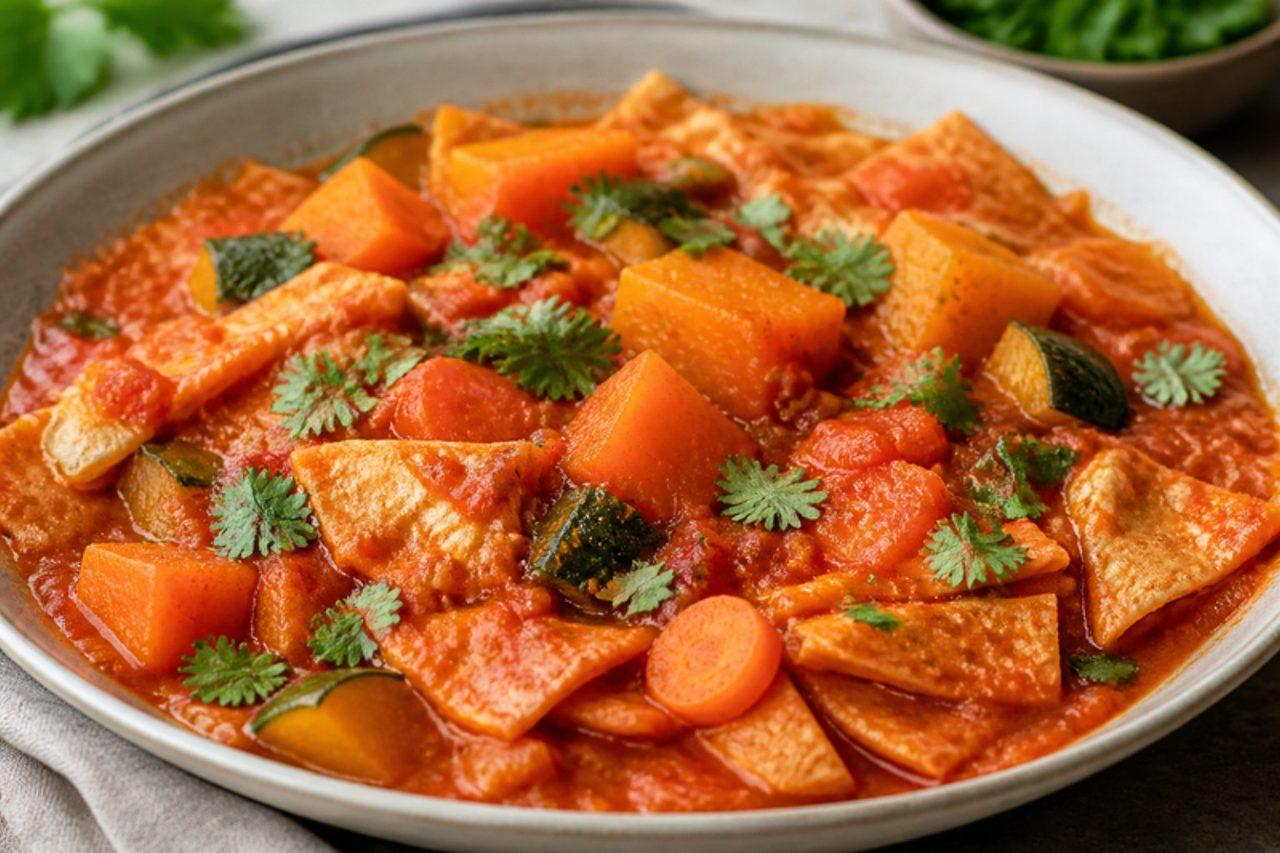
Qursan

Qursan is old Najdi home cooking from the farms around Riyadh and Qassim: thin wholemeal breads are cooked on a griddle, dried, then torn into a spiced stew until they soften into silky, pasta-like sheets. It is a family dish for Fridays and winter evenings, eaten from one big tray. Traditionally the stew is built on lamb; this version is vegetarian, with pumpkin, courgette and carrot simmered in a tomato and dried-lime broth seasoned with Gulf spices. The bread should soak but not dissolve, so the classic mistake is adding it too early and stirring it to mush. Fold it in at the end and let it rest off the heat. Serve with daqqus and fresh herbs. Chef's tip: cook the breads until properly dry and crisp; soft breads turn gummy in the broth.

by KrazyBadal 0 views

Ruz hasawi

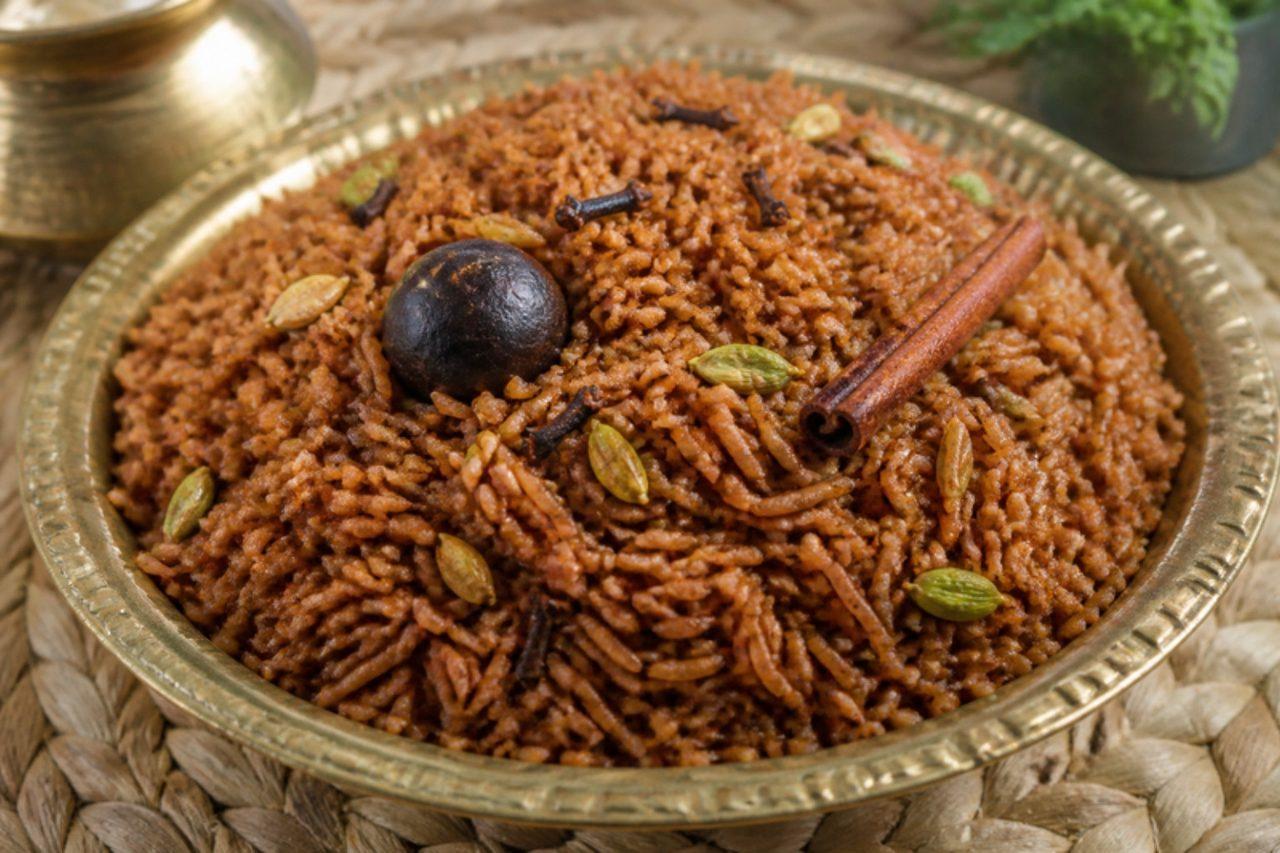
Grown in the flooded fields of the Al-Ahsa oasis for centuries, Hasawi rice is a short, reddish grain with a nutty, almost earthy taste, and in Hofuf it is still served beside fish stews, saloona and grilled hamour at family lunches. It cooks up chewy and separate rather than fluffy, and it is valued in the Eastern Province as a healthy, filling grain. Outside Saudi Arabia, a Himalayan or Camargue red rice is a fair substitute. The biggest mistake is treating it like white rice: it needs a long soak, more water and around 40 minutes of gentle cooking. Serve with any stew or simply with yogurt and pickles. Chef's tip: let the cooked rice rest off the heat with a cloth under the lid for 10 minutes so the grains finish swelling.

by KrazyBadal 0 views
Loomi tea

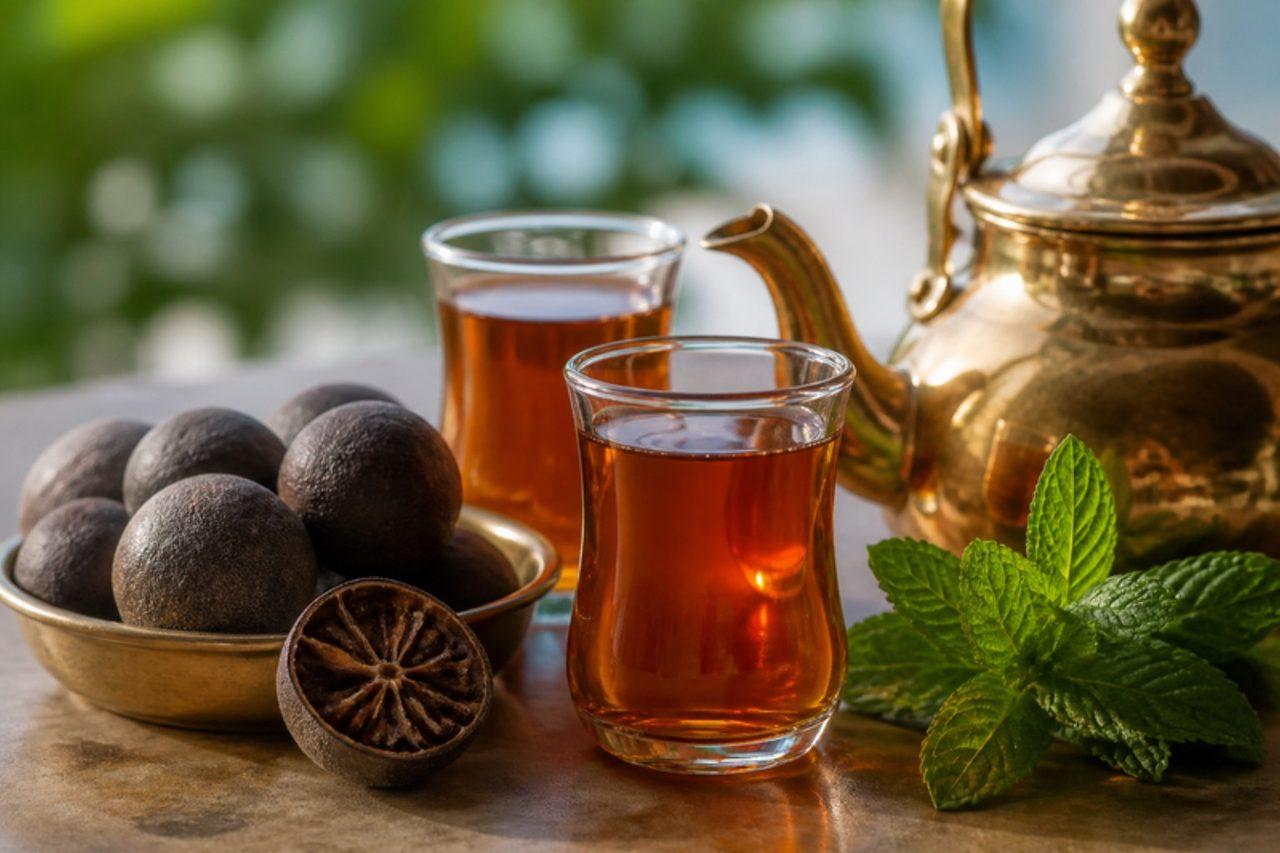
Dried limes, loomi, are everywhere in the Gulf kitchen, from Bahraini machboos to Kuwaiti stews, and on cold days or after a heavy meal they are also cracked open and steeped into shai loomi, a tart, smoky, amber tea. In Saudi Arabia, Kuwait and Bahrain it is drunk hot and sweet in small glasses, and it is many families' remedy for an upset stomach. The flavour is sour and a little bitter, like a cross between lemon tea and something faintly smoked. A common mistake is steeping the whole limes uncracked, which gives a weak, watery tea; break them open first. Strain well, as the seeds are very bitter if chewed. Chef's tip: use the darker limes for a deeper, earthier tea and the pale ones for a sharper, brighter cup.

by KrazyBadal 0 views

Margoog

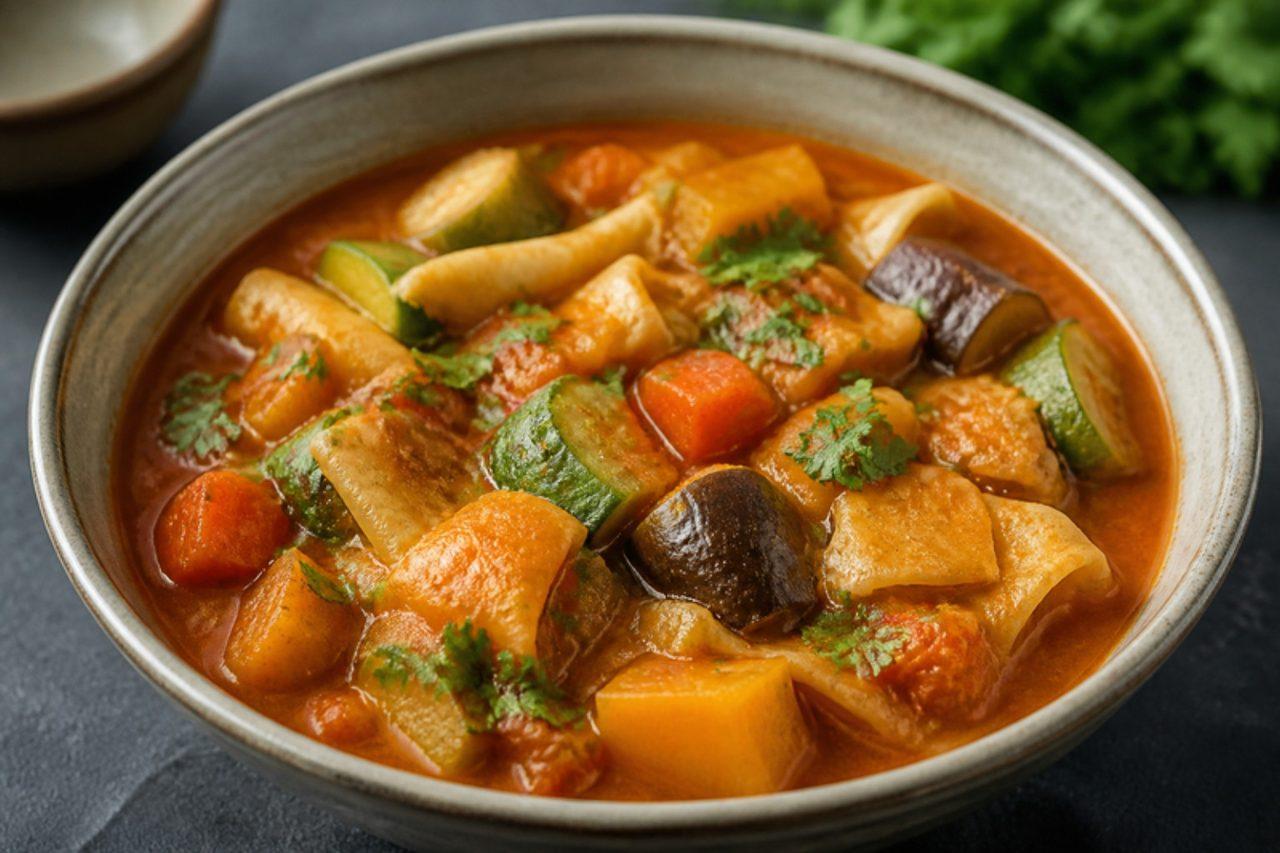
Margoog is a winter one-pot from Qatar and the wider Gulf, where sheets of paper-thin dough are laid over a bubbling stew and cook into soft, silky ribbons that thicken the sauce. In Doha it is traditionally made with lamb on the bone, but this version uses only vegetables: pumpkin, courgette, aubergine and potato in a tomato broth sharpened with dried black lime and warmed with bezar. It is served in a deep platter for everyone to share, with fresh green chilli and onion on the side. The mistake most people make is rolling the dough too thick, which leaves it gummy instead of tender. Chef's tip: dust the dough sheets generously with flour as you lay them in; that flour is what thickens the broth.

by KrazyBadal 0 views

Mathlootha

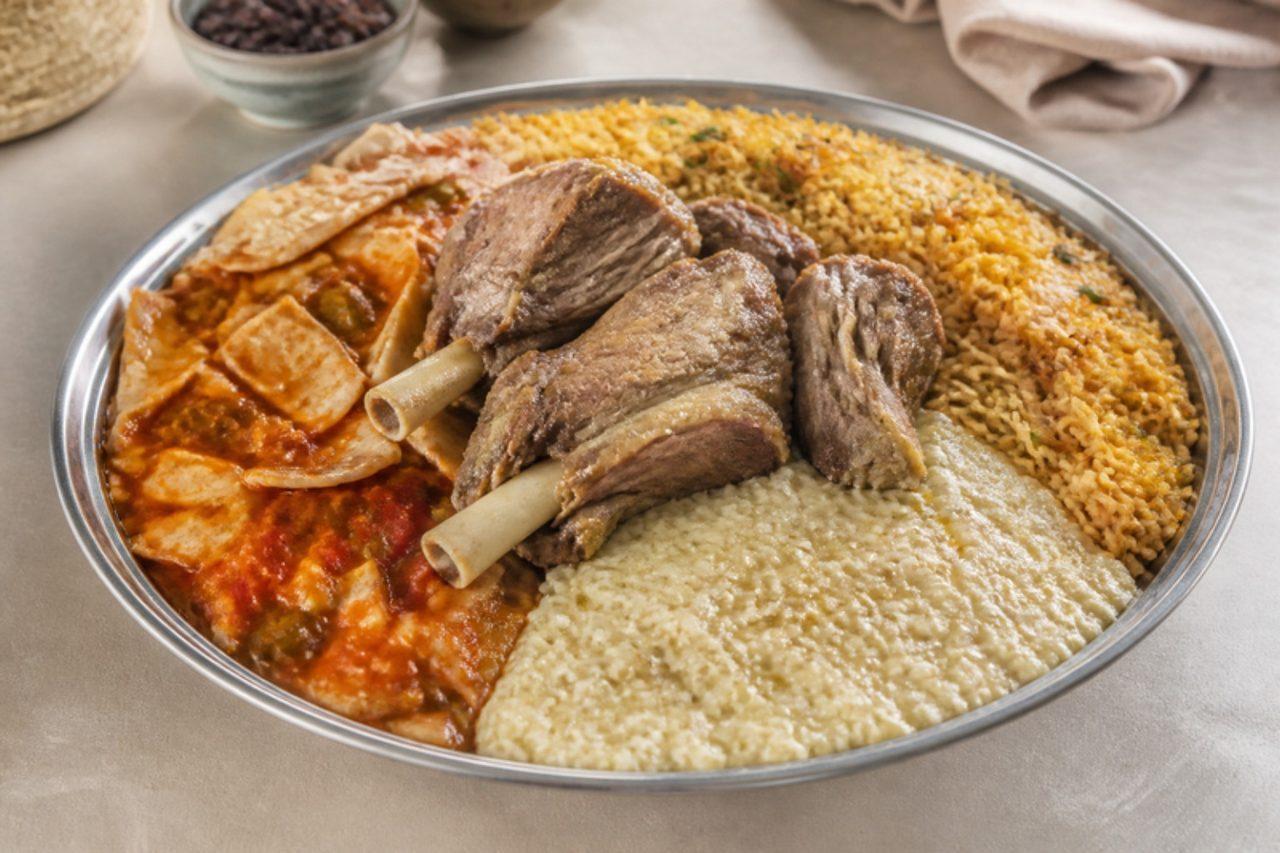
Mathlootha means 'the tripled one', and in Buraidah and Unaizah in Qassim, central Saudi Arabia, it is the dish that appears when a family wants to honour guests: cracked wheat, thin qursan bread and rice cooked in one lamb broth and layered on a single tray. Each layer keeps its own texture, from the soft, porridge-like jareesh to the silky torn bread and the separate grains of rice, all tied together by the spiced lamb. It is eaten by hand or with spoons from a shared platter, with laban and a sharp daqqus sauce. The mistake most people make is cooking all three in one pot at once, so everything turns into the same mush. Chef's tip: cook the jareesh first because it takes longest and holds its heat; the bread and rice can follow in the same broth while it rests under a lid.

by KrazyBadal 0 views

Hamour mashwi

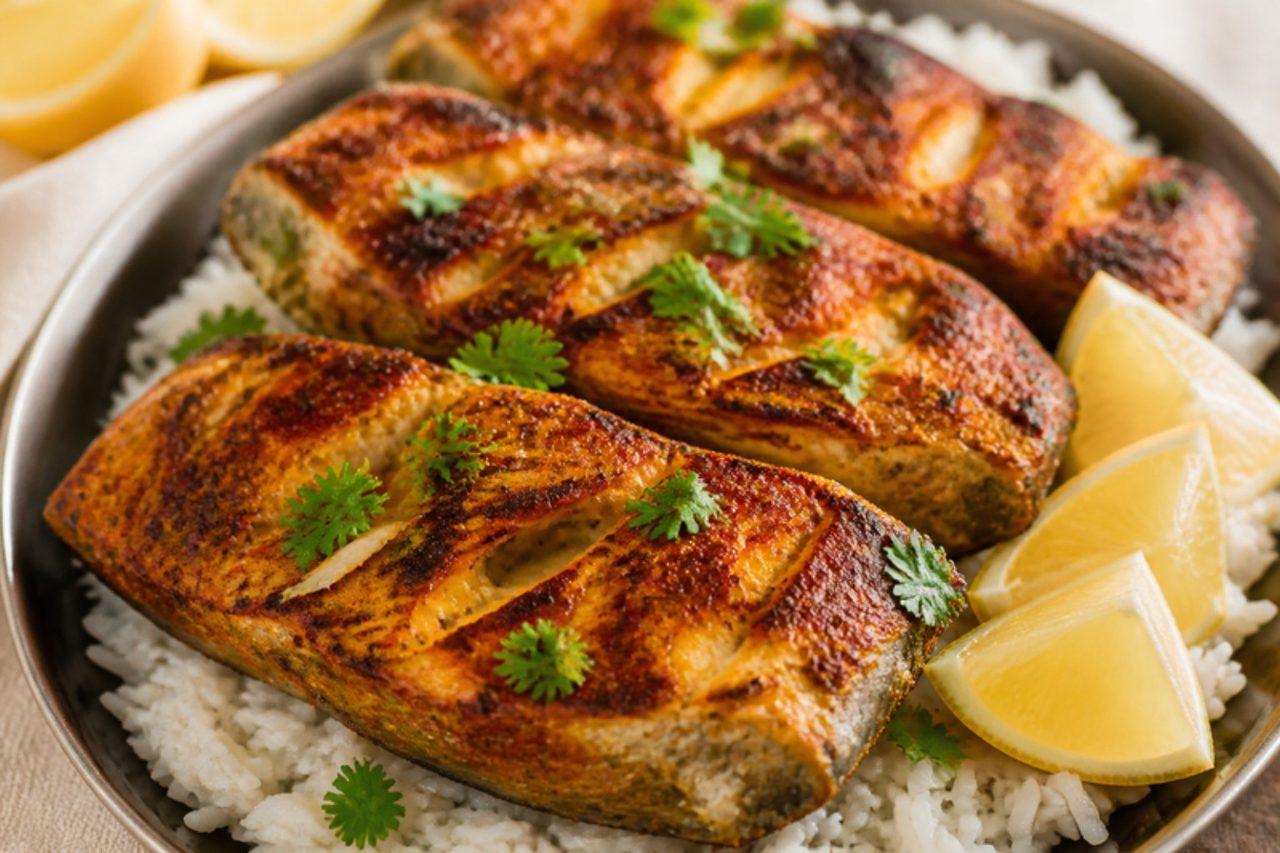
Along the Corniche in Dammam and in the fish markets of Qatif on Saudi Arabia's Gulf coast, hamour is the fish everyone asks for, and on weekend evenings families grill it over charcoal on the beach. The thick white fillets are rubbed with turmeric, garlic, ground dried lime and red chilli, which gives a sour, smoky edge to the sweet, flaky flesh. Serve it with mashkool rice, a lemony salad and daqqus. The common mistake is turning the fish too early, before the crust has set, so it sticks and tears. Chef's tip: oil the fish, not the grill, and leave it alone until it lifts away by itself.

by KrazyBadal 0 views

Jasheed

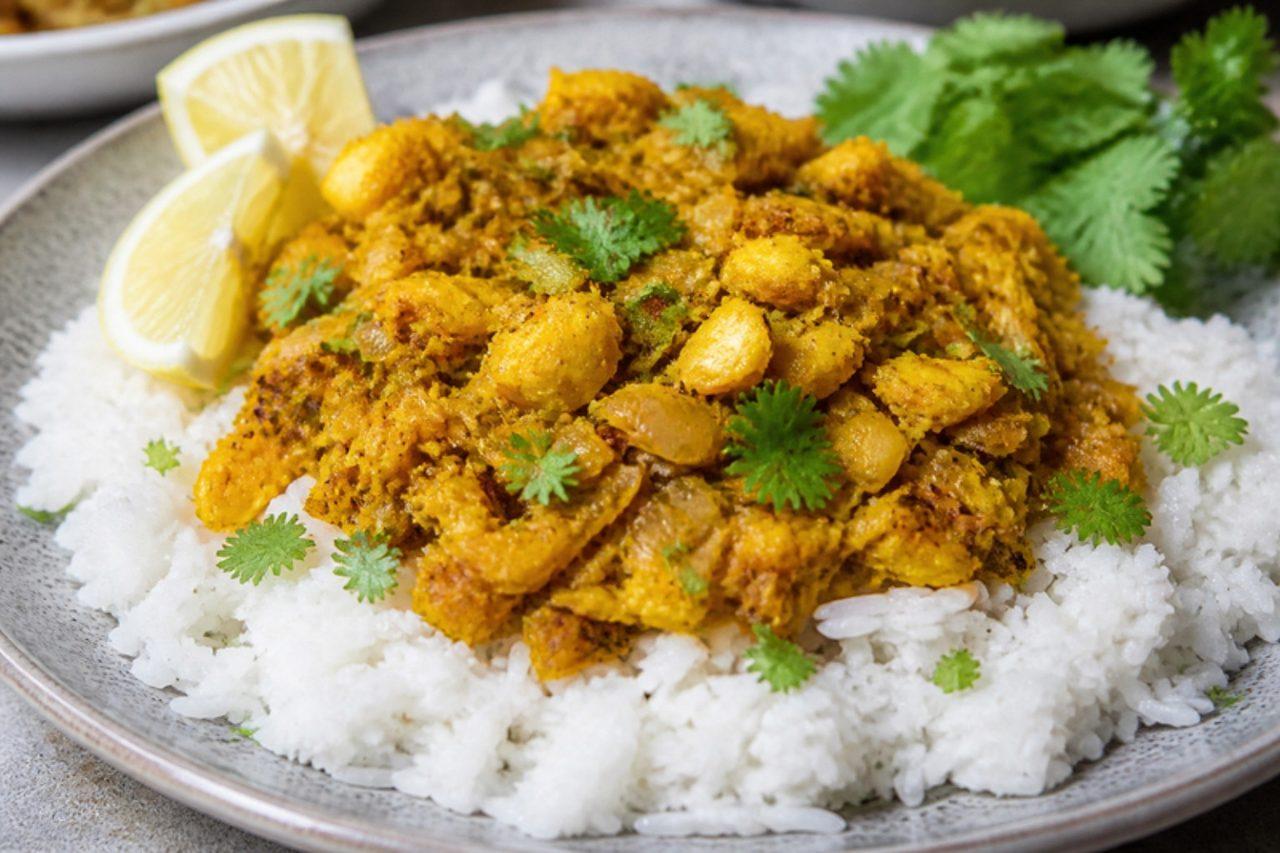
Jasheed comes from the coastal kitchens of the United Arab Emirates and Bahrain, where baby shark caught in the shallows was boiled, shredded and fried with heaps of onion and spice, then piled over white rice for lunch. It is dry, fragrant and savoury, a little like a fish keema, with sweet onion and a warmth of turmeric and bezar. At home any firm white fish such as hamour, cod or haddock works perfectly; use shark only where it is legal and sustainably caught. The mistake people make is skipping the squeeze-dry after poaching, so the mixture stews instead of frying. Chef's tip: take your time over the onions, they should be soft and amber before the fish goes in, because they carry the sweetness of the dish.

by KrazyBadal 0 views

Mutabbaq samak

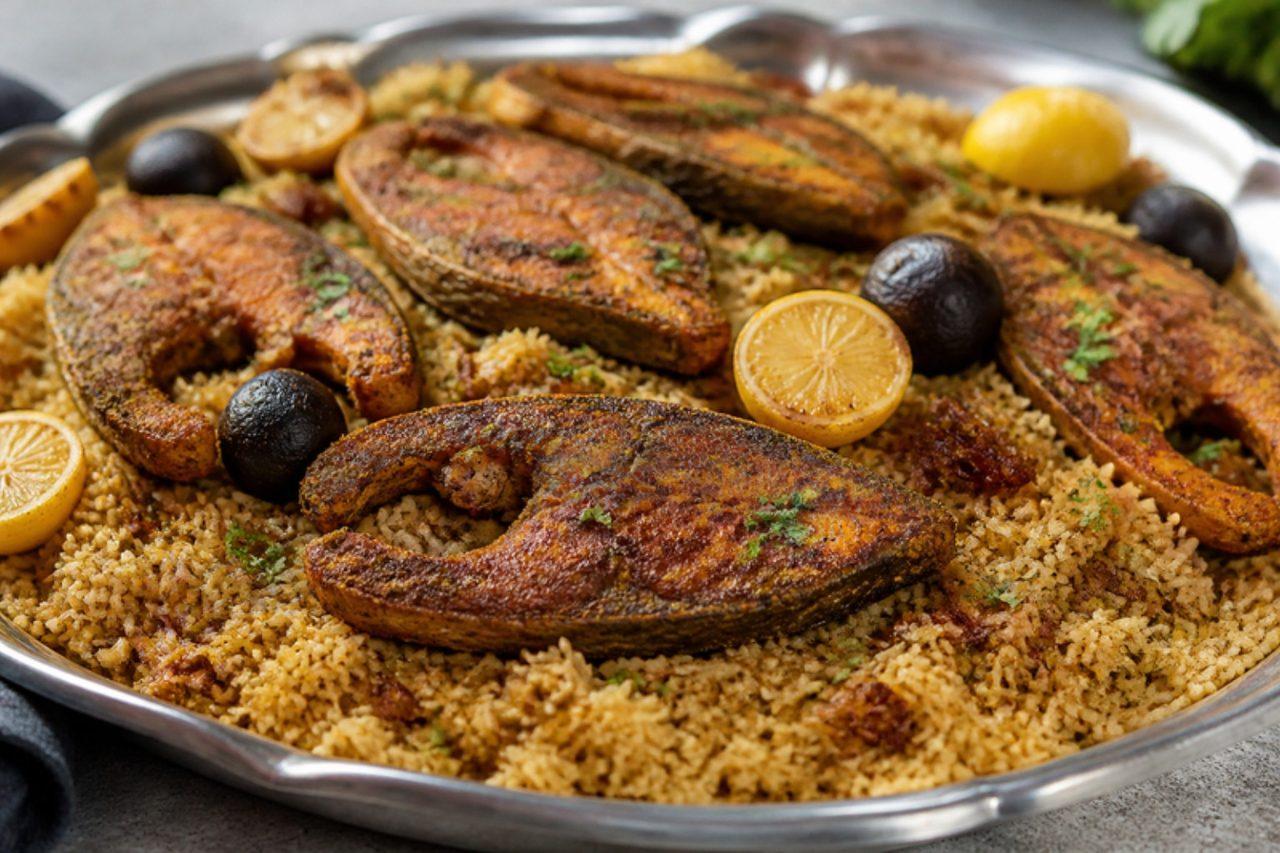
Mutabbaq samak is a Kuwaiti Friday lunch, usually made with zubaidi pomfret or hamour bought that morning at the Sharq fish market in Kuwait City. The fish is rubbed with spice and fried crisp, the head and trimmings make a quick stock, and the rice is cooked in that stock with dried lime until every grain tastes of the sea. Fried fish goes on top of the golden rice with a scattering of fried onion. The mistake people make is cooking the rice in plain water and losing the point of the dish. Chef's tip: fry the fish just before the rice is ready so the crust is still crisp when the platter reaches the table.

by KrazyBadal 0 views

Murabyan

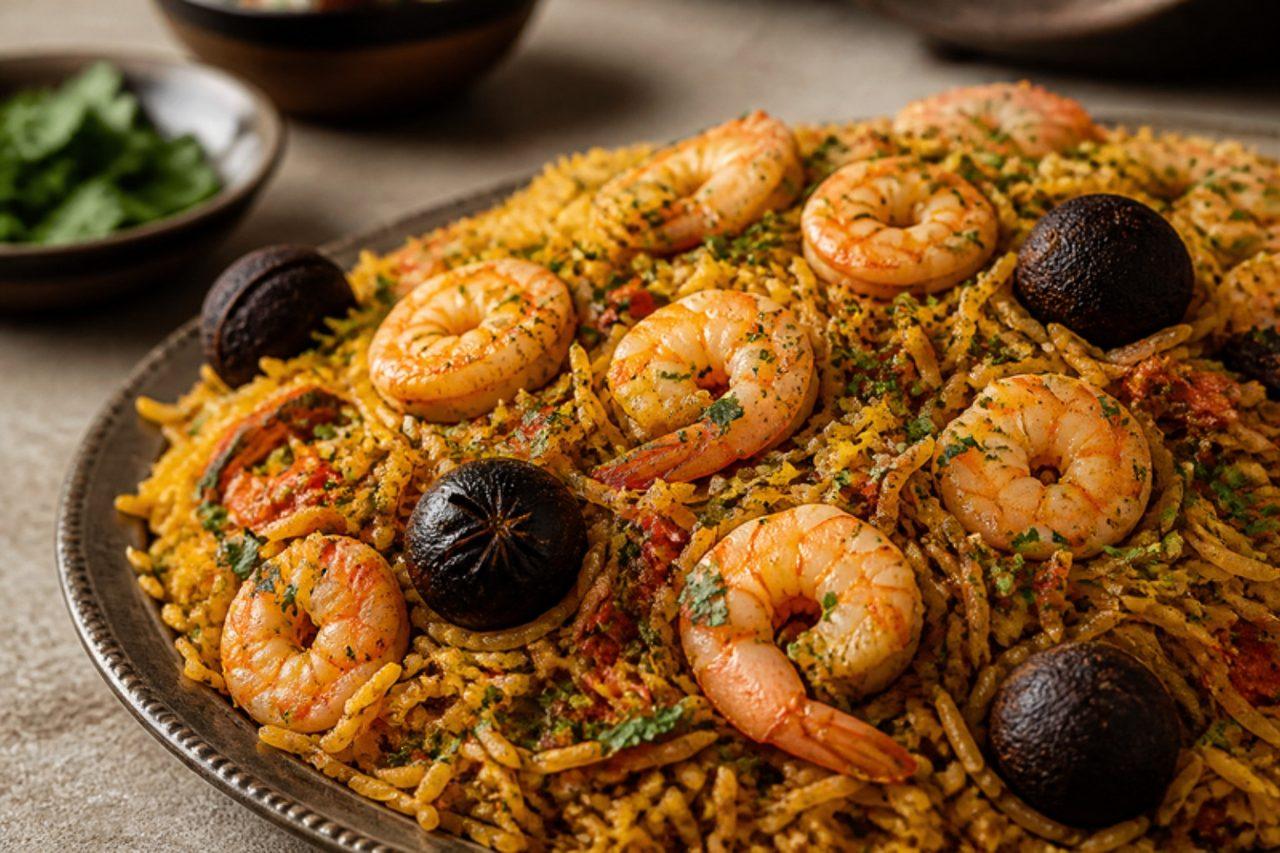
Kuwait has long been known for its Gulf shrimp, and in Kuwaiti homes murabyan is the rice dish made when the season's catch is sweet and plentiful, usually from autumn into winter. Shrimp are fried briefly with onion, dried lime and baharat, then the rice is cooked in the same pot so it soaks up their colour and flavour. It tastes warm, slightly sour and gently sweet, with bites of tender shrimp through orange-tinted grains. Serve with daqqus and a green salad. The common mistake is cooking the shrimp for the whole time with the rice, so they turn rubbery; take them out and return them at the end. Chef's tip: use the shells to make a quick stock for the rice, it doubles the shrimp flavour.

by KrazyBadal 0 views

Gabout

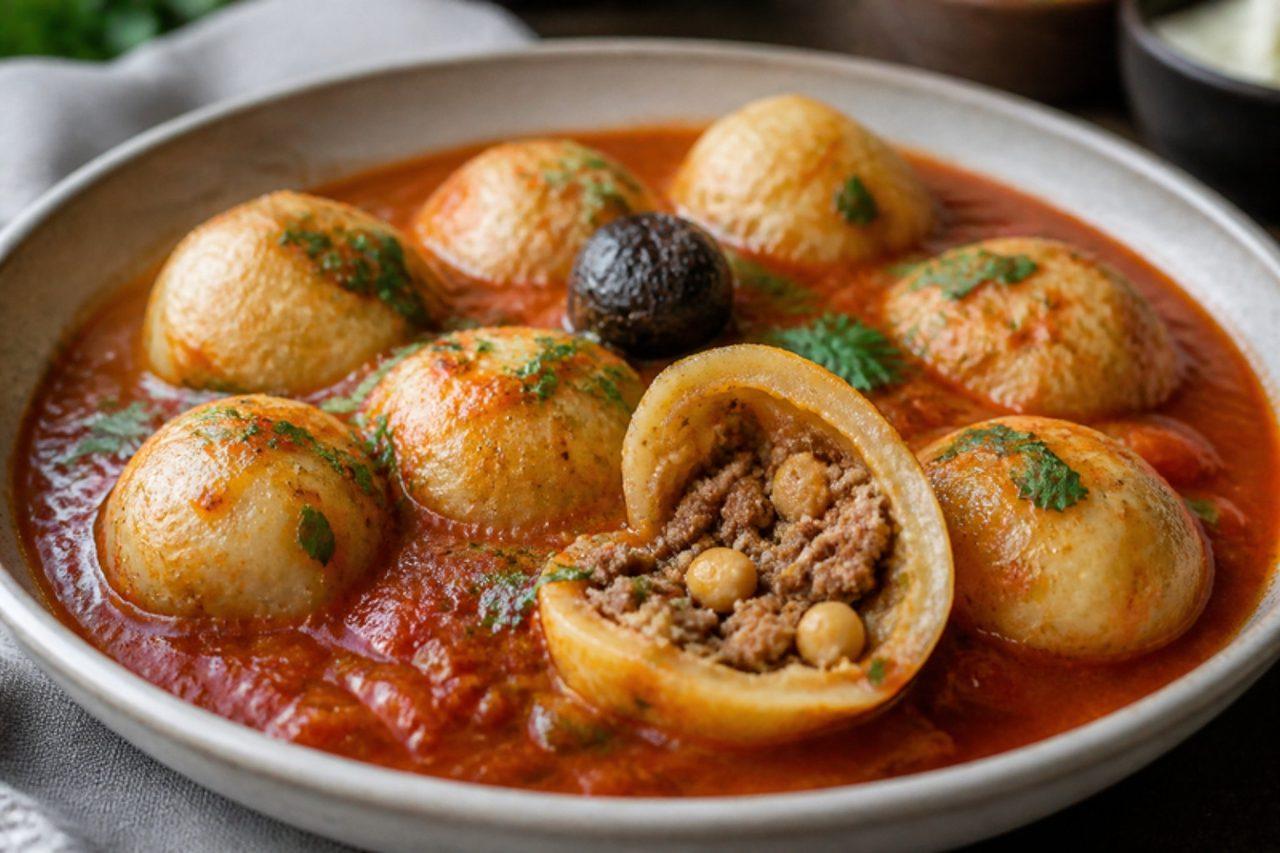
Gabout is old Kuwaiti home cooking, the kind grandmothers in Kuwait City still make for family lunches in winter, and a close relative of the Iraqi dumplings brought along the trading routes of the Gulf. Soft flour dough is wrapped around spiced lamb or beef mince with chickpeas, and the dumplings are simmered in a sour tomato and dried-lime stew until they are tender and plump. It is filling and comforting, eaten with bread or on its own. The mistake people make is rolling the dough too thick, which makes the dumplings heavy and doughy. Chef's tip: wet your fingers when sealing, the dough must close tightly or the filling leaks into the stew.

by KrazyBadal 0 views

Madrouba

Madrouba means 'beaten', and in Doha and across Qatar and Oman it is a Ramadan favourite, cooked in big pots and beaten with a wooden spoon until the rice and chicken become one creamy porridge. It is soft and savoury, warmed by cumin, cardamom and black lime, and finished with a pool of ghee and sometimes crisp fried onion. Families eat it at iftar after dates and soup, or on cold evenings. The mistake is adding all the water at the start and walking away: the rice needs stirring so it breaks down evenly without catching. Chef's tip: use a whisk or a sturdy wooden spoon in the last 15 minutes and beat hard; the texture should be smooth with only tiny threads of chicken.

by KrazyBadal 0 views

Sabzi qovurma

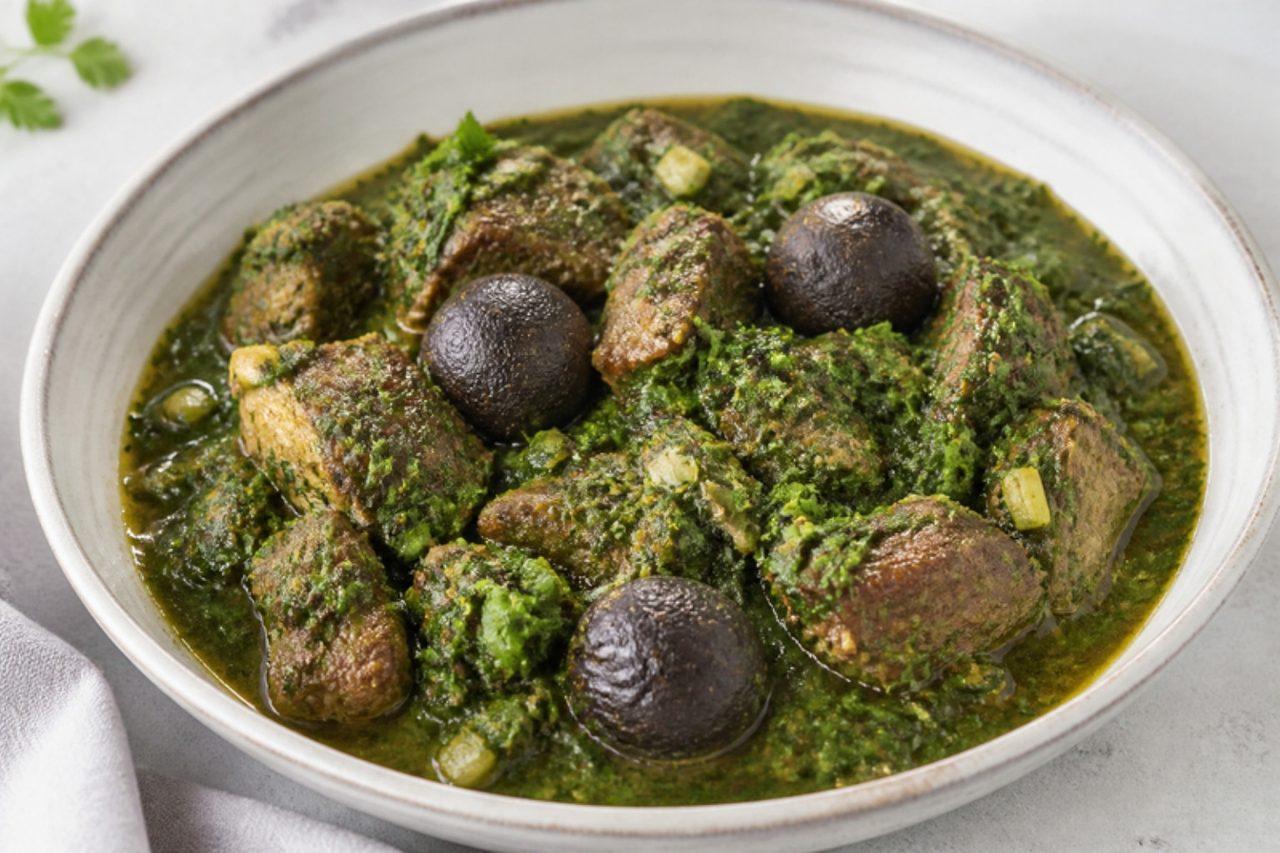
Sabzi qovurma is a home dish across Azerbaijan, made especially in spring when the markets of Ganja and Baku are full of bundles of green herbs. Pieces of lamb are fried until golden, then cooked with masses of chopped coriander, dill, spinach, spring onion and leek, sharpened by dried black lime or sour plums. It is served with plain plov rice or bread and a bowl of yogurt. The trap is adding wet herbs straight to the pan; they stew rather than fry and the dish goes flat and grassy. Chef's tip: dry the herbs well and fry them on their own until they darken before they join the meat.

by KrazyBadal 0 views

Goes well with dried black lime