Skip to content

Recipes with korean soup soy sauce

9 recipes that use korean soup soy sauce, with photos, step-by-step instructions and cook times. The quickest, Eomuk-tang, takes 25 minutes. It is most often cooked with garlic, spring onion and onion.

Run out of korean soup soy sauce? Tamari, same amount.

Got a few things in the fridge? Search by everything you have

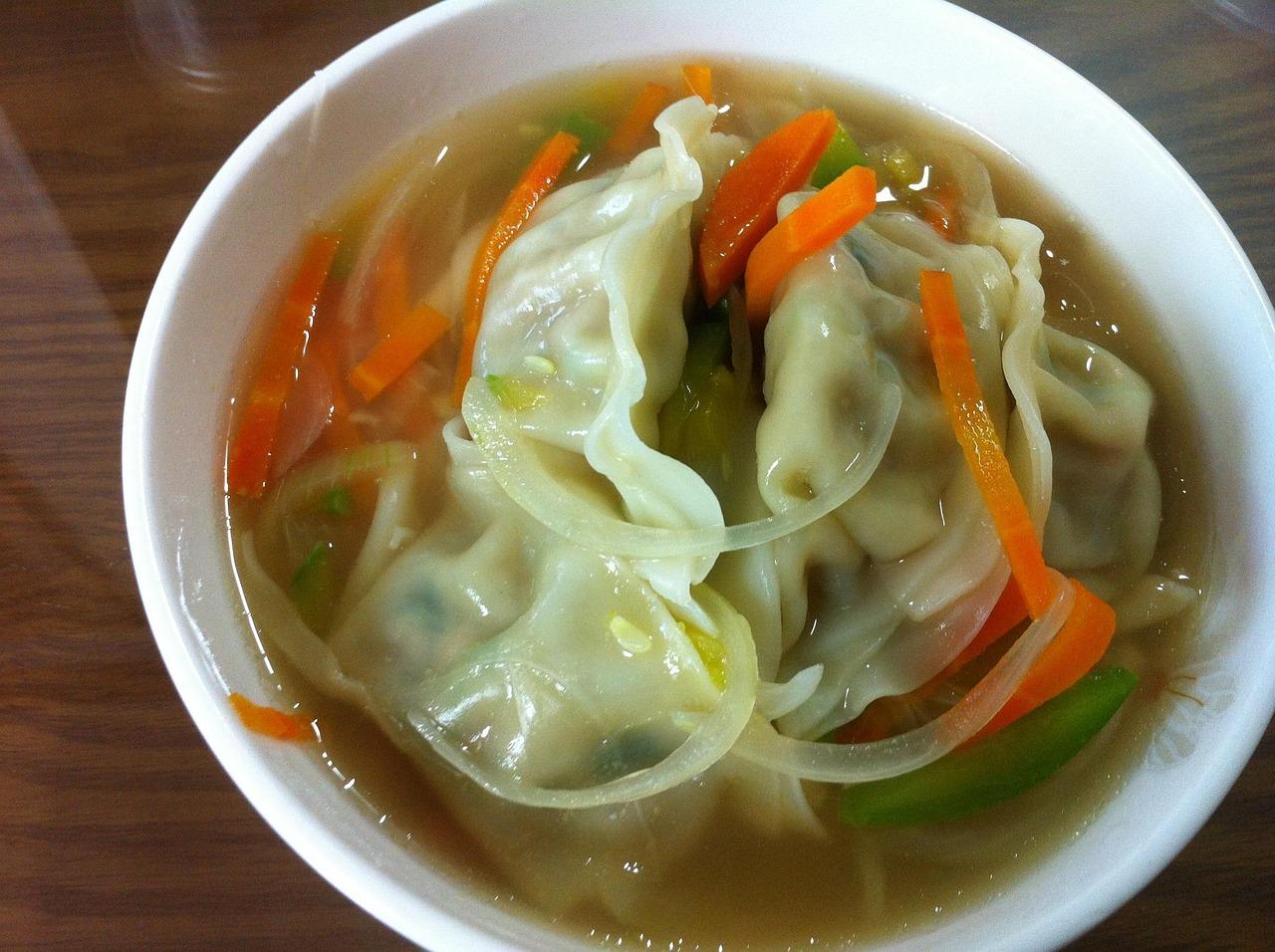
Vegetable mandu-guk

In Seoul and the surrounding Gyeonggi province, the first meal of Seollal (Lunar New Year) is often mandu-guk (만두국): plump dumplings and coin-shaped rice cakes floating in clear broth, finished with ribbons of yellow and white egg and strips of toasted laver. The northern half of the peninsula has always favoured dumplings over rice cake soup, and Seoul families tend to combine the two. These mandu are filled with tofu, glass noodles, cabbage, mushrooms and chives, and the broth is a kelp and shiitake stock instead of beef. Fold the dumplings a day ahead and the soup comes together in 15 minutes. Chef's tip: squeeze the tofu and cabbage hard in a cloth; a wet filling turns the wrappers soggy and the dumplings split in the pot.

75 minSoups
by KrazyBadal 0 views

Jeonju kongnamul gukbap

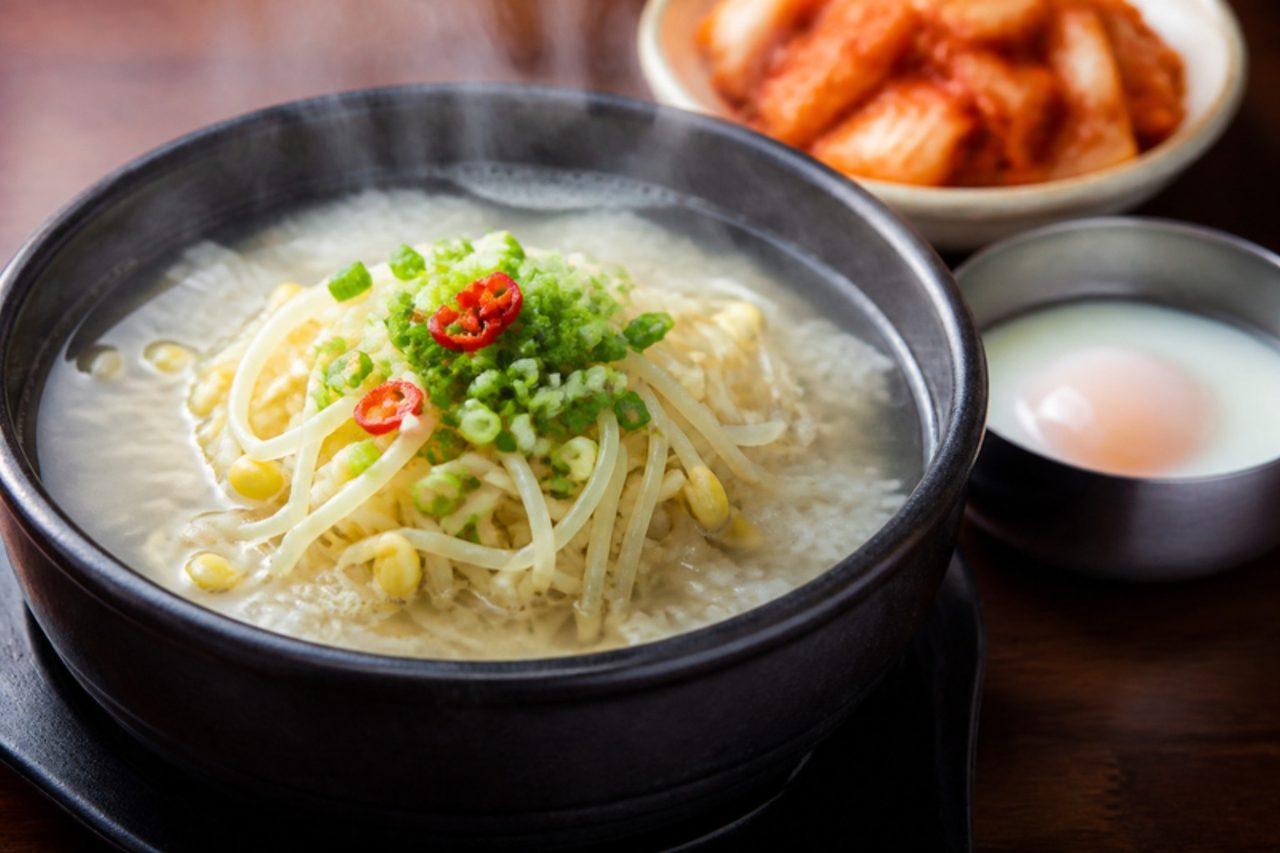
Jeonju, the North Jeolla city known for bibimbap, starts its day with kongnamul gukbap (콩나물국밥): a scalding clay bowl of clear soybean-sprout broth over rice, sharp with garlic and chilli, served before dawn to market traders and, famously, to anyone with a hangover. Many Jeonju shops bring a half-cooked egg in a separate cup, which you season with a little broth and crumbled seaweed and slurp first. The usual broth is anchovy based, with salted shrimp at the table; here it is kelp, shiitake and soup soy sauce. Chef's tip: keep the lid on while the sprouts cook and don't open it until they are done; lifting it early is said to give them a raw, grassy smell.

35 minSoups
by KrazyBadal 0 views

Miyeok guk with beef

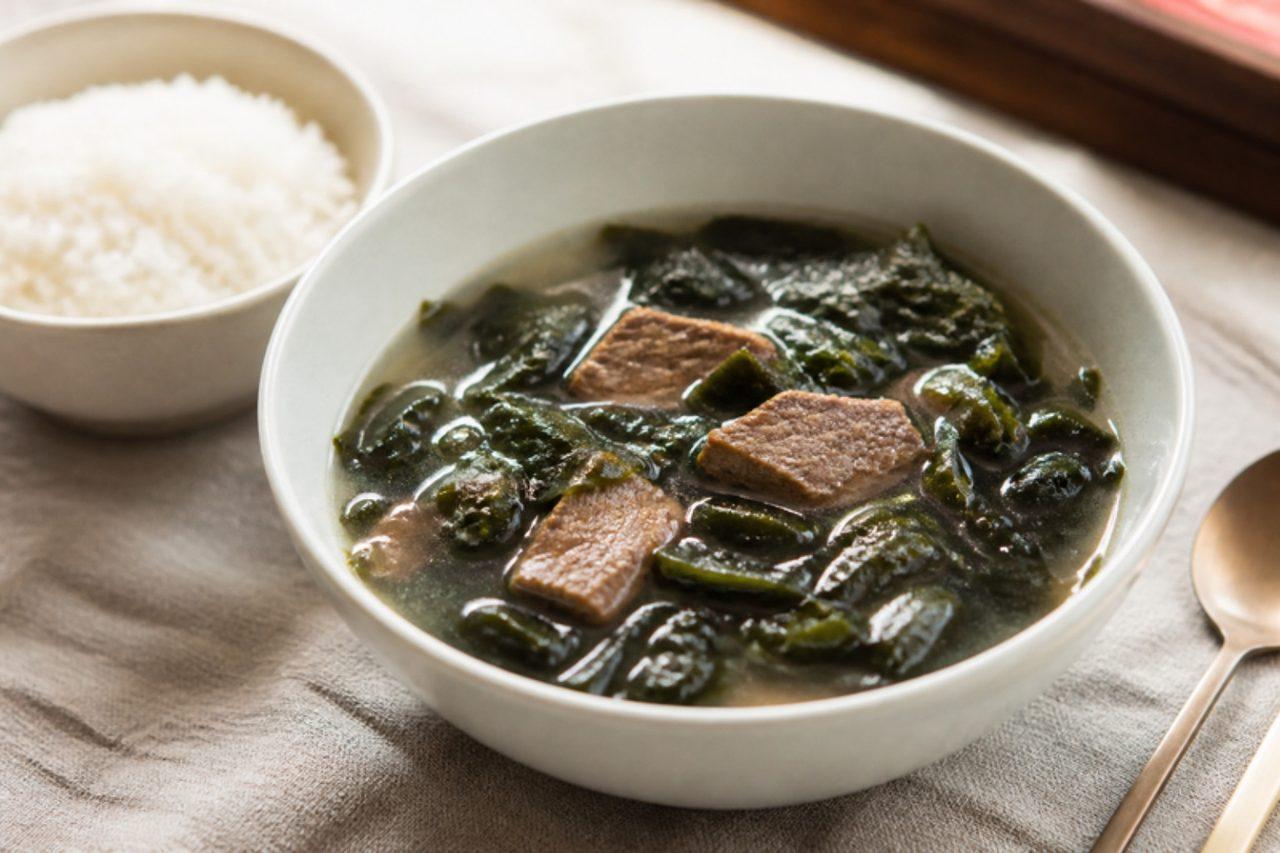
Ask someone in Korea what they ate on their birthday morning and the answer is usually miyeok guk. The same soup is given to new mothers for weeks after a birth, as the seaweed is rich in iodine, calcium and iron. Some students avoid it on exam days, because slippery seaweed is said to make you 'slip' in the test. The broth is clear and mild, made with brisket fried in sesame oil and seasoned with soup soy sauce. Chef's tip: squeeze the soaked seaweed hard and fry it with the beef for a few minutes; it gives the broth a rounder, nutty taste.

30 minSoups
by KrazyBadal 0 views

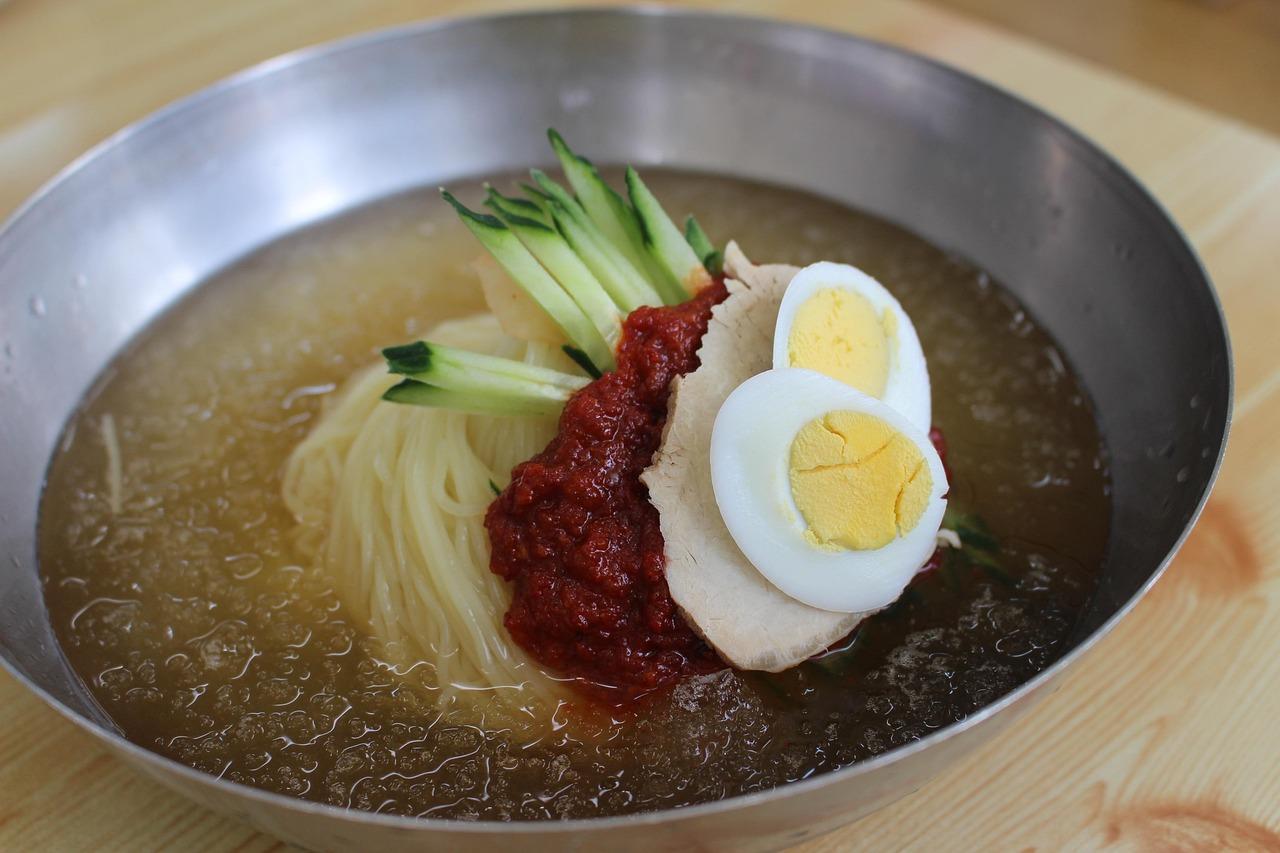
Mul naengmyeon

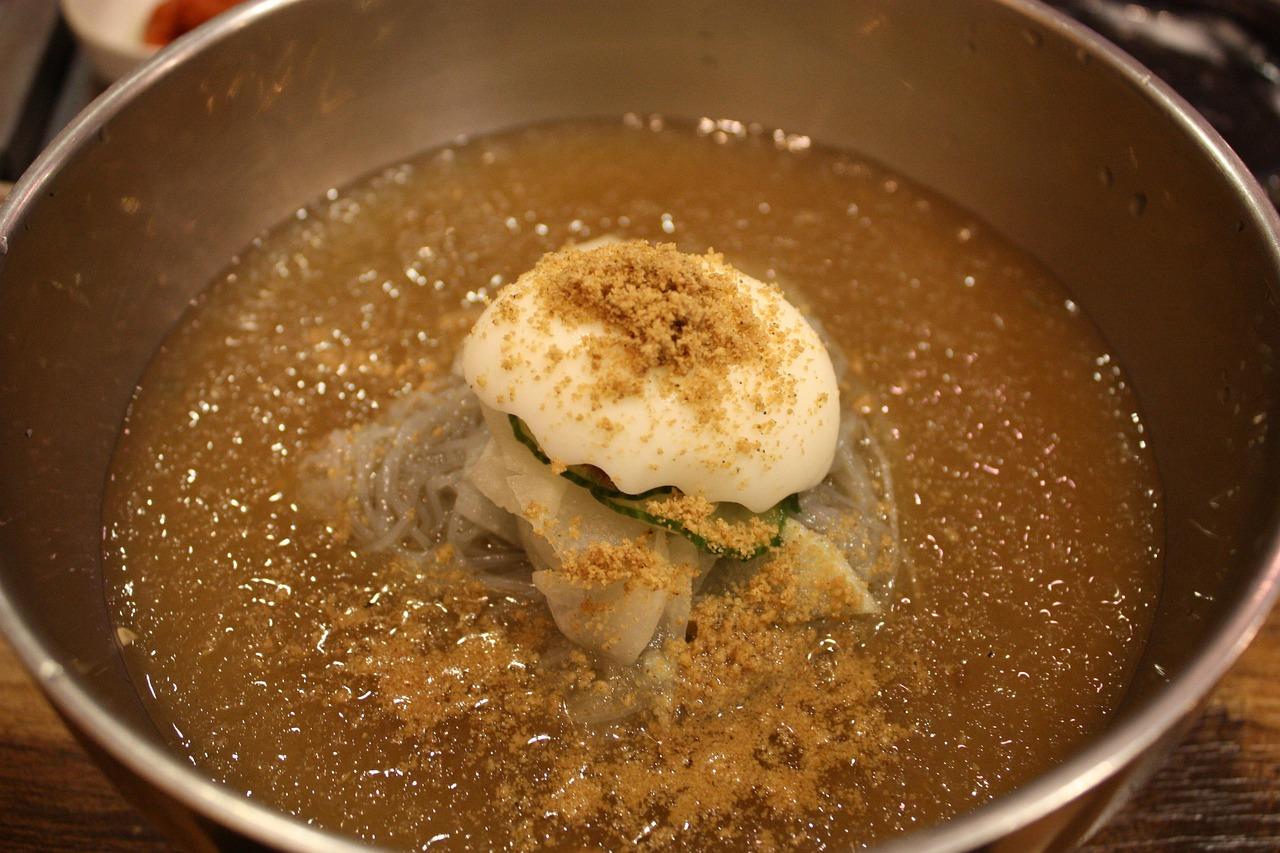
Mul naengmyeon comes from Pyongyang, where it was once a winter dish eaten in heated rooms; after the war, northern cooks opened naengmyeon houses in Seoul, and now it is the first thing people crave on a sticky summer afternoon. The beef broth is served almost frozen, slightly sweet and sharp with vinegar, over long, springy buckwheat noodles. Bottles of vinegar and hot mustard sit on every table so you can adjust each bowl. Plan ahead: the broth needs at least 4 hours in the fridge, or make it the day before. Chef's tip: put the strained broth in the freezer for the last hour, so it turns slushy just as you serve.

by KrazyBadal 0 views

Kalguksu with clams

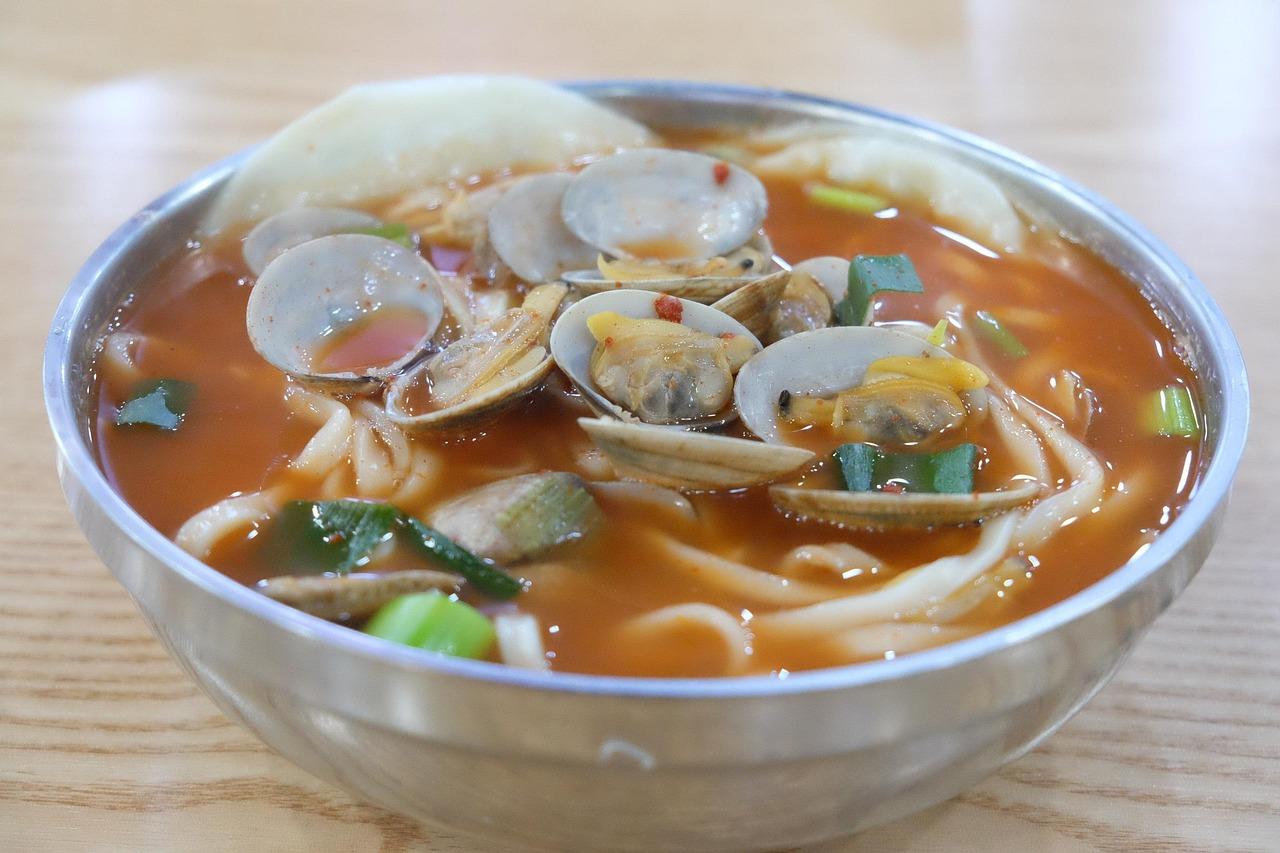
Kalguksu means 'knife noodles': a soft wheat dough is rolled thin and cut by hand. Korean noodle shops serve it all year, but it is the dish people crave on a rainy day, often with a crisp pajeon on the side. Along the west coast, near the mudflats where clams are dug, the broth is loaded with them. The flour clinging to the noodles thickens the soup slightly as they cook, giving it a gentle, silky body. Chef's tip: shake off most of the flour before the noodles go into the pot, so the broth turns silky rather than gluey.

by KrazyBadal 0 views

Milmyeon

Busan's milmyeon was born in the refugee years of the Korean War, when people from the north who had fled to the port city wanted the cold buckwheat noodles of home but could only get wheat flour, much of it from food aid. The noodles that resulted are chewier and paler than naengmyeon, and the broth is flavoured with beef bones, vegetables and sometimes medicinal herbs, then served icy cold. A spoonful of spicy red sauce sits on top, and diners add vinegar and mustard to taste. In summer, long queues form outside milmyeon shops across Busan. Making the broth the day before is easiest, though an ice bath and the freezer get it cold in about an hour. Chef's tip: serve the broth so cold that a slushy layer of ice floats on top, as Busan shops do; a wide container in the freezer gets it there.

by KrazyBadal 0 views

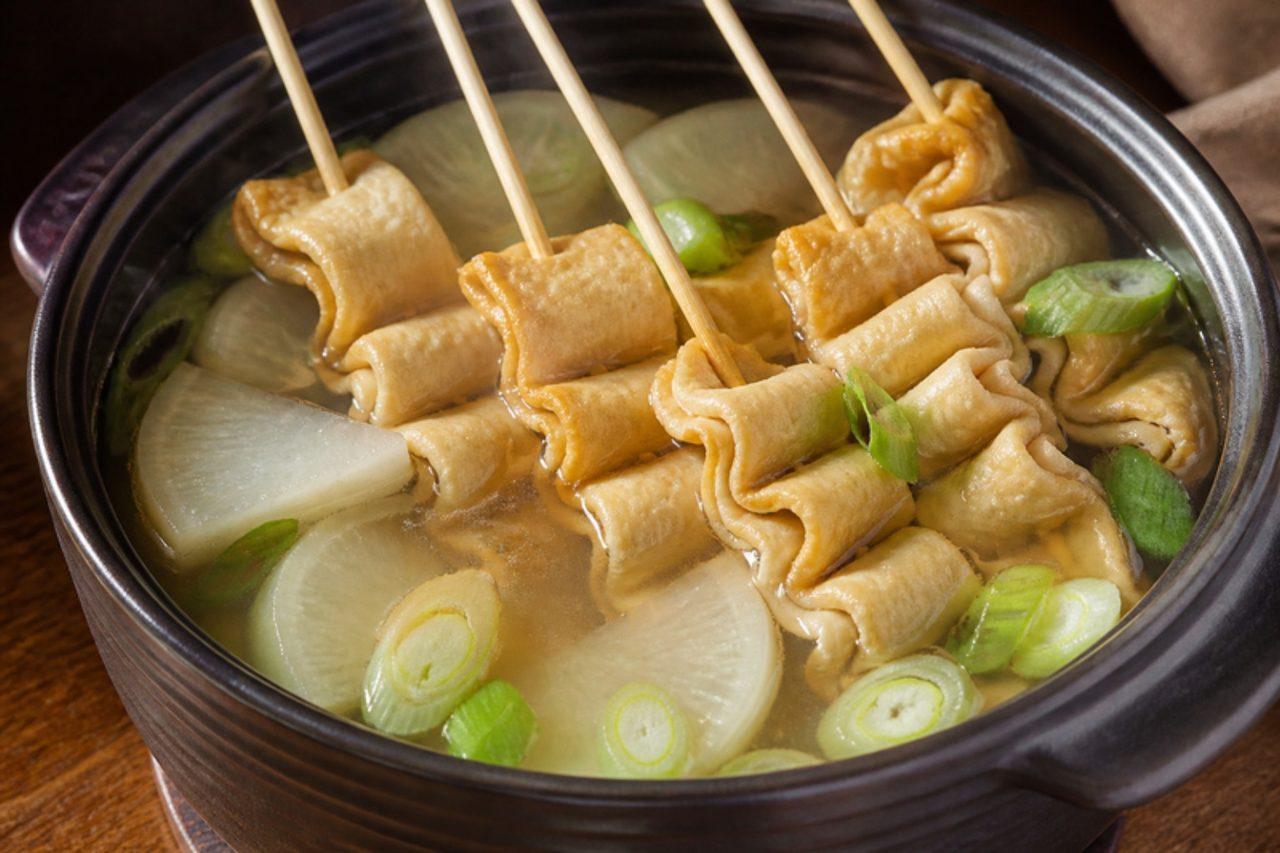
Eomuk-tang

On cold evenings in Busan, the city that made Korean fish cake famous, steam rises from street stalls where folded fish-cake skewers bob in a long tray of broth. You help yourself to a skewer, dip it in soy sauce and sip a paper cup of the hot broth while you stand. Bupyeong market has rows of fish-cake shops, and many families buy a bag there to make this simple soup at home. Radish, dried anchovies and kelp give the broth its clean, sweet flavour. Chef's tip: pull the heads and black guts off the dried anchovies before using them, because the guts make the broth bitter.

25 minSoups
by KrazyBadal 0 views

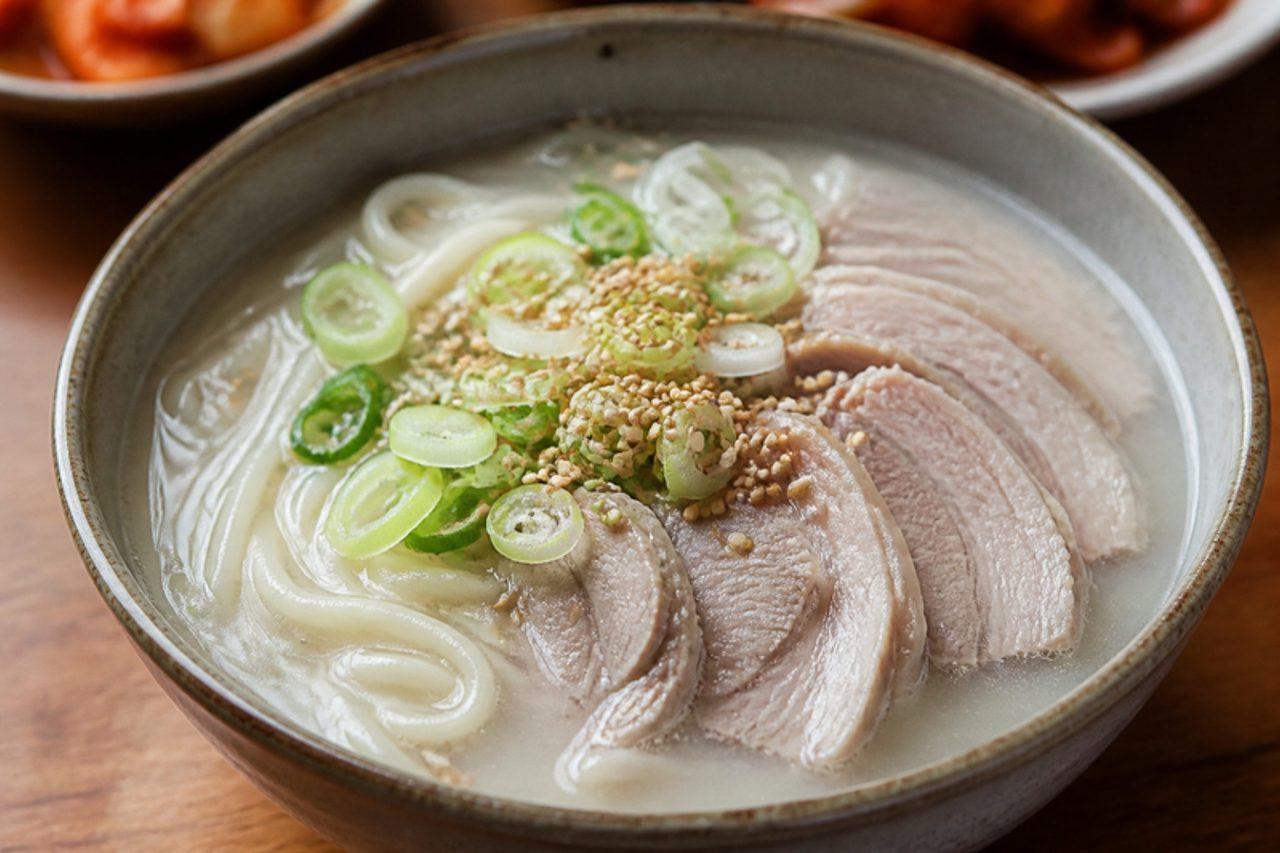
Gogi guksu

Gogi guksu goes back to Jeju's village feasts, where a pig was slaughtered for a wedding or funeral and its bones were boiled into broth for noodles to feed everyone. In Jeju City there is now a street of noodle restaurants near Samseonghyeol shrine, popular for a quick lunch and with visitors fresh off the plane. The broth is cloudy and rich, the noodles are thick and chewy, and the slices of boiled pork on top are often from the island's black pigs. Diners add chilli flakes and spring onion as they like. Chef's tip: dip the cooked noodles into the hot broth in a sieve for 20 seconds before they go in the bowl; they heat through without going soft.

180 minSoups
by KrazyBadal 0 views

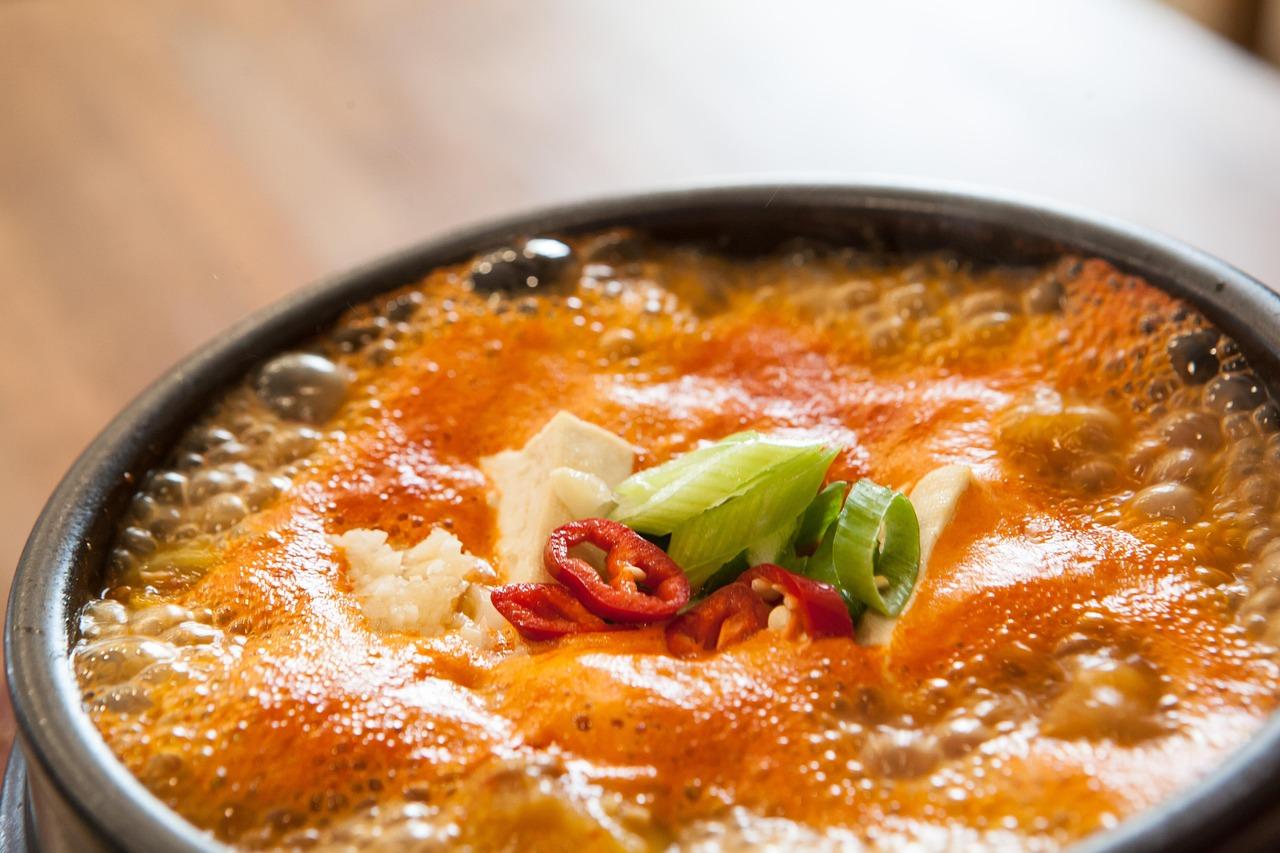
Sundubu jjigae

All over Korea, small lunch restaurants bring sundubu jjigae to the table still boiling in a black stone pot, with a raw egg on the side to crack in while it bubbles. The stew is built on very soft, unpressed tofu, which breaks into creamy curds in a red, chilli-oil broth. Seafood and pork go in together here, though you can use just one. Have it with a bowl of rice and some kimchi; it's especially welcome on a cold day. Chef's tip: fry the chilli flakes gently in oil with the pork and garlic before adding liquid; this red chilli oil gives the stew its colour and a deep, rounded heat.

25 minSoupsSpicy
by KrazyBadal 0 views

Goes well with korean soup soy sauce