Skip to content

Recipes with korean chilli flakes

15 recipes that use korean chilli flakes, with photos, step-by-step instructions and cook times. The quickest, Ojingeo bokkeum, takes 20 minutes. It is most often cooked with garlic, onion and spring onion.

Got a few things in the fridge? Search by everything you have

Kimchi jjigae

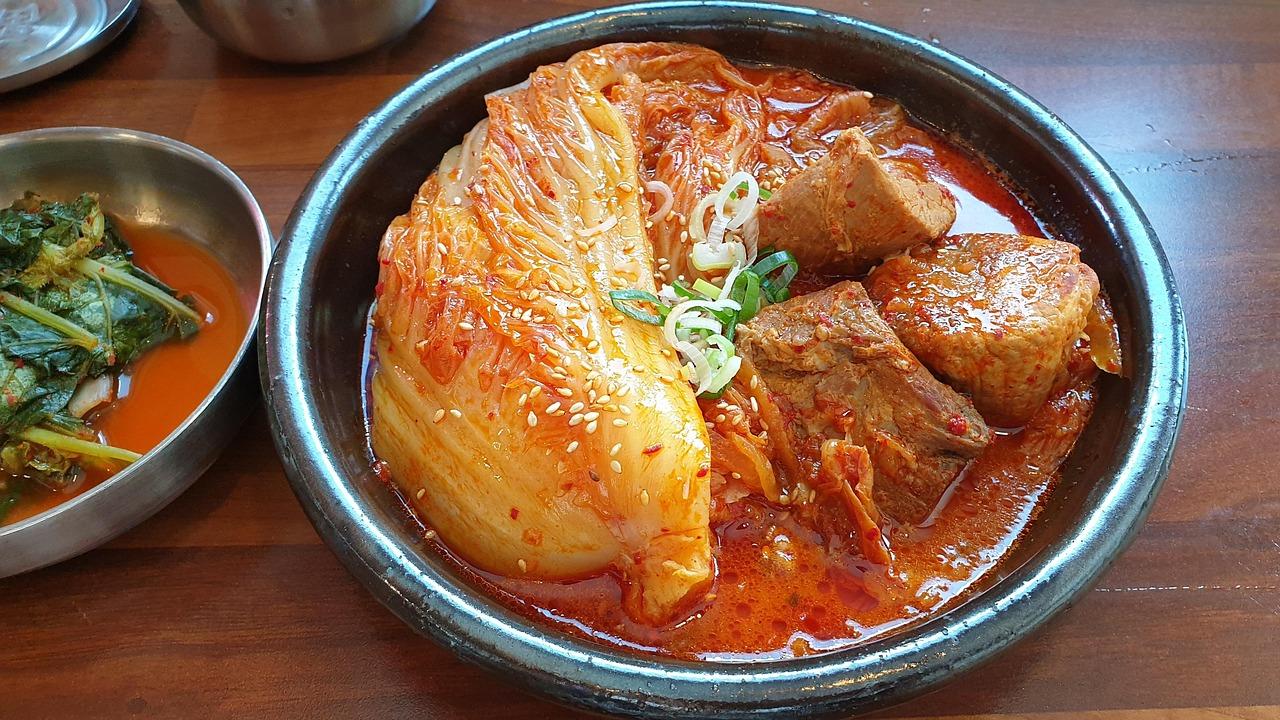
Every Korean home has a version of kimchi jjigae, and it turns up on the table from Seoul to Busan at breakfast, lunch and late at night. It is the classic way to use up kimchi that has fermented for weeks and turned properly sour. Pork belly gives the broth richness, tofu soaks up the heat, and the pot comes to the table still boiling, next to a bowl of plain rice. Chef's tip: fry the kimchi in the pork fat for a full 5 minutes before any water goes in; that is where the deep, savoury flavour comes from.

30 minSoupsSpicy
by KrazyBadal 0 views

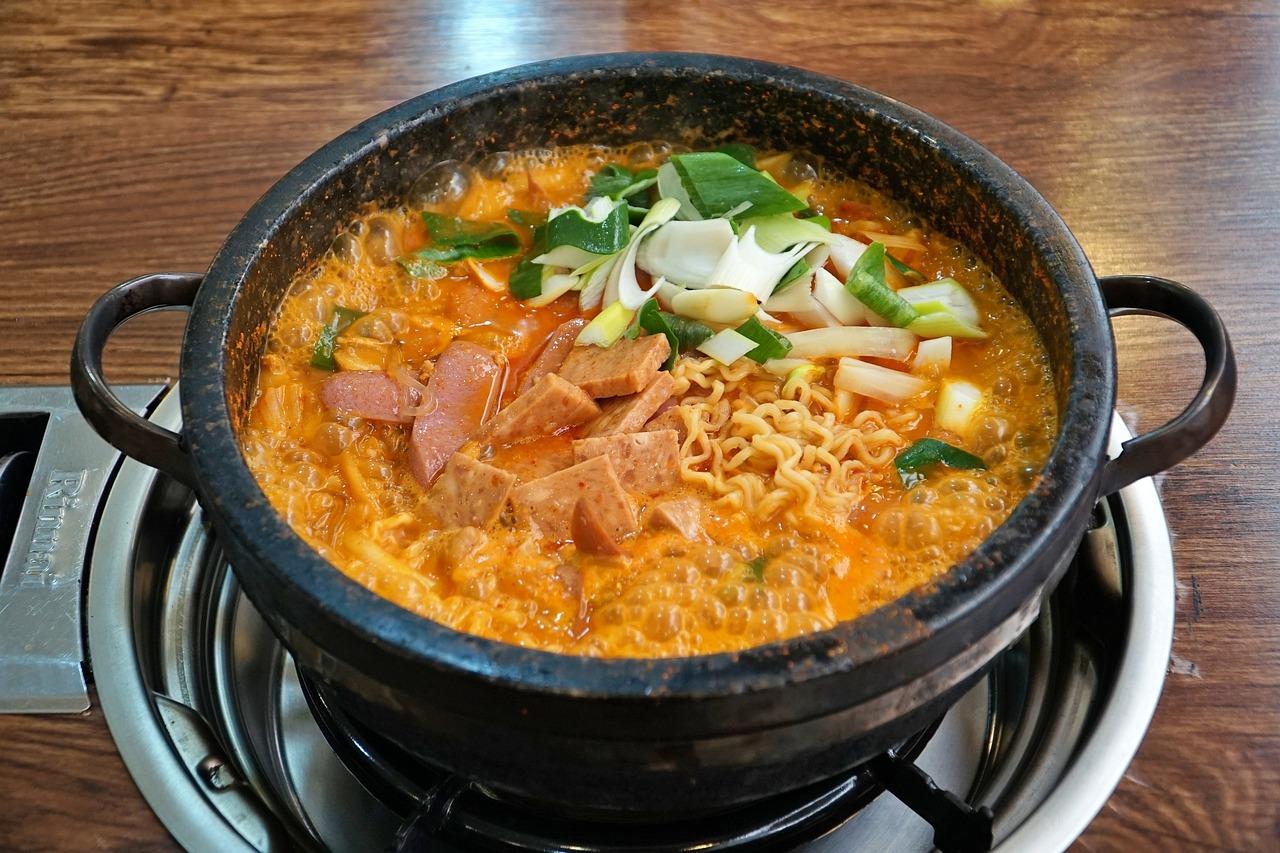
Budae jjigae

Budae jjigae grew up in Uijeongbu, north of Seoul, in the hard years after the Korean War, when surplus tinned meat and sausages from the nearby US army base were cooked with kimchi and chilli. The town still has a whole street of restaurants serving it. It is a sharing dish: a wide pan goes on a gas burner in the middle of the table, and friends fish out sausages and noodles as it bubbles. Chef's tip: arrange everything in neat piles in the pan before the stock goes in, so each person can see what they are reaching for.

30 minSoupsSpicy
by KrazyBadal 0 views

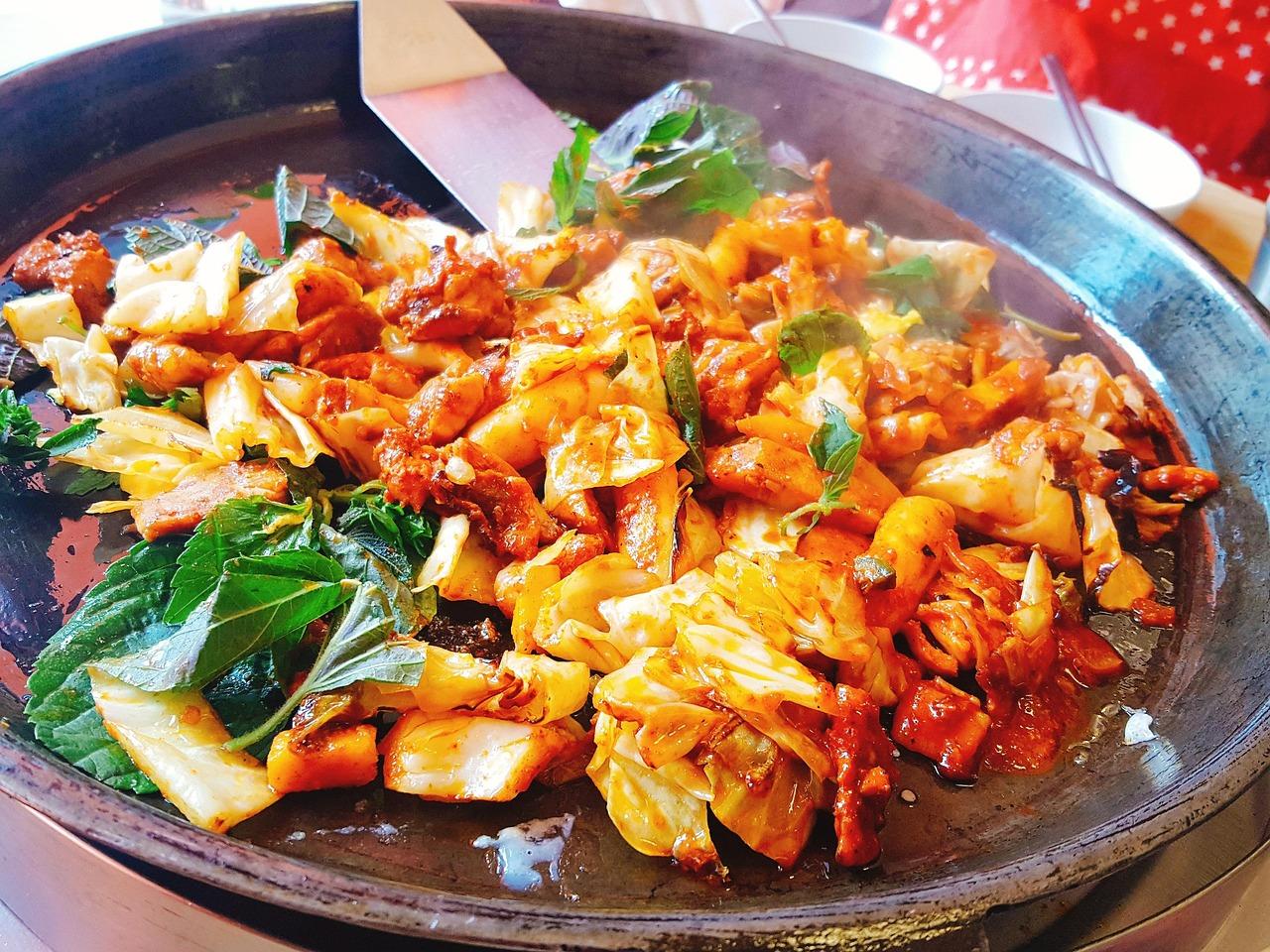
Dak galbi

Chuncheon, a lakeside city in Gangwon province, is so proud of dak galbi that it has a whole lane of restaurants and a yearly festival for it. There, a waiter stir-fries the marinated chicken, cabbage, sweet potato and rice cakes on a huge round iron pan in the middle of your table. When the pan is nearly empty, rice is fried in the leftover sauce to finish the meal. This version is made in a large frying pan or wok at home. Chef's tip: a teaspoon of curry powder in the marinade is a Chuncheon trick; you won't taste curry, but the sauce tastes deeper.

40 minChickenSpicy
by KrazyBadal 0 views

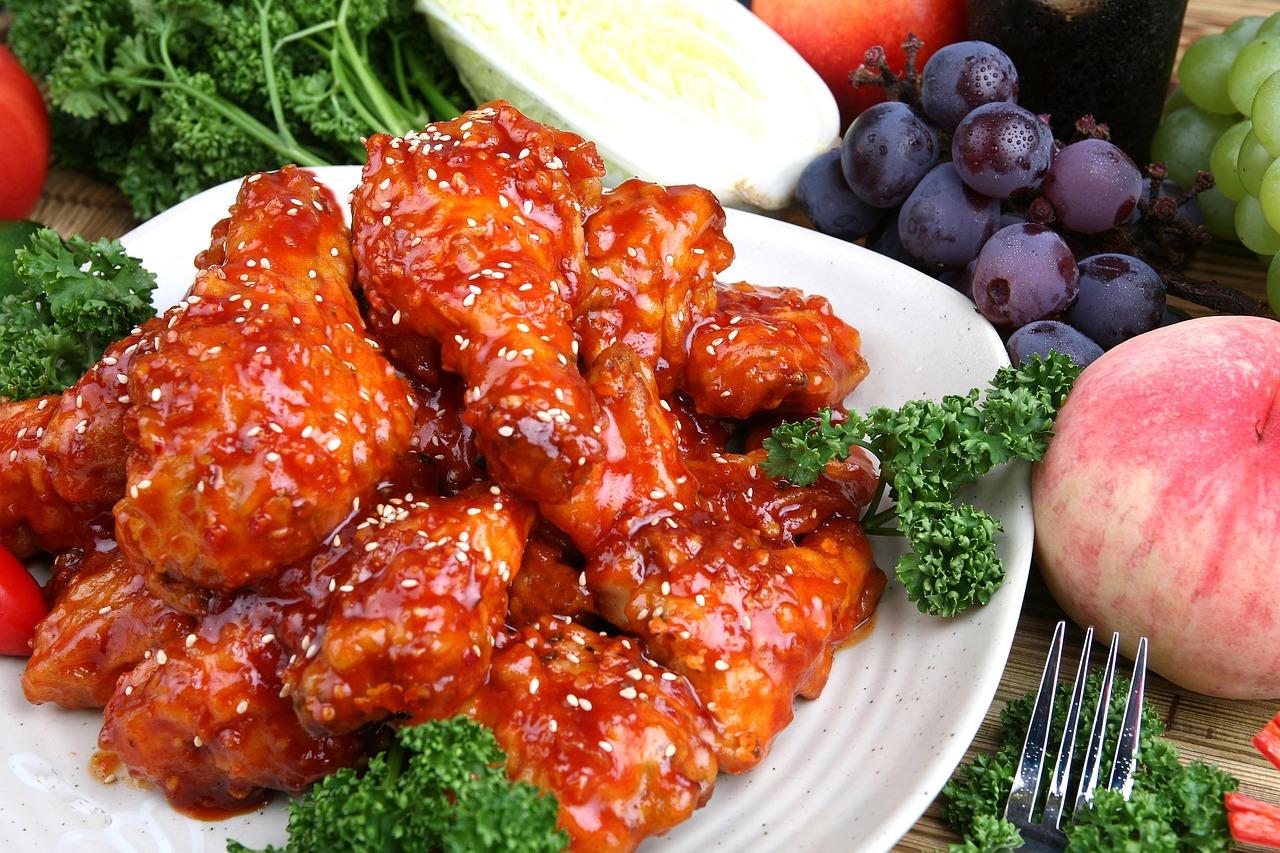
Yangnyeom chicken (Korean fried chicken)

Fried chicken shops are on almost every street corner in Korea, and late-night delivery boxes are shared over sport on TV or by the river in summer. The pairing with beer even has its own word, chimaek, but an ice-cold alcohol-free beer, barley tea or a fizzy drink works just as well. Yangnyeom chicken is the glazed kind, tossed in a sweet, garlicky gochujang sauce, and it always comes with cubes of white pickled radish to cut the richness. Chef's tip: let the chicken rest for 5 minutes between the two fries; the moisture that rises to the surface is what the second fry turns into a shatteringly crisp shell.

60 minChickenSpicy
by KrazyBadal 0 views

Jeyuk bokkeum

Jeyuk bokkeum is the backbone of the Korean lunch: almost every baekban (set-meal) restaurant near offices and building sites serves it with rice, soup and little side dishes, and it is just as common at home on weeknights. Thin slices of pork are fried hard in a sauce of gochujang, chilli flakes, garlic and ginger until the edges catch and caramelise. Eat it over rice, or wrap a piece in a lettuce leaf with a slice of raw garlic. Chef's tip: fry the pork on its own first until the fat runs, then add the sauce; you get smoky, sticky edges instead of boiled meat.

25 minMeatSpicy
by KrazyBadal 0 views

Ojingeo sundae

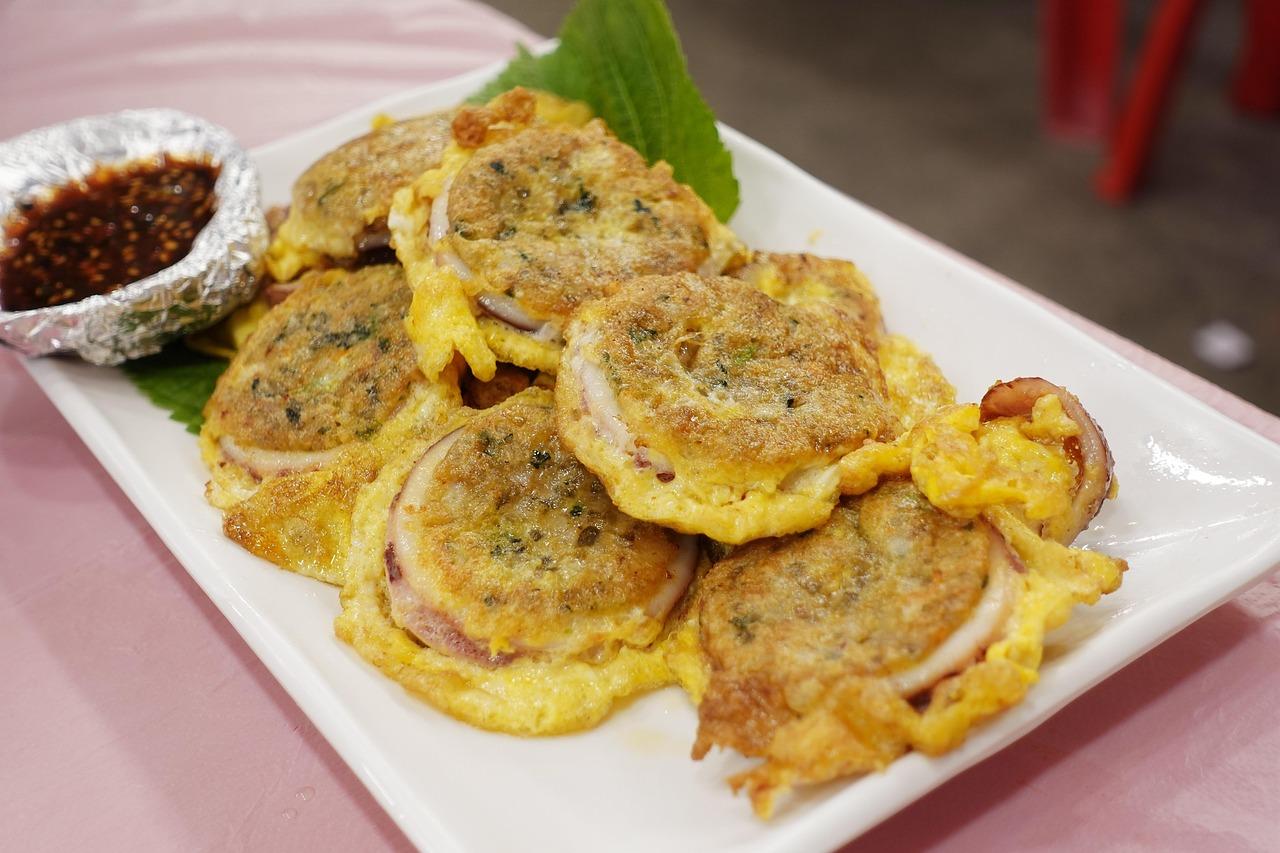
Abai Village in Sokcho, on Gangwon's east coast, was settled by people from Hamgyeong province in the north who could not go home after the Korean War. With squid plentiful in the East Sea, they stuffed it the way they had once stuffed pork casings for sundae, and the dish is now sold in the village's small restaurants and at Sokcho's Jungang market. The squid is filled with sticky rice, tofu and vegetables, steamed, cut into rounds and fried in beaten egg until golden. It makes a good sharing plate with a soy and vinegar dip. Chef's tip: mix a little glutinous rice into the filling; it binds the slices so they don't fall apart in the pan.

90 minFish
by KrazyBadal 0 views

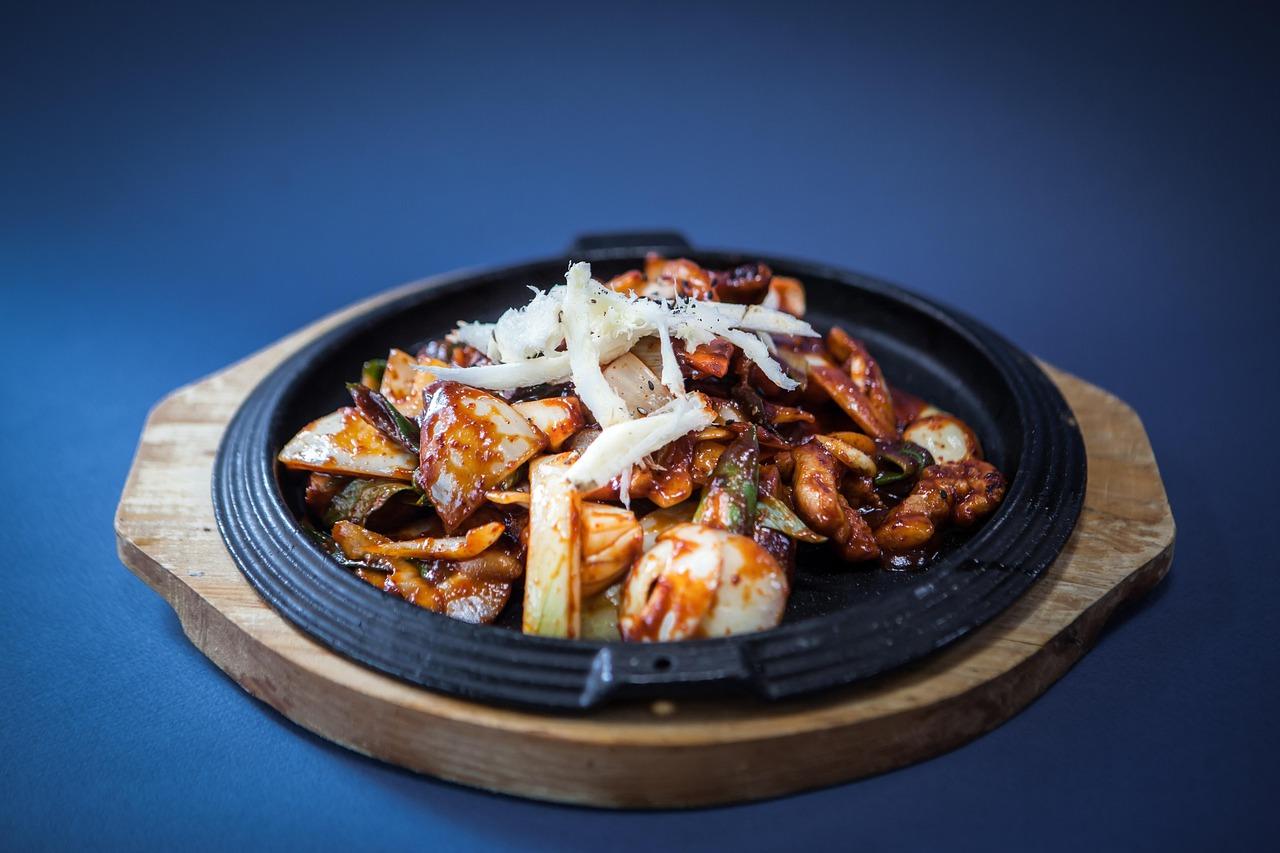
Ojingeo bokkeum

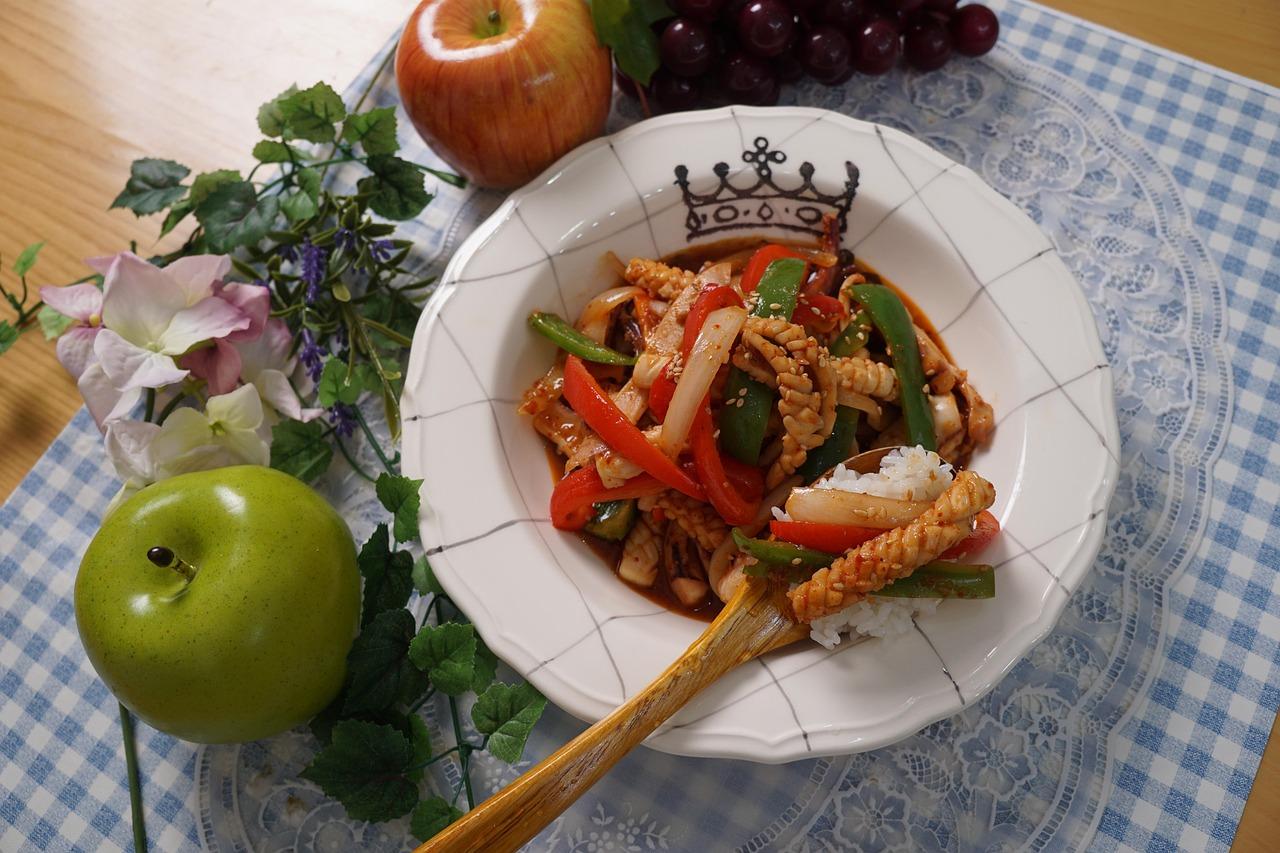
Around the harbours of the Chungcheong coast on the Yellow Sea, seafood restaurants fry freshly landed squid in a sticky red sauce, and the same dish turns up in lunch canteens and home kitchens all over Korea. Bright with chilli, it's on the table in about twenty minutes and is often piled straight onto rice as ojingeo deopbap. The sauce is gochujang and chilli flakes sweetened with a little sugar, and the vegetables stay crisp. Serve with rice and a bowl of light soup to cool things down. Chef's tip: mix the sauce before you light the hob, because the squid cooks so fast that there is no time to measure anything once it's in the pan.

20 minFishSpicy
by KrazyBadal 0 views

Dak bokkeumtang

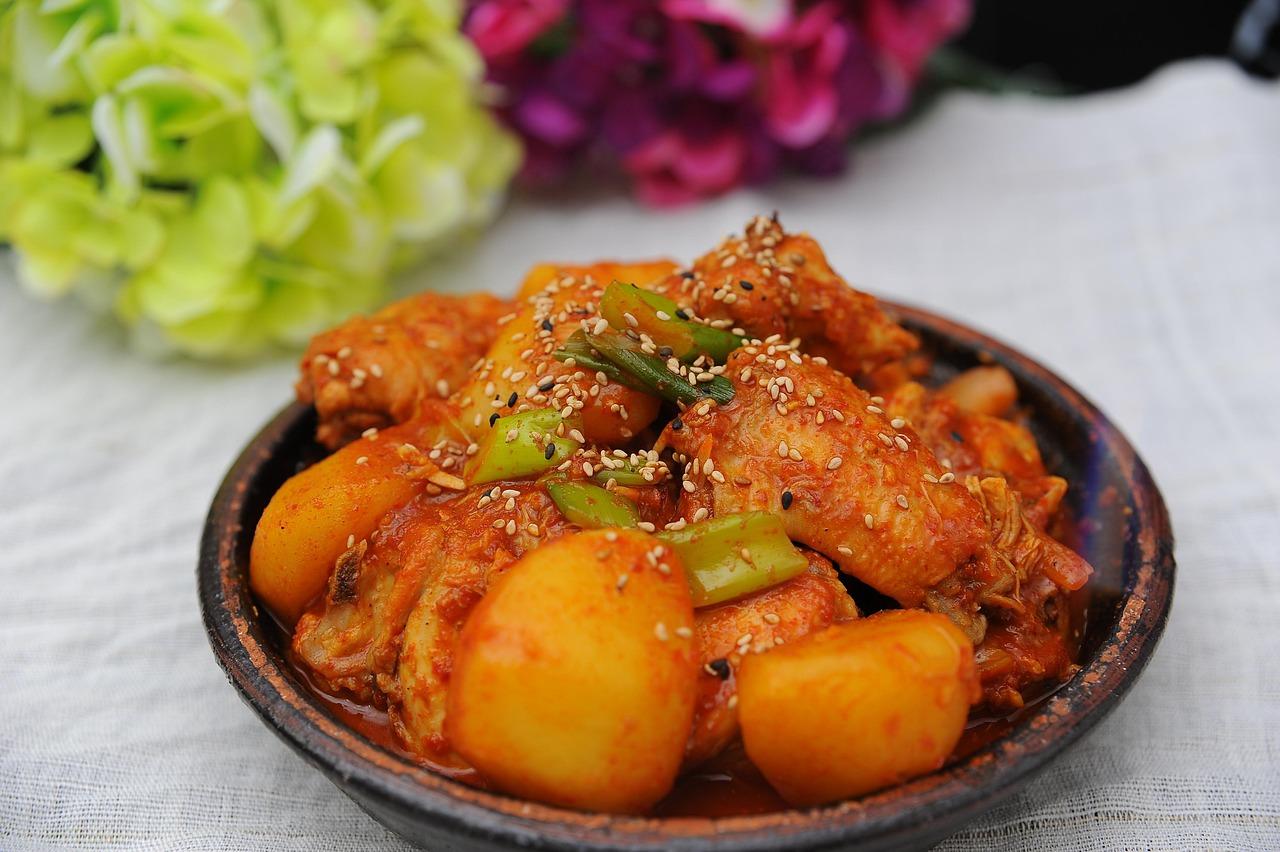
Chicken on the bone braised with big chunks of potato in a thick red sauce is a weeknight staple in Daejeon, the central city where many Korean rail lines meet, and in homes right across the country. Some people still call it dakdoritang. Unlike Andong's soy-based jjimdak, it gets its colour and heat from chilli flakes and gochujang, and the potatoes slowly thicken the sauce as they soften. It's usually brought to the table in the pot and shared, with rice and kimchi, and the last of the sauce is spooned over rice. Chef's tip: blanch the chicken for 3 minutes and rinse it first; this takes away scum and excess fat, so the sauce stays bright and clean-tasting.

50 minChickenSpicy
by KrazyBadal 0 views

Yukjeon

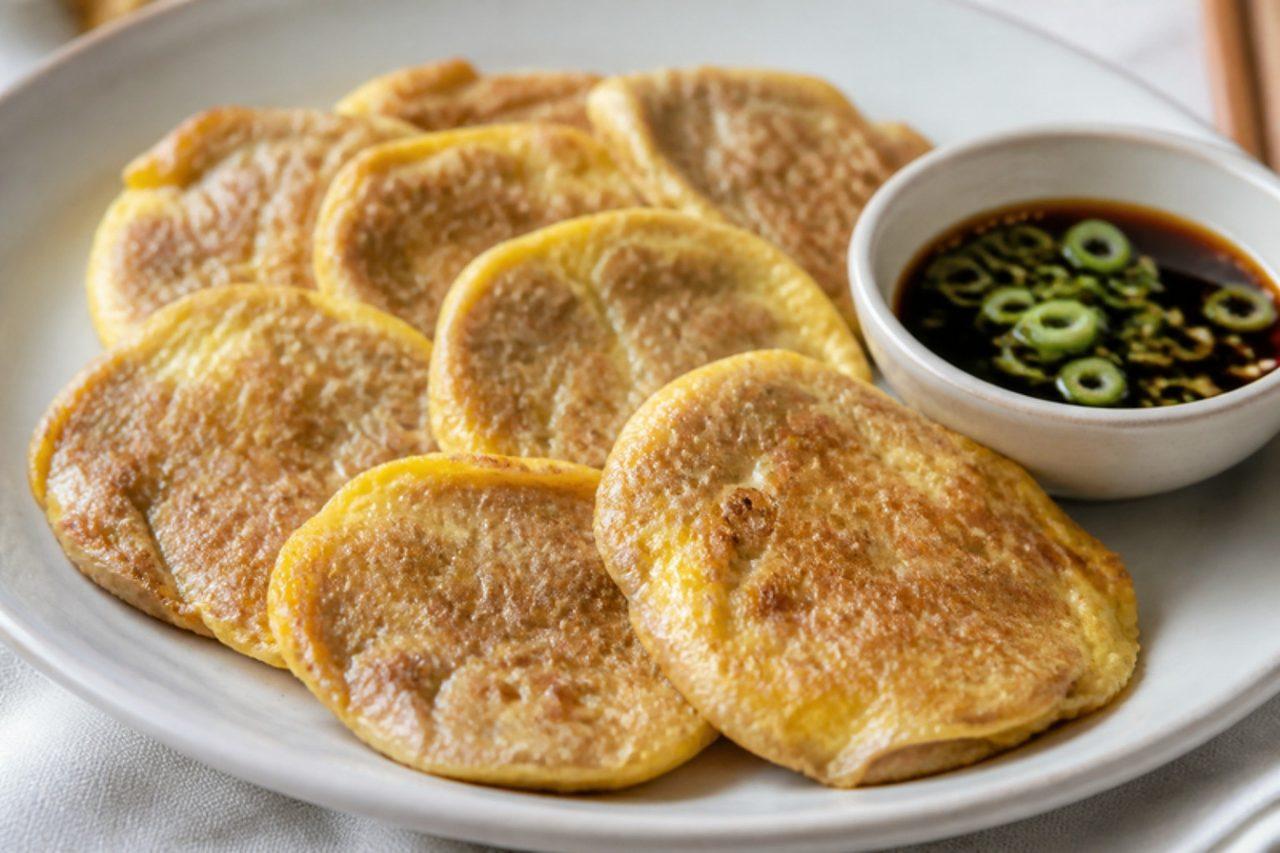
In Gwangju, yukjeon is a restaurant meal in its own right: the server sits by a hot plate at your table and fries slice after slice of egg-coated beef, handing them over while they're still sizzling. Elsewhere in Korea it's more often a festive pancake, made for Chuseok and Lunar New Year along with other jeon. The beef is cut very thin, so it cooks in the time it takes the egg to set. Gwangju places serve it with a sharp salad of finely shredded spring onion and a little salt and sesame oil for dipping. Chef's tip: half-freeze the beef for 40 minutes before slicing; firm meat is easy to cut into slices 2 to 3 mm thick.

25 minMeat
by KrazyBadal 0 views

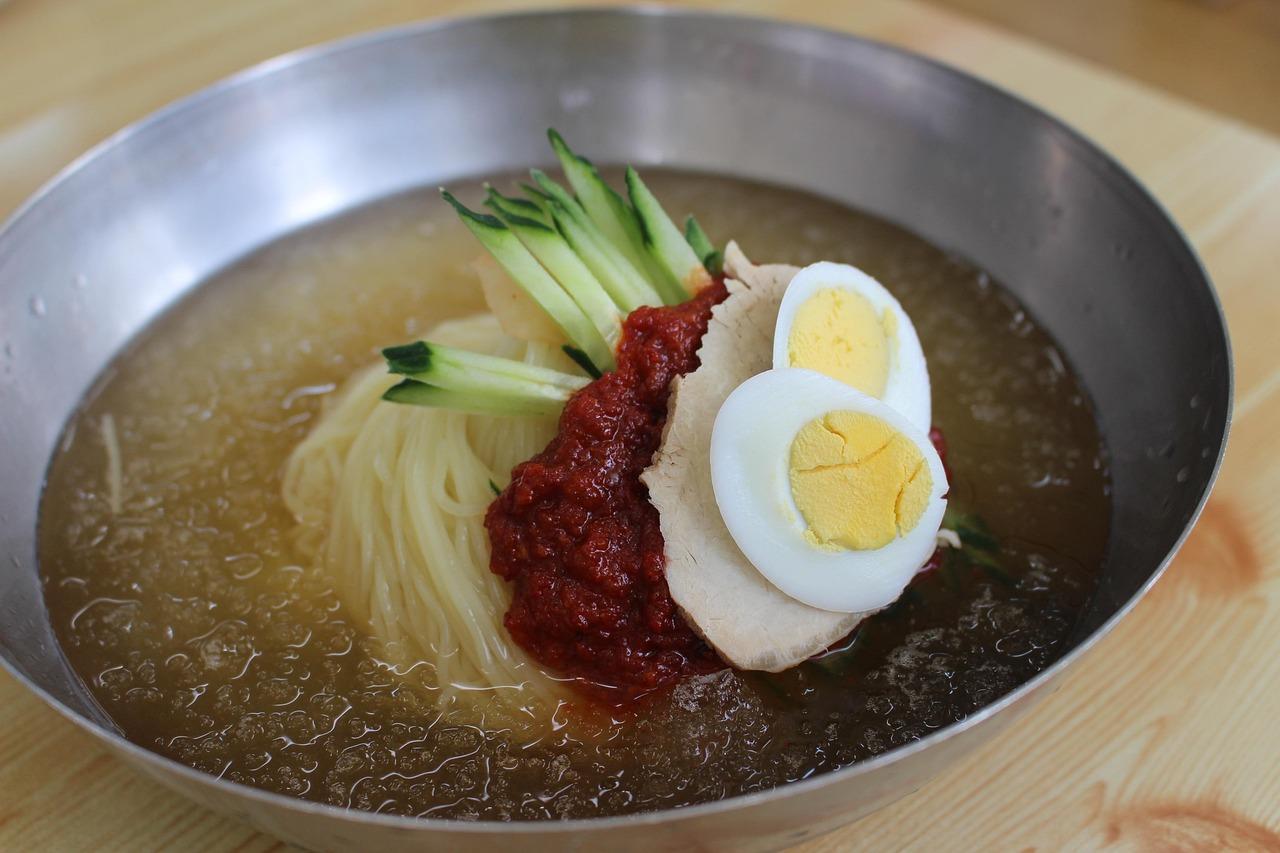
Milmyeon

Busan's milmyeon was born in the refugee years of the Korean War, when people from the north who had fled to the port city wanted the cold buckwheat noodles of home but could only get wheat flour, much of it from food aid. The noodles that resulted are chewier and paler than naengmyeon, and the broth is flavoured with beef bones, vegetables and sometimes medicinal herbs, then served icy cold. A spoonful of spicy red sauce sits on top, and diners add vinegar and mustard to taste. In summer, long queues form outside milmyeon shops across Busan. Making the broth the day before is easiest, though an ice bath and the freezer get it cold in about an hour. Chef's tip: serve the broth so cold that a slushy layer of ice floats on top, as Busan shops do; a wide container in the freezer gets it there.

by KrazyBadal 0 views

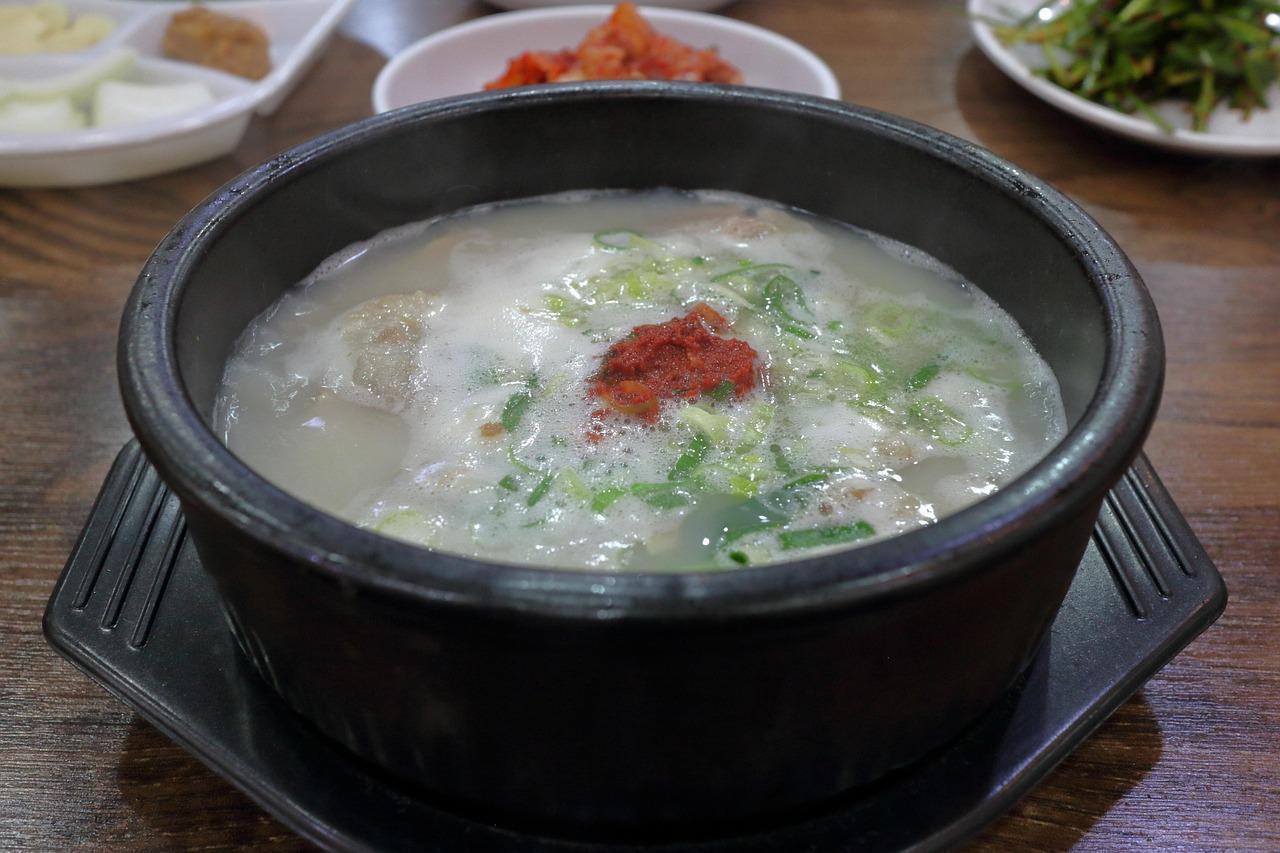
Dwaeji gukbap

Ask anyone in Busan for a bowl of something filling at any hour and they will probably send you for dwaeji gukbap. Seomyeon has a whole alley of gukbap restaurants, open from early morning to late at night, serving the soup to market workers, students and people heading home after a night out. Pork bones are boiled hard for hours until the broth turns cloudy and white, then poured over sliced pork and rice. Each diner seasons their own bowl at the table with salted shrimp, chilli paste and a pile of garlic chives, with raw onion, green chilli and kimchi on the side. Chef's tip: season the soup in the bowl, not the pot; a little saeujeot at a time gives a clean, savoury depth that salt alone doesn't.

180 minSoups
by KrazyBadal 0 views

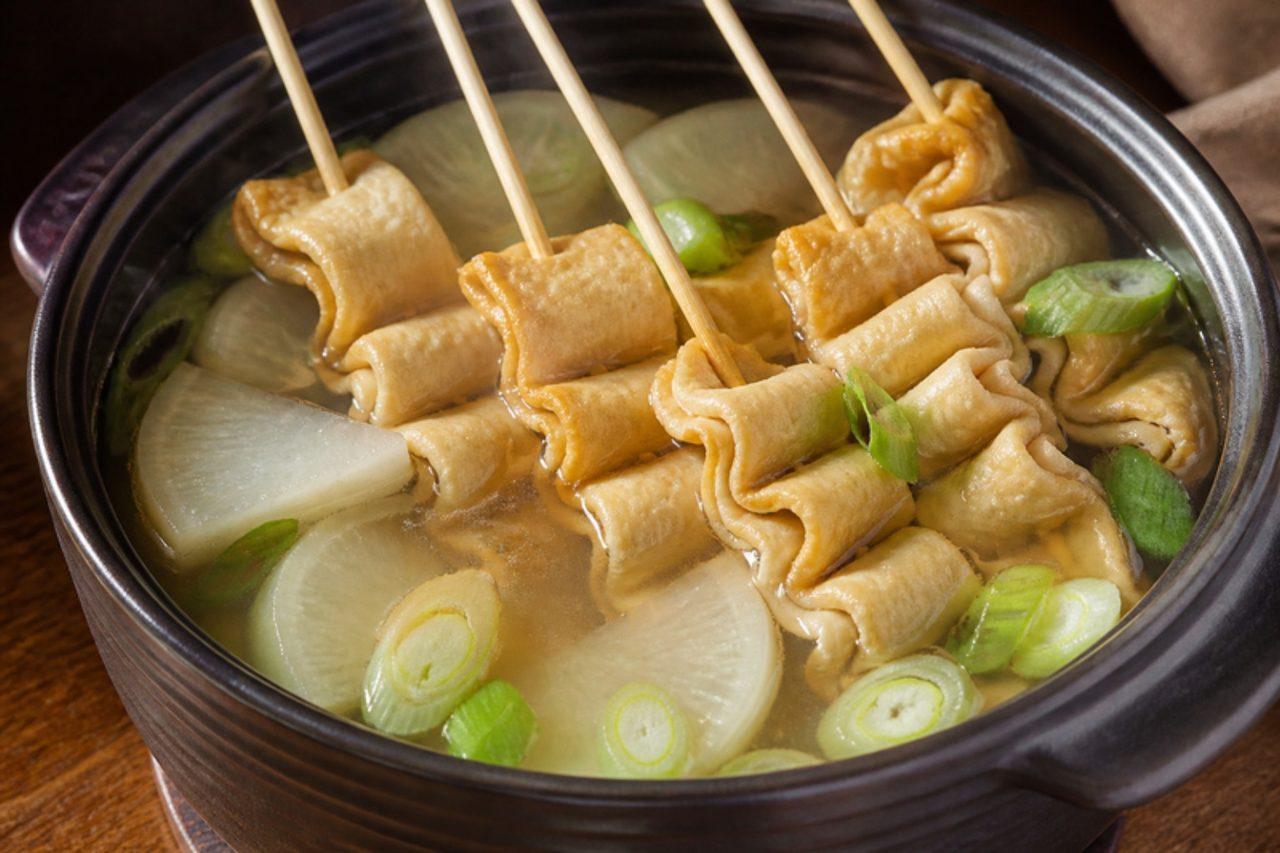
Eomuk-tang

On cold evenings in Busan, the city that made Korean fish cake famous, steam rises from street stalls where folded fish-cake skewers bob in a long tray of broth. You help yourself to a skewer, dip it in soy sauce and sip a paper cup of the hot broth while you stand. Bupyeong market has rows of fish-cake shops, and many families buy a bag there to make this simple soup at home. Radish, dried anchovies and kelp give the broth its clean, sweet flavour. Chef's tip: pull the heads and black guts off the dried anchovies before using them, because the guts make the broth bitter.

25 minSoups
by KrazyBadal 0 views

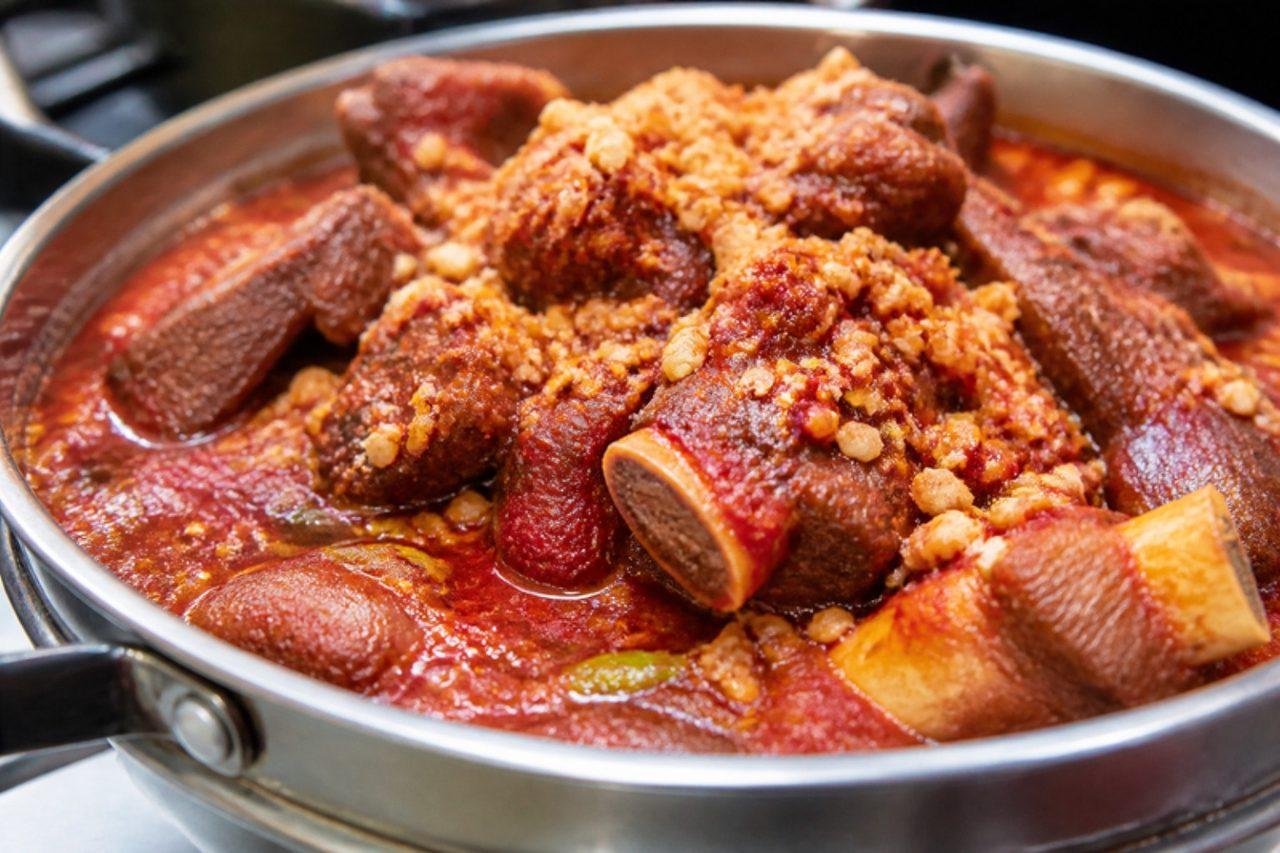
Maeun galbijjim

Dongin-dong in Daegu has a street of restaurants that serve one thing: beef short ribs braised until soft and smothered in a thick paste of red chilli and crushed garlic, brought to the table in battered aluminium pots. The dish is counted among Daegu's ten signature foods, and the city is known for liking its food hot. It's much spicier and less sweet than the soy-braised galbijjim made for holidays. Eat it with plenty of rice, lettuce and a cold drink, and keep a napkin handy. Chef's tip: use far more garlic than seems sensible; the crushed raw garlic stirred in at the end is what makes the Dongin-dong style.

120 minMeatSpicy
by KrazyBadal 0 views

Gogi guksu

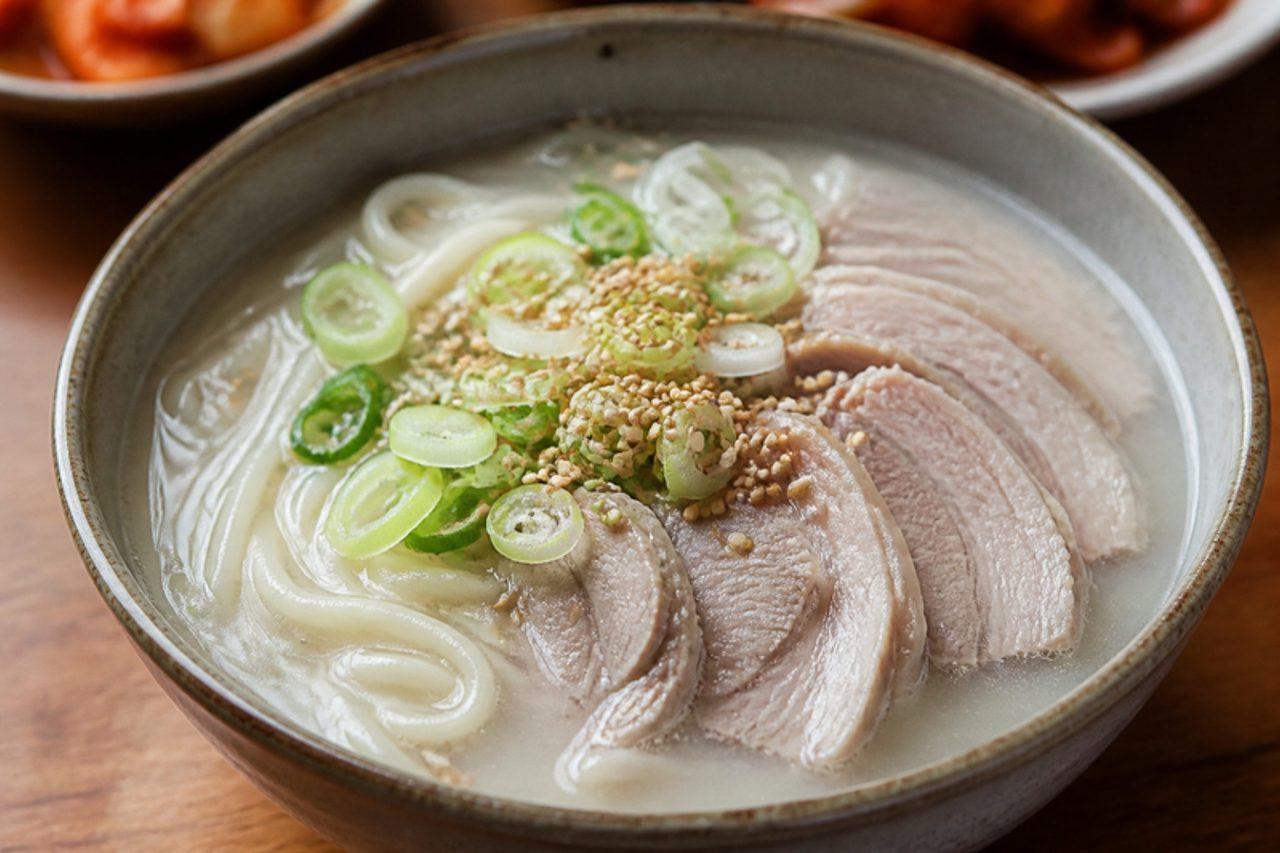
Gogi guksu goes back to Jeju's village feasts, where a pig was slaughtered for a wedding or funeral and its bones were boiled into broth for noodles to feed everyone. In Jeju City there is now a street of noodle restaurants near Samseonghyeol shrine, popular for a quick lunch and with visitors fresh off the plane. The broth is cloudy and rich, the noodles are thick and chewy, and the slices of boiled pork on top are often from the island's black pigs. Diners add chilli flakes and spring onion as they like. Chef's tip: dip the cooked noodles into the hot broth in a sieve for 20 seconds before they go in the bowl; they heat through without going soft.

180 minSoups
by KrazyBadal 0 views

Sundubu jjigae

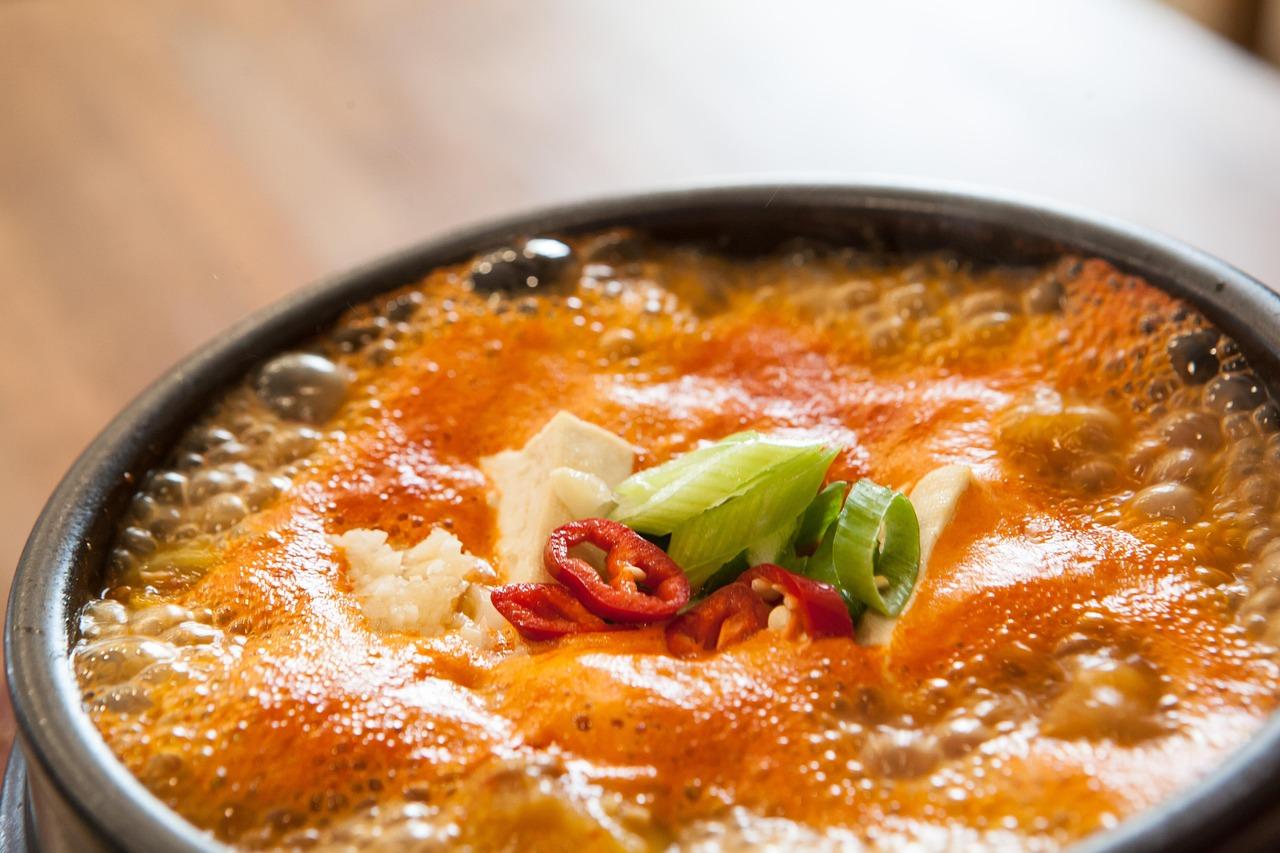
All over Korea, small lunch restaurants bring sundubu jjigae to the table still boiling in a black stone pot, with a raw egg on the side to crack in while it bubbles. The stew is built on very soft, unpressed tofu, which breaks into creamy curds in a red, chilli-oil broth. Seafood and pork go in together here, though you can use just one. Have it with a bowl of rice and some kimchi; it's especially welcome on a cold day. Chef's tip: fry the chilli flakes gently in oil with the pork and garlic before adding liquid; this red chilli oil gives the stew its colour and a deep, rounded heat.

25 minSoupsSpicy
by KrazyBadal 0 views

Goes well with korean chilli flakes