Skip to content

Recipes with korean

4 recipes that use korean, with photos, step-by-step instructions and cook times. The quickest, Agi bulgogi (toddler bulgogi), takes 30 minutes. It is most often cooked with garlic, carrot and coarse sea salt.

Got a few things in the fridge? Search by everything you have

Oi sobagiStuffed cucumber kimchi

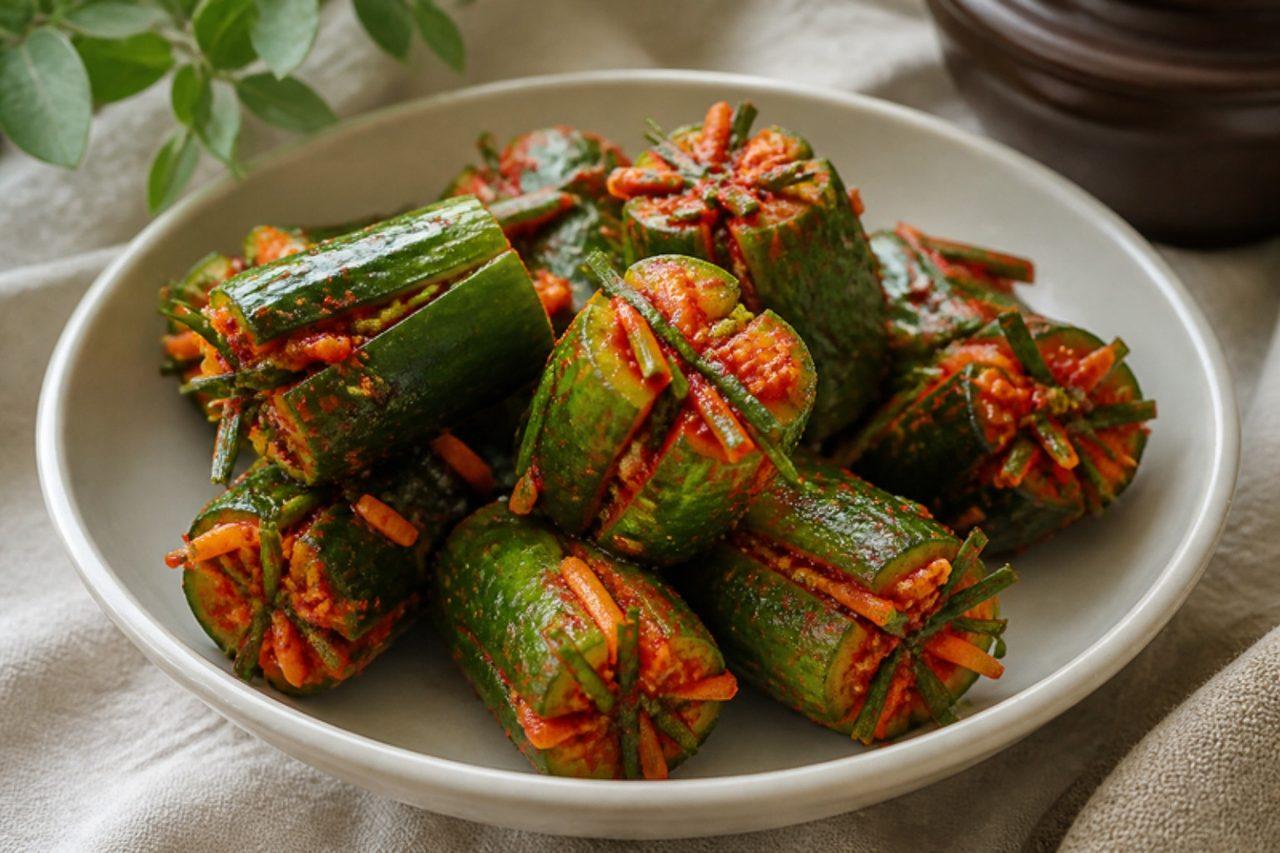
Oi sobagi is the kimchi of early summer, when Korean cucumbers are cheap and sweet and nobody wants to wait weeks for a ferment. Each cucumber is split in a cross, salted until bendy, and stuffed with a bright, garlicky filling of chives, carrot and chilli. It is ready in two days, crunchy and refreshing, perfect with barbecue or cold noodles. This vegan version uses salt and a splash of kelp stock in place of fish sauce. Use a clean glass or ceramic jar or kimchi box scalded with boiling water, and keep the vegetables pressed below the brine; anything sticking out can grow mould. The common mistake is cutting all the way through the ends, which makes the cucumber fall apart; leave 1 cm whole at each end. Chef's tip: salt the cucumbers in hot brine; it keeps them crunchier than dry salt.

by KrazyBadal 0 views

Gun gogumaRoasted sweet potato

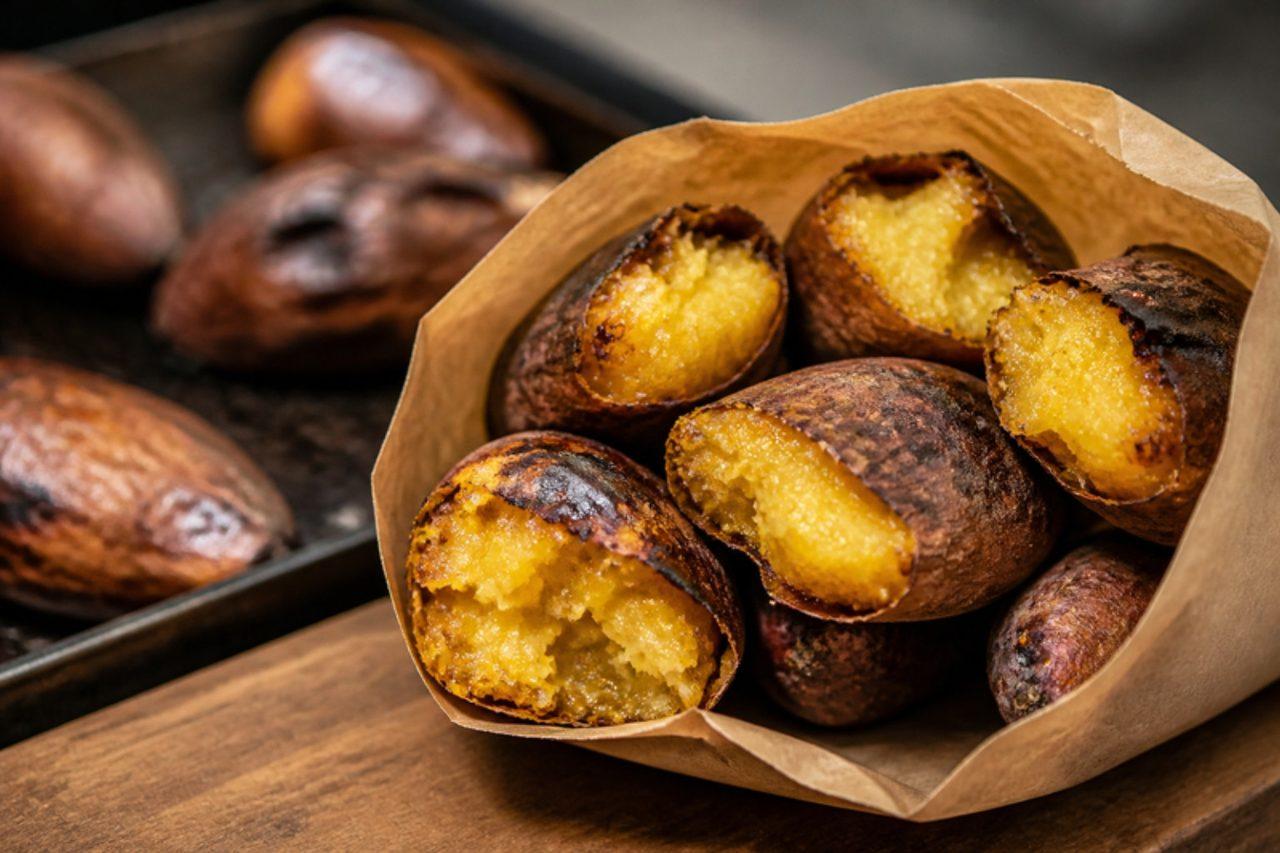
On a winter evening in Seoul, the smell of gun goguma drifts out of black drum ovens on street corners, and vendors hand the potatoes over in paper bags to warm cold hands on the way home. Korean sweet potatoes have purple skin and pale, chestnut-sweet flesh that turns dense and sticky when slow-roasted, and the sugars seep out and caramelise on the skin. At home they are eaten with cold dongchimi or kimchi and a glass of milk or a cup of tea. The common mistake is roasting too hot and too short: the potato cooks but never turns syrupy, so give it the full hour. Chef's tip: once roasted, leave them in the switched-off oven for 15 minutes; they keep getting sweeter as they rest.

by KrazyBadal 0 views

Agi bulgogi (toddler bulgogi)

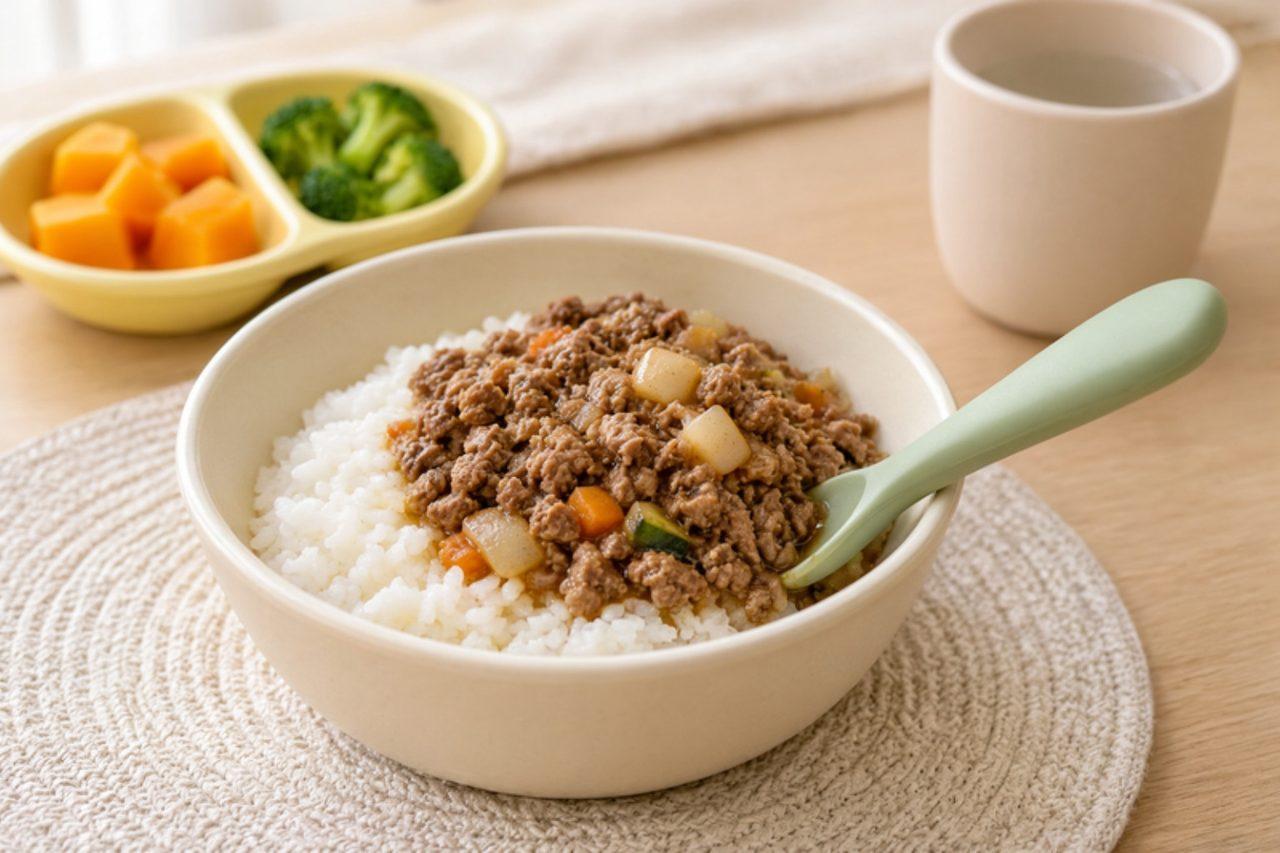
Agi bulgogi, 'baby bulgogi', is the dish Korean parents in Seoul's apartment blocks make once the iyusik stage ends and children start yuaosik, eating soft versions of family food at around 12 months. Grated Korean pear and onion tenderise the beef and sweeten it, so it needs only a drop of soy sauce rather than the sugary grown-up marinade. It is soft, juicy and easy to chew, served with soft rice and courgette. It contains soya and wheat (in soy sauce), and sesame if you use the oil; there is no milk, egg or nuts. Chef's tip: grate the pear finely and squeeze nothing out; the juice is what keeps the meat tender.

30 minKoreanMeat
by KrazyBadal 0 views

Bossam kimchiWrapped cabbage kimchi

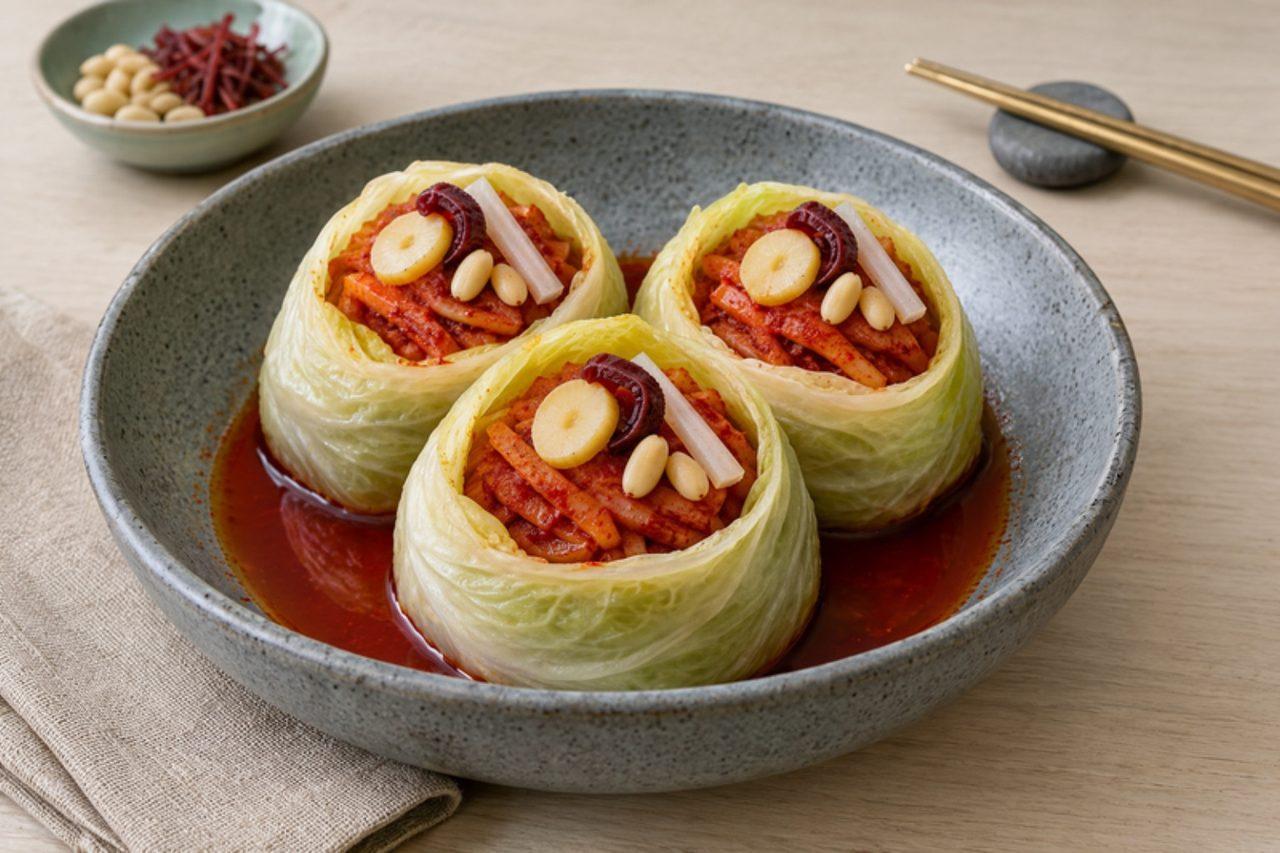
Bossam kimchi comes from Gaeseong, the old Goryeo capital just north of today's border, and it is the kimchi families make with special care at kimjang time in late November and set out for Seollal guests. Instead of rubbing seasoning into whole cabbage halves, the inner leaves are folded around a rich filling of radish, Korean pear, chestnut, jujube, pine nuts and herbs, then wrapped in large outer leaves like a gift. Unwrapped at the table, it is crisp, juicy and sweet from the pear, with mellow chilli heat and the savoury depth of salted shrimp. Traditional versions add raw oysters; here they are optional. Raw oysters are not safe for pregnant people, babies, older people or anyone with weak immunity, so leave them out for those guests or for any kimchi you mean to keep beyond 3 days. The common mistake is under-rinsing the cabbage, which makes every parcel too salty; rinse three times and taste a stem. It is ready after 3–4 days in the fridge, when the juice turns pleasantly sour and slightly fizzy. Chef's tip: tie each parcel with a blanched scallion if the leaves won't stay closed.

by KrazyBadal 0 views

Goes well with korean